
2027 Most Valuable Education Degree Programs Ranking in Newark

Co-Founder and Chief Data Scientist
Choosing the right education degree program is an important step for students in Newark aiming to build a rewarding career. This article introduces the 2027 Most Valuable Education Degree Programs Ranking in Newark, created by the Research.com team of data scientists to guide you toward programs that offer strong outcomes and opportunities.
By exploring this ranking, you'll gain valuable insights to make informed choices about your future. Pursuing an education degree can open doors to meaningful work and personal growth, and this guide will help you find the best fit for your goals.
Key benefits of getting education degree in Newark
- Graduates with an education degree in Newark can expect competitive salaries, such as $76,000 per year for Special Education Teachers and $77,200 for Instructional Designers, providing strong financial stability.
- Career paths are varied, including roles like Elementary School Teacher or ESL Teacher, offering opportunities to impact students across different age groups and backgrounds in the Newark community.
- Completing an education degree online from a Newark university allows flexible scheduling and often lower costs, making it easier to balance work, life, and studies while preparing for a rewarding career.
- Key benefits of getting education degree in Newark
- What can I expect from education degree in Newark?
- Where can I work with education degree in Newark?
- How much can I make with education degree in Newark?
- 2027 Most Valuable Education Degree Programs Ranking in Newark
- Key Findings
- How long does it take to complete education degree in Newark?
- Top-Ranked Education Programs in Newark, DE
- What's the difference between online and on-campus education degree?
- Teacher Certification Requirements
- What is the average cost of education degree in Newark?
- Related Rankings and Further Reading
- What financial aid is available to education degree students in Newark?
- Application Process and Key Deadelines
- What are the prerequisites for enrolling in education degree program in Newark?
- Emerging Trends and Future Outlook for Education Degrees in Newark, DE
- What courses are typically in education degree programs in Newark?
- What types of specializations are available in education degree programs in Newark?
- How do you choose the best education degree in Newark?
- What career paths are available for education degree students in Newark?
- What is the job market for education degree in Newark?
- Top Trending Education Rankings
- See What Experts Have To Say About Studying Education
What can I expect from education degree in Newark?
The average cost of pursuing an education degree in Newark varies depending on the institution and the level of study. At Rutgers University-Newark, for example, undergraduate tuition for in-state students typically ranges from $13,000 to $15,000 annually, while out-of-state students may expect to pay between $28,000 and $30,000 per year. Graduate programs, such as the master's degrees in education or certificate programs for licensure advancement, often cost between $20,000 and $25,000 in total tuition.
Graduates frequently express that these costs are a worthwhile investment considering the quality of training and practical experiences offered. Students appreciate the hands-on opportunities in local Newark schools, which not only build confidence but also enhance employability in a competitive job market. Many also take advantage of financial aid, scholarships, and grants like the TEACH Grant, helping to alleviate the financial burden and increase accessibility for aspiring educators committed to serving urban communities.
Where can I work with education degree in Newark?
Graduates with an education degree in Newark often find rewarding opportunities within K-12 public and private schools, where there is a consistent demand for certified teachers. Many alumni from Rutgers University-Newark and Essex County College share stories of quickly securing positions as elementary or high school teachers, experiencing a strong sense of community impact and professional growth. The Newark Public Schools system alone employs thousands of educators, making it a primary employer for new graduates.
Beyond direct classroom roles, education graduates frequently pursue administrative positions such as school counselors, principals, or curriculum coordinators. These roles allow graduates to influence school policy and student success on a broader scale, often requiring further certification but offering fulfilling leadership challenges. Early childhood education is another vibrant sector, with numerous licensed childcare facilities in Essex County offering meaningful careers for those passionate about early development.
Higher education roles at local institutions like Rutgers-Newark provide chances to work in academic advising or instructional design, appealing to graduates seeking diverse career paths. Special education remains a critical, expanding area, where professionals support Newark's diverse learners with specific needs. Many graduates report pride in contributing to educational nonprofits and community organizations focused on equity and youth development, enhancing Newark's educational landscape.
How much can I make with education degree in Newark?
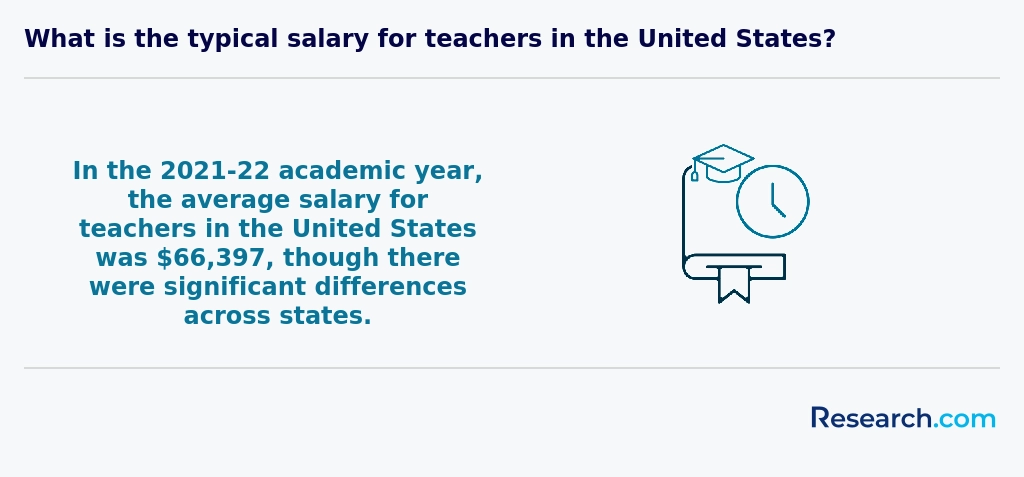
Graduates holding education degrees from Newark's well-regarded institutions often find competitive salary opportunities aligned with the local market. For example, those entering elementary school teaching roles can anticipate mean annual wages near $70,740, reflecting a stable entry point for new educators in the area. Similarly, special education teachers see average earnings around $76,000, underscoring the demand and value placed on specialized skills within Newark's schools.
Many graduates from Newark colleges express satisfaction transitioning into roles such as English as a Second Language (ESL) teacher, where salaries average approximately $65,430 annually. This role is particularly rewarding given the diverse student population in Newark, and an hourly wage around $31.46 highlights its professional merit. Instructional designers, often graduates who take alternative educational career paths, enjoy mean wages near $77,200, leveraging their advanced training in curriculum development and educational technology.
These salary levels, combined with union-supported pay progression and local district incentives, contribute to a positive outlook for education degree holders committed to building careers in Newark's vibrant educational landscape.
2027 Most Valuable Education Degree Programs Ranking in Newark
How do we rank schools?
Investing in your education is a significant decision, and the Research.com team is deeply aware of the importance of making well-informed choices. To support prospective students in Newark, we have carefully developed the "2027 Most Valuable Education Degree Programs Ranking in Newark." Our dedication to quality, credibility, and accuracy is demonstrated through rigorous research and analysis. We relied on the following trusted data sources to create a comprehensive and reliable ranking:
By consulting this ranking, readers will receive valuable insights into the most valuable education degree programs in Newark, empowering them to make confident educational decisions. For a detailed explanation of our ranking process, please visit our Research.com methodology page.

Key Findings
- The average annual tuition for education degrees in Newark ranges from $12,000 to $25,000, with public institutions generally costing less for in-state students.
- Additional expenses include fees, books, and living costs, which increase the overall budget required for education studies.
- Starting salaries for entry-level teachers in Newark average around $50,000 per year, rising to $70,000 or more with experience over 10 years.
- Newark Public Schools regularly hire due to retirements and program growth, maintaining stable demand for educators in elementary, special education, and STEM fields.
- Holding advanced degrees or certification endorsements in Newark can lead to better job opportunities and higher wages.
How long does it take to complete education degree in Newark?
Completing an education degree in Newark typically takes between two and six years, depending on the level pursued. Graduates from local institutions like Rutgers University-Newark and the New Jersey Institute of Technology often reflect on their four-year bachelor's programs as both rigorous and rewarding, balancing foundational coursework with hands-on student teaching experiences. For those starting with an associate degree at a community college, the journey usually spans around two years, offering a practical step into educational roles or a gateway to further study.
Many master's degree candidates appreciate the flexibility offered by Newark's universities, completing advanced degrees in one to two years while managing part-time schedules or evening classes. Some accelerated bachelor's programs thrive in Newark's urban setting, allowing ambitious students to graduate in as little as three years.
This variation caters to diverse student needs, enabling working professionals and full-time learners alike to pursue education degrees that fit their lifestyles. Newark's supportive academic environments foster accessible pathways to becoming certified educators, encouraging positive and confidence-building experiences throughout the process.
Top-Ranked Education Programs in Newark, DE
- University of Delaware – Bachelor of Science in Elementary Education: Accredited program with a 90% licensure pass rate and hands-on student-teaching placements in local schools.
- Wilmington University – Master of Education in Instructional Design: Fully online format, flexible scheduling, and competitive tuition; explore more on affordable masters degrees.
- Delaware State University – Bachelor of Science in Special Education: Intensive field experiences paired with a strong focus on inclusive classroom strategies.
- Delaware Technical Community College – Associate of Arts in Education: Two-year pathway featuring guaranteed transfer agreements to regional four-year universities.
- University of Delaware – Master of Education in Educational Leadership: Evening and weekend courses tailored for working professionals pursuing administrative roles.
What's the difference between online and on-campus education degree?
Online and on-campus education degree programs in Newark differ primarily in their delivery and interaction models, which directly impact the student experience. Graduates from Rutgers University-Newark and New Jersey Institute of Technology often highlight the value of on-campus programs for hands-on teaching practice and real-time classroom observation, experiences that foster deeper engagement and immediate feedback from professors and peers.
Conversely, online students appreciate the flexibility to balance coursework with professional and personal responsibilities, completing studies remotely while still engaging in essential fieldwork at local schools. This model suits those who need to customize their schedules without sacrificing clinical practice, a critical component recognized by the New Jersey Department of Education for teacher certification.
Financial considerations also vary: while online degrees can reduce commuting and housing costs, tuition rates usually align closely with on-campus expenses, especially given the practicum requirements. Newark-based students value program accreditation and the opportunity for immersive, practical teaching experiences when choosing their preferred format.
Teacher Certification Requirements
Aspiring K–12 teachers in Delaware must fulfill these steps to obtain licensure:
- Complete a state-approved education degree program.
- Pass Praxis Core Academic Skills for Educators and the appropriate Praxis Subject Assessment.
- Clear a criminal background check with fingerprinting.
- Apply online through the Delaware Department of Education with official transcripts.
- Renew your Standard Certificate every five years by completing 100 hours of professional development.
Explore what bachelors degree should i get to ensure your program meets licensure prerequisites and sets you on a clear path to certification.
What is the average cost of education degree in Newark?
The average education degree costs in Newark reflect a distinct difference between in-state and out-of-state tuition, with median total costs for in-state students around $16,810. Graduates from institutions like Rutgers University-Newark often highlight how managing these expenses involves a balanced approach, combining tuition, fees, and day-to-day living costs. Those attending local public universities find the investment considerably more manageable compared to private colleges, which typically present significantly higher tuition rates.
It is important for prospective students to consider additional costs beyond tuition, such as fees for certification exams and background checks required for licensure, which can add several hundred dollars annually. Students often share positive experiences regarding financial aid and scholarship opportunities offered by Newark colleges that specifically target education degree candidates, helping to alleviate the financial burden.
Graduates frequently recall how understanding the total tuition and fees for education degrees Newark helped them plan more effectively for their academic journey. Many benefit from merit-based aid or financial assistance for commitments to teach in high-need local schools. For those exploring flexible learning options, programs like an affordable online master's in reading and literacy provide valuable alternatives that balance cost with convenience.
Overall, the investment in an education degree in Newark varies but remains a feasible and rewarding pursuit, especially when students actively explore the full range of cost factors and financial support options available to them.
Related Rankings and Further Reading
As you evaluate programs in Newark, DE, it’s valuable to consider similar analyses that highlight cost-effective and high-quality options beyond your immediate region. For instance, our Inexpensive Online Education Degree Programs Ranking in Greenville, NC showcases programs that balance affordability and academic excellence while offering flexible online delivery. By comparing these findings with Newark’s offerings, you gain deeper insight into tuition costs, program formats, and potential return on investment. Exploring both regional and national rankings empowers you to make a data-driven decision that aligns with your career goals, learning preferences, and financial considerations.
What financial aid is available to education degree students in Newark?
Students pursuing education degrees in Newark benefit from a variety of financial aid options that ease the burden of tuition and related costs. Many graduates from Rutgers University-Newark recount how applying for the Federal Pell Grant, averaging $4,000 annually, significantly reduced their need for loans. This grant, awarded based on financial need, does not require repayment, providing vital support during studies.
State programs like the New Jersey Student Tuition Assistance Reward Scholarship (NJ STARS) offer full tuition coverage at community colleges, which can be transferred seamlessly to four-year institutions in Newark. Additionally, the Educational Opportunity Fund supports students facing economic challenges, supplementing both financial aid and academic resources.
Institutional scholarships targeted at education majors at Newark universities further incentivize academic and community achievements. Many local school districts also extend tuition reimbursement programs to paraprofessionals and substitute teachers advancing their qualifications, fostering a motivated and supported local educator workforce.
Application Process and Key Deadelines
Navigating the application process for Education degree programs in Newark, DE requires careful planning to meet each institution’s requirements and deadlines. Prospective students should begin by researching available programs, confirming accreditation status, and reviewing specific prerequisites such as GPA minimums, standardized test scores, and required coursework. Many applicants benefit from attending virtual or in-person information sessions and campus tours, which clarify program expectations and provide firsthand insights from current students and faculty. Typical application steps include:
- Completing the Common Application or individual university portal forms, usually opening August 1 for Fall admission and November 1 for Spring admission.
- Submitting official high school or college transcripts by September 15 (Fall) and December 15 (Spring).
- Providing letters of recommendation (2–3), a personal statement, and any required test scores (SAT/ACT) by October 1 for priority consideration.
- Completing a criminal background check and, if applicable, scheduling an entrance interview between October and January, depending on program track. Financial aid and scholarship deadlines often coincide with admissions dates-FAFSA submissions are due by March 1, and state scholarship applications close by April 15. To explore additional flexible pathways, especially for working professionals, consider our guide to Best Online Bachelors in Education Programs, which highlights streamlined application timelines and support services tailored to online learners. Meeting these key deadlines ensures you stay on track for a smooth enrollment and confident start to your Education journey in Newark, DE.
What are the prerequisites for enrolling in education degree program in Newark?
Prospective students aiming to enroll in education degree programs in Newark must meet several key prerequisites that reflect both local expectations and national standards. Most undergraduate applicants need a high school diploma or equivalent, such as a GED, with a GPA typically ranging from 2.5 to 3.0 to demonstrate readiness for rigorous academic work. For example, graduates from Rutgers University-Newark recount how meeting these requirements helped them confidently transition into focused study.
Standardized test scores like the SAT or ACT are commonly requested, though some institutions, including those in Newark, have adopted test-optional policies that reduce stress and broaden opportunities. Additionally, students should prepare foundational coursework in English and mathematics, submit compelling personal statements, and provide letters of recommendation. Many successful candidates share how showcasing relevant volunteer experience enriched their applications, making them feel proud of their hands-on commitment before even starting classes.
Graduate programs typically require a completed undergraduate degree with a minimum GPA around 3.0. Background checks and compliance with New Jersey's teacher certification regulations are also essential, ensuring a safe and professional environment for future educators in the community.
Emerging Trends and Future Outlook for Education Degrees in Newark, DE
In today’s rapidly evolving educational landscape, staying ahead means understanding emerging trends that can influence your career long after graduation. Future educators are witnessing a growing integration of technology in classrooms, hybrid models that blend online and in-person learning, and innovative pedagogical approaches that prioritize digital literacy and critical thinking skills. This shift not only enhances learning experiences but also creates new roles and opportunities in educational technology, curriculum development, and instructional design. Moreover, partnerships between academic institutions and industry leaders are paving the way for real-world learning experiences, thereby increasing the return on investment for students. For those seeking programs with a forward-thinking approach, exploring options like a valuable education school in delaware could provide a competitive edge in a dynamic job market. Keeping abreast of these trends will not only empower prospective educators to adapt to future challenges but also position them to make impactful contributions in shaping the future of education.
What courses are typically in education degree programs in Newark?
Education degree programs in Newark, particularly at institutions like Rutgers University-Newark and the New Jersey Institute of Technology, feature a rigorous curriculum designed to equip students with essential skills for diverse urban classrooms. Graduates often recall foundational courses in educational theory and teaching methods that foster a solid understanding of pedagogy. These courses include child and adolescent psychology, which prepare future educators to compassionately support student development across varied learning stages.
Students also engage deeply with instructional strategies tailored to Newark's multicultural population, learning to create inclusive lesson plans and manage classrooms effectively. Assessment and evaluation techniques are emphasized to help measure student progress and adapt teaching accordingly. Many recall the rewarding challenge of integrating digital tools into lesson plans, enhancing student interaction and engagement.
Field experiences in Newark's local schools provide hands-on teaching practice, often cited by graduates as pivotal in building confidence and real-world skills. Elective courses in special education, bilingual education, and educational leadership further prepare students to meet evolving needs within Newark's school system, making the overall experience both challenging and fulfilling.

What types of specializations are available in education degree programs in Newark?
Education degree specializations in Newark cover a wide range of focused areas designed to meet the dynamic needs of local schools and communities. Graduates from Newark's prominent colleges often highlight the Early Childhood Education track, which equips them to nurture young learners from infancy through third grade. This specialization is especially rewarding in Newark, where early education programs are expanding rapidly, allowing graduates to feel directly involved in fostering long-term academic success for the city's youth.
Other popular specializations include Special Education, preparing educators to address diverse learning needs in inclusive classrooms, and Secondary Education, where students concentrate on subjects like math and science, fulfilling critical staffing roles in Newark's middle and high schools. Many students appreciate the practical training offered in these programs, which helps them confidently navigate real classroom challenges while meeting state standards.
Additional options such as Curriculum and Instruction, Educational Leadership, Educational Technology, and English as a Second Language (ESL) resonate with Newark's multicultural student body. For those considering a broad education foundation, programs here are adaptable, sometimes combined with an accredited online history degree to deepen content knowledge.
Students pursuing top education programs in Newark often describe their experiences as empowering, noting how the city's diverse environment and community engagement opportunities enrich both their academic and professional growth.
How do you choose the best education degree in Newark?
Choosing the best education degree in Newark requires careful consideration of program accreditation, cost, and specialization. Graduates from institutions such as Rutgers University-Newark often emphasize the value of accreditation by bodies like the Council for the Accreditation of Educator Preparation, which assures that the curriculum meets national standards and supports teacher certification requirements in New Jersey. Many Newark residents appreciate affordable education programs Newark offer, benefiting from in-state tuition rates and available financial aid to ease the investment in their future careers.
Considering specialization is crucial; students focusing on areas such as early childhood education or special education find greater satisfaction and improved job prospects. For example, those aiming to become special education program coordinator jobs highlight how targeted coursework and practical experiences in Newark's universities prepare them well for local school districts.
Finally, prospective students value the close-knit academic environments at Newark's colleges, where smaller class sizes and faculty with strong community ties foster mentorship and career support. This blend of quality and relevance shapes the appeal of the best education degrees in Newark.
What career paths are available for education degree students in Newark?
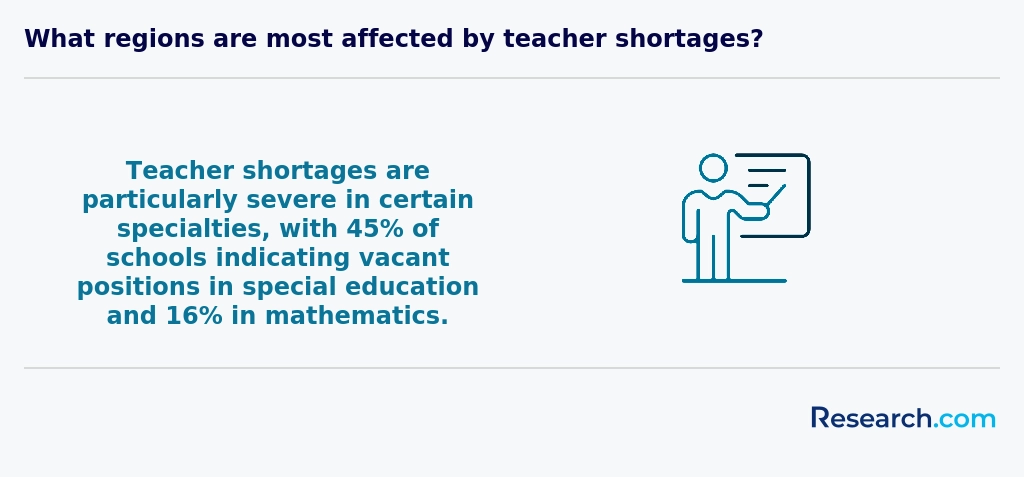
Graduates with an education degree in Newark can pursue a variety of rewarding career paths across teaching, administration, and specialized educational services. Many alumni from prominent Newark universities find fulfillment working as licensed teachers within Newark Public Schools, where their skills enrich diverse classrooms from elementary to high school. The strong job prospects with education degree Newark include specialties such as math, science, and special education, all supported by competitive salaries. Beyond classroom roles, education graduates often advance to leadership positions like principals and curriculum developers, utilizing additional certifications or advanced degrees to influence school improvement efforts.
Newark's expanding education sector also opens doors to roles in school counseling and educational technology, which graduates from local colleges embrace enthusiastically, helping students succeed academically and emotionally. These paths reflect real-life opportunities where education degree holders effect meaningful change. Some graduates even engage in community-driven adult education and literacy programs, experiencing the rewarding impact of lifelong learning. Those seeking further advancement benefit from proximity to top universities offering financial aid, complemented by guidance such as the Wisconsin teacher certification renewal process, which illustrates certification pathways that inspire many Newark education students.
What is the job market for education degree in Newark?
The job market for education degree job opportunities in Newark remains robust, driven by consistent demand in urban public schools and specialized fields such as special education and STEM. Graduates from Newark's well-regarded institutions often find rewarding roles as classroom teachers, curriculum developers, or school counselors. Many recount positive experiences balancing practical classroom training with theory, which helps them meet district-specific hiring needs confidently.
Starting salaries in Newark Public Schools range typically from $50,000 to $60,000, competitive considering the region's living costs and union contracts. This steady outlook encourages graduates to pursue further certifications or advanced degrees from local universities to enhance their career advancement potential and salary prospects. Newark's proximity to various public and private institutions provides an accessible pathway to further education.
Students exploring their options frequently compare costs and outcomes with other programs, sometimes considering institutions highlighted as a valuable education school in delaware. Understanding the Newark education degree career outlook is essential when weighing long-term benefits and meeting state certification requirements.
Frequently Asked Questions About education
Education degree students in Newark can maximize their learning by engaging actively with local schools through practicum and internship programs. Newark Public Schools and collaborating institutions often provide valuable hands-on teaching experience, crucial for developing practical skills. Additionally, students should utilize resources at nearby universities such as Rutgers University-Newark, which offers workshops and mentorship opportunities focused on urban education challenges. Research by the National Center for Education Statistics shows that students who participate in field experiences complete their programs 15% faster and report higher confidence in classroom settings. Building a professional network within Newark's educational community also enhances career prospects.
Emerging niches in the education field increasingly focus on technology integration and specialized support roles. In Newark, programs emphasizing educational technology and digital learning strategies are gaining popularity, reflecting national trends in K-12 and higher education. According to the New Jersey Department of Education, demand for educators skilled in virtual teaching platforms and personalized learning approaches has grown by over 15% in recent years.
Special education remains a critical area, with a rising need for professionals trained to support diverse learners, including those with disabilities and English language learners. Additionally, there is growth in counseling and mental health services within schools, addressing student well-being.
These niches represent promising paths for education degree students in Newark seeking relevance in a dynamic job market.
After completing an education degree in Newark, preparing for the job market requires strategic steps to enhance employability. According to the New Jersey Department of Education, student teachers who complete internships in Newark-area schools gain valuable practical experience highly valued by local employers.
Networking with local school districts and education professionals can open doors to job opportunities. Additionally, obtaining state certification through the New Jersey Professional Standards Board is essential for teaching roles within Newark public schools.
Seeking continuing education and specialized credentials, such as in special education or ESL, can provide a competitive edge. Job placement rates for Newark education graduates have steadily increased, emphasizing the importance of practical experience and certification.
Employers in Newark value education degree graduates who demonstrate strong communication and classroom management skills. According to recent data from the Newark Public Schools district, effective verbal and written communication ranks as a top priority for hiring managers. Graduates are expected to engage diverse student populations and adapt teaching methods accordingly.
Additionally, analytical and problem-solving skills are crucial, as schools emphasize data-driven instruction. Proficiency in educational technology is increasingly important, given the rise of digital learning tools since 2020.
Collaboration and cultural competency also feature prominently, reflecting Newark's diverse community and the need for inclusive teaching strategies. These competencies align closely with state education standards and district goals.
Finding internships in Newark related to education degrees involves leveraging local resources and university partnerships. Newark hosts several institutions offering education programs, such as Rutgers University-Newark, which often facilitates internship placements through its career services. These internships commonly take place in nearby public schools and educational nonprofits.
Students should contact school districts like Newark Public Schools, which have established programs for student-teachers and interns. Networking with local educators and attending Newark education job fairs can also increase internship opportunities.
According to the New Jersey Department of Education, internships improve teacher readiness and job placement rates, making them essential for education students. Utilizing university career centers and local education agencies is key to securing relevant experience in Newark.
In Newark, obtaining an education degree significantly enhances career mobility and advancement opportunities, especially within the local public school system. According to the Newark Public Schools district, educators with advanced degrees often qualify for higher salary brackets and leadership roles such as department heads or curriculum coordinators.
Data from the New Jersey Department of Education shows that over 40% of Newark teachers hold a master's degree or higher, which correlates with increased job stability and promotion potential. Additionally, specialized certifications acquired through degree programs can open doors to administrative positions.
Overall, pursuing an education degree in Newark aligns well with career growth thanks to state-supported incentives and district policies favoring advanced qualifications.
Studying for an education degree in Newark offers essential preparation for interdisciplinary roles by emphasizing collaborative skills and diverse knowledge areas. Local universities integrate coursework that combines educational theory with psychology, sociology, and technology. This approach reflects the needs of Newark's diverse school districts, where teachers often work alongside social workers, counselors, and specialists.
According to recent data from the New Jersey Department of Education, nearly 40% of Newark students receive special services, which requires educators to understand multifaceted support systems. Programs in Newark also promote practical experience through partnerships with community organizations, enhancing students' readiness for roles beyond traditional teaching.
Such interdisciplinary training equips graduates to address varied classroom challenges and engage in broader educational reform initiatives.
Choosing between a thesis and a non-thesis education degree program in Newark depends on your career goals and learning preferences. A thesis option typically requires original research and a formal written report, which suits those aiming for roles in academia or advanced research. According to the National Center for Education Statistics, about 30% of education graduate students in the U.S. select thesis programs for this reason.
Non-thesis programs focus on coursework and practical skills, ideal for professionals seeking immediate application in schools or administrative settings. Newark's universities often offer both, with non-thesis tracks allowing faster completion. Understanding these differences helps you select a path aligned with your future plans.
Students based in Newark who wish to study education abroad have several pathways within the U.S. higher education system. Many universities offer study abroad programs or exchange partnerships allowing education majors to gain international experience while earning credits. For example, institutions like Rutgers University-Newark provide support for semester-long exchanges in countries with strong education systems.
In addition, some Newark students may enroll in joint degree programs that combine U.S. education degrees with international institutions, enhancing cultural competencies vital for educational careers. It is important to consult advisors early, as financial aid and credit transfer policies vary.
The U.S. Department of Education reports that approximately 5% of U.S. education students participate in abroad study, reflecting growing interest in global education perspectives.
Newark offers numerous part-time job opportunities that complement education degree programs, providing valuable hands-on experience. Many students find positions as teacher assistants in local public schools operated by Newark Public Schools, where they support classroom instruction and learn practical skills. According to the New Jersey Department of Education, working as a paraprofessional enhances understanding of student needs and classroom management.
Additionally, tutoring roles in after-school programs and community centers allow students to refine their instructional techniques. Newark's libraries and nonprofit organizations often hire part-time education interns, offering a chance to engage with diverse learners. These jobs not only boost résumés but also broaden professional networks within the education sector.
Education students in Newark have access to several valuable networking opportunities that can enhance their academic and professional development. Local universities such as Rutgers University-Newark and the New Jersey Institute of Technology often host education-focused seminars and career fairs, connecting students with experienced educators and administrators.
The Newark Public Schools system, one of the largest in New Jersey, offers student teaching placements and internships, allowing future educators to build relationships with school staff and gain practical experience.
Additionally, professional organizations like the New Jersey Education Association provide local chapters and events where students can meet peers and mentors. According to the New Jersey Department of Education, these networking efforts support higher job placement rates for graduates in the region.
Alumni networks play a crucial role for education degree students in Newark by providing valuable professional connections. Graduates often share job leads and mentorship opportunities, which can be vital in a competitive teaching job market. According to the New Jersey Department of Education, networking through alumni contacts increases job placement success by approximately 20% for local candidates.
These networks also facilitate access to workshops and continuing education events, helping students stay updated on teaching methods and certification requirements. Newark's education programs benefit from strong alumni engagement, fostering a supportive community that aids both new and experienced educators in career advancement.
Customizing an education degree program in Newark allows students to align studies with specific career goals, such as becoming a classroom teacher, administrator, or specialist. Many local universities and colleges, including Rutgers University-Newark, offer flexible degree options combining core educational theory with electives in areas like special education, curriculum development, or educational leadership.
Students can also pursue certifications alongside their degree, such as English as a Second Language (ESL) or school counseling, enhancing employability in Newark's diverse school districts. Online and part-time options provide further flexibility for working professionals. According to the New Jersey Department of Education, around 20% of Newark educators hold specialized certificates, reflecting this trend.
Education students in Newark often face significant challenges related to adapting to diverse urban classrooms. Newark public schools serve a high percentage of English Language Learner (ELL) students and those requiring special education services. This demands future educators to develop strong skills in cultural competency and differentiated instruction.
Another common difficulty is balancing rigorous coursework with mandatory field experiences or student teaching placements. According to the New Jersey Department of Education, many teacher candidates report time management as a major concern due to these dual demands.
Financial pressures also impact many Newark students pursuing education degrees. The city's median household income is below the state average, making access to affordable tuition and resources important hurdles to overcome.
Finally, staying current with evolving state certification requirements and standardized testing criteria creates ongoing challenges, requiring students to engage continuously in professional development.
With an education degree in Newark, you can pursue various professional certifications to enhance your career prospects. One of the most common certifications is the New Jersey Teacher Certification, which qualifies graduates to teach in public schools across the state. This certification typically requires passing Praxis exams and completing a state-approved preparation program.
Additionally, you may pursue specialized credentials such as the Certified Autism Specialist or the Reading Specialist Certificate. These certifications allow educators to work with diverse student populations or focus on specific academic skills.
Career advancement opportunities often increase with certifications like School Administrator or Educational Supervisor licenses.
Writing a winning application for an education program in Newark begins with a clear understanding of admission requirements set by local institutions such as Rutgers University-Newark and New Jersey Institute of Technology. Applicants should highlight their academic achievements, relevant experience, and commitment to education in the personal statement.
Including specific examples of leadership or community involvement in Newark can strengthen the application. According to the National Center for Education Statistics, programs in Newark often emphasize practical teaching experience and cultural competency.
It is important to submit all required documents, such as transcripts, recommendation letters, and standardized test scores, on time. Proofreading the application carefully to avoid errors also makes a strong impression.
Familiarity with Newark's diverse educational landscape and challenges reflects well on the applicant's readiness to contribute locally.
The global perspective on an education career emphasizes the rising importance of educators who can navigate diverse and changing learning environments. In the United States, including Newark, demand for skilled teachers is projected to grow approximately 4% from 2021 to 2031, according to the U.S. Bureau of Labor Statistics. This growth reflects a global trend toward valuing education as a pathway to social and economic development.
Newark, NJ, benefits from several institutions offering education degrees designed to prepare graduates for both local and international challenges. Programs often include training on cultural responsiveness and educational technology, critical for teaching in increasingly diverse classrooms.
Additionally, data from the National Center for Education Statistics highlights that educators with advanced degrees tend to have more opportunities for leadership roles globally. Pursuing such degrees in Newark can provide access to professional networks and resources supportive of a global career.
Students pursuing education degrees in Newark can gain practical experience through several well-established methods. Many local universities and colleges partner with Newark Public Schools, providing opportunities for student teaching internships. These placements allow aspiring educators to work directly in classrooms, developing essential skills under the supervision of experienced teachers.
Additionally, community organizations and after-school programs in Newark often welcome education students as volunteers or interns. According to Newark Public Schools data from 2023, over 70% of education majors participate in some form of fieldwork before graduation, highlighting the emphasis on hands-on learning.
Workshops and seminars hosted by Newark's educational institutions also contribute practical knowledge, often featuring local leaders in education.
Choosing the right concentration within an education degree program in Newark requires careful consideration of your career goals and interests. Education programs typically offer concentrations such as early childhood education, special education, or educational leadership. Research the demand for each specialization in Newark's school districts; for example, Newark Public Schools reported a 15% increase in demand for special education teachers between 2019 and 2023 (Newark Education Department, 2023).
Additionally, consider the certification requirements for your chosen concentration, as they vary across fields. Speak with academic advisors and review curriculum details from Newark institutions to ensure alignment with your professional aspirations.
Related Education Rankings for Nearby Cities
- 2027 Most Valuable Education Degree Programs Ranking in Dover
- 2027 Most Valuable Education Degree Programs Ranking in Washington
- 2027 Most Valuable Education Degree Programs Ranking in Wilkes-Barre
- 2027 Most Valuable Education Degree Programs Ranking in Queens
- 2027 Most Valuable Education Degree Programs Ranking in Bronx
- 2027 Most Valuable Education Degree Programs Ranking in Pittsburgh
- 2027 Most Valuable Education Degree Programs Ranking in Providence
- 2027 Most Valuable Education Degree Programs Ranking in Buffalo
- 2027 Most Valuable Education Degree Programs Ranking in Erie
- 2027 Most Valuable Education Degree Programs Ranking in Raleigh
Top Trending Education Rankings
See What Experts Have To Say About Studying Education
Read our interview with Education experts

Alan J. Singer
Education Expert
Professor of Teaching, Learning and Technology
Hofstra University

Nooshan Ashtari
Education Expert
Professor & Book Author
University of Southern California

References
- How to Write a Great Letter of Intent for a Teaching Job | Zen Educate https://www.zeneducate.com/us/resources/becoming-a-teacher/how-to-write-letter-of-intent-teaching-job/
- Skills Employers Look for in Business Graduates – EU Business School https://www.euruni.edu/blog/skills-employers-look-for-in-business-graduates/
- Skills Employers Look for In Graduates https://careerdc.com.au/resources/what-skills-employers-want/
- The Pros and Cons of Online Learning vs. Traditional Education https://www.sophia.org/blog/higher-education/pros-cons-online-learning-vs-traditional-education/
- Seven Major Challenges Facing Education in the 21st Century https://www.internationalschoolparent.com/articles/seven-global-education-challenges/
- The 8 challenges of education in a changing world https://casvitrescantos.com/en/the-8-challenges-of-education-in-a-changing-world/
- The Future of Education: Emerging Trends Reshaping Learning Environments http://www.gesseducation.com/gess-talks/articles/future-education-emerging-trends-reshaping-learning-environments
- Substitute Teacher Certification Process - Newark Board of Education https://www.nps.k12.nj.us/departments/human-resources/staffing-and-recruitment/job-opportunities/substitute-teacher-certification-process/
- How We Learn - Newark Academy https://www.newarka.edu/how-we-learn
- MONPERATOTO Jati Diri Situs Togel Online Resmi Bersama Agen Toto Togel 4D Terpercaya https://writerslife.org/educational-markets/


