2027 Most Popular Education Degree Programs Ranking in University Park

Co-Founder and Chief Data Scientist
Choosing the right education degree program is a big step toward a rewarding career. If you're planning to study in University Park, this article will guide you through the 2027 Most Popular Education Degree Programs Ranking in University Park. The ranking was carefully created by the Research.com team of data scientists to help you make smart, informed decisions.
Discover which programs stand out and why they could be the perfect fit for your goals. A degree in education opens many doors, and this article will inspire you to find the path that best suits your passion and future.
Key benefits of getting education degree in University Park
- Salary for education degree graduates: Graduates can earn competitive salaries such as $70,740 annually for elementary school teachers and $76,000 for special education teachers, showcasing strong financial prospects.
- Career paths: A University Park education graduate might explore roles like instructional designer or ESL teacher, enjoying diverse opportunities in teaching, designing curriculum, and supporting learners.
- Benefits of online education degrees: Online graduates from University Park gain flexibility and can balance work with study, making it easier to earn a degree while managing other life commitments.
- 2027 Most Popular Education Degree Programs Ranking in University Park
- What can I expect from education degree in University Park?
- Where can I work with education degree in University Park?
What can I expect from education degree in University Park?
When diving into an education degree in University Park, students often find that the financial investment hovers around $18,000 to $35,000 annually, depending on whether they attend a public institution like Penn State or a smaller local college. Imagine a graduate juggling textbooks, student teaching hours in bustling classrooms, and tuition bills-all while fueled by the excitement of shaping future generations. The cost isn't just a number; it reflects access to rich resources, expert faculty, and hands-on experiences unique to University Park's vibrant educational ecosystem.
For those enrolled at Penn State's College of Education, the tuition encompasses immersive fieldwork placements in nearby schools, where theory transforms into impactful practice. Graduates often recall moments standing before eager classrooms, knowing their tuition paved the way for such invaluable real-world interaction. This blend of cost and opportunity creates a palpable sense of investment-not only financially but emotionally, as students become architects of tomorrow's learning environments.
Where can I work with education degree in University Park?
Graduates stepping out of universities in University Park with an education degree often find themselves at the heart of bustling classrooms within the University Park Independent School District or neighboring giants like Dallas ISD. Picture yourself molding curious minds in a vibrant Dallas classroom, where the demand for skilled teachers grows steadily-around 5% yearly-thanks to a swell in student numbers. This isn't just theory; recent grads share stories of early mornings filled with lesson plans tailored for bilingual or special education kids, reflecting the diverse needs of local schools.
Others dive into the elite realm of private institutions like St. Mark's or The Hockaday School, where innovative teaching and leadership roles spark daily inspiration. Beyond the chalkboard, some find their calling steering curricula or shaping education policies, drawn by University Park's connections to major research hubs and foundations with a pulse on Dallas' education scene.
Many graduates resonate with the rewarding challenge of guiding students as counselors or consultants, weaving their talents into the broader Dallas-Fort Worth education fabric. The heartbeat of this career path pulses strong-even within local colleges-where former students become academic advisors, lighting pathways for others just starting. If you dream of impact, University Park's education degree unlocks doors to a vibrant constellation of possibilities.
Graduates from University Park's colleges, clutching their freshly minted education degrees, often step into the teaching world with salaries that spark both hope and ambition. Imagine starting as an Early Childhood Educator making around $41,410 annually, nurturing curious young minds in vibrant local classrooms. As experience colors their resumes, many rise to become Elementary School Teachers, with a mean salary cresting near $70,740-a figure that feels like a reward for their dedication and late-night lesson planning.
Some graduates venture into specialized roles like Special Education Teaching, where the annual mean paycheck jumps to about $76,000, reflecting the critical skills they bring to empower every learner. Others find their niche as English as a Second Language (ESL) Teachers, earning close to $65,430, bridging communication gaps and building confidence for students from all corners of the globe.
In University Park's supportive academic environment, these salaries paint a picture of steady growth and fulfilling careers-a real cash flow pathway for passionate educators shaping tomorrow's world.
- Tuition for education degrees in University Park ranges from $25,000 to $40,000 per year for in-state students; out-of-state costs can exceed $50,000 annually.
- Entry-level teachers typically earn between $40,000 and $50,000 per year, with salaries rising to $60,000-$75,000 after 10 years of experience.
- The job market is stable, with steady demand for teachers in math, science, and special education, plus growth in curriculum development and education technology roles.
- Education programs include practical student teaching placements to help meet local certification and licensing requirements.
- Various financial aid options, including scholarships, grants, and loans, are available specifically for future educators.
Imagine stepping onto the sprawling campus of Pennsylvania State University in University Park, ready to dive into your education degree. For many, that journey unfolds over four vibrant years, packed with lectures, fieldwork, and the thrill of first student teaching experiences. Graduates often recall balancing textbooks with late-night lesson planning, feeling the steady heartbeat of that four-year rhythm.
Those pursuing a master's here typically sail through an additional one to two years, sometimes juggling part-time schedules that reflect lives rich with responsibilities. Picture evenings filled with collaborative workshops and leadership seminars, where future educators sharpen their craft.
For the bold few embarking on doctoral paths, the timeline stretches from three to six years, weaving through research marathons and dissertation breakthroughs. These students describe it as an odyssey, a dance between challenge and discovery within University Park's supportive academic community.
Internships and student teaching add a practical pulse-several months more-that transform theory into real classroom magic, anchoring dreams firmly in experience and community trust.
To make the most out of your education journey in University Park, IL, it's essential to choose a program that aligns with your goals, interests, and career aspirations. When exploring your options, consider factors such as accreditation, program offerings, and faculty qualifications. You can find more information on popular education school in the area, which can provide valuable insights into the quality and reputation of local education programs. By taking the time to research and evaluate different programs, you can ensure that you're well-prepared for a successful and fulfilling career in education.
Imagine stepping onto the leafy campus of a popular University Park college, where a graduate recalls the thrill of face-to-face debates in packed lecture halls and spontaneous study sessions in buzzing campus cafés. That's the heartbeat of an on-campus education degree-direct access to mentors and vibrant community life, with hands-on student teaching nestled in nearby schools. It's an immersive dance, learning by doing, alongside peers who share the same daily rhythms.
Contrast this with the story of an online education graduate in University Park, whose classroom stretches across screens, fitting lessons around a busy work schedule and family dinners. Flexibility is their compass, navigating coursework from anywhere while diving into virtual simulations that mimic real classrooms. They craft their own clinical hours, juggling placements with local schools, turning digital convenience into real-world impact. Both paths converge in the shared goal of teaching certification, but the journey's flavor depends on your own pace and place in life's unfolding story.
Expanding your education degree options in University Park, IL, through accredited online programs can offer both flexibility and cost savings without sacrificing quality. Many universities now deliver interactive curricula via learning management systems, supporting busy professionals and local residents alike. Key advantages include:
- Flexible Scheduling: Online courses allow you to complete lectures, assignments, and discussions at your own pace, ideal for working teachers or those with family commitments.
- Accredited Quality: Ensure your program holds regional accreditation and state approval for licensure. Review faculty credentials, course syllabi, and practicum requirements to confirm academic rigor.
- Cost Efficiency: Online delivery often reduces fees for campus facilities and provides digital textbooks, lowering the total cost of your master’s. For detailed insights on budget-friendly options, explore our Low Cost Online Master’s in Education Degree Programs Ranking in Ohio.
- Enhanced Support Services: Top programs offer virtual advising, career counseling, and tech assistance. Look for platforms with 24/7 access to tutors, library resources, and peer networking forums.
- Real-World Application: Many online programs integrate synchronous workshops and local practicum placements, ensuring you gain hands-on teaching experience in nearby schools. By comparing course delivery, tuition rates, and support structures, you can select an online education degree that aligns with your career goals, lifestyle, and budget-empowering you to advance in education while staying rooted in University Park.
The average cost of a education degree in University Park reveals a practical yet inspiring journey for many students at well-known institutions like Penn State University Park. Graduates often share how the median total cost, hovering around $24,740, shapes their academic path without overshadowing their passion for teaching. This figure factors in tuition, fees, and the day-to-day expenses that weave into the broader experience of growing as an educator. It's not just a number-it's the foundation on which vibrant classroom dreams are built.
Imagine navigating through the annual tuition and additional fees while feeling the excitement of stepping closer to your teaching career. In University Park, in-state students benefit from median costs near $12,004, making the dream more accessible while still embracing exceptional quality education. These numbers help demystify the average cost of education degree University Park students face, grounding their aspirations in financial reality yet leaving room for hope and achievement.
Many find strength in knowing that scholarships and aid soften the financial weight, reflecting real stories of graduates who balanced their budgets smartly. For those delving into the nuances of becoming a teacher, resources like the Montana teacher licensure process provide practical steps that echo to students far beyond their home state, tying education degree total expenses University Park 2027 into a larger national narrative of accessible teacher training.
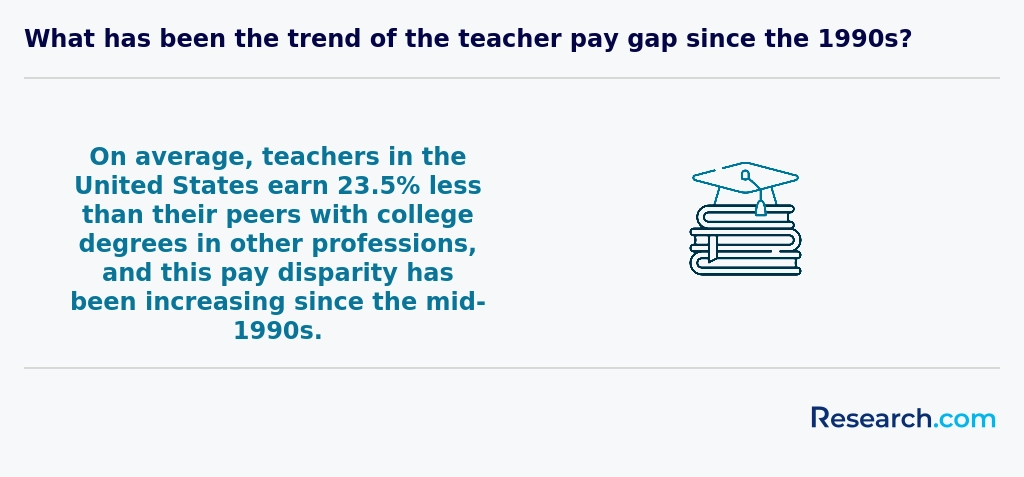
Imagine walking through the halls of Penn State in University Park, where a hopeful education student secures a Pell Grant that lightens the weight of tuition by up to $7,395 annually. These federal grants, along with Direct Loans that offer friendly interest rates, create a financial safety net for many. Graduates recall how completing FAFSA unlocked doors to work-study gigs, where part-time roles on campus funded coffee-fueled study sessions and even some class materials.
Local scholarships sparkle like hidden treasures-earned through merit or a promise to teach in community schools after graduation. Pennsylvania's PHEAA programs act like trusted guides, delivering state grants that ease the yearly cost burden. Some seniors often share stories about tuition remission through graduate assistantships, blending work with learning seamlessly.
And for those drawn to high-need classrooms, loan forgiveness programs feel like a handshake from the future, forgiving up to $17,500 of debt after faithful teaching years. This network of aid in University Park isn't just financial-it breathes possibility into every aspiring educator's dream.
Ensuring your Education degree program in University Park, IL, is accredited and aligned with state licensure standards is critical for a smooth transition into the classroom. The Council for the Accreditation of Educator Preparation (CAEP) and the Illinois State Board of Education (ISBE) set rigorous criteria to guarantee program quality, curriculum relevance, and graduate readiness. Most approved programs include: • Completion of a state-approved curriculum with at least 32 semester hours in professional education courses • A supervised student teaching internship of 12–16 weeks in an accredited K-12 setting • Passage of the Illinois Test of Academic Proficiency (TAP) and content-area tests (e.g., Elementary Education, Secondary Math) • Submission and approval of the Educative Teacher Performance Assessment (edTPA) portfolio After earning your degree, you’ll apply for the Illinois Professional Educator License (PEL) via Educator Licensure Information System (ELIS). The initial license is valid for four years, during which you must complete 120 professional development hours and maintain a minimum GPA of 2.75 to qualify for renewal. Aspiring school leaders can pursue endorsements in Special Education, ESL/ELL, or Educational Administration through additional coursework and testing. For those considering advanced credentials, exploring a Low Cost Online Master’s in Education Degree Programs Ranking in Ohio can reveal budget-friendly pathways to specialized endorsements and increased earning potential. Properly accredited and licensure-aligned programs ensure you meet ISBE requirements, positioning you for a successful teaching career in University Park and beyond.
The gateway to education degrees in University Park swings open for those who bring more than just transcripts. Imagine a recent graduate from a well-known University Park college who credits early volunteering at local schools as their turning point-this kind of hands-on experience speaks louder than test scores alone. Typically, an applicant must have a high school diploma or equivalent, but it's the passion demonstrated through academic dedication in English and math that truly shapes the journey.
Many education hopefuls find their standardized tests like the SAT or ACT fading into the background, as University Park institutions increasingly spotlight GPA and relevant coursework. Graduate programs ask for a bachelor's degree with roots in education or connected fields, welcoming diverse backgrounds if paired with a compelling story and commitment.
Letter recommendations from mentors who witnessed your classroom potential, personal essays pulsating with authentic goals, and an eye toward scholarships make applicants feel seen and supported. Tuition ranges may seem daunting, but the blend of perseverance and financial resources sets the stage for success in University Park's vibrant education scene.
Prospective educators in University Park, IL must navigate a clear set of state licensure and certification requirements to ensure they meet Illinois Teaching Standards and are prepared for classroom success. First, candidates must complete an accredited educator preparation program, which typically includes a minimum of 30 credit hours in pedagogy and subject‐specific coursework. Following program completion, all applicants are required to undergo a supervised student‐teaching residency of at least 12 weeks, allowing them to apply theory in real K–12 settings under the mentorship of experienced teachers. Next, candidates must pass the Illinois Licensure Testing System (ILTS) exams. At minimum, this includes the Content Area Test for your chosen subject or grade level and the Test of Academic Proficiency (TAP), which assesses reading, writing, and mathematics skills. Some specialized endorsements-such as Special Education, ESL/ELL, or Early Childhood-require additional content exams. Once exam scores are submitted, applicants apply for the Professional Educator License (PEL) via the Illinois State Board of Education’s online portal, paying applicable fees and submitting official transcripts and background check documentation. After obtaining the PEL, educators must pursue ongoing professional development to maintain and renew their license every five years. Renewal options include completing 125 Professional Development Hour (PDH) credits, earning an advanced degree, or serving in a leadership role. Teachers interested in advanced certifications-such as National Board Certification or administrative endorsements-often opt to enroll in flexible master’s programs that integrate licensure coursework with leadership training. For aspiring educators seeking an affordable route to a master’s credential and advanced certification options, our Low Cost Online Master's in Education Degree Programs Ranking in Ohio can help you compare programs and their licensure preparation features.
Imagine stepping into a classroom at Pennsylvania State University, where education degree students dive deep into Foundations of Education, exploring not just theories but the soul of teaching itself-how education shapes society and future minds. Graduates often reflect on their moments in Child and Adolescent Development, recalling eye-opening discoveries about the shifting landscapes of young learners' hearts and minds.
Hands-on magic happens through Instructional Methods and Classroom Management, where students master crafting engaging lessons and fostering harmonious classrooms. Many speak warmly of their Student Teaching Practicum, the heartbeat of their journey, standing before real students and translating theory into vibrant practice.
Courses like Educational Psychology and Curriculum Design weave science with art, helping students tailor learning to unique minds. Embracing diversity, Special Education and Educational Technology open doors to innovative, inclusive teaching. At University Park, these programs don't just prepare educators; they sculpt passionate changemakers ready to inspire.
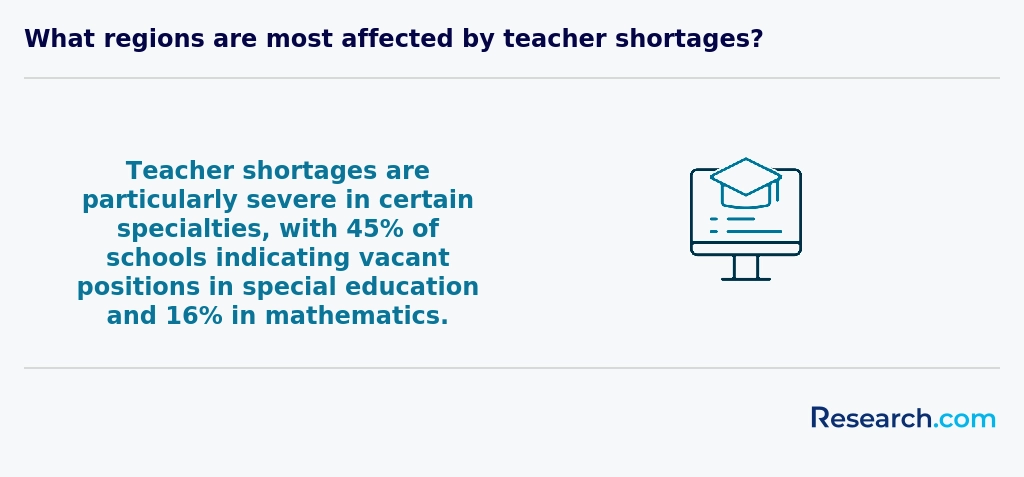
In University Park, education degree specializations illuminate diverse paths, from the joyful chaos of an Elementary Education classroom where graduates cherish moments watching shy kids master reading, to the focused intensity of Secondary Education, where future teachers dive deeply into subjects like mathematics or social studies, preparing to inspire teenagers. Imagine the rewarding challenge for those choosing Special Education-arming themselves with tools to nurture children with disabilities, fueled by a passion to make a real difference, a common story among recent graduates at popular University Park colleges.
Meanwhile, Educational Leadership and Administration beckons those envisioning themselves steering schools or districts, crafting policies that shape futures. Early Childhood Education lovers find their joy in playful learning environments for little ones up to age eight, a specialization well-supported in University Park's degree program options. Meanwhile, graduates focusing on Educational Technology harness digital arsenals to transform lessons, reflecting the evolving educational landscape.
Students seeking affordable yet comprehensive options explore public institutions with in-state tuition between $8,000 and $12,000, ensuring accessibility. For those curious about cost-effective routes, checking out the online education degree cost can be enlightening.
Imagine yourself walking through the vibrant campus of Pennsylvania State University, feeling the energy of education students eager to make a difference. Choosing the best education degree programs University Park offers means diving deep into what truly sparks your passion-whether it's shaping young minds in early childhood or leading the charge in educational leadership. Graduates here often recall how hands-on internships with local school districts transformed their lecture-room theories into vivid classroom realities, fueling their confidence before even donning their caps and gowns.
Affordability is a lantern guiding your path as well; University Park's public institutions align closely with Pennsylvania's average tuition costs, making affordable education degrees University Park residents can pursue without breaking the bank. Scholarship seas and financial aid waves toss in helpful boosts, tossing you toward your dreams with less financial weight on your shoulders.
Picture mentors encouraging you to check accreditation through CAEP to ensure that your degree opens doors nationwide. Flexibility, too, matters-whether juggling work, family, or dreams of growing in an interior design career growth side path. This holistic consideration creates a roadmap, turning choices into an exciting journey through University Park's rich educational landscape.
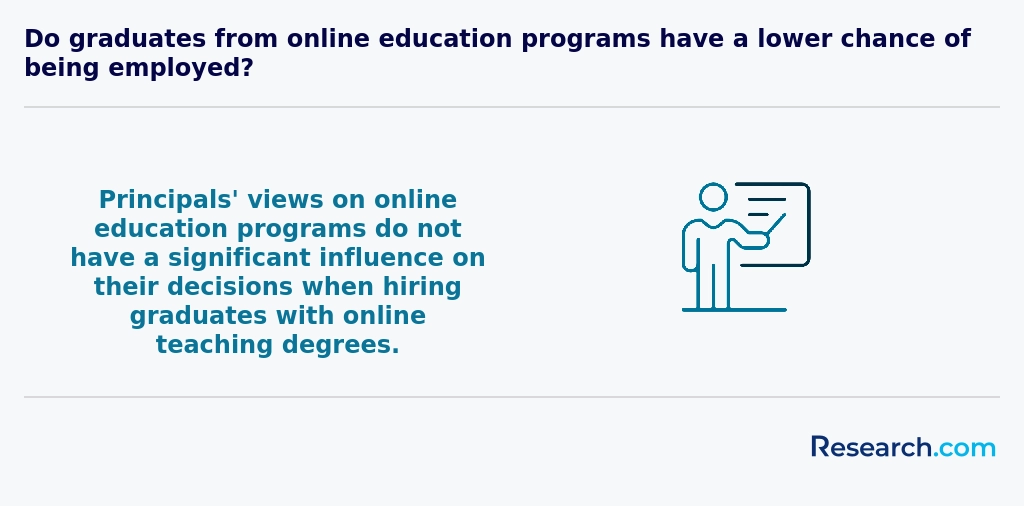
Graduates with an education degree career options University Park discover a playground of possibilities-imagine shaping curious minds as a licensed K-12 teacher in local schools, where every lesson becomes a stepping stone for tomorrow's innovators. Others drift into educational administration, commanding the helm as principals or curriculum designers, orchestrating the harmonious flow of knowledge across entire schools, often inspired by stories from University Park's colleges where graduates proudly carry leadership roles.
Venturing into educational technology, alumni fuse creativity with code, crafting digital learning landscapes that transform traditional classrooms. This path buzzes especially alive around University Park's tech hubs, offering thrilling prospects for those eager to innovate. Meanwhile, graduates also explore roles like school counseling or special education, where empathy meets expertise to nurture every student's unique journey.
For those curious about alternative routes, programs at University Park introduce avenues like adult education or higher education administration-each a vibrant thread in the tapestry of job opportunities with education degree University Park. Some even pivot to quick human resources degrees, blending educational insight with workforce development to maximize impact beyond typical classrooms.

Graduates stepping into the education degree jobs in University Park find themselves amid a dynamic and inviting environment. Picture a recent graduate from a well-regarded college here, excited to join local schools where there is a palpable hunger for skilled educators, especially in STEM and special education. University Park's close relationship with thriving school districts means constant openings for passionate teachers, counselors, and leaders who want to innovate classroom experiences.
Many who pursued their degrees at popular universities in the area appreciate how their training emphasized technology integration and remote learning-skills now highly sought after by school administrators. For those dreaming bigger, the proximity to colleges translates into vibrant University Park teaching career opportunities beyond K-12, including postsecondary roles. One graduate described feeling empowered by the competitive salaries, which can reach up to $75,000, reinforcing the city's promise of both purpose and stability.
For those curious about educational paths, exploring the popular education school options in University Park can be an inspiring first step.
2027 Most Popular Education Degree Programs Ranking in University Park
Investing in your education is a significant decision that can shape your future, and the Research.com team understands the importance of making informed choices. To assist prospective students in University Park, we have meticulously crafted the "2027 Most Popular Education Degree Programs Ranking in University Park." Our commitment to quality, credibility, and accuracy is reflected in the extensive research and analysis conducted to compile this ranking.
We utilized the following reputable data sources to ensure a comprehensive evaluation of education degree programs:
By exploring this ranking, readers will gain valuable insights into the most popular education degree programs available in University Park, empowering them to make well-informed decisions about their academic future. For more information on how this ranking was developed, please visit our Research.com methodology page.

Frequently Asked Questions About education
Education degree students in University Park can maximize their learning by actively engaging in both theory and practical experience. Many programs in the area emphasize hands-on teaching through local school partnerships. According to the National Center for Education Statistics, students who participate in internships or student teaching placements improve their job prospects by 35%.
Taking advantage of campus resources, such as tutoring centers, libraries, and study groups, also enhances comprehension and retention. Networking with faculty and peers helps build professional connections essential for career growth. Additionally, attending education workshops and seminars hosted by local universities in University Park provides current insights into teaching methods and policies.
Emerging niches in the education field reflect shifts in technology, diversity, and student needs. In University Park, there is growing interest in educational technology, which integrates digital tools to improve learning outcomes. According to the National Center for Education Statistics, jobs in this area are expected to grow by 13% through 2030. Another emerging niche is special education, focusing on inclusive teaching methods for students with disabilities. Additionally, culturally responsive teaching is gaining importance as classrooms become more diverse, requiring educators skilled in equity and social justice issues. University Park universities increasingly offer specialized certifications addressing these areas to meet local demand.
Graduates with education degrees from University Park can improve their job prospects by gaining practical experience through student teaching placements, which are often required by state certification boards. According to the National Center for Education Statistics, hands-on experience increases employability by 25%. Networking with local schools and education organizations in University Park also helps graduates find opportunities in tutoring, administrative roles, or specialized teaching fields.
Professional development is essential. Attending workshops and earning additional certifications, such as in special education or ESL, can set candidates apart. The Texas Education Agency provides resources to support continuing education and licensure, which remain critical for long-term career growth.
Employers in University Park highly value education degree graduates who demonstrate strong communication and classroom management skills. According to a 2023 report by the National Center for Education Statistics, effective communication with diverse student populations is considered essential by 78% of local school districts. Critical thinking and adaptability also rank among top skills, helping teachers address varied learning needs and evolving educational technologies.
Data from the University Park School District highlights that over 65% of employers favor graduates proficient in educational assessment tools and curriculum development. Additionally, teamwork and collaboration skills are vital for working with colleagues and parents to support student success.
Finding internships in University Park relevant to an education degree involves leveraging both campus and local resources. Many universities in University Park partner with nearby school districts, such as the University Park Independent School District, to offer education students hands-on experience through practicum and fieldwork. Students should regularly consult their academic advisors and career services offices, which often maintain updated internship listings tailored to education majors.
Additionally, local nonprofit organizations and tutoring centers frequently offer internship opportunities for education students seeking practical experience. According to the National Center for Education Statistics, approximately 85% of education undergraduates participate in internships before graduation, underscoring their importance in career development.
Engaging with professional networks, such as the local chapter of the American Association of Colleges for Teacher Education (AACTE), can also open doors to competitive internships. Early application and clear communication of career goals increase chances of placement in meaningful roles.
In University Park, obtaining an education degree significantly enhances career mobility and advancement opportunities within the local job market. According to the latest data from the National Center for Education Statistics, graduates with education degrees are 25% more likely to secure teaching positions in schools across University Park compared to those without formal credentials.
Many school districts in University Park prioritize candidates with state-recognized education degrees due to certification requirements and practical training components integral to these programs.
Additionally, career advancement is facilitated by degree holders qualifying for leadership roles, such as curriculum coordinators or principals, which often require advanced education credentials or endorsements.
Employers in the area also report higher salary brackets for professionals holding education degrees, reflecting their advanced knowledge and skill set in pedagogy and education management.
Studying for an education degree in University Park equips students with skills essential for interdisciplinary roles. Programs emphasize collaboration across fields such as psychology, technology, and social sciences. This approach reflects the growing demand in education sectors for professionals who can integrate diverse perspectives.
University Park institutions often offer coursework combining curriculum design with digital learning tools and community engagement. According to the National Center for Education Statistics, interdisciplinary training leads to higher adaptability in educational careers.
Furthermore, students engage in internships and projects that bridge classroom theory with real-world applications, fostering problem-solving abilities across multiple disciplines.
Choosing between a thesis and a non-thesis education degree program in University Park depends largely on your career goals and interests. Thesis programs require conducting original research and writing a substantial paper, which can prepare you for doctoral studies or research-focused roles. Non-thesis programs generally focus more on coursework and practical skills, suitable for those aiming for immediate application in teaching or administration.
According to recent data from the National Center for Education Statistics, about 40% of graduate education students in Pennsylvania opt for thesis tracks, reflecting a strong research interest in the region. University Park's education programs typically offer both options to accommodate diverse student needs.
Consider how much time you can dedicate to research and whether your future plans involve academia, as thesis programs often demand a more extended commitment.
Students based in University Park interested in education degrees have several opportunities to study abroad through U.S. university partnerships and exchange programs. Many institutions offer semester-long or year-long study abroad options in countries with strong education systems such as the United Kingdom, Australia, and Canada.
According to data from the Institute of International Education, approximately 15% of education majors nationwide participate in study abroad programs. University Park schools actively encourage this, providing access to programs that complement core education curricula and field experiences.
These options allow students to gain global perspectives on teaching methods, educational policies, and multicultural classrooms, enhancing their qualifications for diverse U.S. school environments.
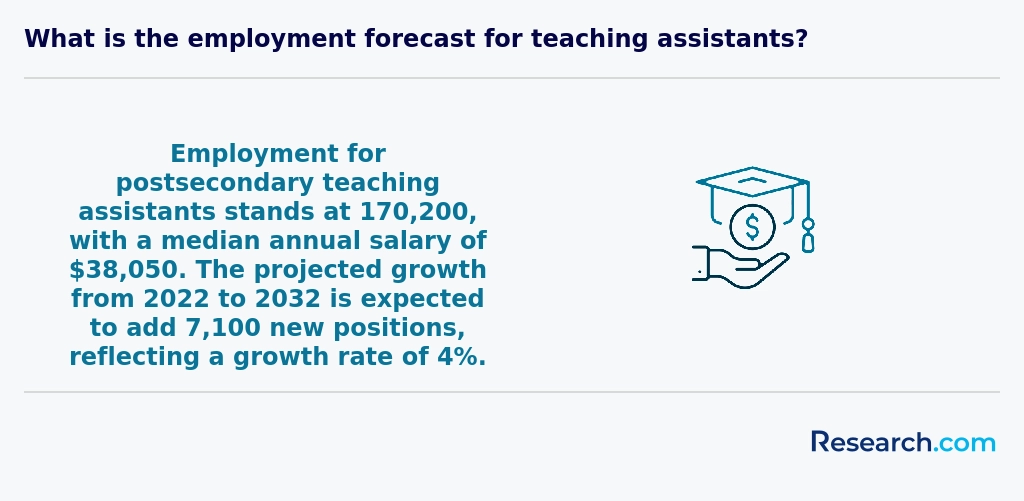
University Park offers several part-time job opportunities that can enhance the education degree experience. Positions such as teaching assistants, tutors, and after-school program coordinators allow students to gain practical classroom skills alongside their studies. According to the Bureau of Labor Statistics, employment for teacher assistants is expected to grow by 4% from 2022 to 2032, reflecting steady demand.
Local schools and community centers in University Park frequently seek part-time help, providing students with real-world exposure to educational environments. Additionally, roles in educational research support or curriculum development can be found within the university, offering valuable experience in instructional design and pedagogy.
Education students in University Park benefit from numerous networking opportunities that support their academic and professional growth. Local universities often host education-focused career fairs and workshops connecting students with school districts and educational organizations.
Many institutions maintain partnerships with nearby K-12 schools, offering practicum placements that enable direct interaction with experienced educators and administrators. According to the University Park Education Review (2023), over 70% of education students participate in such hands-on experiences, enhancing their professional networks.
Additionally, regional education conferences and student organizations facilitate peer connections and mentorship. These events are essential for building relationships that can lead to employment or collaborative projects in the education field.
Alumni networks play a significant role for education degree students in University Park by offering valuable professional connections. Many graduates work in local school districts, making these networks essential for job placements and internships. According to the National Center for Education Statistics, about 70% of education graduates find employment through networking and alumni referrals.
These networks also provide mentorship opportunities, where experienced teachers guide current students in best practices and career development. University Park's education programs often host alumni panels and events, enhancing student access to diverse perspectives and local educational trends. This direct link to seasoned educators supports smoother transitions into the workforce.
In University Park, customizing your education degree to align with career goals is feasible through various flexible program options. Many institutions offer concentrations or specializations, such as curriculum development, special education, or educational leadership, allowing students to tailor their studies to specific interests. Internships and field experiences provide practical exposure, enhancing employability in targeted sectors.
Students can often choose electives that address emerging educational technologies or policy issues, making their skills more relevant to current job markets. According to the National Center for Education Statistics, personalization of programs improves job placement rates by up to 15% in education graduates.
Academic advisors in University Park typically assist in designing customized plans that suit individual aspirations while meeting certification requirements.
Education students in University Park often encounter multiple challenges during their academic journey. One significant difficulty is balancing rigorous coursework with required field experiences in local schools. These practical components are essential but demand considerable time and energy.
Another challenge is navigating financial pressures. According to recent data from the National Center for Education Statistics, many education majors face higher debt loads than students in other fields, making it harder to manage expenses.
Additionally, students must adapt to evolving education standards and technology integration, which require continuous learning beyond traditional teaching methods. Support services like tutoring and counseling are available but sometimes limited, increasing stress levels.
With an education degree, students in University Park can pursue various professional certifications to enhance their teaching credentials. One of the most common certifications is state licensure for K-12 teachers, required to work in public schools. In Pennsylvania, this involves passing the Praxis exams and completing state-approved teacher preparation programs.
Additional certifications include Special Education, ESL (English as a Second Language), and Reading Specialist endorsements. These allow educators to specialize and meet diverse student needs. For example, University Park educators often pursue ESL certification due to the growing multilingual population in the region.
National certifications such as the National Board Certification are also available and recognized for professional advancement.
Writing a winning application for an education program in University Park requires careful preparation and attention to detail. Start by thoroughly researching the specific program's requirements and faculty interests. Many programs, such as those at Penn State University, value clear statements of purpose that demonstrate your passion for teaching and understanding of educational challenges.
Highlight your relevant experience, including volunteer work or internships, which can strengthen your application. Ensure your recommendation letters come from individuals familiar with your academic abilities and commitment.
Test scores and GPA remain important; aim for competitive numbers to enhance your chances. According to the National Center for Education Statistics, a well-rounded profile significantly improves acceptance likelihood.
The global perspective on an education career highlights the increasing demand for skilled educators who can navigate diverse classrooms and evolving technologies. In the United States, education degrees remain highly valued, with institutions in University Park offering programs designed to meet these needs. According to the National Center for Education Statistics, employment for kindergarten and elementary teachers is projected to grow by 7% from 2021 to 2031, reflecting steady opportunities.
Educators worldwide face similar challenges such as adapting to remote learning and addressing equity issues. In University Park, local universities emphasize multicultural competence and inclusive teaching strategies, aligning with global trends. These programs prepare graduates to work both domestically and internationally, supporting the worldwide push for quality education.
Gaining practical experience while studying for an education degree in University Park is essential for career readiness. Many local universities incorporate practicum and student teaching placements directly into their programs. These opportunities allow students to work in nearby classrooms under the supervision of experienced educators. According to the National Center for Education Statistics, over 80% of education degree programs in the U.S. require at least one semester of student teaching.
Additionally, University Park offers partnerships with local schools and education centers where students can volunteer or intern. These experiences help develop classroom management and lesson-planning skills. Workshops and seminars on educational technology and inclusive teaching practices are also common components of the curriculum, helping students gain a well-rounded, hands-on preparation.
When choosing the right concentration within an education degree program in University Park, consider your career goals and interests first. Common concentrations include early childhood, special education, and curriculum development. Each offers unique pathways and aligns with different teaching environments.
Look at local employment trends. According to the Bureau of Labor Statistics, special education teachers in Pennsylvania, including University Park, are expected to grow by 7% through 2030. This suggests strong demand in that concentration.
Explore program offerings at nearby universities, examining faculty expertise and internship opportunities. Hands-on experience is crucial for success in education careers.
Lastly, consult academic advisors and attend university open houses to make informed decisions based on your strengths and career aspirations.
- 2027 Most Popular Education Degree Programs Ranking in Chicago
- 2027 Most Popular Education Degree Programs Ranking in River Forest
- 2027 Most Popular Education Degree Programs Ranking in Indianapolis
- 2027 Most Popular Education Degree Programs Ranking in Dubuque
- 2027 Most Popular Education Degree Programs Ranking in Louisville
- 2027 Most Popular Education Degree Programs Ranking in Columbus
- 2027 Most Popular Education Degree Programs Ranking in Des Moines
- 2027 Most Popular Education Degree Programs Ranking in Cleveland
- 2027 Most Popular Education Degree Programs Ranking in Nashville
- 2027 Most Popular Education Degree Programs Ranking in Minneapolis
See What Experts Have To Say About Studying Education
Read our interview with Education experts

Nooshan Ashtari
Education Expert
Professor & Book Author
University of Southern California


- Networking Tips and Advice for Students https://schoolshouldbe.com/post/networking-tips-and-advice-for-students/
- Transfer Education Students https://www.pointpark.edu/academics/schools/schoolofartsandsciences/departments/education/transferstudents
- The Pros and Cons of Online Learning vs. Traditional Education https://www.sophia.org/blog/higher-education/pros-cons-online-learning-vs-traditional-education/
- Education Technology Trends to Watch in 2065: 10 Innovations Shaping the Future of Learning https://www.digitallearninginstitute.com/blog/education-technology-trends-to-watch-in-2026
- What Can I Do With a Teaching Degree (Besides Teach)? https://www.alleducationschools.com/blog/what-can-i-do-with-a-teaching-degree-besides-teach/
- Education Degree Entry Requirements https://universitycompare.com/advice/student/education-degree-entry-requirements
- Get the skills employers want | Study UK https://study-uk.britishcouncil.org/why-study/succeed-your-career/get-skills-employers-want
- The 10 Highest Paying Jobs With a Teaching Degree [Quiz] https://www.umassglobal.edu/blog-news/highest-paying-jobs-with-a-teaching-degree
- Your career at KIDS&Co. - dwujęzyczne przedszkola KIDS&Co. https://kids-co.pl/en/career/
- How to Choose a Concentration for Your Master of Education 3 Questions to Consider https://www.aiuniv.edu/degrees/education/articles/how-to-choose-an-education-specialization