2027 Most Popular Education Degree Programs Ranking in Hawaii

Co-Founder and Chief Data Scientist
Choosing the right education degree program in Hawaii can feel overwhelming. That's why this article presents the 2027 Most Popular Education Degree Programs Ranking in Hawaii, created by the Research.com team of data scientists.
Our goal is to help you make an informed decision by showcasing the programs that stand out based on real data. Whether you're starting fresh or advancing your career, understanding your options is empowering.
Reading this article will guide you toward rewarding opportunities and support your passion for making a difference through education.
Key benefits of getting education degree in Hawaii
- Salary benefits: Graduates with an education degree in Hawaii can expect promising salaries, such as $70,740 annually for elementary school teachers and $76,000 for special education teachers, reflecting rewarding financial stability.
- Career paths: Graduates from the University of Hawaii often find diverse roles in teaching, instructional design, or early childhood education, offering fulfilling opportunities to impact local communities positively.
- Online degree advantages: Completing an education degree online through institutions like UH allows flexible scheduling and access to quality teaching resources, making it easier to balance work and study without sacrificing progress.
- 2027 Most Popular Education Degree Programs Ranking in Hawaii
- What can I expect from education degree in Hawaii?
- Where can I work with education degree in Hawaii?
What can I expect from education degree in Hawaii?
The average cost of pursuing an education degree in Hawaii typically falls between $11,000 and $12,000 per year for residents at public institutions like the University of Hawaii at Mānoa. Graduates often reflect on how this investment was balanced by the rich, hands-on learning experiences offered through programs that deeply connect theory with classroom practice across the islands.
Many students recall their student teaching placements in local public and private schools as transformative moments that solidified their commitment to education. The emphasis on culturally responsive teaching prepares graduates to engage meaningfully with diverse classrooms, making the tuition feel like a worthwhile contribution to their professional growth.
Financial aid targeted at education majors can ease the burden, allowing students to focus on mastering inclusive strategies and technology integration. Those who pursued their degrees at institutions such as the University of Hawaii found the cost reasonable, especially considering the quality of mentorship and the chance to serve local communities after graduation.
Where can I work with education degree in Hawaii?
Graduates from education programs at institutions like the University of Hawaii often find themselves stepping confidently into classrooms across the islands, becoming licensed teachers in both public and private K-12 schools. Many recall the rewarding moments when they supported students in special education or STEM fields, areas with strong local demand. Their training prepares them to engage with Hawaii's unique cultural fabric, especially through Hawaiian culture studies, making their work deeply meaningful.
Others share how early childhood centers became their first professional homes, where nurturing preschoolers and kindergartners felt both challenging and joyful. These experiences often come through connections made during practicum placements arranged by colleges such as Hawaii Pacific University, creating a supportive path from learning to employment.
Some graduates take their education degree further, moving into higher education roles at community colleges or universities as advisors or instructors. Their insights into curriculum development and school leadership help shape education policies that impact local schools.
Finally, many find purpose working with nonprofits or government programs, contributing to education initiatives that honor and preserve Hawaii's rich cultural heritage while fostering lifelong learning opportunities for all ages.
Graduates with an education degree in Hawaii often find their earning potential shaped by both local demand and their chosen career path. For instance, elementary school teachers from respected institutions like the University of Hawaii at Manoa typically earn around $70,740 annually, slightly above national averages due to the state's unique setting. Special education teachers, who might have trained at Hawaii Pacific University, can expect salaries near $76,000, reflecting the specialized skills required to support diverse learners.
Those pursuing English as a Second Language (ESL) teaching roles often see annual wages around $65,430, with hourly pay near $31.46, making it a rewarding option for working with Hawaii's multicultural communities. Graduates interested in curriculum design or educational technology find roles as instructional designers, earning about $77,200 per year, illustrating pathways beyond traditional classroom teaching.
Reflecting on alumni experiences, many appreciate that starting salaries may seem modest but grow with certifications and experience. The vibrant academic environments at colleges such as the Kapiolani Community College help students gain practical skills that increase their value, combining competitive pay with the inspiring Hawaiian landscape and culture.
- Tuition at public universities in Hawaii averages around $11,000 per year for in-state undergraduate education programs, while private institutions often charge over $30,000 annually.
- Living expenses in Hawaii are higher than average, which should be considered when budgeting for education degrees.
- Job demand is steady but competitive, with particular need in special education, STEM, and early childhood education sectors.
- Starting teachers earn about $50,000 annually, with experienced educators making between $70,000 and $80,000 depending on their district and role.
- Hawaii requires completion of a teacher preparation program, passing state exams, and background checks for licensure, with alternative routes available for career changers.
- Education graduates can work beyond K-12 teaching in areas like administration, counseling, educational technology, and roles focused on Hawaiian language and culture.
Completing an education degree in Hawaii typically takes about four years for a bachelor's, much like at the University of Hawaii system campuses where many graduates fondly recall balancing rigorous coursework with community-based student teaching. This period allows students to fully immerse themselves in both foundational theories and hands-on experiences, fostering confidence and readiness for the classroom.
For those pursuing a master's degree, expect an additional two years of study. Many educators appreciate the flexible options offered by Hawaii's universities, such as part-time and online programs, which accommodate working professionals and families. These arrangements often extend the journey to three years or more but provide the invaluable benefit of balancing real-life responsibilities with academic growth.
Doctoral programs, pursued by those eager to influence policy or research, typically extend from three to six years. Graduates often describe this phase as a demanding but deeply rewarding commitment, involving extensive research and dissertation work, all supported by faculty dedicated to student success in Hawaii's unique educational landscape.
After earning your initial teaching license, ongoing professional development (PD) is essential to stay current with best practices and maintain state certification. In Hawaii, the Hawai‘i Teacher Standards Board (HTSB) requires licensed educators to complete 30 clock hours of approved PD activities every five years. These activities can include: • HTSB-approved workshops and seminars offered by Hawai‘i educational service centers • Online micro-credential courses in areas like culturally responsive teaching and educational technology • Graduate certificates or master’s courses in specialized fields such as special education or instructional design Many Hawaii teachers enhance their credentials through National Board Certification, which deepens content knowledge and pedagogical skills. Candidates typically invest 3–5 years preparing portfolios and completing assessments, with financial support often available through district grants and scholarship programs. For educators seeking cost-effective graduate pathways or online certificate programs, be sure to explore our Inexpensive Online Education Degree Programs Ranking in Kentucky, which highlights quality options that can supplement your PD portfolio without straining your budget.
Choosing between online and on-campus education degrees in Hawaii often comes down to lifestyle and learning preferences. Graduates from the University of Hawaii at Manoa who studied on campus often recall the rich classroom interactions and hands-on practicums that deepened their understanding of teaching. This direct engagement with professors and peers brought a sense of community and immediate feedback that many found invaluable.
Conversely, online students appreciate the flexibility to juggle work, family, and coursework without the stress of island-to-island travel or relocation. For those living on remote Hawaiian islands, this mode eliminates costly commutes and housing expenses. Many online learners still feel connected through virtual study groups and real-time video sessions, allowing them to thrive despite physical distance.
Both paths maintain strong accreditation, ensuring respect from employers across Hawaii and beyond. Reflecting on these experiences helps prospective students match their personal rhythm with the right educational setting, making the journey both practical and fulfilling.
Pursuing an education degree in Hawaii can be a significant financial investment, but it's essential to consider the various financial assistance options available to help mitigate the costs. For instance, students can explore the https://research.com/rankings/education/most-affordable-education-hi as an affordable education school in Hawaii to find institutions that offer competitive pricing without compromising on the quality of education. Additionally, scholarships, grants, and federal student loans can provide substantial support, making it more feasible for aspiring educators to achieve their academic and professional goals. By carefully evaluating the financial implications and available assistance, prospective students can make informed decisions about their educational journey, ultimately leading to a rewarding career in education.
The average cost of a education degree in Hawaii presents a mixture of accessible options and careful financial planning. For many who choose to study at public universities like the University of Hawaii at Manoa, the median in-state total cost hovers around $12,186. This figure offers a more affordable path for residents committed to pursuing an education degree within the state's welcoming community. Graduates often reflect on the balance between cost and quality, appreciating how accessible tuition helps maintain focus on their studies and future careers.
However, the journey is quite different for those coming from out of state or opting for private institutions, where the median total cost rises significantly to more than $50,000. Students at private colleges remember the investment paying off as they benefit from smaller class sizes and specialized programs, though the financial challenge can be intimidating at first. Living in Hawaii influences budgeting as well, with expenses beyond tuition-such as housing and daily needs-adding a substantial amount. These elements are crucial when considering the Hawaii education degree tuition and fees in total.
Many prospective students find value in exploring scholarships or choosing an affordable education school in Hawaii, which can ease the financial load and foster a rewarding learning experience. Reflecting on these realities helps students make wise choices about investing in their educational futures and embracing the vibrant, supportive atmosphere unique to Hawaii's education programs.

When evaluating the true value of an Education degree in Hawaii, it’s essential to consider return on investment (ROI) alongside traditional salary metrics. On average, Hawaii graduates accumulate $37,850 in federal student loan debt, while starting salaries for K–12 teachers range from $38,640 (early childhood educators) to $63,130 (ESL teachers). Based on these figures, most degree holders can expect to recoup tuition costs within three to five years of full-time employment, depending on their specialization and supplemental income opportunities such as summer school or tutoring. Beyond salaries, employment rates for Hawaii Education graduates hover around 85% within one year of graduation, reflecting strong demand in local districts and private institutions. Instructional designers and educational technologists often command higher salaries-up to $73,080 annually-thanks to specialized skills in curriculum development and digital learning, accelerating their ROI timeline to under three years. Prospective students seeking to maximize ROI should also consider flexible, cost-effective online pathways. For instance, you can explore the Inexpensive Online Education Degree Programs Ranking in Kentucky to compare tuition rates and program outcomes, helping you make data-driven choices about program delivery and financial commitment. Ultimately, a strategic approach-balancing program cost, debt management strategies (such as income-driven repayment plans), and targeted specializations-can significantly enhance both financial and career outcomes for aspiring educators in Hawaii.
Students pursuing education degrees in Hawaii often find relief through a combination of financial aid options carefully designed to lighten the burden. Graduates from the University of Hawaii at Mānoa frequently share how Pell Grants-offering up to $7,395 annually-were crucial in covering basic expenses during their studies. These grants, unlike loans, do not require repayment, providing real peace of mind.
State programs like the Hawaii Community College Grant and the State of Hawaii Scholarship further ease costs for local students, especially those attending community colleges or universities within the state system. Many remember how such aid turned an intimidating tuition bill into a manageable investment in their futures.
For those drawn to teaching in Hawaii's public schools, incentives like loan forgiveness through the Hawaii Teacher Standards Board become especially meaningful. Graduates who committed to working in underserved areas often talk about the added motivation and financial security this support offered.
Institutional scholarships and assistantships at places like Hawaii Pacific University also create opportunities for education majors to gain valuable experience while easing financial strain, making the pursuit feel both achievable and rewarding.
To enroll in an education degree program in Hawaii, you'll first need a high school diploma or its equivalent. Many Hawaii institutions, like the University of Hawaii at Manoa, also ask for standardized test scores such as the SAT or ACT, though some have embraced test-optional policies, which has brought relief to many hopeful applicants.
For those aiming at a Master of Education, holding a bachelor's degree from an accredited institution is essential. Graduates often recall how foundational courses in psychology or social sciences really helped them connect theory to classroom practice.
Licensure requirements add another important layer. Practical experiences such as student teaching or internships are not just formalities but real chances to engage deeply with Hawaii's unique school communities. Graduates often speak warmly about how these experiences made their learning tangible and rewarding.
Additional steps include background checks and health screenings given the responsibility involved in working with children, creating a supportive environment for all.
Education degree programs in Hawaii typically include courses that blend theory with practical skills, designed to prepare future teachers for the state's unique multicultural classrooms. Graduates from institutions like the University of Hawaii often recall how courses in educational psychology and curriculum development helped them understand student growth and create engaging lessons tailored to diverse learning styles.
Classroom management and assessment strategies form another core part of these programs, equipping students with tools to foster respectful and inclusive environments. Many graduates found studying Hawaiian culture and language invaluable, highlighting how this content deepened their connection with Native Hawaiian students and enriched their teaching approach.
Programs also include special education and literacy development classes, which graduates say prepared them to support all learners effectively. Hands-on experiences through student teaching practicums at colleges such as Hawaii Pacific University provide real-world settings for applying these skills, sparking confidence and a sense of purpose as educators begin their careers.
Education degree specializations in Hawaii are thoughtfully designed to meet the unique needs of its diverse communities. Graduates from popular colleges in Hawaii often reflect on their hands-on experiences in Elementary Education, where they learned to incorporate Native Hawaiian culture and bilingual teaching methods into classrooms while supporting literacy and classroom management skills. Others chose Secondary Education, focusing deeply on subject specialties such as Mathematics, Science, English Language Arts, or Social Studies, preparing them for middle and high school teaching.
Many students find passion in Special Education, training to support diverse learners through individualized education programs, a critical skill in Hawaii's inclusive schools. Early Childhood Education also draws those inspired by the impact of early developmental support, an area growing rapidly in importance among education degree program options in Hawaii. Leadership-minded graduates value the Educational Administration and Leadership track, which equips them to guide schools with understanding of local cultural contexts and strategic management.
Prospective students might explore options for financial support to offset Hawaii's higher tuition costs and discover more through resources like affordable online edd programs. This approach helps them make education degrees in Hawaii both meaningful and achievable.
Choosing the best education degree in Hawaii means aligning the program with your career goals, whether that's becoming a licensed teacher or an educational administrator. Graduates from popular institutions like the University of Hawaii at Manoa often reflect on how critical accreditation was in their decision-making, ensuring their degree carried weight nationally and locally through agencies such as CAEP and the WASC Senior College and University Commission.
Cost considerations take on a unique dimension in Hawaii, where tuition tends to be higher than the national average. Many students recall feeling relief when they explored financial aid options to manage these expenses. For those seeking flexible schedules, institutions offer online or hybrid programs, which proved invaluable for working adults balancing family commitments.
Hands-on experiences remain central-graduates emphasize the impact of student teaching within Hawaii's diverse classrooms, which richly prepare them for real-world challenges. To find affordable education degrees Hawaii 2027, prospective students can also consult resources like the Inexpensive Online Education Degree Programs Ranking in Kentucky as a comparative guide when planning their path.
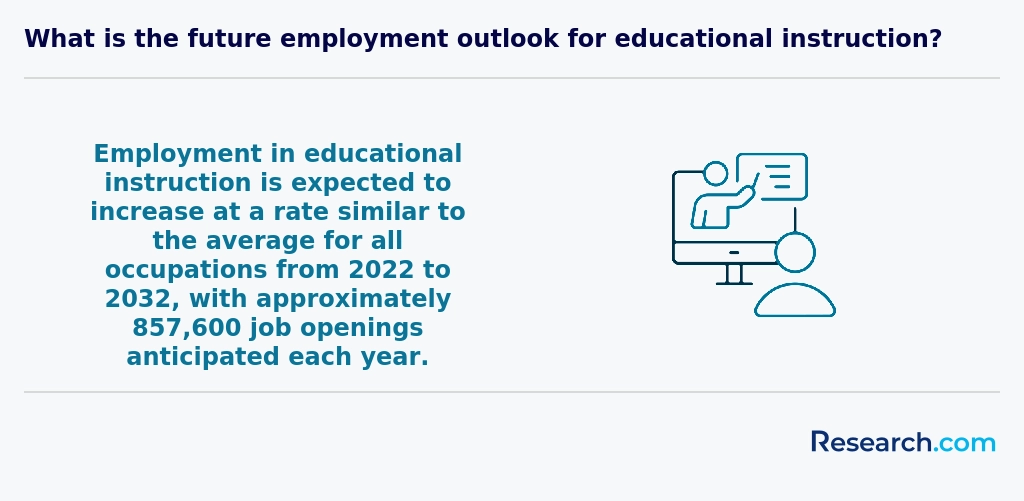
Graduates with an education degree in Hawaii discover diverse career opportunities rooted in the state's unique cultural landscape and educational needs. Many find fulfillment as elementary and secondary school teachers, especially through programs at respected institutions like the University of Hawaii. These roles align closely with the largest employment sector here, offering rewarding daily experiences that connect deeply with local communities. Others pursue specialized positions such as special education instructors or bilingual education teachers, addressing critical shortages and embracing Hawaii's multicultural student body.
Beyond traditional teaching, career paths extend to school counselors, instructional coordinators, and educational administrators, where graduates influence school climate and learning strategies. These roles often require further skill but provide a meaningful way to impact education from within systems familiar to Hawaii's public schools. Many graduates I've met describe excitement about workforce training and adult education opportunities, which allow them to contribute broadly across the islands.
For students seeking advancement, pathways in educational research and policy development beckon, supported by strong programs in Honolulu and beyond. Considering the vibrant landscape of Hawaii teaching jobs with education degree, some wisely explore highest paid certificate programs to enhance their qualifications and open doors to competitive roles.
The job market for education degree graduates in Hawaii remains promising, shaped by steady demand that graduates from universities such as the University of Hawaii at Manoa often highlight as a strong incentive to stay local. Many find that the unique cultural and geographic environment of the islands creates rewarding teaching experiences, especially in K-12 public schools where special education and Hawaiian language immersion programs need skilled educators. This steady demand for educators reflects ongoing market trends showing a reliable path for graduates seeking careers in teaching and education-related professions.
Graduates from Hawaii's education programs also appreciate the relatively higher median salary compared to the national average, which helps balance the higher cost of living in the state. Those pursuing an education degree here often remark on the practical advantages of in-state tuition combined with federal and state grants that ease financial burdens. Additionally, some discover enriching opportunities in educational administration and curriculum design that align with Hawaii's culturally focused education reforms.
Exploring best online college courses for seniors and other flexible learning options is another way students tailor their education paths to lifestyle needs, enhancing career prospects amid evolving workforce demands. Overall, familiarity with local market dynamics and the focus on culturally relevant education contribute positively to the outlook for students considering education degree job opportunities in Hawaii.
2027 Most Popular Education Degree Programs Ranking in Hawaii
Investing in your education is a significant decision that can shape your future, and the Research.com team understands the importance of making informed choices. To assist prospective students in Hawaii, we have meticulously crafted the "2027 Most Popular Education Degree Programs Ranking in Hawaii." Our commitment to quality, credibility, and accuracy is reflected in the extensive research and analysis conducted to compile this ranking.
We utilized the following reputable data sources to ensure a comprehensive evaluation of education degree programs:
By exploring this ranking, readers will gain valuable insights into the most popular education degree programs in Hawaii, empowering them to make informed decisions about their academic and professional futures. For more details on our methodology, please visit our Research.com methodology page.


Frequently Asked Questions About education
Education degree students in Hawaii can maximize their learning experience by engaging actively in both classroom and community settings. Participating in local schools through internships or student teaching offers valuable hands-on experience with Hawaii's diverse student populations, reflecting its unique cultural backgrounds.
Utilizing resources such as the University of Hawaii's College of Education, which ranks among the top regional programs, provides access to expert faculty and specialized courses tailored to Hawaiian educational needs. According to the Hawaii Department of Education, nearly 40% of public school students are Native Hawaiian or Pacific Islanders, so understanding cultural responsiveness is crucial.
Students should also embrace hybrid and online learning options offered statewide, ensuring flexibility while maintaining connections with educators and peers. Networking with local education professionals through workshops or organizations complement theoretical knowledge with practical insights, enhancing career readiness in Hawaii's evolving education system.
The education field in Hawaii is evolving with several emerging niches gaining importance. One growing area is educational technology, as schools increasingly adopt digital tools to enhance remote and hybrid learning. According to the Hawaii Department of Education, investment in tech integration has surged over recent years.
Another niche is culturally responsive teaching, reflecting Hawaii's unique multicultural population. Educators skilled in incorporating native Hawaiian perspectives and languages are in demand to support diverse classrooms.
Special education remains critical, with a steady need for professionals trained to assist students with disabilities. Workforce reports from the Hawaii DOE highlight ongoing shortages in this area.
Environmental education is also growing, with programs focusing on sustainability and local ecology, capitalizing on Hawaii's distinct natural environment.
Preparing for the job market after completing an education degree in Hawaii involves several strategic steps. First, gaining practical experience through student teaching or internships is essential, as Hawaii's Department of Education requires certification that includes supervised teaching hours. Networking within local schools and education organizations can open doors to opportunities in Hawaii's unique multicultural classrooms.
Additionally, obtaining state licensure is mandatory, which involves passing exams like the Praxis and completing background checks specific to Hawaii. According to the Hawai'i Teacher Standards Board, demand for teachers in STEM and special education fields remains high, highlighting targeted areas for graduates.
Staying informed about local education trends and continuing professional development can further enhance job prospects in Hawaii's public and private school systems.
Employers in Hawaii increasingly value education degree graduates who demonstrate strong cultural competence and adaptability. Given Hawaii's diverse student population, skills in multicultural communication are essential for effective teaching, according to the Hawaii Department of Education.
Critical thinking and classroom management are also top priorities. Graduates must design engaging lessons while handling varied classroom dynamics. The U.S. Bureau of Labor Statistics highlights that these skills contribute significantly to higher teacher retention rates in Hawaii's public schools.
Technological proficiency is growing in importance, with schools integrating digital tools to enhance learning. Familiarity with educational technology platforms is now expected from new teachers entering the profession locally.
Finding internships in Hawaii related to an education degree involves multiple approaches. Many universities, such as the University of Hawai'i at Mānoa, have partnerships with local K-12 schools and education centers offering internship placements. These internships provide hands-on teaching experience essential for licensure.
The Hawaii Department of Education supports internship programs, especially in underserved areas, aiming to address teacher shortages. Students can consult school career centers and online portals like Hawaii Internship Programs for Education to find opportunities.
Statistics indicate that in 2023, over 60% of education students in Hawaii secured internships through university affiliations or state initiatives, highlighting the importance of early networking and proactive engagement.
An education degree in Hawaii significantly enhances career mobility and advancement opportunities within the state's public and private school systems. According to the Hawaii State Department of Education, teachers holding at least a bachelor's degree in education are more likely to qualify for licensure and specialized roles, such as curriculum coordinator or instructional coach.
The demand for qualified educators in Hawaii is steady, with the U.S. Bureau of Labor Statistics projecting a 3% growth in teacher employment through 2031. Higher education degrees can lead to increased salary scales, especially for those with master's or doctoral degrees.
Moreover, possessing an education degree supports access to leadership positions, including school administration and policy advising, offering long-term career benefits. This aligns with findings from the National Center for Education Statistics on career progression tied to advanced credentials.
Studying for an education degree in Hawaii equips students with skills relevant to interdisciplinary roles by integrating diverse academic fields. Hawaii's teacher preparation programs emphasize collaboration across subjects like social studies, science, and language arts, reflecting the state's culturally rich and diverse population.
Programs accredited by the Council for the Accreditation of Educator Preparation (CAEP) in Hawaii often include coursework in community engagement and multicultural education, providing context for working with varied learners. According to the Hawaii Department of Education, over 40% of schools implement interdisciplinary teaching strategies, benefiting graduates proficient in this approach.
Furthermore, many Hawaiian institutions promote field experiences in diverse classrooms, helping students develop adaptability and cross-disciplinary problem-solving skills essential for modern education careers.
Choosing between a thesis and a non-thesis education degree program in Hawaii depends on your career goals and learning preferences. Thesis programs often suit students interested in research or pursuing a doctorate later, requiring them to conduct original research and write a formal study. Non-thesis options focus more on coursework and practical skills, aimed at educators seeking immediate application in schools or administration.
In Hawaii, universities like the University of Hawaii provide both options, with about 35% of education graduate students opting for thesis tracks according to recent enrollment data. Thesis degrees may take longer but can strengthen opportunities in academia. Non-thesis degrees typically offer more flexibility for working professionals.
Students based in Hawaii who wish to study education abroad have several options within the US higher education system. Many universities on the mainland offer online and hybrid education degree programs, allowing Hawaiian students to access diverse curricula while remaining in the state. Accreditation by the Council for the Accreditation of Educator Preparation (CAEP) ensures program quality across institutions.
Hawaii's geographic isolation presents challenges, but partnerships between local schools and mainland universities often provide exchange programs or study-abroad opportunities focused on education. According to the National Center for Education Statistics (NCES), nearly 12% of Hawaiian college students enroll in distance education, highlighting this growing trend.
Such avenues enable Hawaiian students to gain broader perspectives in education theory and practice, which can enhance their career prospects in the state's unique multicultural settings.
Students pursuing education degrees in Hawaii can benefit from several part-time job opportunities that complement their field of study. Working as teacher's aides or classroom assistants in public and private schools offers direct experience with student engagement and lesson implementation. According to the Hawaii Department of Education, teacher aides support about 15% of classrooms statewide, creating valuable hands-on learning environments for prospective educators.
Another option is tutoring local students in core subjects like math and reading. Organizations such as the Hawaii Literacy Program seek part-time tutors to improve literacy rates among youth, providing practical teaching experience.
Additionally, roles in after-school programs and summer camps enable students to develop classroom management and leadership skills. These opportunities align well with education degree goals and local workforce demands.
Education students in Hawaii have access to various networking opportunities that can enhance their professional growth. The University of Hawaii system offers student organizations and education-focused events where participants connect with peers, faculty, and local educators. According to the University of Hawaii at Manoa, their College of Education frequently hosts workshops and seminars involving Hawaii's Department of Education professionals.
Additionally, Hawaii's smaller community size allows for more direct interaction between students and public school teachers, administrators, and policymakers. Local conferences like the Hawaii Association of School Administrators annual meeting provide valuable chances to build professional relationships. These connections are crucial for internships and job placements within the islands' public and private schools.
Alumni networks provide valuable support for education degree students in Hawaii by offering connections that can lead to job opportunities, mentorship, and professional growth. Graduates from local institutions like the University of Hawaii often benefit from these networks, which help bridge the gap between academic study and employment in Hawaii's public and private schools.
Research from the Hawaii Department of Education shows that nearly 75% of new teachers acquire employment through referrals, highlighting the importance of strong professional networks.
Alumni groups organize events and share resources that help current students understand the unique demands of teaching in Hawaiian communities.
Access to experienced educators fosters guidance on classroom strategies and culturally responsive teaching practices vital in Hawaii's diverse environment.
In Hawaii, customizing an education degree program to match your career goals involves selecting specialized tracks and elective courses offered by state universities. For example, the University of Hawaii system allows students to focus on areas like early childhood education, special education, or administration.
Many programs also provide options for field experiences in local schools, which can help tailor practical skills to specific educational needs in the Hawaiian context. According to the Hawaii Department of Education, hands-on internships improve employment prospects.
Online and hybrid course options enable working professionals to balance education with their current roles. Additionally, partnerships between universities and local communities support culturally relevant teaching practices, aligning with Hawaii's diverse population.
Education students in Hawaii often face unique challenges related to geographic isolation and limited local resources. Access to diverse practicum placements can be restricted, as rural and island communities limit the availability of varied classroom experiences. Additionally, the high cost of living in Hawaii affects many students financially, making it harder to balance studies with part-time work.
Another challenge is addressing Hawaii's multicultural and multilingual student population. Future educators must be prepared to support Native Hawaiian and Pacific Islander learners, who represent a significant share of the state's public school students. According to the Hawaii State Department of Education, about 27% of students identify as Native Hawaiian. This demands strong cultural competency and specialized training for education candidates.
Finally, teacher shortage concerns add pressure, as many education students worry about employment opportunities and retention post-graduation. The state's ongoing efforts to recruit and retain qualified teachers highlight the critical role of education programs in preparing students for these realities.
With an education degree in Hawaii, graduates can pursue several professional certifications to enhance their careers. The most common certification is the State of Hawaii teaching license, which allows individuals to teach in public K-12 schools. This license requires passing the Praxis exams and completing a state-approved teacher preparation program.
Beyond teaching credentials, educators can earn specialty certificates such as the Hawaii National Board Certified Teacher status, which recognizes advanced teaching skills. Other options include certifications in special education, ESL (English as a Second Language), and educational leadership.
According to the Hawaii Department of Education, certified teachers earn a median salary of about $62,000, making these credentials valuable for career advancement.
Applying for an education degree program in Hawaii requires a clear and focused approach. Start by thoroughly researching the institutions, such as the University of Hawaii system, which offers accredited education degrees recognized nationwide. Admissions committees value applicants who demonstrate a strong understanding of local education challenges, such as Hawaii's diverse student population and emphasis on culturally responsive teaching.
Highlight your academic achievements, relevant experience, and commitment to teaching in your personal statement. Include specific examples that reflect awareness of Hawaii's unique multicultural environment. According to the National Center for Education Statistics, Hawaii has one of the highest percentages of students qualifying for free or reduced lunch, indicating a need for skilled educators.
Lastly, ensure all application materials are accurate, complete, and submitted before deadlines to strengthen your chances of acceptance.
Education careers in the United States, including Hawaii, are increasingly influenced by global trends such as technological integration and multicultural competence. According to the National Center for Education Statistics, over 30% of teachers in Hawaii engage in professional development focused on cultural awareness, reflecting the state's diverse population. Internationally, educators are expected to adapt to rapidly changing classrooms shaped by digital learning and inclusive pedagogy.
Global perspectives emphasize skills such as critical thinking, collaboration, and technological literacy. Hawaii's unique cultural context offers students a distinctive advantage in understanding diverse learning needs, aligning with worldwide priorities for equity in education.
Gaining practical experience while studying for an education degree in Hawaii is vital for career readiness. Many universities, including the University of Hawaii at Mānoa, offer student teaching placements in local public and private schools. This hands-on experience allows students to apply classroom theories in real-world settings.
According to the Hawaii Department of Education, partnership programs support over 1,000 student teachers annually, providing exposure to diverse classrooms across the islands. Additionally, internships and practicum opportunities are integrated into many education programs, emphasizing cultural competency and community engagement.
Students are encouraged to participate in mentoring and tutoring programs, which develop instructional skills and professional networks before graduation.
Choosing the right concentration within an education degree program in Hawaii involves considering your career goals and local demand. Hawaii's Department of Education highlights a growing need for teachers in special education and STEM fields, making these areas promising concentrations. Research from the Hawaii Teacher Standards Board shows that about 30% of new educators choose special education or STEM-related focuses.
Consider your interests and strengths, whether working with diverse learners or focusing on technology integration. Review program offerings at local institutions like the University of Hawaii, which provide specialized tracks aligned with state licensure requirements.
Understanding Hawaii's cultural diversity and bilingual needs can also guide your decision, as concentrations addressing these areas are highly valued.
- 2027 Most Popular Education Degree Programs Ranking in Oregon
- 2027 Most Popular Education Degree Programs Ranking in Nevada
- 2027 Most Popular Education Degree Programs Ranking in Utah
- 2027 Most Popular Education Degree Programs Ranking in Montana
- 2027 Most Popular Education Degree Programs Ranking in New Mexico
- 2027 Most Popular Education Degree Programs Ranking in Texas
- 2027 Most Popular Education Degree Programs Ranking in South Dakota
- 2027 Most Popular Education Degree Programs Ranking in North Dakota
- 2027 Most Popular Education Degree Programs Ranking in Nebraska
- 2027 Most Popular Education Degree Programs Ranking in Kansas
See What Experts Have To Say About Studying Education
Read our interview with Education experts

Alan J. Singer
Education Expert
Professor of Teaching, Learning and Technology
Hofstra University


- Top 10 Effective Networking Tips for Students https://www.unfc.ca/blog/networking-tips-for-students
- Education https://portal.ehawaii.gov/residents/education/
- The Pros and Cons of Online Learning vs. Traditional Education https://www.sophia.org/blog/higher-education/pros-cons-online-learning-vs-traditional-education/
- Is a thesis always mandatory in a master's degree program? - EFMU: The Euler-Franeker Memorial University and Institute https://euler.euclid.int/is-a-thesis-always-mandatory-in-masters-degree-program/
- Building ‘āina-based education in Hawai’i - Kappan Online https://kappanonline.org/building-aina-based-education-in-hawaii/
- Jobs Listing – Hawaiʻi State Department of Education https://hawaiipublicschools.org/jobs/jobs-listing/
- 10 Reasons Why Education Helps to Advance Your Career https://insight.edu.au/blog/career-advancement-through-education/
- What Employers Actually Want From Graduates https://bodyswaps.co/resources/blog/what-employers-actually-want-from-graduates
- International teaching and education jobs https://www.tes.com/jobs/search/international
- How to Pick Your Concentration for Your M.Ed. Degree | ACE Blog https://ace.edu/blog/how-to-pick-your-med-concentration/