
2027 Most Affordable Online Master's in Education Degree Programs Ranking in Tennessee

Co-Founder and Chief Data Scientist
If you're considering advancing your career in education, finding the right online master's program in Tennessee can be overwhelming. Our article introduces the 2027 Most Affordable Online Master's in Education Degree Programs Ranking in Tennessee, crafted by the Research.com team of data scientists to guide you through the best options available.
By exploring this ranking, you'll gain insights into affordable, quality programs tailored to your goals. Pursuing an education degree opens doors to meaningful opportunities, and this article is here to support your journey toward a rewarding future.
Key benefits of getting online education degree in Tennessee
- Education degree graduates in Tennessee can earn rewarding salaries, such as Education Managers making about $129,330 annually and Curriculum Specialists earning around $77,200 per year.
- Graduates from popular Tennessee universities often find varied career paths in teaching, program management, and consultancy within schools and educational organizations.
- Completing an education degree online, like through the University of Tennessee's programs, offers flexible schedules and the ability to balance work and study comfortably, providing a practical advantage over traditional degrees.
- 2027 Most Affordable Online Master's in Education Degree Programs Ranking in Tennessee
- What can I expect from online education degree in Tennessee?
- Where can I work with online education degree in Tennessee?
What can I expect from online education degree in Tennessee?
The average cost of an online education degree in Tennessee typically ranges from $8,000 to $15,000 per year for in-state students, a figure that graduates often describe as surprisingly affordable given the quality and flexibility of the programs. For example, those who have completed their degrees through the University of Tennessee or Middle Tennessee State University frequently praise the balance between cost and value, highlighting how their tuition expenses allowed them to pursue advanced studies without overwhelming financial strain.
Many graduates reflect on the practical benefits of this price point-enabling them to work and study simultaneously while accessing accredited programs tailored to Tennessee's educational standards. This affordability opens doors for educators eager to specialize in areas like instructional technology or educational leadership without sacrificing their jobs or personal commitments.
By choosing Tennessee's public universities for online learning, students encounter more than just cost savings; they find programs deeply connected to regional educational challenges, ensuring their investment translates directly into career readiness and meaningful impact in their communities.
Where can I work with online education degree in Tennessee?
Graduates with an online education degree in Tennessee often find themselves stepping into vibrant classrooms across public and private K-12 schools, where demand is strong, especially in math, science, and special education. Imagine a recent graduate from a well-known Tennessee community college thriving as a passionate math teacher in a rural district, bringing new energy and fresh methods to students who need it most. These real-world openings prove that an online credential can truly open doors.
Beyond K-12, many graduates embrace roles in community colleges or smaller private institutions, contributing to adult education and workforce programs. Picture a working graduate from a popular Tennessee college designing instructional materials that empower adults to upgrade their skills in Nashville's dynamic job market. These experiences highlight how education degrees foster leadership and adaptability.
Some graduates further explore educational administration, stepping up as principals or program managers. Others pivot to corporate training or educational technology, driven by the state's growing tech sector. These diverse paths underscore that an online education degree in Tennessee is not just about teaching - it's about shaping futures in compelling and varied ways.
Graduates with an online education degree in Tennessee often discover that their earning potential extends well beyond initial expectations. For instance, those stepping into roles such as education managers can anticipate mean annual salaries around $129,330, a figure that challenges the notion that education careers are low-paying.
Similarly, graduates working as education program managers report mean wages near $104,920, while curriculum specialists commonly earn about $77,200 annually. Postsecondary teaching, a path many online education degree holders from institutions like the University of Tennessee or Vanderbilt University pursue, also offers promising returns, with higher education professors making an average of $96,570.
One graduate's experience highlights a career trajectory fueled by an online degree from a Tennessee college: starting as a curriculum specialist and later advancing to an education consultant role earning roughly $95,600 per year. These figures reflect tangible opportunities, often enhanced by local demand and the practical skills gained through online programs.
In Tennessee's diverse educational landscape, salaries can surpass typical expectations, especially for those who leverage advanced degrees and specialized roles. This underscores the value of online education degrees as a gateway not just to jobs, but to rewarding and well-compensated careers.
- Online master's degrees in education in Tennessee are offered by accredited institutions and meet state and regional standards.
- Tuition for these programs typically ranges from $7,000 to $15,000, with public universities usually charging less than private ones.
- Entry-level educators with a master's degree earn around $45,000 to $52,000 annually, while experienced professionals can make between $60,000 and $70,000 or more.
- Tennessee's education job market is growing moderately due to steady enrollment, retirements, and improvement initiatives.
- Graduates must meet state licensure requirements, which often include completing approved programs and passing certification exams.
Completing an online education degree in Tennessee often defies a one-size-fits-all timeline. Graduates from institutions like the University of Tennessee and Tennessee State University share how their journeys ranged widely-some accelerated through intensive full-time study in just 12 to 18 months, embracing the challenge of year-round courses. Others, balancing work and family, found themselves thriving over three to five years by pacing their studies part-time, turning obstacles into opportunities.
The flexibility offered by these programs reshapes expectations. One graduate from a popular online master's program reflected on how taking summer courses and additional credits each term dramatically compressed their timeline. Yet another appreciated the freedom to extend their degree, weaving studies seamlessly into a demanding teaching career while still feeling accomplished.
These varied experiences highlight Tennessee's accommodation of diverse life rhythms without sacrificing academic rigor. The state's online education degrees invite you to question the traditional "two-year" norm and envision a timeline shaped by your unique ambitions and realities.
Accreditation and licensure alignment are non-negotiable for students who plan to teach, move into school leadership, or add an endorsement in Tennessee. A program can be affordable and convenient, but if it does not meet the right approval standards, it may not support your professional goals.
- Recognized educator preparation accrediting bodies include the Council for the Accreditation of Educator Preparation (CAEP) and the National Council for Accreditation of Teacher Education (NCATE).
- Regional accreditation is important for credit transfer, employer recognition, graduate school admission, and financial aid eligibility.
- Tennessee licensure typically requires passing Praxis exams, completing a state-approved educator preparation program, and submitting an application to the Tennessee Department of Education.
- Some programs offer embedded licensure pathways that combine coursework with supervised clinical experiences to streamline certification.
If you are already licensed, ask whether the online master’s leads to an endorsement, salary-lane movement, leadership credential, or professional advancement only. If you are not licensed, confirm whether the program is designed for initial licensure or is intended for currently licensed educators.
For a selection of highly regarded, flexible options, explore best online masters programs.
Online and on-campus education degrees in Tennessee differ primarily in how students engage with their studies. Graduates from on-campus programs at institutions like the University of Memphis describe the energy of crossing campus, joining face-to-face discussions, and accessing campus resources instantly, fueling a strong sense of community.
Conversely, online students from Tennessee Technological University often praise the flexibility to learn on their own schedules, balancing family and work commitments without the stress of commuting. They connect through video chats and forums, which, while less immediate, offer freedom that transforms how education fits into daily life.
Both pathways require completing practicums, but online learners must proactively find local placements, fostering independence and real-world problem solving. Public graduate programs in Tennessee typically cost around $500 per credit hour, with some online options slightly less expensive, making the choice also one of financial planning.
This dynamic invites students to reflect: does one crave the palpable energy of campus life, or thrive in the self-directed rhythm of virtual classrooms?
Credit transfer and Prior Learning Assessment can reduce the cost and length of an online master’s in education, but policies vary widely by institution. Before assuming prior coursework or professional experience will count, ask each Tennessee program for its written transfer policy and get an evaluation as early as possible.
How graduate credit transfer usually works
- Eligibility: Most institutions require transferred credits to come from regionally accredited graduate programs, often with a minimum grade of B or higher.
- Transfer limits: Tennessee universities typically accept 6–9 graduate credits, though some may allow up to 50% of program requirements.
- Documentation: You will usually need official transcripts, course descriptions, syllabi, learning outcomes, and sometimes faculty review.
- Timing: Ask for transfer review before committing to a program when possible. A late evaluation can delay advising or force you to repeat courses.
How Prior Learning Assessment may help
- Portfolio review: Professional development, certifications, teaching experience, and training records may be reviewed for credit equivalency.
- Challenge exams: Some programs allow students to demonstrate mastery of specific content through proctored assessments.
- Certification credits: National board certifications and continuing education units may sometimes translate into graduate credits, depending on school policy.
Best practices before you apply
- Consult early: Speak with admissions and academic advising before enrollment, not after your first term begins.
- Gather proof: Save syllabi, certificates, training records, evaluations, and descriptions of professional learning activities.
- Compare policies: A slightly higher-tuition school may become less expensive if it accepts more credits.
- Confirm licensure impact: Transferred or PLA credits should not weaken your ability to meet Tennessee licensure or endorsement requirements.
For a broader look at affordable credit transfer opportunities beyond Tennessee, explore the Cheapest Online Master’s in Education Degree Programs Ranking in Arizona.
The average cost of an online education degree in Tennessee varies significantly depending on residency and institution type, shaping a financial landscape that can surprise many prospective students. For in-state residents, the median total cost generally lands around $17,494, which feels notably accessible compared to out-of-state costs nearing $31,186. This stark difference is something many graduates from popular institutions such as the University of Tennessee and Tennessee State University reflect on-they often express relief at being able to pursue their education without incurring overwhelming debt due to favorable in-state tuition rates.
Those pursuing an affordable online master's in education Tennessee tuition can find public universities particularly appealing, as they frequently offer competitive pricing combined with adequate resources. However, the total cost extends beyond tuition; graduates mention expenses like textbooks, technology fees, and sometimes specialized proctoring, which add nuance to the financial commitment. The experience of balancing these costs while managing family or work obligations illustrates why many carefully analyze all expenses before committing.
It's worth noting how these costs challenge assumptions about higher education affordability. While some expect online degrees to be uniformly cheaper, the reality includes hidden fees and variable pricing tied to residency status and program format. Prospective students in Tennessee researching the average cost of online education degree in Tennessee are encouraged to explore detailed options and funding possibilities. For a clearer path and to compare institutions, reviewing the most affordable education schools in Tennessee can provide valuable guidance.
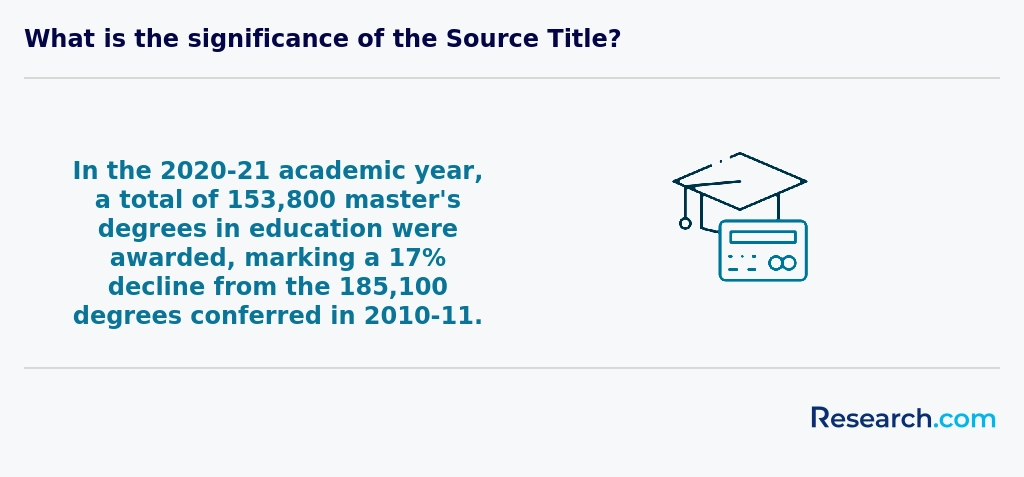
The return on investment for an online education degree in Tennessee depends on three practical questions: how much you pay, how quickly you finish, and whether the credential changes your pay or job options. A lower-cost program can still be a poor investment if it does not meet licensure requirements, while a more expensive program may be justified if it leads to administration, specialist, or leadership roles.
In Tennessee, the average total cost for a master’s program is approximately $59,840. Entry-level teaching salaries start around $40,000, while administrative roles may exceed $70,000. Depending on certification, district pay structure, and career progression, graduates typically recoup their investment within five to seven years.
Loan repayment can affect that timeline. Data from recent graduates indicate that, after factoring in federal loan interest rates averaging 4.5%, the monthly repayment on a $60,000 degree nears $625. Students who secure state loan forgiveness, district tuition reimbursement, or employer tuition assistance may reduce the debt burden and reach the break-even point sooner.
Specialized credentials can also improve ROI. Educators who pursue certifications such as special education or instructional technology often command a salary premium of 10–15% within the first three years of employment. Before choosing a specialization, confirm whether the credential is recognized by Tennessee employers and whether it connects to shortage areas in your district or region.
Students who want to compare affordability across states can review the Cheapest Online Master’s in Education Degree Programs Ranking in Arizona for another benchmark.
Ways to improve ROI
- Leverage Tennessee’s HOPE and Aspire awards to cut up to $5,000 annually, but confirm eligibility because graduate and online rules can differ.
- Investigate employer tuition assistance programs that cover 50–100% of graduate credits.
- Target high-need specializations, including STEM education and ESL, when they align with state or district shortages.
- Avoid over-borrowing for living expenses if you can continue working while enrolled.
- Ask each program for completion rates, licensure exam support, and alumni job outcomes.
Students pursuing online education degrees in Tennessee often discover financial aid beyond the usual expectations, unlocking opportunities that transform dreams into reality. For example, many graduates from institutions like the University of Tennessee or Middle Tennessee State University have relied on Pell Grants, which can cover up to $7,395 annually for those with significant financial need. This federal support eases tuition costs, making education more accessible.
State-specific programs such as the Tennessee Student Assistance Award (TSAA) further enrich the financial landscape, offering need-based grants-sometimes even to graduate students-depending on the school's policies. Imagine balancing coursework and personal life while tapping into these resources to reduce debt stress.
Teacher-specific initiatives like the Student Teacher Apprentice Program (STAP) add a compelling layer by allowing students to earn income while gaining hands-on experience in Tennessee classrooms. Knowing that loan forgiveness programs may forgive up to $17,500 after just five years in underserved schools inspires graduates to commit to meaningful careers.
This mosaic of aid-federal, state, and employer-based-creates a safety net that many online education students in Tennessee embrace with gratitude and motivation, turning financial challenges into stepping stones.
An affordable online master’s in education should reduce financial pressure without limiting your professional options. In Tennessee, the strongest choice is usually a program that aligns with your goal-teacher licensure, salary advancement, instructional leadership, curriculum work, special education, counseling support, or administration-while keeping total borrowing manageable.
Start by comparing total program cost, not just the advertised per-credit tuition. Fees, technology charges, clinical placement requirements, test costs, and travel for any hybrid components can change the real price of an online degree. Public universities may offer stronger value for Tennessee residents, while private institutions may be worthwhile if they provide a specialization, accelerated format, or institutional aid that fits your needs.
Prospective students can also review the most affordable education schools in Tennessee to compare broader in-state options. Use affordability rankings as a starting point, then confirm accreditation, licensure alignment, field experience requirements, and graduate outcomes directly with each school.
- Check licensure fit first: If you need a Tennessee teaching or leadership credential, confirm that the program is state-approved for that pathway.
- Calculate total cost: Include tuition, fees, books, Praxis exams, background checks, and any required campus visits.
- Compare formats: Fully online programs offer maximum flexibility, while hybrid programs may provide stronger local networking or supervised practice support.
- Ask about transfer credit: Even 6–9 accepted graduate credits can reduce both time and cost.
- Match specialization to demand: Special education, ESL, STEM education, counseling-related roles, and education administration may offer stronger employment pathways depending on location.
To enroll in an online education degree program in Tennessee, most students find they must first hold a bachelor's degree from a regionally accredited university-a prerequisite that graduates from institutions like the University of Tennessee or Tennessee State University often reflect on as a meaningful milestone. This foundational step ensures you walk into graduate-level courses ready to engage deeply with advanced concepts instead of catching up.
Transcripts verifying your academic journey are non-negotiable. Many students recall the relief of submitting official records showing their GPA, where a 2.5-3.0 minimum often serves to reassure schools of your academic readiness. It's not just numbers; you'll need to package your ambitions through letters of recommendation and personal statements, giving admissions committees a glimpse into your passion and dedication.
Though GRE scores may be requested, many programs now waive them, simplifying the path for busy professionals balancing work and study. For those aiming to teach, meeting Tennessee's licensing mandates-including background checks-is an integral step, underscoring the state's commitment to safe, qualified educators. This blend of requirements roots your journey in both academic rigor and practical accountability.
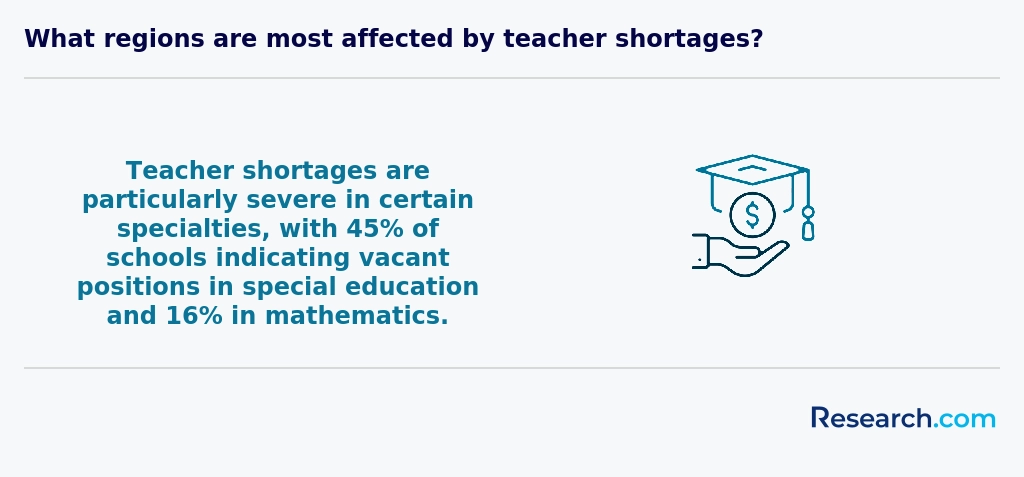
An online master’s in education in Tennessee can be worth it when the degree leads to a clear salary increase, licensure upgrade, leadership eligibility, or transition into a higher-paying education role. The financial case is strongest for students who choose an affordable program, limit borrowing, and use the degree for a specific career outcome rather than earning it only for general advancement.
On average, graduates incur total program costs of around $59,840 for a master’s degree. Entry-level teaching salaries start near $45,000, while experienced educators command upwards of $60,000. Factoring in federal student loan interest rates and median earnings, many graduates may recoup their educational investment within 6–8 years, depending on salary movement, district pay schedules, loan terms, and additional certifications.
The return can improve when a master’s degree opens doors beyond the classroom. Moving from classroom teaching into instructional coordination, for example, can raise median earnings to approximately $66,000 and may shorten the break-even timeline by 1–2 years. Public service teaching and district-based shortage incentives may also improve ROI if you qualify for loan forgiveness or repayment support.
| ROI factor | Why it matters | What to verify before enrolling |
| Total program cost | A lower tuition bill reduces the salary increase needed to break even. | Tuition, fees, books, exams, and any required in-person expenses. |
| Career goal | ROI is clearer when the degree supports licensure, a raise, or a promotion. | Whether graduates enter teaching, leadership, curriculum, or specialist roles. |
| Employer support | Tuition reimbursement can significantly reduce out-of-pocket cost. | District or employer rules for reimbursement, grade minimums, and service commitments. |
| Loan forgiveness | Public service programs can lower long-term repayment burden. | Eligibility rules, qualifying employers, and required payment history. |
Students comparing affordability outside Tennessee may also review regional options such as the Cheapest Online Master’s in Education Degree Programs Ranking in Arizona. The best choice is not always the cheapest program; it is the one with the strongest combination of price, accreditation, licensure alignment, completion support, and career value.
Online education degrees in Tennessee commonly include courses that move beyond theory to real-world application, offering students a transformative learning experience. Graduates from institutions like the University of Tennessee often describe how classes in educational psychology helped them intuitively understand diverse student behaviors, making lesson planning more responsive and impactful.
Foundations of education courses, tailored to Tennessee's unique policies, give students clarity on how state standards shape classrooms. This local focus resonates deeply with many learners balancing school with work or family. Instructors emphasize instructional design and technology, where students at Middle Tennessee State University, for example, gain hands-on experience integrating digital tools, preparing them for today's tech-driven learning environments.
Assessment and evaluation courses also stand out, teaching students to analyze data critically and use feedback for continuous classroom improvement. Electives like special education or ESL open pathways that graduates recall as deeply rewarding, empowering them to meet the needs of diverse learners across Tennessee's schools.
Specializations in online education degree programs in Tennessee transcend traditional boundaries, offering focused pathways that directly respond to the evolving educational landscape. Graduates from popular Tennessee universities often speak passionately about Curriculum and Instruction, where they master strategies to engage diverse learners across urban and rural classrooms. This specialization challenges them to rethink conventional teaching in ways that resonate on a personal level with their students.
Those pursuing Educational Leadership and Administration find themselves prepared not just to manage but to transform schools and districts, inspired by real-world scenarios faced by principals and policymakers within Tennessee's public education system. Meanwhile, a specialization in Special Education equips future educators to embrace the rewarding challenge of teaching students with diverse needs, reflecting the state's commitment to inclusivity.
For many, the best online teaching majors Tennessee offers extend into innovative realms like Instructional Technology and English as a Second Language, allowing students to tackle practical challenges such as integrating digital tools or supporting language learners shaped by Tennessee's demographic shifts. Exploring affordable options is key, and this is where programs ranked in the Cheapest Online Master's in Education Degree Programs Ranking in Arizona offer unexpected inspiration beyond state lines.
Choosing the best online education degree in Tennessee goes beyond surface comparisons of tuition or convenience. Graduates from well-regarded institutions like the University of Tennessee often emphasize how accreditation affected their career trajectory, especially programs recognized by CAEP or SACSCOC that directly align with Tennessee's licensing rules. The sense of assurance and pride these graduates feel knowing their degree holds weight in the job market cannot be overstated.
Consider what specialization excites you most. Many online programs in Tennessee offer tracks in instructional leadership, special education, or counseling, but those who pursue degrees tailored to state certification requirements tend to experience smoother transitions into their careers. Imagine completing a program from Middle Tennessee State University that fits your schedule yet prepares you fully for counseling licensure - graduates share how this practical alignment fosters real confidence and motivation.
Cost also shapes your experience. Affordable online master's in education Tennessee programs often offer financial aid or flexible payment plans, making the path less stressful. Reflect on stories of learners balancing work, family, and study while feeling empowered rather than overwhelmed. These real-life scenarios show why checking the institution's reputation and support services is crucial, and why exploring the best nationally accredited online universities can open doors you might not expect.
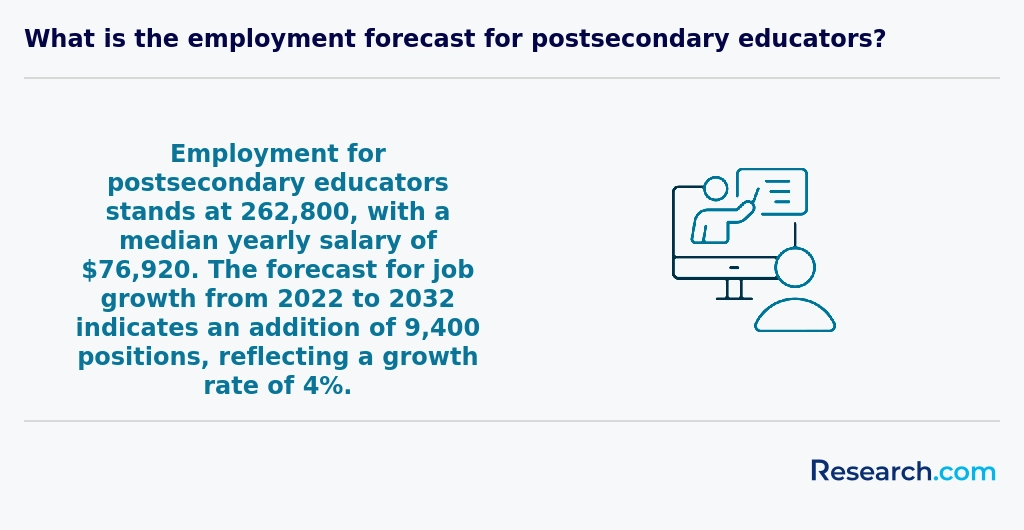
Graduates with an online education degree in Tennessee find themselves at a crossroads of meaningful career paths that extend beyond the traditional classroom. Many alumni from institutions like Middle Tennessee State University vividly recall how their programs prepared them for roles such as licensed K-12 teachers, fulfilling the state's critical demand for educators especially in rural or underserved areas. Others have thrived as curriculum specialists or instructional technology experts, leveraging the innovative training received through online platforms to impact schools across the state.
For those passionate about leadership, opportunities as educational administrators or school principals emerge naturally, supported by focused leadership coursework offered online at the University of Tennessee. This flexibility allows students to balance work and study, all while advancing toward impactful roles.
Importantly, careers stemming from online education degrees in Tennessee include special education, where graduates contribute to meaningful change in a rapidly evolving field. The diverse pathways reflect not only the local needs but also the exciting future of education careers.
Prospective students should weigh these dynamic options against other interests, perhaps comparing with best careers for trade school graduates to find the path that resonates most deeply.
The job market for an online education degree in Tennessee offers both promising growth and distinct regional advantages. Graduates from popular Tennessee colleges often find themselves stepping into roles as teachers, instructional designers, or school counselors with confidence, buoyed by a state forecasted to see about 6% growth in education jobs through 2032. This steady demand reflects a calling not merely to fill positions but to shape evolving educational landscapes, especially in institutions expanding online and hybrid offerings.
Graduates share stories of balancing affordable tuition costs with meaningful salaries-around $55,000 annually, slightly below national averages but offset by Tennessee's lower cost of living. These realities challenge common assumptions that higher earnings alone define success. For those investigating a teaching career opportunities Tennessee online degree programs come with unique curricula that prepare them for the digital classroom effectively. Some even consider pursuing the easiest masters degree canada for accessible pathways into education roles.
Teachers and specialists from community colleges to public schools often express satisfaction in how their online education degrees cultivate practical skills tailored to Tennessee's educational needs, illustrating a landscape ripe not just with jobs but with impactful opportunities.
2027 Most Affordable Online Master's in Education Degree Programs Ranking in Tennessee
Investing in your education is a significant decision that can shape your future, and the Research.com team understands the importance of making informed choices. To assist prospective students in Tennessee, we have meticulously crafted the "2027 Most Affordable Online Master's in Education Degree Programs Ranking in Tennessee." Our commitment to quality, credibility, and accuracy is reflected in the extensive research and analysis conducted to compile this ranking.
We utilized the following reputable data sources to ensure a comprehensive evaluation of education programs:
By exploring this ranking, readers will gain valuable insights into the most affordable and credible online master's programs in education in Tennessee, helping them make well-informed decisions about their academic and professional futures. For more details on our methodology, please visit our Research.com methodology page.


Frequently Asked Questions About education
Students pursuing online education degrees in Tennessee can maximize their learning by actively engaging with course materials and participating in virtual discussions. Research from the Tennessee Higher Education Commission shows that students who regularly communicate with instructors and peers report higher satisfaction and retention rates. Time management is essential; setting a consistent study schedule helps balance coursework with personal and professional responsibilities. Utilizing resources offered by Tennessee institutions, such as tutoring centers and digital libraries, enhances comprehension. Additionally, students should seek accredited programs recognized by the Tennessee Department of Education to ensure quality and transferability of credits.
Emerging niches within the education field in Tennessee reflect broader national trends focusing on specialized skills and technology integration. One notable area is educational technology, where professionals design digital tools and platforms for improved student engagement. Tennessee's increasing investment in remote learning tools has boosted demand for educators skilled in tech-based instruction.
Another growing niche is special education, particularly in supporting students with autism spectrum disorders and other learning disabilities. Tennessee's Department of Education reports a steady rise in special education enrollment, driving a need for specialized training.
Additionally, bilingual education and culturally responsive teaching are gaining importance in Tennessee's diverse student population. These areas provide opportunities for educators to address equity and inclusion challenges with tailored approaches.
Preparing for the job market after completing an online education degree in Tennessee requires strategic planning and awareness of local opportunities. Graduates should build a professional network by joining organizations like the Tennessee Education Association, which offers resources and connections tailored to educators in the state.
Obtaining relevant certifications is essential. Tennessee requires specific licenses for teaching in public schools, and candidates must pass state-approved exams. Checking the Tennessee Department of Education website can provide up-to-date licensure requirements.
Additionally, gaining practical experience through volunteering or substitute teaching can improve job prospects. Research from the Tennessee Higher Education Commission shows that candidates with hands-on experience have higher employment rates. Tailoring resumes to highlight online coursework skills and Tennessee standards will also benefit job seekers.
Employers in Tennessee prioritize a range of skills when hiring education degree graduates, reflecting the state's diverse educational landscape. Strong communication abilities rank high, as teachers must clearly convey information to students and collaborate with parents and colleagues. Classroom management skills are also critical, with Tennessee schools emphasizing safe, engaging learning environments.
In addition, proficiency in technology integration is increasingly valued, especially for graduates of online education programs. Knowledge of Tennessee's state standards and curriculum guidelines is essential, ensuring that teachers meet local educational requirements.
According to the Tennessee Department of Education, skills in data-driven instruction, cultural competency, and adaptability are vital for success in today's classrooms. These competencies help educators address diverse student needs and improve academic outcomes across the state.
Finding internships in Tennessee related to education degrees involves several practical steps. Start by exploring local school districts, as Tennessee's Department of Education encourages partnerships for student teaching and internships. Many districts, including Nashville and Memphis, offer structured internship programs for education students.
Additionally, universities such as the University of Tennessee and Tennessee State University often maintain internship placement services tailored to education majors. These institutions collaborate with public and private schools to connect students with field experiences.
Professional associations like the Tennessee Education Association also provide internship listings and networking opportunities. Online platforms such as Handshake and LinkedIn feature education internships specific to Tennessee schools and organizations.
According to the Tennessee Higher Education Commission, about 65% of education students complete internships prior to graduation, reinforcing their value in career preparation.
Online education degrees in Tennessee significantly enhance career mobility and advancement opportunities. According to the Tennessee Higher Education Commission, educators with advanced degrees, including online master's, often qualify for higher salary scales and leadership positions within school districts.
The flexibility of online programs allows working professionals to continue gaining experience while earning their degrees. This combination of education and practice is valued by employers across Tennessee, especially amid increasing demand for qualified teachers and administrators.
Furthermore, online degrees from accredited Tennessee institutions meet licensure requirements, which is critical for career progression in public education. The Tennessee Department of Education notes that advanced certification often leads to roles such as instructional coaches or school principals.
Tennessee's online education degree programs emphasize interdisciplinary skills by integrating coursework that spans beyond traditional teaching methods. Students engage in studies involving psychology, technology, and leadership, preparing them to address diverse learning environments. According to the Tennessee Higher Education Commission, over 60% of online education students take classes that include educational technology and administration.
This broad academic approach equips graduates with the ability to collaborate across different fields such as social services, educational policy, and community outreach. Programs also encourage critical thinking and problem-solving, essential for roles that require coordination between educators, families, and support professionals.
Furthermore, Tennessee universities often include practicum and internship opportunities that expose students to real-world interdisciplinary settings. This practical experience strengthens their readiness to handle complex educational challenges in a variety of professional contexts.
Choosing between a thesis and a non-thesis education degree program in Tennessee depends largely on your career goals and learning style. Thesis programs typically require original research, ideal for those considering doctoral studies or educational research roles. Non-thesis options focus more on coursework and practical skills, which suit professionals aiming for immediate advancement in schools or administration.
According to Tennessee Higher Education Commission data, about 40% of online master's education students opt for non-thesis tracks, reflecting demand for flexible scheduling and direct application. Thesis programs often take longer to complete, sometimes extending beyond two years.
Consider your time availability and whether you prefer hands-on projects to research writing when making your decision.
Students in Tennessee interested in studying education abroad have several options through online degree programs offered by accredited U.S. institutions. Many universities in Tennessee, such as the University of Tennessee and Middle Tennessee State University, provide online master's degrees in education with opportunities for international study components or practicum placements abroad.
These programs often include partnerships with global education organizations, enabling students to gain international experience while completing their degree remotely. According to the Tennessee Higher Education Commission, enrollment in online graduate education programs has grown steadily, reflecting increased flexibility for working professionals.
While direct enrollment in foreign universities is less common, Tennessee students benefit from exchange programs and global virtual classrooms integrated into their degrees, broadening cultural competence and pedagogical skills essential in today's diverse classrooms.
Part-time job opportunities in Tennessee that complement education degree studies often align closely with classroom and community support roles. Positions such as teacher's assistants, tutoring roles, or after-school program coordinators provide practical experience while allowing flexibility for online students. According to the Tennessee Department of Education, the demand for qualified education professionals has grown by 9% over recent years, creating opportunities in local school districts.
Additionally, working in childcare centers or as substitute teachers offers valuable exposure to educational environments. These jobs help develop skills in lesson planning, classroom management, and student engagement.
Part-time roles in libraries or educational nonprofits also enhance understanding of curriculum development and literacy programs, which are critical to a teaching career.
Networking opportunities for online education students in Tennessee have expanded significantly in recent years. Many Tennessee universities offer virtual events, workshops, and discussion forums to connect students with peers, alumni, and faculty. For example, the University of Tennessee system frequently hosts online career fairs and professional development sessions. Additionally, statewide professional organizations such as the Tennessee Educational Technology Association provide memberships that enhance networking through conferences and webinars. According to the Tennessee Higher Education Commission, over 30% of education graduates engage in these networking activities annually, highlighting their importance in job placement and career growth within the state's education sector.
Alumni networks are valuable resources for online education degree students in Tennessee. They provide opportunities to connect with graduates who understand the local education landscape and job market. According to the Tennessee Higher Education Commission, strong alumni communities can increase employment prospects by offering mentorship and job referrals within the state. These networks often host events and online forums, which help students build professional relationships despite studying remotely. Furthermore, alumni support can include access to continued learning and career services, which are crucial for educators aiming to advance in Tennessee's evolving school systems. Such benefits enhance both academic and professional growth.
In Tennessee, online education degree programs offer various ways to tailor your studies to match your career goals. Many universities provide customizable tracks or concentrations, such as curriculum design, special education, or educational leadership. This flexibility allows you to focus on skills needed in your desired field.
Students can often select electives and capstone projects aligning with local or state education standards. Tennessee's Department of Education supports licensure pathways, so choosing a program aligned with licensure requirements boosts employment options.
Additionally, some institutions partner with Tennessee school districts, offering practical experiences. According to the Tennessee Higher Education Commission, over 60% of education graduates find jobs within the state, emphasizing the value of targeted program choices.
Online education students in Tennessee often face challenges related to balancing coursework with work and family commitments. According to the Tennessee Higher Education Commission, many online learners are working adults, which can create time management difficulties. Technical issues also present obstacles; not all students have reliable internet access, particularly in rural areas where broadband coverage is limited.
Another challenge is limited interaction with instructors and peers. This can affect motivation and access to academic support, essential for success in graduate education programs. Additionally, some students report difficulty in obtaining financial aid specifically for online programs because eligibility can vary.
These factors highlight the importance of choosing institutions with strong online support services and flexible scheduling options.
With an online education degree, especially at the master's level, Tennessee students can pursue several valuable professional certifications to enhance their teaching careers. Popular options include the Tennessee Professional Educator License, which is required for public school teachers, and can be supported by an online program aligned with state standards.
Additionally, certifications such as National Board Certification offer advanced credentials that can increase job prospects and salary potential. Many online education degrees also prepare candidates for specialized endorsements like English as a Second Language (ESL) or Special Education, which are in demand within Tennessee's diverse school systems.
According to the Tennessee Department of Education, these certifications often require passing specific examinations and completing supervised teaching experience, which online programs facilitate through partnerships or local placements. This makes online degrees a flexible and efficient path for certification preparation in Tennessee.
To write a winning application for an online education program in Tennessee, start by thoroughly researching the schools and their program requirements. Tennessee has several accredited institutions offering online education degrees, including the University of Tennessee and Middle Tennessee State University, both known for their strong online offerings.
Highlight your academic achievements, teaching experience, and commitment to education clearly in your personal statement. Use specific examples and focus on how the program aligns with your career goals. Tennessee's higher education system values applicants who demonstrate dedication to improving local educational outcomes.
Submit all required documents early, including transcripts and letters of recommendation, to avoid delays. According to the Tennessee Higher Education Commission, timely and complete applications improve your chances of acceptance.
The education career is increasingly viewed through a global lens, influenced by the growing need for cross-cultural competencies and international collaboration. In Tennessee, nearly 54,000 education professionals are shaping local schools, reflecting nationwide trends emphasizing global awareness in teaching practices (Tennessee Department of Education, 2023).
Worldwide, educators are expected to address diverse student populations and use technology to connect learning beyond borders. Online education degrees in Tennessee equip students with these skills, preparing them for roles that embrace global perspectives while meeting U.S. standards. This aligns with the U.S. Department of Education's focus on international education and teacher exchange programs.
International comparisons show that U.S. educators often integrate global studies into curricula, increasing student engagement and critical thinking. Understanding these broader views supports Tennessee candidates aiming for dynamic and adaptable education careers.
Gaining practical experience while studying for an online education degree in Tennessee is essential for career readiness. Many Tennessee online programs incorporate clinical placements or student teaching in local schools, giving candidates hands-on opportunities. The Tennessee Department of Education requires that aspiring teachers complete supervised field experiences as part of licensure.
Additionally, partnerships between universities and school districts in Tennessee support internships and practicums, often arranged close to the student's residence to accommodate online learners. This blend of theoretical learning with real classroom exposure helps students develop critical skills.
According to the Tennessee Higher Education Commission, over 70% of education degree programs statewide embed practical training to meet accreditation standards.
Choosing the right concentration within an online education degree program in Tennessee begins with understanding your career goals. Tennessee offers various concentrations such as Curriculum and Instruction, Educational Leadership, and Special Education, each aligning with specific job markets. According to the Tennessee Higher Education Commission, demand for special education teachers is expected to grow by 7% through 2030, making this a promising path.
Consider the licensure requirements in Tennessee as well. Some concentrations prepare you directly for state certification, essential for public school employment. Research program accreditation and how courses fit within Tennessee's teaching standards.
Assess your personal interests, the skills you want to develop, and the student support offered online. Programs at institutions like the University of Tennessee and Tennessee State University provide tailored concentrations with flexible schedules, helpful for working professionals.
- 2027 Most Affordable Online Master's in Education Degree Programs Ranking in Kentucky
- 2027 Most Affordable Online Master's in Education Degree Programs Ranking in Georgia
- 2027 Most Affordable Online Master's in Education Degree Programs Ranking in North Carolina
- 2027 Most Affordable Online Master's in Education Degree Programs Ranking in Missouri
- 2027 Most Affordable Online Master's in Education Degree Programs Ranking in Arkansas
- 2027 Most Affordable Online Master's in Education Degree Programs Ranking in Virginia
- 2027 Most Affordable Online Master's in Education Degree Programs Ranking in Indiana
- 2027 Most Affordable Online Master's in Education Degree Programs Ranking in South Carolina
- 2027 Most Affordable Online Master's in Education Degree Programs Ranking in Illinois
- 2027 Most Affordable Online Master's in Education Degree Programs Ranking in Ohio
See What Experts Have To Say About Studying Education
Read our interview with Education experts

Alan J. Singer
Education Expert
Professor of Teaching, Learning and Technology
Hofstra University

Nooshan Ashtari
Education Expert
Professor & Book Author
University of Southern California

- Networking Tips and Advice for Students https://schoolshouldbe.com/post/networking-tips-and-advice-for-students/
- My Experience with Online Learning | Leeds Beckett University https://www.leedsbeckett.ac.uk/blogs/student-blog-squad/2020/09/my-experience-with-online-learning/
- Comprehensive Guide to Choosing the Right Educational Program https://veritaseedcenter.gr/blog/comprehensive-guide-to-choosing-the-right-educational-program
- The Future of Education: Emerging Trends Reshaping Learning Environments http://www.gesseducation.com/gess-talks/articles/future-education-emerging-trends-reshaping-learning-environments
- Navigating Challenges In Education, Learning & Development - those who can https://www.thosewhocan.org/navigating-challenges-in-education-learning-and-development/
- Online Teaching Jobs | Elevate K-12 https://www.elevatek12.com/online-teaching-jobs/
- Education Study Abroad | CIEE https://www.ciee.org/go-abroad/college-study-abroad/programs/subjects-disciplines/education-study-abroad
- Students: This is How You Should Prepare for the Job Market https://www.agencycentral.co.uk/articles/students-this-is-how-you-should-prepare-for-the-job-market/
- Online Degrees & Colleges in Tennessee (TN)|OnlineDegrees.com https://www.onlinedegrees.com/tennessee/
- How to Gain Real-World Experience While Studying Online | American National University https://an.edu/how-to-gain-real-world-experience-while-studying-online/


