
2027 Most Affordable Online Education Degree Programs Ranking in Connecticut

Co-Founder and Chief Data Scientist
Choosing the right education degree program can feel overwhelming, especially when considering cost and quality. This article introduces the 2027 Most Affordable Online Education Degree Programs Ranking in Connecticut, created by the Research.com team of data scientists.
Designed to guide prospective students, the ranking helps you discover affordable programs that suit your goals without compromising value. Earning an education degree opens doors to rewarding careers and personal growth, making your investment worthwhile.
Explore these insights to make a confident, informed decision about your future in education.
Key benefits of getting online education degree in Connecticut
- Graduates with an education degree can earn competitive salaries in Connecticut, such as Special Education Teachers earning around $76,000 and Instructional Designers making about $77,200 annually, offering financial stability in rewarding careers.
- Education degree holders from universities like the University of Connecticut often pursue diverse roles including Elementary School Teacher, ESL Instructor, and Early Childhood Educator, providing many opportunities to make a positive impact on students' lives.
- Completing an education degree online from institutions such as Southern Connecticut State University allows for flexible learning schedules, making it easier to balance work and family while gaining valuable credentials without commuting stress.
- 2027 Most Affordable Online Education Degree Programs Ranking in Connecticut
- What can I expect from online education degree in Connecticut?
- Where can I work with online education degree in Connecticut?
What can I expect from online education degree in Connecticut?
The average cost of an online education degree in Connecticut typically ranges from $8,000 to $15,000 per year for public universities, a figure many graduates recall as a worthwhile investment. Alumni from schools like the University of Connecticut and Central Connecticut State University often speak of navigating budgets carefully while appreciating the strong support services that soften financial pressures. The balance between tuition affordability and program quality is evident, especially when considering accredited programs that meet state licensure requirements.
Many students find reassurance in affordable in-state tuition rates, which allow them to pursue degrees without incurring overwhelming debt. One graduate remembered feeling empowered by financial aid opportunities that made completing a certification in special education possible without sacrificing stability.
Choosing a program that combines flexibility with recognized accreditation often influences the perceived value beyond mere price. For example, those balancing full-time jobs with online studies at Central Connecticut State appreciate how the local student teaching placements fit their busy lives without extra travel costs, adding to overall affordability.
Where can I work with online education degree in Connecticut?
Graduates with an online education degree in Connecticut often find rewarding careers teaching in K-12 public schools across the state, especially in high-need areas like special education, STEM, and bilingual classrooms. Many alumni from well-regarded institutions such as the University of Connecticut or Southern Connecticut State University share how their flexible online programs prepared them for certification and practical roles within local school districts.
Others move into educational administration, taking positions as assistant principals, curriculum coordinators, or academic advisors. These roles allow graduates to shape school culture and curricula, drawing on leadership skills nurtured in online degree courses that align with Connecticut's certification standards.
Many also find meaningful work outside traditional classrooms-in community colleges, adult education centers, and nonprofit organizations dedicated to youth development. For example, graduates appreciate how their coursework from online programs positioned them to contribute to educational outreach and program management in these community settings.
Private tutoring companies and educational consultancies represent additional paths, where graduates thrive using expertise gained through personalized learning-focused online study. Their stories reflect the flexibility and wide range of opportunities that an online education degree in Connecticut can unlock.
Graduates who complete online education degrees in Connecticut often find themselves positioned for competitive salaries, especially when they enter teaching roles or related careers. For example, those beginning as elementary school teachers, a common path for many from institutions like the University of Connecticut or Southern Connecticut State University, can expect mean annual earnings around $70,740. This provides a solid foundation early in their careers.
Some graduates pursue special education, a rewarding field both personally and financially, where the mean annual wage rises to approximately $76,000. Meanwhile, those passionate about teaching English as a second language can anticipate earning about $65,430 annually, blending cultural impact with steady compensation.
Instructional designers, often former educators who leverage their skills to create learning materials, typically earn higher wages near $77,200, reflecting the specialized nature of their work. Even early childhood educators start with meaningful salaries, around $41,410, which can increase over time with experience and additional certifications.
These figures reflect real success stories from Connecticut graduates who chose online pathways, balancing flexibility with respected and recognized degrees. The local education landscape supports graduates through established salary schedules, ensuring earning potential grows alongside their expertise and passion.
- Online education degrees in Connecticut include accredited bachelor's and master's programs focused on teaching, educational leadership, and special education.
- The cost for an online bachelor's degree ranges from $25,000 to $40,000, while master's programs typically cost between $15,000 and $30,000.
- Connecticut expects steady demand for teachers, with growth in special education, bilingual education, and STEM fields over the next decade.
- Starting salaries for education graduates average $43,000 to $48,000 per year, with potential to exceed $70,000 with experience and certification.
- Online education programs leading to teacher certification must be approved by the Connecticut Department of Education to meet licensure standards.
- Many programs include clinical practice or student teaching partnerships with Connecticut school districts to fulfill hands-on experience requirements.
Completing an online education degree in Connecticut generally follows timelines familiar to many students. Graduates from institutions like the University of Connecticut or Southern Connecticut State University often share that associate degrees take around two years, while bachelor's degrees usually span four years of steady effort. Those pursuing a master's degree report completion within one to two years, reflecting the focused nature of advanced study. These timelines, while standard, have a personal flow that depends heavily on your own pace and commitments.
Many students juggling jobs or family responsibilities find comfort in part-time enrollment, which naturally extends their studies but also enriches their learning experience. For example, an online education student at Central Connecticut State University described balancing work and study by pacing courses carefully, ultimately rolling their own rhythm for success.
Licensure requirements, like student teaching, add real-world depth and sometimes extend the timeline. Yet, graduates appreciate how Connecticut's programs integrate practical elements seamlessly. This makes the journey both manageable and deeply rewarding, reflecting the balance between flexibility and rigor these institutions offer.
Choosing a quality online education program in Connecticut starts with verifying proper accreditation. Prospective students should look for regional accreditation by the New England Commission of Higher Education (NECHE) and programmatic accreditation from bodies like the Council for the Accreditation of Educator Preparation (CAEP). These credentials ensure that curricula meet rigorous standards and are recognized by school districts across Connecticut and beyond. In addition to institutional accreditation, aspiring teachers must satisfy Connecticut State Department of Education (CSDE) certification requirements. This typically involves passing Praxis exams in content knowledge and pedagogy, completing a state-approved teacher preparation program, and submitting fingerprint-based background checks. For those interested in specialized endorsements-such as ESL, special education, or literacy-additional Praxis Subject Assessments may be required. Understanding these licensure pathways early helps streamline your journey from enrollment to classroom placement. When evaluating online programs, confirm that the curriculum aligns with CSDE guidelines for field experiences and student teaching hours. Accredited programs often provide virtual practicum support and connect candidates with local mentor teachers. Graduates from CAEP-accredited online degrees report higher success rates on licensure exams and faster job placements within Connecticut public and private schools. For complementary insight into affordable, accredited online education options in other regions, check out the Affordable Online Education Degree Programs Ranking in Greeley, CO, which demonstrates how rigorous accreditation standards can coexist with competitive tuition rates.
Choosing between online and on-campus education degrees in Connecticut often comes down to lifestyle and learning preferences. Graduates from universities like the University of Connecticut recall how online programs allowed them to juggle family responsibilities and part-time jobs without sacrificing their studies. The flexible schedule, with lectures and assignments accessible anytime, gave them a sense of control and reduced stress.
On the other hand, on-campus students cherish the energizing atmosphere created by face-to-face interaction. Attending classes in person, such as at Southern Connecticut State University, fostered meaningful connections with professors and peers, enriching collaborative skills and networking opportunities.
Cost is another important factor. Some online education degrees offered in Connecticut boast lower overall expenses since students save on housing and transportation, a relief felt by many.
Ultimately, whether one thrives in the vibrancy of campus life or values the autonomy of online learning, Connecticut's diverse offerings accommodate both paths thoughtfully.
Graduates of online education programs in Connecticut must navigate the state’s teacher certification process to ensure they are fully qualified for classroom roles. Connecticut’s State Department of Education (CSDE) mandates the following steps: 1. Earn a Regionally Accredited Degree • Complete a bachelor’s or master’s degree in education from a CSDE-approved institution. • Verify that your program aligns with Connecticut’s Certification Regulations, including content-specific endorsements (e.g., Early Childhood, Secondary Mathematics). 2. Pass Required Examinations • Praxis Core Academic Skills for Educators (reading, writing, mathematics) or approved alternatives. • Praxis Subject Assessments or edTPA in your endorsement area. • Check CSDE’s assessment matrix for up-to-date testing requirements. 3. Fulfill Student Teaching and Clinical Experience • Accrue a minimum of 12 weeks of supervised student teaching in a Connecticut public school. • Online candidates often complete virtual practicums, but must coordinate on-site hours through their program. 4. Complete Background Clearance • Submit to a state and federal criminal history records check via the Department of Emergency Services and Public Protection (DESPP). • Provide fingerprinting and child abuse registry clearances before placement. 5. Apply for Initial Educator Certificate • Submit official transcripts, test scores, and having met all program requirements through CSDE’s TEAL portal. • Receive a five-year Initial Educator Certificate, valid for pre-K–12 in your endorsement area. 6. Transition to Professional Educator Certificate • After three years of teaching service and completion of an induction program, apply for a Professional Educator Certificate. • Maintain continuing education credits as outlined in CSDE’s certificate renewal policies. For aspiring teachers weighing affordability and accreditation, exploring other reputable programs-such as the Affordable Online Education Degree Programs Ranking in Greeley, CO-can provide additional insights into cost-effective pathways that meet state licensing standards.
The average cost of an online education degree in Connecticut hovers around $24,750 for in-state students, with the median total cost nearing $40,300 when factoring in out-of-state tuition and additional fees. Graduates from well-regarded institutions like the University of Connecticut often recall how in-state tuition rates, approximately $13,200 yearly for undergraduates, made their pursuit of an education degree more affordable, especially when combined with technology fees and course materials. These factors contribute to the overall expenses but can be balanced by budgeting strategies and financial aid.
Many students seeking affordable online education degree programs Connecticut find value in understanding how credit hour requirements-usually 30 to 36 for master's degrees-directly influence the total cost. For example, a graduate reflecting on their experience at Sacred Heart University highlights the importance of considering tuition rates, which may range between $30,000 and $45,000 for graduate programs, and how scholarships helped manage these costs. Accelerated programs offered by local universities also provide an appealing route to reduce tuition expenses by shortening the time spent in the program.
It's vital to explore the specific tuition policies of Connecticut's public and private institutions and verify eligibility for in-state tuition to maximize affordability. Those advancing their careers often look at the educational leadership career outlook, balancing expenses with potential long-term benefits, making the investment in an online education degree a carefully measured but fulfilling choice.

To find the cheapest education school in Connecticut, it's essential to consider various factors such as tuition fees, financial aid options, and the overall cost of attendance. By researching and comparing different institutions, prospective students can make informed decisions about their educational investments. For instance, checking the cheapest education school in Connecticut can provide valuable insights into affordable online education options, empowering students to choose wisely and achieve their academic goals without excessive financial burden. This approach ensures that students can prioritize their educational aspirations while managing their finances effectively, leading to a more fulfilling and successful academic journey.
Many students pursuing online education degrees in Connecticut find that federal aid through FAFSA is a crucial first step. Grants like the Pell Grant, awarding up to $7,395 annually, have made a significant difference for graduates juggling work and study. For those attending Central Connecticut State University or the University of Connecticut, institutional scholarships further lighten the financial load, often based on merit and need. Graduates recall how the state's Roberta B. Willis Scholarship specifically helped them manage tuition by targeting those preparing to teach in Connecticut public schools.
Employer tuition reimbursement programs also stand out as a valuable resource. Teachers and staff in local school districts often benefit from partial or full reimbursement, easing the stress of financing further education. Private scholarships from groups like the Connecticut Education Association add another layer of support, offering several hundred to thousands of dollars, creating real opportunities for students driven to serve their communities.
These combined options foster a hopeful path forward, turning financial challenges into attainable goals for many aspiring educators in Connecticut.
Before enrolling in an online education program, understanding Connecticut’s teacher certification process ensures your credential will meet state standards and accelerate your career. Connecticut initial teacher licensure typically requires:
- A bachelor’s degree from an accredited institution with a minimum 2.75 GPA in education coursework.
- Completion of a state-approved educator preparation program, including supervised clinical practice (student teaching) aligned with Connecticut’s Common Core of Teaching.
- Passing scores on the Praxis Core Academic Skills for Educators and relevant Praxis Subject Assessments or the edTPA performance‐based assessment.
- A criminal background check and submission of official transcripts to the Connecticut State Department of Education (CSDE). For master’s-level candidates seeking advanced certification or endorsement, additional prerequisites often include:
- A valid initial educator certificate.
- Proof of at least one year of teaching experience.
- Completion of a CSDE‐approved graduate program with the required specialization coursework (e.g., Special Education, ESL). Maintaining and renewing certification:
- Educators must complete 100 clock hours of professional development every five years or meet National Board Certification criteria.
- Online programs offering embedded CEUs (Continuing Education Units) can streamline your re-certification process. If you’re exploring other affordable, state-specific pathways, consider our Affordable Online Education Degree Programs Ranking in Greeley, CO, which highlights cost-effective options and licensure outcomes in a neighboring region.
To enroll in an online education degree program in Connecticut, students must first secure a solid academic foundation, typically holding a high school diploma or GED for undergraduate paths. This mirrors the journey of many graduates from respected institutions like the University of Connecticut, who often reflect on how meeting these requirements helped them confidently transition into higher education.
For those aiming at graduate studies, such as master's degrees in education, a bachelor's degree is essential. Many students share how submitting official transcripts and maintaining a GPA around 2.5 to 3.0 was a motivating milestone that reflected their readiness for advanced coursework.
A number of programs may still require standardized test scores like the SAT or ACT, though test-optional policies have eased this for many applicants, echoing the experiences of students at Southern Connecticut State University. Preparing to pass Connecticut's Praxis exams is another common prerequisite, often integrated into the curriculum to support future educators.
Applicants also benefit from submitting letters of recommendation and thoughtful personal statements, which allow admissions teams to appreciate the genuine passion fueling their goals. This blend of preparation and reflection often inspires confidence, transforming challenges into achievements on one's educational path.
Selecting an accredited online education degree is crucial for meeting Connecticut’s certification standards and ensuring eligibility for federal financial aid. In Connecticut, all initial teacher preparation programs must be approved by the Connecticut State Board of Education and accredited by the Council for the Accreditation of Educator Preparation (CAEP). Before applying, verify each institution’s CAEP status and confirm that its curriculum aligns with the Connecticut Professional Educator Standards Board (PESB) requirements. Prospective students should ensure their chosen program includes coursework in content knowledge, pedagogical theory, and a supervised practicum or student teaching component mandated by the state. Programs often integrate portfolio assessments and Praxis exam preparation to satisfy Department of Education benchmarks; graduating from a non-approved program can delay or disqualify candidates from obtaining their teaching certificate. For those considering teaching beyond Connecticut or pursuing advanced endorsements, it’s important to research reciprocity agreements and add-on certification options. Understanding different education degree types can help you choose the right program that aligns with your long-term certification and career goals. Ensuring compliance with both regional accreditation and state licensure standards establishes a solid foundation for a successful and legally compliant teaching career.
Online education degree programs in Connecticut typically include courses that build a strong foundation in both theory and practice, preparing students for real classrooms. Graduates from well-known institutions like the University of Connecticut often reflect warmly on courses such as Foundations of Education, where they explored the history and philosophy behind teaching, gaining a deeper appreciation for their future roles.
Courses in Child and Adolescent Development offer insights into the stages of growth that shape how students learn and behave, a topic many find immediately applicable during student teaching placements. Instructional Strategies and Curriculum Design classes challenge learners to craft effective lesson plans, a skill praised by graduates who later teach in local schools like those in Hartford or New Haven.
Moreover, Educational Psychology and Classroom Management courses equip students to support diverse learning needs and create positive learning environments. Practica embedded in these programs bring these lessons to life, fostering confidence and joy as students apply techniques directly in partnering Connecticut schools.
Online education degree specializations in Connecticut offer meaningful paths tailored to diverse aspirations. Graduates from popular institutions often share how the Early Childhood Education track profoundly deepened their understanding of young learners, preparing them to make an impact in preschools and elementary classrooms. Meanwhile, the Elementary Education specialization stands out for those eager to master curriculum and classroom management skills aligned with Connecticut's teaching standards, enabling a smooth transition into primary and middle school roles.
Many students find that choosing a subject-focused route in secondary education - such as Mathematics, Science, English Language Arts, or Social Studies - perfectly aligns with their passion, while meeting certification criteria set by the Connecticut Department of Education. Some graduates reflect on how the Special Education specialization not only enriched their instructional strategies but also connected them to the rewarding challenge of supporting diverse learners in the state's inclusive classrooms. These focused paths truly embody the best online teaching programs Connecticut can offer, cultivating educators ready to lead with confidence.
For those interested in leadership or curriculum design, online programs from well-known Connecticut colleges encourage advancement into roles like school administrators or curriculum developers. If you are exploring options, consider reviewing the best online colleges for data science degrees as they sometimes offer parallel insights into flexible, reputable online education opportunities suited to your goals.
Choosing the best online education degree in Connecticut means zeroing in on programs with regional accreditation from NECHE, assuring quality recognized statewide. Graduates from popular institutions like the University of Connecticut often highlight how accreditation impacted their eligibility for licensure and boosted employers' confidence in their credentials. Affordability is another key; many students find that comparing tuition alongside available financial aid options uncovers affordable education degree programs in Connecticut that fit their budgets without sacrificing quality.
Curriculum alignment with Connecticut's Department of Education standards cannot be overstated. Graduates pursuing certification appreciate programs that integrate state-approved licensure coursework seamlessly, providing reassurance that their efforts directly lead to classroom readiness. Flexibility also shapes student satisfaction-whether juggling family or work, some thrive in asynchronous formats, while others value real-time interactive sessions for deeper connection.
Beyond coursework, the availability of support services and practical experiences influences success. Hearing stories from graduates at institutions offering virtual internships or practicum opportunities reveals how these experiences build confidence and job readiness. For those interested in education fields with a broader scope, exploring the library science benefits adds another dimension to one's career path. Such comprehensive consideration results in the best online education degrees Connecticut has to offer.
Graduates who earn an online education degree in Connecticut find themselves stepping into rewarding roles like licensed K-12 teachers, where they shape young minds in ways that feel deeply fulfilling. Many from popular institutions in the state share how their flexible online journey prepared them well to manage classrooms in diverse communities, nurturing both academic growth and personal confidence.
Others pursue leadership as school principals or instructional coordinators, roles that demand insight and compassion to influence school culture positively. Degree holders also find pathways in educational technology or curriculum design, leveraging innovative tools to enhance learning experiences statewide. These career opportunities with education degree Connecticut holders resonate especially with those inspired by evolving digital landscapes.
Some graduates extend their passion to counseling or student support roles, offering guidance that transforms lives. Additionally, many explore fields like adult education or policy analysis to serve Connecticut's diverse populations. Students often reflect on how programs integrate real-world skills, comparable to offerings in related fields like library science degree programs online, broadening their perspective and opportunities.
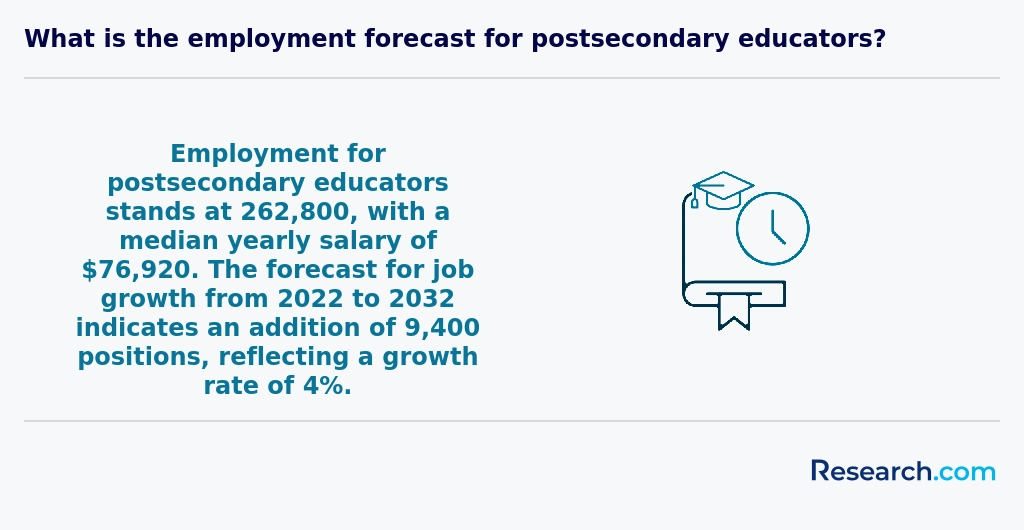
The job market for graduates with online education degrees in Connecticut remains steady and promising. Many graduates from well-regarded institutions in the state report positive experiences finding roles within public schools, private institutions, and community colleges. Opportunities continue to grow especially in specialized fields like special education, educational technology, and curriculum development, reflecting a healthy demand for versatile educators. This aligns with the outlook for online education degrees job outlook Connecticut, where prospective educators can expect moderate but consistent employment growth.
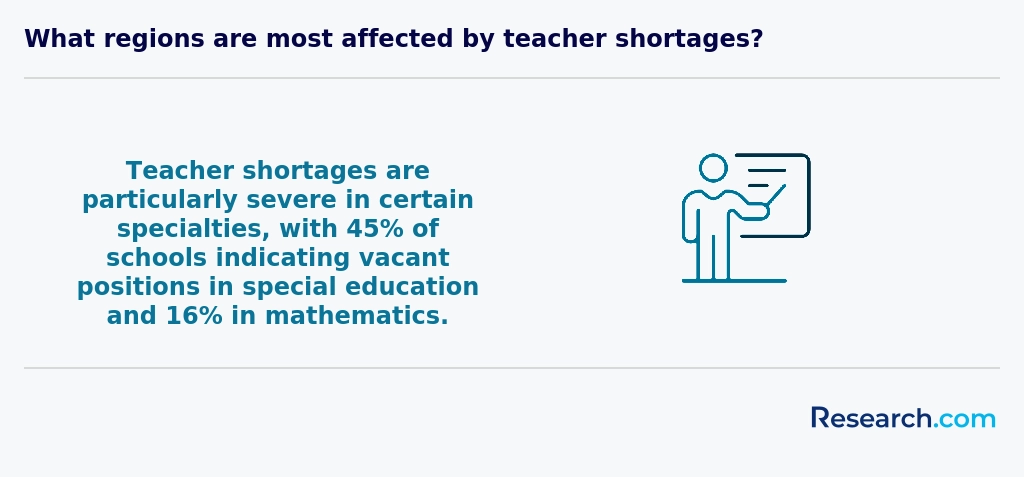
Graduates often highlight the advantage of earning an online degree recognized by Connecticut's school districts, which view these credentials as equal to traditional degrees from esteemed local colleges. With state initiatives aimed at alleviating teacher shortages in STEM and bilingual education, graduates find themselves well-positioned for diverse roles beyond classroom teaching, such as instructional coordinators and training specialists.
Furthermore, the relatively affordable tuition fees for online programs encourage a smoother transition into the workforce without overwhelming debt. Many aspiring educators choose the cheapest education school in Connecticut for this reason, combining fiscal prudence with career readiness.
2027 Most Affordable Online Education Degree Programs Ranking in Connecticut
Investing in your education is a significant decision that can shape your future, and the Research.com team understands the importance of making informed choices. To assist prospective students in Connecticut, we have meticulously crafted the "2027 Most Affordable Online Education Degree Programs Ranking in Connecticut." Our commitment to quality, credibility, and accuracy is reflected in the extensive research and analysis conducted to compile this ranking.
We utilized the following reputable data sources to ensure a comprehensive evaluation of online education degree programs:
By exploring this ranking, readers will gain valuable insights into the most affordable and credible online education programs available in Connecticut, empowering them to make well-informed decisions about their academic and financial futures. For more details on our methodology, please visit our Research.com methodology page.
# 1 position
Holy Apostles College and Seminary
Bachelor of History in the Social Studies


# 3 position
Charter Oak State College
Bachelor of Early Childhood Education

Frequently Asked Questions About education
Online education degree students in Connecticut can enhance their learning by actively engaging with course materials and instructors. Research shows that students who participate regularly in virtual discussions tend to achieve higher grades. Utilizing Connecticut's public library digital resources can also support studies, offering free access to academic databases and e-books.
Setting a consistent study schedule mirrors traditional classroom structure, which improves time management. In Connecticut, approximately 15% of adults hold a bachelor's degree or higher, highlighting the value of disciplined learning. Additionally, students should leverage state-specific professional networks and online forums to connect with peers and educators.
Lastly, selecting programs accredited by Connecticut's Office of Higher Education ensures quality and transferability of credits, which is crucial for career advancement.
Emerging niches within the education field reflect evolving societal needs and technological advances. In Connecticut, one notable area is educational technology, which focuses on integrating digital tools to improve teaching and learning outcomes. According to the Connecticut Department of Education, the demand for educators skilled in technology integration is growing rapidly due to increased remote and hybrid learning models.
Special education remains a critical niche, with Connecticut reporting a steady rise in students requiring specialized support. Degrees emphasizing special education prepare teachers to meet diverse learner needs effectively.
Another rising specialty is bilingual and multilingual education, responding to Connecticut's increasingly diverse student population. This area trains educators to support English language learners and promote inclusive classrooms.
After earning an online education degree in Connecticut, graduates should focus on building a strong professional network within the state's education community. Connecticut's Department of Education reports that the region values candidates with practical experience, so pursuing student teaching or internships is essential.
Certifications required by Connecticut, such as the Initial Educator Certificate, should be obtained promptly to enhance job eligibility. Candidates are advised to prepare a professional resume that highlights both online coursework and any hands-on experience.
Engaging with local school districts through job fairs or online platforms like EdAdvance can provide valuable leads. According to the Connecticut Office of Higher Education, networking increases employment chances by up to 50% for new educators in the state.
Employers in Connecticut prioritize a range of skills when hiring education degree graduates. Strong communication skills are essential, as educators must effectively convey information and engage diverse student populations. According to the Connecticut Department of Education, adaptability and the ability to integrate technology into the classroom are increasingly important due to ongoing digital learning expansions.
Critical thinking and problem-solving are also highly valued, enabling teachers to create dynamic lesson plans and address students' individual needs. Collaboration skills matter, as educators often work with colleagues, parents, and administrators to support student success.
Finally, cultural competency is crucial in Connecticut's diverse schools, helping graduates foster inclusive, respectful learning environments.
Finding internships in Connecticut related to an education degree requires a strategic approach. Start by exploring partnerships between your online program and local school districts, as many universities have established agreements to place students in classrooms for hands-on experience. The Connecticut Department of Education also provides resources and listings for certified internship opportunities statewide.
Additionally, connect with organizations like the Connecticut Association of Schools and regional education service centers, which often support internships. Networking through professional education groups on LinkedIn or local events can open doors. According to the Connecticut Office of Higher Education, approximately 70% of education students secure internships through university-coordinated programs, emphasizing the value of leveraging school resources.
In Connecticut, earning an online education degree can significantly boost career mobility and advancement opportunities. According to the Connecticut Department of Labor, educators with advanced degrees often earn higher salaries and have access to a broader range of job openings, including leadership roles such as curriculum coordinators or school administrators.
Online degrees offer flexibility for working professionals, allowing them to continue gaining experience while studying. Schools like the University of Connecticut and Southern Connecticut State University deliver accredited online education programs that meet state certification requirements.
Data from the National Center for Education Statistics shows that teachers with master's degrees in Connecticut tend to have a 15% higher median income compared to those with only a bachelor's. This credential helps open doors for promotions and salary increases within the state's public and private education systems.
Studying for an education degree in Connecticut offers students a strong foundation for interdisciplinary roles by integrating coursework across multiple fields such as psychology, sociology, and technology. Connecticut universities often emphasize collaborative learning and critical thinking skills, which are essential for working in diverse educational settings.
Online education programs in the state also focus on practical experience, encouraging students to engage with various community partners. According to the Connecticut Office of Higher Education, 64% of education graduates pursue roles that require cross-disciplinary knowledge.
This approach equips graduates to address complex challenges in modern classrooms, from policy development to student support services, enhancing their adaptability in various educational careers.
When choosing between a thesis and a non-thesis education degree program in Connecticut, consider your career goals and learning style. Thesis programs involve conducting original research, which suits students aiming for careers in academia or advanced research roles.
Non-thesis programs typically focus more on coursework and practical application, ideal for those seeking administrative or teaching positions. The Connecticut Department of Higher Education notes that many state institutions offer both options online, with tuition averaging around $400 per credit for in-state students.
Check each program's curriculum and support services to ensure alignment with your professional aspirations and time commitments.
Students in Connecticut seeking to study education abroad have several online options through U.S. institutions offering global learning experiences. Many universities provide online education degrees with international components, allowing students to engage in cross-cultural studies without leaving home. For example, the University of Connecticut's Neag School of Education collaborates with global partners to enrich its online programs.
Additionally, students can enroll in accredited online degrees that include study abroad opportunities, virtual internships, or international research projects.
According to the Connecticut Department of Higher Education, about 42% of in-state college students choose online or hybrid formats, reflecting growing access to flexible programs.
This blend of online study with international exposure offers a practical path for Connecticut residents aiming to gain global perspectives in education.
Connecticut offers several part-time job opportunities that complement education degree studies, particularly for those enrolled in online programs. Positions such as teacher aides, substitute teachers, and tutoring roles in public and private schools provide practical experience relevant to education careers. According to the Connecticut Department of Education, the demand for substitute teachers grew by 5% in 2023, reflecting steady employment prospects. Additionally, after-school program coordinators and literacy coaches often work part-time, helping students improve academic skills.
Many of these roles allow flexible schedules, making them ideal for students managing coursework. Gaining direct classroom or educational support experience can enhance resumes and professional development for future full-time educators in Connecticut.
Online education students in Connecticut benefit from numerous networking opportunities despite the distance learning format. Many institutions, including the University of Connecticut and Central Connecticut State University, offer virtual career fairs and online student organizations that connect learners statewide. These platforms help students build relationships with peers, faculty, and education professionals.
Connecticut's proximity to major metropolitan areas like New York and Boston also broadens professional networking via regional educational conferences and workshops. According to the Connecticut Department of Labor, the state's strong education sector fosters active alumni networks that online students can join to enhance career growth.
Students can leverage tools such as LinkedIn groups focused on Connecticut educators, providing additional avenues for mentorship and job opportunities tailored to local contexts.
Alumni networks play a vital role for online education degree students in Connecticut by offering career support and professional connections. Graduates from Connecticut universities often remain active in local and regional networks, which can open doors to job opportunities within the state's education sector.
These networks provide mentoring, advice, and access to exclusive job listings, helping students transition from online learning to paid positions. According to the Connecticut Office of Higher Education, over 60% of educators in the state find employment through professional connections.
Additionally, alumni events and online forums foster a sense of community, which reduces the isolation often felt by remote learners. This community support is especially important in states like Connecticut where educational institutions have long-standing local ties.
Online education degree programs in Connecticut offer various options to tailor your studies to fit career goals. Many institutions allow students to select concentrations such as special education, curriculum design, or educational technology. This flexibility enables alignment with specific professional interests.
Students can often choose elective courses or complete internships that provide practical experience in desired educational environments. According to the Connecticut Board of Regents, several public universities emphasize customizable paths within their online programs.
Additionally, some schools offer accelerated options or evening classes, helping working professionals balance education and employment. Utilizing academic advisors to map out a personalized plan helps ensure your degree matches career ambitions.
Online education students in Connecticut face several challenges as they pursue their degrees. One common issue is balancing coursework with personal and professional responsibilities, especially since many online learners work full-time jobs or have families. Connectivity and access to reliable internet can also be a barrier, particularly in rural areas where broadband service is limited, according to the Connecticut Broadband Expansion Plan. Another challenge is maintaining motivation and engagement without in-person support, which can impact retention rates. Additionally, navigating financial aid and understanding in-state tuition policies for online programs require careful attention, as these vary across institutions in Connecticut.
An online education degree from a Connecticut institution can open doors to various professional certifications. Graduates often pursue state teaching certification, which requires passing the Praxis exams and meeting Connecticut's Department of Education requirements. This allows credentialing in early childhood, elementary, or secondary education.
Other common certifications include the Reading Recovery Teacher certification and ESL (English as a Second Language) endorsement. These credentials improve job prospects and specialize teaching skills.
Additionally, many online education graduates seek National Board Certification, a recognized credential that demonstrates advanced teaching expertise. According to the Connecticut State Department of Education, over 2,000 educators have earned this certification statewide.
Writing a winning application for an online education program in Connecticut requires careful preparation. Start by reviewing each university's specific requirements, as institutions like the University of Connecticut and Southern Connecticut State University may differ.
Highlight your academic achievements and relevant experience clearly. Connecticut's Bureau of Labor Statistics notes a growing demand for qualified educators, so emphasize skills that align with this trend.
Strong letters of recommendation and a well-written personal statement explaining your goals for pursuing online education can improve your chances. Mention your ability to manage remote learning effectively.
Ensure your transcripts and test scores meet the admissions criteria, and double-check deadlines. According to the Connecticut Office of Higher Education, timely, complete applications have higher acceptance rates.
The global view of an education career highlights its significant role in shaping societies and economies. In the United States, teaching remains a respected profession with steady demand. Specifically, Connecticut's public schools employ over 43,000 educators as of recent state reports, reflecting ongoing growth in education jobs.
Internationally, countries value education professionals as key drivers of development and innovation. This global respect underscores the appeal of education degrees, especially through accessible online programs offered by Connecticut institutions.
Online education degrees in Connecticut equip students with skills adaptable worldwide, emphasizing cultural awareness and modern teaching methods. These programs often align with national certification standards, preparing graduates for diverse classroom environments both locally and globally.
Gaining practical experience while pursuing an online education degree in Connecticut is essential for career readiness. Many programs incorporate virtual student teaching placements, allowing candidates to teach in real classrooms remotely while supervised by certified educators. According to the Connecticut State Department of Education, student teaching is a mandatory requirement for teacher certification in the state. Additionally, some universities partner with local schools to offer hybrid field experiences or internships tailored for online learners.
Students can also engage in professional development workshops or collaborative projects through online platforms. These opportunities help build classroom management and instructional skills before graduation.
Seeking guidance from academic advisors can connect students to Connecticut-based schools or districts offering flexible practicum arrangements suitable for online students.
Choosing the right concentration within an online education degree program in Connecticut involves aligning your career goals with local demand and certification requirements. Connecticut's Department of Education highlights high needs in special education, STEM teaching, and English as a Second Language (ESL) areas. Research from the Connecticut Office of Higher Education indicates that concentrations related to these fields often lead to better job prospects and higher starting salaries.
Consider your personal interests and strengths alongside market trends. Verify that the concentration meets state certification standards if you plan to teach in Connecticut public schools. Evaluating program flexibility, curriculum relevance, and faculty expertise can further guide your decision.
- 2027 Most Affordable Online Education Degree Programs Ranking in New York
- 2027 Most Affordable Online Education Degree Programs Ranking in Massachusetts
- 2027 Most Affordable Online Education Degree Programs Ranking in New Jersey
- 2027 Most Affordable Online Education Degree Programs Ranking in Pennsylvania
- 2027 Most Affordable Online Education Degree Programs Ranking in Maine
- 2027 Most Affordable Online Education Degree Programs Ranking in Virginia
- 2027 Most Affordable Online Education Degree Programs Ranking in Ohio
- 2027 Most Affordable Online Education Degree Programs Ranking in Kentucky
- 2027 Most Affordable Online Education Degree Programs Ranking in North Carolina
- 2027 Most Affordable Online Education Degree Programs Ranking in South Carolina
See What Experts Have To Say About Studying Education
Read our interview with Education experts

Nooshan Ashtari
Education Expert
Professor & Book Author
University of Southern California


- Navigating Challenges In Education, Learning & Development - those who can https://www.thosewhocan.org/navigating-challenges-in-education-learning-and-development/
- Career ConneCT Trainings - Capital Workforce Partners https://capitalworkforce.org/career-connect-program/
- Working in Ed Tech: How to Identify Your Niche and Build Relevant Skills https://www.highfivepartners.com/blog/working-in-ed-tech-how-to-identify-your-niche-and-build-relevant-skills
- How To Write A Great Cover Letter For Teacher Training - Engage Education https://engage-education.com/blog/how-to-write-a-great-cover-letter-for-teacher-training/
- Know more about thesis vs non- thesis: what is the difference? https://studyfans.com/en/blogs/816
- Education Study Abroad | CIEE https://www.ciee.org/go-abroad/college-study-abroad/programs/subjects-disciplines/education-study-abroad
- Education Cover Letter: 6 Steps to Write a Job-Winning One [+Example & Template] | Cake https://www.cake.me/resources/cover-letter/education-cover-letter
- Students: This is How You Should Prepare for the Job Market https://www.agencycentral.co.uk/articles/students-this-is-how-you-should-prepare-for-the-job-market/
- Education Study Abroad Programs | Go Overseas https://www.gooverseas.com/study-abroad/education
- Online Colleges in Connecticut https://mycollegeguide.org/online-colleges-in-connecticut/


