
2027 Most Affordable Education Degree Programs Ranking in Dallas

Co-Founder and Chief Data Scientist
Exploring education degree programs in Dallas can feel overwhelming, but finding one that fits your budget shouldn't be. This article presents the 2027 Most Affordable Education Degree Programs Ranking in Dallas, carefully crafted by the Research.com team of data scientists to guide you toward smart choices.
Whether starting fresh or advancing your career, an education degree opens doors to making a meaningful impact. By reading this ranking, you'll discover affordable options that balance cost with quality, helping you invest confidently in your future.
Your journey toward a rewarding education career begins here, with clear, trustworthy insights tailored just for Dallas students.
Key benefits of getting education degree in Dallas
- Education degree graduates in Dallas can expect competitive salaries, such as $76,000 annually for Special Education Teachers and $77,200 for Instructional Designers, making the field financially rewarding.
- Graduates from popular Dallas universities often explore diverse careers, including Early Childhood Educator roles earning around $41,410, or ESL Teacher positions with an average salary of $65,430, offering great job variety.
- Obtaining an education degree online in Dallas provides flexibility and convenience, allowing graduates to balance work and study effectively while still accessing quality programs from respected institutions.
- 2027 Most Affordable Education Degree Programs Ranking in Dallas
- What can I expect from education degree in Dallas?
- Where can I work with education degree in Dallas?
What can I expect from education degree in Dallas?
Imagine stepping onto the campus of the University of North Texas at Dallas, where the cost of chasing your education degree dreams hovers around $8,500 a year for in-state undergraduates. This isn't just a number-it's the gateway fee for graduates who recall balancing tight budgets with late-night lesson planning. They often describe it as an investment wrapped in opportunity, especially when compared to pricier private options like Dallas Baptist University.
Many describe relief upon discovering scholarships tailored just for education majors, easing the financial load as they dive into hands-on student teaching placements at nearby schools.
These practical experiences, woven seamlessly into the curriculum, make every dollar spent feel like stepping closer to a classroom where they inspire real students. The affordability married with quality gives Dallas education students a unique blend of hope and tangible progress, turning cost concerns into stories of determination and excitement for what's next.
Where can I work with education degree in Dallas?
With an education degree in Dallas, your career map unfolds like a vibrant cityscape buzzing with opportunities. Imagine stepping out of the University of Texas at Dallas campus, diploma in hand, ready to inspire young minds in DISD's classrooms, where over 12,000 teachers shape futures every day. Graduates often find themselves igniting curiosity in elementary and secondary schools, feeling the electric joy of student "aha" moments that make long study nights worthwhile.
Others dive into early childhood education, joining forces with the city's booming preschool programs championed by the Dallas Early Education Alliance. Picture guiding tiny explorers through their first steps of learning-each smile affirming your purpose.
For those adventurous souls, Dallas's higher education institutions and education technology startups offer roles that blend teaching savvy with innovation. Graduates from Dallas College share stories of coordinating dynamic training sessions for nonprofits, spreading knowledge beyond textbooks.
And if you're drawn to making healthcare understandable or corporate teams stronger, patient education and corporate training roles in Dallas's bustling metroplex welcome your skill set with open arms. The city's inviting atmosphere turns career dreams into daily realities.
Graduates with an education degree fresh out of Dallas institutions like the University of Texas at Dallas or Southern Methodist University often find their paychecks landing comfortably between passion and prosperity. Imagine stepping into the classroom as an Elementary School Teacher, where the mean annual wage is about $70,740-a solid foundation to build your career and life in this vibrant city.
For those drawn to the rewarding challenges of special education, Dallas offers an even brighter horizon, with mean salaries hovering around $76,000. A recent graduate shared how this salary allowed them to embrace both their calling and their city's lively culture without financial stress.
If shaping learning materials or designing innovative curricula excites you, the role of Instructional Designer beckons with an average salary of $77,200. Graduates from local colleges marvel at combining creativity with a lucrative career path.
Even ESL Teachers, crucial in Dallas' diverse classrooms, take home about $65,430 annually, helping new communities thrive while earning a competitive wage. Early Childhood Educators start at around $41,410, planting the seeds of knowledge with heart and growing their potential year after year.
- Bachelor of Science in Education (B.S.Ed.) and Master of Education (M.Ed.) are common degree options in Dallas for future educators.
- Tuition at public universities ranges from $6,000 to $12,000 per year for in-state undergraduate students; private colleges charge between $15,000 and $25,000 annually.
- Entry-level teachers in Dallas public schools earn between $52,000 and $58,000 annually, with mid-career salaries rising to $65,000-$75,000.
- The Dallas Independent School District frequently hires teachers, especially in special education, bilingual instruction, STEM, and early childhood education.
- Texas public school teachers must obtain state certification by completing an approved program and passing exams such as the TExES.
Diving into an education degree in Dallas is like stepping onto a path where time blends with ambition and flexibility. Most graduates from places like the University of North Texas at Dallas find themselves immersed in a four-year journey for a bachelor's degree, balancing afternoons in lively classrooms with evening study sessions fueled by Texas iced tea. This timeline matches the national rhythm, yet the city's pulse offers extra avenues.
For those chasing a deeper dive, master's degrees in education at institutions such as Texas Woman's University often extend the adventure by one to two years. Many graduates cherish the part-time options, juggling careers and family while slowly building their expertise-a slow-burn success story powered by determination.
Doctoral candidates experience a more fluid dance, weaving through three to six years of discovery and growth. The blend of traditional, hybrid, or online courses in Dallas allows these students to tailor their pace, transforming challenges into triumphs as they shape futures in educational leadership and policy.
: If you're interested in education but not sure about pursuing a traditional teaching role, there are several alternative paths and related fields you might consider. For instance, if you're passionate about engineering and want to teach it, looking into an affordable engineering school in Texas could be a great starting point. This could lead to a fulfilling career in education, focusing on STEM subjects, which are increasingly important in today's educational landscape. Many graduates have found that combining their passion for a specific subject, like engineering, with education can lead to highly rewarding careers, such as instructional design or educational leadership in technical fields. Exploring these alternatives can provide a broader range of career opportunities and personal fulfillment.
Picture a Dallas student juggling family, work, and dreams-online education degrees become their digital lifeline. Imagine logging into Texas A&M University-Commerce's virtual classroom at midnight after the kids are asleep, savoring that freedom to learn anywhere. The rhythm is yours: no commute, no rigid bell, just pure flexibility wrapped in a well-accredited program.
Now envision the buzz of on-campus life at the University of North Texas, where every step through its halls sparks spontaneous hallway chats and immediate feedback from professors. There's a tactile energy-access to teaching labs, face-to-face practicums, and real-time connections with peers and mentors that feed your passion in a way a screen can't replicate.
For many Dallas graduates, the choice boils down to lifestyle rhythms. Online programs hum with independence and affordability-around $332 per credit versus up to $450 on campus-while traditional paths pulse with community and hands-on experience vital for Texas certification. Both roads offer respected degrees but paint distinct educational canvases for your Dallas journey.
Dallas offers a vibrant ecosystem for education professionals that goes well beyond the classroom. As you embark on your Education degree journey, consider how local networking events, mentorship programs, and professional development workshops can accelerate your career growth. Many Dallas-based educational institutions maintain strong alumni networks that host meetups, panel discussions, and career fairs-providing valuable opportunities to learn from experienced educators and administrators. For instance, connecting with professionals in roles such as highest paid jobs in education can offer insights into the skills and qualifications that make an impactful educator. Moreover, professional organizations like local teacher associations and state-wide education councils frequently organize seminars and webinars addressing current trends, instructional technology, and leadership in education. These events not only help you stay updated on industry best practices but also boost your résumé, making you a more competitive candidate in the job market. Additionally, many programs and schools in Dallas provide career counseling and job placement services tailored to education graduates. Leveraging these resources can be instrumental in navigating career transitions from classroom teaching to roles in administration or policy-making. By actively engaging in professional development, you position yourself for both short-term success and long-term career growth in the dynamic field of education.
The average cost of a education degree in Dallas typically lands around $58,926, reflecting a full investment into a rewarding future. Graduates recount the vibrant campus experiences at schools like the University of Texas at Dallas or Dallas Baptist University, where investing in an education degree is not just about numbers-it's about opening doors to meaningful careers shaping young minds. While in-state students enjoy a somewhat lighter financial load of about $40,190, out-of-state learners face the full median total, which encapsulates tuition, fees, and living expenses rolled into one comprehensive figure.
Tackling the affordable education degrees Dallas tuition fees challenge means considering more than just sticker prices. Imagine balancing course fees with the extra costs of books and living essentials-fellow students often mention budgeting for around $1,200 to $2,000 annually on books alone, plus $10,000 to $15,000 for off-campus living. Yet, the payoff remains clear: countless graduates feel the investment is worth the empowering change they bring to classrooms citywide.
For those weighing options, the cost horizon widens with graduate programs, often falling between $10,000 and $25,000 for comprehensive certification or master's tracks that turn passionate educators into certified leaders. Exploring options could lead you to discover an affordable engineering school in Texas as well that balances quality and cost.
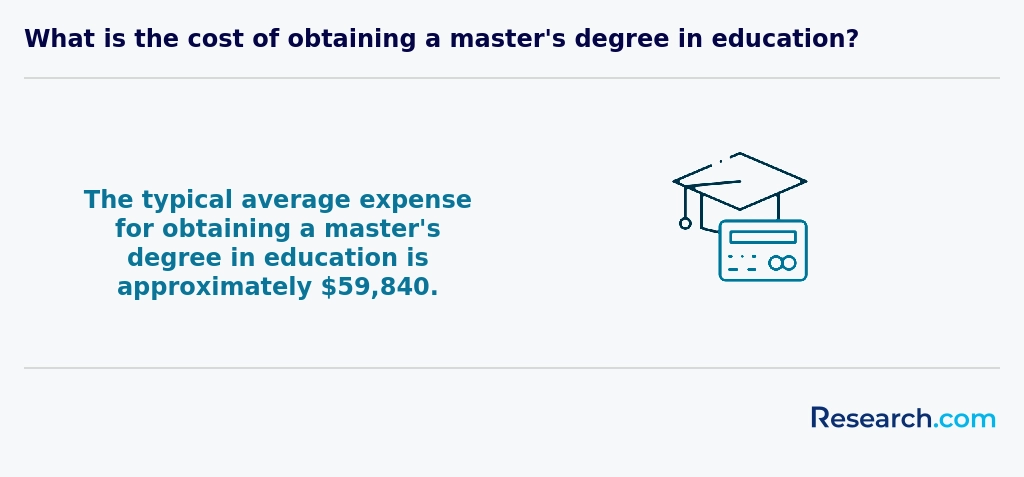
When evaluating an Education degree in Dallas, TX, confirming program accreditation is essential for ensuring curriculum rigor, state licensure eligibility, and employer recognition. Most reputable Dallas institutions hold accreditation from the Council for the Accreditation of Educator Preparation (CAEP) or regionally through the Southern Association of Colleges and Schools Commission on Colleges (SACSCOC). Additionally, programs must meet Texas Education Agency (TEA) standards for teacher certification, which guarantees classroom readiness and alignment with state learning objectives. Key accreditation details to verify:
- CAEP or Council for the Accreditation of Educator Preparation endorsement, reflecting adherence to national teaching excellence benchmarks.
- SACSCOC regional accreditation, ensuring overall institutional quality and transferability of credits.
- TEA program approval, confirming that curriculum and practicum experiences satisfy Texas teacher certification requirements. Choosing an accredited program not only simplifies the licensure process but also enhances financial aid eligibility and graduate employability. To compare accredited online options and discover cost-effective pathways beyond Dallas, explore our Affordable Online Education Degree Programs Ranking in the Midwest.
Imagine stepping onto the campus of a Dallas university like Texas Woman's University, feeling the weight of tuition ease as federal aid kicks in. The magic key? FAFSA, unlocking Pell Grants that many Dallas education students call a lifeline, covering vital expenses without looming debt. One graduate recalls how this grant turned her dream of teaching in DISD from distant hope to concrete possibility.
Texas adds its own sparkle with grants like the Texas Educational Opportunity Grant and the Texas Public Education Grant, designed to cushion tuition for in-district students facing financial hurdles. These are not just numbers on paper-they're bridges to classrooms where future educators rise.
Then there's the heartbeat of Dallas itself: scholarships from local school districts and organizations like Teach for America Dallas, transforming commitment into real dollars and loan forgiveness. Graduate students embrace Public Service Loan Forgiveness too, celebrating freedom from loans after a decade of giving back in classrooms that shape the city.
Universities in Dallas don't stay on the sidelines; many offer merit scholarships and assistantships that reward grit and passion, turning education dreams into achievable realities.
Choosing an accredited Education degree program ensures quality instruction, access to federal financial aid, and seamless credit transfers. In Dallas, TX, top institutions hold regional accreditation from the Southern Association of Colleges and Schools Commission on Colleges (SACSCOC) and state approval from the Texas Education Agency. Many education programs also earn specialized accreditation from the Council for the Accreditation of Educator Preparation (CAEP) or National Council for Accreditation of Teacher Education (NCATE), signaling that they meet rigorous standards for curriculum, faculty credentials, and student outcomes. Program recognition extends beyond accreditation. Prospective students should review annual reports on graduation rates, job placement data, and licensure exam pass rates-key indicators that graduates are well-prepared for teaching careers. Several Dallas universities publish these metrics on their websites, offering transparency about program effectiveness. Partnerships with local school districts for student-teaching placements and mentorship opportunities further enhance a program’s reputation and graduate readiness. When comparing on-campus and online options, accreditation remains the cornerstone of program quality. It’s also helpful to look at regional rankings to gauge how programs stack up nationally. For a broader view of cost-effective, accredited online education options, explore our Affordable Online Education Degree Programs Ranking in the Midwest, which highlights programs recognized for academic excellence and affordability across multiple states. By prioritizing accredited and well-recognized programs, Dallas students can be confident they’re investing in an education degree that meets state licensure requirements, supports career advancement, and upholds high standards of teaching practice.
Picture yourself stepping into the welcoming halls of a Dallas university, where the journey to becoming an inspiring educator begins. To open this door, you'll first need a high school diploma or something equivalent, laying the foundation like a sturdy textbook for your future lessons.
Those fresh from high school aiming for bachelor's programs often share tales of balancing SAT or ACT scores with a solid GPA-usually around 2.5 to 3.0-as key markers Dallas schools like the University of North Texas at Dallas and Texas Woman's University look for. One graduate fondly recalls how a robust GPA helped smooth over test day nerves, easing acceptance into her favorite program.
For master's hopefuls, the story deepens: a bachelor's degree with a 3.0+ GPA becomes the ticket, alongside heartfelt recommendation letters and a statement of purpose that feels like a personal conversation. Many also navigate background checks, a dance with responsibility reflecting the trust involved in shaping young minds throughout Dallas classrooms.
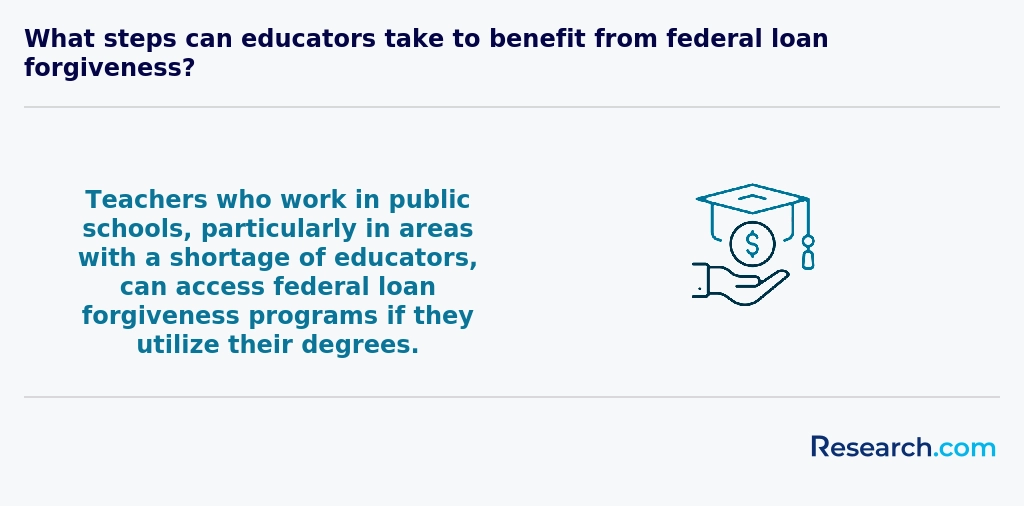
When evaluating education degree programs in Dallas, TX, ensuring proper accreditation is paramount for both quality assurance and seamless licensure. Accredited programs meet rigorous standards set by bodies like the Council for the Accreditation of Educator Preparation (CAEP) and the Texas Education Agency (TEA), which directly impacts your eligibility for state certification and federal financial aid. Before applying, verify each institution’s accreditation status through the TEA website or the CAEP directory to confirm that coursework aligns with state licensure requirements. Accreditation also affects credit transferability: graduates from accredited programs are more likely to have their credits recognized if they pursue advanced degrees or professional development. For those considering flexible learning formats, be sure to choose online or hybrid programs that hold the same accreditation as their on-campus counterparts. To explore additional affordable, accredited online options, check out our Affordable Online Education Degree Programs Ranking in the Midwest. Finally, look for programs that offer integrated licensure preparation, including test prep workshops for the Texas Examinations of Educator Standards (TExES) and guided student teaching placements in accredited partner schools. This combination of accreditation and hands-on licensure support not only enhances your teaching credentials but also maximizes your readiness for a successful career in education.
Imagine diving into courses where the buzz of a lively Dallas classroom pulses through your veins-education degrees here blend theory with hands-on magic. Graduates from popular institutions like the University of Texas at Arlington or Dallas Baptist University recall mastering educational psychology, where they unraveled how kids from toddlers to teens tick, turning abstract learning theories into playful, effective lesson plans.
They talk about wrestling with curriculum design, crafting diverse strategies that sing to every learning style in Dallas's vibrant, multicultural schools. Classroom management classes feel like rehearsals for real-life dramas, preparing future teachers to create harmony amid chaos. Assessment courses sharpen their skills to gauge student progress like seasoned detectives.
Special education opens doors to inclusive teaching, reflecting Dallas's dedication to embracing all learners. Multicultural education courses brim with stories and strategies to connect with students speaking over 90 languages, preparing educators to celebrate and incorporate cultural richness every day. Practical student teaching placements cement these lessons in neighborhood schools, turning theory into inspiring action under helpful mentors who embody Dallas's educational spirit.
Dreaming of shaping young minds? Dallas education degrees open doors to specializations like Elementary Education, where graduates speak fondly of hands-on experiences mastering child psychology and classroom management at renowned Dallas colleges. Others find passion in Secondary Education, honing skills in math or science to inspire middle and high schoolers, firmly aligned with Texas State Board standards. For those driven by inclusion, special education prepares you to creatively support students with diverse needs, turning challenges into triumphs.
Dallas affordable teaching degree options shine in Early Childhood Education, perfect for those enchanted by nurturing children from birth to age 8 in local preschools. Educational Leadership and Administration programs attract future principals and district leaders eager to innovate school management. Graduates often mention how curriculum and instruction programs sparked their interest in crafting dynamic learning experiences, while instructional technology specialists marvel at integrating digital tools in Dallas classrooms.
Students passionate about educational careers also explore the highest paid jobs in education, making strategic choices grounded in these diverse pathways.
Choosing the best education degree in Dallas feels like charting your own constellation of career dreams. Graduates from the University of North Texas often share how their hands-on internships at local schools transformed abstract theory into joyful classrooms bursting with discovery. When you ponder whether early childhood, special education, or secondary teaching calls you, imagine yourself walking through the halls of Texas Woman's University, balancing flexible online courses with weekend teaching practicums. Searching for affordable education degree programs Dallas offers can be tricky but promising-public universities provide in-state tuition closer to reality, while private ones can feel like a luxurious leap. Some students start from community colleges, savoring the accessible credentials before transferring to four-year institutions, easing financial worries. Take a page from those who prioritize accreditation and practical experience, ensuring their diplomas open doors rather than dust collecting on shelves. If you want to explore cost-effective routes with clear success paths, check out the Affordable Online Education Degree Programs Ranking in the Midwest for hidden gems in and around Dallas.
With steady guidance from Texas Education Agency stats, where accreditation means above 85% exam success rates, your decision will become less guesswork and more a thrilling journey toward a teaching future that fits your unique rhythm.
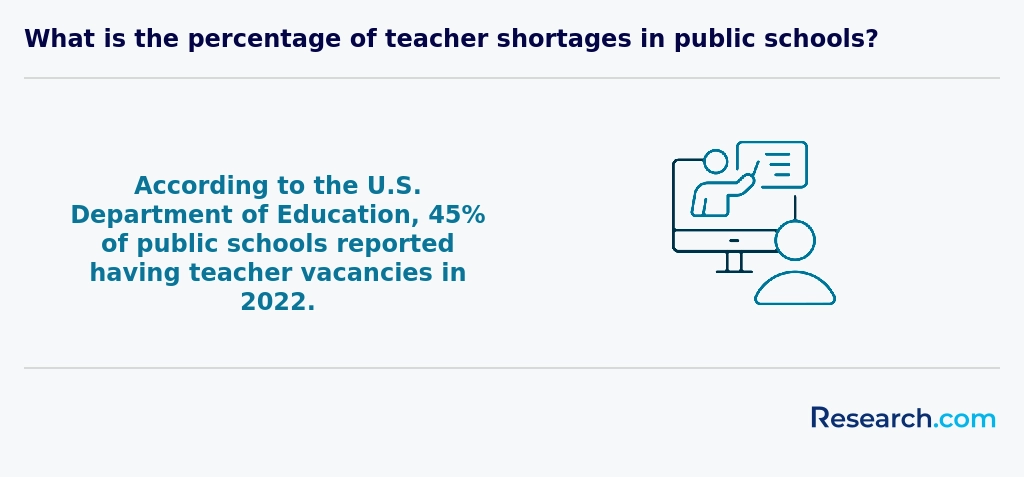
Graduates with an education degree in Dallas discover an array of vibrant career paths where their passion meets purpose. From lively classrooms in Dallas ISD to behind-the-scenes roles crafting dynamic curriculum standards, the energy is palpable. Many find themselves stepping into leadership as principals or program directors, shaping the future of education with a confident vision nurtured at local universities known for robust education programs. Others dive into early childhood education, embracing the joyful chaos of Head Start classrooms, creating solid foundations for young minds in a fast-growing sector.
Amid this rich landscape, adult education and workforce training emerge as compelling fields, where graduates passionately empower learners with literacy and GED skills, transforming lives beyond traditional settings. Thanks to the affordability and quality offered by Dallas institutions, education degree job opportunities in Dallas feel within reach, sparking enthusiasm among students who balance ambition with practical pathways. For those seeking fast advancement, some explore associates degree online fast programs, accelerating their journey to impact.
Further, the supportive salary frameworks and strong community ties in Dallas energize graduates to remain, grow, and inspire, turning education from a job into a meaningful lifelong adventure.
Graduates with education degrees in Dallas step into a vibrant and expanding job market fueled by the city's booming population and the constant need for skilled educators. Those emerging from respected institutions like the University of North Texas often share stories of swift hires, thanks to DISD's persistent search for bilingual and STEM teachers. This demand creates a dynamic ecosystem where new teachers quickly find their footing in both traditional classrooms and innovative educational administration roles.
For anyone evaluating education degree employment opportunities in Dallas, the financial landscape is equally encouraging. Public universities offer competitive tuition rates that keep debt manageable, helping grads focus on career growth rather than financial strain. The median wages, hovering between $55,000 and $65,000, allow new teachers to envision a future with steady stability and room for advancement.
Many Dallas education grads also discover non-teaching paths, from instructional coordination to educational tech startups, reflecting a broadening horizon beyond conventional roles. Exploring options akin to the easiest degree paths opens surprising doors in curriculum development and nonprofit education outreach, fulfilling diverse passions within the field.
2027 Most Affordable Education Degree Programs Ranking in Dallas
Investing in your education is a significant decision that can impact your future, and the Research.com team recognizes the importance of making well-informed choices. To guide prospective students in Dallas, we have carefully developed the "2027 Most Affordable Education Degree Programs Ranking in Dallas." Our dedication to quality, credibility, and accuracy is demonstrated through rigorous research and analysis applied to create this trustworthy ranking.
We utilized the following reputable data sources to ensure a comprehensive evaluation:
By consulting this ranking, readers will acquire valuable insights into the most affordable education degree programs in Dallas, empowering them to make sound educational investments. For further information on our research process, please visit our Research.com methodology page.
# 1 position
Dallas College
Bachelor of Science in Education



Frequently Asked Questions About education
Education degree students in Dallas can maximize their learning by actively engaging in both theoretical and practical experiences. Dallas hosts several accredited institutions, such as the University of Texas at Dallas and Texas Woman's University, known for strong education programs. Participating in local school district internships offers hands-on experience, which research from the Dallas Independent School District shows significantly improves teaching readiness.
Additionally, students should utilize resources like tutoring centers and digital libraries available on campus. Networking with local educators through professional organizations like the Texas Classroom Teachers Association can provide mentorship and career guidance. Staying updated on Dallas-specific educational challenges helps tailor learning to community needs.
The education field in Dallas is evolving, with several emerging niches gaining attention. One notable area is educational technology, where Dallas schools increasingly adopt digital tools to enhance learning. According to the Dallas Independent School District, investments in ed-tech have grown by over 25% since 2020.
Another growing niche is special education leadership, driven by increased demand for administrators skilled in creating inclusive environments.
Additionally, bilingual education and English as a Second Language (ESL) programs are expanding due to Dallas's diverse population, reflecting trends reported by the Texas Education Agency. Prospective students may find opportunities in curriculum design focused on diversity and equity as well.
Graduates with education degrees in Dallas can enhance their job market readiness by gaining practical experience through student teaching or internships, which are often required in Texas certification programs. According to the Texas Education Agency, about 70% of new teachers in Dallas report improved hiring prospects after completing these hands-on opportunities.
Networking is another crucial step. Joining local chapters of professional organizations like the Texas Classroom Teachers Association or attending Dallas education job fairs can connect candidates with employers.
Additionally, Dallas benefits from several school districts actively hiring teachers due to ongoing enrollment growth, making timely applications essential. Familiarity with Texas teacher certification exams also improves employment chances.
Employers in Dallas seek education degree graduates with strong classroom management skills to ensure effective learning environments. According to the Texas Education Agency, over 60% of Dallas area school districts prioritize communication abilities, as educators must collaborate with students, parents, and colleagues.
Additionally, proficiency in using educational technology is crucial, reflecting the growing trend in digital classrooms. The Dallas Independent School District highlights adaptability as a key skill, since teachers often work with diverse student populations and evolving curricula.
Critical thinking and problem-solving capabilities are also essential, enabling graduates to address varied student needs effectively.
Finding internships in Dallas related to an education degree involves several practical steps. First, students should connect with university career centers such as those at the University of Texas at Dallas or Texas Woman's University, as these offices often have partnerships with local schools and educational organizations.
Dallas Independent School District (DISD) is one of the largest employers offering internships in teaching, counseling, and administrative roles. According to DISD's official website, hundreds of internship positions become available annually, especially during the summer and fall semesters.
Additionally, education students can explore opportunities through local nonprofits like Communities Foundation of Texas, which supports educational initiatives and internships. Online job portals such as Handshake and Indeed often list education internships in Dallas aimed at degree candidates, making these platforms valuable tools.
In Dallas, holding an education degree can significantly enhance career mobility and advancement opportunities within the local education sector. According to the Texas Education Agency, educators with advanced degrees often qualify for higher salaries and leadership positions such as curriculum coordinators or school administrators. The Dallas-Fort Worth metro area has seen steady growth in demand for qualified teachers due to expanding school districts, making degrees in education valuable for job security. Additionally, districts like Dallas ISD emphasize professional development, where advanced education credentials are a prerequisite for promotions. These factors combine to make education degrees critical for professional growth in Dallas schools.
Studying for an education degree in Dallas offers strong preparation for interdisciplinary roles by integrating diverse fields such as psychology, sociology, and technology. Dallas institutions emphasize practical training alongside theory, equipping students with skills to address complex challenges in various educational settings. According to the Texas Higher Education Coordinating Board, over 30% of Dallas education programs include coursework in special education and educational technology, fostering a well-rounded perspective.
This approach helps future educators collaborate effectively with counselors, administrators, and health professionals. Additionally, Dallas's growing emphasis on culturally responsive teaching prepares graduates to work across diverse communities, reflecting the city's demographic variety reported by the U.S. Census Bureau.
Choosing between a thesis and a non-thesis education degree program in Dallas depends largely on your career goals and learning preferences. Thesis programs typically require original research and a final written report, ideal for students aiming for roles in academia or further graduate study.
Non-thesis programs often focus more on coursework and practical skills, appealing to those seeking immediate entry into educational leadership or administration. According to the Texas Higher Education Coordinating Board, Dallas institutions like the University of North Texas at Dallas offer both paths.
Consider time commitment; thesis tracks may take longer due to research demands. Tuition varies, but opting for a thesis route often includes additional resource fees for research support.
Lastly, consult Dallas school advisors to match your interests with program specifics and local job market needs.
Students based in Dallas who wish to study education abroad can explore several options through U.S. institutions with strong international partnerships. Many Dallas colleges, such as the University of Texas at Dallas and Texas Woman's University, offer study abroad programs that include education-focused coursework in countries like the United Kingdom, Ireland, and Australia.
According to the Institute of International Education, Texas ranks among the top states for study abroad participation, reflecting growing interest in global educational experiences. These programs often last one semester and include classroom learning and field experiences abroad.
Additionally, future educators in Dallas can benefit from exchange programs and joint degrees, which allow credits earned overseas to count toward U.S. certification. This is important because Dallas has specific state licensing requirements governed by the Texas Education Agency.
Financial aid and scholarships through programs like Gilman or the Benjamin A. Gilman International Scholarship often help Dallas-based students afford these opportunities. Such support makes studying education abroad an accessible option for many in the region.
Part-time job opportunities in Dallas that complement education degree studies offer valuable experience alongside academic learning. Common roles include teacher aides, where students assist certified teachers in classrooms, gaining practical skills with local districts like Dallas Independent School District (DISD), which employs thousands annually.
Working as a substitute teacher is another option, providing classroom management experience and exposure to diverse student needs. According to the Texas Education Agency, the demand for substitutes in Dallas schools has increased by 10% over recent years.
Additionally, tutoring and after-school program positions are widely available, often through organizations such as the Boys & Girls Clubs of Greater Dallas. These roles help students practice lesson planning and individualized instruction.
Many of these jobs offer flexible hours, making them suitable for balancing with coursework.
Education students in Dallas benefit from numerous networking opportunities throughout their studies. Local universities such as the University of Texas at Dallas and Texas Woman's University host regular career fairs and education-specific workshops where students can meet school administrators and experienced educators.
Professional organizations like the Dallas Education Association offer memberships for students, providing access to exclusive events and mentorship programs. Additionally, Dallas Independent School District partners with higher education institutions to organize practicum placements and collaborative seminars, helping students build local connections early in their careers.
According to the Texas Higher Education Coordinating Board, these partnerships significantly improve graduate employment rates within Dallas schools.
Alumni networks offer significant benefits for education degree students in Dallas by creating valuable professional connections. Graduates from local universities such as the University of Texas at Dallas and Texas Woman's University often participate in these networks, which help new students access mentorship opportunities and job leads within Dallas Independent School District and other regional education employers.
These networks facilitate knowledge-sharing about trends and demands in Dallas-area schools. According to a 2023 report by the Dallas County Community College District, 65% of educators found jobs through alumni connections or recommendations.
Being part of an alumni group also provides access to workshops, career fairs, and continuing education tailored to the public and private school environments in the Dallas metropolitan area.
Customizing an education degree program in Dallas allows students to align their studies with specific career goals. Many Dallas institutions offer flexible curriculums with various concentrations, such as early childhood, special education, or educational leadership. Students can often select electives that enhance their expertise in chosen areas. Additionally, some programs provide opportunities for practical experience through partnerships with local Dallas schools, which is valuable for career readiness. According to the Texas Higher Education Coordinating Board, over 20% of education graduates in Dallas enter specialized teaching roles, highlighting the importance of tailored programs. Advisors at universities assist students in building personalized plans based on their professional objectives.
Education students in Dallas often face challenges related to balancing coursework, fieldwork, and personal responsibilities. Many programs require extensive practicum hours in local schools, which can be difficult to coordinate with work or family commitments. According to the Texas Education Agency, Dallas Independent School District schools have diverse and high-need student populations, demanding that future educators develop strong cultural competency and classroom management skills early on.
Financial concerns also weigh heavily. The cost of higher education combined with living expenses in Dallas can limit opportunities for some students. Additionally, navigating state certification requirements, including passing the Texas Examinations of Educator Standards (TExES), adds pressure during and after degree completion.
With an education degree in Dallas, you can pursue several professional certifications to enhance your teaching career. One common path is obtaining state teacher certification through the Texas Education Agency, required to teach in public schools. This includes certifications for different grade levels and subjects.
Beyond standard teaching credentials, educators can seek certifications in specialties like Bilingual Education, Special Education, or ESL (English as a Second Language), which are in demand in Dallas's diverse school districts. According to the Dallas Independent School District, bilingual educator roles have increased by 15% over the last five years.
Additionally, certifications such as National Board Certification offer advanced career opportunities and salary benefits, recognized nationwide. For those interested in administration, pursuing a Principal or Superintendent certificate is a valuable option.
Writing a winning application for an education program in Dallas begins with understanding the requirements at local institutions such as the University of Texas at Dallas and Texas Woman's University. Applicants should clearly demonstrate their passion for teaching and community impact by including specific examples in their personal statements.
Strong academic records and relevant experience matter; the average GPA for admitted students in Dallas education programs is often around 3.0 or higher. Including letters of recommendation from educators or supervisors familiar with your skills strengthens your application.
Additionally, Dallas schools may require standardized test scores like the GRE or Praxis Core. Researching program-specific criteria and submitting all materials before deadlines can improve your chances of acceptance. Visit official university websites for the most current deadlines and requirements.
Education careers in the U.S. are influenced by global trends emphasizing cultural competency and technology integration. According to the U.S. Bureau of Labor Statistics, teaching jobs in Dallas are projected to grow by 7% from 2021 to 2031, reflecting sustained demand.
Globally, educators are expected to adapt to diverse student populations and digital learning methods. Dallas, with its multicultural environment, offers rich opportunities to develop skills valued worldwide. For instance, Dallas Independent School District serves over 150,000 students from various backgrounds, preparing future teachers for global challenges.
In the U.S., education degrees increasingly focus on inclusive practices, aligning with international goals set by UNESCO for quality education access. This prepares graduates for careers beyond local settings.
Gaining practical experience while studying for an education degree in Dallas typically involves field placements, internships, and student teaching opportunities. Most Dallas universities and colleges with education programs require students to complete supervised classroom hours in local schools. For example, the Dallas Independent School District collaborates with higher education institutions to offer practicum sites, allowing students to apply theoretical knowledge in real classrooms.
Additionally, participating in tutoring programs and volunteer activities within Dallas schools helps build hands-on skills. According to the Texas Higher Education Coordinating Board, over 70% of students in Texas education programs engage in field experience before graduation, ensuring readiness for certification exams and professional roles.
Choosing the right concentration within an education degree program in Dallas starts with understanding your career goals. Dallas offers a variety of concentrations such as early childhood education, special education, and educational leadership, reflecting the diverse needs of local schools. According to the Texas Education Agency, special education teachers are in high demand in Dallas ISD, with a 7% increase in job openings expected by 2027.
Research local job market trends and licensure requirements. Many programs in Dallas require concentrations aligned with Texas Teacher Certification, which can impact your eligibility to work in public schools.
Consider your interests and strengths, and seek advice from academic advisors or local educators to ensure the concentration matches available opportunities in the Dallas education sector.
- 2027 Most Affordable Education Degree Programs Ranking in Abilene
- 2027 Most Affordable Education Degree Programs Ranking in Austin
- 2027 Most Affordable Education Degree Programs Ranking in Houston
- 2027 Most Affordable Education Degree Programs Ranking in San Antonio
- 2027 Most Affordable Education Degree Programs Ranking in Wichita
- 2027 Most Affordable Education Degree Programs Ranking in Memphis
- 2027 Most Affordable Education Degree Programs Ranking in Kansas City
- 2027 Most Affordable Education Degree Programs Ranking in Mobile
- 2027 Most Affordable Education Degree Programs Ranking in Lincoln
- 2027 Most Affordable Education Degree Programs Ranking in Birmingham
See What Experts Have To Say About Studying Education
Read our interview with Education experts

Nooshan Ashtari
Education Expert
Professor & Book Author
University of Southern California

Alan J. Singer
Education Expert
Professor of Teaching, Learning and Technology
Hofstra University

- How to Write a Great Letter of Intent for a Teaching Job | Zen Educate https://www.zeneducate.com/us/resources/becoming-a-teacher/how-to-write-letter-of-intent-teaching-job/
- Teaching Job Roles | Teach For Life https://www.teachforlife.com/teachingjobs/global-perspectives-teacher
- Putting theory into practice: The value of an interdisciplinary approach to teaching https://my.chartered.college/impact_article/putting-theory-into-practice-the-value-of-an-interdisciplinary-approach-to-teaching/
- Bachelor of Education Degree (Here's What To Expect) https://www.alleducationschools.com/teaching-degrees/bachelors-in-education/
- Top 10 Effective Networking Tips for Students https://www.unfc.ca/blog/networking-tips-for-students
- Tuition and Fees - Dallas International University https://www.diu.edu/tuition-fees/
- How Immersive Experiences Can Help Faculty and Students Grow - Christian Scholar’s Review https://christianscholars.com/how-immersive-experiences-can-help-faculty-and-students-grow/
- Workforce Development Programs - Workforce Solutions Greater Dallas https://www.wfsdallas.com/programs/
- Online Degree vs. Traditional: Choosing the Right Path https://beal.edu/online-degree-vs-traditional/
- Seven Major Challenges Facing Education in the 21st Century https://www.internationalschoolparent.com/articles/seven-global-education-challenges/


