
2027 Fastest Online Master's in Early Childhood Education Degree Programs Ranking in the USA

Co-Founder and Chief Data Scientist
Choosing the right online master's program in early childhood education can be overwhelming. To help, this article features the 2027 Fastest Online Master's in Early Childhood Education Degree Programs Ranking in the USA. Created by the Research.com team of data scientists, it aims to guide you toward programs that balance speed, quality, and flexibility.
Whether you're starting or advancing your career, earning this degree can open doors to meaningful opportunities. Reading this ranking will empower you to make a confident, informed decision for your educational journey and future success.
Key benefits of getting online early childhood education degree in America
- Graduates with an early childhood education degree in the US can expect an average salary around $30,000 to $40,000 annually, depending on their specific role and location, offering a stable income to support their passion for teaching.
- Career paths often include positions such as preschool teachers, childcare center directors, or education coordinators, as demonstrated by graduates from popular universities like the University of Florida.
- Online degree programs, like those from Arizona State University, provide flexible schedules and the ability to learn from home while balancing work, making education more accessible and convenient for busy adults.
What can I expect from online early childhood education degree in America?
The average cost of an online early childhood education degree in America varies significantly depending on the institution. Public universities typically charge around $5,000 per year, making them a more affordable option for many students. In contrast, private universities can exceed $20,000 annually. Graduates from popular programs at institutions like Arizona State University or the University of Florida often cite this wide price range as a key factor in their decision-making process.
Many students appreciate the ability to balance coursework with life and work commitments, benefiting from flexible tuition payment plans and financial aid options. For example, graduates recall accessing scholarships or employer tuition reimbursement programs that made completing an accredited program manageable and rewarding.
The investment in these programs often translates to practical skills through local internships or supervised teaching placements, which local preschools highly value. This realistic approach helps graduates feel confident entering the workforce, knowing their education aligns with real classroom needs, supported by research-backed curricula and rigorous accreditation standards.
Where can I work with online early childhood education degree in America?
Graduates with an online early childhood education degree in America find diverse career paths across settings like public and private preschools, which often require at least an associate or bachelor's degree for lead teaching roles. Many students from prominent programs at universities such as Texas State University or the University of Florida appreciate how their degrees enable them to design and supervise early learning curricula in these environments.
Career opportunities extend to elementary schools focusing on kindergarten, where specialized knowledge in early childhood development is highly valued. For instance, graduates report working confidently alongside experienced teachers, supporting developmental milestones and literacy initiatives in classrooms nationwide.
Other roles include leadership positions within childcare centers or family childcare homes. Graduates highlight the rewarding challenge of managing daily operations while ensuring adherence to state licensing requirements. Some also engage with government agencies or nonprofits like Head Start, coordinating programs that support low-income families.
Additionally, careers in special education or early intervention are common. Graduates embrace collaborative efforts with healthcare professionals to assist children with developmental delays, reflecting the 7.3 million children receiving special services as of 2021. These varied employment paths demonstrate the flexibility and impact of an online degree tailored to America's early childhood education landscape.
How much can I make with online early childhood education degree in America?
Graduates with an online early childhood education degree in America typically start with a median annual wage of around $31,000 as preschool teachers, according to U.S. Bureau of Labor Statistics data cited in multiple reports. Those who pursued their degrees through recognized institutions like Penn State World Campus or the University of Florida have shared experiences of entry-level roles near this baseline salary.
With experience, salaries can grow substantially. After five years in the field, graduates often see increases, especially when earning certifications such as the Child Development Associate (CDA). For example, teachers in states like California can earn between $40,000 and $50,000 annually, reflecting regional salary variations.
Graduates who advance their education, particularly through online master's programs offered by schools like the University of Illinois Urbana-Champaign, often transition into education administration, where median earnings exceed $60,000. This boost matches their expanded roles and responsibilities, making additional qualifications a valuable investment.
Many alumni express satisfaction with the steady income growth paired with meaningful career impact, highlighting the rewarding nature of the field alongside financial benefits.
- Key benefits of getting online early childhood education degree in America
- What can I expect from online early childhood education degree in America?
- Where can I work with online early childhood education degree in America?
- How much can I make with online early childhood education degree in America?
- How do we rank schools?
- 2027 Fastest Online Master's in Early Childhood Education Degree Programs Ranking in the USA
- What online early childhood education degree graduates have to say
- Key Findings
- How long does it take to complete online early childhood education degree in America?
- What's the difference between online and on-campus early childhood education degree?
- What is the average cost of online early childhood education degree in America?
- What financial aid is available to online early childhood education degree students in America?
- What are the prerequisites for enrolling in online early childhood education degree program in America?
- What courses are typically in online early childhood education degree programs in America?
- What types of specializations are available in online early childhood education degree programs in America?
- How do you choose the best online early childhood education degree in America?
- What career paths are available for online early childhood education degree students in America?
- What is the job market for online early childhood education degree in America?
- Frequently Asked Questions About early childhood education
- Top Trending Early Childhood Education Rankings
How do we rank schools?
Investing in your education is a significant decision that can shape your future, and the Research.com team understands the importance of making informed choices. To assist prospective students, we have meticulously developed the "2027 Fastest Online Master's in Early Childhood Education Degree Programs Ranking in the USA." Our commitment to quality, credibility, and accuracy is demonstrated through rigorous research and analysis employed in compiling this ranking.
We utilized the following reputable data sources to ensure a comprehensive evaluation of programs:
By exploring this ranking, readers will gain valuable insights into the fastest and most credible online master's options in early childhood education, enabling well-informed decisions about advancing their careers. For more information about how this ranking was created, please visit our Research.com methodology page.
2027 Fastest Online Master's in Early Childhood Education Degree Programs Ranking in the USA
# 1 position
Texas Woman's University
Master
Texas Woman's University offers a Master's program focused on Early Childhood Education and Education, completed in 18 months. The program has an open admission acceptance rate of 96%, enrolling 5,972 online students. Approximately 94% of students receive high levels of financial aid. The average total cost is $9,690. The graduation rate for this program is 49%, reflecting the proportion of students who complete the degree within the expected time.
# 2 position

Worcester State University offers a Master's program focused on Early Childhood Education and Education, completed in 18 months. The program has an open admission policy with an 88% acceptance rate and a graduation rate of 61%. Costs average $421,940, and 90% of students receive high levels of financial aid. The program supports 4,181 online students, making it accessible for remote learners.
# 3 position
Emporia State University
Master
Emporia State University's Master program focuses on Early Childhood Education and Education, offering a 24-month course. It has a graduation rate of 56% and an open admission policy with a 98% acceptance rate. The average total cost is $12,564, and the program supports a high level of financial aid, with 99% of students receiving assistance. The program serves 2,196 online students, making it accessible for remote learners.
# 4 position

The New York Institute of Technology offers a Master's program focused on Early Childhood Education and Education, lasting 24 months. The program has an open admission policy with an 81% acceptance rate. Graduation rate is 59%. The average total cost is $38,550. All students benefit from high levels of financial aid, with 100% receiving support. There are 1,903 online students enrolled in this program.
# 5 position

Campbellsville University offers a Master's program focused on Early Childhood Education and Education, designed to be completed in 24 months. The program has an open admission policy with an 80% acceptance rate, welcoming a broad range of applicants. The average total cost is $11,160, and 79% of students receive moderate financial aid. With 8,038 online students enrolled, the program supports a significant online learning community. The graduation rate stands at 42%.
# 6 position

Concordia University, St. Paul offers a 24-month Master's program focused on Early Childhood Education and Education, admitting students with an open admission acceptance rate of 79%. The program supports a high level of financial aid, with 100% of students receiving assistance. Currently, 2,650 online students are enrolled. Graduates have a 46% completion rate, and the average total cost of the degree is $13,035.
# 7 position

The University of Mississippi offers a Master's program focused on Early Childhood Education and Education, designed to be completed in 24 months. The program has an open admission policy with a 97% acceptance rate. It features a 72% graduation rate, reflecting a solid completion track record. Students can expect to pay around $41,850 in total. A high level of financial aid is available, with 83% of students receiving support.
# 8 position
National University
Master
The National University offers a master's program focusing on Early Childhood Education and Education. It features a graduation rate of 43% and has a high level of financial aid, with 84% of students receiving support. The average total cost for the program is $19,890. There are 20,886 online students enrolled, highlighting the program's strong online presence.
# 9 position
Walden University
Master
Walden University offers a Master's program focusing on Early Childhood Education and Education. The program enrolls 52,188 online students, reflecting its wide accessibility. The average total cost is $20,400, with 100% of students receiving financial aid, indicating high aid levels for enrolled students. Some data such as graduation and acceptance rates are not available for this program.
# 10 position

The University of North Alabama offers a Master's program focused on Early Childhood Education and Education. This program has an open admission policy with an acceptance rate of 87%, making it accessible to most applicants. With 6,774 online students enrolled, it supports a broad student base. The average total cost is $11,550. Approximately 98% of students receive financial aid, reflecting high aid availability. The graduation rate stands at 55%.
What online early childhood education degree graduates have to say
- "The University of Florida's flexible online program allowed me to balance work and family while earning my early childhood education degree. The interactive courses and dedicated instructors truly enhanced my understanding and passion for teaching young children. I'm confident and excited to make a difference in my community." - Emily
- "Studying at Arizona State University online was a game changer. The practical assignments combined with real-world applications helped me gain valuable skills without ever leaving home. The support from peers and professors kept me motivated and connected throughout my journey." - Marcus
- "Pursuing my early childhood education degree online through Liberty University exceeded my expectations. The curriculum was comprehensive and the faith-based perspective enriched my approach to teaching. Flexibility and personalized feedback made the experience fulfilling and rewarding." - Sophia
Key Findings
- Online early childhood education degrees are available at the associate, bachelor's, and master's levels, typically lasting two to four years.
- Bachelor's tuition costs range from $10,000 to $30,000 per year, while master's programs cost between $15,000 and $40,000 total.
- Employment for preschool teachers and childcare workers is projected to grow 10% from 2022 to 2032, faster than average for all occupations.
- Entry-level salaries average around $30,000 annually, with potential to rise above $50,000 for those with advanced degrees or leadership roles.
- Many programs meet state licensure requirements and are accredited by organizations like CAEP.
- Online courses often combine self-paced study with live sessions and include practical internships for hands-on experience.
How long does it take to complete online early childhood education degree in America?
Completing an online early childhood education degree in America generally depends on the degree level and a student's enrollment status. For example, graduates from well-regarded institutions like the University of Florida or Arizona State University often finish their associate degrees in about two years when studying full-time. Bachelor's degree programs typically span four years; however, accelerated pathways offered by schools such as Purdue Global allow motivated students to complete their degrees in three years or less by taking extra courses or year-round classes.
Many students balance work and studies, so part-time enrollment can extend the timeline beyond four years, as seen among learners from popular online programs at Penn State World Campus. For master's degrees, full-time completion usually takes one to two years, with part-time study extending to three or more years. The hands-on practicums required for certification sometimes add months to the schedule but provide invaluable real-world experience.
Transfer credits often help students reduce time to graduation by up to half, contributing to a sense of achievement and faster entry into the workforce.
What's the difference between online and on-campus early childhood education degree?
Online and on-campus early childhood education degrees in America differ primarily in delivery and flexibility. On-campus programs at institutions like the University of Texas or Michigan State provide in-person interaction and hands-on practicum experiences vital for licensure. Graduates often recall the value of real-time feedback from professors and peer collaboration through classroom observations.
In contrast, online programs offer significant flexibility, appealing to working professionals and parents. For example, students at Arizona State University's online early childhood education master's program appreciate accessing lectures asynchronously, fitting study around busy schedules. According to the National Center for Education Statistics, about 37% of graduate education students opted for distance learning in 2021, underscoring this trend.
Cost differences vary widely; public universities typically charge around $12,410 per year for graduate tuition, but online programs may reduce fees and commuting expenses. However, online students must arrange local fieldwork placements to meet state licensure requirements. Both paths require accredited programs, often endorsed by CAEP, to ensure educational quality and certification eligibility.
What is the average cost of online early childhood education degree in America?
The average cost of an online early childhood education degree in America varies based on several factors, but median data provides a clear perspective. Typically, the median total cost reaches about $21,120. For out-of-state students, this figure rises to approximately $32,292, reflecting the higher tuition often charged beyond residency boundaries. Conversely, in-state students benefit from a reduced median total cost near $12,564, making public institutions more accessible financially for local learners.
Graduates from popular universities offering online programs in early childhood education often note the value in balancing cost with quality education. These programs attract adult learners who appreciate the flexibility and affordability compared to traditional campuses, helping them manage family and work responsibilities without excessive financial strain. The range of pricing fits well for those seeking an accessible path toward advancing their careers in education.
When comparing the average cost of online early childhood education degree USA with other degree options, it's clear that online formats frequently reduce expenses by eliminating commuting and campus-related fees. Financial aid, scholarships, and employer tuition reimbursement commonly play substantial roles in easing the financial burden for many students.
Students interested in expanding their expertise further may explore options like a masters in child psychology, which can complement early childhood education credentials and often comes with a similar pricing range for online studies.
What financial aid is available to online early childhood education degree students in America?
Online early childhood education students in America typically access a mix of federal, state, and institutional financial aid. For instance, graduates from universities like the University of Florida report that filling out the FAFSA is essential to qualify for Federal Pell Grants, which award up to $7,395 annually without repayment. Federal student loans, including Direct Subsidized and Unsubsidized Loans, provide another flexible option, though they require repayment with interest.
State-specific grant programs further ease financial strain, especially in high-demand regions such as Texas and California, where students attending institutions like California State University benefit from targeted workforce training funds for early childhood education.
Graduates often mention institutional scholarships ranging from $1,000 to $5,000 at schools like Ohio State University, which support diverse student populations, including military veterans and returning adults. Additionally, professional organizations such as the National Association for the Education of Young Children offer scholarships that amplify support beyond traditional aid. Many students also value employer tuition reimbursement opportunities tied to childcare jobs, improving their financial confidence during studies.
What are the prerequisites for enrolling in online early childhood education degree program in America?
To enroll in an online early childhood education degree program in America, applicants typically need a high school diploma or GED, especially for bachelor's degree tracks. Many programs, like those offered by popular public universities, expect a minimum GPA of around 2.5 to ensure students are academically prepared. Graduate programs, such as master's degrees from well-known education colleges, usually require a completed bachelor's degree, with a preference for prior coursework in child development or education. A GPA of 3.0 or higher is often necessary to demonstrate advanced readiness.
Graduates from online programs often share how meeting these prerequisites helped them build confidence early on, enabling smooth progress through coursework. Some universities still request standardized tests like the GRE, although this trend is declining post-pandemic. Additionally, international students or non-native English speakers must provide proof of English proficiency through exams such as TOEFL or IELTS.
Letters of recommendation, personal statements, and resumes showcasing relevant experience add a personal touch, illustrating real commitment to working with children and education. These requirements create a strong foundation for success in early childhood education careers.
What courses are typically in online early childhood education degree programs in America?
Online early childhood education degree programs in America typically include a diverse set of courses designed to equip students with practical skills and deep theoretical knowledge. Graduates from respected institutions, such as state universities with strong education departments, frequently highlight courses like Child Development and Learning, which explore cognitive and emotional growth in children from birth to age eight. These programs also emphasize Curriculum Planning and Instruction, where students learn to craft age-appropriate and inclusive lesson plans that engage young learners effectively.
Many students appreciate training in Family and Community Engagement, which prepares them to collaborate closely with parents and local organizations, reflecting experiences shared by graduates from popular colleges in America. Assessment and Observation Techniques courses provide valuable tools for monitoring children's progress, a skill often cited as crucial in real classroom settings. Additional essential coursework covers Health, Safety, and Nutrition, ensuring future educators can create safe and nurturing environments.
Electives in special education or bilingual education add flexibility for personalized career paths. Across these programs, students report feeling confident and empowered, knowing their training aligns with national guidelines like those from the NAEYC, which helps them pursue rewarding early childhood education careers nationwide.
What types of specializations are available in online early childhood education degree programs in America?
Online early childhood education degree programs in America offer multiple specializations tailored to meet diverse professional objectives. Graduates often recall how the Early Childhood Special Education track equipped them with strategies to support the 7.3 million children receiving special services nationwide, enhancing their confidence in crafting individualized education plans.
Specializations such as Curriculum and Instruction are popular for those developing research-based learning modules for children up to grade three, often following frameworks from recognized bodies like NAEYC. Alumni from prominent universities appreciate how practical assignments deepened their understanding of real classroom dynamics.
Students pursuing Administration and Leadership specialization learn budgeting and program evaluation skills critical for managing early childhood centers. This area resonates with students eager to influence policy and staff management, reflecting trends found in specialized early childhood master's degrees America-wide.
The Family and Community Engagement track emphasizes collaboration with parents and external resources, reflecting evidence on the impact of family involvement on child success. Meanwhile, the Language and Literacy Development specialization addresses challenges noted by NAEP data, helping educators support children struggling with reading proficiency.
Prospective students also explore options linked to online school psychology programs NASP approved for complementary skills in child development and mental health.
How do you choose the best online early childhood education degree in America?
Choosing the best online early childhood education degree in America requires prioritizing accreditation and curriculum quality. Accredited programs, recognized by bodies like the Council for the Accreditation of Educator Preparation (CAEP), assure graduates their degrees will meet state licensure requirements. For example, graduates from popular universities nationwide often highlight how rigorous, research-backed coursework in child development and family engagement prepared them for real classroom challenges.
Flexibility is crucial, especially for those balancing work or family. Many successful students praise programs offering asynchronous classes and multiple start dates, which allow seamless progress without sacrificing academic rigor. Cost-wise, programs range widely; public universities typically offer tuition around $10,000 annually for in-state students while private schools may exceed $25,000. Seeking affordable early childhood education master's programs in America with financial aid can make this investment more accessible.
State licensure alignment ensures the degree supports certification goals. Many graduates emphasize the value of schools with strong employer networks and partnerships that bolster job placement. For those aiming to expedite their journey, exploring accelerated doctoral programs in education online can be advantageous, demonstrating the importance of efficient pathways in education careers.
What career paths are available for online early childhood education degree students in America?
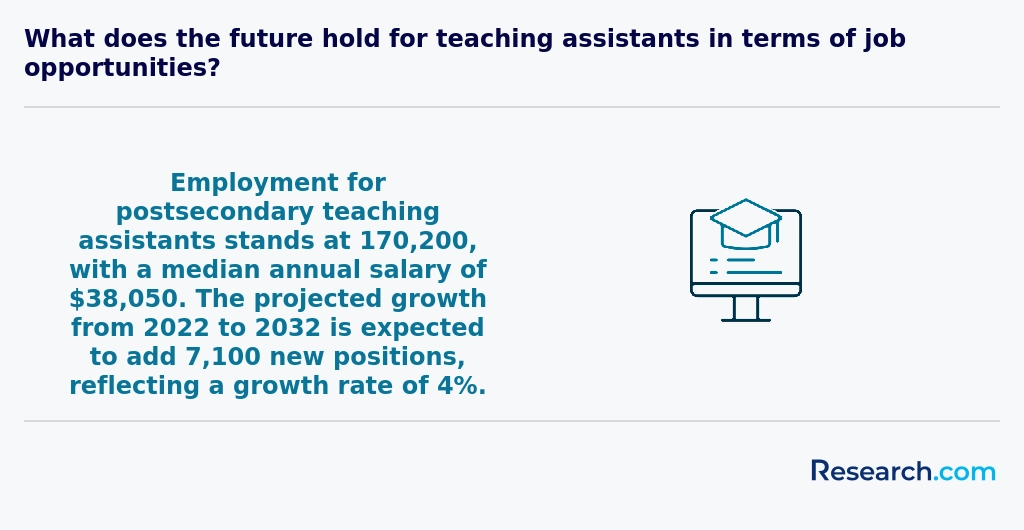
Graduates of online early childhood education degrees in America commonly pursue diverse career paths such as preschool or kindergarten teachers, early intervention specialists, and childcare center directors. For example, many graduates from universities known for their early childhood education programs report satisfaction in roles that combine teaching and developmental support for children from birth through early elementary years. The U.S. Bureau of Labor Statistics projects a 7% growth in preschool teacher employment from 2021 to 2031, reflecting steady demand for qualified educators in this sector.
Many graduates working as early intervention specialists design tailored educational programs for children with developmental delays, often requiring state certification achievable through these programs. Administrators and childcare center directors also benefit from leadership skills gained during their studies, aligning with the National Association for the Education of Young Children's emphasis on combining expertise and management.
These roles illustrate early childhood education job opportunities America graduates can access, including curriculum developers and family support specialists. Those studying at popular institutions find the balance of online flexibility and practical skills appealing, inspiring them to pursue advancement. Cost-effective options like the cheapest online EdD programs further enhance access.
What is the job market for online early childhood education degree in America?
The job market for online early childhood education degree graduates in America remains strong, with employment for preschool and childcare teachers expected to grow about 7% from 2021 to 2031, matching average occupational growth. Graduates from popular universities and colleges often report satisfaction with their career prospects, especially when their degrees come from accredited online programs that states recognize for teacher qualification requirements.
Careers with early childhood education degree America-wide include roles such as preschool teacher, childcare center director, and early intervention specialist, reflecting diverse opportunities. Many graduates find their degrees open doors to leadership positions and higher wages, particularly in public school systems today.
For students balancing work and study, online programs offer flexibility without sacrificing quality. Some explore an accelerated BCBA program online to expand credentials and marketability. The positive job market outlook encourages candidates to pursue these degrees knowing demand remains steady and prospects for advancement improve with higher education.
Students engaging in these programs often highlight how accessible online education supports their professional growth, making the competitive field of online early childhood education jobs USA appealing and attainable.
Frequently Asked Questions About early childhood education
Students pursuing online early childhood education degrees in America can maximize their learning by actively engaging with course materials and participating in virtual discussions. Research from the National Center for Education Statistics shows that interaction with instructors and peers improves comprehension and retention.
Incorporating practical experience is also essential. Many programs require internships or practicum hours, allowing students to apply theory in real-world settings, which strengthens professional skills.
Effective time management helps balance coursework with daily responsibilities. Setting a regular study schedule boosts consistency and performance, as suggested by the U.S. Department of Education.
Utilizing campus resources, such as online libraries and tutoring services, further supports academic success in this field.
Emerging niches within early childhood education focus on specialized skills to meet evolving demands in the United States. One growing area is the integration of technology in early learning, emphasizing digital literacy for young children. Another important niche involves inclusive education, where educators develop approaches tailored for children with disabilities, reflecting increased awareness and legal support under IDEA (Individuals with Disabilities Education Act).
Additionally, there is a rising focus on social-emotional learning (SEL), helping children develop essential interpersonal skills from an early age. Bilingual and dual-language immersion programs are also expanding, driven by the nation's cultural diversity. These niches align with workforce data from the Bureau of Labor Statistics, projecting a 9% growth in preschool teacher roles by 2031, emphasizing specialized training needs.
Preparing for the job market after earning an online early childhood education degree in America involves strategic steps focused on licensure, networking, and practical experience. Most states require educators to hold a teaching license or certification specific to early childhood education, often obtained by passing exams like the Praxis Core or state-specific tests.
Building a professional network is crucial. Joining groups such as the National Association for the Education of Young Children (NAEYC) provides access to resources, job boards, and events. Additionally, completing internships or student teaching hours during your program enhances employability.
According to the U.S. Bureau of Labor Statistics, employment in preschool teaching is projected to grow 7% from 2021 to 2031, signaling steady demand for qualified educators.
Employers in early childhood education in America prioritize graduates who demonstrate strong communication and interpersonal skills. These competencies are essential for effectively engaging with young children, families, and colleagues. According to the National Association for the Education of Young Children (NAEYC), collaboration and relationship-building are key components of quality care and education.
Additionally, skills in child development theory and evidence-based teaching strategies are highly valued. Graduates who understand developmental milestones and can design age-appropriate learning activities meet the increasing demands of early childhood programs nationwide.
Finally, adaptability and cultural competence are critical. The U.S. early childhood workforce is diverse, and skill in working with children from varied backgrounds improves educational outcomes and supports inclusive classrooms.
Finding internships in America relevant to an early childhood education degree typically begins with exploring partnerships your college may have with local preschools, daycare centers, or Head Start programs. Many accredited online programs require or strongly recommend internships as part of the curriculum, ensuring students gain practical experience.
Additionally, the National Association for the Education of Young Children (NAEYC) offers resources and a job board where students can locate internship opportunities nationwide. According to the U.S. Bureau of Labor Statistics, practical experience is vital, as 40% of early childhood educators gain employment through internship contacts.
Networking through educational conferences and local community centers can also open doors for internships, helping you apply classroom theory in real settings.
Obtaining an online early childhood education degree in America significantly enhances career mobility and advancement for professionals in the field. According to the U.S. Bureau of Labor Statistics, employment for preschool teachers is projected to grow 7% from 2022 to 2032, faster than the average for all occupations. Holding a degree often qualifies individuals for leadership roles, such as program coordinators or curriculum developers, which typically offer higher salaries and greater responsibilities.
Online degrees provide flexible access to accredited programs, making it easier for working educators to earn advanced credentials without interrupting their careers. Institutions like the National Association for the Education of Young Children (NAEYC) emphasize the importance of higher education in improving teaching quality and child outcomes.
Additionally, many states require a bachelor's or master's degree in early childhood education for roles in public programs, increasing demand for degree holders. Graduates with online degrees can leverage these credentials to meet licensing requirements and expand their professional opportunities across different settings.
Studying for an early childhood education degree in America equips students with skills essential for interdisciplinary roles by integrating knowledge from psychology, education, health, and social services. This approach reflects recommendations from the National Association for the Education of Young Children (NAEYC), which emphasizes collaboration across fields to support children's development.
Online programs often include coursework in child development, family engagement, and community resources, preparing graduates to work effectively with diverse professionals. According to the U.S. Bureau of Labor Statistics, interdisciplinary skills improve employability in settings such as schools, healthcare, and social service agencies.
Graduates learn to apply evidence-based strategies across disciplines, enhancing outcomes for children in multifaceted environments. This training responds to the growing demand for educators who understand both educational and developmental health perspectives.
Choosing between a thesis and a non-thesis early childhood education degree program depends on your career goals and learning preferences. Thesis programs emphasize research, requiring students to conduct original studies and prepare a detailed paper. This option suits those interested in doctoral studies or research roles within education.
Non-thesis programs typically focus on coursework and practical application, appealing to professionals aiming to enhance classroom skills or advance in administrative positions. According to the National Center for Education Statistics, about 40% of master's students in education opt for thesis routes, reflecting demand for research expertise.
Consider also program length and flexibility, as thesis options may extend your study time. Evaluate your long-term objectives carefully before deciding.
Students based in America seeking to study early childhood education abroad have several options through international universities offering online degrees or blended programs. Many institutions in countries such as the United Kingdom, Australia, and Canada provide accredited early childhood education degrees accessible remotely. These programs often align with US accreditation standards, enabling credit transfers and recognition by American licensure boards.
According to the National Center for Education Statistics (NCES), nearly 20% of US graduate students are enrolled in online programs, highlighting a growing acceptance of distance learning paths. For early childhood education specifically, studying abroad online offers exposure to diverse pedagogical approaches and global standards relevant for 21st-century educators.
American students should verify the foreign institution's accreditation and compatibility with state certification requirements before enrolling. Resources such as the Council for Higher Education Accreditation (CHEA) provide databases to evaluate international schools recognized in the US.
Part-time job opportunities that complement an early childhood education degree in America often involve roles in child care and educational settings. Positions such as teacher assistants, preschool aides, and afterschool program leaders provide practical experience directly related to coursework. According to the U.S. Bureau of Labor Statistics, these roles typically require a high school diploma or some postsecondary education, making them accessible for students pursuing degrees online.
Working as a tutor or nanny can also enhance skills in child development and communication. These jobs allow students to apply theoretical knowledge in real-world settings while earning income. Engaging in these roles helps build a professional network useful for future employment in early childhood education.
Online early childhood education degree students in America have several valuable networking opportunities despite the remote format. Many accredited programs offer virtual events, webinars, and discussion forums that connect students with peers and faculty nationwide. These platforms foster professional relationships crucial for career growth.
Students can also join national organizations like the National Association for the Education of Young Children (NAEYC), which offers conferences, local chapters, and online communities tailored for early childhood professionals. According to NAEYC, its membership exceeds 60,000, providing a broad network for collaboration and job leads.
Additionally, practicum placements and internships arranged through online programs often link students to regional education centers, expanding their practical connections within the early education field.
Alumni networks offer significant advantages to students pursuing online early childhood education degrees in America. These networks provide access to a community of graduates who share professional experiences, resources, and job opportunities.
According to the National Association for the Education of Young Children (NAEYC), 74% of educators find peer connections crucial for career advancement. Alumni groups often host events and create online forums where members can exchange insights about certification requirements and state policies.
Moreover, graduates benefit from mentoring programs that help navigate challenges unique to early childhood education, such as curriculum design and developmental assessments. Networking through alumni can increase job placement success, relevant in a field expected to grow by 8% through 2031 (BLS data).
Customizing an online early childhood education degree in America involves selecting courses and specializations that align with your career goals. Many programs offer electives in areas like special education, literacy development, or administration to tailor your learning experience. Accreditation by organizations such as CAEP ensures quality and relevance for licensure or certification.
Practical experiences are also customizable through virtual practicums or local internships, allowing application of skills in real settings. According to the National Center for Education Statistics, focused training increases job placement rates in early childhood roles, which are projected to grow by 8% through 2030 (BLS).
Additionally, some universities provide flexible pacing and part-time options to fit working professionals' schedules.
Online early childhood education students in America often face unique challenges related to balancing coursework with professional and personal responsibilities. According to the National Center for Education Statistics, nearly 60% of online learners are working adults, which can make time management difficult. Additionally, students may struggle with limited hands-on experience opportunities, as practicums and internships are essential parts of early childhood training but can be hard to complete remotely.
Technical issues also present barriers, especially for students in areas with unreliable internet access. Furthermore, some students report feeling isolated without face-to-face interaction, which can impact motivation and engagement. Accreditation and program quality vary widely, making it crucial to select a reputable institution recognized by the Council for the Accreditation of Educator Preparation (CAEP).
With an online early childhood education degree, graduates in the U.S. can pursue several professional certifications that enhance career prospects and credibility. The most common certification is the Child Development Associate (CDA) credential, which requires 480 hours of experience working with children aged birth to five, plus coursework. This is nationally recognized and valued by employers.
Graduates can also seek state-specific teaching licenses, allowing them to work as licensed early childhood educators in public schools. The National Association for the Education of Young Children (NAEYC) accreditation supports many programs and employers.
Other options include Certified Early Childhood Special Education Teacher and Director credentials, which often require further training but build on foundational degree knowledge. These certifications reflect growing professional standards in the early childhood education field, which is projected to grow 7% by 2031 according to the U.S. Bureau of Labor Statistics.
Writing a strong application for an online early childhood education program in America requires clear focus and attention to program requirements. Start by thoroughly researching accredited schools to ensure the program meets state certification standards.
Highlight your practical experience with young children, as hands-on skills are crucial in this field. According to the National Center for Education Statistics, programs often prefer applicants with relevant work or volunteer experience.
Compose a compelling personal statement explaining your passion for early childhood education and career goals. Use specific examples and align them with the program's values and curriculum.
Submit all required documents promptly, including transcripts and recommendation letters from educators familiar with your abilities.
Finally, demonstrate your readiness for online learning by mentioning your time management skills and comfort with digital tools, which are essential for success in distance education environments.
Early childhood education careers are increasingly viewed through a global lens, emphasizing the importance of culturally responsive teaching and international standards. In the United States, the demand for qualified early childhood educators is expected to grow by 8% from 2022 to 2032, according to the U.S. Bureau of Labor Statistics. This growth aligns with global trends prioritizing early learning as a critical foundation for lifelong development.
Countries like Finland and Singapore are often highlighted for their strong early childhood education systems, influencing U.S. educational practices. American online degree programs now incorporate global research, preparing graduates to address diverse classroom needs.
Understanding global perspectives helps U.S. students contribute effectively to early childhood education advancements both domestically and internationally.
Gaining practical experience while studying for an online early childhood education degree in America is essential. Many accredited programs incorporate virtual internships or practicums with local early learning centers. This allows students to apply theory to real-world settings. According to the National Association for the Education of Young Children (NAEYC), hands-on experience is critical in developing effective teaching skills.
Students can also volunteer or work part-time in childcare facilities or preschools near their homes. This approach helps fulfill state licensure requirements, which often include specific practicum hours.
Additionally, some universities provide guidance on finding suitable local placements aligned with program goals, ensuring practical exposure during online study.
Choosing the right concentration within an online early childhood education degree in America begins with understanding your career goals. Concentrations often include Special Education, Curriculum Development, or Family Engagement. Each focuses on different skills and job opportunities. For example, Special Education prepares you to work with children who have disabilities, a field expected to grow by 8% through 2031 according to the U.S. Bureau of Labor Statistics (BLS).
Researching state licensure requirements is also crucial, as they vary and can influence which concentration best fits your plan. Look for programs accredited by organizations like the Council for the Accreditation of Educator Preparation (CAEP).
Lastly, consider the flexibility and support offered by the program since online learners benefit significantly from accessible resources and clear pathways to certification.
Top Trending Early Childhood Education Rankings
References
- Transform Your Life with a Two-Year Early Education Degree https://www.athenacareers.edu/a-two-year-early-childhood-education-degree-can-change-your-life/
- The Influence of Online Learning Platforms on Early ... https://ejournal.gomit.id/junior/article/download/313/344/6491
- 20 Emerging Trends in Early Childhood Education 2026 https://rtoresources.eskilled.com.au/blog/top-20-emerging-trends-in-early-childhood-education-in-2026/
- The Highest Paying Early Childhood Education Jobs | Arizona Early Childhood https://azearlychildhood.org/resources/articles/the-highest-paying-early-childhood-education-jobs/
- How to choose a bachelor's in early childhood education | edX https://www.edx.org/resources/how-to-choose-a-bachelors-in-early-childhood-education
- What are Some Concentrations for a Early Childhood Education Degree? https://www.masters-in-special-education.com/faq/what-are-some-concentrations-for-a-early-childhood-education-degree/
- Recommendations for Early Childhood Educators https://www.naeyc.org/resources/position-statements/equity/recommendations-ece
- Early Childhood Education Internships in Spain https://www.internhq.com/destinations/spain/early-childhood-education-in-seville/
- 10 Reasons Why Education Helps to Advance Your Career - Insight Training https://insight.edu.au/blog/career-advancement-through-education/
- 7 Common Challenges in Early Childhood Education (ECE) https://www.ishcmc.com/news-and-blog/challenges-in-early-childhood-education/


