
2027 Best Online Master's in Early Childhood Education Degree Programs Ranking in the Midwest

Co-Founder and Chief Data Scientist
Choosing the right online master's program in early childhood education can be a challenging decision, especially for students in the Midwest seeking flexibility and quality. This article introduces the 2027 Best Online Master's in Early Childhood Education Degree Programs Ranking in the Midwest, created by the Research.com team of data scientists to guide you toward programs that truly stand out.
By exploring these carefully evaluated options, you can confidently find a program that fits your goals and lifestyle. Earning this degree opens doors to meaningful careers that positively impact young learners and communities.
Key benefits of getting online early childhood education degree in the Midwest
- The average annual salary for early childhood education professionals in the Midwest typically ranges from $30,000 to $45,000, offering a stable income while making a positive impact on young lives.
- Graduates from popular Midwest universities often find diverse career paths, including preschool teaching, childcare program coordination, and early intervention specialist roles that foster growth and development.
- Online degrees from reputable Midwest schools provide flexible scheduling and accessibility, allowing students to balance work and study while gaining valuable hands-on experience through local placements.
What can I expect from online early childhood education degree in the Midwest?
The average cost of an online early childhood education degree in the Midwest typically ranges from $15,000 to $35,000 for the entire program. This variation depends on whether the institution is a public or private college and the specific curriculum length. Graduates from well-regarded universities like those in Illinois or Ohio often highlight the affordability combined with the comprehensive coursework as a major benefit.
Many students appreciate that these programs balance cost with quality, providing access to accredited courses recognized by bodies like the Higher Learning Commission (HLC). For example, learners describe feeling supported despite managing busy schedules, thanks to flexible part-time and cohort options. Such arrangements help students juggle work, family, and studies without overwhelming financial burden.
Scholarships and financial aid opportunities further reduce expenses, making education accessible. Graduates emphasize the value of investing in a program that aligns with state licensing requirements and prepares them for steady job growth in Midwest early childhood education settings, where median salaries typically fall between $30,000 and $40,000 annually.
Where can I work with online early childhood education degree in the Midwest?
Graduates with an online early childhood education degree in the Midwest find diverse employment opportunities across public and private preschools, elementary schools, and early intervention programs. For example, graduates from well-known institutions like the University of Illinois or Ohio State University often secure roles in state and local school districts, implementing curricula that support children's development from birth to age eight.
Midwestern states such as Illinois, Michigan, and Ohio project a 6% to 10% job growth for preschool and kindergarten teachers over the next decade, reflecting a consistent regional demand. Many graduates report rewarding experiences working in licensed childcare centers overseen by state Departments of Children and Family Services, where specialized credentials from programs like Illinois' Gateways to Opportunity system enhance their job prospects.
Others engage in early intervention services for children with developmental disabilities in community or home settings, supported by programs funded under IDEA Part C in Minnesota and Wisconsin. Nonprofit roles in organizations like Head Start further expand career paths.
Finally, graduates often advance into curriculum design, consulting, or administration in early childhood education, leveraging online master's degrees from Midwestern universities to boost leadership roles.
How much can I make with online early childhood education degree in the Midwest?
Graduates with an online early childhood education degree in the Midwest typically see starting salaries around $28,000 to $30,000, which aligns with entry-level roles in preschool teaching or assistant teaching. For example, those who earned their degree from a respected Midwestern institution like the University of Illinois or Michigan State University often share that their initial pay fell within this range. Mid-career educators with five to ten years of experience report increases of 20-30%, pushing salaries toward $37,000 or more. This progression is common among graduates who have combined their degree with Illinois or Ohio teaching certifications.
Leadership positions such as program directors or curriculum specialists, often pursued by master's degree holders from schools like Loyola University Chicago, can command between $55,000 and $65,000 annually in metropolitan areas like Chicago or Minneapolis. Graduates frequently highlight that pursuing an online degree did not limit their earnings; rather, it opened access to higher-paying roles within school districts and educational agencies across the Midwest.
Consistent demand in this sector, driven by regional growth trends, supports steady salary increases, ensuring graduates benefit from both experience and specialization in their careers.
- Key benefits of getting online early childhood education degree in the Midwest
- What can I expect from online early childhood education degree in the Midwest?
- Where can I work with online early childhood education degree in the Midwest?
- How much can I make with online early childhood education degree in the Midwest?
- How do we rank schools?
- 2027 Best Online Master's in Early Childhood Education Degree Programs Ranking in the Midwest
- What online early childhood education degree graduates have to say
- Key Findings
- How long does it take to complete online early childhood education degree in the Midwest?
- What's the difference between online and on-campus early childhood education degree?
- What is the average cost of online early childhood education degree in the Midwest?
- What financial aid is available to online early childhood education degree students in the Midwest?
- What are the prerequisites for enrolling in online early childhood education degree program in the Midwest?
- What courses are typically in online early childhood education degree programs in the Midwest?
- What types of specializations are available in online early childhood education degree programs in the Midwest?
- How do you choose the best online early childhood education degree in the Midwest?
- What career paths are available for online early childhood education degree students in the Midwest?
- What is the job market for online early childhood education degree in the Midwest?
- Frequently Asked Questions About early childhood education
- Top Trending Early Childhood Education Rankings
How do we rank schools?
Investing in your education is a significant decision that can shape your future, and the Research.com team understands the importance of making informed choices. To assist prospective students in the Midwest, we have meticulously crafted the "2027 Best Online Master's in Early Childhood Education Degree Programs Ranking." Our commitment to quality, credibility, and accuracy is reflected in the extensive research and analysis conducted to compile this ranking.
We utilized the following reputable data sources to ensure a comprehensive evaluation of early childhood education programs:
By exploring this ranking, readers will gain valuable insights into the best online master's programs in early childhood education across the Midwest, empowering them to make well-informed decisions about their educational paths. For more information about how this ranking was created, please visit our Research.com methodology page.
2027 Best Online Master's in Early Childhood Education Degree Programs Ranking in the Midwest
# 1 position
Walden University
Master
Walden University offers a Master's program focusing on Early Childhood Education and Education. The program enrolls 52,188 online students, reflecting its wide accessibility. The average total cost is $20,400, with 100% of students receiving financial aid, indicating high aid levels for enrolled students. Some data such as graduation and acceptance rates are not available for this program.
# 2 position
Emporia State University
Master
Emporia State University's Master program focuses on Early Childhood Education and Education, offering a 24-month course. It has a graduation rate of 56% and an open admission policy with a 98% acceptance rate. The average total cost is $12,564, and the program supports a high level of financial aid, with 99% of students receiving assistance. The program serves 2,196 online students, making it accessible for remote learners.
# 3 position

Concordia University, St. Paul offers a 24-month Master's program focused on Early Childhood Education and Education, admitting students with an open admission acceptance rate of 79%. The program supports a high level of financial aid, with 100% of students receiving assistance. Currently, 2,650 online students are enrolled. Graduates have a 46% completion rate, and the average total cost of the degree is $13,035.
# 4 position
Erikson Institute
Master
The Erikson Institute offers a Master's program focused on Early Childhood Education and Education. The average total cost for the program is $33,990. There are currently 100 online students enrolled, indicating availability of remote learning options. Some key data, such as graduation rate, acceptance rate, and financial aid percentage, are not available for this program.
What online early childhood education degree graduates have to say
- Lauren: Studying online at the University of Illinois was a game-changer. The flexible schedule allowed me to balance work and family while gaining hands-on knowledge in early childhood education. The supportive professors made learning feel personal, even virtually, and now I feel confident launching my teaching career in the Midwest.
- Marcus: Pursuing an early childhood education degree online through Indiana State University gave me practical skills and community connections. The interactive courses and real-world examples prepared me for diverse classrooms. The convenience of online learning in the Midwest's welcoming environment truly motivated me to succeed and grow professionally.
- Emily: I loved the customized online program at Minnesota State University. It focused heavily on child development theories and practical applications. Studying early childhood education remotely made it easy to pursue my passion amid a busy life. The Midwest's emphasis on community enriched my educational experience beyond expectations.
Key Findings
- Tuition for online early childhood education degrees in the Midwest ranges from $9,000 to $18,000 for a bachelor's or master's program.
- Entry-level salaries for graduates in this field average between $30,000 and $40,000 per year.
- Mid-career salaries for experienced educators and specialists range from $50,000 to $60,000 annually.
- The job market is expected to grow by about 7% over the next decade, which is slightly above the national average.
- Most Midwestern states require state licensure or certification for public early childhood educators, and many online programs prepare students for these exams.
How long does it take to complete online early childhood education degree in the Midwest?
Completing an online early childhood education degree in the Midwest typically hinges on program level and enrollment status. For instance, associate degrees at public institutions in Illinois or Ohio usually take about two years full-time. Graduates recall balancing coursework with family life, appreciating the foundational knowledge gained within this timeframe.
Bachelor's degrees at universities in Michigan or Minnesota generally span four years full-time online. Many students extend to five or six years part-time due to work commitments, reflecting real experiences shared by alumni managing careers alongside studies.
Master's degrees often require two years full-time, but part-time learners commonly take three or more years. Programs in Midwestern universities offer flexible pacing, and some accelerated tracks enable completion in as little as 12 to 18 months-though these can involve intensive workloads. About 60% of graduate students nationally take longer than two years studying part-time, highlighting the importance of planning.
These timelines are influenced by credit hours required-ranging 60-120 for undergraduates and 30-45 for master's-and transfer credits, factors graduates credit for enabling tailored progress toward their degrees.
What's the difference between online and on-campus early childhood education degree?
Online and on-campus early childhood education degrees in the Midwest differ mainly in delivery, flexibility, and hands-on experience. Graduates from universities like Illinois State report that online programs offer unmatched convenience, allowing them to balance coursework with jobs and family demands. These programs use asynchronous lectures and virtual discussions, making learning accessible without relocating.
Conversely, students attending on-campus programs at institutions such as the University of Wisconsin emphasize face-to-face interaction and access to campus resources. They benefit from in-person practicums and lab activities essential for early childhood training, fostering deeper engagement and networking. These experiences, graduates say, build confidence and professional connections.
Cost also varies; while on-campus tuition in the Midwest often runs between $10,000 and $12,000 annually, online options may reduce expenses related to commuting and housing, though fees for technology can add up. Additionally, state licensure requirements sometimes mandate in-person internships, influencing students' choice depending on their location and career goals.
What is the average cost of online early childhood education degree in the Midwest?
The average cost of an online early childhood education degree in the Midwest varies significantly based on residency and institution type. Data shows the median total cost to be around $26,346, with in-state students typically paying closer to $23,277 and out-of-state students facing higher costs near $33,141. These figures reflect the region's affordability compared to national averages, making the Midwest an attractive choice for prospective students seeking value without sacrificing quality.
Graduates from well-known Midwestern universities often report satisfaction with their investment, citing tuition that aligns well with local economic conditions. For example, online learners at institutions like the University of Illinois at Urbana-Champaign often pay approximately $500 per credit hour, totaling around $15,000 for a 30-credit program. Meanwhile, another noted university, Ohio State University, estimates approximately $600 per credit hour for in-state students, demonstrating the range of Midwest online master's in early childhood education tuition fees based on specific university policies and residency status.
Many students appreciate how scholarships, grants, and financial aid can further reduce these costs, easing the financial burden while pursuing a meaningful education career. Considering additional fees and indirect expenses such as textbooks and technology is important. For those interested in exploring related fields or alternative pathways, programs like masters child and adolescent mental health offer complementary options in the region.
What financial aid is available to online early childhood education degree students in the Midwest?
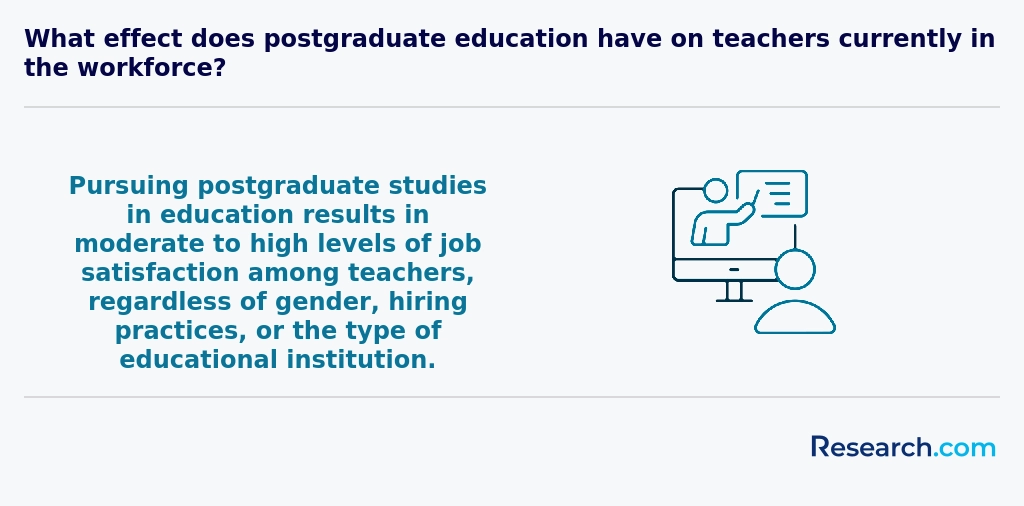
Financial aid for online early childhood education degrees in the Midwest typically includes federal, state, institutional, and employer-based options. Graduates from programs at popular institutions like the University of Illinois and Minnesota State University report relying heavily on federal aid accessed through FAFSA, which opens opportunities for Direct Unsubsidized Loans and Grad PLUS Loans covering tuition up to $25,000.
Midwestern states often offer targeted scholarships and grants to reduce financial burdens. For example, Illinois' ECACE program supports graduates who commit to working locally, a benefit appreciated by those balancing study and work. Similar workforce development grants in Ohio and Minnesota aid students pursuing credentials, enabling smoother career transitions in early childhood education.
Institutional merit scholarships, frequently available to online learners at schools such as Wayne State, provide non-repayable funding, easing the pathway to degree completion. Additionally, many students find work-study programs and employer tuition reimbursement invaluable; these options allow them to gain experience and reduce out-of-pocket expenses simultaneously.
Prospective students are advised to start planning early, as these multi-layered aids involve specific deadlines and eligibility requirements unique to the Midwest educational landscape.
What are the prerequisites for enrolling in online early childhood education degree program in the Midwest?
Enrolling in an online early childhood education degree program in the Midwest typically requires a high school diploma or equivalent, such as a GED, for bachelor's candidates. Many institutions, including well-known public universities in the region, ask for a minimum GPA between 2.5 and 3.0, ensuring students are academically prepared. Standardized test scores like the ACT or SAT are less frequently required thanks to widespread test-optional policies, simplifying admissions for many applicants.
For master's programs, a bachelor's degree from an accredited institution is mandatory. Applicants must often provide transcripts showing a GPA of at least 3.0, letters of recommendation, and a statement of purpose. Graduates from Midwest colleges frequently express satisfaction with how these requirements encourage reflection on career goals and teaching passion.
Some programs require prerequisite coursework in child development or psychology, particularly if the undergraduate degree is unrelated. Regional graduates highlight that completing these courses before admission boosted their confidence and comprehension in online classes, making the learning process more engaging and rewarding.
What courses are typically in online early childhood education degree programs in the Midwest?
Online early childhood education degree programs in the Midwest consistently include foundational courses such as Child Growth and Development, which covers essential milestones in physical, cognitive, social, and emotional development. Graduates from popular institutions like the University of Minnesota note how this course deepened their understanding of real classroom dynamics, enabling them to tailor teaching strategies effectively.
Other typical courses include Introduction to Early Childhood Education and Early Childhood Curriculum and Instruction, where students engage in designing learning experiences appropriate for children ages birth to eight. Many appreciate how assignments simulate actual lesson planning used in Midwestern daycare centers and preschools.
Assessment and Observation courses equip students to evaluate child progress, a skill praised by graduates from Ohio State University, who found it crucial in tracking developmental milestones. Family and Community Engagement is another core subject, teaching collaboration with diverse families, which many graduates find rewarding in forming meaningful community relationships.
Programs also incorporate Educational Psychology and Special Education modules, preparing students to support varied learning needs. Leadership-focused classes such as Early Childhood Program Administration frequently appeal to those envisioning roles as directors or policy makers in the region's educational landscape.
What types of specializations are available in online early childhood education degree programs in the Midwest?
Online early childhood education degrees in the Midwest typically offer several focused specializations to fit a range of career paths. Common tracks include Curriculum Development and Instruction, where graduates from Midwestern colleges describe rewarding experiences designing age-appropriate curricula that directly impact classroom success. Special Education for Young Children is another key area, addressing the needs of roughly 7% of children ages 3 to 5 in the region who require early intervention services. This specialization appeals to students eager to support inclusive learning environments.
Administration and Leadership prepares students for managing programs with courses on budgeting and policy compliance, with former students highlighting strong career growth and a median salary around $60,000 annually. Other specializations like Family and Community Engagement focus on building local partnerships, a critical component in Midwest communities. Graduates often praise how their programs integrate real-world strategies. Similarly, Early Childhood Mental Health and Development meets the rising demand for addressing behavioral challenges, a field growing at about 5% annually.
Prospective students weighing Midwest master's degree tracks in early childhood education also consider affordability and program reputation. Many choose institutions known for balancing comprehensive specializations with reasonable tuition. For those exploring related educational psychology options, exploring the cheapest online school psychology programs can be valuable.
How do you choose the best online early childhood education degree in the Midwest?
Choosing the best online early childhood education degree in the Midwest begins with verifying proper accreditation, such as CAEP or regional accrediting bodies, ensuring credits transfer smoothly and licensure requirements are met. Graduates from well-known Midwestern colleges describe relief and confidence when their degrees aligned with state standards, especially in states like Illinois and Minnesota where specialized coursework is mandatory.
Cost-effectiveness is crucial. Public Midwestern universities average around $10,000 annually for in-state tuition, but private institutions tend to be more expensive. Many programs now offer flexible payment options and competitive pricing that appeal to budget-conscious students seeking affordable online master's in early childhood education Midwest. Consider additional expenses like technology fees or travel for practicum placements, which can influence affordability.
Hands-on practice is non-negotiable. Graduates highlight positive experiences gained through partnerships between universities and local childcare centers, providing practicum opportunities near home. Strong faculty expertise with real-world experience further enhances the learning process and student engagement.
For those looking to advance quickly, exploring the cheapest online doctoral programs in education can offer an efficient pathway after completing a solid early childhood education degree.
What career paths are available for online early childhood education degree students in the Midwest?
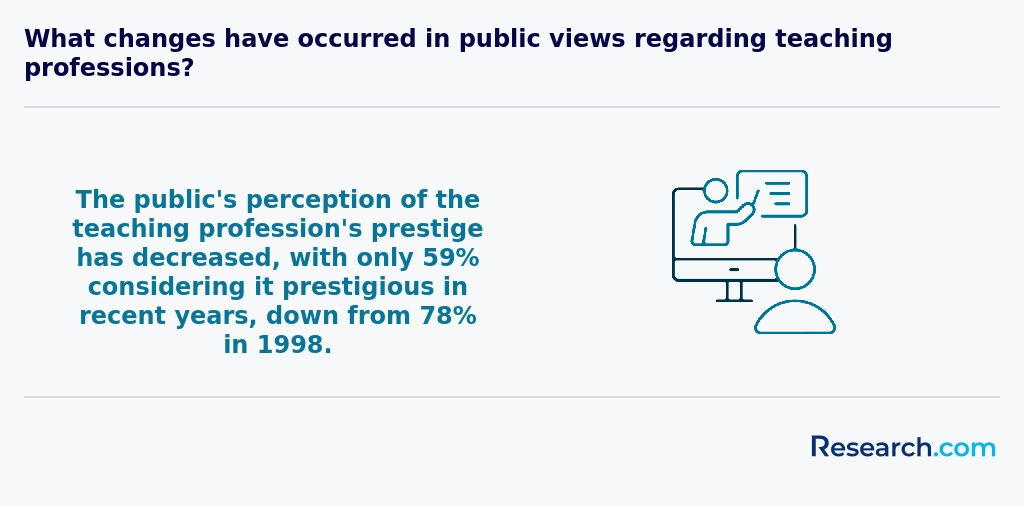
Graduates pursuing online early childhood education careers Midwest often find rewarding opportunities as preschool or kindergarten teachers, roles that emphasize foundational skills in reading, math, and social development. Graduates from respected institutions such as the University of Illinois or Ohio State University report success in obtaining required state teaching licenses essential for employment in Illinois, Ohio, and Minnesota. Another growing path includes early intervention specialists who support children with developmental delays, benefiting from legislation like IDEA that increases demand in the Midwest.
Many graduates from programs at colleges like the University of Minnesota advance to leadership positions as childcare center directors. These roles, typically requiring a master's degree, involve managing staff and curricula while ensuring regulatory compliance, with average salaries from $40,000 to $60,000 annually. Other career options include family support specialists, curriculum developers, and education consultants who help improve early childhood programs across the region.
Those weighing the financial investment can explore affordable options such as the cheapest EdD online programs to balance tuition and career goals in early childhood education job opportunities in the Midwest.
What is the job market for online early childhood education degree in the Midwest?
The job market for online early childhood education degree holders in the Midwest remains robust, supported by steady demand in states like Illinois, Ohio, and Michigan. Graduates from well-regarded institutions such as the University of Illinois or Michigan State University often share positive experiences of securing roles in quality preschool programs and childcare centers soon after completing their degrees. This reflects the region's emphasis on expanding early education access and improving outcomes.
Midwest early childhood education career outlook is further strengthened by state initiatives that increase pre-K availability and support childcare workforce development. Many students pursuing their degrees online appreciate the affordability, with average in-state public university tuition between $9,000 and $11,000 annually, which helps reduce financial barriers while balancing work and family commitments.
Career pathways extend beyond teaching, including early intervention and curriculum roles, encouraging graduates to consider professional growth. Those interested in shifting focus may explore transitioning from teacher to speech pathologist, demonstrating the flexibility their qualifications can provide.
Frequently Asked Questions About early childhood education
Students pursuing online early childhood education degrees in the Midwest can maximize their learning by actively engaging with interactive course materials and participating in virtual discussions. Research from the National Association for the Education of Young Children (NAEYC) highlights the importance of applying theory through practical assignments, which many accredited programs incorporate using local practicum placements.
Utilizing regional resources, such as state early learning guidelines and community organizations, helps connect academic concepts to real-world contexts. Moreover, students should take advantage of networking opportunities offered by Midwest universities to build relationships with peers and professionals in the field.
Consistent time management and setting a structured study schedule are also key, as online programs demand strong self-discipline. According to the U.S. Department of Education, students who actively manage their time tend to complete online degrees at higher rates.
Emerging niches within early childhood education reflect growing needs in the Midwest and nationwide. One key area is inclusive education, focusing on integrating children with disabilities into mainstream classrooms. According to the U.S. Department of Education, inclusion programs are expanding rapidly, driven by federal and state mandates.
Another growth niche is bilingual and multicultural education. The Midwest's increasing diversity, supported by data from the Migration Policy Institute, creates demand for educators skilled in culturally responsive teaching and dual-language learning.
Additionally, early childhood mental health consultation is gaining prominence. The Illinois Children's Mental Health Partnership reports a 15% rise in regional funding for mental health services within early education settings.
Lastly, the application of educational technology tailored for young learners is an innovative niche influencing curriculum development and teaching strategies in online degree programs.
After completing an online early childhood education degree in the Midwest, graduates should focus on obtaining state licensure, which is required to work in many educational settings. Each Midwestern state sets its own certification standards, so researching local requirements is critical.
Building practical experience is also essential. Many programs include internships or practicum hours, which strengthen resumes and increase employment chances. According to the Bureau of Labor Statistics, the Midwest region expects a 5% growth in preschool teaching jobs through 2031, indicating steady demand.
Networking with local education organizations and joining professional associations such as the National Association for the Education of Young Children (NAEYC) can open job opportunities and provide valuable resources.
Additionally, continuing education and specialized certifications in areas like special education or bilingual teaching can enhance a candidate's marketability in a competitive field.
Employers in the Midwest highly value practical skills in graduates of online early childhood education programs. Key skills include strong communication abilities, both with young children and their families, which are essential for fostering supportive learning environments. Critical thinking and problem-solving skills are also necessary to adapt lessons to diverse student needs.
Knowledge of developmental psychology and curriculum planning is important, as many Midwest employers follow state-specific early learning standards like those from Illinois or Ohio. According to the Midwest Education Policy Center, approximately 65% of employers prioritize classroom management skills alongside cultural competence to serve diverse communities effectively.
Graduates with these competencies are more competitive in this growing field, where the U.S. Bureau of Labor Statistics forecasts a 10% increase in early childhood teaching jobs in the Midwest by 2030.
Finding internships in the Midwest for early childhood education students involves several strategic steps. Start by exploring partnerships between online degree programs and local schools or childcare centers. Many universities maintain internship databases tailored to regional opportunities. According to the National Association for the Education of Young Children (NAEYC), the Midwest has a growing demand for qualified early childhood educators, especially in states like Illinois and Ohio.
Utilizing state workforce sites such as the Illinois Department of Employment Security or OhioMeansJobs can help identify openings. Networking through professional organizations like the Midwest Early Childhood Education Consortium also enhances access to internships. Early application and contacting local education agencies increase chances of securing relevant placements.
In the Midwest, obtaining an online early childhood education degree significantly enhances career mobility and opportunities for advancement. According to the National Association for the Education of Young Children (NAEYC), professionals with master's degrees in early childhood education often qualify for leadership roles such as curriculum developers, administrators, or specialized instructional coordinators.
Many Midwestern states, including Illinois and Ohio, tie higher wages and promotion eligibility to advanced degrees. The Bureau of Labor Statistics (BLS) reports that those with graduate degrees in education experience a salary increase of approximately 15% compared to those with only a bachelor's degree.
Online programs offer flexibility, allowing working educators to gain credentials without interrupting their careers. This flexibility supports continuous professional development and helps address regional teacher shortages.
Studying for an early childhood education degree in the Midwest offers a strong foundation for interdisciplinary roles by blending education theory with practical skills from related fields. Midwest programs often integrate courses in child psychology, family studies, and social work, enabling graduates to address diverse needs within early learning environments.
According to the National Association for the Education of Young Children, many Midwestern universities collaborate with local health and social service agencies, providing students with hands-on interdisciplinary experiences. This approach prepares graduates to work alongside professionals in healthcare, special education, and community outreach.
The region's emphasis on inclusive education and evidence-based practices equips students with versatile tools essential for collaborative roles across multiple sectors supporting young children and their families.
When choosing between a thesis and a non-thesis early childhood education degree program in the Midwest, consider your career goals and learning preferences. Thesis programs require conducting original research and writing a substantial paper, which suits those aiming for doctoral studies or research roles. Non-thesis programs focus more on coursework and practical skills, ideal for professionals seeking direct application in classrooms or administration.
The Bureau of Labor Statistics reports that employment for preschool teachers in the Midwest is growing steadily, emphasizing practical experience. Midwestern universities often offer flexible online options tailored for working adults, so assessing program structure alongside support services is crucial.
Midwestern students interested in early childhood education degrees often face challenges when seeking study options abroad. Few U.S. institutions offer fully online degrees with international study components in early childhood education. Instead, students typically pursue partnerships between Midwest universities and foreign schools, which may include short-term study abroad experiences rather than full degree programs.
Most reputable early childhood education degrees in the Midwest are regionally accredited and focused on meeting state licensure requirements, limiting direct foreign study through online programs. According to the National Center for Education Statistics, only a small percentage of Midwestern students engage in study abroad during graduate education, which emphasizes the rarity of such programs in early childhood education.
Students may explore global perspectives through webinars or virtual exchanges offered by some Midwest programs, though comprehensive abroad study options remain limited.
Part-time job opportunities in the Midwest that complement an online early childhood education degree are diverse and practical. Many students find work as teacher assistants or substitute teachers within local school districts, gaining hands-on classroom experience while studying. According to the U.S. Bureau of Labor Statistics, teacher aide positions are projected to grow by 7% in the Midwest region through 2031. Additionally, childcare centers and preschools often seek part-time caregivers and program aides, roles that enhance skills in child supervision and curriculum support.
Working in community organizations offering youth programs or after-school activities also provides valuable real-world exposure.
Online early childhood education students in the Midwest have access to various networking opportunities through regional education associations and professional organizations. Groups such as the Midwest Early Childhood Association (MECA) offer virtual conferences and local chapter events that connect students with industry professionals. Additionally, many universities partner with local school districts and childcare centers to provide practicum and internship placements, which serve as valuable networking platforms.
Students can also benefit from LinkedIn groups focused on Midwestern educators, helping them build contacts and share resources. According to the National Center for Education Statistics, about 65% of online education students engage in such community networks, enhancing career prospects.
Alumni networks play a significant role for online early childhood education degree students in the Midwest. These networks provide valuable connections for job opportunities, mentorship, and professional growth. According to the Midwest Education Research Consortium, 68% of graduates find employment through alumni referrals. Many schools organize virtual events allowing students to interact with experienced educators across Illinois, Ohio, and Michigan.
Alumni groups also offer access to specialized workshops and resources focusing on regional early childhood policies and teaching standards. This localized support helps graduates adapt quickly to state licensure requirements and classroom challenges. Engaging with alumni enhances both career readiness and long-term success in the competitive early childhood education field.
Customizing an online early childhood education degree in the Midwest allows students to align studies with specific career goals. Many programs offer concentrations such as special education, curriculum development, or administration, enabling focused skill-building. Students can select electives that address their interests in areas like family engagement or educational technology.
Midwestern universities often provide flexible schedules, permitting part-time or accelerated paths to suit working professionals. Additionally, practicum placements can be tailored to settings such as public schools, childcare centers, or community programs, offering relevant hands-on experience.
According to the National Center for Education Statistics, several Midwest states have seen growth in early childhood teaching roles, emphasizing the value of specialized training.
Online early childhood education students in the Midwest often face challenges related to practical experience requirements. Many programs demand in-person practicum hours, which can be difficult to arrange alongside online coursework. According to the Illinois Board of Higher Education, about 85% of accredited programs include fieldwork components that require local partnerships.
Connectivity and technology access can also pose barriers, especially in rural areas where broadband availability is limited. The Federal Communications Commission reports that nearly 22% of Midwestern rural households lack high-speed internet, impacting student participation in synchronous activities.
Additionally, balancing family or work responsibilities remains a common struggle. The flexibility of online learning helps but does not eliminate time management challenges unique to adult learners in this region.
With an online early childhood education degree, professionals in the Midwest can pursue several key certifications that enhance their credentials and job prospects. Common certifications include the Child Development Associate (CDA) credential, which is nationally recognized and valuable for teaching roles.
Many states in the Midwest, such as Illinois and Ohio, offer Early Childhood Education (ECE) teacher certification that aligns with state licensing requirements for preschool and elementary education. These certifications often require passing exams and completing supervised teaching experience.
Additionally, administrators can seek credentials like the Director Credential, which focuses on childcare program management.
According to the National Association for the Education of Young Children (NAEYC), nearly 60% of early childhood educators in the Midwest pursue such certifications to improve career advancement opportunities.
Crafting a strong application for an online early childhood education program in the Midwest starts with thorough research. Applicants should highlight their commitment to childhood development and any relevant experience, as many Midwestern programs value practical background alongside academic credentials.
Personal statements must be clear and focused, explaining why the applicant chose early childhood education and how an online format suits their career goals. Including specific details about local needs in the Midwest, such as addressing rural education challenges, can strengthen the application.
Letters of recommendation from professionals familiar with the applicant's work in education carry significant weight. Additionally, a well-prepared résumé showcasing relevant certifications or volunteer work adds credibility.
Many Midwest states, including Illinois and Ohio, report increasing demand for qualified early childhood educators, emphasizing the importance of demonstrating a genuine passion and readiness for this field (National Association for the Education of Young Children, 2023).
Early childhood education is increasingly recognized worldwide as a vital foundation for lifelong learning and development. Globally, many countries emphasize the importance of trained educators in shaping young children's cognitive and social skills. In the United States, including the Midwest, there is growing demand for qualified early childhood education professionals, supported by U.S. Bureau of Labor Statistics projections showing a 7% growth rate for preschool teachers through 2031.
Midwestern states like Illinois and Ohio have expanded online degree options, responding to both local workforce needs and global standards in early education. According to the National Association for the Education of Young Children, professional standards now align closely with international practices emphasizing inclusive, research-based approaches. This makes education careers in the Midwest competitive and relevant on a global scale.
Students pursuing an online early childhood education degree in the Midwest can gain practical experience through several avenues. Many programs require practicum or internship components where students collaborate with local childcare centers or schools. These hands-on placements help apply theoretical knowledge in real settings.
In Illinois and Ohio, for example, partnerships between universities and community organizations support placements that comply with state licensing requirements. According to the National Association for the Education of Young Children (NAEYC), nearly 60% of Midwest early childhood graduates complete internships before graduation, improving job readiness.
Additionally, some institutions offer virtual simulations to complement in-person experiences, providing flexible options for online learners.
Choosing the right concentration within an online early childhood education degree in the Midwest involves evaluating your career goals and the regional demand for specific skills. According to the U.S. Bureau of Labor Statistics, job growth for preschool and childcare teachers in the Midwest is expected to be around 5% from 2022 to 2032, slightly below the national average. Concentrations such as special education, curriculum development, or infant and toddler care can increase job prospects and salary potential.
Consider programs accredited by the Council for the Accreditation of Educator Preparation (CAEP), which ensures quality training. Research state licensing requirements in your area, as some concentrations may align better with these standards. Additionally, examine if the program offers practical experience options, which are critical for licensure and employment. The growing emphasis on inclusive education in the Midwest makes special education concentrations particularly relevant.
Top Trending Early Childhood Education Rankings
References
- Reimagining ECE’s Approach to Change https://nieer.org/research-library/reimagining-eces-approach-change
- 20 Emerging Trends in Early Childhood Education 2026 https://rtoresources.eskilled.com.au/blog/top-20-emerging-trends-in-early-childhood-education-in-2026/
- 10 Career Paths You Can Pursue with an Early Childhood Education (ECE) Diploma - Oxford International Career Colleges https://oicolleges.com/2025/12/03/10-career-paths-you-can-pursue-with-an-early-childhood-education-ece-diploma/
- Certificate — Early Childhood Education Careers https://www.ntcmn.edu/career-paths/child-care/early-childhood-education/degrees-credentials/certificate-level-ii-early-childhood-education/
- The Education Workforce Center | Career Pathways https://www.chicagoewc.org/career-pathways
- 7 Common Challenges in Early Childhood Education (ECE) https://www.ishcmc.com/news-and-blog/challenges-in-early-childhood-education/
- Early Childhood Education Master's Program (Turkish without Thesis) | Eastern Mediterranean University Cyprus https://www.emu.edu.tr/en/programs/early-childhood-education-masters-program-turkish-without-thesis/933
- Networking in Early Education: How to Connect and Why It Matters https://www.gowriensw.com.au/careers-blog/the-benefits-of-networking-in-early-education-how-to-connect-and-why-it-matters
- What do you learn in a bachelor's in early childhood education? | edX https://www.edx.org/resources/what-do-you-learn-in-a-bachelors-in-early-childhood-education
- Career progression in early childhood education - Selmar https://selmar.edu.au/career-progression-early-childhood-education/


