2027 Most Valuable Cyber Security Degree Programs Ranking in Wisconsin

Co-Founder and Chief Data Scientist
Choosing the right cyber security degree program can shape your future in this fast-growing field. To help Wisconsin students make an informed decision, this article presents the 2027 Most Valuable Cyber Security Degree Programs Ranking in Wisconsin, created by the Research.com team of data scientists.
By exploring this ranking, you'll discover which programs offer the best opportunities, from quality education to career prospects. Whether you're starting fresh or considering a change, understanding the value of different degrees can guide you toward a rewarding career that protects our digital world.
Key benefits of getting cyber security degree in Wisconsin
- Salary for cyber security degree graduates: Graduates can expect strong earnings, with roles like Network Security Engineer and Information Security Specialist averaging around $124,740 annually, while Penetration Testers earn about $108,460 per year.
- Potential career paths: A cyber security degree from a Wisconsin university opens doors to diverse jobs such as Security Analyst, Incident Management Analyst, and Penetration Tester, offering a rewarding and dynamic career journey.
- Benefits of online degrees: Earning a cyber security degree online from Wisconsin institutions provides flexibility and access to quality education, enabling learners to balance life and work while stepping confidently toward their career goals.
- 2027 Most Valuable Cyber Security Degree Programs Ranking in Wisconsin
- What can I expect from cyber security degree in Wisconsin?
- Where can I work with cyber security degree in Wisconsin?
What can I expect from cyber security degree in Wisconsin?
The average cost of pursuing a cyber security degree in Wisconsin varies, but many students find public universities offer an affordable path, especially if they qualify as in-state residents. Graduates often recall stretching their budgets while embracing the rich opportunities at schools like the University of Wisconsin-Madison, where tuition is more accessible compared to private colleges. Those attending private institutions notice higher tuition fees but appreciate the specialized courses and strong industry connections they gain-making the investment feel worthwhile in their journey.
Imagine diving into hands-on labs equipped with cutting-edge technology, honing skills in ethical hacking or digital forensics, all while managing tuition costs that blend quality education with economic sense. Public university learners often remark on this balance, feeling empowered to explore cyber threats without financial overwhelm. Private college students highlight valuing personalized mentoring, helping them navigate the exciting, fast-changing cyber security landscape, despite the steeper price tag.
Overall, whether at a technical school or a renowned university in Wisconsin, prospective students can expect tuition that reflects their choice of experience-combining affordability with adventurous, real-world training.
Where can I work with cyber security degree in Wisconsin?
Graduates from cyber security programs at institutions like the University of Wisconsin-Madison or Milwaukee School of Engineering often find themselves diving into dynamic roles across Wisconsin's thriving sectors. Imagine protecting sensitive financial networks at major companies like Northwestern Mutual or Associated Bank, where your skills directly guard people's hard-earned money and personal data. The excitement of securing cutting-edge manufacturing facilities against cyber-attacks is another path, as Wisconsin's industrial backbone increasingly depends on digital defenses.
Many grads also land roles in government agencies, from state departments like the Wisconsin Department of Justice to federal facilities such as the U.S. Army Reserve, defending critical public infrastructure. Others explore the buzzing tech hubs in Milwaukee, joining innovative IT firms or healthcare providers strengthening their cyber defenses against ransomware. So, whether you're drawn to public service, finance, manufacturing, or tech startups, your cyber security degree from a Wisconsin university opens doors to varied careers that constantly challenge and inspire you.
These diverse opportunities fuel a sense of adventure and purpose for many graduates, who thrive knowing their work matters in real-time, protecting communities and businesses alike.
Graduates from cyber security programs at universities like University of Wisconsin-Madison embark on thrilling career journeys, often stepping into roles such as Network Security Engineers or Security Analysts with an average annual wage around $124,740. Imagine applying your skills to safeguard critical information systems at a Milwaukee-based tech firm while earning a competitive salary that rivals larger markets.
For those drawn to testing system defenses, Penetration Tester positions offer exciting hands-on challenges with a mean wage of approximately $108,460. Recent graduates feel empowered knowing their degrees unlock doors to well-paying careers in Wisconsin's growing cyber security landscape.
Starting out, some may find themselves in entry-level jobs slightly below these figures, but many alumni share stories of quick advancement as they gain certifications and real-world experience. With Wisconsin's expanding demand for cyber security experts, the financial rewards reflect not only technical mastery but also the adventurous spirit needed to protect tomorrow's digital world.
- Wisconsin's demand for information security analysts is expected to grow 33% from 2020 to 2030, which is faster than average for all jobs.
- Public universities in Wisconsin charge between $9,000 and $11,000 per year for in-state cyber security bachelor's tuition, while private schools may exceed $30,000 annually.
- Entry-level cyber security jobs in Wisconsin start at about $60,000 per year, with experienced professionals earning between $95,000 and $110,000.
- Job opportunities exist in major cities like Milwaukee, Madison, and Green Bay across finance, healthcare, manufacturing, and government sectors.
- Wisconsin schools often offer internships and follow national cyber defense standards to improve employment chances for graduates.
For those eager to jump in faster, associate degrees at colleges like Madison College offer a quicker route, often wrapping up in just two years. Graduates often share how this path made them feel equipped and ready, balancing practical skills with flexible schedules.
Graduate programs add another layer to explore - usually two years long but sometimes stretching to three for part-time learners balancing work and study. Whether you're chasing a bachelor's or a master's, the experience in Wisconsin blends rigorous coursework with hands-on opportunities that turn challenges into thrilling milestones.
Imagine walking the bustling halls of the University of Wisconsin-Milwaukee, where on-campus cyber security students dive into hands-on labs, testing network defenses with their classmates and professors right beside them. This face-to-face experience sparks deep connections and real-time problem solving-key ingredients for mastering complex cyber threats. Graduates often recall these moments as pivotal in building confidence and technical skills.
Now picture a working professional in Wisconsin studying online, balancing family and job responsibilities while exploring virtual labs that mimic real-world cyber attacks. The flexibility to learn anytime from anywhere, without the hassle of commuting, makes the online path appealing. Many students share that this freedom fuels their motivation and fits perfectly with their busy lives.
Both routes equip learners for Wisconsin's growing cyber security job market, but the on-campus journey offers tangible networking opportunities with local tech firms, while online study delivers adaptable schedules and often more affordable tuition options. Each path opens doors-whether through classroom camaraderie or digital convenience-inviting adventure into your cyber security education.
Pairing your Wisconsin degree with industry-standard certifications helps you stand out and validate skills:
- CompTIA Security+: foundational credential covering threat management, cryptography, and network security
- Certified Information Systems Security Professional (CISSP): advanced certification for designing and managing enterprise security programs
- Certified Ethical Hacker (CEH): focuses on penetration testing methodologies and attack vectors
- Certified Information Security Manager (CISM): emphasizes governance, risk management, and incident response strategies
- Offensive Security Certified Professional (OSCP): hands-on exam testing real-world exploitation and post-exploitation skills
For flexible paths that combine coursework with certification prep, explore cyber security schools online.
The average cost of a cyber security degree in Wisconsin hovers around $44,542, with in-state students typically paying closer to $35,178. Many graduates from popular universities in Wisconsin share how investing in their education was a rewarding challenge-balancing tuition with part-time work and scholarships. This financial journey is part of the adventure, fueled by the excitement of mastering skills that protect our digital world.
Public universities in Wisconsin offer robust cyber security programs where most students experience tuition fees within these ranges. Graduates often recount their pathways through these institutions, highlighting how their exposure to real-world projects made every dollar spent feel worthwhile. However, those looking for an affordable entry point might consider technical colleges or community colleges, where cyber security education is more budget-friendly and quicker to complete, ideal for students eager to jumpstart their careers.
Understanding cyber security degree expenses in Wisconsin means considering more than just tuition. Books, specialized equipment, and day-to-day living costs also factor into the total sum, often adding a few thousand dollars annually. Many students find relief in financial aid, employer tuition programs, and scholarships, making their journey sustainable and encouraging. For students seeking flexible timing, programs like an associate's degree in 6 months offer a cost-efficient, hands-on path into the field without delay.

Imagine stepping onto the vibrant campus of the University of Wisconsin-Madison, excitement bubbling as you explore cyber security-and suddenly discovering financial aid options that unlock your educational journey. Many graduates recall how Pell Grants, offering up to $7,395 in need-based support without repayment, lightened their financial load. For Wisconsin residents, in-state tuition cuts costs dramatically, making public universities like UW-Milwaukee or Marquette University both affordable and thrilling places to dive deep into cyber security.
State programs like the Wisconsin Higher Education Grant helped several students overcome tuition barriers, delivering thousands of dollars annually when they needed it most. Others share stories of scoring scholarships through the Wisconsin Space Grant Consortium, fueling their STEM passions and opening doors to exciting classrooms and hands-on labs.
Local employers in Milwaukee and Madison often pitch in with tuition reimbursement, seeing cyber talent as a vital investment. With such a network of aid-from federal loans with manageable terms to merit scholarships-cyber security students in Wisconsin can embark on their adventure with confidence and enthusiasm.
Accredited status ensures your cyber security degree meets rigorous academic and industry standards valued by employers.
Look for programs with these credentials:
- Designated as a National Center of Academic Excellence in Cyber Defense (CAE-CD) by the NSA and DHS
- Accredited by ABET’s Computing Accreditation Commission for engineering and technology programs
- Regionally accredited by the Higher Learning Commission (HLC) for overall institutional quality
Balancing accreditation with cost? Explore our guide to the cheapest cyber security degree online.
To embark on a cyber security degree journey in Wisconsin, most students start with a solid high school diploma or its equivalent, armed with strong math and science skills. Imagine a recent graduate from a popular university in Milwaukee recalling how their foundations in algebra and logic made cracking complex cyber security puzzles feel like solving thrilling mysteries. These skills aren't just recommended-they're the backbone of understanding intricate security systems.
Many bachelor's programs ask for official high school transcripts and, sometimes, SAT or ACT scores, though the test-optional trend at schools like the University of Wisconsin-Madison offers welcome flexibility. Some students find that prior experience in IT-such as earning a CompTIA certification or completing programming classes-gives them an edge and boosts their confidence walking into advanced cybersecurity labs.
For graduate hopefuls, a related bachelor's degree is key. Alumni from Wisconsin colleges often share how submitting transcripts, recommendation letters, and relevant IT work experience opened doors to specialized master's programs. And with sensitive topics covered, background checks and residency proof are common steps, reminding students of the important responsibility they're about to take on.

Accreditation assures that a cyber security degree meets rigorous academic and industry standards. Before enrolling, verify that your program holds:
- Regional accreditation (e.g., Higher Learning Commission)
- ABET accreditation for computing and engineering programs
- NSA/DHS Center of Academic Excellence (CAE) designation
- Active partnerships or advisory boards with leading tech companies
Accredited programs often translate into stronger employer trust, internship opportunities and eligibility for federal aid. For students balancing quality with cost, explore accredited options in our cheapest cyber security degree online guide.
Envision diving into courses that spark excitement while building your expertise-Wisconsin's cyber security degrees deliver just that. At popular universities like the University of Wisconsin, graduates recall starting with essentials such as computer programming, network fundamentals, and system administration, the building blocks that reveal how systems tick and where hackers might sneak in.
But the adventure really deepens with specialized courses: Introduction to Cybersecurity immerses you in the core principles of confidentiality, integrity, and availability, while Network Security feels like guarding secret messages passing through invisible tunnels. Imagine sitting in labs cracking encryption codes in Cryptography or running ethical hacking drills that uncover vulnerabilities before real attackers do.
Digital Forensics unlocks the thrill of cyber detective work-tracking down data traces after an attack-while Risk Management trains you to construct strong security policies that withstand audits. Graduates from Wisconsin colleges often describe these immersive experiences as both challenging and exhilarating, fueling their passion and readiness to protect the digital frontier.
Exploring cyber security degree specializations in Wisconsin reveals exciting paths that reflect the state's technological growth and security needs. Many students at renowned colleges dive into Network Security, where they vividly experience safeguarding systems from attacks, mastering firewalls and VPNs in hands-on labs. Graduates often share how this specialization fits perfectly with regional tech expansions.
Some adventurous learners choose Information Assurance, immersing themselves in real-world scenarios involving data protection policies and compliance essentials like HIPAA, critical in Wisconsin's healthcare hubs. This focus helps them confidently navigate risk management roles once they graduate.
Digital Forensics fascinates those who relish detective work, equipping students at popular institutions with skills to trace cybercrimes through digital evidence-a thrilling way to contribute to law enforcement efforts. For those leaning toward leadership, Cybersecurity Management hones strategic skills that graduates find invaluable when directing security teams in growing Wisconsin firms.
Others keen on coding often pick Application Security, learning to prevent vulnerabilities before software even hits the market. To explore options and understand what's the easiest bachelor's degree to get, many compare programs across the best cyber security programs Wisconsin has to offer.
Choosing the best cyber security degree in Wisconsin starts with diving into programs known for strong local connections, like those at the University of Wisconsin-Madison or Milwaukee School of Engineering. Graduates from these schools often share how internships with Milwaukee-based tech firms gave them real-world problem-solving confidence, transforming theory into action. Focusing on accredited programs with courses covering network security, cryptography, and ethical hacking fuels that adventurous spirit needed for tackling cybersecurity challenges.
Cost and flexibility also shape your journey. Many Wisconsin students appreciate programs allowing part-time or online study to juggle work and learning, making it easier to pursue top affordable cyber security programs Wisconsin without sacrificing income. Exploring financial aid or scholarships can unlock doors. For those curious about expanding their options beyond Wisconsin's borders, check out online masters programs cheap that blend flexibility with quality education.
Finally, choose programs offering guidance toward certifications like CISSP or CompTIA Security+-vital badges that Wisconsin employers value. Graduates often recall these credentials boosting their confidence and resumes, opening paths into Milwaukee or Madison's growing cyber job markets.
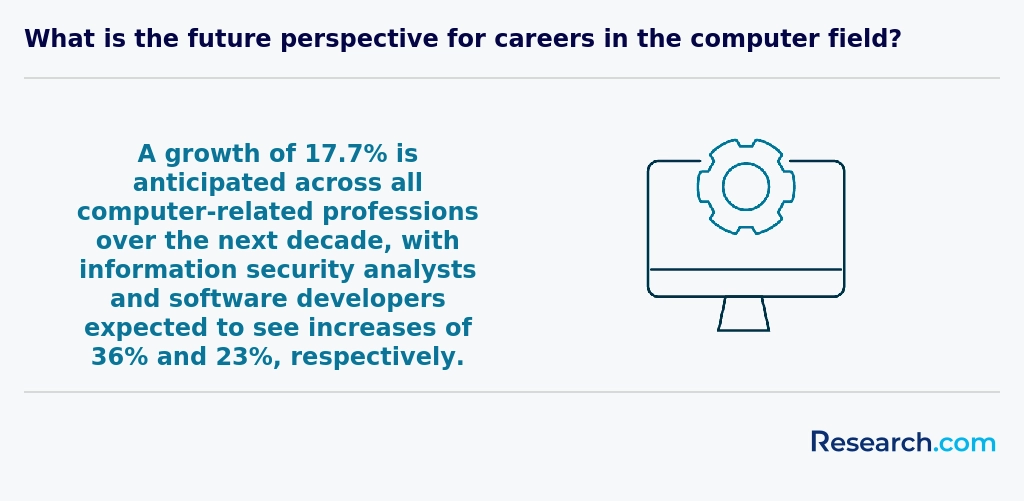
Others from well-known Wisconsin universities have embraced roles as Cyber Security Consultants, advising local businesses on how to shield themselves against evolving threats. The adventurous spirit of these careers extends to Network Security Engineers, who craft secure frameworks that keep data safe across manufacturing or healthcare sectors thriving in the state.
For those curious about hands-on challenges, becoming a Penetration Tester allows you to think like a hacker and outsmart real cyberattacks. Graduates also report excitement creating innovative security programs as Security Software Developers or strategizing how to minimize risks as Risk Analysts-each path offering unique, rewarding experiences.
Studying in Wisconsin comes with practical perks too, including access to schools with low tuition programs that accept fafsa, making the journey both thrilling and affordable.
The cyber security job outlook Wisconsin offers is vibrant and full of opportunity for graduates ready to dive into dynamic careers. Imagine a recent graduate from a top university in Madison landing a role as a network security engineer within a bustling healthcare firm, protecting sensitive patient data day by day. Graduates from Milwaukee's tech-savvy colleges often find themselves in security analyst positions, where their skills guard cutting-edge financial institutions from emerging cyber threats. These real-world experiences highlight Wisconsin's growing demand for cyber security talent, especially as employers in manufacturing and government sectors increasingly prioritize digital safety.
Many students feel inspired by the state's thriving tech hubs and dedicated programs, which create pathways to exciting internships and full-time jobs. The cost of earning a cyber security degree in Wisconsin remains manageable compared to national averages, making this venture both an adventurous choice and a practical investment. For those exploring options, an insightful resource on the highest paying trades can spark further excitement about career potential in this field.
Wisconsin cyber security employment opportunities benefit from state and federal initiatives, so emerging professionals can expect to find roles filled with growth and variety. Graduates frequently describe their job searches as thrilling quests filled with rewarding challenges, supported by the strong market and collaborative community that characterize Wisconsin's cyber landscape.
2027 Most Valuable Cyber Security Degree Programs Ranking in Wisconsin
Investing in your education is a significant decision that can shape your future, and the Research.com team understands the importance of making informed choices. To assist prospective students in Wisconsin, we have meticulously crafted the "2027 Most Valuable Cyber Security Degree Programs Ranking in Wisconsin." Our commitment to quality, credibility, and accuracy is demonstrated through comprehensive research and rigorous analysis used to compile this ranking.
We utilized the following reputable data sources to ensure a thorough evaluation of cyber security degree programs:
By exploring this ranking, readers will gain valuable insights into the most valuable cyber security programs available in Wisconsin, empowering them to make confident and well-informed decisions about their educational paths. For more information on how this ranking was developed, please visit our Research.com methodology page.


Frequently Asked Questions About cyber security
Cyber security degree students in Wisconsin can maximize their learning by engaging with the state's growing tech community. Wisconsin has seen a 16% rise in cyber security jobs from 2020 to 2023, according to the Bureau of Labor Statistics, making internships and networking particularly valuable.
Joining local chapters of organizations like ISSA or ISACA provides hands-on experience and professional connections. Additionally, students should take advantage of university partnerships with businesses in Milwaukee and Madison, which often offer cooperative education programs.
Participating in cyber security competitions and certifications, such as CompTIA Security+ or CISSP, enhances practical skills beyond classroom theory.
The cyber security field is rapidly evolving, creating new specialized areas for professionals. Emerging niches include cloud security, where experts protect data stored on cloud services. Wisconsin's growing technology sector has increased demand for cloud security specialists, with the Wisconsin Department of Workforce Development projecting a 15% growth in related jobs through 2028.
Another important area is industrial control systems (ICS) security, which focuses on protecting critical infrastructure like energy plants and manufacturing facilities. Given Wisconsin's strong manufacturing industry, this niche is particularly relevant.
Additionally, threat intelligence and ethical hacking are gaining prominence as organizations actively seek experts to anticipate and mitigate cyber attacks before they occur.
Cybersecurity degrees in Wisconsin increasingly include coursework in these specialties, aligning education with market needs.
Preparing for the job market after completing a cyber security degree in Wisconsin involves several practical steps. Graduates should focus on obtaining relevant certifications such as CISSP or CompTIA Security+, which are highly valued by employers nationwide, including in Wisconsin. Internships with local companies or government agencies provide essential hands-on experience and networking opportunities. According to the Wisconsin Department of Workforce Development, the demand for information security analysts in the state is projected to grow by over 30% by 2030, emphasizing strong job prospects.
Joining professional groups like the Wisconsin Cybersecurity Professionals Network can help graduates stay updated on industry trends. Additionally, participating in local cyber security competitions or workshops sharpens practical skills and increases visibility among recruiters in this rapidly expanding field.
Employers in Wisconsin increasingly seek cyber security graduates with strong technical and analytical skills. Key proficiencies include knowledge of network security, risk assessment, and incident response. According to CyberSeek, Wisconsin's demand for cyber security jobs has grown 15% over the past five years, highlighting the need for graduates skilled in threat detection and mitigation.
Understanding regulatory compliance, such as HIPAA and GDPR, is also vital due to the state's expanding healthcare and manufacturing sectors. Additionally, employers value graduates with hands-on experience in penetration testing and familiarity with tools like Wireshark and Metasploit.
Soft skills, including problem-solving, communication, and teamwork, remain important as cyber security roles often require cross-department collaboration.
Finding internships in Wisconsin relevant to a cyber security degree involves several strategic steps. Many universities, such as University of Wisconsin-Madison and Marquette University, have dedicated career centers that connect students with local tech companies and government agencies offering internships.
Students should also explore Wisconsin's growing cyber security job market, valued at over $250 million annually according to the Wisconsin Economic Development Corporation. Networking at industry events and joining professional groups like ISACA's Wisconsin chapter can provide strong leads.
Online job platforms like Handshake and LinkedIn often list internships specific to Wisconsin's cyber security sector. Early application and tailored resumes highlighting relevant skills increase opportunities.
A cyber security degree significantly enhances career mobility and advancement opportunities in Wisconsin. The state's growing demand for cyber security professionals, driven by industries such as manufacturing, healthcare, and finance, creates a favorable job market for degree holders. According to the Wisconsin Department of Workforce Development, cyber security roles are projected to grow by 15% between 2020 and 2030.
Possessing a relevant degree equips candidates with essential technical skills and certifications like CISSP or CEH, which are highly valued by employers statewide. Graduates often find it easier to move into specialized roles or leadership positions.
Moreover, Wisconsin's universities frequently collaborate with local businesses, providing students access to internships and networking, critical for career progression in this field.
Studying for a cyber security degree in Wisconsin equips students with skills crossing multiple disciplines. Many Wisconsin programs combine computer science, information technology, and business courses, reflecting the real-world need for professionals who understand both technical and managerial aspects.
Universities like the University of Wisconsin-Madison and Milwaukee School of Engineering emphasize interdisciplinary learning, including law, ethics, and communication. This prepares graduates to work with legal teams, policy makers, or corporate leadership effectively.
The growing Wisconsin cyber security sector, supported by entities such as the Wisconsin Economic Development Corporation, demands experts who navigate technology and regulatory environments. According to the Bureau of Labor Statistics, cyber security jobs in Wisconsin are projected to grow by over 30% by 2030, making interdisciplinary knowledge highly valuable.
Choosing between a thesis and a non-thesis cyber security degree program in Wisconsin depends largely on your career goals and learning preferences. Thesis programs require conducting original research, which prepares students for roles in academia or research-driven positions. Non-thesis options focus more on practical skills and coursework, suitable for professionals aiming to enter the workforce quickly.
Wisconsin has several institutions offering both formats, reflecting the high demand for cyber security experts statewide. According to CyberSeek, the Milwaukee metropolitan area alone shows nearly 4,000 cyber security job openings annually. A thesis path can be advantageous if you plan to pursue a PhD or research roles, while non-thesis programs often lead directly to industry certifications and job placements.
Consider your strengths as well-if you enjoy in-depth investigation and writing, a thesis could be fulfilling. If you prefer hands-on learning and faster completion, non-thesis might suit you better. Also, check if the program offers internship opportunities, which are critical in Wisconsin's growing tech job market.
Students based in Wisconsin interested in studying cyber security abroad have several pathways through university partnerships and exchange programs. Many Wisconsin institutions collaborate with schools in countries like Canada, the United Kingdom, and Germany, offering semester-long or year-long study abroad options focused on cyber security. These programs allow students to gain international experience while earning credits transferable to their Wisconsin degrees.
Wisconsin ranks within the top 25 states for cyber security employment growth, according to the Bureau of Labor Statistics, highlighting the importance of global perspectives. Participating in overseas study helps students engage with diverse cybersecurity policies and technologies, enhancing employability.
Additionally, Wisconsin students should explore programs listed by the Institute of International Education, which tracks U.S. study abroad participation in STEM fields, including cyber security.
Part-time job opportunities in Wisconsin can significantly enhance your education in cyber security. Many students find roles such as IT support technician, network assistant, or security analyst intern valuable. These positions provide hands-on experience with real-world systems and security practices.
Wisconsin's growing tech sector, especially in cities like Milwaukee and Madison, offers a variety of internships and part-time jobs in cyber security. According to the Wisconsin Department of Workforce Development, employment in information security roles is expected to grow by over 20% through 2030, indicating a strong local demand.
Working in these roles allows students to apply classroom knowledge practically, improving skills in areas like threat detection, risk management, and compliance. Employers often seek candidates with both degrees and relevant experience, making part-time work an essential step.
Cyber security students in Wisconsin benefit from a variety of networking opportunities that can enhance their career prospects. Universities like the University of Wisconsin-Madison host active chapters of professional organizations such as the Information Systems Security Association (ISSA) and the Association for Computing Machinery (ACM). These groups offer events, workshops, and guest lectures by industry experts.
Additionally, Wisconsin's growing tech sector supports multiple cyber security conferences and meetups, including events organized by organizations like the Wisconsin Cybersecurity Council. These forums allow students to connect with professionals and potential employers.
Internships and cooperative education programs at local firms and government agencies provide practical experience and networking chances. According to the Wisconsin Department of Workforce Development, the demand for cyber security professionals is expected to grow by 15% by 2030, increasing available opportunities for connection and employment.
Alumni networks offer significant advantages to cyber security degree students in Wisconsin by connecting them with experienced professionals in the field. These networks facilitate mentorship opportunities, which can be crucial for navigating the complex cyber security job market.
A strong alumni presence in Wisconsin's tech hubs, like Milwaukee and Madison, opens doors to internships and job placements. According to the Wisconsin Department of Workforce Development, cyber security roles in the state are projected to grow by 12% over the next decade, increasing demand for qualified candidates.
Moreover, alumni often provide industry insights and guidance on certifications valued in Wisconsin's cyber security sector, helping students align their education with market needs.
Customizing a cyber security degree program in Wisconsin allows students to align their studies with specific career goals. Many Wisconsin universities offer electives and specialization tracks in areas like network security, digital forensics, and ethical hacking. Students can choose internships with local tech firms or government agencies, providing hands-on experience tailored to their interests.
Additionally, students may select certificate programs within their degree, such as risk management or cyber law, to deepen expertise. According to the Wisconsin Department of Workforce Development, the demand for cyber security specialists is expected to grow by 15% through 2030, emphasizing the value of focused training.
Networking through professional organizations and attending state-hosted cyber security events also supports personalized career pathways in this evolving field.
Cyber security students in Wisconsin often face several common challenges during their studies. One major difficulty is keeping up with the fast-paced and constantly evolving nature of cyber threats. As technology changes rapidly, students must continuously update their skills and knowledge to remain relevant in the job market.
Access to hands-on experience can also be limited. While Wisconsin offers reputable programs, some students report a lack of sufficient practical training opportunities compared to larger metropolitan areas.
Financial constraints present another hurdle. According to the Wisconsin Department of Workforce Development, the average student loan debt impacts many, making it harder for some to complete rigorous degree programs.
Lastly, there is competition for internships and jobs within the state's growing but still developing cyber security sector, which can be challenging for graduates entering the workforce.
With a cyber security degree from Wisconsin, students can pursue several professional certifications that enhance their career prospects. Popular options include the Certified Information Systems Security Professional (CISSP), which is highly respected nationwide. The Certified Ethical Hacker (CEH) certification is another valuable credential, focusing on penetration testing skills. For entry-level professionals, the CompTIA Security+ offers foundational knowledge and is often recommended.
According to CyberSeek, Wisconsin has over 2,500 job openings annually in cyber security, and nearly 40% of employers list certifications as preferred qualifications. These credentials can help graduates qualify for roles in government, finance, and healthcare sectors, all prominent employers in the state. Pursuing certifications alongside a degree can significantly boost employability in Wisconsin's growing cyber security job market.
Writing a winning application for a cyber security program in Wisconsin begins with thorough research on the school's specific requirements. Many Wisconsin institutions value strong foundational knowledge in math and computer science, so highlighting relevant coursework or certifications is essential. According to the Wisconsin Department of Workforce Development, cyber security jobs in the state are projected to grow by 15% through 2028, demonstrating growing demand.
Applicants should emphasize any practical experience, such as internships or volunteer work, that demonstrates hands-on skills. Personal statements must clearly express your passion for cyber security and understanding of emerging threats. Additionally, letters of recommendation from professionals familiar with your technical aptitudes strengthen your application.
Standardized test scores might still be requested by some programs, though many have adopted test-optional policies. Finally, ensure your application materials are concise and error-free to create a positive impression on admissions committees in Wisconsin's competitive cyber security field.
The global perspective on a cyber security career highlights strong demand for skilled professionals across all continents. In the United States, and specifically in Wisconsin, cyber security jobs are projected to grow faster than average, with a 31% increase expected nationally through 2031, according to the U.S. Bureau of Labor Statistics.
Wisconsin's strategic location with many manufacturing and healthcare firms increases the need for cyber security experts to protect sensitive data. Graduates with degrees in this field can find opportunities not only locally but also in global companies operating in the state.
Internationally, cyber threats continue to rise, making expertise in cyber security an essential asset worldwide. This demand supports competitive salaries and diverse career paths for those trained in this discipline.
Gaining practical experience while studying for a cyber security degree in Wisconsin is crucial for career readiness. Many universities, including the University of Wisconsin system, offer internship programs with local tech firms and government agencies. These opportunities provide hands-on experience in real-world security challenges.
Additionally, students can join campus cyber security clubs or participate in Capture The Flag (CTF) competitions to build practical skills. The Wisconsin Cybersecurity Consortium connects students with industry projects, fostering applied learning.
According to the Wisconsin Department of Workforce Development, cyber security jobs in the state are projected to grow 22% by 2030, increasing demand for skilled professionals with practical experience.
Choosing the right concentration within a cyber security degree program in Wisconsin depends on your career goals and interests. Common focuses include network security, digital forensics, and information assurance. Wisconsin employers, particularly in Milwaukee and Madison, value practical skills in threat analysis and incident response, reflecting the needs of local industries such as healthcare and manufacturing.
Accreditation and program reputation also matter. Look for programs aligned with the National Security Agency (NSA) and Department of Homeland Security (DHS) standards, as Wisconsin schools often collaborate on federal cyber security initiatives.
Consider internship opportunities with Wisconsin-based companies or government agencies to gain hands-on experience. According to the Wisconsin Department of Workforce Development, cyber security jobs in the state are projected to grow 15% by 2030, highlighting demand for specialized skills.
- 2027 Most Valuable Cyber Security Degree Programs Ranking in Illinois
- 2027 Most Valuable Cyber Security Degree Programs Ranking in Michigan
- 2027 Most Valuable Cyber Security Degree Programs Ranking in Indiana
- 2027 Most Valuable Cyber Security Degree Programs Ranking in Ohio
- 2027 Most Valuable Cyber Security Degree Programs Ranking in Kansas
- 2027 Most Valuable Cyber Security Degree Programs Ranking in West Virginia
- 2027 Most Valuable Cyber Security Degree Programs Ranking in Pennsylvania
- 2027 Most Valuable Cyber Security Degree Programs Ranking in Oklahoma
- 2027 Most Valuable Cyber Security Degree Programs Ranking in Virginia
- 2027 Most Valuable Cyber Security Degree Programs Ranking in Alabama
See What Experts Have To Say About Studying Cyber Security
Read our interview with Cyber Security experts

Shambhu Upadhyaya
Cyber Security Expert
Director, SEAS/SOM Cybersecurity MS Program
University at Buffalo

Muath Obaidat
Cyber Security Expert
Associate Professor
City University of New York


- Addressing 5 Concerns with Cyber Security Degrees: How Can Higher Ed Help Prepare Cyber Students? - Cloud Range https://www.cloudrangecyber.com/news/addressing-5-concerns-with-cyber-security-degrees
- Schools Cyber Security Challenges https://www.digitaltechnologieshub.edu.au/search/schools-cyber-security-challenges/
- Cyber Security Salary Guide: What To Expect | Walbrook https://www.walbrook.ac.uk/subjects/cyber-security/cybersecurity-salary-guide/
- 14 Cyber Security Engineer Cover Letter Examples: Plus Recruiter Insights (Updated for 2026) https://resumeworded.com/cover-letter-samples/cyber-security-engineer
- Cyber Security Salary: 7 Highest-Paid Cyber Security Jobs | NEIT https://www.neit.edu/blog/cyber-security-salary
- Getting Started in Cyber (CAN) https://www.ukcybersecuritycouncil.org.uk/cyber-access-hub
- Cybersecurity Degree Programs in Wisconsin https://cybersecurityguide.org/states/wisconsin/
- 5 Game-Changing Tips to Accelerate Your Cybersecurity Career in the First 5 Years – Technology Advancement Center https://thetac.tech/5-game-changing-tips-to-accelerate-your-cybersecurity-career-in-the-first-5-years/
- What Degree Do I Need for a Career in Cybersecurity? | Cyber Degrees https://www.cyberdegrees.org/resources/degree-required-for-cybersecurity-career/
- Cybersecurity - Associate Degree - Northeast Wisconsin Technical College https://www.nwtc.edu/academics-and-training/cybersecurity