2027 Most Popular Criminal Justice Degree Programs Ranking in Washington

Co-Founder and Chief Data Scientist
Choosing the right criminal justice degree program in Washington can shape your future career in meaningful ways. This article presents the 2027 Most Popular Criminal Justice Degree Programs Ranking in Washington, created by the Research.com team of data scientists to help you make an informed decision.
Exploring these top programs will give you insight into quality education options that align with your goals. Earning a criminal justice degree opens doors to rewarding careers dedicated to justice and community safety.
Discover the programs best suited for your aspirations and take confident steps toward your future.
Key benefits of getting criminal justice degree in Washington
- Salary benefits: Graduates with a criminal justice degree in Washington can expect competitive salaries, such as $76,550 annually for police officers or $95,930 for crime scene investigators, offering financial stability and growth.
- Career paths: Many alumni from the University of Washington pursue diverse roles like correctional officers, court clerks, or forensic science technicians, showcasing broad opportunities within the criminal justice field.
- Online degree advantages: Earning a criminal justice degree online from institutions like Washington State University allows flexible scheduling and the ability to balance work and study, making education accessible without pausing your career.
- Key benefits of getting criminal justice degree in Washington
- What can I expect from criminal justice degree in Washington?
- Where can I work with criminal justice degree in Washington?
- How much can I make with criminal justice degree in Washington?
- 2027 Most Popular Criminal Justice Degree Programs Ranking in Washington
- Key Findings
- How long does it take to complete criminal justice degree in Washington?
- Most Crucial Factors to Consider When Choosing a Criminal Justice Program in Washington
- What's the difference between online and on-campus criminal justice degree?
- Key Benefits of a Criminal Justice Degree in Washington
- What is the average cost of criminal justice degree in Washington?
- Balancing Affordability and Quality: Finding Cost-Effective Criminal Justice Programs
- What financial aid is available to criminal justice degree students in Washington?
- Accreditation and Professional Recognition
- What are the prerequisites for enrolling in criminal justice degree program in Washington?
- Accreditation and Professional Certifications
- What courses are typically in criminal justice degree programs in Washington?
- What types of specializations are available in criminal justice degree programs in Washington?
- How do you choose the best criminal justice degree in Washington?
- What career paths are available for criminal justice degree students in Washington?
- What is the job market for criminal justice degree in Washington?
- Related Criminal Justice Rankings for Nearby States
- Top Trending Criminal Justice Rankings
- See What Experts Have To Say About Studying Criminal Justice
What can I expect from criminal justice degree in Washington?
The average cost of earning a criminal justice degree in Washington varies widely, often shaped by the institution's public or private status and the level of the degree pursued. Graduates from public universities like Washington State University remember balancing tuition costs averaging around $9,000 to $12,000 per year for in-state students, a figure that feels manageable when weighed against the immersive hands-on experiences they gain. These experiences-interning at local police departments or working alongside community programs-create a tangible bridge between classroom theory and real-world practice.
Private colleges, while more costly-sometimes exceeding $25,000 per year-offer specialized support services that students find invaluable, such as personalized career counseling and smaller class sizes that enhance learning. The investment often feels worth it as graduates recall how this personalized approach opened doors within federal agencies or forensic labs across Washington.
Community colleges provide affordable pathways too, with some students choosing associate degrees costing around $4,000 annually. These students often describe a rewarding sense of progress when they transfer to four-year programs, propelled by strong foundational knowledge and local networking opportunities.
Where can I work with criminal justice degree in Washington?
Graduates from criminal justice programs at schools like the University of Washington or Central Washington University often find themselves stepping into dynamic roles that challenge common perceptions of the field. Many start their careers in law enforcement agencies across Seattle, Spokane, or Tacoma, where they don't just enforce laws but also engage deeply with community safety and trust-building, transforming what it means to be a police officer.
Others are drawn to the corrections system, working within the Washington State Department of Corrections to reshape rehabilitation. These graduates feel a strong sense of purpose in developing programs that genuinely reduce repeat offenses, going beyond punishment to foster real change.
Federal agencies based in Washington also offer exciting pathways. Some graduates find themselves tackling cybersecurity threats or assisting federal investigators in roles that demand sharp analytical skills and resilience.
Legal and community services provide yet another avenue, where criminal justice professionals work closely with victims and courts, powering the justice system with empathy and dedication.
Each of these career choices offers graduates an opportunity to impact society meaningfully, turning their degree into a force for positive transformation in Washington's diverse communities.
How much can I make with criminal justice degree in Washington?
Graduates with a criminal justice degree in Washington often find themselves earning more than the national averages, a fact that surprises many considering the typical entry-level assumptions. Police officers in the state report a mean annual wage around $76,550, which aligns with competitive urban centers like Seattle and Tacoma, where many students from local colleges launch their careers. These salaries challenge the idea that starting in criminal justice means settling for low pay.
Consider forensic science technicians who earn approximately $71,540 annually. Graduates from programs such as those at Central Washington University often share how their specialized skills open doors to roles with higher-than-expected incomes. Similarly, crime scene investigators are among the best-paid, with mean wages near $95,930, reflecting the value of advanced training in evidence analysis.
Correctional officers earn a respectable $58,810 on average, offering steady salaries for those entering public safety fields straight from community colleges. This varied range shows that with the right education and location, a criminal justice degree in Washington not only brings meaningful work but also financial rewards that exceed common perceptions.
2027 Most Popular Criminal Justice Degree Programs Ranking in Washington
How do we rank schools?
Investing in your education is a significant decision that can shape your future, and the Research.com team understands the importance of making informed choices. To assist prospective students in Washington, we have meticulously crafted the "2027 Most Popular Criminal Justice Degree Programs Ranking in Washington." Our commitment to quality, credibility, and accuracy is reflected in the extensive research and analysis conducted to compile this ranking.
We utilized the following reputable data sources to ensure a comprehensive evaluation of criminal justice programs:
By exploring this ranking, readers will gain valuable insights into the most popular criminal justice degree programs available in Washington, helping them make informed decisions about their educational paths. For more details on our methodology, please visit our Research.com methodology page.


# 5 position
University of Washington-Tacoma Campus
Bachelor of Tacoma Social Work and Criminal Justice

Key Findings
- Criminal justice degrees in Washington are offered at community colleges, public universities, private institutions, and online, with in-state public university tuition ranging from $7,000 to $11,000 per year.
- Private colleges typically charge over $30,000 annually, while community colleges offer more affordable associate degrees costing about $4,000 to $5,000 per year for in-district students.
- Entry-level salaries for graduates average between $40,000 and $45,000 per year, with experienced roles like investigators earning $60,000 or more.
- Job opportunities are highest in Seattle, Tacoma, and Spokane, mainly within state and local government, but also in nonprofits and private security firms.
- Many programs include internships or practicum experiences to improve employment chances and professional networking.
- Accreditation by bodies such as the Academy of Criminal Justice Sciences (ACJS) is important for ensuring educational quality and aiding further career or study opportunities.
How long does it take to complete criminal justice degree in Washington?
Completing a criminal justice degree in Washington often challenges typical student expectations about time and commitment. At institutions like Seattle University or Eastern Washington University, associate degrees usually take about two years, quickly equipping graduates for entry-level roles. Yet, even this timeline can vary widely depending on whether students study full-time or juggle work and family commitments.
Bachelor's degrees, commonly spanning four years, are more than just a timeframe; they represent a transformative journey, weaving core criminal justice topics with local law enforcement insights. Graduates from these programs often recall how balancing internships with coursework grounded their learning in reality, making those four years feel both intense and rewarding.
Graduate students pursuing master's degrees experience durations ranging from 18 months to three years, reflecting their deep dive into leadership and niche specializations. For many at the University of Washington, the flexibility of online and hybrid courses means managing careers while advancing their education, turning what could be a barrier into a source of motivation and pride.
The real question isn't just how long these degrees take, but how the journey shapes your readiness to serve Washington's communities with confidence and competence.
Most Crucial Factors to Consider When Choosing a Criminal Justice Program in Washington
When selecting a criminal justice program in Washington, several factors come into play, each influencing the quality of education and career readiness. A key consideration is the program's accreditation and reputation, as these directly affect the recognition and respect of the degree in the professional world. Furthermore, the curriculum's comprehensiveness and relevance to current trends in criminal justice are vital, ensuring that graduates are well-equipped with the latest knowledge and skills. For instance, exploring options for most affordable criminal justice schools in Washington can help prospective students find a program that fits their budget without compromising on quality. Additionally, the availability of specializations, such as cybersecurity or forensic science, can significantly enhance career prospects by catering to specific interests and market demands. The faculty's expertise and the program's emphasis on practical experience, through internships or research projects, also play a critical role in preparing students for the challenges of the field. Lastly, considering the program's support services, including career counseling and alumni networking, can provide valuable connections and guidance post-graduation. By carefully evaluating these factors, prospective students can make an informed decision that aligns with their career aspirations and personal preferences, setting them on a path to a successful and fulfilling career in criminal justice.
What's the difference between online and on-campus criminal justice degree?
Choosing between online and on-campus criminal justice degrees in Washington reveals more than just location differences-it touches on how students experience their education and prepare for real-world challenges. Graduates from the University of Washington often recall the enriching face-to-face interactions during mock trials and group discussions that on-campus programs facilitate, boosting their confidence in practical legal scenarios.
Conversely, those who completed their degrees at Central Washington University online cherish the flexibility to study around work and family commitments, yet they acknowledge the need for strong self-discipline when coursework becomes solitary. While both paths maintain rigorous accreditation standards, on-campus students benefit from immediate access to resources like law libraries and internship programs-opportunities that online students seek through local agency partnerships.
For many in Washington, the decision hinges on their lifestyle and learning style. The vivid experience of riding along with police through Seattle's neighborhoods contrasts with accelerated online courses offering a faster route to employment. Both approaches open doors but evoke distinct emotions tied to hands-on involvement versus adaptable independence.
Key Benefits of a Criminal Justice Degree in Washington
- High regional demand across law enforcement, corrections, forensic science, and legal support roles
- Tuition rates below national averages at public universities and community colleges
- Hands-on internships with agencies like the Washington State Patrol, Seattle Police, and county courts
- Diverse specializations-from cybercrime and digital forensics to restorative justice and victim advocacy
- Competitive starting salaries with clear paths for advancement in both public and private sectors
- Flexible online program options for working professionals criminal justice degree online
What is the average cost of criminal justice degree in Washington?
The average cost of a criminal justice degree in Washington reflects a blend of opportunities and financial considerations unique to this state. Graduates from prominent programs at public universities often share stories of balancing tuition expenses in the range of about $30,667 total for in-state students, which, while substantial, feels achievable given the strong support systems at these schools. This figure contrasts with the median total cost for out-of-state students, which can climb to nearly double, emphasizing the importance of residency status in criminal justice degree tuition and fees Washington residents should closely examine.
Many who began their studies at community colleges in Washington found satisfaction not only in the affordability-sometimes as low as $4,000 annually-but also in the seamless pathways these institutions offer to four-year universities well-known for their criminal justice programs. There is a palpable excitement among students who leverage this route, often highlighting how careful financial planning made their ambitions attainable without sacrificing quality.
Understanding the average cost of criminal justice degree in Washington involves more than just tuition; living expenses and supplies can add thousands more each year. Reflecting on such realities, prospective students often turn to resources such as most affordable criminal justice schools in Washington to find tailored options within their means while pursuing their passion for justice and societal impact.
Balancing Affordability and Quality: Finding Cost-Effective Criminal Justice Programs
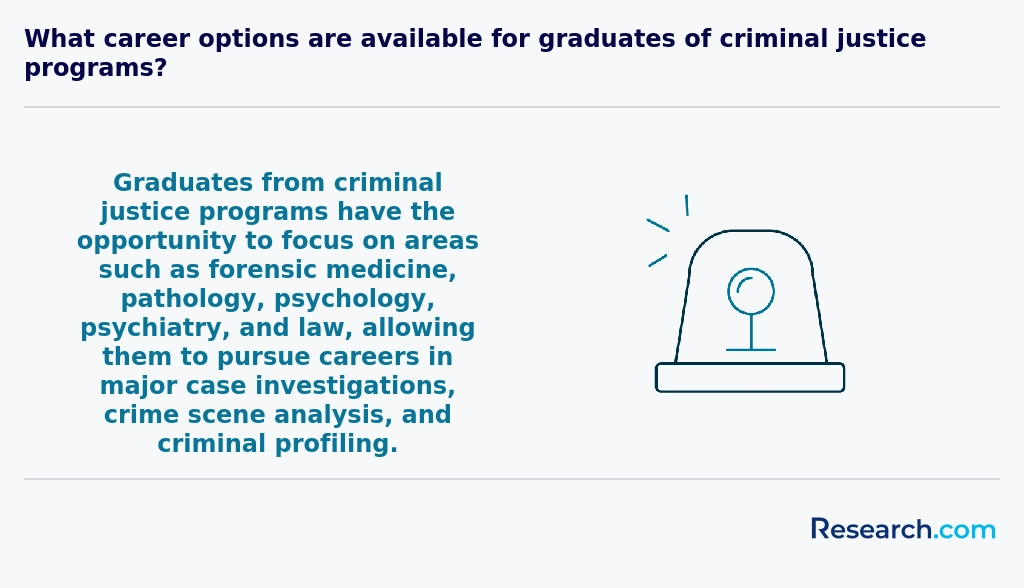
When evaluating criminal justice degrees in Washington, it’s crucial to balance tuition costs with program quality and career outcomes. Prospective students should compare not only sticker price but also factors like accreditation, internship partnerships, and alumni placement rates. Accredited programs-recognized by the Academy of Criminal Justice Sciences (ACJS) or regional accrediting bodies-ensure rigorous curriculum standards and smoother credit transfers, which can reduce time and expense to degree completion. Beyond accreditation, consider institutions offering structured internship pipelines with local law enforcement agencies or federal partners, as hands-on training often accelerates employability and salary potential post-graduation. Many programs also provide cohort-based learning or mentorship from seasoned practitioners, enhancing professional networking without adding hidden fees. To further optimize your investment, explore schools featured in the Affordable Criminal Justice Degree Programs Ranking in the West, where cost-effective tuition aligns with strong student support services and career outcomes. Comparing net price calculators and estimated debt-to-income ratios can reveal which programs deliver the highest return on investment. Finally, research available tuition freezes, in-state residency waivers, and employer tuition reimbursement partnerships. By prioritizing accredited quality, robust experiential learning, and transparent cost structures, you’ll secure a criminal justice education that’s both affordable and impactful-laying a solid foundation for a rewarding career in law enforcement, policy, or forensic investigation.
What financial aid is available to criminal justice degree students in Washington?
Students pursuing criminal justice degrees at institutions like the University of Washington or Central Washington University often discover financial aid as a lifeline rather than just a line item. Federal Pell Grants can cover up to $7,395 annually, easing the burden for many low-income learners balancing part-time jobs and demanding coursework. One graduate recalls how this support transformed their ability to focus on studies without drowning in debt.
State-specific aid like the Washington College Grant offers profound relief, especially for families earning up to $75,000. Imagine living in Seattle, attending a public university, and seeing tuition shrink significantly each semester-this isn't merely assistance; it's a gateway to opportunity.
Loans are available but come with nuances: subsidized loans pause interest while enrolled half-time, making them more manageable for undergraduates, while unsubsidized loans, common among graduate students, require immediate interest payment. Scholarship programs from individual schools often reward merit or public service ambitions, reflecting the community's value on those aiming to serve in law enforcement.
Work-study programs add dimension, letting students gain practical experience while funding education, bringing theories learned in classrooms at Seattle University to life. Veteran students harness GI Bill benefits, finding pathways to careers that honor their service. This patchwork of financial aid challenges the myth that higher education in criminal justice is out of reach in Washington.
Accreditation and Professional Recognition
Choosing a Criminal Justice degree program in Washington that holds recognized accreditation ensures your education meets rigorous quality standards and enhances graduate outcomes. Accredited programs are evaluated by bodies such as the Academy of Criminal Justice Sciences (ACJS) and the American Bar Association (ABA), ensuring curricula cover essential topics, from criminal law fundamentals to evidence-based policing. When exploring “accredited criminal justice degree programs Washington,” you’ll find institutions that undergo continuous review to maintain compliance with best practices in teaching, research, and community engagement. Accreditation also impacts eligibility for federal financial aid and professional certification. Graduates from ACJS-accredited programs often qualify for advanced certifications through organizations like the International Association of Law Enforcement Planners (IALEP) and the Certified Protection Professional (CPP) credential. This recognition not only validates your expertise but also signals to employers that you have been trained under the highest academic and ethical standards. Beyond national accrediting bodies, program-specific recognition can further differentiate your degree. Look for Criminal Justice programs in Washington that partner with local law enforcement agencies, judicial courts, or forensic laboratories. Such partnerships often lead to exclusive internship placements, mentorship opportunities, and early access to job openings. These collaborations reinforce the practical components of your education, ensuring you graduate career-ready and well-connected within the industry. Many accredited programs also offer specialized tracks in criminology and forensic science, enabling you to align your studies with emerging career fields. By prioritizing accreditation and professional recognition in your search, you invest in a credentialed degree that supports both immediate job placement and long-term career advancement.
What are the prerequisites for enrolling in criminal justice degree program in Washington?
To embark on a criminal justice degree in Washington, prospective students often confront a blend of academic and personal readiness demands that stretch beyond simple qualifications. At universities like the University of Washington or Eastern Washington University, graduates recall that having a high school diploma or GED was just the baseline. They found that excelling in core subjects-English, math, social studies, and science-was essential, reflecting the interdisciplinary nature of criminal justice. Many students remember how submitting standardized test scores, even when optional, opened doors and boosted confidence during admissions.
Community college students pursuing associate degrees appreciate the practical focus, with more flexible entry points, often relying on placement tests rather than high-stakes exams. Graduates describe this as an encouraging first step, especially for those balancing work with studies.
At the graduate level, Washington's programs expect applicants to bring forward a bachelor's degree with a solid academic record, often around a 3.0 GPA. Beyond grades, letters of recommendation and personal statements become critical, pushing applicants to reflect deeply on their commitment to justice and ethics. Many alumni share how articulating their experiences in law enforcement or social services not only strengthened their applications but fueled their passion for change.

Accreditation and Professional Certifications
Choosing an accredited Criminal Justice program in Washington ensures you receive a rigorous education recognized by employers and professional bodies. Regional accreditation from agencies such as the Northwest Commission on Colleges and Universities (NWCCU) guarantees that institutions meet high standards for curriculum, faculty qualifications, and student support. In addition, programmatic accreditation from the Academy of Criminal Justice Sciences (ACJS) signals specialized quality in crime prevention, corrections, and law enforcement coursework. When researching schools, verify accreditation status on each institution’s website or via the U.S. Department of Education database. Beyond degree accreditation, professional certifications can accelerate career advancement and credibility. For law enforcement officers, Washington’s Basic Law Enforcement Academy (BLEA) certification is mandatory for state policing roles. Correctional professionals may pursue the Certified Corrections Officer (CCO) credential to demonstrate mastery of safety protocols and inmate management. Aspiring crime scene investigators often earn the Forensic Science Technician (FST) certification, showcasing expertise in evidence collection and laboratory procedures. Even roles in victim advocacy benefit from specialized credentials, such as the Victim Assistance Practitioner (VAP) certification, which equips graduates with advanced counseling and legal advocacy skills. Integrating certification preparation into your academic plan can give you a competitive edge. Many Washington universities embed exam review sessions and hands-on practicums into their curricula, helping students meet eligibility requirements and pass licensing exams on schedule. Additionally, professional associations-such as the Washington Association of Sheriffs and Police Chiefs (WASPC) and the International Association for Identification (IAI)-offer networking events, continuing education workshops, and scholarship opportunities tailored to Criminal Justice majors. Understanding the role of professional credentials in criminology careers empowers you to align your academic choices with industry expectations. By selecting accredited programs and planning for key certifications, you set a strong foundation for a successful and respected career in Criminal Justice.
What courses are typically in criminal justice degree programs in Washington?
Legal Studies or Criminal Law courses frequently incorporate Washington state laws, giving students a practical edge by analyzing drug policy reforms or juvenile justice cases they might encounter firsthand during internships. Corrections and Rehabilitation classes introduce ethical dilemmas faced when managing offenders, often reflecting on Washington's unique approaches to prisoner reentry programs. These courses evoke a sense of purpose, helping students see themselves as future agents of change within Washington's evolving justice landscape.
What types of specializations are available in criminal justice degree programs in Washington?
Washington's criminal justice degree specializations challenge students to engage deeply with complex societal roles rather than just memorize rules. Graduates from popular universities often reflect on how their Law Enforcement and Policing focus not only taught them investigation techniques but also urged critical thinking about ethics and reform, vital in today's shifting landscape. Meanwhile, the Corrections and Rehabilitation track offers a frontline view of managing thousands of incarcerated individuals statewide, inspiring students to embrace roles in social support and systemic change.
For those drawn to science, Forensic Science and Crime Scene Investigation programs in Washington provide hands-on experience with cutting-edge lab work, turning abstract concepts into vivid, impactful realities. The emerging Cybersecurity and Cybercrime Investigation specialization speaks directly to the state's tech-driven economy, equipping graduates to confront digital threats that redefine crime. Meanwhile, Legal Studies and Criminal Law paths prepare students for courtroom advocacy and legal professions, grounding them in constitutional foundations.
These Washington criminal justice career focus areas encourage students to blend theory with practical insight, often facilitated by internships with local agencies, enriching the criminology experience in ways that textbooks alone cannot capture.
How do you choose the best criminal justice degree in Washington?
Choosing the best criminal justice degree programs in Washington means going beyond surface-level rankings and costs. Graduates from local universities often recall how their programs' focus-whether on law enforcement, corrections, or cybersecurity-shaped their career paths. These choices aren't just academic; they affect daily realities, like working in state correctional facilities or collaborating with Seattle's police department.
Consider the delivery format critically. Many find online options appealing, yet those aiming for Washington law enforcement roles have learned to verify if their degrees meet state licensing requirements. Hands-on internships, often facilitated through partnerships with local agencies, provide invaluable experience and networking that purely theoretical programs can't replicate.
Affordability plays a big part, too. Reflecting on their journey, some graduates emphasize how choosing among affordable criminal justice colleges Washington offered, balancing tuition with opportunities, led to better job prospects. For guidance in cost-effective choices, examine the Affordable Criminal Justice Degree Programs Ranking in the West.
What career paths are available for criminal justice degree students in Washington?
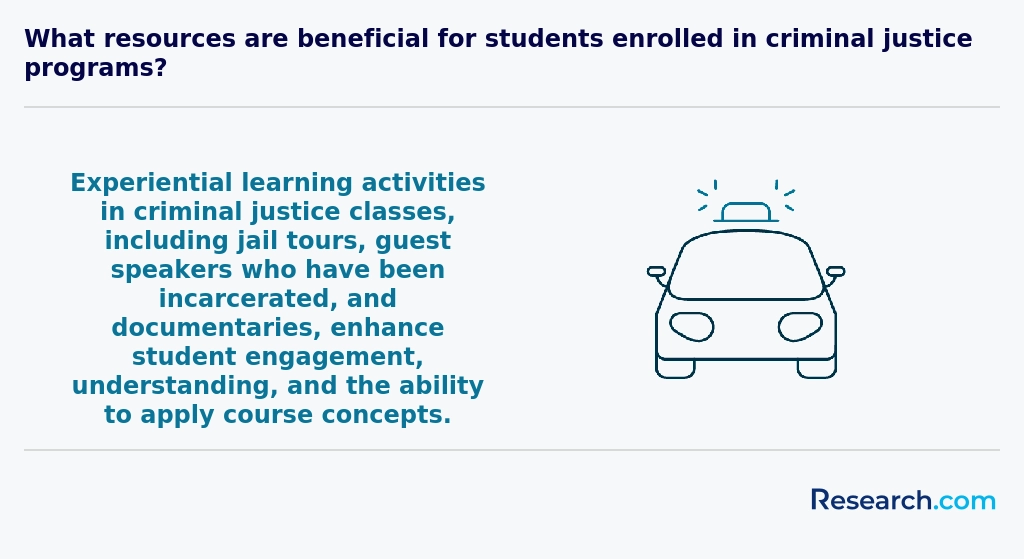
Graduates holding a criminal justice degree in Washington discover diverse job opportunities with criminal justice degree Washington that extend beyond the obvious roles in law enforcement. Many find fulfillment working in local police departments or the Washington State Patrol, where the degree not only boosts hiring prospects but also fosters a sense of purpose in safeguarding communities. Others embark on careers within the state's expansive correctional system, contributing to offender rehabilitation efforts that actively reduce recidivism.
Some graduates take unexpected paths into judicial administration or victim advocacy, roles where their academic insights into policy and legal frameworks truly come to life. At institutions like the University of Washington or Seattle University, students often reflect on how their studies prepared them for these nuanced positions. Moreover, there's a growing wave of criminal justice-related research and policy analysis roles shaping state and local initiatives-offering graduates a chance to influence systemic change from a new angle.
For those exploring alternatives outside traditional public agencies, private sector roles such as security management or consulting with technology firms are steadily gaining traction. Students intrigued by flexible study options may also consider an accelerated online associates degree to complement their skill set and enter the workforce swiftly.
What is the job market for criminal justice degree in Washington?
The criminal justice job outlook in Washington offers a compelling narrative for graduates seeking meaningful careers. Those who study at institutions like Central Washington University or Eastern Washington University often share that immersive field experiences paired with classroom learning leave them ready to tackle challenges in law enforcement, court administration, or rehabilitation centers. One graduate described moving from campus discussions to real-world probation officer duties with a sense of purpose that few other careers evoke.
Employment opportunities for criminal justice graduates Washington-wide extend beyond traditional roles. With the state's growing emphasis on cybersecurity and juvenile justice, graduates find themselves exploring dynamic fields where impact is tangible- whether protecting communities in Seattle or supporting reform programs in Spokane. The time invested in understanding these areas pays off when starting salaries and steady growth align well with Washington's unique economic landscape.
Balancing educational costs, which range from approximately $7,000 to $12,000 annually for in-state students at public universities, with the prospects in this sector can seem daunting but often rewarding. Students who seek scholarships or internships report that their efforts greatly enhance employability. For tailored, cost-effective options, exploring top online college degrees for seniors also proves promising.
Frequently Asked Questions About criminal justice
Criminal justice degree students in Washington can maximize their learning experience by actively engaging in both academic and practical opportunities. Washington hosts several institutions, including the University of Washington and Central Washington University, offering specialized courses and research in criminal justice. Students should seek internships with local agencies like the Washington State Patrol or King County Sheriff's Office to gain real-world insights and networking connections. Additionally, involvement in student organizations related to law enforcement or legal studies can enhance understanding and skills.
Using resources like the Washington Association of Sheriffs and Police Chiefs reports helps students stay informed on current trends and crime statistics in the state. Taking advantage of guest lectures and workshops on emerging topics such as cybercrime and forensic science also broadens knowledge relevant to Washington's evolving legal landscape.
The criminal justice field in Washington is evolving, with emerging niches reflecting broader social and technological changes. One growing area is cybercrime investigations, driven by increasing digital offenses. According to the Washington State Criminal Justice Training Commission, demand for skilled cybercrime analysts is rising sharply. Another niche is forensic science, particularly with advancements in DNA analysis and criminal profiling, attracting students interested in the scientific side of justice.
Additionally, restorative justice programs are expanding as alternatives to traditional prosecution, focusing on community healing and rehabilitation. This approach aligns with Washington's support for reducing incarceration rates. Lastly, homeland security and emergency management roles are gaining traction, given Washington's strategic position along the West Coast and its need to address natural and human-made threats.
After completing a criminal justice degree in Washington, preparing for the job market involves several key steps. First, gaining practical experience through internships or volunteer roles with local law enforcement agencies or legal organizations is crucial. These opportunities help build skills and professional networks.
Washington's employment outlook for criminal justice careers is positive, with the Washington State Employment Security Department projecting a 5% growth in related jobs by 2031. Additionally, obtaining relevant certifications, such as in forensic analysis or cybersecurity, can enhance job prospects.
Networking through professional groups and attending career fairs at Washington colleges further supports job searches.
Employers in Washington seeking criminal justice degree graduates prioritize a mix of technical knowledge and interpersonal skills. Key abilities include critical thinking and problem-solving, essential for analyzing cases and making sound decisions under pressure. Communication skills are highly valued, enabling clear interaction with colleagues, law enforcement, and the public.
Understanding of Washington state laws and criminal procedure is crucial, as local knowledge directly impacts job performance. According to the Washington State Employment Security Department, analytical skills paired with cultural competence improve employment prospects significantly. Additionally, proficiency in data analysis and familiarity with emerging technologies like crime mapping software enhance a graduate's appeal.
Finding internships in Washington relevant to a criminal justice degree involves leveraging multiple resources. Start by exploring local government agencies like the Washington State Patrol, Department of Corrections, and county sheriff offices, which frequently offer internships. Many universities in Washington, such as the University of Washington and Seattle University, have partnerships with law enforcement and social service organizations to provide hands-on experience.
Students should also visit their campus career centers for internship listings and guidance. According to the Washington State Workforce Board, internships in public safety and legal services sectors have grown by 8% in recent years, highlighting increasing opportunities.
Networking at criminal justice events and joining professional organizations, like the Washington Association of Criminal Defense Lawyers, can provide valuable leads for internships and mentorships.
A criminal justice degree in Washington significantly enhances career mobility by equipping graduates with essential knowledge of law enforcement, corrections, and legal systems specific to the state. According to the Washington State Employment Security Department, individuals with such degrees often access a wider range of roles, from police officers to probation officers and federal agents.
Advancement opportunities are also improved, as many leadership and specialized positions require at least an associate's or bachelor's degree. The Bureau of Labor Statistics notes that Washington's criminal justice sector is projected to grow about 5% over the next decade, further increasing demand for qualified candidates.
Additionally, degree holders benefit from networking possibilities with state agencies and law enforcement, strengthening prospects for promotions and specialized assignments.
Studying for a criminal justice degree in Washington equips students with skills applicable across multiple fields. Programs often integrate coursework in sociology, psychology, law, and public policy, reflecting the interdisciplinary nature of modern criminal justice.
Washington's diverse communities and legal landscape offer practical experience through internships and partnerships with law enforcement and social services. This hands-on exposure prepares graduates to navigate complex roles involving community relations, rehabilitation, and legal frameworks.
According to the Washington State Employment Security Department, jobs requiring criminal justice backgrounds frequently overlap with counseling, social work, and public administration, highlighting the value of interdisciplinary preparation.
Students learn analytical, communication, and ethical decision-making skills, essential for careers spanning corrections, victim advocacy, and policy development.
Choosing between a thesis and a non-thesis criminal justice degree program in Washington depends mainly on your career goals and learning preferences. A thesis option is research-focused, requiring students to complete an original study, which suits those aiming for academic roles or doctoral programs.
Non-thesis programs typically emphasize practical skills and often include internships or applied projects, ideal for students targeting direct employment in law enforcement, corrections, or public policy sectors.
Washington's labor market for criminal justice professionals grew by approximately 7% from 2020 to 2025, according to the Washington State Employment Security Department, highlighting demand for applied skills.
Students should consider faculty expertise and available resources at each institution when deciding, as they vary across Washington's universities.
Students in Washington seeking to study criminal justice abroad have several pathways available through U.S. universities offering study abroad programs. Many institutions with strong criminal justice departments, such as the University of Washington and Western Washington University, provide opportunities to explore international perspectives on law enforcement and legal systems.
These programs often include semester-long exchanges or short-term faculty-led trips to countries with diverse criminal justice frameworks. Participation allows students to gain comparative insights, enhancing their understanding of global legal challenges and crime prevention strategies.
Additionally, some programs incorporate internships or field research abroad, which help build practical skills. Advising offices at Washington colleges typically assist students in selecting accredited programs compatible with their degree requirements.
According to the Institute of International Education, about 3% of U.S. criminal justice students participate in study abroad annually, reflecting a growing interest in global criminal justice education among Washington students.
In Washington, several part-time job opportunities can enhance a criminal justice degree education by providing practical experience. Examples include working as a security officer, where students develop skills in risk assessment and public safety. Police department internships or civilian support roles allow engagement with law enforcement operations directly. Additionally, positions in victim advocacy organizations help build understanding of criminal justice system impacts on individuals.
According to the Washington State Employment Security Department, roles related to law enforcement and security are expected to grow by 6% through 2028. These jobs offer valuable on-the-job training that aligns with academic studies in criminal justice.
Washington offers criminal justice students several valuable networking opportunities to build professional connections. Many universities partner with local law enforcement agencies, courts, and legal organizations, providing students access to internships and mentorship programs. For example, the Washington Association of Criminal Justice Professionals hosts events that students can attend to meet working professionals in the field.
Additionally, career fairs focused on public safety and criminal justice regularly take place at colleges such as the University of Washington and Seattle Central College. These gatherings allow students to connect with employers actively seeking new talent. According to the Washington State Employment Security Department, internships and networking significantly improve job placement rates for criminal justice graduates statewide.
Alumni networks play a vital role for criminal justice degree students in Washington by providing access to professional connections across the state's legal and law enforcement sectors. Graduates often share job leads, internships, and mentorship opportunities that help students navigate competitive fields. According to the Washington Association of Sheriffs and Police Chiefs, networking increases job placement rates for new graduates by up to 20% compared to non-networked peers.
Connections through alumni groups can also offer insights into regional criminal justice trends, which is critical given Washington's unique challenges like urban crime and tribal law enforcement. These networks often host events, workshops, and seminars, expanding students' understanding and skills beyond classroom learning.
In Washington, customizing a criminal justice degree program to fit your career goals often involves selecting electives and concentrations aligned with your interests. Many universities offer options such as forensic science, homeland security, corrections, or law enforcement administration. Tailoring your coursework can help develop specialized skills for sectors like policing, legal services, or rehabilitation.
Internships and practicum experiences are key customization tools. Washington's diverse agencies and organizations provide opportunities to gain real-world experience and networking connections. According to the Washington State Department of Commerce, over 30% of criminal justice roles require practical experience, enhancing job readiness.
Additionally, some institutions allow part-time or online classes, supporting working professionals. Choosing programs accredited by the Academy of Criminal Justice Sciences can ensure quality education relevant to Washington's legal environment.
Criminal justice students in Washington face several notable challenges during their studies. A key difficulty involves balancing rigorous coursework with practical field experiences, as many programs require internships or ride-alongs with law enforcement agencies. This fieldwork can be demanding and time-consuming.
Another challenge is the rapidly evolving nature of criminal justice policies in Washington, driven by ongoing reforms around policing and sentencing. Students must stay updated on these changes to remain relevant in their studies and future careers.
Financial burdens are also significant. According to the Washington Student Achievement Council, the average annual cost for a resident attending public universities is roughly $11,260, which may strain students especially when combined with unpaid internships.
Lastly, many students find it challenging to access sufficient mentorship and networking opportunities, which are crucial for employment in the competitive criminal justice field.
A criminal justice degree in Washington opens the door to several professional certifications that can strengthen your career prospects. Common certifications include the Certified Criminal Justice Planner (CCJP) and the Certified Forensic Interviewer (CFI), which enhance skills in analysis and investigation. Additionally, students may pursue certification as a Peace Officer Standards and Training (POST) officer, which is required to work in law enforcement in Washington state.
The Washington State Criminal Justice Training Commission (WSCJTC) provides training and certification programs tailored to local law enforcement needs.
Nationally recognized credentials from organizations like the American Correctional Association (ACA) and the International Association of Crime Analysts (IACA) are valuable as well. These certifications may improve job opportunities in fields such as corrections, probation, and crime analysis.
Writing a winning application for a criminal justice program in Washington begins with highlighting your strong interest in law enforcement, corrections, or legal studies. Admissions committees often value clear motivation and relevant experiences. Including any volunteer work, internships, or related job roles strengthens your profile.
Ensure your personal statement addresses why you want to study criminal justice in Washington, referencing local issues such as the state's efforts in reforming policing practices, as noted by the Washington Association of Sheriffs and Police Chiefs.
Academic performance is crucial: most programs prefer applicants with a GPA of at least 3.0 in high school or previous college coursework.
Additionally, submitting strong letters of recommendation from professionals familiar with your commitment to justice can improve your chances.
The field of criminal justice is increasingly viewed through a global lens, especially for students in Washington considering their career options. Many employers value cross-cultural understanding as crime issues often involve international dimensions like human trafficking or cybercrime. According to the Bureau of Labor Statistics, Washington State's growth in criminal justice jobs reflects wider trends toward specialization and collaboration with global agencies.
In U.S. colleges, including those in Washington, curricula now emphasize comparative criminal justice systems and international law enforcement to prepare graduates for diverse roles. This broader perspective helps foster skills that are relevant for agencies such as INTERPOL or multinational corporations.
Students pursuing criminal justice degrees in Washington can gain practical experience through internships with local law enforcement agencies, courts, and correctional facilities. Many universities in the state, such as the University of Washington and Washington State University, offer structured internship programs that connect students with real-world opportunities.
Volunteer work with community organizations focused on crime prevention and victim support also provides valuable hands-on learning. According to the Washington Association of Sheriffs and Police Chiefs, internships enhance job readiness, with over 65% of students reporting improved employment prospects after completing fieldwork.
Additionally, some schools offer simulation labs and mock trial experiences that increase practical skills in a controlled environment.
Choosing the right concentration within a criminal justice degree in Washington depends on your career goals and interests. Common concentrations include law enforcement, corrections, forensic science, and social justice. For example, focusing on law enforcement may prepare you for roles in police departments, which in Washington had nearly 17,000 officers in 2023 (Washington Association of Sheriffs and Police Chiefs).
Consider local job market trends. According to the Washington Employment Security Department, roles in criminal justice are growing by 5% annually. If you're interested in rehabilitation and community programs, a concentration in corrections or social work is valuable. Forensic science tracks cater to technical roles and labs.
Research the curriculum and internship opportunities offered by programs at Washington State universities. Engaging with professionals in the field through informational interviews can also provide insight into which concentration fits your aspirations.
Related Criminal Justice Rankings for Nearby States
- 2027 Most Popular Criminal Justice Degree Programs Ranking in California
- 2027 Most Popular Criminal Justice Degree Programs Ranking in Arizona
- 2027 Most Popular Criminal Justice Degree Programs Ranking in Colorado
- 2027 Most Popular Criminal Justice Degree Programs Ranking in New Mexico
- 2027 Most Popular Criminal Justice Degree Programs Ranking in Nebraska
- 2027 Most Popular Criminal Justice Degree Programs Ranking in Kansas
- 2027 Most Popular Criminal Justice Degree Programs Ranking in Minnesota
- 2027 Most Popular Criminal Justice Degree Programs Ranking in Iowa
- 2027 Most Popular Criminal Justice Degree Programs Ranking in Missouri
- 2027 Most Popular Criminal Justice Degree Programs Ranking in Arkansas
Top Trending Criminal Justice Rankings
See What Experts Have To Say About Studying Criminal Justice
Read our interview with Criminal Justice experts

David Carter
Criminal Justice Expert
Professor, School of Criminal Justice
Michigan State University

James W. Marquart
Criminal Justice Expert
Associate Provost and Professor of Criminology
Texas Christian University

Frank Schmalleger
Criminal Justice Expert
Professor Emeritus
The University of North Carolina

References
- Criminal Justice Career Goals https://www.bartleby.com/essay/Criminal-Justice-Career-Goals-8B09294D4789A4A5
- Social Work and Criminal Justice Professionals Alumni Network https://community.faualumni.org/topics/36974/feed
- Ten Lessons for Talking About Criminal Justice Issues - The Opportunity Agenda https://opportunityagenda.org/messaging_reports/ten-lessons-criminal-justice/
- Find Washington Criminal Justice Certificate Programs https://www.criminaljusticeprograms.com/programs/certificate-in-criminal-justice/washington/
- Why criminal justice careers are becoming more specialized https://www.police1.com/career-development/why-criminal-justice-careers-are-becoming-more-specialized
- CRIMINAL JUSTICE https://www.stmartin.edu/documents/criminal-justice-resume-and-cover-letter-packet
- How Much Does A Criminal Justice Degree Cost? https://imagine-america.org/blog/much-criminal-justice-degree-cost
- Criminal Justice Careers - Criminal Justice Degree Schools https://www.criminaljusticedegreeschools.com/careers/
- MS Criminal Justice Thesis Track vs. Internship | University of Bridgeport https://www.bridgeport.edu/news/criminal-justice-thesis-track-vs-internship/
- What to do With a Criminal Justice Degree - Paladin Security https://paladinsecurity.com/security-careers/become-security-guard-canada/