2027 Most Popular Criminal Justice Degree Programs Ranking in Orlando

Co-Founder and Chief Data Scientist
If you're considering a career in criminal justice, choosing the right degree program is an important step. Our article introduces the 2027 Most Popular Criminal Justice Degree Programs Ranking in Orlando, developed by the Research.com team of data scientists to guide you through your options.
By exploring this ranking, you'll gain insight into the programs that stand out locally, helping you make an informed decision. A criminal justice degree can open doors to meaningful work in your community, and this guide is designed to support your journey with trustworthy information.
Key benefits of getting criminal justice degree in Orlando
- Graduates with a criminal justice degree in Orlando can earn competitive salaries, such as $76,550 annually for police officers or $95,930 for crime scene investigators, offering strong financial stability.
- Potential career paths include roles like correctional officers, forensic science technicians, and court clerks, providing diverse opportunities to serve the community and grow professionally.
- Completing a criminal justice degree online in Orlando offers flexibility and convenience, allowing students to balance work and study while gaining all the skills needed for success in the field.
- 2027 Most Popular Criminal Justice Degree Programs Ranking in Orlando
- What can I expect from criminal justice degree in Orlando?
- Where can I work with criminal justice degree in Orlando?
What can I expect from criminal justice degree in Orlando?
The average cost of earning a criminal justice degree in Orlando varies depending on the institution and program level. At well-known colleges and universities in Orlando, associate degrees generally range from $10,000 to $15,000, while bachelor's programs typically fall between $25,000 and $40,000 in total tuition fees. Master's degree programs, offered by select local universities, can cost upwards of $30,000 to $50,000. Graduates often reflect on their investment positively, emphasizing the value of hands-on internships with agencies like the Orlando Police Department, which significantly enrich their learning experience beyond classroom theory.
Many students appreciate flexible course schedules-such as evening or accelerated classes-that accommodate working professionals. Financial aid and scholarships provided by these Orlando institutions help ease the financial burden, making high-quality education more accessible. The practical focus combined with affordable tuition attracts many to pursue their degrees here, confident in excellent career prospects within the region's expanding law enforcement sector.
Where can I work with criminal justice degree in Orlando?
Graduates with a criminal justice degree in Orlando often find rewarding career opportunities across various public and private sectors. Many secure positions within the Orlando Police Department, where roles such as police officer, detective, or crime analyst are common paths. These roles allow graduates to engage directly with community safety, addressing real-world challenges in a city of nearly 300,000 residents.
Students from prominent institutions like the University of Central Florida and Valencia College report positive experiences transitioning into roles at agencies such as the Orange County Corrections Department. Here, graduates serve as correctional officers or probation officers, contributing to rehabilitation and public safety efforts.
The federal presence in Orlando, including offices for the FBI and U.S. Marshals Service, offers additional career avenues in investigations and intelligence analysis. Many graduates appreciate the opportunity to apply their knowledge in complex federal environments.
Private sector jobs in security management, investigations, and corporate compliance are also plentiful, especially within Orlando's thriving tourism industry, providing graduates with dynamic career options that blend safety with business.
Social services and advocacy roles at local nonprofits further empower criminal justice graduates to impact victims' lives and support justice reform initiatives in the community.
Graduates from criminal justice programs in Orlando can expect competitive salaries that reflect the city's dynamic public safety landscape. For example, police officers typically earn a mean annual wage of about $76,550, illustrating strong earning potential for those immediately entering the field after studying at local institutions like the University of Central Florida.
Correctional officers, another common career path for criminal justice graduates, earn around $58,810 per year on average. Those who specialize in investigative roles, such as crime scene investigators, enjoy even higher salaries-meaning approximately $95,930 annually, demonstrating how advanced skills can translate into significant financial rewards.
Forensic science technicians also fare well, with mean earnings near $71,540, making forensic science an attractive specialization for graduates from Orlando-based colleges. Additionally, court clerks earn a respectable $48,760, offering stability in the legal system.
Criminal justice graduates often share how their education opens doors to meaningful and well-compensated careers in Orlando's law enforcement and public safety sectors, fostering a sense of achievement and optimism for future growth.
- Tuition for criminal justice degrees in Orlando ranges from $6,000 to $10,000 per year at public institutions and $15,000 to over $20,000 at private schools, excluding fees and living expenses.
- Entry-level salaries in Orlando for criminal justice graduates start at approximately $35,000 to $40,000 annually, with experienced professionals earning between $60,000 and $75,000.
- Job demand remains steady with roles like police officers, detectives, and security managers showing consistent growth, supported by a projected 5% annual increase through 2028.
- Many programs include internships or practicum experiences to provide hands-on learning and networking opportunities.
- Courses often cover emerging topics such as cybersecurity and forensic science to keep skills relevant to current public safety needs.
Completing a criminal justice degree in Orlando typically varies by educational level and individual circumstances. Graduates from local institutions such as the University of Central Florida often report taking about two years to finish an associate degree, which provides essential knowledge in law enforcement and corrections. Those pursuing a bachelor's degree generally invest around four years of full-time study at colleges like Valencia College or UCF, where coursework delves deeply into criminology theories and practical skills for federal or local law enforcement careers.
Many students find value in the flexible formats offered by these schools, balancing part-time or online classes alongside work commitments. This flexibility may extend completion time but offers a positive experience that aligns education with real-world demands. Master's programs in Orlando typically require an additional two to three years, with accelerated options benefiting professionals seeking advancement.
Graduates commonly emphasize how internships integrated into programs add meaningful experience, even if they lengthen study duration slightly. This balance between academic rigor and practical training in Orlando equips students to enter a growing job market with confidence and competence.
Online and on-campus criminal justice degree programs in Orlando differ primarily in delivery method and student experience. Graduates from popular institutions such as the University of Central Florida often highlight the flexibility of online formats, which allow them to study around work shifts in local law enforcement or public service roles. This remote access enables students to engage with course materials anytime without the need to commute, a significant advantage for those balancing family or full-time jobs.
Conversely, on-campus students benefit from in-person interaction with professors and peers, fostering dynamic discussions, group collaborations, and hands-on exercises like mock trials. Those studying at campus-based programs value the networking opportunities and direct access to internships facilitated by connections to Orlando's criminal justice agencies.
Cost differences also influence choice; in-state on-campus tuition averages about $6,400 annually, while some online options may offer lower fees. Both formats maintain rigorous accreditation standards, ensuring graduates are well-prepared and recognized within Orlando's criminal justice field.
The average cost of a criminal justice degree in Orlando reflects a balance between accessible education and quality academic experience. Median total expenses for obtaining this degree stand at approximately $30,883, with in-state students typically paying closer to $9,971. These figures help illustrate the financial commitment required for students pursuing criminal justice in the region.
Students at institutions such as the University of Central Florida and Valencia College often experience firsthand the range of costs involved. Graduates frequently recall how budgeting for tuition alongside mandatory student fees and textbooks was essential in managing their expenses. The value of attending local colleges lies not only in the relatively moderate fees compared to private schools but also in the opportunity to immerse themselves in robust criminal justice programs that prepare them for rewarding careers.
When reflecting on the average cost of criminal justice degree in Orlando, graduates emphasize the importance of considering living expenses and other incidental costs, which can add significantly to overall spending. Many advocate researching scholarships and financial aid options early in the process to alleviate some financial pressure and fully benefit from their studies.
Prospective students interested in the criminal justice field would also benefit from exploring a variety of options across colleges and universities, keeping in mind their budget and career goals. This approach, paired with insights into local tuition and fees, empowers them to make informed decisions. For those wanting to understand how a criminal justice degree fits into broader academic pathways, reviewing college majors and careers can provide valuable perspective.
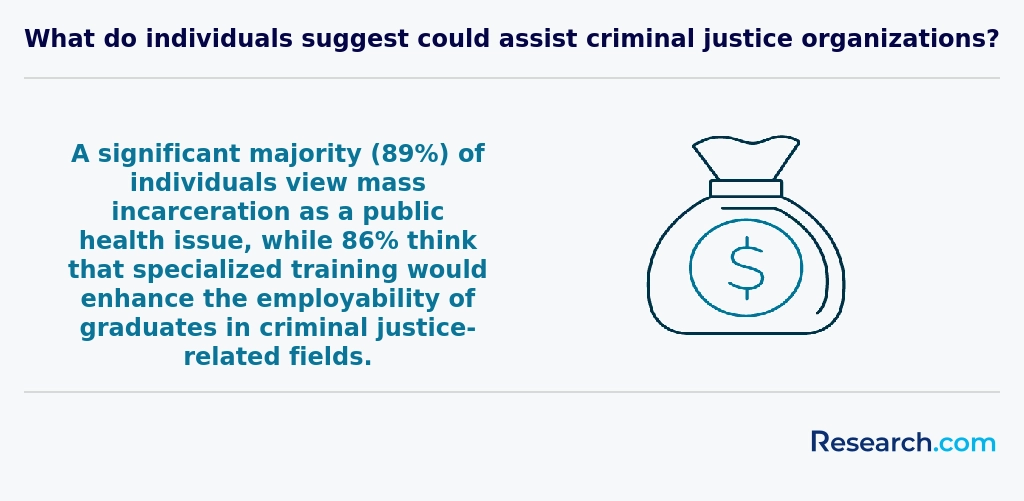
Students pursuing criminal justice degrees in Orlando benefit from a range of financial aid options that significantly ease their educational expenses. Graduates from institutions like the University of Central Florida often reference Pell Grants, which provide up to $7,395 annually and are essential for undergraduates demonstrating financial need. These federal grants relieve the pressure of tuition costs, allowing many to focus more on their studies.
Federal student loans, including Direct Subsidized and Unsubsidized Loans, offer manageable interest rates and flexible repayment plans, helping students cover not only tuition but also books and living expenses, crucial for those attending schools such as Valencia College.
State programs like the Florida Bright Futures Scholarship reward academic excellence with substantial tuition assistance at local public universities, creating opportunities for high-achieving students.
Institutional scholarships aimed specifically at criminal justice students and external awards from organizations such as the Florida Police Chiefs Association further support learners eager to enter this field. Many students also find work-study positions within campus departments or local law enforcement, combining financial support with valuable professional experience.
Applicants to criminal justice degree programs in Orlando must hold a high school diploma or GED, a baseline requirement at institutions such as the University of Central Florida. Graduates often recall how securing official transcripts and meeting this prerequisite was a straightforward first step toward their academic journey. Some schools may request SAT or ACT scores; however, many have adopted test-optional policies recently, easing entry for motivated students who excel outside standardized testing.
Maintaining a minimum GPA between 2.0 and 3.0 is essential, reflecting academic preparedness. For instance, students at local colleges appreciate that meeting these benchmarks opens doors without overwhelming pressure. Admissions committees may also seek letters of recommendation, personal statements, or interviews to better understand an applicant's passion and ethics-qualities critical in the field of criminal justice.
Practical concerns include passing a criminal background check, especially for those pursuing internships with Orlando law enforcement agencies. Though prior work experience is not mandatory, many students find that volunteering or related jobs enrich their applications and deepen their engagement with their studies, paving the way to rewarding careers.
Criminal justice degree programs in Orlando typically include a well-structured curriculum that blends foundational theory with practical application. Graduates from popular institutions often recall courses like Introduction to Criminal Justice, which lays the groundwork by explaining the American justice system's key components. This course sets the stage for deeper studies in Criminology, where students analyze the causes of criminal behavior, often connecting theories to real community issues seen during local internships.
Students also engage with Criminal Law and Criminal Procedure, focusing on the legal processes that govern law enforcement actions and court proceedings. These courses empower learners to navigate complex legal scenarios, a skill highly valued in Orlando's diverse legal landscape.
Other common subjects include Police Systems and Practices, Corrections and Rehabilitation, and Juvenile Justice. Graduates frequently express enthusiasm for classes addressing Ethics in Criminal Justice and Research Methods, which equip them to critically assess policies and emerging trends like digital crime affecting the Orlando area.
Criminal justice specializations in Orlando offer diverse pathways to suit various career goals within the field. Graduates from popular Orlando institutions often highlight concentrations such as law enforcement, which equips them for roles in local police departments through rigorous training in criminal law and patrol tactics. Another prevalent focus is forensic science, where students engage with advanced lab work analyzing crime scene evidence, a specialization bolstered by Orlando's investment in forensic technology.
Students pursuing Orlando criminal justice degree concentrations in corrections and rehabilitation describe hands-on experiences managing offender programs, reflecting the city's ongoing efforts to reduce recidivism. The growing importance of cybersecurity and cybercrime has also led many to specialize in digital threat analysis, responding to the demands of Orlando's expanding technology sector. Criminal justice administration is favored by those aiming for leadership roles, developing skills in policy and agency management.
Many students looking for foundational options consider easy two year degrees as a stepping stone to these specializations, appreciating the flexibility afforded. These varied specializations make Orlando a competitive and practical environment for criminal justice education.
When selecting the best criminal justice degree program in Orlando, students should first evaluate the program's curriculum and practical experience opportunities. Graduates from institutions like the University of Central Florida often emphasize the value of internships with local agencies such as the Orlando Police Department, which help bridge academic theory with real-world law enforcement challenges. Affordability remains a key concern; many turn to affordable criminal justice colleges in Orlando like Valencia College, where tuition is accessible without sacrificing quality education. Accreditation is equally important to ensure the degree meets rigorous academic standards and enhances employment prospects. Additionally, consider a program's connections to Orlando's thriving security and law enforcement sectors, which support job placement and alumni networking. Flexibility is vital for balancing study with work or family, prompting some students to pursue the fastest online masters or hybrid formats offered locally. Careful attention to these factors will guide you toward the best criminal justice degree programs Orlando has available.
Graduates with a criminal justice degree in Orlando access diverse career paths across law enforcement, corrections, legal professions, and social services. Many find fulfilling roles as police officers, detectives, or federal agents in local, state, or federal agencies within Orlando's growing metropolitan area. These positions offer rewarding experiences, often cited by graduates from popular colleges in the city who emphasize community impact and career stability. For those interested in corrections, roles such as probation or parole officers are prevalent, especially with Florida's Department of Corrections operating extensively in the region. This sector provides steady employment critical to public safety.
Other criminal justice career opportunities Orlando graduates pursue include paralegal work, court clerking, and victim advocacy, often requiring strong communication and administrative skills. Private security and forensic science also attract graduates, particularly in Orlando's tourism-driven economy, where security needs continue to expand. Prospective students seeking affordable options can explore the best affordable online universities that accept financial aid to manage educational costs effectively.
The criminal justice job outlook in Orlando remains strong, supported by the city's expanding public safety sector and diverse employment avenues. Graduates from prominent Orlando universities often secure roles in local police departments, federal agencies, and private security firms. These opportunities reflect the region's demand for trained professionals capable of addressing public safety challenges in a bustling metropolitan area. Many students report positive experiences transitioning to careers in law enforcement or corrections, underscoring the practical value of their academic preparation.
Employment opportunities for criminal justice graduates Orlando extend beyond traditional law enforcement, including positions in homeland security and rehabilitation facilities. The presence of these varied roles enables graduates to pursue fulfilling careers tailored to their interests. Students attending well-known colleges benefit from internship partnerships that improve job placement rates. Educational paths are made more accessible by choosing low cost online schools for working adults, which help manage tuition expenses without sacrificing quality.
2027 Most Popular Criminal Justice Degree Programs Ranking in Orlando
Investing in your education is a significant decision that can shape your future, and the Research.com team understands the importance of making informed choices. To assist prospective students, we have meticulously crafted the "2027 Most Popular Criminal Justice Degree Programs Ranking in Orlando." Our commitment to quality, credibility, and accuracy is reflected in the extensive research and analysis conducted to compile this ranking.
We utilized the following reputable data sources to ensure a comprehensive evaluation of criminal justice programs:
By exploring this ranking, readers will gain valuable insights into the most popular criminal justice degree programs in Orlando, helping them make confident and well-informed decisions about their educational paths. For more details on our methodology, please visit our Research.com methodology page.

# 3 position
Ana G. Mendez University
Recinto de Carolina Master in Criminal Justice and Criminology

# 4 position
Ana G. Mendez University
Bachelor of Arts in Criminal Justice Credits
Frequently Asked Questions About criminal justice
Criminal justice degree students in Orlando can maximize their learning by engaging with local agencies such as the Orlando Police Department and the Orange County Sheriff's Office. These partnerships often offer internships and volunteer opportunities, providing real-world experience essential for understanding law enforcement practices. According to the Bureau of Labor Statistics, practical experience greatly enhances job prospects in this field. Additionally, students should take advantage of Orlando's active criminal justice research community found at nearby universities, which hosts seminars and guest lectures that deepen academic understanding.
Networking through student organizations and attending conferences in Florida also builds valuable professional connections. Utilizing online resources and certification programs related to forensic science or cybersecurity can further strengthen practical skills.
The criminal justice field in Orlando is evolving, with several emerging niches gaining attention among students and professionals. One notable area is cybercrime and digital forensics, driven by increasing cyber threats. According to the Bureau of Labor Statistics, jobs in this sector are expected to grow 15% nationally through 2032, reflecting strong demand.
Another growing niche is restorative justice, focusing on rehabilitation and mediation rather than punishment. This approach aligns with community-based programs popular in Florida. Additionally, homeland security and emergency management roles are expanding due to Orlando's prominence as a tourist destination, necessitating specialized security professionals.
Students considering criminal justice degrees in Orlando should also explore forensic psychology, which blends psychology and law enforcement for investigative and rehabilitation purposes. These niches offer promising career pathways reflecting broader trends in the U.S. justice system.
Graduates with a criminal justice degree in Orlando can enhance their job prospects by gaining practical experience through internships or volunteer work with local law enforcement agencies. The Orlando Police Department and surrounding agencies often provide internship opportunities, which help build valuable connections and real-world skills. Additionally, obtaining certifications such as Florida's Basic Recruit Training can give candidates a competitive edge. Networking through professional organizations like the Florida Criminal Justice Association also supports career growth. According to the U.S. Bureau of Labor Statistics, criminal justice jobs in Florida are projected to grow by 7% through 2031, highlighting increasing employment opportunities for well-prepared graduates.
Employers in Orlando prioritize several key skills when hiring graduates with criminal justice degrees. Strong analytical abilities rank highly, as professionals must evaluate evidence and understand complex legal frameworks. Communication skills, both written and verbal, are essential for preparing reports and interacting with diverse populations.
Knowledge of local laws and regulations specific to Florida is also important to ensure compliance and effective law enforcement. Additionally, problem-solving and critical thinking skills help graduates adapt to dynamic situations commonly encountered in criminal justice roles.
According to the Florida Department of Law Enforcement, over 70% of law enforcement agencies in Orlando seek candidates with hands-on experience, such as internships or fieldwork, demonstrating practical application of these skills.
Finding internships in Orlando related to a criminal justice degree involves tapping into local resources and organizations. The Orlando area hosts numerous law enforcement agencies, such as the Orlando Police Department and Orange County Sheriff's Office, which frequently offer internship opportunities for students. Networking through university career centers, like those at the University of Central Florida, can also provide leads on available positions.
Additionally, internships are often available with federal agencies like the FBI & DEA offices in Orlando. Online platforms such as Handshake also list local internships specifically for criminal justice students. According to the Bureau of Labor Statistics, practical experience through internships significantly improves employment prospects in this field.
Engaging with professional organizations like the Orlando Chapter of the American Criminal Justice Association can expand internship opportunities and industry contacts.
A criminal justice degree in Orlando significantly enhances career mobility and advancement opportunities within the local law enforcement and legal sectors. According to the U.S. Bureau of Labor Statistics, the Orlando metropolitan area is projected to grow approximately 9% in protective service jobs by 2030. This growth supports roles in policing, corrections, and legal services where a degree is often a prerequisite for promotion. Many agencies in Orlando, including the Orange County Sheriff's Office, prioritize candidates with formal education for leadership positions. Additionally, graduates with a degree have access to a wider range of roles, such as probation officers and crime analysts, contributing to greater job stability and career progression.
Studying for a criminal justice degree in Orlando equips students with interdisciplinary skills essential for diverse career paths. Programs often integrate coursework from psychology, sociology, and law, reflecting the complex nature of crime and justice systems. This prepares graduates to work effectively in varied roles, from law enforcement to social services and legal advocacy.
Orlando's programs also emphasize practical experience through internships and partnerships with local agencies, offering exposure to community policing and juvenile justice. According to the Bureau of Labor Statistics, Florida expects a 5% growth in criminal justice jobs through 2031, highlighting regional demand for versatile professionals.
When choosing between a thesis and a non-thesis criminal justice degree program in Orlando, consider your career goals and learning preferences. Thesis programs typically involve conducting original research and are suited for students aiming for advanced study or research roles. Non-thesis options focus on practical skills, offering more coursework and preparing students for immediate employment in law enforcement or public policy.
In Orlando, institutions like the University of Central Florida often highlight these distinctions. According to the U.S. Department of Education, students pursuing criminal justice degrees with a thesis are more likely to continue into doctoral programs, while non-thesis graduates tend to enter the workforce directly.
Cost, time commitment, and faculty expertise also influence this choice. Thesis tracks may require an additional semester or more, impacting tuition and scheduling. Speak with academic advisors to assess program specifics and align them with your professional aims.
Students based in Orlando who wish to study criminal justice abroad often explore opportunities through exchange programs or partnerships between local universities and international institutions. While direct criminal justice degree options abroad are less common, many universities facilitate semester-long study abroad experiences focusing on law enforcement, criminology, or judicial systems in countries like the United Kingdom, Canada, and Australia.
Orlando-based schools such as the University of Central Florida often provide support for these international study options, aligning with curriculum requirements. According to the 2023 Open Doors Report, about 12% of U.S. criminal justice students participate in study abroad programs, reflecting growing interest in global perspectives within justice studies.
These programs enhance cultural understanding and comparative legal knowledge, valuable for careers in criminal justice and public safety.
Students pursuing criminal justice degrees in Orlando have several part-time job opportunities that can enhance their education and professional skills. Popular roles include positions as security officers, which offer practical experience in safety protocols and incident management. Local law enforcement agencies sometimes offer internships or auxiliary roles that provide valuable exposure to investigative procedures.
Additionally, Orlando's legal aid offices and nonprofits often seek part-time assistants, allowing students to develop research and case management skills. According to the Bureau of Labor Statistics, Florida's demand for security and protective service workers is projected to grow 4% through 2031, reflecting stable employment opportunities in the field.
Students should consider roles that provide hands-on experience related to criminal justice concepts, supporting both academic knowledge and career readiness in a competitive job market.
Criminal justice students in Orlando benefit from strong networking opportunities due to the city's active law enforcement and legal communities. Orlando hosts several chapter meetings for national organizations, such as the American Criminal Justice Association (ACJA) and the Florida Association of Criminal Justice Educators (FACJE). These groups provide students access to conferences, workshops, and mentorship programs.
The city's universities also partner with local agencies like the Orlando Police Department and Orange County Sheriff's Office, offering internships and job shadowing experiences. According to data from the Bureau of Labor Statistics, regional employment in law enforcement is expected to grow by over 8% through 2030, underscoring the value of connections made during study.
Students can also attend career fairs and public safety events hosted by local colleges and professional groups, where employers actively recruit upcoming graduates.
Alumni networks offer significant advantages for criminal justice degree students in Orlando. Graduates often provide mentorship, sharing real-world insights and advice on navigating the local job market. This support can be invaluable in a city where public safety agencies and law enforcement consistently seek qualified professionals. According to Florida Department of Law Enforcement data, Orlando's metro area employs thousands in criminal justice roles, making networking crucial for job placement.
Active alumni connections also lead to internship and employment referrals, enhancing students' practical experience. Many Orlando institutions facilitate alumni events, enabling students to build professional relationships early. These networks foster collaboration, knowledge exchange, and career growth within the local criminal justice community.
Customizing a criminal justice degree program in Orlando allows students to align their education with specific career goals. Many local institutions offer elective courses focused on areas such as forensic science, cybersecurity, or juvenile justice. By choosing relevant electives, students can build expertise tailored to roles like law enforcement, probation, or crime analysis.
Internships in Orlando's diverse public safety departments and legal organizations provide practical experience and networking opportunities. According to the Bureau of Labor Statistics, Orlando's law enforcement sector is growing, emphasizing the value of specialized training.
Additionally, some programs offer flexible scheduling and online options, helping working professionals balance studies with career demands.
Criminal justice students in Orlando often face a combination of academic and practical challenges. One of the main difficulties is balancing rigorous coursework with internships or fieldwork, as many programs require hands-on experience in local agencies. Orlando's diverse population and dynamic crime rates add complexity to understanding real-world situations, demanding strong critical thinking and adaptability.
Additionally, funding and tuition costs can be a concern. According to the National Center for Education Statistics, Florida's average in-state tuition has risen moderately, impacting students' financial planning. Access to up-to-date resources and networking opportunities with law enforcement agencies in the area is also crucial but sometimes limited.
Lastly, staying current with evolving criminal justice technologies and policies requires continuous learning, which can be challenging amid other responsibilities.
With a criminal justice degree in Orlando, graduates can pursue several professional certifications that enhance career opportunities. Popular options include the Certified Protection Professional (CPP) and the Certified Criminal Justice Specialist (CCJS). Both certifications are well-regarded in law enforcement and security fields.
Other valuable certifications include the Crime Scene Investigator (CSI) credential offered by the International Association for Identification and the Juvenile Justice Specialist certification, which can be essential for those working with youth offenders.
Local agencies in Orlando often encourage certifications like CPR and First Aid, which are practical complements to criminal justice knowledge.
These certifications can increase competitiveness in jobs such as probation officer, forensic analyst, and private investigator.
Applying for a criminal justice program in Orlando requires a clear and focused approach. Start by researching local schools like the University of Central Florida and Valencia College, which offer well-regarded programs. Admissions committees look for strong academic records, so highlight your GPA and relevant coursework.
Write a personalized personal statement explaining your interest in criminal justice, connecting it to local issues or career goals. Emphasize skills such as critical thinking and communication. Including volunteer or internship experience related to law enforcement or social services can strengthen your application.
Meeting deadlines and providing all required documents promptly is crucial to maximize your chances.
Criminal justice careers in Orlando reflect broader global trends emphasizing interdisciplinary knowledge and adaptability. Many countries prioritize community-based approaches, yet the U.S. system-accessible through Orlando's universities-often stresses law enforcement and legal frameworks. According to the Bureau of Labor Statistics (2023), the U.S. criminal justice sector is projected to grow 7% by 2031, a pace faster than average, influenced by rising demands for cybersecurity and forensic experts.
Internationally, professionals with criminal justice degrees increasingly engage in collaborative efforts to address transnational crimes like human trafficking and cybercrime. Orlando's programs incorporate these global challenges, preparing students for diverse roles.
Graduates entering this field benefit from understanding different justice models to work effectively in an interconnected world.
Gaining practical experience while pursuing a criminal justice degree in Orlando is essential for building skills and enhancing employability. Many local institutions partner with law enforcement agencies, courts, and correctional facilities to offer internships. These opportunities allow students to engage directly with the criminal justice system, applying classroom knowledge in real-world settings.
Additionally, Orlando's Department of Corrections and Police Departments frequently provide internship programs and ride-along experiences. According to the Bureau of Labor Statistics, practical experience can increase job prospects by up to 20% in criminal justice roles nationwide. Students can also benefit from campus-based research projects focused on crime analysis prevalent in Orlando's urban areas.
Choosing the right concentration within a criminal justice degree program in Orlando requires understanding your career goals and interests. Common concentrations include law enforcement, corrections, forensic science, and criminology. Orlando's growing public safety sector offers numerous opportunities, especially in law enforcement and forensic roles supported by local agencies like the Orlando Police Department.
Research job market trends in Central Florida: the Florida Department of Economic Opportunity projects a 7% growth in criminal justice employment through 2028. Evaluate each concentration's curriculum and how it aligns with regional needs. Internships with Orlando-area agencies can provide hands-on experience critical for informed decision-making.
Accreditation and faculty expertise at Orlando's colleges should also influence your choice, ensuring quality education that matches your professional aspirations.
- 2027 Most Popular Criminal Justice Degree Programs Ranking in Jacksonville
- 2027 Most Popular Criminal Justice Degree Programs Ranking in Boca Raton
- 2027 Most Popular Criminal Justice Degree Programs Ranking in Fort Lauderdale
- 2027 Most Popular Criminal Justice Degree Programs Ranking in Miami Gardens
- 2027 Most Popular Criminal Justice Degree Programs Ranking in Tallahassee
- 2027 Most Popular Criminal Justice Degree Programs Ranking in Savannah
- 2027 Most Popular Criminal Justice Degree Programs Ranking in Charleston
- 2027 Most Popular Criminal Justice Degree Programs Ranking in Columbia
- 2027 Most Popular Criminal Justice Degree Programs Ranking in Montgomery
- 2027 Most Popular Criminal Justice Degree Programs Ranking in Atlanta
See What Experts Have To Say About Studying Criminal Justice
Read our interview with Criminal Justice experts

Mark Moore
Criminal Justice Expert
Research Professor of Public Management
Harvard University

James W. Marquart
Criminal Justice Expert
Associate Provost and Professor of Criminology
Texas Christian University

Frank Schmalleger
Criminal Justice Expert
Professor Emeritus
The University of North Carolina

- Explore Bachelor's Degree in Criminal Justice | All Criminal Justice Schools https://www.allcriminaljusticeschools.com/criminal-justice/criminal-justice-bachelors-degree/
- Criminal Justice Career Goals https://www.bartleby.com/essay/Criminal-Justice-Career-Goals-8B09294D4789A4A5
- 6 Ways to Network in the Criminal Justice Field https://www.aiuniv.edu/blog/2014/march/6-ways-to-network-in-criminal-justice
- Best Criminal Justice Schools In Florida https://www.criminaljusticedegreeschools.com/degree-by-state/florida/
- Emerging Trends in Criminal Justice Careers https://online.nmu.edu/criminal-justice-careers-emerging-trends/
- Social Work and Criminal Justice Professionals Alumni Network https://community.faualumni.org/topics/36974/feed
- Insights from Students and Alumni: Master Programme in Criminology and Criminal Justice https://soc.fss.um.edu.mo/insights-from-students-and-alumni-master-programme-in-criminology-and-criminal-justice/
- CRIMINAL JUSTICE https://www.stmartin.edu/documents/criminal-justice-resume-and-cover-letter-packet
- Criminal Justice Degree Requirements | University of Bridgeport https://www.bridgeport.edu/news/criminal-justice-degree-requirements/
- Study Criminal Justice Abroad | Go Overseas https://www.gooverseas.com/study-abroad/criminal-justice