2027 Easiest Online Criminal Justice Degree Programs Ranking in the South

Co-Founder and Chief Data Scientist
Are you considering a criminal justice degree but unsure where to start? Our article on the 2027 Easiest Online Criminal Justice Degree Programs Ranking in the South is here to guide you.
The ranking, created by the Research.com team of data scientists, helps you identify programs that balance ease and quality, making your education journey smoother.
Exploring these options can boost your confidence and motivation, opening doors to meaningful careers in public safety, law enforcement, or social services.
Investing in a criminal justice degree is a powerful step toward making a positive impact in your community.
Key benefits of getting online criminal justice degree in the South
- Salary for criminal justice graduates: Careers like Police Officer offer a mean annual wage of $76,550, while Crime Scene Investigators earn around $95,930, reflecting strong earning potential in the South.
- Career paths: Graduates from Southern universities often pursue roles such as Correctional Officer or Court Clerk, enjoying diverse opportunities in law enforcement and public safety fields.
- Online degree benefits: Earning an online criminal justice degree provides flexibility to balance work and study, making it easier for busy adults in the South to advance their careers without relocating.
- 2027 Easiest Online Criminal Justice Degree Programs Ranking in the South
- What can I expect from online criminal justice degree in the South?
- Where can I work with online criminal justice degree in the South?
What can I expect from online criminal justice degree in the South?
The average cost of an online criminal justice degree in the South typically ranges from $15,000 to $30,000 for the entire bachelor's program, depending on the institution and enrollment status. Accredited universities such as those popular in states like Texas, Florida, and Georgia often offer competitive tuition rates combined with financial aid opportunities, making the investment manageable for many students.
Graduates commonly share how affordability played a crucial role in their decision to pursue degrees online while balancing work and family. One graduate from a well-known Southern university noted that flexible tuition payment plans and credit for prior professional experience helped reduce overall costs without sacrificing quality.
Many Southern institutions with SACSCOC accreditation also provide scholarships and grants specifically for criminal justice students, addressing the financial concerns of individuals committed to entering fields like law enforcement or community services. The combination of accessible pricing and targeted financial support contributes to a positive, reassuring experience for prospective students.
Students appreciate that despite lower costs compared to traditional campuses, these programs maintain robust career services and strong regional networks, enhancing job readiness upon graduation.
Where can I work with online criminal justice degree in the South?
Graduates with an online criminal justice degree from institutions like the University of Florida or Texas A&M often find strong employment prospects in law enforcement, where states like Texas and Florida lead national employment levels for police and detective roles (BLS, 2023). These positions allow graduates to actively contribute to public safety in city or county agencies, providing a meaningful sense of purpose and community impact.
Many also pursue careers as correctional officers or probation officers in state-managed facilities, especially prevalent in Southern states with large prison populations. Here, graduates engage in rehabilitative programs or uphold facility security, experiencing firsthand the rewarding challenge of assisting individuals' reintegration into society.
Private security represents another expanding avenue, notably in urban centers such as Atlanta or Dallas, where corporate investigation and risk management roles are in demand. Graduates report feeling valued as protectors of vital business assets and community stakeholders.
Judicial support roles like court clerks or victim advocates offer opportunities for those passionate about the legal system, often leveraging knowledge gained through programs at schools like Georgia State University. Federal agencies, including the FBI and DHS, increasingly recruit Southern degree holders for investigative and homeland security positions, reflecting a competitive but promising pathway.
Graduates from popular Southern institutions offering online criminal justice degrees often find entry-level roles such as correctional officers earning a mean annual wage of about $58,810 and court clerks around $48,760, according to the latest BLS data. These roles provide a solid starting point with steady demand in states like Texas and Florida. For those advancing their careers, forensic science technicians earn a mean salary near $71,540, reflecting the value of specialized skills gained through Southern universities known for practical, hands-on training.
Crime scene investigators, another common path, report median earnings around $95,930 annually, often working in metropolitan areas with growing public safety needs. Police officers in the South can expect to make about $76,550 per year, with wages influenced by experience and regional cost of living. Many graduates express satisfaction in applying their degree to real-world challenges, boosted by competitive salaries and opportunities to improve through certifications or master's programs offered by institutions such as the University of Florida or Georgia State University.
These figures highlight a promising financial outlook for Southern criminal justice graduates eager to contribute meaningfully to their communities while achieving economic stability.
- Online criminal justice degrees in the South are offered by both public and private institutions with flexible schedules to help balance work and study.
- Average tuition ranges from $8,000 to $15,000 per year, with public universities usually offering lower rates for in-state students.
- Graduates can expect entry-level salaries starting around $35,000 annually, with experienced professionals earning between $50,000 and $70,000 per year.
- Accreditation from bodies like SACSCOC is important for degree recognition and eligibility for federal financial aid.
- Many programs include internships or local field experiences to provide practical training and networking opportunities.
Completing an online criminal justice degree in the South typically varies between two and five years, depending on the level of study and individual pace. Associate degrees usually require about two years, while bachelor's degrees take around four years of full-time study but can range between three to five years. Graduates from universities like the University of Alabama, Florida State University, and the University of South Carolina often report using transfer credits and summer courses to accelerate their progress, making completion more manageable alongside work or family responsibilities.
Part-time enrollment is common among Southern students, extending the timeline but offering flexibility that many find essential. Programs featuring accelerated 7- or 8-week courses allow students to complete requirements faster than traditional 16-week semesters, which further supports busy professionals.
Master's degrees in criminal justice typically take 1.5 to 2 years when studied full-time. Many Southern programs integrate thesis or capstone projects, encouraging deeper engagement while slightly lengthening the overall duration.
Overall, flexible pacing combined with credit transfer policies creates a supportive environment that helps Southern students balance life and education successfully.
To find the best online criminal justice program in Texas, it's essential to consider several factors, including accreditation, curriculum, and faculty qualifications. One of the most crucial steps is to research and compare different programs, taking into account factors such as cost, flexibility, and support services. For instance, students can explore the best online criminal justice degree in Texas, which offers a comprehensive education in the field of criminal justice, with a focus on practical application and real-world scenarios. By doing so, students can make an informed decision and choose a program that aligns with their career goals and aspirations, setting themselves up for success in this rewarding field.
Online criminal justice degrees in the South, such as those offered by Texas A&M or the University of Florida, provide flexibility that suits working adults balancing jobs or family. Graduates frequently share how accessing lectures and assignments remotely allowed them to study late at night or between shifts, a convenience not available in traditional on-campus programs.
On-campus degrees at institutions like the University of Georgia provide structured environments with face-to-face interactions, lab exercises, and simulated crime scenes that enrich hands-on learning. Graduates often express a sense of community and immediate feedback they valued, especially during internships arranged through campus connections.
- Tuition for in-state students in Southern public universities generally falls between $7,000 and $15,000 annually.
- Online students save on commuting and housing, reducing overall expenses, though some programs may have comparable or higher tuition due to technology fees.
- Both formats are accredited by the Southern Association of Colleges and Schools (SACSCOC), assuring quality and credit transferability.
This blend of flexibility versus direct engagement shapes student experiences, influencing their success based on individual goals and lifestyles.
The average cost of an online criminal justice degree in the South centers around a median total cost of $39,000. In-state students typically pay closer to $27,840, benefiting from significantly reduced tuition compared to their out-of-state counterparts, whose median total cost rises to approximately $55,680. These figures highlight the affordability of online criminal justice programs southern states offer, especially when attending public institutions.
Graduates from universities such as the University of South Florida and Texas A&M have often expressed satisfaction with not only the academic rigor but also the financial accessibility of their online degrees. These programs commonly charge annual tuition rates near $6,000 to $7,500 for in-state students, ensuring that pursuing a criminal justice degree online remains realistic and attainable for many in the region. Additional expenses, including textbooks and technology fees, typically add $500 to $1,000 annually, but many schools provide financial aid options helping to ease these burdens.
Prospective students can explore affordable options and view detailed program choices by researching the best online criminal justice degree in Texas. Focusing on in-state residency and identifying programs within this range allows individuals to make prudent financial decisions before enrollment. The average cost of online criminal justice degree in the South thus reflects a balance between quality education and cost-efficiency that supports student success.

Students enrolled in online criminal justice programs at Southern institutions like the University of Florida or Texas A&M often rely on a robust combination of federal and state financial aid. Federal aid begins with the FAFSA, unlocking access to Pell Grants up to $7,395 annually for undergraduates demonstrating financial need, which many Southern criminal justice students utilize to offset tuition costs that typically range from $6,000 to $20,000 per year.
State scholarships tailored to the South, such as Florida's Bright Futures or the Texas Public Educational Grant, offer renewable awards that consistently support students pursuing criminal justice, easing financial pressures and enabling focus on academic success. Graduates frequently note how institutional scholarships, often merit or need-based and sometimes linked to partnerships with local law enforcement agencies, have been pivotal in their educational journeys, reducing debt and fostering career readiness.
Veterans and active-duty military in Southern programs benefit significantly from GI Bill provisions, covering most tuition expenses, while working professionals at regional correctional agencies often access employer tuition reimbursement, further broadening financial accessibility to criminal justice degrees.
Investing in a criminal justice degree often comes down to one key question: how quickly will you recoup your educational costs? In the South, the median total expense for an online bachelor’s in Criminal Justice is around $38,460. With mean starting salaries ranging from $46,280 for Court Clerks to $71,380 for Police Officers-and up to $91,610 for Crime Scene Investigators-many graduates see a payback period of just under two years. Beyond breaking even, long-term earnings growth further enhances ROI. For example, transitioning from a $40,000 entry-level position to a supervisory role can boost annual income by 20–30%. By weighting average salary increases against the upfront investment, students often realize a 10–15% annual return over a 10-year career span. When evaluating different programs, it’s essential to compare not only tuition but also graduation rates, credit transfer policies, and internship partnerships. Prospective students researching the easiest, most cost-effective pathways should explore our comprehensive ranking of online criminal justice degree programs to identify options that maximize both affordability and career outcomes. Ultimately, understanding ROI empowers you to choose a program that aligns with both your financial and professional goals-ensuring that your investment in education yields dividends in salary growth, career advancement, and personal fulfillment.
Enrolling in an online criminal justice degree in the South typically requires a high school diploma or GED, with many institutions expecting a minimum GPA between 2.0 and 2.5. For example, graduates from well-known Southern universities often highlight that maintaining this GPA was essential to securing admission and financial aid opportunities. Applicants usually submit official transcripts, and while some schools still request ACT or SAT scores, an increasing number waive these tests, especially for working adults or transfer students.
Prerequisite courses in English composition, basic math, and social sciences are common, helping students build critical thinking and communication skills vital in criminal justice careers. Graduate programs generally expect a bachelor's degree and may require letters of recommendation or professional experience. Students at popular Southern colleges have found that completing these prerequisites fosters confidence when engaging with complex topics like law enforcement strategies and policy analysis.
Financial readiness is important, as average annual tuition at Southern public universities ranges from $7,000 to $10,000 for in-state students. Background checks may apply, especially for programs tied to law enforcement internships. Graduates often reflect on how meeting these requirements prepared them well for their careers in the dynamic field of criminal justice.
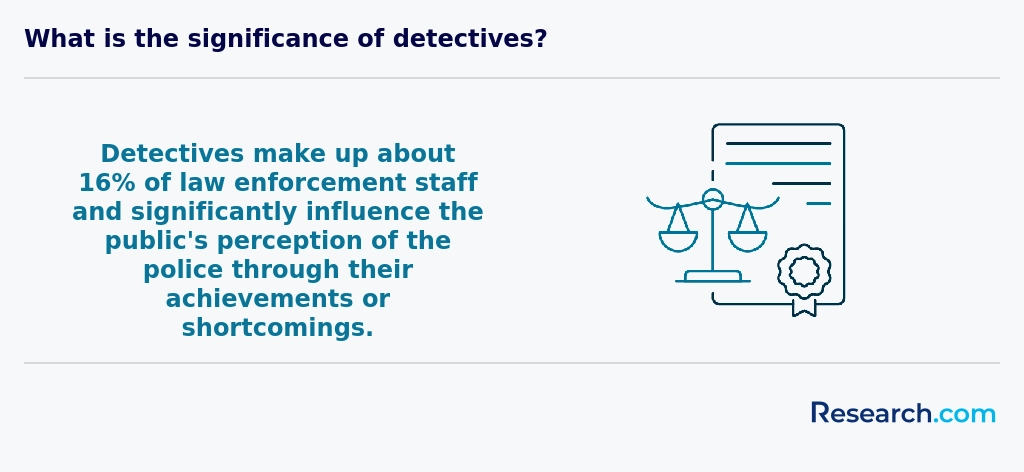
Ensuring that your chosen program holds proper accreditation is essential when evaluating an online criminal justice degree. Regional accreditation from agencies recognized by the U.S. Department of Education (such as SACSCOC or HLC) confirms that the institution meets rigorous academic standards, unlocks eligibility for federal financial aid, and facilitates credit transfer between colleges. In addition, look for programmatic accreditation by the Academy of Criminal Justice Sciences (ACJS), which signals that the curriculum adheres to industry best practices and is respected by law enforcement agencies and graduate schools. Beyond institutional accreditation, many states require specific licensing or certification for positions in law enforcement, corrections, and court administration. Before you enroll, review your target state’s peace officer standards and training (POST) requirements to confirm that online coursework, field practicums, and any capstone experiences satisfy mandatory hours and content areas-such as criminal law, ethics, and crisis intervention. Failing to verify these details upfront can delay your career entry or necessitate additional coursework. Finally, accredited programs often provide comprehensive support services-academic advising, career counseling, and licensure exam preparation-that streamline the path from enrollment to employment. When comparing options, request detailed information on faculty qualifications, field placement partnerships, and alumni licensure pass rates. Prioritizing accredited curriculum and clear state licensing alignment will maximize both your educational investment and career readiness in the criminal justice field.
Online criminal justice degrees in the South typically include core courses such as Introduction to Criminal Justice, Criminology, and Criminal Law, providing students with essential knowledge of the nation's legal framework and its regional applications. Graduates from institutions like the University of South Carolina often highlight how these classes helped them understand policing strategies that are crucial in both urban and rural Southern communities.
Electives frequently address pressing regional issues, including human trafficking, substance abuse, and community policing. For example, students at colleges in Texas appreciate learning about juvenile justice programs tailored to local youth, reflecting the South's higher youth crime rates. Courses in Ethics in Criminal Justice and Corrections and Rehabilitation are especially valued for emphasizing integrity and practical approaches to alternatives to incarceration.
Research Methods courses arm students with analytical skills to evaluate crime data effectively, a necessity in policy development. Graduates often mention that combining theoretical lessons with such practical applications made them confident to enter law enforcement and correctional fields with a clear, region-specific perspective.
Online criminal justice specializations in the South typically span several focused areas tailored to meet regional workforce demands. Common tracks include Law Enforcement, emphasizing policing and investigative techniques, and Forensic Science, which applies scientific methods to crime scene analysis. Graduates from Southern universities often highlight how programs like these, offered at institutions in Texas and Georgia, prepared them for real-world challenges in local and federal agencies. Cybercrime and Digital Forensics is growing rapidly, reflecting the rise of cybersecurity sectors, particularly in Florida, where students benefit from hands-on training in cyber investigations.
Other notable specializations include Corrections and Rehabilitation, focusing on offender management and probation systems, and Homeland Security, which covers emergency management and terrorism prevention. Criminal Justice Administration trains students in leadership and policy development, attracting those seeking supervisory roles. Many students appreciate how these programs integrate community-focused issues like juvenile justice, providing a customized educational experience aligned with local needs and career goals.
Tuition affordability combined with specialized options makes pursuing an online criminal justice degree in the South a strategic choice for aspiring professionals aiming to impact their communities positively.
Accreditation remains the foremost criterion when selecting the best online criminal justice degree programs South of the U.S. Graduates from popular institutions like those accredited by the Southern Association of Colleges and Schools Commission on Colleges often report smoother credit transfers and enhanced credibility with employers. Programs priced between $250 and $450 per credit hour at public Southern schools balance affordability and quality, though private institutions may exceed $600 per credit. Factoring in additional expenses such as technology fees is essential for a realistic budget.
Students pursuing affordable online criminal justice degrees in Southern US praise curricula that align with specializations like cybercrime or juvenile justice, directly supporting their career ambitions. For example, graduates from universities focused on regional law enforcement practices find themselves better prepared for local agencies. Flexibility in online course formats-allowing asynchronous study combined with occasional synchronous sessions-helps working adults manage their schedules effectively.
Robust support services strongly enhance student satisfaction. Many graduates highlight how virtual tutoring and internship placement assistance foster confidence and career readiness. To explore cost-effective options, consider the Inexpensive Online Criminal Justice Degree Programs Ranking in Texas as a starting point.

Graduates holding an online criminal justice degree in the South have access to diverse career paths reflecting regional needs. Many enter law enforcement as police officers, detectives, or federal agents; states like Texas, Florida, and Georgia lead employment with median wages between $50,000 and $65,000. Southern programs emphasize practical skills in investigation, ethics, and criminal law, helping students confidently transition into these roles at well-known institutions across the region.
Corrections also presents strong opportunities, employing over 70,000 professionals regionally. Careers include correctional officers and probation officers, with median salaries around $43,000. Graduates from popular Southern colleges appreciate learning offender rehabilitation and case management, enhancing their effectiveness in this sector.
Additionally, roles in legal support and community service are growing. Graduates may become court clerks or juvenile justice specialists, contributing to systemic operations and social programs like victim advocacy and reentry initiatives. These paths appeal to students interested in addressing root causes of crime. Prospective students might explore affordable degree options and financial aid offered by many Southern schools, which make pursuing criminal justice degrees more accessible. For those seeking easy associates degrees related to this field, specific regional offerings are worth considering.
The job market for graduates with an online criminal justice degree in the South remains robust, supported by steady regional demand for public safety professionals. Universities well-known for their criminal justice programs, such as those in Texas and Florida, provide graduates with practical skills that employers highly value in law enforcement and correctional fields. Many graduates report positive post-graduation experiences, finding opportunities within local police departments or probation offices where demand is consistently fueled by population growth and public safety initiatives.
In states like Georgia and Texas, where hiring for criminal justice roles is prominent, graduates benefit from competitive salaries and clear paths for career advancement. These states prioritize criminal justice degree employment opportunities Southern US, making it practical for students to pursue careers close to home. The affordability of these programs, often with in-state tuition ranging from $5,000 to $12,000, enhances accessibility for working professionals seeking career changes or advancement.
Students often choose online pathways for their flexibility, balancing work and study effectively. Families appreciate how online options from Southern universities align with their financial and lifestyle needs, a factor highlighted in reviews of cheapest online master degrees in the region. This combination of affordability and local job demand makes online criminal justice jobs in the South an attractive prospect for many.
2027 Easiest Online Criminal Justice Degree Programs Ranking in the South
Investing in your education is a significant decision that can shape your future, and the Research.com team understands the importance of making informed choices. To assist prospective students in the South, we have meticulously crafted the "2027 Easiest Online Criminal Justice Degree Programs Ranking in the South." Our commitment to quality, credibility, and accuracy is reflected in the extensive research and analysis conducted to compile this ranking.
We utilized the following reputable data sources to ensure a comprehensive evaluation of criminal justice programs:
By exploring this ranking, readers will gain valuable insights into the most accessible and credible online criminal justice degree programs in the South, enabling well-informed decisions about their educational journeys. For more details on our methodology, please visit our Research.com methodology page.

# 2 position
University of Maryland Global Campus
Master of Cybersecurity Management and Policy

# 3 position
University of Maryland Global Campus
Bachelor of Criminal Justice


# 10 position
University of the Incarnate Word
Master of Criminal Justice Administration and Leadership


Frequently Asked Questions About criminal justice
Online criminal justice degree students in the South can enhance their learning by actively engaging with course materials and participating in virtual discussions. Regional schools often tailor their curricula to local legal systems, making it beneficial to focus on state-specific laws and policies. Utilizing resources from organizations like the Southern Criminal Justice Association can offer valuable networking and professional development opportunities.
The Southern US reports higher crime rates compared to the national average, according to the Bureau of Justice Statistics, underscoring the importance of context-aware education. Students should also seek internships or volunteer positions with local law enforcement or social services to gain practical experience alongside theory.
Consistent time management and leveraging online study groups can improve retention and motivation throughout the program.
The criminal justice field is evolving with several emerging niches gaining importance, especially in the South. One notable area is cybersecurity, driven by increasing cybercrimes affecting both public and private sectors. According to the Southern Regional Education Board, demand for cybercrime specialists in southern states is projected to grow by over 15% through 2028.
Another expanding niche is forensic psychology, which combines criminal justice with mental health expertise. This is key in addressing offender rehabilitation and legal assessments.
Additionally, homeland security careers focusing on counterterrorism and emergency management are also rising due to ongoing national security concerns in southern border states. These fields offer promising opportunities for online criminal justice graduates.
Preparing for the job market after earning an online criminal justice degree in the South involves strategic steps tailored to regional opportunities. Students should seek internships and volunteer roles with local law enforcement, correctional facilities, or legal aid organizations to gain practical experience.
Networking is essential-joining professional groups like the Southern Criminal Justice Association can connect graduates to employers and mentors. Additionally, many Southern states require certification or training beyond a degree for certain roles; researching these requirements early is beneficial.
According to the U.S. Bureau of Labor Statistics, criminal justice jobs in Southern states like Texas and Florida are expected to grow faster than the national average, highlighting job availability in the region.
Employers in the South seek criminal justice graduates with strong analytical skills to assess crime scenes and data accurately. Critical thinking and problem-solving are essential, as these allow professionals to make informed decisions under pressure. Communication skills, both written and verbal, are highly valued for effective report writing and courtroom testimony. Understanding ethical standards and demonstrating cultural competence are increasingly important due to the South's diverse populations, according to the Bureau of Labor Statistics.
Technical proficiency, including familiarity with criminal justice software and digital forensics, enhances job prospects. Additionally, teamwork and leadership abilities are emphasized, as many roles require coordination with law enforcement agencies and community organizations.
Finding internships in the South for criminal justice students often involves leveraging regional resources and networks. Many states, including Texas and Florida, offer state-run internship programs through departments of public safety or corrections. These agencies frequently collaborate with colleges to provide hands-on experience.
Students should also explore opportunities with local law enforcement, courts, and community organizations, which commonly offer internships tailored to criminal justice majors. Websites like USAJobs list federal internships available in Southern states, useful for students aiming at agencies like the FBI or DEA.
According to the Southern Criminal Justice Association, connections made through university career centers and professional conferences greatly increase internship prospects in this field.
Obtaining an online criminal justice degree in the South can significantly enhance career mobility and advancement. Many Southern states report increased demand for trained criminal justice professionals, with the U.S. Bureau of Labor Statistics projecting a 9% growth in related jobs through 2031. Online degrees offer flexibility, allowing working adults to upgrade their qualifications without disrupting their careers.
In addition, employers in the region increasingly recognize accredited online degrees, which can open doors to promotions and higher salaries. According to the National Center for Education Statistics, Southern institutions have expanded online offerings, improving access to quality education. Graduates often advance into supervisory or specialized roles more quickly due to their credential.
Studying for a criminal justice degree online in the South prepares students for interdisciplinary roles by offering a curriculum that integrates law enforcement, social sciences, and legal studies. Southern universities often emphasize collaboration across fields such as psychology, sociology, and public administration, reflecting the complex nature of modern criminal justice careers.
Programs frequently include courses on community relations, criminology, and policy analysis, equipping students to work in diverse environments like corrections, social services, and legal advocacy. According to the Southern Regional Education Board, these interdisciplinary approaches improve employment prospects in a region where criminal justice jobs are growing faster than the national average.
Choosing between a thesis and a non-thesis criminal justice degree program in the South depends on your career goals and learning preferences. Thesis programs typically involve original research and are ideal for students aiming at academic, research, or advanced professional roles. Non-thesis options emphasize coursework and practical application, suitable for those seeking direct employment in law enforcement, corrections, or administration.
Southern universities often tailor online programs to meet local workforce needs. According to the Bureau of Labor Statistics, criminal justice jobs in Southern states are growing at a faster rate than the national average, underscoring demand for practical skills. Understanding these trends can help guide your choice.
Students based in the South seeking to study criminal justice abroad face limited direct options through U.S. institutions. Most online criminal justice degree programs offered by Southern universities focus on domestic law enforcement and justice systems. However, some schools incorporate international criminal justice topics into their curricula, allowing students to gain global perspectives without leaving home.
For those interested in studying outside the U.S., options usually involve separate study abroad programs or affiliations with foreign universities, which remain scarce in Southern schools' online offerings. According to the National Center for Education Statistics, less than 10% of Southern criminal justice students participate in official study abroad opportunities.
In summary, while fully online international criminal justice degrees are currently uncommon in the South, students can explore courses with global content or combine digital studies with targeted international exchanges when available.
Part-time job opportunities in the South that complement online criminal justice degrees include positions such as security officers, correctional facility aides, and legal assistants. These roles offer practical experience related to law enforcement and the justice system. According to the Bureau of Labor Statistics (BLS), security-related jobs in Southern states like Texas and Florida are expected to grow by around 8% through 2030, providing accessible entry points for students. Additionally, many local police departments in the South offer part-time community service officer roles, which enhance knowledge of law enforcement procedures. Working in these positions can help students build valuable skills while pursuing their degrees.
Online criminal justice students in the South have several networking opportunities despite the remote format. Many Southern universities offer virtual career fairs and webinars connecting students with local law enforcement agencies, legal professionals, and criminal justice organizations. For example, institutions often partner with regional chapters of the American Criminal Justice Association (ACJA), which hosts events and competitions to build professional connections.
Additionally, students can join online forums and LinkedIn groups specifically for Southern criminal justice professionals. According to the Bureau of Labor Statistics, the South employs roughly 25% of the nation's criminal justice workforce, highlighting the importance of regional networks in securing internships and jobs.
Alumni networks provide vital support to students pursuing online criminal justice degrees in the South by fostering professional connections throughout the region. These networks often include graduates working in local law enforcement, legal firms, and government agencies, offering valuable insights into regional job markets.
Many Southern universities report that active alumni groups boost employment outcomes; for example, the University of Alabama's criminal justice alumni network reports a 20% higher job placement rate for its members within the first year after graduation, according to their 2023 career services data.
Additionally, alumni events and online platforms help students access mentorship, internships, and continuing education opportunities, which are crucial for career advancement in criminal justice fields. This localized support system often complements the flexibility of online learning by connecting students to real-world resources in the South.
Customizing an online criminal justice degree in the South allows students to align their education with specific career goals. Many Southern schools offer concentrations such as forensic science, juvenile justice, or cybersecurity. These tracks help focus on areas of growing demand within the region's law enforcement and legal sectors. Additionally, students can often choose electives related to public administration or social work to broaden their skill set.
Internship opportunities and practicums arranged through Southern institutions provide practical experience tailored to regional agencies. According to the Bureau of Labor Statistics, Southern states like Texas and Florida have above-average employment rates for criminal justice careers, making these customizations valuable for job placement. Choosing the right program focus can increase your employability in local and state agencies.
Online criminal justice students in the South often face unique challenges related to regional economic and technological factors. According to the Southern Regional Education Board, many rural areas in the South have limited broadband access, affecting students' ability to participate in live lectures or submit assignments on time.
Financial barriers also play a significant role, as Southern states generally have lower median incomes, and students may struggle to afford tuition and related expenses without sufficient financial aid.
Additionally, balancing work, family, and studies is a common difficulty, particularly since the Southern workforce in criminal justice often involves shift work in law enforcement or corrections.
Finally, access to local internships or field experiences can be limited, which impacts practical learning components required in many programs.
With an online criminal justice degree, students in the South can pursue several key professional certifications that enhance career prospects. Popular choices include the Certified Protection Professional (CPP), which focuses on security management, and the Certified Criminal Justice Specialist (CCJS) credential offered by some southern state agencies.
Additionally, many graduates aim for certifications like the Crime Scene Analyst (CSA) or Law Enforcement Certifications through organizations such as the International Association of Crime Analysts (IACA). These certifications can be crucial for specialized roles in policing, corrections, or federal agencies.
According to the Bureau of Labor Statistics, states like Texas and Florida show growing demand for certified criminal justice professionals, highlighting the importance of these credentials in the Southern job market.
Writing a winning application for an online criminal justice program in the South begins with thorough research. Applicants should highlight any relevant experience, including work or volunteer roles in law enforcement, corrections, or legal aid. Southern schools often value candidates who demonstrate clear career goals aligned with regional criminal justice needs, such as community policing or juvenile justice-areas of focus noted in reports by the Southern Criminal Justice Association.
Strong personal statements explaining motivation and commitment to justice can set applicants apart. Additionally, maintaining a solid GPA and submitting letters of recommendation from professionals in the field improves chances.
Applicants should also familiarize themselves with specific state requirements, as some Southern programs tailor curricula to local criminal justice systems.
Globally, a career in criminal justice is viewed through various lenses, influenced by differing legal systems and cultural values. In the United States, especially in the South, criminal justice professionals often face unique challenges related to higher crime rates and socio-economic disparities. According to the Bureau of Justice Statistics, Southern states report incarceration rates above the national average, which shapes both domestic and international perceptions of criminal justice work in the region.
Many international experts recognize that a U.S.-based criminal justice education, particularly from Southern institutions, equips students with practical skills relevant in global contexts. The growing emphasis on technology, forensic science, and community policing within Southern online degree programs reflects a trend toward modernizing the field worldwide.
Gaining practical experience while studying for an online criminal justice degree in the South is essential for career readiness. Many Southern universities partner with local law enforcement agencies to offer internship opportunities, allowing students to apply theoretical knowledge in real-world settings. According to the Southern Association of Colleges and Schools, these internships are often structured to be completed part-time alongside online coursework.
Additionally, some programs include virtual simulations and case studies, providing hands-on learning within a remote format. Students can also volunteer with community organizations focused on criminal justice reform, which is especially active in Southern states like Texas and Georgia, where local initiatives often seek student assistance.
When choosing a concentration within an online criminal justice degree in the South, consider your career goals carefully. The Southern states often emphasize areas like law enforcement, corrections, and juvenile justice due to their regional workforce demands. According to the U.S. Bureau of Labor Statistics, employment for probation officers and correctional treatment specialists in Southern states is expected to grow by 7% from 2022 to 2032.
Look for programs that align with these growth areas and offer courses that build practical skills, such as crime scene investigation or forensic psychology. Accreditation and faculty expertise in specialized fields also matter significantly in quality education.
Research the local job market trends through state labor departments to see which roles are in demand. Networking opportunities with regional agencies may be available through some Southern universities, enhancing post-graduate employment chances.
Finally, ensure the concentration matches your interests and strengths to sustain motivation throughout your studies and future work.
See What Experts Have To Say About Studying Criminal Justice
Read our interview with Criminal Justice experts

James W. Marquart
Criminal Justice Expert
Associate Provost and Professor of Criminology
Texas Christian University

Mark Moore
Criminal Justice Expert
Research Professor of Public Management
Harvard University

Frank Schmalleger
Criminal Justice Expert
Professor Emeritus
The University of North Carolina

- Choosing a Criminal Justice Concentration https://www.allcriminaljusticeschools.com/blog/how-to-choose-the-right-criminal-justice-concentration/
- Study Criminal Justice & Legal Studies Abroad https://worldstrides.com/en-us/higher-ed/academics/criminal-justice-legal-studies
- Why criminal justice careers are becoming more specialized https://www.police1.com/career-development/why-criminal-justice-careers-are-becoming-more-specialized
- What to do With a Criminal Justice Degree - Paladin Security https://paladinsecurity.com/security-careers/become-security-guard-canada/
- Criminal Justice and Criminology Programs https://www.isepstudyabroad.org/programs/by-field-of-study/criminal-justice-criminology-programs
- Bachelor Degree in Criminal Justice Online - Aurora University https://online.aurora.edu/online-degrees/criminal-justice-bachelors/
- Explore Criminal Justice Certificate Programs https://www.criminaljusticedegreeschools.com/degrees/certificate/
- How To Network As A Criminal Justice Graduate https://www.northwestcareercollege.edu/blog/how-to-network-as-a-criminal-justice-graduate/
- Financial Aid Tips for Criminal Justice Students https://www.criminaljusticeprograms.com/financial-aid/
- Explore an Online Bachelor of Science in Criminal Justice https://www.southuniversity.edu/online/degrees-programs/criminal-justice-and-legal-studies/criminal-justice-bs