2027 Easiest Online Bachelor's in Criminal Justice Degree Programs Ranking in Connecticut

Co-Founder and Chief Data Scientist
Choosing the right online bachelor's in criminal justice program can feel overwhelming, especially with so many options available to students in Connecticut. This article presents the 2027 Easiest Online Bachelor's in Criminal Justice Degree Programs Ranking in Connecticut, carefully developed by the Research.com team of data scientists. It aims to help you find programs that offer a smooth and supportive learning experience tailored to your needs.
By exploring this ranking, you'll gain insight into programs that balance quality education with flexibility, making your path to a criminal justice degree more achievable. Pursuing this degree opens doors to meaningful careers serving your community, and this guide is here to support your journey every step of the way.
Key benefits of getting online criminal justice degree in Connecticut
- Graduates with a criminal justice degree in Connecticut can pursue jobs like Police Officer with a mean annual wage of $76,550 or Crime Scene Investigator earning around $95,930, offering strong financial rewards.
- Criminal justice degree holders often find diverse career paths, including roles in law enforcement, forensic science, and court administration, reflecting broad opportunities to serve the community effectively.
- Completing a criminal justice degree online provides great flexibility, allowing students in Connecticut to balance work and study, much like graduates from popular state universities who value convenience and practical learning.
- Key benefits of getting online criminal justice degree in Connecticut
- What can I expect from online criminal justice degree in Connecticut?
- Where can I work with online criminal justice degree in Connecticut?
- How much can I make with online criminal justice degree in Connecticut?
- 2027 Easiest Online Bachelor's in Criminal Justice Degree Programs Ranking in Connecticut
- Key Findings
- How long does it take to complete online criminal justice degree in Connecticut?
- What's the difference between online and on-campus criminal justice degree?
- What is the average cost of online criminal justice degree in Connecticut?
- What financial aid is available to online criminal justice degree students in Connecticut?
- What are the prerequisites for enrolling in online criminal justice degree program in Connecticut?
- What courses are typically in online criminal justice degree programs in Connecticut?
- What types of specializations are available in online criminal justice degree programs in Connecticut?
- How do you choose the best online criminal justice degree in Connecticut?
- What career paths are available for online criminal justice degree students in Connecticut?
- What is the job market for online criminal justice degree in Connecticut?
- Related Criminal Justice Rankings for Nearby States
- Top Trending Criminal Justice Rankings
- See What Experts Have To Say About Studying Criminal Justice
What can I expect from online criminal justice degree in Connecticut?
The average cost of an online criminal justice degree in Connecticut typically ranges from about $12,000 to $25,000 for a full bachelor's program, depending on the school and whether you qualify for in-state tuition rates. Many students studying at well-known institutions within the state find that investing in these programs provides strong value given the tailored content focused on Connecticut's unique legal system and criminal justice challenges.
Graduates recall how programs at local universities balanced affordability with comprehensive coursework, including subjects like forensic science and community policing, which exposed them to real-life state policies. For example, one graduate shared feeling empowered by learning about Connecticut's restorative justice methods, which influenced their career in probation services. This practical alignment gives you a noticeable edge when entering the workforce here.
When budgeting, also consider that online formats offer flexibility to work while studying, reducing the need for expensive on-campus housing or commuting. Many students find scholarships, grants, or employer tuition assistance that further ease costs, making the overall investment manageable and rewarding for your future in Connecticut's criminal justice field.
Where can I work with online criminal justice degree in Connecticut?
Graduates from online criminal justice programs at respected Connecticut schools often find rewarding careers with local police departments, including the numerous municipal forces and the Connecticut State Police. These roles provide real opportunities to serve communities, working as patrol officers or detectives where your studies truly come alive in the field. Many alumni speak about the pride they feel stepping into these positions, knowing their degree gave them a competitive edge.
Correctional facilities also offer meaningful paths. The Connecticut Department of Correction's 14 prisons seek professionals committed to rehabilitation and offender management. Graduates often say working in these settings allows them to make a tangible difference while enjoying steady wages and career growth.
Others find fulfilling roles in the judicial branch, such as probation officers or victim advocates, supporting justice behind the scenes. Studying at institutions like the University of New Haven or Central Connecticut State University often includes internships that prepare students for these vital positions.
Private security firms and forensic consulting groups also value graduates who bring both academic knowledge and a passion for justice. Your online degree prepares you for diverse career avenues across Connecticut's public and private sectors, grounded in real-world impact.
How much can I make with online criminal justice degree in Connecticut?
Graduates from online criminal justice programs in Connecticut, such as those at the University of New Haven or Central Connecticut State University, often find rewarding roles with competitive salaries. For instance, police officers in the state earn a mean annual wage of about $76,550, reflecting strong local support for law enforcement careers. Many graduates express pride in starting as correctional officers, where the mean annual salary is around $58,810, providing a solid foundation for growth.
Other graduates pursue specialized jobs like crime scene investigators, earning a mean wage near $95,930, a figure that excites many who dreamed of blending science with public service. Forensic science technicians also enjoy good pay, averaging $71,540 annually, making these roles attractive options for those passionate about criminal justice.
Entry into these professions often brings not just financial reward but a real sense of purpose, knowing their work strengthens community safety. With dedication, experience, and further certification, graduates from Connecticut's online programs can anticipate meaningful career and salary advancements in this vital field.
2027 Easiest Online Bachelor's in Criminal Justice Degree Programs Ranking in Connecticut
How do we rank schools?
Investing in your education is a significant decision that can profoundly impact your future, and the Research.com team recognizes the importance of providing trustworthy information to support that choice. To assist prospective students in Connecticut, we have carefully developed the "2027 Easiest Online Bachelor's in Criminal Justice Degree Programs Ranking in Connecticut." Our dedication to quality, credibility, and accuracy is demonstrated through thorough research and analysis conducted to create this ranking.
We utilized the following reputable data sources to ensure a comprehensive and reliable evaluation of online criminal justice programs:
By exploring this ranking, readers will gain valuable insights into accessible and credible online criminal justice degree options in Connecticut, empowering them to make informed education decisions with confidence. For more details on our methodology, please visit our Research.com methodology page.
# 1 position
Charter Oak State College
Bachelor of Criminal Justice

# 3 position
Post University
Bachelor of Criminal Justice

Key Findings
- Several accredited institutions in Connecticut offer fully online criminal justice bachelor's degree programs covering law enforcement, corrections, court systems, and forensic science.
- Tuition for online criminal justice degrees at public universities in Connecticut typically ranges from $10,000 to $15,000 per year, while private schools can charge over $30,000 annually.
- The average starting salary for criminal justice graduates in Connecticut is between $47,000 and $52,000, with experienced professionals earning up to $80,000 in roles such as detectives or federal agents.
- Job opportunities exist in local police, state corrections, federal agencies, and private security, with steady demand and modest job growth expected over the next decade.
- Many criminal justice careers require background checks and physical fitness tests, and online programs often include preparation to meet these requirements.
How long does it take to complete online criminal justice degree in Connecticut?
Completing an online criminal justice degree in Connecticut generally takes about four years for full-time students, typically requiring 120 to 130 credit hours. Graduates from popular institutions like the University of Connecticut or Central Connecticut State University often share how pacing themselves balanced with life responsibilities made their journey rewarding and manageable.
Many found that part-time study extended their timeline to approximately six years, which fit perfectly with work or family commitments. On the other hand, some took advantage of accelerated programs offered by schools like Southern Connecticut State University to finish in as little as three years, keeping motivation high by progressing steadily through summer sessions.
Since online courses usually allow asynchronous learning, you can shape your schedule around your own needs, whether that means working full-time or caring for family. If you transfer credits from an associate degree earned at a community college in Connecticut, such as Norwalk Community College, you might reduce your bachelor's degree completion to about two years, opening doors faster.
What's the difference between online and on-campus criminal justice degree?
Choosing between online and on-campus criminal justice degrees in Connecticut boils down to how you want to balance learning with life. Online programs, like those offered through the University of Connecticut's digital campus, give you the freedom to study after work or on weekends, perfect for those managing jobs and family. Graduates often share how this flexibility empowered them to advance their careers without pausing their lives.
On-campus studies at places like Central Connecticut State University immerse you in hands-on experiences such as mock trials and face-to-face discussions, sharpening communication and teamwork skills. Students value the stronger sense of community and immediate access to professors.
Financially, both pathways at Connecticut State schools may have similar tuition-typically $10,000 to $15,000 annually-but online learners save on commuting and housing costs. Graduates from both formats stress that the key is finding a program accredited and respected across the state to open doors in law enforcement or legal fields.
What is the average cost of online criminal justice degree in Connecticut?
When exploring the average cost of online criminal justice degree Connecticut residents face, it's helpful to look at median figures that reflect real student experiences. On average, in-state students investing in their education at institutions like Central Connecticut State University or Southern Connecticut State University might expect to pay around $37,200 total for their bachelor's degree. This cost is both an investment in a career and a manageable figure compared to out-of-state students, whose median total reaches approximately $48,960. Graduates often share feelings of pride knowing they have accessed quality education without overwhelming debt, especially when attending these well-regarded Connecticut colleges.
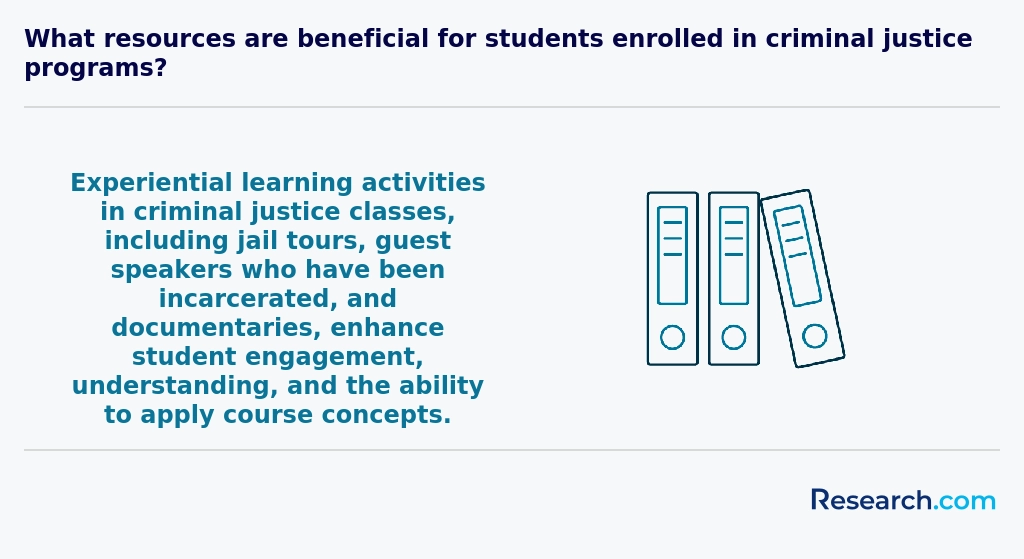
Many students find that seeking affordable criminal justice bachelor's programs in Connecticut opens doors to valuable scholarships and financial aid. These opportunities can significantly lower expenses, making the pursuit more attainable. In-state students particularly benefit from state-specific grants, creating a supportive financial environment. Students report how this financial relief allows them to focus more on their studies and future careers, rather than financial stress.
Keep in mind that total costs include more than tuition - fees for books, technology, and program-related expenses typically add to the budget. Many criminal justice students have learned to plan ahead, ensuring they can cover these without surprises. For those balancing work and study, looking into the quickest online degree for working adults may offer the perfect path to accelerate progress while managing costs and responsibilities effectively.
What financial aid is available to online criminal justice degree students in Connecticut?
Many students pursuing an online criminal justice degree in Connecticut have successfully eased their financial burden by tapping into federal aid like the FAFSA application. One graduate from Central Connecticut State University shared how their Pell Grant reduced tuition costs significantly, allowing more focus on studies rather than finances. Imagine receiving up to $7,395 a year that doesn't have to be paid back-this aid truly opens doors.
State-specific scholarships also make a real difference. For example, the Roberta B. Willis Scholarship can provide up to $5,000 annually for in-state students at institutions like the University of New Haven, empowering many to stay committed to their goals without worrying about expenses mounting.
Besides these, many students benefit from merit-based scholarships offered by schools and organizations such as the Connecticut Organization of Police Executives. Some graduates even combined this with employer tuition assistance, a common opportunity in law enforcement roles, turning dreams into achievable realities.
Federal and private loans remain an option, but wise graduates emphasize using grants and scholarships first to minimize debt. This strategic approach helps keep financial stress at bay while advancing a fulfilling career in criminal justice.
What are the prerequisites for enrolling in online criminal justice degree program in Connecticut?
To start your journey in an online criminal justice degree program in Connecticut, you'll need a high school diploma or an equivalent like a GED. Think of it as the foundation that former graduates from popular schools like the University of New Haven or Central Connecticut State University relied on to build their advanced knowledge. Many of these students remember how presenting official transcripts helped them confidently prove their readiness for college-level work.
If you have previous college experience, don't hesitate to transfer those credits. This practical step is something several graduates have praised for saving time and tuition fees. Just ensure your past courses earned a grade of "C" or better, akin to peers transferring into programs at Western Connecticut State University.
While some programs ask for SAT or ACT scores, Connecticut's online criminal justice degrees increasingly welcome test-optional applicants, especially working adults with busy lives. Imagine balancing a full-time job while progressing through your coursework comfortably.
Finally, mastering basic computer skills and having reliable internet access is essential since your studies happen entirely online. Graduates often recall how this digital readiness empowered them to engage fully with professors and classmates, fueling their motivation and success.
What courses are typically in online criminal justice degree programs in Connecticut?
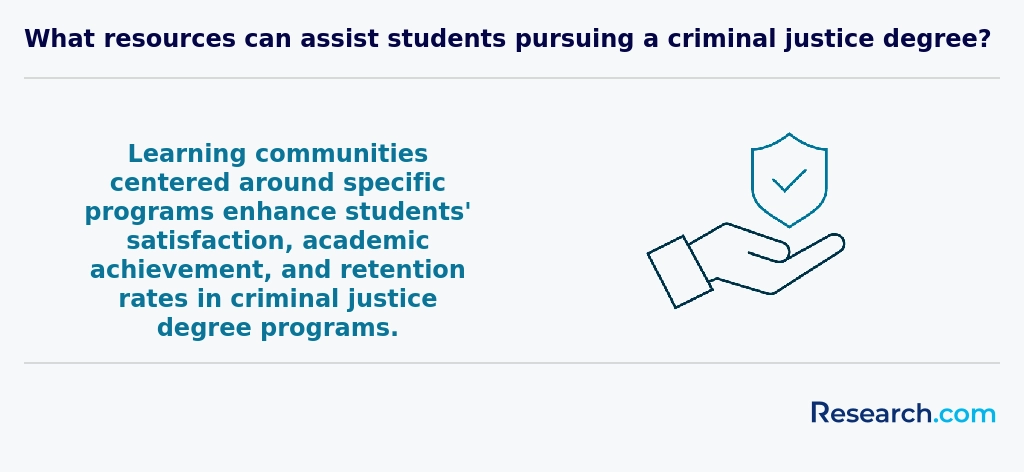
When you dive into an online criminal justice degree in Connecticut, expect courses that cover both the essentials and the real-world challenges of public safety. Graduates from institutions like Central Connecticut State University often share how foundational classes-such as criminal law and criminal procedure-gave them a clear understanding of how statutes and courtroom processes shape justice every day.
Core subjects like criminology open your eyes to the social factors behind crime, which many students find helps them approach their future roles with empathy and insight. Practical courses in law enforcement techniques prepare you to handle situations like community policing or cybercrime investigations, skills highly valued by Connecticut's 30,000-plus criminal justice professionals.
Correction-focused classes involving parole, probation, and ethical concerns allow students to consider the human side of justice. Adding juvenile justice and forensic science into the mix ensures you graduate ready to meet diverse demands in the field. Many graduates appreciate how these courses balance theory with hands-on knowledge, equipping them to make a real difference in Connecticut's vibrant justice system.
What types of specializations are available in online criminal justice degree programs in Connecticut?
Students pursuing online criminal justice specializations Connecticut will find a rich variety of focused paths that prepare them for meaningful careers. Graduates from popular universities in the state often highlight how specializing in Forensic Science brought real-world crime scene analysis into their studies, while others valued the Cybercrime and Cybersecurity track for its vital role in protecting digital landscapes. Engaging with Corrections and Rehabilitation coursework allows students to deeply understand the humane approaches needed in penal institutions, reflecting true changes in community safety.
Many students choosing Law Enforcement Administration share how the program's leadership training empowered them to pursue supervisory roles in local police departments. Meanwhile, Homeland Security and Emergency Management offers exciting lessons in disaster response and public safety that feel urgent and relevant today. Connecticut colleges known for these criminal justice degree focus areas Connecticut balance theoretical knowledge with practical skills, helping students thrive professionally and personally.
For those exploring options, checking out best open enrollment colleges online in Connecticut is a great way to find the perfect fit that aligns with your career ambitions.
How do you choose the best online criminal justice degree in Connecticut?
When choosing the best online criminal justice programs Connecticut offers, start by focusing on accreditation and curriculum relevance. Graduates from well-known institutions like the University of Connecticut often praise programs that balance theory with real-world application, covering criminology, law enforcement, and corrections with a local Connecticut perspective. This state-specific focus equips students to navigate the local legal system confidently.
Affordability cannot be overlooked. Many find that exploring affordable criminal justice degrees Connecticut schools provide allows them to invest wisely without sacrificing quality. Flexible scheduling options, including asynchronous courses, help working students or those with family commitments progress at their own pace. Some programs even accelerate degree completion by recognizing prior experience.
Lastly, leverage student support services for internships and career counseling that connect you with Connecticut's justice agencies. Graduates often highlight how these connections opened doors in their careers. Remember, balancing cost, flexibility, and quality paves the way for success in this growing field, which is featured among top paying majors.

What career paths are available for online criminal justice degree students in Connecticut?
Graduates with an online criminal justice degree in Connecticut find numerous career paths reflecting the state's strong need for dedicated professionals. Many step confidently into roles as police officers or detectives within state and municipal agencies, eager to serve their communities. Others become correctional officers or probation and parole officers, where they play vital roles in rehabilitation and public safety. I've seen graduates from well-known colleges in Connecticut use their education to support criminal investigations as crime scene investigators or forensic technicians, bringing justice through detailed forensic work.
Opportunities also extend to legal fields, with some graduates embracing careers as legal assistants or paralegals, assisting prosecutors and public defenders. Federal agencies like the FBI and Homeland Security highly value criminal justice preparation, providing thrilling paths for those aiming at national service. These examples highlight real success stories of students from popular institutions who took advantage of flexible online programs. For those exploring options, considering top non profit accredited online colleges in Connecticut can be a strategic step towards rewarding criminal justice careers in Connecticut.
What is the job market for online criminal justice degree in Connecticut?
The job market for individuals with an online criminal justice degree in Connecticut is steady and promising. Graduates from well-regarded institutions such as the University of New Haven and Central Connecticut State University often find roles within local police departments, judicial systems, and state correctional facilities. Many share how their studies prepared them well for real-world challenges, positioning them to help maintain community safety across the state.
Connecticut's job opportunities in this field span municipal, state, and federal levels, with demand for police officers, probation officers, and correctional specialists growing modestly. Those pursuing online criminal justice jobs Connecticut typically benefit from the state's competitive salaries-for example, police officers earn about $70,000 annually, illustrating a rewarding balance between meaningful work and financial stability.
Graduates have also noted that supplementing their degree with internships or high paying job certifications strengthens their resumes and broadens career options. For anyone aiming to thrive in this evolving field, staying updated on new technologies and policies is essential for career growth.
Frequently Asked Questions About criminal justice
Students pursuing online criminal justice degrees in Connecticut can enhance their learning by actively engaging with virtual resources and local opportunities. Connecticut's criminal justice system employs over 22,000 professionals, making networking through internships or volunteer work in nearby agencies valuable for practical experience.
Consistent communication with instructors and classmates via discussion boards and video calls helps deepen understanding. Utilizing Connecticut-specific crime data and reports from the Department of Emergency Services and Public Protection offers relevant context for coursework.
Joining local criminal justice organizations or online student groups can build connections and support. Finally, balancing study schedules to reflect industry trends in Connecticut, such as community policing initiatives, aids in applying knowledge effectively.
The criminal justice field is rapidly evolving, with several emerging niches gaining importance. In Connecticut, online criminal justice degree programs now emphasize areas like cybercrime investigation, forensic psychology, and homeland security. These specialties address modern challenges caused by digital crimes and terrorism threats. According to the Connecticut Department of Emergency Services and Public Protection, cybercrime reports have increased significantly in recent years, highlighting demand for skilled professionals.
Forensic psychology merges behavioral science with law enforcement, helping courts understand criminal motives and risk assessment. Homeland security focuses on counterterrorism strategies and disaster preparedness, relevant to state policies post-9/11. Students pursuing degrees online in Connecticut benefit from tailored coursework reflecting these trends, preparing them for jobs in government agencies, private security, and digital forensics.
After completing an online criminal justice degree in Connecticut, preparing for the job market involves a strategic approach. Graduates should focus on gaining practical experience through internships or volunteer opportunities with local law enforcement agencies or legal organizations. This hands-on exposure is highly valued by Connecticut employers.
Networking is essential; joining professional organizations like the Connecticut Criminal Justice Alumni Association can provide connections and job leads. Additionally, certifying through the Connecticut Police Officer Standards and Training Council (POSTC) can enhance employment prospects.
Finally, tailoring your résumé to highlight skills relevant to state and local law enforcement roles, which grew by 4% in Connecticut from 2019-2029 according to the Bureau of Labor Statistics, is crucial.
Employers in Connecticut's criminal justice field prioritize graduates with strong analytical and communication skills. The ability to assess situations critically and articulate findings clearly is crucial, especially as law enforcement and legal agencies increasingly rely on detailed reports and collaborative teamwork. According to the Connecticut Department of Labor, attention to ethical standards and integrity ranks highly in recruitment decisions.
Technical skills, such as proficiency with criminal justice databases and evidence management systems, are also increasingly important. Connecticut employers value familiarity with modern law enforcement technologies to enhance efficiency and accuracy.
Additionally, problem-solving abilities and knowledge of Connecticut's specific criminal justice laws are essential for working effectively within the state's legal framework.
Finding internships in Connecticut relevant to a criminal justice degree involves leveraging state resources and local agencies. Start by exploring the Connecticut Department of Correction's internship programs, which offer real-world experience in corrections and rehabilitation. Many law enforcement agencies such as the Connecticut State Police also provide internships for students seeking practical exposure.
Connecticut colleges frequently partner with local criminal justice organizations, so inquire with your online program's career services. Additionally, sites like the Connecticut Council on Problem Gambling and legal aid organizations may offer internship opportunities.
The Connecticut Department of Labor's website lists openings for criminal justice internships across the state. According to recent data, internships increase employment prospects by nearly 30% in this field.
In Connecticut, earning an online criminal justice degree can significantly enhance career mobility and advancement opportunities within the state's public safety and legal sectors. According to the Connecticut Department of Labor, jobs in criminal justice are expected to grow by 7% through 2030, faster than the average for all occupations.
Online degrees offer flexibility for working professionals aiming to gain credentials without pausing their careers. Many law enforcement agencies and corrections departments in Connecticut value a bachelor's degree for promotions and specialized roles.
Graduates with an accredited online criminal justice degree are often better prepared for supervisory positions and can access higher salary tiers. This credential also facilitates eligibility for federal law enforcement jobs that require a bachelor's degree.
Studying for an online criminal justice degree in Connecticut equips students with skills applicable across multiple disciplines. Programs emphasize collaboration with fields such as psychology, social work, and law enforcement, reflecting the varied demands of the justice system. Connecticut's courses often include training in data analysis, legal research, and community engagement, vital for roles beyond traditional policing.
Connecticut's criminal justice education aligns with state workforce needs, particularly given the state's focus on criminal rehabilitation and public safety. According to the Connecticut Department of Labor, interdisciplinary skills increase employability across sectors like probation services, corrections, and juvenile justice.
This broad preparation helps graduates adapt to evolving roles requiring communication, critical thinking, and cultural competency, essential in Connecticut's diverse communities.
When choosing between a thesis and a non-thesis online criminal justice degree in Connecticut, consider your career goals and learning preferences. A thesis program involves conducting original research and writing a detailed paper, which can benefit those interested in academic or research-oriented careers. Non-thesis programs typically focus on coursework and practical skills, offering a quicker path to graduation.
Connecticut's law enforcement and public safety sectors emphasize practical knowledge, making non-thesis degrees attractive for many professionals. However, if you aim for advanced studies, a thesis may provide a strong foundation.
According to the Connecticut State Department of Education, research skills gained in thesis programs enhance critical thinking important for policymaking roles.
Students based in Connecticut seeking to study criminal justice abroad via online programs have limited direct options focused specifically on international campuses. Most U.S. universities offering online criminal justice degrees allow remote study but require residency verification within the United States. Connecticut residents interested in global perspectives can choose programs with international law or comparative justice courses, often included in online curricula.
While Connecticut itself ranks 38th nationally for crime rates according to the FBI's 2022 report, exploring foreign justice systems online can broaden understanding of diverse legal frameworks. No distinct statewide partnerships currently facilitate overseas study purely in criminal justice for Connecticut students. Instead, learners often engage in virtual exchanges or internships abroad after completing foundational coursework online.
Part-time job opportunities in Connecticut that complement an online criminal justice degree include roles such as security officer, correctional officer trainee, and community outreach assistant. These positions offer practical experience that strengthens academic knowledge. According to the Connecticut Department of Labor, the security officer role is expected to grow by 6% through 2030, reflecting steady demand.
Interning or working with local law enforcement agencies or nonprofits focused on public safety can also provide valuable exposure. The Connecticut Justice Education Center highlights that hands-on experience improves job prospects in areas like probation assistance and victim advocacy. These roles build essential skills while pursuing an online degree.
Online criminal justice students in Connecticut have several valuable networking opportunities despite the virtual format of their studies. Many universities offer access to professional organizations such as the Connecticut Police Chiefs Association and the Connecticut Criminal Justice Association. These groups provide events, conferences, and webinars that help students connect with law enforcement professionals and policymakers.
Additionally, students can engage in internship programs coordinated by their schools with local agencies, enhancing real-world contacts. According to the Connecticut Department of Emergency Services and Public Protection, partnerships with state and municipal offices increase networking possibilities for learners.
Virtual career fairs and alumni networks also play an essential role, allowing students to build relationships with peers and experienced professionals statewide. These connections are critical for career growth in the criminal justice field.
Alumni networks play a significant role in supporting online criminal justice degree students in Connecticut. These networks offer valuable connections to professionals working across law enforcement, legal services, and corrections within the state. Graduates can access mentorship, job leads, and professional development opportunities through alumni events and online platforms.
Given Connecticut's focus on community-oriented policing and correctional reform, alumni networks help students stay informed about local trends and policy changes. According to the Connecticut Department of Correction, networking is crucial for career placement in this competitive field.
Such connections often lead to internships and employment, enhancing career prospects for online students who may lack on-campus resources.
Students pursuing an online criminal justice degree in Connecticut can tailor their programs through elective courses and specialization tracks offered by many state institutions. Common customization options include focusing on areas such as forensic science, cybersecurity, law enforcement, or corrections. This approach helps align education with specific career goals, whether in policing, federal agencies, or social services.
Connecticut's Bureau of Labor Statistics reports a steady 5% growth in criminal justice jobs, especially for cybercrime and forensic analysts, making specialized training valuable. Several universities also allow internships or fieldwork in local agencies, which enhances practical skills while maintaining flexible online study schedules.
Online criminal justice students in Connecticut often face challenges related to balancing coursework with professional and personal responsibilities. Many students are working adults, which makes time management a critical skill. According to the Connecticut State Department of Education, about 40% of online learners report difficulties maintaining consistent study schedules.
Another common challenge is limited local internship and practicum opportunities. Hands-on experience is essential in criminal justice education, but remote students sometimes struggle to find placements near their homes, especially in rural areas of Connecticut.
Technical issues and adapting to virtual learning platforms can also hinder progress. Some students lack reliable high-speed internet, impacting participation in live lectures and access to resources.
With an online criminal justice degree in Connecticut, graduates can pursue several professional certifications that enhance career prospects. Popular options include the Certified Criminal Justice Professional (CCJP) and the Crime Scene Investigator (CSI) certification, both valued in law enforcement and forensic roles.
Connecticut also offers certification through the Connecticut Police Officers Standards and Training Council (POST), which is essential for those aiming to become state-certified police officers. Additionally, the Certified Correctional Officer (CCO) credential supports careers in correctional facilities.
These certifications often require passing exams and meeting specific training hours. According to the Connecticut Department of Emergency Services and Public Protection, certified professionals tend to have better job stability and advancement opportunities.
Applying for an online criminal justice program in Connecticut requires a clear, well-organized approach. Start with a strong personal statement explaining your interest in criminal justice and how the online format fits your goals. Connecticut's criminal justice field is growing-state agencies emphasize skills in crime analysis and community safety, so highlight relevant experience or coursework.
Include transcripts showing good academic standing. Most programs require a minimum GPA around 2.5 to 3.0. Connecticut residents benefit from local knowledge, so mention any ties to the state or understanding of its legal system.
Request letters of recommendation from professionals familiar with your character and abilities. Finally, proofread your application carefully to present a professional image.
Criminal justice careers have a growing global dimension as crime increasingly crosses borders. In the United States, including Connecticut, professionals with a deep understanding of international law enforcement and policy are in demand. According to the Bureau of Labor Statistics, employment for detectives and criminal investigators is projected to grow 9% from 2022 to 2032, reflecting broader opportunities nationwide.
Connecticut's criminal justice system often collaborates with federal and international agencies, highlighting the need for graduates who grasp global perspectives. Online programs can offer courses on comparative law, human rights, and cybercrime to equip students for these challenges.
Understanding how different countries address justice issues helps prepare Connecticut students for diverse roles in the field.
Gaining practical experience while pursuing an online criminal justice degree in Connecticut is essential for career readiness. Many programs encourage students to complete internships with local law enforcement agencies, courts, or correctional facilities. Connecticut's Department of Correction and municipal police departments often offer internship opportunities that provide real-world exposure.
Students may also engage in virtual simulations and case studies integrated into their online coursework. These tools help develop critical analytical and decision-making skills. Additionally, some universities in Connecticut partner with criminal justice organizations to facilitate fieldwork, ensuring students meet internship requirements despite studying remotely.
Networking through Connecticut-based criminal justice associations can also lead to volunteer or shadowing opportunities. According to the Connecticut State Police and Bureau of Justice Statistics, practical experience significantly improves job placement rates for graduates in the state.
Choosing the right concentration in an online criminal justice degree in Connecticut depends on your career goals and local job market trends. Connecticut's criminal justice system often emphasizes law enforcement, corrections, and cybersecurity due to regional demands, according to the Connecticut Department of Correction and state labor reports.
Research concentrations such as forensic science, juvenile justice, or homeland security to match your interests with workforce needs. For example, cybersecurity roles are growing by over 30% nationally and Connecticut supports this trend with several agencies seeking qualified professionals (U.S. Bureau of Labor Statistics).
Consider how each specialization aligns with licensing requirements or certifications in Connecticut, which might impact your career advancement.
Related Criminal Justice Rankings for Nearby States
- 2027 Easiest Online Bachelor's in Criminal Justice Degree Programs Ranking in New York
- 2027 Easiest Online Bachelor's in Criminal Justice Degree Programs Ranking in Pennsylvania
- 2027 Easiest Online Bachelor's in Criminal Justice Degree Programs Ranking in Virginia
- 2027 Easiest Online Bachelor's in Criminal Justice Degree Programs Ranking in Ohio
- 2027 Easiest Online Bachelor's in Criminal Justice Degree Programs Ranking in Kentucky
- 2027 Easiest Online Bachelor's in Criminal Justice Degree Programs Ranking in South Carolina
- 2027 Easiest Online Bachelor's in Criminal Justice Degree Programs Ranking in Tennessee
- 2027 Easiest Online Bachelor's in Criminal Justice Degree Programs Ranking in Indiana
- 2027 Easiest Online Bachelor's in Criminal Justice Degree Programs Ranking in Georgia
- 2027 Easiest Online Bachelor's in Criminal Justice Degree Programs Ranking in Illinois
Top Trending Criminal Justice Rankings
See What Experts Have To Say About Studying Criminal Justice
Read our interview with Criminal Justice experts

James W. Marquart
Criminal Justice Expert
Associate Provost and Professor of Criminology
Texas Christian University

David Carter
Criminal Justice Expert
Professor, School of Criminal Justice
Michigan State University

Mark Moore
Criminal Justice Expert
Research Professor of Public Management
Harvard University

References
- How To Network As A Criminal Justice Graduate https://www.northwestcareercollege.edu/blog/how-to-network-as-a-criminal-justice-graduate/
- Tips to Help Criminal Justice Students and Grads Network Successfully https://www.allcriminaljusticeschools.com/blog/networking-strategies-for-criminal-justice-students-and-grads/
- Connecticut Bachelor's in Criminal Justice Degree Programs https://www.criminaljusticeprograms.com/programs/bachelors-in-criminal-justice/connecticut/
- Criminal Justice Studies Graduate Certificate https://www.etamu.edu/programs/criminal-justice-studies-graduate-certificate/
- Department of Criminal Justice Master's Program with/without Thesis | Üsküdar University https://uskudar.edu.tr/en/gsafs/criminal-justice-thesisnon-thesis-masters-degree
- Why criminal justice careers are becoming more specialized https://www.police1.com/career-development/why-criminal-justice-careers-are-becoming-more-specialized
- Criminology & Criminal Justice https://www.ccsu.edu/criminology
- Bachelor’s in Criminal Justice Degree Online https://www.bridgeport.edu/academics/programs/criminal-justice-bs-online/
- Most Affordable Online Criminal Justice Degrees https://www.affordablecollegesonline.org/degrees/criminal-justice-programs/
- Criminal Justice Salary - How Much Can I Make With a Criminal Justice Degree? - Grace Christian University https://gracechristian.edu/blog/criminal-justice-salary/