2027 Most Affordable Online Doctorate in Counseling Degree Programs Ranking in the USA

Co-Founder and Chief Data Scientist
Choosing the right online doctorate in counseling degree program can feel overwhelming. To make this journey easier, the Research.com team of data scientists developed the 2027 Most Affordable Online Doctorate in Counseling Degree Programs Ranking in the USA. This ranking helps students identify programs that offer quality education without breaking the bank.
Reading this article will guide you toward programs that fit your goals and budget, empowering you to take a confident step toward your future career in counseling. Earning this degree can open doors to meaningful opportunities and personal growth.
Key benefits of getting online counseling degree in America
- The mean annual salary for counseling degree graduates varies by role, with Clinical Managers earning around $134,440, and Certified Addiction Counselors earning about $60,080, offering strong financial rewards for dedication.
- Counseling degree graduates can pursue diverse careers such as Mental Health Therapist or Executive Director in non-profits, with many finding success after studying at well-known universities like the University of California, Berkeley.
- Online counseling degrees provide flexibility and convenience, allowing graduates from universities like Arizona State University to balance work and study while gaining the same quality education as traditional programs.
- Key benefits of getting online counseling degree in America
- What can I expect from online counseling degree in America?
- Where can I work with online counseling degree in America?
- How much can I make with online counseling degree in America?
- 2027 Most Affordable Online Doctorate in Counseling Degree Programs Ranking in the USA
- Key Findings
- How long does it take to complete online counseling degree in America?
- What's the difference between online and on-campus counseling degree?
- What is the average cost of online counseling degree in America?
- What financial aid is available to online counseling degree students in America?
- What are the prerequisites for enrolling in online counseling degree program in America?
- What courses are typically in online counseling degree programs in America?
- What types of specializations are available in online counseling degree programs in America?
- How do you choose the best online counseling degree in America?
- What career paths are available for online counseling degree students in America?
- What is the job market for online counseling degree in America?
- Top Trending Counseling Rankings
- See What Experts Have To Say About Studying Counseling
What can I expect from online counseling degree in America?
The average cost of online counseling degrees in America typically ranges between $400 and $1,000 per credit hour, creating a financial landscape that requires careful consideration. Graduates from well-regarded programs at universities such as Arizona State or University of Southern California often recall balancing tuition expenses with scholarships and federal aid, which made their education more accessible and less stressful. For many, investing in an accredited program meant not only gaining valuable knowledge but also increasing their chances of passing licensure exams successfully.
When reflecting on the journey, students frequently highlight the relief of finding payment plans that align with their work and personal lives, easing the pressure of upfront costs. The transparency around tuition-combined with financial assistance-helps students to focus on mastering counseling techniques and completing practicum hours essential for licensure. This thoughtful approach to cost supports the meaningful goal of becoming a licensed counselor equipped to make a difference in diverse communities across America.
Where can I work with online counseling degree in America?
Graduates with an online counseling degree in America often find rewarding opportunities in mental health clinics, hospitals, and private practices, where they help individuals navigate life's challenges through therapy and crisis support. For example, many alumni from well-regarded programs at universities like Arizona State or University of Southern California describe deep fulfillment working directly with clients, seeing positive transformations that remind them why they pursued this path.
Others pursue careers in school counseling, supporting children's social and academic growth in public schools across the country. Graduates from programs at institutions such as Penn State or University of Florida frequently mention the joy of guiding students through difficult times while fostering resilience. This work not only strengthens communities but also highlights the concrete impact counselors have on young lives.
Community organizations and nonprofits also rely on graduates for vital roles in substance abuse recovery and family support. Counselors from programs like those at the University of North Carolina share stories of empowerment and renewed hope in helping clients reclaim their futures. Licensing, often prepared for by these programs, opens doors to independent practice or specialized careers, including marriage and family therapy.
Workplace wellness programs increasingly hire counselors to support employee mental health, reflecting growing awareness of emotional well-being on the job. Finally, some engage in academic or research roles, contributing to new knowledge and policy, advancing the field as both practitioners and innovators.
How much can I make with online counseling degree in America?
Graduates with an online counseling degree from well-known American universities often find encouraging salary prospects that reflect their dedication and skills. For instance, a graduate working as a Certified Addiction Drug and Alcohol Counselor might earn a mean annual wage of $60,080, which aligns with stories from alumni of programs at schools like the University of Southern California or Arizona State University who report meaningful financial independence early in their careers.
With experience, many counseling degree holders advance into roles such as Clinical Manager or Executive Director at non-profits, where the mean annual wage can rise substantially to around $129,330 or more. Graduates from institutions like Vanderbilt University or Boston College frequently share the satisfaction of progressing into these leadership positions, grateful for the impact and financial rewards.
Similarly, mental health therapists with counseling degrees typically earn roughly $60,080 annually, consistent with many graduates' experiences in urban centers like New York or Chicago, where networking through campus connections opens doors.
This salary growth often reflects not just degrees but licensure, certification, and real-world experience-factors emphasized by successful alumni across America's top counseling programs.
2027 Most Affordable Online Doctorate in Counseling Degree Programs Ranking in the USA
How do we rank schools?
Investing in your education is a significant decision that can shape your future, and the Research.com team understands the importance of making informed choices. To assist prospective students nationwide, we have meticulously developed the "2027 Most Affordable Online Doctorate in Counseling Degree Programs Ranking in the USA." Our commitment to quality, credibility, and accuracy is reflected in the thorough research and analysis undertaken to compile this ranking.
We utilized the following reputable data sources to ensure a comprehensive evaluation of affordable online counseling doctoral programs:
By exploring this ranking, readers will gain valuable insights into the most cost-effective programs available, empowering them to make well-informed decisions about their educational investment. For more details on our methodology, please visit our Research.com methodology page.


# 6 position
Antioch University New England
Doctor of Couple and Family Therapy


# 8 position
Walden University
Doctor of Counselor Education and Supervision


Key Findings
- Online counseling degrees range from bachelor's to doctoral levels, with master's and doctoral degrees required for licensure in most states.
- Tuition for master's programs typically costs between $15,000 and $40,000, while doctoral programs range from $30,000 to $70,000.
- The job outlook for mental health counselors and marriage and family therapists is projected to grow 22% from 2022 to 2032, faster than the average for all jobs.
- Starting salaries for counseling graduates average around $45,000 per year, increasing to $60,000-$80,000 with experience and licensure.
- Most online programs require a practicum or internship with supervised client contact, usually completed locally, for licensure purposes.
How long does it take to complete online counseling degree in America?
Completing an online counseling degree in America often varies by the level pursued and personal circumstances. Many graduates from well-known institutions like the University of Southern California or Boston University share that earning a bachelor's degree typically takes about four years when studying full-time. Flexibility in pacing is a common benefit, allowing students to customize their journey around work or family commitments, which can make the experience feel both manageable and rewarding.
For a master's degree-the essential step toward professional licensure-graduates frequently describe the process as a two to three-year commitment, especially at CACREP-accredited programs such as those at Northwestern University or University of North Carolina. Balancing internships alongside coursework, students often feel a profound growth not just academically but personally, knowing they are gaining firsthand clinical experience.
Doctoral students, pursuing PhDs or PsyDs, emphasize dedication over four to six years in universities like Rutgers or Palo Alto University. The blend of advanced research and rigorous clinical training tests endurance but also cultivates a deep sense of accomplishment and readiness to lead in the field.
What's the difference between online and on-campus counseling degree?
Graduates from well-known American universities often reflect on the distinct experiences between online and on-campus counseling degrees. Online programs, like those offered by institutions such as Arizona State University, provide busy professionals the freedom to study around their schedules, engaging with material asynchronously while balancing work and family. This flexibility brings relief and confidence, knowing education fits their life rather than the other way around.
Conversely, graduates from traditional campuses like the University of Michigan describe the energy of face-to-face classes as enriching, highlighting the immediate connections formed with professors and peers. These in-person interactions often spark collaboration and deeper understanding, valuable when exploring complex counseling theories.
Both formats require rigorous clinical training, though on-campus students might find it easier to tap into campus-based practicum opportunities. Yet, online students, committed to their local communities, embrace self-directed field placements, gaining diverse real-world experience. The journey in either path feels purposeful, with CACREP accreditation ensuring each graduate is prepared for licensure and professional success across America's counseling landscape.
What is the average cost of online counseling degree in America?
The average cost of an online counseling degree in America generally centers around a median total cost of approximately $55,530, reflecting the investment many graduates make toward their future careers. Students pursuing this path often find that attending a public university can be more affordable, especially when residing in-state, while private institutions typically command higher tuition fees. Many graduates recall feeling relief and satisfaction when they secured spots in respected programs, confident that the financial commitment matched the quality of education and their long-term career goals.
Graduates from popular universities known for counseling degrees often describe their experience as uplifting despite the substantial cost. They balance tuition fees with additional expenses such as technology tools and practicum placements, which are essential to hands-on learning. Reflecting on the average cost of online counseling degree USA applicants face, many emphasize the importance of researching financial aid, scholarships, and assistantships to ease the burden.
Those aiming for affordable online counseling doctorate programs 2027 frequently express optimism about the support systems available at leading institutions. The path may include tuition ranging broadly, but the opportunity to earn a doctoral degree with flexible online formats makes it a rewarding challenge. For students curious about related career options and financial planning, exploring healthcare certifications that pay well can offer useful direction alongside a counseling degree.
What financial aid is available to online counseling degree students in America?
Many students pursuing online counseling degrees at well-known institutions like the University of Southern California or Capella University find federal financial aid to be an essential foundation in their funding journey. By completing the FAFSA, they access federal grants and loans such as direct unsubsidized loans and Grad PLUS loans, which offer flexible repayment options tailored to graduate students' needs, allowing them to focus on studies without immediate financial pressure.
State-specific grants and loan forgiveness programs also provide invaluable support, especially for those intending to serve underserved communities. Graduates often share how these programs eased their pathways, making a meaningful difference in balancing work, study, and life.
Scholarships from universities and organizations like the American Counseling Association add further relief, rewarding academic merit or specialized career goals. Employer tuition assistance frequently comes into play for working professionals, enabling them to advance their education affordably while maintaining employment.
Ultimately, combining multiple aid sources often feels like piecing together a personalized safety net, one that many find both reassuring and empowering as they pursue their counseling careers.
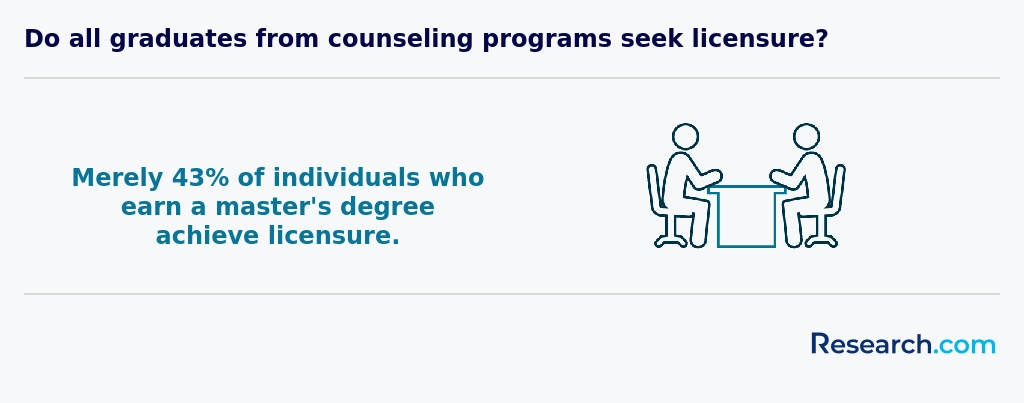
What are the prerequisites for enrolling in online counseling degree program in America?
Enrolling in an online counseling degree program in America usually begins with holding a bachelor's degree from an accredited institution, often welcoming degrees beyond counseling or psychology, such as social work or health sciences. Graduates from universities known for their counseling programs, like the University of Southern California or Boston College, often recall how completing prerequisite courses in psychology and human development helped them feel prepared and confident when applying.
Many programs expect a solid academic record, typically a minimum GPA around 3.0, reflecting readiness for graduate-level work. Students frequently share that maintaining this GPA unlocked scholarship opportunities, easing the financial stress of their education journey.
Some schools may require GRE or MAT scores, though many have dropped these to widen accessibility. Graduates emphasize that submitting strong letters of recommendation and a personal statement expressing genuine motivation deeply influenced admissions decisions, especially at competitive schools like Loyola University Chicago.
For doctoral hopefuls, relevant counseling experience or a master's degree with state licensure often proves essential, grounding their education in real-world practice and fueling their passion for meaningful client impact.
What courses are typically in online counseling degree programs in America?
Online counseling degrees in America typically include courses that balance theory with hands-on skills, shaping confident and competent counselors. Graduates from well-regarded institutions like the University of Southern California or Arizona State University often recall how foundational classes in Counseling Theory and Human Growth helped them understand human behavior deeply, preparing them for real-world challenges. These courses introduce essential principles and the psychological development stages they witness reflected in their clients' stories.
Assessment and Diagnosis classes train students to interpret mental health conditions using tools like the DSM-5, which feels empowering when graduates first apply these skills during supervised internships. Practical Counseling Techniques courses are particularly valued, as students practice communication and intervention strategies that become the tools of their trade when meeting clients. Multicultural Counseling offers insightful perspectives, encouraging empathy and cultural sensitivity, crucial in diverse American communities.
Research Methods and Ethics classes might surprise some students by showing how to critically evaluate studies and maintain professional integrity, skills that build trust with clients and licensing boards alike. The practicum or internship opportunities strike a balance between anxiety and excitement, allowing students to consolidate their learning in real clinical settings, often a defining moment in their educational journey.
What types of specializations are available in online counseling degree programs in America?
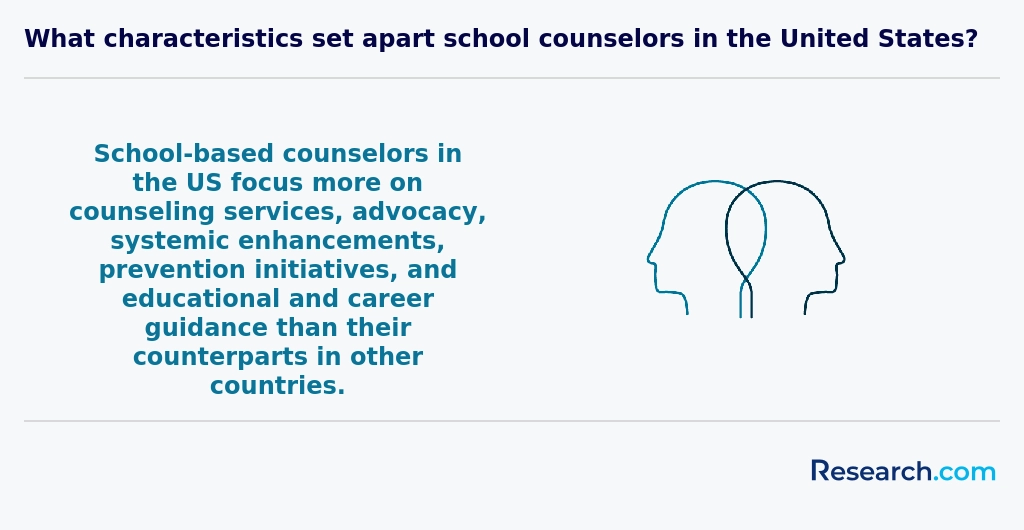
Students pursuing an online counseling degree in America often encounter a variety of specialized counseling programs tailored to distinct populations and professional aims. Common specializations include Clinical Mental Health Counseling, where graduates share enthusiasm for supporting clients with mental and emotional challenges typically seen in hospitals or private practices. School Counseling attracts those passionate about guiding children through academic and personal growth in K-12 settings. Other popular tracks are Marriage and Family Therapy, emphasizing relationship dynamics, and Addiction Counseling, focusing on recovery journeys within treatment centers. Rehabilitation Counseling offers a rewarding path for helping individuals with disabilities achieve independence.
Graduates from respected universities often reflect on how these specializations shape their career identity and deepen their impact on communities. Choosing an area of focus aligns with licensure goals and personal values, helping students feel confident and fulfilled in their future work. For anyone wondering about degree choices, understanding online counseling degree specializations USA offers is crucial, especially when considering costs and program fit. Some students also explore options on what is the easiest bachelors degree to get, weighing convenience with meaningful specialization.
How do you choose the best online counseling degree in America?
Choosing the best online counseling degree in America hinges on accreditation and program relevance. Graduates from well-known universities often emphasize how vital CACREP accreditation is, as it directly impacts licensure opportunities in many states. For those pursuing the best online counseling doctorate programs USA, ensuring the curriculum aligns with the specialization you seek-whether clinical mental health, school counseling, or marriage and family therapy-is crucial for meaningful career preparation.
Cost concerns also weigh heavily. Many students share experiences of balancing family and work while managing tuition fees that may range significantly. Exploring affordable online counseling degrees in America often leads to programs that offer transparent tuition and resources, including financial aid. Some graduates advise looking into employer tuition reimbursement or programs listed among accredited colleges online that waive application fees, which can ease initial expenses and logistics.
Another important insight comes from the quality of faculty and student support. Successful students point out that experienced instructors and robust online learning platforms helped them stay motivated and connected despite the virtual format. Programs that prepare candidates for the National Counselor Examination (NCE) also offer a critical advantage, helping graduates confidently move toward licensure.
What career paths are available for online counseling degree students in America?
Graduates with an online counseling degree in America find themselves welcomed into an array of fulfilling career paths that touch many aspects of human well-being. Many choose to become mental health counselors, offering vital therapy and emotional support to individuals grappling with life's challenges. Others pursue roles as school counselors at institutions like Arizona State University or the University of Southern California, where they guide students through academic and personal growth stages. Rehabilitation counseling is another meaningful path, as seen with graduates from well-known programs, helping clients with disabilities regain independence.
Exploring job opportunities for counseling graduates in America reveals diverse options such as marriage and family therapy or substance abuse counseling-fields that resonate deeply with those eager to make a compassionate impact. Students often reflect on how learning through respected colleges prepares them for licensing requirements and real-world scenarios, reinforcing their confidence. For those weighing financial concerns, it's important to research programs thoroughly and consider the value beyond tuition, just as graduates balancing expenses consult resources like which trade school job pays the most.
What is the job market for online counseling degree in America?
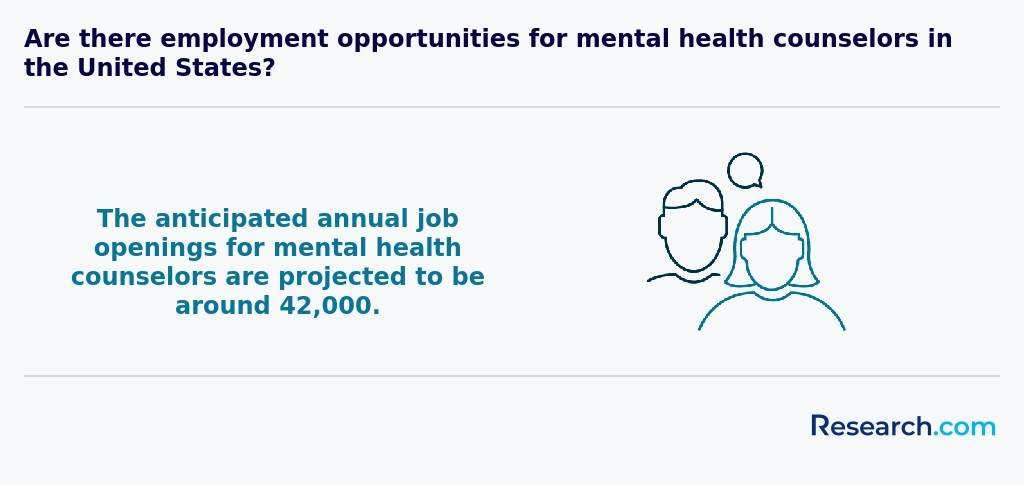
The job market for online counseling degree holders in America is notably robust, reflecting a growing recognition of mental health's importance across diverse communities. Graduates from institutions like the University of Phoenix or Liberty University, who balance work and study thanks to flexible online formats, often find encouraging opportunities in schools, healthcare settings, and private practices. This positive outlook is rooted in steady demand, as more employers seek professionals skilled in counseling to support employee assistance programs or community agencies. The emphasis on supervised clinical experience within these online programs prepares graduates well for licensure requirements.
Many counseling students in America appreciate that their programs allow them to progress quickly and enter jobs sooner, making an immediate difference in clients' lives. The online counseling degree job outlook USA continues to expand, particularly in metropolitan areas where wages are attractive. Prospective students might consider programs noted for affordability, often found in best 6 month associate degree offerings that fast-track foundational skills. Such pathways make the counseling profession accessible and rewarding amid evolving societal needs.
Frequently Asked Questions About counseling
Online counseling degree students in America can maximize their learning by actively engaging with coursework and peers. Participating in discussion boards and virtual study groups enhances understanding and builds professional networks. According to the National Board for Certified Counselors, 61% of counseling professionals recommend supervised practical experience to solidify theoretical knowledge.
Utilizing campus resources, such as online tutoring and career counseling, supports academic success. Staying organized with a strict schedule helps balance studies with personal responsibilities, a key factor given that many online students juggle work and family.
Finally, seeking internships or practicum placements in local counseling settings provides invaluable hands-on experience aligned with licensure requirements by the American Counseling Association.
The counseling profession in the United States is expanding into several emerging niches, reflecting evolving societal needs. One notable area is telehealth counseling, which has grown significantly since 2020, allowing counselors to provide remote support nationwide. Another specialty gaining momentum is trauma and crisis counseling, addressing increased demand due to natural disasters and public health emergencies.
Substance abuse counseling remains critical, especially with the opioid crisis persisting. Additionally, career counseling focused on digital economy skills is becoming vital as the job market transforms. Gerontological counseling, serving the aging U.S. population, also offers promising growth, supported by the U.S. Census Bureau's data on demographic shifts.
Preparing for the job market after completing an online counseling degree in America requires strategic steps. First, obtaining licensure is essential. Most states require a Licensed Professional Counselor (LPC) credential, which involves completing supervised clinical hours-often 2,000 to 4,000-and passing a national exam such as the National Counselor Examination (NCE).
Networking is crucial in the counseling field. Joining professional organizations like the American Counseling Association (ACA) can provide valuable connections and job resources. Additionally, gaining specialized certifications in areas such as trauma or substance abuse can enhance employability.
Many employers prefer candidates with practical experience. Graduates should seek internships or volunteer opportunities to build their clinical skills. According to the U.S. Bureau of Labor Statistics, the counseling profession is expected to grow 23% from 2021 to 2031, indicating strong job prospects for qualified applicants.
Employers in the American counseling field prioritize strong communication skills in graduates of online counseling degree programs. Effective listening and empathetic responses are essential for building trust with clients.
Additionally, cultural competence is critical due to the diverse population counselors serve. The U.S. Bureau of Labor Statistics highlights adaptability and ethical decision-making as key professional traits. Understanding evidence-based therapies such as cognitive-behavioral therapy (CBT) also increases employability.
Data from the American Counseling Association indicates that proficiency in technological tools for telehealth services has become increasingly important following recent healthcare trends.
Finding internships relevant to counseling degrees in America involves a strategic approach through educational institutions, professional associations, and online platforms. Most accredited counseling programs require internships as a core component, often partnering with local clinics, schools, or mental health agencies. Students should consult their program's career services or faculty advisors early to access established internship opportunities.
The American Counseling Association (ACA) offers resources and a job board that can help locate paid or unpaid internships aligned with counseling specialties. According to the Bureau of Labor Statistics, internships improve job prospects by 35% for counseling graduates.
Additionally, websites like Handshake and the National Board for Certified Counselors (NBCC) provide listings targeted to counseling students. Networking at conferences and joining state counseling organizations can further expand connections to internship openings.
Obtaining an online counseling degree in America significantly enhances career mobility and advancement opportunities. According to the U.S. Bureau of Labor Statistics, employment for counselors is projected to grow 23% from 2021 to 2031, much faster than average. This growth creates openings for qualified professionals across settings such as schools, healthcare, and private practice.
Online programs accredited by organizations like CACREP ensure that graduates meet licensure requirements, which is crucial for career advancement. Holding a doctorate or master's degree in counseling allows professionals to specialize, pursue clinical roles, or qualify for leadership positions.
Moreover, the flexibility of online education helps working adults upskill without interrupting their careers, facilitating smoother transitions into higher-paying, advanced counseling roles.
Studying for a counseling degree in America equips students with broad skills necessary for interdisciplinary roles across healthcare, education, and social services. Accredited programs emphasize collaboration with professionals such as psychologists, social workers, and medical staff, preparing graduates to contribute effectively to diverse teams.
Curricula often include courses in psychology, human development, and ethics, blended with practical training in communication and assessment techniques. According to the Council for Accreditation of Counseling & Related Educational Programs (CACREP), over 90% of accredited counseling programs require interdisciplinary coursework.
This comprehensive training supports roles in schools, hospitals, and community centers, where counselors work alongside other specialists to address complex client needs.
Choosing between a thesis and a non-thesis counseling degree program in America depends largely on your career goals. A thesis program involves original research, which is ideal if you plan to pursue academic positions or doctoral studies later. The American Counseling Association notes that thesis options often require strong writing and research skills.
Non-thesis programs focus more on practical skills and coursework, better suited for those aiming for clinical work or licensure. According to the Council for Accreditation of Counseling & Related Educational Programs (CACREP), many American states accept both formats for licensure eligibility.
Time commitment also varies: thesis programs usually take longer, averaging 1-2 additional semesters. Consider your schedule, interest in research, and professional requirements when deciding.
Students based in America interested in studying counseling abroad have several options through online degree programs offered by accredited foreign institutions. While in-person study abroad is limited by travel and visa requirements, many international universities provide fully online counseling degrees accessible worldwide.
The Council for Higher Education Accreditation (CHEA) emphasizes the importance of verifying accreditation credentials, especially when considering foreign programs. American students should ensure that the online program meets US licensing requirements if they plan to work in the United States.
Popular destinations with recognized online counseling degrees include the United Kingdom, Australia, and Canada, where programs often align with the American Counseling Association (ACA) standards or have equivalency agreements. Additionally, some US universities offer partnerships with international schools to facilitate credit transfer and dual degrees.
According to the National Center for Education Statistics (NCES), approximately 14% of postsecondary students participate in some form of online education, and this number continues to grow, reflecting the increasing viability of remote international study.
Students pursuing online counseling degrees in America often seek part-time job opportunities that enhance their academic experience and build practical skills. Common roles include mental health technician positions, which provide hands-on experience in clinical settings. According to the U.S. Bureau of Labor Statistics, these jobs offer exposure to patient care and can complement coursework effectively.
Another option is working as a peer counselor or crisis hotline operator. These roles help develop communication and active listening skills crucial for licensed counselors. Many universities and community organizations hire students for these positions.
Additionally, research assistant positions in psychology or social work departments allow students to engage with current counseling theories and data analysis.
Networking opportunities for online counseling students in America have expanded significantly in recent years. Many accredited programs offer virtual events, discussion forums, and live webinars where students can connect with peers and faculty. According to the American Counseling Association (ACA), these platforms help build professional relationships crucial for career growth.
Additionally, some schools partner with local counseling organizations, enabling students to attend regional conferences and workshops. Networking also occurs through specialized LinkedIn groups and national counseling associations where over 57,000 members exchange resources and job leads.
Online students often benefit from career services that facilitate internships and mentoring programs, enhancing practical connections essential for licensure and employment within the US.
Alumni networks play a crucial role for students pursuing online counseling degrees in the United States. These networks offer access to professional connections, mentorship, and career opportunities that can be vital in a competitive job market. According to the American Counseling Association, strong professional relationships improve employment outcomes and job satisfaction.
Many alumni groups provide exclusive webinars, workshops, and job listings tailored to counseling graduates. This ongoing support helps students navigate licensure requirements and continuing education credits required in most states.
Furthermore, alumni networks foster a sense of community among remote learners, reducing isolation often experienced in online programs. This connection enhances both academic success and professional growth over time.
Customizing an online counseling degree in America involves selecting specializations and elective courses that align with your career goals. Many accredited programs offer concentrations such as mental health counseling, school counseling, or marriage and family therapy. According to the Council for Accreditation of Counseling & Related Educational Programs (CACREP), specialization helps tailor your skills for specific licensure requirements across states.
Online programs often provide flexible practicum or internship placements, allowing you to gain experience in settings relevant to your career interests. You can also choose part-time or accelerated tracks depending on your schedule. This flexibility is vital, as the U.S. Bureau of Labor Statistics expects a 22% growth in mental health counseling jobs from 2020 to 2030.
Additionally, some universities incorporate personalized advising to help you align coursework with licensure exams like the National Counselor Examination (NCE). This structured customization ensures that your degree meets both educational and professional standards.
Online counseling students in America often face challenges related to balancing rigorous coursework with personal and professional responsibilities. Many must manage internships or clinical hours, which require in-person attendance despite the online format. According to the Council for Accreditation of Counseling and Related Educational Programs (CACREP), completing these practicum hours is essential but can be difficult to schedule.
Another common challenge is limited access to real-time peer and faculty interaction, which some studies suggest impacts skill development and learner motivation. Technical issues, such as unreliable internet connections, can also disrupt learning. Furthermore, students may struggle with staying engaged and maintaining discipline without the structured environment of traditional classrooms.
Financial barriers and accreditation concerns are additional hurdles, as not all online programs meet state licensure requirements, potentially affecting graduates' eligibility for professional counseling licenses.
With an online counseling degree in the United States, graduates can pursue several professional certifications that enhance career opportunities. One of the most common is the Licensed Professional Counselor (LPC) credential, which requires passing a state-recognized exam and completing supervised clinical hours. According to the Bureau of Labor Statistics, LPCs earn a median annual wage of about $48,720 (2023 data).
Other certifications include the National Certified Counselor (NCC) offered by the National Board for Certified Counselors (NBCC), which validates a counselor's competency and ethics.
Additionally, specialized credentials like Certified Clinical Mental Health Counselor (CCMHC) are available for those focused on clinical practice.
To write a winning application for an online counseling program in America, start by thoroughly researching accredited programs approved by the Council for Accreditation of Counseling and Related Educational Programs (CACREP). Accreditation ensures quality and is often required for licensure.
Highlight your relevant academic background and practical experience in mental health or related fields. Clearly articulate your career goals and how the program aligns with them. According to the American Counseling Association, programs receiving hundreds of applications prioritize candidates who demonstrate commitment and understanding of counseling ethics.
Strong letters of recommendation, preferably from professionals in counseling or psychology, add credibility. Tailor your personal statement to reflect your passion and readiness for rigorous graduate-level work, ideally including examples of overcoming challenges or relevant volunteer work.
Globally, a counseling career is recognized for its vital role in mental health and well-being. In the U.S., the demand for counselors is growing rapidly-according to the Bureau of Labor Statistics, employment in this field is projected to grow 23% from 2021 to 2031, much faster than average. This growth reflects global awareness of mental health issues.
American counseling degrees emphasize evidence-based practices and cultural competence, preparing graduates for diverse populations. Many countries look to U.S. standards, including accreditation by the Council for Accreditation of Counseling and Related Educational Programs (CACREP), as a benchmark.
Internationally, counseling careers vary by regulation and recognition. While the U.S. has established licensure paths, some countries still develop formal structures. Nonetheless, the profession's core goal-to support emotional health-remains consistent across borders.
Gaining practical experience while studying for an online counseling degree in America is essential for licensure and skill development. Most programs require clinical practicum or internship hours ranging from 600 to 1,200 hours, depending on state licensing boards such as the American Counseling Association. Students can complete these hours locally, arranging placements at approved health clinics, schools, or community agencies near their residence.
Many online programs provide support in finding supervised placements, connecting students with licensed professionals who oversee their work. Additionally, virtual simulations and role-playing exercises are increasingly used to complement real-world practice.
According to the Council for Accreditation of Counseling and Related Educational Programs (CACREP), combining online coursework with hands-on experience maintains accreditation standards and prepares students effectively.
When choosing a concentration within an online counseling degree program in America, start by evaluating your career goals and interests. The U.S. Bureau of Labor Statistics projects a 22% growth in employment for mental health counselors from 2020 to 2030, signaling strong demand across specialties.
Consider popular concentrations such as clinical mental health, school counseling, or marriage and family therapy. Each has specific licensure requirements; for example, clinical mental health counselors often need a Licensed Professional Counselor (LPC) credential, regulated by state boards.
Research program accreditation and how each concentration complements your desired certification path. The Council for Accreditation of Counseling and Related Educational Programs (CACREP) is a key accrediting body ensuring quality education in counseling.
Financial aid opportunities and program flexibility may also influence your decision, particularly for working professionals balancing study with other commitments.
Top Trending Counseling Rankings
See What Experts Have To Say About Studying Counseling
Read our interview with Counseling experts

Charles Figley
Counseling Expert
Kurzweg Distinguished Chair in Disaster Mental Health
Tulane University

References
- How to Write a School Counselor Cover Letter | VocoVision https://www.vocovision.com/resources/uncategorized/how-to-write-a-strong-school-counselor-cover-letter/
- Online Counseling MS Program Expectations | University of Bridgeport https://www.bridgeport.edu/news/online-masters-in-counseling-program-expectations/
- Networking for Therapists: Building Connections for Career Success & Client Care https://www.mentalyc.com/blog/networking-for-therapists
- Fastest Way To Become A Therapist Or Licensed Counselor https://www.psychology.org/careers/fastest-way-to-become-counselor/
- Home https://www.counselingdegreeguide.org/
- Networking: Are You Connected? https://www.apaservices.org/practice/business/marketing/building/networking
- Utilize Your Alumni Networks https://www.keg.com/news/ways-to-use-your-alumni-networks-for-the-better
- Interdisciplinary Training: Preparing Counselors for Collaborative Practice - The Professional Counselor https://tpcjournal.nbcc.org/interdisciplinary-training-preparing-counselors-for-collaborative-practice/
- Homepage https://onlinecounselingprograms.com/
- Building High-Quality School Counseling Programs To Ensure Student Success - EdResearch for Action https://edresearchforaction.org/research-briefs/building-high-quality-school-counseling-programs-to-ensure-student-success/