
2027 Most Affordable Counseling Degree Programs Ranking in Fort Lauderdale

Co-Founder and Chief Data Scientist
Choosing the right counseling degree program is a big step toward a rewarding career in Fort Lauderdale. To help you navigate your options, this article features the 2027 Most Affordable Counseling Degree Programs Ranking in Fort Lauderdale created by the Research.com team of data scientists.
By exploring this ranking, you'll find quality programs that fit your budget and goals. Earning a counseling degree opens doors to making a positive impact on others' lives while building a meaningful future.
Take this opportunity to learn more and make an informed decision about your education path.
Key benefits of getting counseling degree in Fort Lauderdale
- Counseling degree graduates in Fort Lauderdale can earn competitive salaries, such as Addiction Counselors making around $60,080 annually and Community Outreach Coordinators earning approximately $54,020 per year.
- Graduates from local universities often pursue diverse career paths, including roles like Rehabilitation Specialists and Family Support Workers, offering meaningful work in community-focused environments.
- Online counseling degrees from Fort Lauderdale institutions provide flexibility, allowing students to balance studies with personal commitments while gaining the same valuable skills as traditional programs.
- Key benefits of getting counseling degree in Fort Lauderdale
- What can I expect from counseling degree in Fort Lauderdale?
- Where can I work with counseling degree in Fort Lauderdale?
- How much can I make with counseling degree in Fort Lauderdale?
- 2027 Most Affordable Counseling Degree Programs Ranking in Fort Lauderdale
- Key Findings
- How long does it take to complete counseling degree in Fort Lauderdale?
- State Licensure Requirements and Reciprocity for Counseling Professionals
- What's the difference between online and on-campus counseling degree?
- Program Accreditation and State Licensure Requirements
- What is the average cost of counseling degree in Fort Lauderdale?
- Becoming a Licensed Counselor in Florida
- What financial aid is available to counseling degree students in Fort Lauderdale?
- Finding Affordable Counseling Schools in Fort Lauderdale
- What are the prerequisites for enrolling in counseling degree program in Fort Lauderdale?
- Licensure and Certification in Florida
- What courses are typically in counseling degree programs in Fort Lauderdale?
- What types of specializations are available in counseling degree programs in Fort Lauderdale?
- How do you choose the best counseling degree in Fort Lauderdale?
- What career paths are available for counseling degree students in Fort Lauderdale?
- What is the job market for counseling degree in Fort Lauderdale?
- Top Trending Counseling Rankings
- See What Experts Have To Say About Studying Counseling
What can I expect from counseling degree in Fort Lauderdale?
The average cost of a counseling degree in Fort Lauderdale varies but generally ranges between $7,000 and $30,000 per year, depending on the type of institution and residency status. Graduates from local community colleges often share how affordability allowed them to focus more on their clinical training rather than on financial stress. Meanwhile, those at universities like Nova Southeastern often emphasize the added value of CACREP-accredited programs, which, although sometimes more expensive, offer rigorous preparation needed for state licensure.
Many students voice excitement about investing in master's degree programs that combine theory with 600 to 1,000 hours of supervised clinical experience, a crucial phase that deepens practical skills. These experiences, often facilitated by Fort Lauderdale-based institutions, help build confidence in real-world counseling settings. The balance of cost and quality is a common topic among students, with some finding scholarships and financial aid that make higher-priced programs attainable without excessive debt.
This mix of affordability, high standards, and practical exposure positions Fort Lauderdale as a promising place to pursue counseling degrees.
Where can I work with counseling degree in Fort Lauderdale?
Graduates from counseling programs at institutions like Nova Southeastern University and Broward College in Fort Lauderdale find abundant opportunities across mental health clinics, private practices, and hospitals. Many share how rewarding it feels to support individuals and families navigating emotional challenges, witnessing firsthand the positive impact therapy has on lives.
Counseling students often picture themselves collaborating with integrated care teams at places such as Broward Health Medical Center, helping patients cope with chronic illnesses or addiction recovery. The local demand for licensed counselors is expected to grow, creating promising career prospects for new professionals eager to make a difference.
School counseling is another popular path, with graduates finding meaningful roles in Broward County's extensive public and private school systems. Imagine guiding students through career choices and social struggles while fostering supportive, nurturing environments every day.
Community agencies and senior care facilities also attract counseling graduates, offering chances to develop crisis programs or provide specialized support for older adults facing end-of-life concerns. These roles spark feelings of fulfillment knowing their work directly enhances community well-being.
How much can I make with counseling degree in Fort Lauderdale?
Graduates from counseling programs in Fort Lauderdale can anticipate competitive earnings that reflect both their specialization and experience. For example, those working as intervention specialists often find themselves earning a mean annual wage around $76,000, a promising figure that encourages many local students to pursue advanced certifications. Meanwhile, rehabilitation specialists typically start with salaries near $48,430 annually, offering a solid foundation as they build experience.
Community outreach coordinators and family support workers in the area, many of whom graduate from institutions like Nova Southeastern University or Broward College, earn about $54,020 per year. Addiction counselors, another popular path among Fort Lauderdale graduates, report mean annual wages near $60,080, illustrating the value of specialized training combined with hands-on practice.
Graduates often recall their first roles in community clinics or schools with excitement, energized by the tangible impact they make. The evolving healthcare landscape in Fort Lauderdale suggests rising demand for these careers, potentially boosting future wages even more for those who advance their studies and credentials locally.
2027 Most Affordable Counseling Degree Programs Ranking in Fort Lauderdale
How do we rank schools?
Investing in your education is a significant decision that can shape your future, and the Research.com team understands the importance of making informed choices. To assist prospective students in Fort Lauderdale, we have meticulously crafted the "2027 Most Affordable Counseling Degree Programs Ranking." Our commitment to quality, credibility, and accuracy is reflected in the extensive research and analysis conducted to compile this ranking.
We utilized the following reputable data sources to ensure a comprehensive evaluation of counseling programs:
By exploring this ranking, readers will gain valuable insights into the most affordable and credible counseling degree programs available in Fort Lauderdale, helping them make confident and well-informed educational decisions. For more details on our methodology, please visit our Research.com methodology page.


Key Findings
- Counseling degrees in Fort Lauderdale range from bachelor's to master's levels, with master's degrees required for clinical licensure.
- The average cost for a master's degree in counseling is between $15,000 and $30,000 for in-state students, with public universities generally offering lower tuition than private schools.
- The region shows a higher demand for licensed counselors than the national average, supporting strong employment prospects for graduates.
- Entry-level counseling salaries range from $43,000 to $50,000 annually, while experienced professionals can earn between $60,000 and $70,000 per year.
- Licensure requires completing an accredited counseling degree, about 3,000 supervised clinical hours, and passing the Florida state licensing exam.
How long does it take to complete counseling degree in Fort Lauderdale?
In Fort Lauderdale, completing a counseling degree typically aligns with national timelines but is increasingly flexible. Graduates from popular institutions like Nova Southeastern University often share how a traditional four-year Bachelor's degree laid a strong foundation while balancing part-time work and family life. For many, the convenience of hybrid or online options at these local colleges accelerates the journey, sometimes shortening the two- to three-year Master's degree to just under two years without sacrificing quality.
Future counseling students can expect continued innovation in program formats, such as competency-based progress and immersive virtual clinics. These evolving methods may allow learners to meet Florida's 3,000-hour post-master's supervised clinical requirement more dynamically, fitting practical experience alongside study rather than afterward.
Doctoral candidates at Fort Lauderdale's prominent universities highlight the personalized mentorship and research opportunities that make the four- to six-year commitment feel rewarding, fueling excitement for advanced clinical or academic roles. The balance of rigorous training and flexible completion times inspires confidence for those pursuing counseling careers locally.
State Licensure Requirements and Reciprocity for Counseling Professionals
To practice as a Licensed Professional Counselor (LPC) in Florida, candidates must graduate from a CACREP-accredited or regionally accredited master’s program with at least 60 semester hours, complete 2,000 hours of supervised clinical experience post-degree, and pass the National Counselor Examination (NCE) administered by the National Board for Certified Counselors (NBCC). Applicants then submit their score report, official transcripts, and background check to the Florida Board of Clinical Social Work, Marriage & Family Therapy, and Mental Health Counseling. Once licensed, counselors must complete 30 hours of continuing education every two years, including two hours in ethics and one hour in human trafficking awareness. Florida also recognizes licensure reciprocity for counselors moving from other jurisdictions. Professionals licensed in another state may qualify for temporary practice while their credentials are evaluated. For those considering relocation to Georgia, detailed lpc in georgia requirements can help you map out supervised hours, exam formats, and application steps unique to that state. Understanding both Florida and Georgia licensure pathways ensures a seamless transition and up-to-date compliance with state regulations.
What's the difference between online and on-campus counseling degree?
Online and on-campus counseling degrees in Fort Lauderdale differ mainly in how students engage with their studies and community. Graduates from local universities often recall the energizing experience of face-to-face discussions and direct mentorship, which fostered deep connections and professional growth. This traditional on-campus setting allows for immediate hands-on opportunities through partnerships with nearby clinics, supporting students as they fulfill licensure-required clinical hours.
Conversely, online programs offer striking flexibility that resonates with working adults or parents in Fort Lauderdale balancing multiple responsibilities. Alumni appreciate how digital platforms enable them to attend synchronous classes or watch recorded lectures at their own pace, creating a personalized learning rhythm. Many online students describe the satisfaction of independently securing local internships, which sharpens their self-efficacy and adaptability-skills critical to counseling careers.
Looking ahead, the distinction between these formats may blur as hybrid models emerge, integrating immersive virtual reality or AI-driven simulations to replicate on-campus interactions. Such innovations could empower Fort Lauderdale's counseling students to enjoy both the community and convenience crucial for thriving in their careers.
Program Accreditation and State Licensure Requirements
When choosing an affordable counseling degree program in Fort Lauderdale, ensuring proper accreditation and understanding Florida’s licensure requirements are critical steps toward a successful career. Accredited programs meet rigorous standards that prepare graduates for licensure exams and professional practice. • Regional and Specialized Accreditation: – Look for institutions regionally accredited by agencies such as the Southern Association of Colleges and Schools Commission on Colleges (SACSCOC). – Verify that the counseling program holds CACREP (Council for Accreditation of Counseling and Related Educational Programs) accreditation, which is widely recognized by employers and state boards. • Florida Licensure Pathway: – Master’s Degree Requirements: Florida requires a minimum of 60 graduate semester credit hours in counseling, with coursework covering diagnosis, counseling theories, ethics, and multicultural issues. – Supervised Clinical Experience: Candidates must accumulate at least 2,000 hours of supervised clinical practice post-degree, documented by a licensed supervisor. – Examination: Graduates must pass the National Clinical Mental Health Counseling Examination (NCMHCE) or an equivalent state-approved exam. – State Board Application: Submit official transcripts, proof of supervised hours, and examination results to the Florida Board of Clinical Social Work, Marriage & Family Therapy, and Mental Health Counseling. • Reciprocity and Continuing Education: – If you hold licensure in another state, review Florida’s licensure reciprocity policies to streamline your application. For details on out-of-state options, explore our Affordable Counseling Degree Programs Ranking in Washington, DC. – Maintain your credential by completing 30 hours of continuing education every two years, including ethics, cultural competence, and clinical supervision topics. By confirming accreditation and mapping out Florida’s licensure requirements early, you safeguard your investment in an affordable counseling degree and position yourself for licensure success and professional credibility.
What is the average cost of counseling degree in Fort Lauderdale?
In Fort Lauderdale, the average total cost of obtaining a counseling degree typically falls around $38,700 for in-state students, reflecting a significant investment in education. Graduates from public institutions often recall the balance of affordability and quality, appreciating tuition rates that make advanced counseling degrees accessible. With private colleges, costs can approach nearly $59,000, yet many students feel the specialized programs, such as those offered by schools near Fort Lauderdale, justify the larger financial commitment due to their targeted instruction and networking opportunities.
For students seeking Fort Lauderdale affordable counseling degree programs, public universities provide a valuable pathway, especially when combined with scholarships or employer tuition reimbursement programs. These students often share stories about managing expenses while gaining hands-on experience through practicum placements, which deepens their learning and confidence in future counseling roles.
Emerging trends suggest that the future of counseling education in Fort Lauderdale may increasingly involve flexible and virtual formats, lowering costs and broadening access. For instance, graduates sometimes explore virtual forensic psychology programs as a way to complement their counseling studies, expanding their skill sets without relocating or incurring heavy additional expenses.

Becoming a Licensed Counselor in Florida
Becoming a licensed counselor in Florida requires a combination of accredited education, supervised practice, and professional examination.
- Education: Earn a master’s degree in counseling from a CACREP-accredited program. Many students choose a flexible counselor degree online that meets state standards.
- Supervised Experience: Complete at least 2,000 hours of post-master’s supervised clinical experience under a board-approved supervisor.
- Examination: Pass the National Counselor Examination (NCE) or the National Clinical Mental Health Counseling Examination (NCMHCE).
- Application: Submit your licensure application and required fees to the Florida Board of Clinical Social Work, Marriage & Family Therapy, and Mental Health Counseling.
- Renewal: Fulfill continuing education requirements (at least 40 hours every two years) to maintain licensure and stay current with best practices.
What financial aid is available to counseling degree students in Fort Lauderdale?
Graduates of counseling programs in Fort Lauderdale often share how crucial federal financial aid was in easing their educational journey. By filling out the FAFSA, they accessed Pell Grants and low-interest federal loans, helping cover significant portions of the $8,000 to $15,000 annual tuition at universities like Nova Southeastern and Florida International. These grants felt like a financial lifeline, reducing stress and allowing students to focus more on their studies.
State grants such as the Florida Student Assistance Grant have also become increasingly impactful for local students. Many recount how this need-based aid made counseling degrees attainable without overwhelming debt, especially when studying at public institutions near Fort Lauderdale.
Scholarships from organizations like the Florida Counseling Association frequently support students passionate about mental health, offering targeted funds that feel personalized and motivational. Additionally, some graduates found that employer tuition reimbursement programs helped them continue advancing while working in healthcare or social services, blending career growth with education.
Looking ahead, emerging trends suggest increased collaboration between Fort Lauderdale employers and universities to expand these aid options, creating more accessible pathways for counseling students.
Finding Affordable Counseling Schools in Fort Lauderdale
. When considering a counseling degree, one of the most significant factors is the cost of the program. Prospective students often find themselves weighing the benefits of a quality education against the financial constraints they may face. To alleviate these concerns, it's essential to explore options that balance affordability with academic excellence. For those interested in pursuing a counseling degree in Florida, researching affordable counseling schools in Florida can be a crucial step in making informed decisions about their educational path. By understanding the factors that influence program costs and seeking out institutions that offer competitive pricing without compromising on quality, students can set themselves up for success in their future careers as counselors.
What are the prerequisites for enrolling in counseling degree program in Fort Lauderdale?
Enrolling in a counseling degree program in Fort Lauderdale generally calls for a completed bachelor's degree, often from institutions like Florida Atlantic University or Nova Southeastern University. Graduates recall how having relevant coursework in psychology or social work boosted their confidence and helped them relate theory to real-world challenges during their clinical placements.
Maintaining a solid undergraduate GPA around 2.5 to 3.0 is becoming a baseline, though some programs emphasize holistic admissions, valuing personal statements that reflect genuine passion and career vision. For example, many students found that sharing personal stories about meaningful volunteer experiences in local mental health organizations resonated well with admissions committees.
While GRE scores are less frequently required, programs in Fort Lauderdale increasingly prioritize applicants who demonstrate readiness through practical experience and reflective essays. Future applicants might benefit from growing trends toward flexible prerequisites that recognize diverse backgrounds and evolving professional standards in counseling education.
Students also appreciate transparent information about financial investments needed, knowing that manageable tuition fees paired with thorough supervised clinical experiences prepare them to meet Florida's licensing requirements effectively.

Licensure and Certification in Florida
Graduates must complete these key requirements before practicing as professional counselors:
- Earn a master’s degree from a CACREP-accredited counseling program.
- Complete at least 1,500 hours of supervised clinical experience.
- Pass the National Clinical Mental Health Counseling Examination (NCMHCE).
- Submit an application and pass the Florida Law and Rules exam with the state board.
- Maintain licensure with 30 hours of continuing education every two years.
For flexible, accredited options, explore a counseling degree online that meets Florida requirements.
What courses are typically in counseling degree programs in Fort Lauderdale?
Students pursuing counseling degrees in Fort Lauderdale typically engage with a comprehensive curriculum that deeply prepares them for real-world mental health roles. Core courses like Human Growth and Development help graduates understand clients' journeys through life stages, a knowledge often praised by alumni from local institutions such as Nova Southeastern University. These courses make the learning feel personal, as one graduate recalls applying development theories to help a teenager navigate college anxiety.
Counseling Theories and Techniques classes provide hands-on practice in communication and intervention, making students feel confident before entering practicum settings. At institutions around Fort Lauderdale, this practical focus is celebrated by graduates who highlight how group counseling simulations enhanced their empathy and active listening skills.
Workshops on Ethics, Legal Issues, and Multicultural Counseling ensure students understand client confidentiality and cultural sensitivity - vital lessons often reflected in real internship experiences. Many Fort Lauderdale graduates emphasize how these courses empower them to navigate diverse communities respectfully, reinforcing a strong ethical foundation for their careers.

What types of specializations are available in counseling degree programs in Fort Lauderdale?
Students pursuing counseling degree specializations in Fort Lauderdale often focus on areas such as Mental Health Counseling, School Counseling, and Substance Abuse Counseling. Graduates from popular local colleges describe feeling empowered when applying their skills in real community settings, such as assisting youth in district schools or supporting individuals overcoming addiction in rehabilitation centers. These immersive experiences create strong connections between theoretical learning and real-world impact, fostering confidence and optimism about future career prospects.
Counseling program concentrations in Fort Lauderdale continue evolving, with an increasing focus on integrating technology and culturally responsive practices. Graduates report excitement about adapting traditional counseling roles to emerging challenges like teletherapy, showing how the training aligns with growing trends. Popular universities offer flexible coursework that allows students to specialize in multiple areas like marriage and family counseling or rehabilitation counseling, enhancing professional versatility.
Some students exploring pathways to licensure appreciate resources explaining how credentials transfer, such as lpc licensure reciprocity kentucky, underscoring the practical benefits of Fort Lauderdale's counseling degrees for a dynamic future workforce.
How do you choose the best counseling degree in Fort Lauderdale?
Choosing the best counseling degree in Fort Lauderdale involves looking ahead to programs that not only meet licensure requirements but also adapt to evolving community needs. Graduates from local universities often share how hands-on practicum experiences within Fort Lauderdale's diverse neighborhoods enhanced their confidence and readiness to serve. Many find that selecting degrees with CACREP accreditation opens doors to licensure and advanced careers, reflecting a growing trend toward standardized quality education in the area.
Affordability heavily influences decisions, especially when considering the best affordable counseling degrees Fort Lauderdale offers. Several students successfully balanced cost and quality by enrolling in hybrid programs from institutions like Nova Southeastern University, which combine in-person interaction with online flexibility. These formats foreseeably expand access for working professionals seeking licensure without pausing their lives.
As you explore choosing counseling programs in Fort Lauderdale, consider universities providing strong faculty guidance and rich internship placements. Reflecting on the pathway to becoming a health psychologist requires understanding specific credentialing steps, so exploring resources such as health psychologist qualifications can clarify future possibilities and specialized career options.

What career paths are available for counseling degree students in Fort Lauderdale?
Graduates with a counseling degree in Fort Lauderdale can pursue a variety of rewarding career paths fueled by the region's growing demand for mental health professionals. Many find fulfillment working as Licensed Mental Health Counselors or school counselors within local educational institutions, where supporting student well-being is a growing priority. Others embark on careers as marriage and family therapists or substance abuse counselors, often benefiting from practical experience gained through programs at popular colleges in Fort Lauderdale. These graduates frequently share how connecting directly with community members fuels their passion and optimism about their future roles.
Emerging opportunities in Fort Lauderdale also include rehabilitation counseling and crisis intervention, reflecting the city's commitment to diverse social services. Career counselors are becoming increasingly vital, and graduates feel inspired by the chance to guide others through personal and professional growth. The strong network of local associations encourages ongoing development and job leads.
Those interested in exploring specialized fields may want to learn about substance abuse counseling careers, which continue to expand in Fort Lauderdale's healthcare landscape. This variety of counseling jobs and salaries in Fort Lauderdale ensures graduates can align their skills with meaningful, future-proof roles while making lasting community impacts.
What is the job market for counseling degree in Fort Lauderdale?
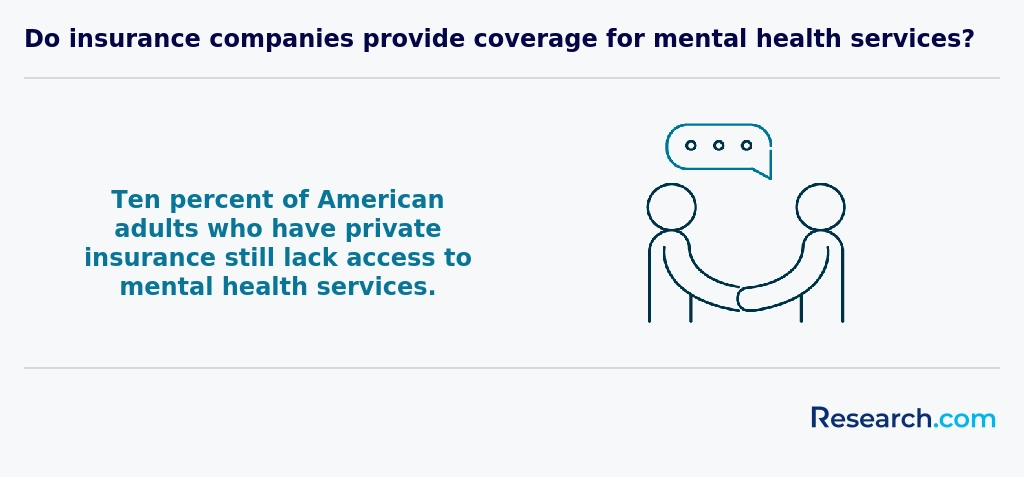
The counseling job opportunities in Fort Lauderdale are set to expand significantly, fueled by growing demand for mental health services across local hospitals, schools, and private practices. Graduates from well-regarded programs at Fort Lauderdale colleges often find encouragement in stories of peers who have quickly secured roles in community mental health clinics or veteran support centers. These promising prospects reflect the city's diverse and aging population, creating a steady need for skilled counselors. Those pursuing a counseling degree here appreciate the opportunity to engage directly with vibrant local communities, including retirees and families, gaining valuable experience that strengthens their professional path.
With median salaries for licensed counselors in Florida hovering between $48,000 and $52,000, many graduates feel optimistic about their financial futures within the region's competitive market. Students often share that investing in a counseling education, which can range from $10,000 to $25,000 annually in tuition, leads to rewarding employment opportunities. For those exploring options, programs emphasizing practical clinical work prepare graduates well for Fort Lauderdale counseling degree employment outlook realities.
Many find that pursuing specialized tracks, including Christian counseling degree online, broadens their job market prospects, especially in faith-based or community-centered settings. By aligning studies with local needs, students feel a strong sense of purpose and readiness to contribute meaningfully after graduation.
Frequently Asked Questions About counseling
Counseling degree students in Fort Lauderdale can maximize their learning by engaging in both academic and practical experiences. Fort Lauderdale offers access to accredited programs through institutions like Nova Southeastern University and Broward College, which align with the Council for Accreditation of Counseling & Related Educational Programs (CACREP) standards. Participation in internships and supervised clinical practice in local health agencies enhances skill development and real-world understanding. Networking through local organizations such as the Florida Mental Health Counselors Association provides valuable connections and professional growth. Additionally, students should utilize Fort Lauderdale's diverse community settings for broad cultural competence, which is crucial in counseling careers. Staying informed about Florida's licensure requirements is essential for career planning.
The counseling field is evolving with several emerging niches gaining attention, especially in regions like Fort Lauderdale. One significant growth area is trauma-informed counseling, reflecting the increasing recognition of mental health impacts from events like hurricanes and community violence.
Another niche is geriatric counseling, addressing the needs of Fort Lauderdale's large senior population, which is among the highest in Florida. Counselors specializing in this area focus on issues related to aging, loss, and chronic illness.
Additionally, substance abuse counseling remains crucial due to the ongoing opioid crisis affecting many Florida communities.
Finally, telehealth counseling has expanded greatly, driven by advances in technology and increased demand since 2020, providing greater access for residents across South Florida.
Preparing for the job market after earning a counseling degree in Fort Lauderdale requires strategic planning and understanding local employment trends. Graduates should begin by securing supervised clinical hours, a requirement for licensure in Florida. According to the Florida Board of Clinical Social Work, Marriage & Family Therapy, and Mental Health Counseling, candidates must complete 2,000 hours of supervised experience.
Building a professional network through local organizations such as the Florida Mental Health Counselors Association can also enhance job prospects. Fort Lauderdale's healthcare and social services sectors continue to grow, reflecting a 12% employment increase in counseling positions statewide between 2020 and 2030, as reported by the U.S. Bureau of Labor Statistics.
Additionally, obtaining certifications in specialty areas like substance abuse or school counseling can make candidates more competitive. Job seekers should leverage internship opportunities and career services offered by Fort Lauderdale's universities to connect with employers in both public and private sectors.
Employers in Fort Lauderdale emphasize strong communication skills as essential for counseling degree graduates. Effective verbal and nonverbal communication enables counselors to build trust with diverse clients, a critical aspect of successful therapy.
Another valuable skill is cultural competence. Fort Lauderdale's diverse population requires counselors to understand and respect different cultural backgrounds, improving client engagement and treatment outcomes. According to the Florida Department of Education, local employers prioritize this ability.
Graduates must also demonstrate ethical decision-making and confidentiality awareness. These skills ensure compliance with state licensing requirements and protect client rights.
Finally, critical thinking and problem-solving are key for developing personalized treatment plans. The Bureau of Labor Statistics notes these skills enhance employability in the mental health sector across Florida.
Finding internships in Fort Lauderdale related to counseling degrees involves leveraging local resources and institutions. Many universities in the area, such as Nova Southeastern University and Florida Atlantic University, have established partnerships with healthcare providers, schools, and nonprofit organizations. These partnerships often facilitate internship placements for counseling students.
Students should also explore local mental health clinics, community centers, and government agencies like the Broward County Behavioral Health Division, which offer practical training opportunities. The Florida Board of Clinical Social Work, Marriage & Family Therapy, and Mental Health Counseling provides guidelines on approved internship hours required for licensure.
Networking through professional associations such as the Florida Mental Health Counselors Association can be beneficial. Utilizing campus career services and attending relevant job fairs in Fort Lauderdale also improve internship prospects.
Obtaining a counseling degree in Fort Lauderdale significantly enhances career mobility and advancement opportunities within the region. South Florida's growing demand for mental health professionals, fueled by population growth and increased awareness of mental wellness, creates a favorable job market for counseling graduates.
According to the Bureau of Labor Statistics, the Miami metropolitan area, which includes Fort Lauderdale, is expected to see a 15% growth in employment for counselors by 2030, outpacing the national average. This growth supports advancement into roles such as clinical supervisor or program director.
Additionally, holding a counseling degree qualifies graduates for state licensure by the Florida Board of Clinical Social Work, Marriage & Family Therapy, and Mental Health Counseling, which is essential for many direct client-care positions.
Furthermore, degree holders often have access to higher salaries and specialized fields like substance abuse counseling or school counseling, increasing their professional versatility and prospects within Fort Lauderdale's diverse healthcare and education sectors.
Studying for a counseling degree in Fort Lauderdale equips students to work effectively in interdisciplinary settings by integrating knowledge from psychology, social work, and healthcare fields. Programs often emphasize collaboration skills, critical for roles involving multiple professionals such as educators, medical providers, and social service agencies.
The curriculum typically includes training in communication, crisis intervention, and ethical practices aligned with Florida licensure requirements. This prepares graduates to address diverse client needs in schools, hospitals, and community organizations.
According to the Florida Board of Clinical Social Work, Marriage & Family Therapy, and Mental Health Counseling, Fort Lauderdale counseling programs maintain accreditation that ensures relevance to various healthcare and human services sectors.
When choosing between a thesis and a non-thesis counseling degree program in Fort Lauderdale, consider your career goals and learning preferences. Thesis programs typically require original research and are ideal if you plan to pursue a doctorate or engage in counseling research. Non-thesis tracks often focus on practical skills and internships, better suited for those aiming to enter professional practice quickly.
Fort Lauderdale schools may offer both options, with varying credit requirements-thesis programs usually demand fewer credits but more research hours. According to the Florida Department of Education, 30-36 credit hours is common for master's counseling degrees in this region.
Cost may differ as thesis paths could extend study time. Carefully review course catalogs and speak with academic advisors to choose what fits your future plans in counseling best.
Students in Fort Lauderdale interested in studying counseling abroad have several practical options through U.S. institutions offering international study programs. Many universities with counseling degrees provide exchange opportunities or dual-degree programs allowing students to spend a semester or more overseas, often in partnership with schools in Europe or Latin America. These programs maintain accreditation standards set by the Council for Accreditation of Counseling and Related Educational Programs (CACREP), which is important for licensure in Florida.
In addition, some Fort Lauderdale students may choose online counseling degree programs that include international internships or practicums abroad, combining flexibility with valuable global experience. According to the Florida Department of Education, such pathways support cultural competency, an essential skill for counselors. It is advisable to confirm that any abroad program aligns with Florida licensure requirements to ensure study credits will be recognized.
Fort Lauderdale offers several valuable part-time job opportunities for students pursuing counseling degrees. Working as a behavioral health technician or peer support specialist can provide hands-on experience with mental health clients. These roles often require minimal prior experience and pay between $12 and $18 per hour, according to Florida's Department of Economic Opportunity.
Additionally, roles such as case management assistant or crisis hotline volunteer strengthen communication and crisis intervention skills crucial for counseling careers. Local hospitals and nonprofit organizations frequently seek part-time help in these areas.
Gaining practical experience through these positions supports academic learning and improves employability after graduation.
Fort Lauderdale offers numerous networking opportunities for counseling students seeking to build professional connections. Local universities, such as Nova Southeastern University, host career fairs and alumni events tailored to counseling and mental health fields. These events enable students to meet practitioners, faculty, and potential employers.
Professional organizations like the Florida Mental Health Counselors Association (FMHCA) have active chapters in the Fort Lauderdale area. These chapters provide workshops, conferences, and networking mixers designed to connect students with licensed counselors and supervisors.
Additionally, Fort Lauderdale's rich community service environment allows students to engage in internships and volunteer work at clinics and hospitals. This on-the-ground experience often leads to valuable relationships in the counseling industry, enhancing students' employability after graduation.
Alumni networks play a crucial role for counseling degree students in Fort Lauderdale by providing valuable professional connections. Graduates often share job leads and internship opportunities, which is essential in a competitive field like counseling. According to the National Board for Certified Counselors, networking contributes significantly to employment success after graduation.
In Fort Lauderdale, where local agencies and private practices frequently seek licensed counselors, an active alumni network can facilitate introductions and mentorship. These networks also offer access to continuing education and workshops, helping students stay updated with Florida's licensing requirements.
Moreover, alumni insights can guide current students through challenges unique to the counseling profession in this region's diverse community.
In Fort Lauderdale, customizing your counseling degree involves selecting electives and specializations aligned with your career goals. Many local institutions offer options such as clinical mental health, school counseling, or marriage and family therapy tracks. You can often tailor practicum and internship placements to gain experience in settings that match your interests, such as hospitals, schools, or private practices.
Fort Lauderdale's diverse community provides opportunities to work with varied populations, enhancing cultural competence. According to the National Board for Certified Counselors, Florida is among states with high demand for licensed counselors, especially in mental health fields.
Choosing programs accredited by CACREP ensures your training meets professional standards and facilitates licensure.
Counseling students in Fort Lauderdale face several common challenges throughout their education. One significant hurdle is balancing rigorous coursework with required fieldwork or internships, which are essential for licensure but often involve unpaid or low-paid hours. According to recent data from the Florida Department of Education, many students report financial stress linked to these demands.
Another challenge involves meeting strict state licensure requirements, which include specific supervised hours that can be time-consuming to arrange locally. Limited local clinical sites in Fort Lauderdale increase competition among students.
Additionally, students may struggle with mastering diverse counseling techniques to serve Fort Lauderdale's multicultural population effectively, a critical skill emphasized in graduate programs.
With a counseling degree in Fort Lauderdale, graduates can pursue several key professional certifications to enhance their career prospects. One of the most recognized is the Licensed Professional Counselor (LPC) credential, which allows individuals to provide counseling services independently in Florida. To obtain this, candidates must complete a master's degree, supervised hours, and pass the National Counselor Examination.
Other certifications include the Certified Clinical Mental Health Counselor (CCMHC), which demonstrates expertise in clinical counseling beyond licensure. Additionally, professionals may seek specialization in areas such as addiction counseling through the Certified Addiction Counselor (CAC) credential.
These certifications can improve employment opportunities within Fort Lauderdale's expanding mental health sector, which grows alongside the city's diverse population. According to the Florida Department of Health, LPCs are among the most in-demand counselors statewide, including Broward County.
Writing a winning application for a counseling program in Fort Lauderdale requires careful preparation and attention to detail. Start by researching the admission requirements for specific schools, such as Nova Southeastern University or Florida Atlantic University, both offering respected counseling degrees in the area. Highlight your academic achievements and relevant professional or volunteer experience that demonstrates your dedication to helping others.
Personal statements should clearly communicate your motivation for pursuing counseling and your career goals. Admissions committees look for strong communication skills and emotional intelligence, critical for counseling roles. Including references from professionals familiar with your work can strengthen your application.
Stay mindful of application deadlines and submit all required documents, including transcripts and test scores, to avoid delays. Fort Lauderdale's counseling programs often emphasize practical experience; mentioning any internships or fieldwork can be beneficial.
Globally, counseling careers are recognized as essential for mental health and well-being. In the United States, the demand for licensed professional counselors is growing steadily, with the Bureau of Labor Statistics projecting a 25% increase in employment from 2021 to 2031. Specifically, in Fort Lauderdale, Florida, the need for skilled counselors reflects national trends, driven by diverse populations and increased awareness of mental health issues.
Universally, counseling emphasizes cultural competence and ethical standards, preparing professionals to work in various settings such as schools, hospitals, and private practices. U.S. accreditation bodies like CACREP ensure that programs meet these global expectations, which benefits graduates seeking licensure locally and potentially abroad.
Gaining practical experience while studying for a counseling degree in Fort Lauderdale is essential for skill development and licensure preparation. Most counseling programs in the area, including those accredited by the Council for Accreditation of Counseling and Related Educational Programs (CACREP), require supervised internships or practicum experiences. These placements often take place in local hospitals, mental health clinics, and community organizations.
Students can benefit from partnerships between Fort Lauderdale colleges and agencies such as Broward Behavioral Health Coalition. Such collaborations provide hands-on opportunities to work with diverse populations. Additionally, volunteering or part-time work in counseling settings can enhance practical knowledge and professional networks.
According to the Florida Board of Clinical Social Work, Marriage & Family Therapy and Mental Health Counseling, accumulating 2,000 to 3,000 hours of supervised clinical experience is mandatory for licensure, making early real-world engagement crucial.
Choosing the right concentration within a counseling degree program in Fort Lauderdale depends on your career goals and local demand. Common specializations include mental health counseling, school counseling, and marriage and family therapy. According to the Florida Department of Education, school counselors are in higher demand locally, reflecting growth in K-12 education jobs. Additionally, the Florida Board of Clinical Social Work, Marriage & Family Therapy recognizes specific licensure requirements that vary by concentration, which is essential for future practice.
Research local job trends through resources like the Bureau of Labor Statistics or regional workforce boards. Consider program accreditation, such as CACREP, which is highly respected for counseling degrees. Internships or practicum opportunities within Fort Lauderdale can also guide your choice by offering hands-on experience in your desired field.
Related Counseling Rankings for Nearby Cities
- 2027 Most Affordable Counseling Degree Programs Ranking in Miami
- 2027 Most Affordable Counseling Degree Programs Ranking in Fort Myers
- 2027 Most Affordable Counseling Degree Programs Ranking in Tallahassee
- 2027 Most Affordable Counseling Degree Programs Ranking in Montgomery
- 2027 Most Affordable Counseling Degree Programs Ranking in New Orleans
- 2027 Most Affordable Counseling Degree Programs Ranking in Winston-Salem
- 2027 Most Affordable Counseling Degree Programs Ranking in Lynchburg
- 2027 Most Affordable Counseling Degree Programs Ranking in Nashville
- 2027 Most Affordable Counseling Degree Programs Ranking in Louisville
- 2027 Most Affordable Counseling Degree Programs Ranking in Washington
Top Trending Counseling Rankings
See What Experts Have To Say About Studying Counseling
Read our interview with Counseling experts

Meredith A. Rausch
Counseling Expert
Associate Professor
University of Alabama

References
- Master’s in Counseling Program Duration| University of Bridgeport https://www.bridgeport.edu/news/how-long-to-complete-a-masters-in-counseling/
- 5 Ways Counselling Skills Can Boost Career Prospects - Open Colleges https://www.opencolleges.edu.au/blogs/articles/how-counselling-skills-can-boost-your-employability-and-help-you-excel
- Best Online Master's In Mental Health Counseling 2025 https://www.psychology.org/rankings/best-mental-health-counseling-programs/
- How to Find Therapist Jobs https://agentsofchangeprep.com/blog/how-to-find-therapist-jobs/
- 11 Challenges That Counselors & Therapists Face - Talkspace https://www.talkspace.com/blog/counselor-challenges/
- Free or Low-Cost Counseling in Fort Lauderdale, FL - OpenCounseling https://www.opencounseling.com/florida/fort-lauderdale
- How Long Does It Take to Become a Licensed Counselor? https://onlinecounselingprograms.com/become-a-counselor/how-long-does-it-take/
- Building High-Quality School Counseling Programs To Ensure Student Success - EdResearch for Action https://edresearchforaction.org/research-briefs/building-high-quality-school-counseling-programs-to-ensure-student-success/
- Student Counselor Cover Letter Sample https://www.kickresume.com/en/help-center/student-counselor-1-cover-letter-sample/
- Home https://www.husson.edu/online/blog/2025/10/benefits-of-alumni-networks


