2027 Easiest Online Master's in Counseling Degree Programs Ranking in the South
Embarking on a journey toward a master's in counseling can be both exciting and overwhelming, especially when choosing the right program. To help students in the South navigate this path, the article presents the 2027 Easiest Online Master's in Counseling Degree Programs Ranking in the South. This ranking was created by the Research.com team of data scientists to offer clear, trustworthy insights into programs worth considering.
Reading this article will ease your decision-making process and inspire confidence. Pursuing a counseling degree opens doors to meaningful careers that make a real difference in people's lives.
Key benefits of getting online counseling degree in the South
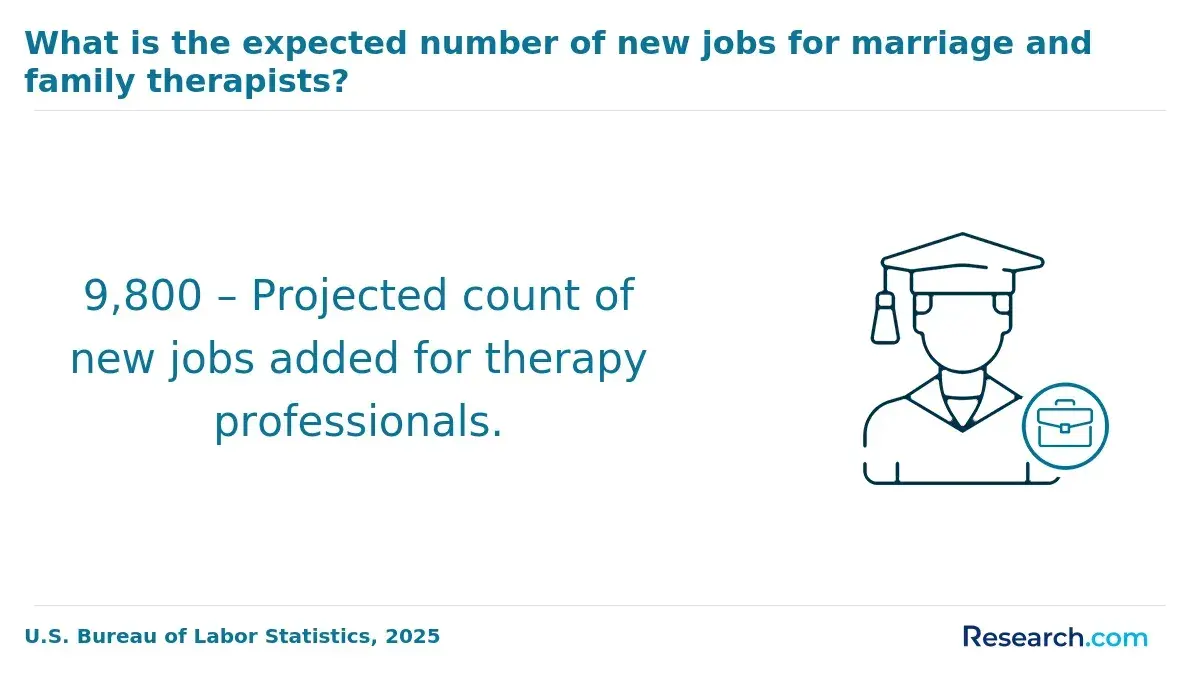
- The mean annual wage for counseling jobs in the South is promising, with Licensed Professional Counselors earning about $52,360 and Marriage and Family Therapists around $68,730, reflecting strong financial opportunities.
- Graduates from universities like the University of North Carolina often pursue diverse roles such as Licensed Mental Health Counselor, Substance Abuse Counselor, or Clinical Supervisor, offering varied and fulfilling career paths.
- Online counseling degrees from schools like Liberty University provide flexibility, allowing students to balance work and study while gaining the same quality education as traditional programs, perfect for busy lifestyles.
What can I expect from online counseling degree in the South?
The average cost of an online counseling degree in the South typically ranges between $10,000 and $35,000 for the entire program, depending on whether the institution is public or private. Graduates from well-known Southern institutions often share how affordable tuition combined with flexible financial aid options made obtaining their degree manageable. For instance, students pursuing counseling at prominent universities in states like Florida or North Carolina frequently benefit from in-state tuition discounts and targeted scholarships for online learners.
These financial factors play a significant role in allowing working professionals to advance their careers without excessive debt. One graduate recalled the relief of balancing coursework with a full-time job while accessing affordable tuition plans tailored to Southern residents. The overall investment aligns well with the rigorous academic standards and practicum requirements mandated by Southern state boards, creating an accessible pathway to licensure and professional success.
Where can I work with online counseling degree in the South?
Graduates holding an online counseling degree in the South find diverse career options fueled by a 15% projected job growth from 2020 to 2030, according to the U.S. Bureau of Labor Statistics. Many alumni from well-known Southern institutions report securing roles in community mental health centers, which serve varied populations including low-income and underserved groups. States like North Carolina and Georgia prioritize funding for these services, enhancing opportunities for licensed professional counselors.
Those with school counseling licensure often join K-12 systems, where growing student-to-counselor ratios create strong demand. Graduates from universities renowned for their counseling programs express satisfaction working directly with students, improving well-being and academic outcomes across the region.
Healthcare settings also attract clinical counselors, collaborating with psychologists and social workers in hospitals and outpatient clinics. Online graduates appreciate telehealth options, which enable them to reach rural clients statewide, expanding their impact. Private practice and nonprofit agencies further round out the employment landscape, allowing counselors to tailor their careers toward veterans, domestic violence survivors, or homeless populations.
How much can I make with online counseling degree in the South?
Graduates from online counseling programs in the South can expect varied earnings depending on their career path and experience. Licensed Professional Counselors typically earn a mean annual wage of about $52,360, while Licensed Mental Health Counselors average $60,080. For those specializing as Marriage and Family Therapists, salaries increase to approximately $68,730 annually. Substance Abuse Counselors in the region also report mean wages near $60,080, reflecting strong demand in behavioral health fields.
Many Southern graduates from respected programs at universities such as the University of North Carolina or Florida State University report starting salaries closer to $45,000, with opportunities to surpass $60,000 through certifications and experience. Licensed Clinical Mental Health Counselors and those attaining doctoral degrees often see incomes rise well beyond $70,000, especially in urban centers like Atlanta or Dallas.
Career advancement to roles like Clinical Supervisor can offer substantial financial benefits, with mean salaries exceeding $130,000. Graduates often express confidence and motivation from these prospects, valuing the balance between competitive salaries and the region's lower living costs.
- Key benefits of getting online counseling degree in the South
- What can I expect from online counseling degree in the South?
- Where can I work with online counseling degree in the South?
- How much can I make with online counseling degree in the South?
- How do we rank schools?
- 2027 Easiest Online Master's in Counseling Degree Programs Ranking in the South
- What online counseling degree graduates have to say
- Key Findings
- How long does it take to complete online counseling degree in the South?
- Licensure and Certification Requirements
- What's the difference between online and on-campus counseling degree?
- Accreditation and Licensure Pathways
- What is the average cost of online counseling degree in the South?
- Alternative Counseling Career Paths and Specializations
- What financial aid is available to online counseling degree students in the South?
- Accreditation and Licensure Requirements
- What are the prerequisites for enrolling in online counseling degree program in the South?
- Accreditation and Licensure Considerations
- What courses are typically in online counseling degree programs in the South?
- What types of specializations are available in online counseling degree programs in the South?
- How do you choose the best online counseling degree in the South?
- What career paths are available for online counseling degree students in the South?
- What is the job market for online counseling degree in the South?
- Frequently Asked Questions About counseling
- Top Trending Counseling Rankings
- See What Experts Have To Say About Studying Counseling
How do we rank schools?
Investing in your education is a significant decision that can shape your future, and the Research.com team understands the importance of making informed choices. To assist prospective students in the South, we have carefully developed the "2027 Easiest Online Master's in Counseling Degree Programs Ranking in the South." Our commitment to quality, credibility, and accuracy is demonstrated through the extensive research and rigorous analysis conducted to compile this ranking.
We utilized the following reputable data sources to ensure a comprehensive evaluation of counseling programs:
By exploring this ranking, readers will gain valuable insights into the most accessible and accommodating online counseling master's programs in the South, enabling them to make well-informed decisions tailored to their educational goals. For more information about how this ranking was created, please visit our Research.com methodology page.
2027 Easiest Online Master's in Counseling Degree Programs Ranking in the South
# 1 position
Regent University
Master
The Regent University Master's program focuses on Counseling and Education, lasting 24 months. It maintains a graduation rate of 57% and enrolls 9,624 online students. The acceptance rate is moderately selective at 38%. The average total cost is $43,800, with a high level of financial aid available to 97% of students.
# 2 position

Morehead State University offers a 24-month Master's program focused on Counseling and Education. The program has an open admission policy with a 77% acceptance rate and serves 4,745 online students. The average total cost is $13,644, and 99% of students receive financial aid, indicating high support levels. The graduation rate is 52%, reflecting student success within the program's duration.
# 3 position
Southeastern University
Master
The Master's program in Counseling at Southeastern University offers a 12-month curriculum with an average total cost of $17,820. The program has a graduation rate of 43% and enrolls over 6,000 online students. With a 53% acceptance rate, it is considered less selective. Additionally, 96% of students receive financial aid, indicating a high level of support for those enrolled.
# 4 position

The University of Tennessee at Martin offers a 24-month Master's program focused on Counseling and Education. With an open admission acceptance rate of 88%, the program enrolls 2,280 online students. The average total cost amounts to $29,760. The graduation rate is 53%, reflecting moderate student success. Nearly all students, 99%, receive financial aid, indicating high support for learners throughout their studies.
# 5 position
Delta State University
Master
Delta State University's Master program focuses on Counseling and Education and spans 24 months. It offers open admission with a 100% acceptance rate, making it accessible for many applicants. The program has a graduation rate of 48% and serves 2,144 online students. Financial aid is widely available, with 97% of students receiving support. The average total cost of the program is $28,140.
# 6 position

Nova Southeastern University offers a Master's program focused on Counseling and Education with a duration of 36 months. The program has a graduation rate of 63% and an acceptance rate of 73%, indicating less selective admissions. The average total cost is $42,960, and 100% of students receive financial aid, reflecting high aid levels. Currently, 1,736 students are enrolled in the online format of this program.
# 7 position
West Virginia University
Master
West Virginia University offers a Master's program focused on Counseling and Psychology, spanning 24 months. The program has an open admission policy with an acceptance rate of 89%. Approximately 97% of students receive high levels of financial aid. The average total cost for completing this degree is $33,660, and the graduation rate is 65%, reflecting a moderate completion outcome for enrolled students.
# 8 position
Bob Jones University
Master
Bob Jones University offers a 24-month Master's program focusing on Counseling and Psychology. The program has a graduation rate of 65% and enrolls 828 online students. The average total cost is $18,450, with a high level of financial aid available to 93% of students. Acceptance rate data is not available for this program.
# 9 position
Cameron University
Master
Cameron University offers a 24-month Master's program focused on Counseling and Psychology. The program has a graduation rate of 31% and enrolls 3,418 online students. The average total cost is $6,897, making it an affordable option. A high percentage of students, 87%, receive financial aid, reflecting strong support for learners pursuing this degree.
# 10 position
East Carolina University
Master
East Carolina University offers a Master's program focused on Counseling and Education, lasting 24 months. The program has an open admission policy with an 89% acceptance rate. Approximately 77% of students receive moderate financial aid. The graduation rate stands at 63%, and there are 8,352 online students currently enrolled. The average total cost of the program is $15,829, making it accessible for many prospective students.
# 11 position

Virginia Commonwealth University offers a Master's program focused on Clinical Mental Health Counseling, Counseling, and Healthcare. The program lasts 48 months with an average total cost of $32,400. It has an open admission policy with a 93% acceptance rate. The graduation rate is 63%. A high level of financial support is available, with 92% of students receiving aid.
# 12 position

The George Washington University offers a 24-month Master's program focusing on Counseling and Education. The program is moderately selective with a 47% acceptance rate and boasts an 84% graduation rate. Approximately 5,000 students are enrolled online, benefiting from high levels of financial aid available to 80% of students. The average total cost of the program is $24,480, making it a viable option for many prospective students.
# 13 position
AdventHealth University
Master
AdventHealth University offers a Master's program focused on Counseling that spans 36 months. The program has a graduation rate of 39% and enrolls 279 online students. The average total cost is $48,240, with 84% of students receiving financial aid, indicating high aid availability. Acceptance rate data is not available for this program.
# 14 position

Prairie View A & M University offers a Master's program focused on Counseling and Education with an 18-month duration. The program has an open admission policy with a 79% acceptance rate, making it accessible to many applicants. The average total cost is $191,815. About 88% of students receive high levels of financial aid. The graduation rate is 43%, reflecting the percentage of students completing the program successfully.
# 15 position
Troy University
Master
Troy University offers a Master's program focused on Counseling and Education with an open admission policy, accepting 96% of applicants. The program has a 50% graduation rate and enrolls 9,559 online students, reflecting its significant digital reach. The average total cost is $14,820, with 96% of students benefiting from high levels of financial aid, making the program accessible to many applicants seeking advanced degrees in these fields.
# 16 position
Saint Leo University
Master
Saint Leo University offers a Master's program focused on Counseling and Psychology. The program has an open admission policy with a 78% acceptance rate, making it accessible for many applicants. Approximately 100% of students receive high levels of financial aid. The average total cost of the degree is $34,100. Currently, 8,039 students are enrolled online. The graduation rate is 45%, indicating nearly half of the students complete the program successfully.
# 17 position

East Texas A& M University offers a master's program focused on Counseling and Psychology. The program has an open admission policy with a 92% acceptance rate, making it accessible to many applicants. Students benefit from high financial aid levels, with 95% receiving support. The average total cost is $7,272. The university enrolls 4,677 online students, yet the graduation rate remains moderate at 43%.
# 18 position
Arkansas Tech University
Master
Arkansas Tech University offers a master's program focused on counseling and education, with an open admission acceptance rate of 96%. The program has a graduation rate of 49%, and a high level of financial aid is available to 94% of students. Approximately 5060 students are enrolled online, and the average total cost of the program is $10,512, making it an accessible option for many prospective students.
# 19 position
Union Commonwealth University
Master
Union Commonwealth University offers a Master's program focused on Addiction Counseling, Counseling, and Healthcare. The program has a graduation rate of 32% and is less selective with a 63% acceptance rate. It supports online education with 194 enrolled students. The average total cost is $20,400, and the university provides high levels of financial aid, with 100% of students receiving assistance.
# 20 position
LeTourneau University
Master
LeTourneau University offers a Master's program focused on Counseling and Psychology with a moderately selective acceptance rate of 38%. The program has a graduation rate of 59%, indicating a solid completion level. Nearly all students (99%) receive high levels of financial aid, making it financially accessible for many. The average total cost is $40,590. The program serves a sizable online student body, with 1,884 enrolled learners.
What online counseling degree graduates have to say
- Emily: Studying my online counseling degree at the University of Alabama was a game-changer. The flexible schedule allowed me to balance work and family, while professors genuinely cared about my growth. I felt supported every step of the way in this Southern community-focused program.
- Jamal: At Florida State University, the online counseling program combined rigorous coursework with practical experience. The interactive virtual sessions made learning engaging and dynamic, helping me connect deeply with peers and instructors despite the distance. It truly prepared me for real-world counseling challenges in the South.
- Natalie: Completing my counseling degree online through Texas A&M gave me confidence and skill in a convenient format. The culturally rich curriculum addressed Southern mental health needs sensitively, and the personalized mentorship empowered me to thrive professionally and personally. It was an inspiring journey.
Key Findings
- The average total cost for a master's degree in counseling in Southern states ranges from $15,000 to $30,000, which is often less than the national average.
- Many public universities in the South offer competitive in-state tuition rates and online programs reduce costs like commuting and housing.
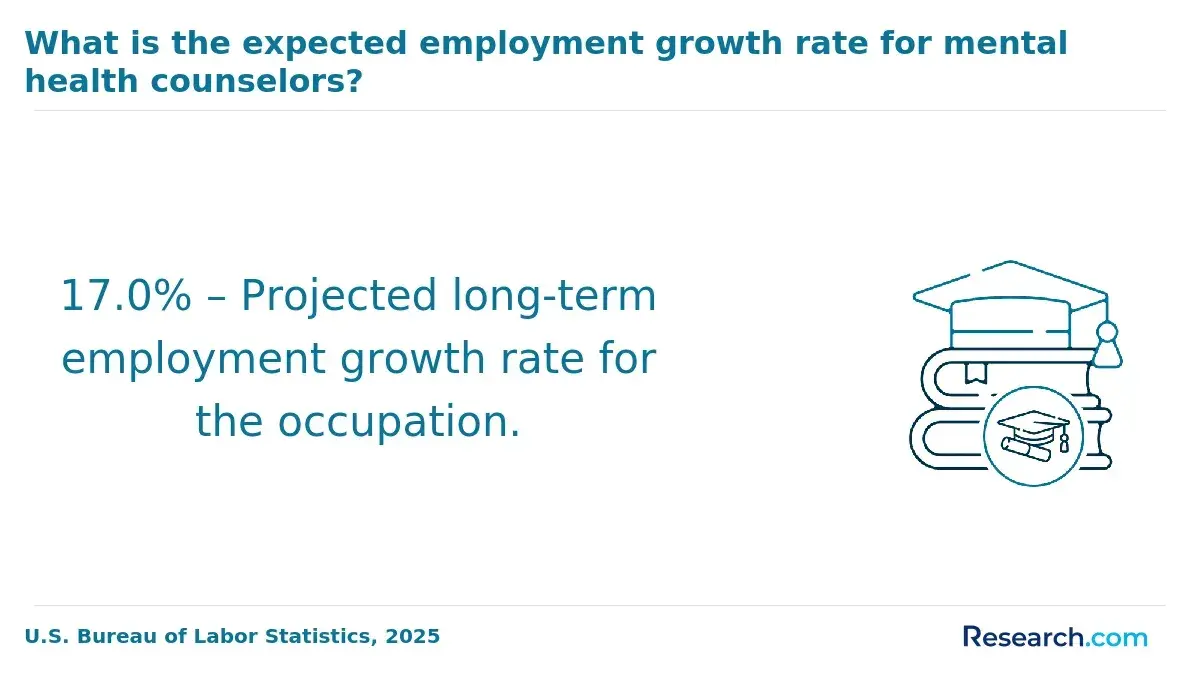
- Employment for mental health counselors in the South is projected to grow 23% from 2021 to 2031, faster than the average for all occupations nationwide.
- Starting salaries for graduates with an online counseling degree in the South typically range between $40,000 and $50,000 annually.
- Experienced and licensed counselors in the South can expect median salaries of about $55,000 to $65,000 over time.
- Southern states usually require 2,000 to 3,000 hours of supervised clinical experience after graduation for full licensure, so programs must include practicum and internship placements that meet these requirements.
How long does it take to complete online counseling degree in the South?
Completing an online counseling degree in the South typically takes between two and three years for full-time students enrolled in master's programs at well-known institutions like the University of North Carolina or Florida State University. Graduates often recall balancing coursework, internships, and practicum hours within this timeframe, appreciating the structured yet flexible schedules these programs provide.
Part-time students, who may be working full-time or managing family responsibilities, find completion times extending to four years or more. This extended duration allows them to maintain a manageable pace while fulfilling requirements. Many Southern universities offer hybrid or fully online formats designed for working professionals, enabling some students to accelerate their studies by taking heavier course loads or multiple semesters annually.
Supervised clinical practice is a critical component, with most programs mandating between 700 and 1,000 hours, which can affect total time to completion. Those who graduated express satisfaction in gaining hands-on experience that boosted their confidence and licensure readiness within the Southern job market.
Licensure and Certification Requirements
Earning your Online Counseling degree is just the first step toward becoming a Licensed Professional Counselor (LPC). To practice independently, you must meet state licensure standards, which typically include the following milestones:
- Completion of a CACREP-accredited master’s program or regionally accredited equivalent.
- A specified number of supervised clinical hours (often between 2,000 and 4,000), logged under a board-approved supervisor.
- Successful passage of the National Counseling Examination (NCE) or National Clinical Mental Health Counseling Examination (NCMHCE).
- Submission of official transcripts, background checks, and licensure fees to your state board. Since requirements vary by jurisdiction, it’s crucial to research your target state’s guidelines well in advance. For example, if you plan to work in Pennsylvania, you can review the detailed requirements to be a lpc in pennsylvania, including supervised experience and continuing education obligations. After earning your license, ongoing professional development is essential. Most states mandate 20–40 hours of continuing education (CE) every licensing cycle, covering ethics, diversity, and evidence-based interventions. Keeping meticulous records of CE certificates and supervision logs ensures smooth renewals and demonstrates your commitment to high-quality, ethical counseling practice.
What's the difference between online and on-campus counseling degree?
Online and on-campus counseling degrees in the South differ mainly in delivery, flexibility, cost, and interaction. Graduates from popular Southern institutions like the University of Florida and Texas State University report that online programs allow them to balance work, family, and study more easily, especially when commuting is challenging. These degrees use digital platforms for coursework, letting students learn remotely at their own pace.
Cost-wise, online programs can be more affordable, with tuition ranging from $10,000 to $30,000 depending on whether the school is public or private. Students save on commuting and housing, which appeals to many living in rural areas of Georgia or Alabama. However, on-campus students benefit from immediate access to campus counseling centers and peer networking opportunities, which many find motivating during immersive, face-to-face sessions.
Both formats follow CACREP accreditation standards. Clinical training differs as on-campus programs often arrange local internships, while online students complete supervised fieldwork near their homes to satisfy Southern state licensure rules.
Interaction varies; online learners use video lectures and discussion boards, requiring self-discipline, whereas on-campus students enjoy live group discussions that foster community and real-time feedback.
- Online counseling degrees emphasize convenience and accessibility, ideal for those living in rural or underserved areas in the South.
- On-campus degrees often provide a structured environment with direct access to campus facilities and extracurricular activities.
- The choice depends on personal learning preferences, career goals, and life circumstances.
Accreditation and Licensure Pathways
Choosing a CACREP-accredited program ensures your degree meets national standards and streamlines state licensure. For cost-effective options that maintain high standards, consider cacrep online counseling programs.
Key steps to licensure in Southern states:
- Complete a CACREP-accredited master’s program.
- Accumulate required supervised clinical hours (typically 700–1,000).
- Pass your state’s counseling licensure exam (e.g., NCMHCE).
- Submit your application and background check to the state board.
Requirements vary by state—verify specific clinical hour and exam criteria with your licensing board.
What is the average cost of online counseling degree in the South?
The average cost of an online counseling degree in the South typically centers around a median total tuition of approximately $28,800. Public universities in the region tend to offer more affordable online counseling programs southern states residents appreciate, with in-state tuition averaging close to $15,829. These rates make education accessible while maintaining the quality expected from reputable institutions like the University of North Carolina at Greensboro and Florida State University.
Out-of-state students usually face higher tuition costs, with a median total amount near $25,266. However, many Southern institutions provide scholarships and special tuition rates that alleviate some of this financial burden. Graduates often share how these flexible financial options helped them manage expenses while benefiting from personalized guidance and comprehensive curricula tailored to practical counseling careers.
The variability in cost reflects differences between public and private institutions, the credit hours required, and additional fees such as technology and course materials. For those balancing work and study, the positive experience of online platforms and the ability to complete practicum placements remotely enhance the value of their investment. Students aiming to meet specific requirements to be a lpc in pennsylvania also find Southern programs provide strong foundations at reasonable costs, making them an appealing choice for those pursuing licensure.
Alternative Counseling Career Paths and Specializations
Alternative counseling career paths and specializations can provide Online Counseling degree graduates in the South with a wide range of options to pursue. Some of these alternative paths include art therapy, music therapy, and drama therapy, which combine counseling techniques with creative expression to help clients achieve emotional healing and growth. Other specializations, such as thanatology and gerontological counseling, focus on working with clients who are coping with loss, grief, and aging. Additionally, Online Counseling degree graduates may also consider pursuing careers in counseling education, research, or advocacy, where they can work to advance the field of counseling and promote mental health awareness. Some key alternative counseling career paths and specializations include:
- Art therapy, which uses creative activities like painting, drawing, or sculpting to help clients express and process their emotions
- Music therapy,! which utilizes music to promote emotional healing, relaxation, and self-expression
- Drama therapy, which combines theater techniques with counseling principles to help clients work through challenging emotions and experiences
- Thanatology, which focuses on working with clients who are coping with loss, grief, and bereavement
- Gerontological counseling, which specializes in working with older adults and addressing issues related to aging, retirement, and end-of-life care
- Counseling education, which involves teaching and training future counselors, either in academic or clinical settings
- Research, which can involve studying and investigating various topics related to counseling, such as the effectiveness of different therapeutic approaches or the impact of mental health on specific populations
- Advocacy, which involves promoting mental health awareness, supporting policy changes, and advocating for the rights and needs of marginalized or underrepresented groups.
What financial aid is available to online counseling degree students in the South?
Students pursuing online counseling degrees in the South often secure federal financial aid through the Free Application for Federal Student Aid (FAFSA), unlocking access to grants, work-study, and loans like the Federal Direct Unsubsidized Loan and Graduate PLUS Loan. Graduates recall the relief of early FAFSA submission, which was crucial due to limited funds on a first-come, first-served basis.
Many southern universities, including the University of North Carolina system, provide merit-based scholarships rewarding academic success and community involvement. Graduates frequently describe these scholarships as vital supports that made pursuing counseling feasible without overwhelming debt.
State-level programs, such as tuition waivers and grants in Georgia and Tennessee, motivate students by tying financial aid to local workforce needs. Counseling graduates often mention how such aid encouraged them to remain in their communities, addressing regional mental health demands.
Professional organizations like the American Counseling Association and employers in healthcare and education offer additional financial assistance through scholarships and loan repayment programs. Combining these resources, many students find that budgeting for books and practicum expenses becomes manageable alongside tuition.
Accreditation and Licensure Requirements
Choosing an online master’s in counseling program in the South requires careful attention to accreditation standards and state licensure prerequisites to ensure your degree leads to professional practice. The Council for Accreditation of Counseling and Related Educational Programs (CACREP) sets the gold standard for master’s level counseling programs, and employers, internship sites, and state boards often require graduation from a CACREP-accredited institution. Before enrolling, verify that your chosen program’s curriculum, practicum and internship components meet both CACREP guidelines and the supervised clinical hours mandated by your state board. State licensure requirements vary across Southern states—some mandate 48 credit hours plus 2,000 supervised hours, while others specify different exam formats, such as the National Counselor Examination (NCE) or the Counseling Examination for Licensure and Certification (CELC). Prospective students should review their state’s Board of Examiners for Licensed Professional Counselors website to confirm required coursework in areas like ethics, assessment, and multicultural counseling. For those balancing budget considerations with rigorous accreditation standards, our Affordable Counseling Degree Programs Ranking in Stockton, CA highlights cost-effective CACREP-accredited options. Finally, contact program advisers to request sample course schedules and licensure roadmaps, ensuring your degree aligns with both accreditation and licensure pathways for a seamless transition to licensed professional practice.
What are the prerequisites for enrolling in online counseling degree program in the South?
To enroll in an online counseling degree program in the South, candidates must hold a bachelor's degree from an accredited institution. While the major need not be counseling or psychology, many graduates from universities such as the University of Florida note that relevant coursework strengthens their applications and boosts confidence during studies. Applicants generally submit official transcripts with a GPA around 3.0 or higher, reflecting CACREP's standards for academic readiness.
Letters of recommendation are commonly required, ideally from professors or professionals who can vouch for the applicant's ethical judgment and interpersonal skills. Graduates from institutions like Texas A&M recall that these letters helped showcase their commitment and passion for counseling.
Some Southern programs ask for personal statements to gauge motivation and career goals. While GRE scores are becoming less mandatory-following trends reported by SACSCOC-related experience through internships or volunteer work remains a valuable asset to prepare students for practical scenarios in mental health services.
Technical readiness is crucial. Reliable internet and familiarity with online learning platforms are essential for success, as students from schools like the University of Georgia emphasize in their transition to remote education.
Accreditation and Licensure Considerations
Understanding accreditation and state licensing requirements ensures a clear path to professional practice:
- Verify regional accreditation to confirm institutional quality and access to federal financial aid.
- Choose CACREP-accredited programs for streamlined licensure in most Southern states.
- Review your target state’s counseling board for required supervised clinical hours, exam pass rates, and background checks.
- Explore specialized online mft programs to meet marriage and family therapy licensure criteria efficiently.
What courses are typically in online counseling degree programs in the South?
Online counseling degree programs in the South typically include core courses such as Introduction to Counseling Theories, Human Growth and Development, Group Counseling Techniques, and Career Development and Counseling. Graduates from well-known Southern universities often emphasize how courses like Multicultural Counseling and Professional Ethics prepare them to navigate the diverse and complex communities prevalent in the region.
Many students appreciate the inclusion of Research Methods in Counseling and Assessment and Testing, which build critical thinking skills essential for evidence-based practice. For example, a graduate from a prominent Southern college recalled applying Counseling Techniques learned online directly in her internship at a local clinic, noting the practical relevance of these courses to real-world client interactions.
Specialized electives addressing rural mental health, trauma-informed care, and substance abuse are common in these programs, reflecting the South's unique community needs. These region-specific offerings help students feel confident and ready to serve local populations effectively while fulfilling licensure requirements.
What types of specializations are available in online counseling degree programs in the South?
Online counseling specializations in the South encompass a diverse range of focus areas tailored to meet regional workforce demands. Common tracks include Mental Health Counseling, where graduates from universities like the University of Georgia report feeling prepared to diagnose and treat a variety of disorders in individual and group therapy settings. School Counseling is also prominent, with programs at institutions such as Appalachian State University aligning closely with State Department of Education standards for K-12 environments. Marriage and Family Therapy (MFT) attracts students from Florida colleges who develop strong clinical skills addressing relationship and systemic issues, well-suited for licensure in Southern states.
Other specializations include Rehabilitation Counseling, essential for aiding individuals with disabilities in rural Southern communities, and Substance Abuse Counseling, increasingly critical due to the opioid crisis impacting the region. Graduates often express satisfaction in their ability to contribute meaningfully to these high-demand fields. For those exploring options, the Affordable Counseling Degree Programs Ranking in Stockton, CA can provide insights into cost-effective online pathways offering these South region counseling degree focus areas.
How do you choose the best online counseling degree in the South?
Choosing the best online counseling degree in the South involves prioritizing accredited programs recognized by the Southern Association of Colleges and Schools Commission on Colleges (SACSCOC) and CACREP, which greatly enhances licensure prospects. Graduates from popular Southern institutions report that CACREP accreditation was crucial in meeting state licensure requirements, enabling smoother entry into counseling careers. For affordability, students often find public universities in the South provide cost-effective tuition rates, typically between $400 and $600 per credit hour, keeping total program costs around $15,000 to $20,000-making them some of the most affordable counseling programs Southern states offer.
Curriculum flexibility is another key factor, with many programs offering 60 to 70 credit hours, part-time study options, and a mix of remote and in-person practicum hours tailored to Southern state regulations. Graduates appreciate programs that include dedicated licensure advising and in-state practicum placements, which enhance practical readiness for clinical licensure. Those balancing work and study often seek programs with strong online faculty accessibility and career advising, contributing to positive student experiences. Interested students might also explore the easiest master degree to complete pathways to fit their pace.
What career paths are available for online counseling degree students in the South?
Graduates with an online counseling degree in the South often pursue careers as Licensed Professional Counselors (LPCs), providing therapy to individuals and families facing mental health challenges such as anxiety and depression. States like Texas and Florida have robust licensure systems supporting this role, with median salaries between $45,000 and $60,000 annually. Many graduates from reputable Southern universities experience rewarding job prospects in clinical settings and private practices due to strong regional demand.
School counseling is another vital career path. Graduates frequently find stable roles in primary and secondary schools, guiding students on academic and personal development. Southern states typically require additional certification but offer average salaries near $55,000, with an 8% employment growth projected through 2032. Graduates express satisfaction helping youth navigate educational challenges in dynamic school environments.
Additional chances lie in substance abuse and behavioral disorder counseling, especially amid the South's opioid crisis. Graduates often join rehabilitation centers or community health programs, leveraging their skills where demand is significant. Many also serve state agencies or private groups focusing on workforce development through career counseling. For those balancing cost and quality, Southern institutions present affordable programs comparable to cheap online associate degrees, making the South a compelling choice for pursuing online counseling careers in the South.
What is the job market for online counseling degree in the South?
The job outlook for online counseling degrees in the South is promising, reflecting a strong demand for mental health professionals across the region. States such as Texas, Florida, and Georgia employ thousands of counselors in settings ranging from schools to healthcare centers. Graduates from popular Southern universities often share positive experiences about entering this growing job market, noting availability in community organizations and private practices that welcome newly licensed therapists. Employment growth, projected at 22% nationally, is particularly evident in the South due to population increases and focused community health efforts.
Employment opportunities for counseling graduates in Southern states encompass diverse sectors, offering work in schools, hospitals, and private therapy practices where professionals provide crucial behavioral health support. Many students appreciate that online programs offer a flexible path to meet licensing requirements, allowing them to work while completing degrees. For those concerned about cost, there are several best affordable online college programs available, making graduate education accessible.
Frequently Asked Questions About counseling
Online counseling degree students in the South can maximize their learning by engaging actively with virtual class discussions and utilizing available university resources. Many Southern schools, such as the University of North Carolina and Florida State University, offer robust online platforms and student support services tailored to counseling programs.
Regularly scheduling time for hands-on practice through virtual simulations or local internships strengthens counseling skills. According to the Southern Association of Colleges and Schools, practical experience is essential for licensure preparation.
Students should also seek faculty mentorship and participate in online study groups to enhance knowledge and professional networking opportunities. Staying updated with Southern state licensing requirements ensures coursework aligns with career goals.
Emerging niches within the counseling field in the South reflect broader national trends, with increased demand for specialized skills. One growing area is telehealth counseling, accelerated by the COVID-19 pandemic and supported by relaxed state licensure compacts. According to the Southern Regional Education Board, telehealth is expected to expand access in rural Southern communities, where mental health services are often scarce.
Another notable niche is trauma-informed counseling, addressing needs of populations affected by disasters common to the region, such as hurricanes and flooding. Additionally, substance abuse counseling remains critical, given the South's higher rates of opioid use compared to the national average, based on 2022 CDC data.
Finally, school counseling with a focus on social-emotional learning is growing, supported by regional education initiatives aimed at improving student mental health. These niches offer promising specialization options for students pursuing online counseling degrees in Southern institutions.
After completing an online counseling degree in the South, graduates should focus on licensure requirements specific to their state, as most Southern states mandate passing the National Counselor Examination (NCE) or a similar exam for licensure.
Building practical experience through supervised clinical hours is essential; many states require between 2,000 to 3,000 post-graduate hours before full licensure.
Networking with regional counseling associations, like the Southern Association for Counselor Education and Supervision (SACES), can open doors to job opportunities.
Job seekers should also stay updated on state workforce data. For example, the U.S. Bureau of Labor Statistics reports steady growth in counseling careers in Southern states, driven by increased mental health funding.
Strong communication and familiarity with telehealth technologies are becoming important skills in today's job market.
Employers in the South value counseling degree graduates who demonstrate strong interpersonal and communication skills. These abilities are essential for building trust and effectively supporting diverse client populations. According to the Southern Association of Colleges and Schools Commission on Colleges, adaptability and cultural competence are highly sought after, given the region's varied demographics. Graduates who show ethical decision-making and a solid understanding of evidence-based practices align best with employer expectations.
Knowledge of state licensure requirements is also critical, as many Southern states follow rigorous standards for counselor certification. Additionally, skills in crisis intervention and group counseling are frequently requested by employers, reflecting regional mental health needs documented by the National Alliance on Mental Illness (NAMI) Southern chapters.
Finding internships relevant to a counseling degree in the South begins with exploring partnerships between online programs and local agencies. Many Southern universities collaborate with community mental health centers, hospitals, and schools to offer supervised counseling internships.
Students should contact their program's internship coordinator early, as they often maintain updated lists of approved sites within states like Georgia, Texas, and North Carolina. According to the National Board for Certified Counselors, Southern states typically require between 600 to 1,000 internship hours for licensure, emphasizing the need to secure internships that meet these criteria.
Additionally, professional organizations such as the Southern Association for Counselor Education and Supervision provide resources and networking opportunities helpful for internship placement in the region.
Obtaining an online counseling degree in the South significantly enhances career mobility and advancement opportunities. With the region's growing demand for mental health professionals-projected to increase by 16% through 2030 according to the U.S. Bureau of Labor Statistics-graduates with counseling qualifications can access diverse roles in schools, healthcare, and private practice.
Online programs accredited by the Council for Accreditation of Counseling and Related Educational Programs (CACREP) facilitate licensure eligibility, a critical step for career advancement in Southern states. Licensure ensures graduates can increase their earning potential and pursue leadership roles in counseling agencies and community organizations.
Additionally, flexible online degrees allow working professionals to upskill without interrupting employment, accelerating promotions or specialization in areas like substance abuse or school counseling.
Studying for a counseling degree in the South often emphasizes interdisciplinary collaboration, reflecting regional healthcare and social service needs. Many Southern programs integrate courses in psychology, social work, and education, equipping students to work effectively with diverse professional teams. According to the Southern Association of Colleges and Schools Commission on Colleges (SACSCOC), accredited programs promote cooperation among disciplines to address complex client issues comprehensively.
Students learn to engage with medical professionals, educators, and community agencies, facilitating holistic care. The focus on cultural competence in Southern curricula also prepares graduates to serve underserved populations, enhancing teamwork in varied settings.
When choosing between a thesis and a non-thesis online counseling degree program in the South, consider your career goals first. Thesis programs emphasize research and may suit those planning to pursue a doctorate or careers in academic or clinical research. Non-thesis options often focus more on practical skills, ideal for students aiming to enter counseling practice quickly.
The Southern region has many accredited programs offering both tracks, with some states requiring specific credentials for licensure. According to the Council for Accreditation of Counseling & Related Educational Programs (CACREP), most Southern schools ensure online options meet licensure standards.
Time commitment also varies: thesis programs typically require more months to complete due to research demands. Cost differences can exist but are usually minimal compared to the overall investment in education.
Students in the South interested in studying counseling abroad have limited direct options due to the nature of U.S. accreditation and licensing requirements. Most online counseling degrees catering to Southern students focus on accredited programs within the United States to ensure licensure eligibility by state boards, such as those governed by the Southern Association of Colleges and Schools Commission on Colleges (SACSCOC).
However, some Southern universities participate in exchange programs allowing students to gain international experience while remaining enrolled in U.S.-based counseling programs. The Council for Accreditation of Counseling and Related Educational Programs (CACREP) does not currently accredit foreign programs, making U.S.-based degrees more reliable for licensure in Southern states.
Due to pandemic-driven shifts, more employers and licensing bodies in the South now accept online counseling degrees offered entirely within the U.S., limiting the practicality of fully abroad study for counseling degrees at this time.
Part-time job opportunities in the Southern United States can effectively complement online counseling degree education. Roles such as behavioral health technician, peer support specialist, or crisis hotline counselor provide practical experience in mental health settings. These positions align well with counseling studies by enhancing communication and client interaction skills.
According to the U.S. Bureau of Labor Statistics, states like Texas and Florida have higher demand for mental health workers, offering more part-time openings. Many Southern universities and community health centers also hire counseling interns or assistants, providing valuable hands-on exposure.
Working part-time in these roles helps students build professional networks and meet supervised hour requirements for licensure.
Online counseling students in the South benefit from various networking opportunities despite the virtual format of their studies. Many Southern universities offer virtual meetups, career fairs, and access to regional counseling associations that connect students with professionals and alumni.
The Southern Region of the American Counseling Association (SACA) provides resources and events specific to this area, helping students build local professional networks. Additionally, partnerships between schools and local counseling centers often create internship and practicum placements in Southern states, facilitating real-world connections.
Data from the National Board for Certified Counselors (NBCC) shows that 60% of counseling professionals in the South cite regional networking as essential for career advancement, highlighting its importance in this field.
Alumni networks offer significant benefits to students pursuing online counseling degrees in the South. These networks provide access to professional connections that can help with internships, job placements, and mentorship. According to the Southern Association of Colleges and Schools Commission on Colleges, strong alumni engagement can enhance career readiness by facilitating industry contacts.
For counseling students, this means easier access to licensed professionals and potential supervisors required for clinical hours. Networking through alumni often leads to job opportunities within regional healthcare systems and schools, where demand for counselors is rising by approximately 6% annually in southern states, per the Bureau of Labor Statistics.
Additionally, alumni often share resources and continuing education information, fostering lifelong professional development crucial for staying licensed and effective in the counseling field.
Customizing an online counseling degree program in the South allows students to align studies with specific career goals. Many Southern universities offer specialization options such as marriage and family therapy, school counseling, or clinical mental health counseling. Selecting a concentration tailored to your desired license or work setting is key.
Additionally, students can often choose elective courses focused on populations or topics relevant to Southern communities. For example, courses in rural or multicultural counseling reflect regional needs highlighted by the Southern Regional Education Board. Practical experiences may include internships with local agencies, vital for licensure and job placement.
Advisors can help create a plan that meets state licensure requirements, which vary across Southern states. Checking accreditation by CACREP ensures quality and broader professional recognition.
Online counseling students in the South often face several challenges that can impact their educational experience. Limited access to reliable high-speed internet is common in rural parts of Southern states, making participation in live lectures and video sessions difficult. According to the National Telecommunications and Information Administration, about 22% of households in rural Southern areas lack broadband connectivity.
Another challenge is the requirement for hands-on clinical training. Many programs mandate in-person practicum hours, and finding approved local placements can be difficult due to regional shortages of licensed supervisors.
Furthermore, students may struggle with balancing their studies alongside work and family commitments, especially in states with higher poverty rates. These factors contribute to longer completion times and higher dropout rates compared to other regions, as noted by the Southern Regional Education Board.
With an online counseling degree, graduates in the South can pursue several important professional certifications to advance their careers. The most common certification is the Licensed Professional Counselor (LPC), required in nearly all Southern states. Licensing requirements typically include completing a master's degree, accumulating supervised clinical hours, and passing a state exam.
Other certifications include Licensed Marriage and Family Therapist (LMFT) and Licensed Clinical Social Worker (LCSW), depending on the program and state. For example, Texas and Florida have distinct LPC licensing boards with varying post-degree supervision hours and fees.
National certifications such as the National Certified Counselor (NCC), offered by the National Board for Certified Counselors (NBCC), also enhance professional credibility across states in the South. According to the NBCC 2023 report, over 40% of LPCs in Southern states hold the NCC credential as a supplemental qualification.
To write a winning application for an online counseling program in the South, start by clearly demonstrating your commitment to serving diverse Southern communities. Schools value applicants who understand regional counseling needs, such as addressing rural mental health or underserved populations.
Highlight relevant education and work experience, especially roles involving counseling, social work, or psychology. Include strong letters of recommendation that emphasize your interpersonal skills and professional readiness.
Ensure your personal statement is focused, reflecting your career goals aligned with counseling challenges in the South. Refer to statistics from sources like the Southern Regional Education Board, which report steady growth in mental health service demand.
Finally, maintain timely and organized submissions to meet strict deadlines common at Southern institutions.
The global perspective on counseling as a career reflects a growing recognition of mental health's importance worldwide. In the United States, including the South, counseling professions are expanding rapidly, driven by heightened awareness and increasing demand for mental health services. According to the U.S. Bureau of Labor Statistics, employment of mental health counselors is projected to grow 23% from 2021 to 2031, faster than the average for all occupations.
In Southern states, many online counseling degree programs align with national accreditation standards, ensuring graduates can meet licensure requirements both regionally and nationally. This connectivity supports students interested in global or multicultural counseling practices.
Studying counseling in the South provides opportunities to engage with diverse populations, reflecting broader global mental health trends. Institutions often integrate cultural competency and evidence-based approaches into curricula, preparing students to work effectively in various international or community settings.
Gaining practical experience while studying for an online counseling degree in the South is essential for licensure and skill development. Many Southern universities incorporate supervised internships or practicum placements into their programs. These opportunities allow students to work directly with clients under licensed professionals' guidance. State licensure boards in the South typically require 2,000 to 3,000 hours of supervised experience, depending on the state.
Students can often complete practicum hours at local clinics, schools, or community agencies near their residence. Additionally, some programs partner with Southern institutions to facilitate remote or hybrid practicum options. According to the National Board for Certified Counselors (NBCC), Southern states reported a 15% increase in counseling internship placements in 2023, reflecting growing support for hands-on training.
Choosing the right concentration within an online counseling degree program in the South depends on your career goals and the regional demand for specialists. Common concentrations include clinical mental health, school counseling, and marriage and family therapy. According to the U.S. Bureau of Labor Statistics, counselor jobs in the South are expected to grow about 19% by 2032, especially in clinical settings.
Consider state licensure requirements, as each Southern state has specific criteria for counseling specialties. For instance, Texas and Florida emphasize clinical and school counseling licensure.
Research programs accredited by CACREP to ensure quality education and easier licensure transfer.
Top Trending Counseling Rankings
See What Experts Have To Say About Studying Counseling
Read our interview with Counseling experts
Charles Figley
Counseling Expert
Kurzweg Distinguished Chair in Disaster Mental Health
Tulane University
References
- Creating Your Niche In Counseling Private Practice https://practiceoftherapy.com/creating-niche-counseling-private-practice/
- Professional Networking For Psychologists | Psychology.org https://www.psychology.org/resources/professional-networking/
- Networking: Are You Connected? https://www.apaservices.org/practice/business/marketing/building/networking
- Student Counselor Cover Letter Sample https://www.kickresume.com/en/help-center/student-counselor-1-cover-letter-sample/
- Best Online Counseling Degrees: See 2025’s Top Master’s Programs https://www.onlinemastersdegrees.org/best-programs/counseling/
- Bringing the benefits of career counselling/guidance to youth https://euroguidance.eu/to-bring-the-benefits-of-career-counseling-guidance-to-the-youth
- How Can a Graduate Degree Advance Your Career in Counseling? https://paloaltou.edu/resources/blog/how-can-graduate-degree-advance-your-career-counseling
- Home https://www.counselingdegreeguide.org/
- Know more about thesis vs non- thesis: what is the difference? https://studyfans.com/en/blogs/816
- TSU M.Ed. Counseling – Online & On-Campus Specializations https://tsu.edu/academics/colleges-and-schools/college-of-education/departments/counseling/med-counseling.php