2027 Best Online Doctorate in Counseling Degree Programs Ranking in the South

Co-Founder and Chief Data Scientist
Choosing the right online doctorate in counseling can feel overwhelming, especially with so many options available in the South. This article features the 2027 Best Online Doctorate in Counseling Degree Programs Ranking in the South, thoughtfully created by the Research.com team of data scientists. It's designed to help you make an informed decision about which programs truly stand out.
Unlock the benefits of a counseling degree, from career growth to personal fulfillment. Exploring this ranking can make your journey smoother and more confident as you take this important step forward.
Key benefits of getting online counseling degree in the South
- Graduates with an online counseling degree can expect competitive salaries, such as Certified Addiction Drug and Alcohol Counselors earning around $60,080 per year and Clinical Managers making up to $134,440 annually.
- Career paths for counseling graduates from Southern universities include roles like Mental Health Therapist, Clinical Director, or Executive Director of Non-Profit Organizations, all offering fulfilling work and strong job stability.
- Completing a counseling degree online provides flexibility and accessibility, allowing students to balance work and family while earning respected credentials from top Southern institutions.
- Key benefits of getting online counseling degree in the South
- What can I expect from online counseling degree in the South?
- Where can I work with online counseling degree in the South?
- How much can I make with online counseling degree in the South?
- 2027 Best Online Doctorate in Counseling Degree Programs Ranking in the South
- Key Findings
- How long does it take to complete online counseling degree in the South?
- What's the difference between online and on-campus counseling degree?
- What is the average cost of online counseling degree in the South?
- What financial aid is available to online counseling degree students in the South?
- What are the prerequisites for enrolling in online counseling degree program in the South?
- What courses are typically in online counseling degree programs in the South?
- What types of specializations are available in online counseling degree programs in the South?
- How do you choose the best online counseling degree in the South?
- What career paths are available for online counseling degree students in the South?
- What is the job market for online counseling degree in the South?
- Top Trending Counseling Rankings
- See What Experts Have To Say About Studying Counseling
What can I expect from online counseling degree in the South?
Expect to pay anywhere from $7,000 to $15,000 per year for an online counseling degree at a public university in the South, with in-state tuition on the lower end and out-of-state rates closer to the higher range. Many graduates from universities like the University of Florida or Texas A&M share that budgeting for tuition alongside practicum-related expenses was key to managing their programs effectively. Public institutions typically offer more affordable tuition compared to private colleges, making them the top choice for many Southern students.
One graduate recounted appreciating the clear breakdown of tuition costs and additional fees provided upfront, which helped avoid surprise expenses during their studies. Another noted that some universities offer payment plans or financial aid options, making the cost more manageable over multiple semesters. Keep in mind that while tuition is a major factor, budgeting for travel to local practicum sites and licensing exam fees is essential for completing licensure requirements in the South.
Planning your finances with these real costs in mind leads to a smoother, more confident educational journey.
Where can I work with online counseling degree in the South?
Graduates with an online counseling degree from Southern universities like the University of North Carolina or Texas A&M find diverse career paths waiting. Many secure roles in mental health clinics and community centers, where licensed professional counselors provide therapy to individuals and groups. For instance, a recent graduate shared how joining a community center in Georgia expanded their skills while serving varied client needs.
School counseling is another strong option. In states with large districts such as Texas and North Carolina, graduates often become certified school counselors, supporting students' social and emotional growth. Those from institutions like Florida State University appreciate the practical training they received online that prepared them for these school roles.
Private practice appeals to many Southern graduates thanks to the relatively low overhead costs in the region. One alum started their own counseling office in rural Alabama, balancing flexibility with meaningful client connections. Healthcare settings, including hospitals and rehab centers, also employ counselors-especially in places like Tennessee, where behavioral health programs are rapidly growing.
Finally, nonprofit and government agencies hire counseling graduates for family support and crisis intervention roles, benefiting from their advanced clinical skills obtained through online doctoral programs.
How much can I make with online counseling degree in the South?
Graduates with an online counseling degree in the South can realistically expect to start their careers earning around $60,080 annually as Certified Addiction Drug and Alcohol Counselors or Mental Health Therapists. For example, a recent graduate from a well-known Southern university reported securing a role in a hospital setting near Atlanta earning close to this median, which aligns well with BLS data.
Those advancing into leadership roles can see significant wage increases. Clinical Directors and Executive Directors in nonprofit organizations typically earn about $129,330 per year. One alumna from a major Southern college moved into a Clinical Director role in Nashville, enjoying both the salary uplift and a stronger community impact.
Stepping further up, Clinical Managers oversee teams and often reach $134,440 annually. Graduates who combined their online degree with additional certifications found this path rewarding, especially working in larger cities like Charlotte where demand and pay are higher.
Overall, Southern grads benefit from a range of salaries reflecting their education level and chosen setting, with strong growth prospects in urban centers. Leveraging your degree with supplementary certifications can unlock higher earnings and professional satisfaction.
2027 Best Online Doctorate in Counseling Degree Programs Ranking in the South
How do we rank schools?
Investing in one's education is a crucial decision that can significantly impact your future, and the Research.com team is dedicated to supporting you in making well-informed choices. To aid prospective students in the South, we have carefully developed the "2027 Best Online Doctorate in Counseling Degree Programs Ranking in the South." Our focus on quality, credibility, and accuracy is demonstrated through rigorous research and detailed analysis. We relied on the following authoritative data sources to create a comprehensive and trustworthy ranking:
By reviewing this ranking, readers gain valuable insights into the top online doctorate programs in counseling across the South, empowering them to choose educational paths that best align with their goals. For more information about our methodology, please visit our Research.com methodology page.



Key Findings
- Online counseling degrees in the South include programs in clinical mental health counseling, school counseling, and marriage and family therapy.
- Tuition for public universities offering these degrees typically ranges from $10,000 to $20,000, while private institutions may charge over $30,000.
- Entry-level counselors earn between $40,000 and $50,000 annually, with experienced professionals making $60,000 to $75,000 depending on location and specialization.
- The job market for counseling roles in the South is expected to grow by 22% through 2031, faster than the average for all occupations.
- Licensure usually requires a degree from an accredited program, supervised clinical hours, and passing state exams, with specific rules varying by state.
How long does it take to complete online counseling degree in the South?
Completing an online counseling degree in the South typically depends on the level of study and your enrollment pace. Graduates pursuing a bachelor's often spend about four years full-time, but many find that part-time options available at Southern universities, like Florida State, stretch this to five or six years-ideal for balancing work or family.
For those aiming for a master's, the common route to becoming a professional counselor usually takes two to three years full-time. Some graduates from the University of Florida praise its 18-month accelerated Master of Education in Counselor Education program, which helps them enter the workforce sooner. Part-time study, popular among working adults, can extend this to around five years but offers flexibility to juggle life's demands.
Doctoral candidates at schools like the University of Alabama often spend three to seven years, depending on research progress and clinical practicum hours. Many appreciate the adaptable scheduling that respects their busy lives while maintaining rigorous training.
Remember, hands-on clinical hours require in-person commitment, so plan accordingly to meet CACREP standards without stress. Balancing pace, university offerings, and clinical requirements can make your online counseling degree a rewarding, manageable journey.
What's the difference between online and on-campus counseling degree?
Online counseling degrees from Southern universities like the University of Florida or Texas A&M offer flexibility that works well for working adults or those living in rural areas. Graduates often share how managing coursework on their own schedule allowed them to maintain jobs and family commitments without relocating to Gainesville or College Station. Digital platforms let students engage with lectures and assignments anytime, which feels like a personalized rhythm tailored to busy lives.
On-campus programs at institutions such as the University of Georgia emphasize face-to-face learning and immediate interaction. Students appreciate the direct feedback from professors and hands-on practice in campus counseling centers. These experiences often build confidence in real-world communication and therapeutic techniques.
In the South, online degrees reduce extra costs like housing in cities such as Atlanta or Baton Rouge. However, watch for technology fees specific to online delivery. Both online and on-campus tracks require CACREP accreditation for licensure, so verify this upfront.
Finally, completing practicums differs: on-campus students access university partnerships easily, while online students arrange local placements. Both paths ensure essential hands-on experience needed for effective counseling.
What is the average cost of online counseling degree in the South?
The average cost of online counseling degree in the South typically centers around a median total cost of $59,400, reflecting a balance between public and private institution rates. Graduates from popular Southern universities often share that planning financially for tuition, course materials, and exam preparation is key to managing expenses without stress. Many students pursuing their counseling doctorate Southern US mention that public universities provide the most affordable path, especially when qualifying as in-state residents, which can significantly lower yearly tuition.
For example, a graduate from a state university valued their solid education while appreciating lower fees compared to private options, making their degree a worthwhile investment. Meanwhile, others from private Southern colleges highlight accelerated programs that, although pricier upfront, shortened degree time and overall costs. Understanding these nuances helps prospective students anticipate spending and avoid unexpected financial strain.
Considering the average cost of online counseling degree in the South, it's important to leverage financial aid, scholarships, or employer tuition assistance. Also, exploring accredited institutions is vital for ensuring a quality education. For those seeking a dependable list of quality programs, checking a non profit accredited online university can provide practical options catered to Southern residents' needs.
Ultimately, budgeting carefully with attention to tuition, fees, and related expenses will help South-based students pursue a counseling degree with confidence and clarity.

What financial aid is available to online counseling degree students in the South?
Students pursuing online counseling degrees in the South often start by applying for federal aid through the FAFSA. This opens doors to Pell Grants, Federal Work-Study, and direct loans designed to ease tuition pressures, which average about $11,000 yearly at public Southern universities. Graduates from places like the University of North Carolina share how Pell Grants substantially lowered their costs, making degree completion feel achievable.
State-specific grants and scholarships provide another practical step. For instance, a graduate from a Florida university recalls how a state-funded counseling scholarship targeted at local residents helped reduce financial burdens. Similarly, in Texas, counseling scholarships promote work in underserved communities, adding both financial support and professional focus.
Institutional aid is also key. Many Southern schools, such as the University of Florida, offer merit-based or diversity scholarships that counseling students find valuable. Beyond universities, organizations like the American Counseling Association offer scholarships that graduates say helped supplement their funding, easing stress.
Lastly, some students combine aid with employer tuition reimbursement programs, effectively balancing work and study while advancing their skills without heavy debt. These layered approaches create a hopeful, manageable path to earning an online counseling degree in the South.
What are the prerequisites for enrolling in online counseling degree program in the South?
To enroll in an online counseling degree program in the South, you first need a bachelor's degree from an accredited college-many graduates from institutions like the University of North Carolina or Georgia State found this a straightforward step. Having a 3.0 GPA or higher is typically required, which shows you're prepared for graduate study. If your GPA is borderline, focus on strengthening other parts of your application like your personal statement or references.
Next, submit official transcripts from all previous colleges. Many Southern programs, such as those at Florida State University, review these carefully to verify prerequisite coursework, especially if your degree isn't directly related to counseling.
Though some universities ask for GRE scores, many schools in the South have adopted test-optional policies recently, easing this barrier. Practical experience also counts-a graduate from a Southern college shared how volunteering at local clinics helped demonstrate real commitment and improved their chances.
Financial planning is key since tuition in this region typically runs from $7,000 to $15,000 annually. Look into scholarships or assistantships early to help ease the investment. Being prepared with these steps will make you a confident, competitive applicant.

What courses are typically in online counseling degree programs in the South?
Online counseling degree programs in the South typically start with foundational courses in human development, counseling theories, and ethics. Graduates from universities like the University of North Carolina report that mastering these basics early gives them confidence as they progress into more complex topics.
Core courses often include psychopathology to understand mental health disorders, assessment techniques to confidently administer tests, and counseling interventions grounded in evidence-based methods. For example, students at Florida State University have found practical counseling techniques especially useful when working in local community clinics.
Research methods and multicultural counseling are also key. Southern programs emphasize diversity, helping students prepare for real cases involving the varied cultural backgrounds characteristic of the region. One graduate from Louisiana State University credited this focus with making them feel ready to serve rural and urban clients alike.
Many online programs combine these courses with practicum components tailored to Southern licensure needs, often helping students secure local in-person experiences. This blend of theory and practical application helps students feel equipped and motivated every step of the way.
What types of specializations are available in online counseling degree programs in the South?
Online counseling degree specializations in the South commonly include Clinical Mental Health Counseling, Marriage and Family Therapy, School Counseling, Rehabilitation Counseling, and Addiction Counseling. Graduates from well-known Southern colleges often share that Clinical Mental Health Counseling provides a broad foundation to work in community agencies or private practices, which suits many seeking flexible career paths. Marriage and Family Therapy, popular at universities in Texas and Florida, resonates with students drawn to strengthening family dynamics, reflecting local cultural values.
School Counseling is especially relevant for those focused on K-12 settings, addressing youth mental health in Georgia or North Carolina, where demand is rising. Rehabilitation and Addiction Counseling appeal to students motivated by the opioid crisis impacting much of the South. These specializations create opportunities to make tangible community impact by supporting recovery and rehabilitation.
Choosing a program with practical, flexible options from popular schools lets students adapt learning to busy lives. Many Southern students find these programs valuable, and prospective enrollees should also explore accredited online colleges with no application fee to reduce upfront costs.
How do you choose the best online counseling degree in the South?
Focus first on accreditation, especially by the Council for Accreditation of Counseling & Related Educational Programs (CACREP), as graduates from schools like the University of North Carolina report smoother paths to licensure and employment. This is crucial because southern states have specific licensure requirements, including supervised clinical hours, which online degrees from CACREP-accredited programs typically satisfy. Evaluating program flexibility is next. Many students juggling work and family commitments praise programs at institutions such as Arkansas State University for offering asynchronous classes and part-time options that fit busy schedules.
Cost is another major factor; graduates from state schools often find tuition more manageable, especially when qualifying for in-state rates. The average online counseling master's can range from $10,000 to $25,000 in the South, so compare fees carefully. To explore financial aid options, be sure to check out resources on best online colleges that accept fafsa. Finally, investigate practical support like mentorship and virtual internships, which many online programs in the South provide to enhance career readiness.
Choosing from the best online counseling degree programs South ensures you get quality education tailored to local licensure and market demands, helping you feel confident and prepared as you start your counseling career.
What career paths are available for online counseling degree students in the South?
Graduates holding an online counseling degree in the South often pursue licensure as Licensed Professional Counselors (LPC) or Licensed Clinical Mental Health Counselors (LCMHC), enabling them to provide therapy for individuals, families, and groups. Many have successfully completed programs at established Southern universities, gaining the supervised clinical hours required by states like North Carolina or Tennessee. These roles are fulfilling as they allow counselors to support clients through challenges like anxiety or addiction.
Another tangible career path is school counseling in K-12 environments, where graduates help students address academic and emotional hurdles. In growing states like Georgia and Florida, demand for qualified school counselors remains high, reflecting solid job prospects. Graduates from regional colleges often share positive experiences working closely with diverse student populations.
Other available jobs include marriage and family therapy, substance abuse counseling, and rehabilitation counseling. Online programs popular in the region prepare students for these roles, meeting the needs of Southern communities confronting issues such as the opioid crisis. Those interested can also explore affordable options by researching cheapest online colleges that accept fafsa to balance cost with quality education. These documented options illustrate practical possibilities for shaping a rewarding career in online counseling careers in the South.
Understanding local licensure and job market trends is crucial. Tools like state boards and the Southern Association for Counselor Education and Supervision provide targeted support, helping graduates navigate certification and employment efficiently in South regional counseling degree job opportunities.
What is the job market for online counseling degree in the South?
The online counseling job outlook in the South shows promising growth, especially for graduates from popular universities and colleges in Texas, Florida, and Georgia. Many counseling graduates find rewarding positions in regional healthcare centers, schools, and community organizations, where their skills help diverse populations. One graduate from a well-known Southern institution shared how their online degree enabled a smooth transition into clinical mental health counseling within a Texas suburb, benefiting from expanding job opportunities in that area.
Southern states often offer competitive salaries ranging from $40,000 to $60,000, varying by location and experience. For example, counseling career opportunities southern states like Florida provide higher median wages due to dense metropolitan areas and varied client needs. Graduates report positive experiences finding specialized roles such as substance abuse counseling or school counseling, which are in strong demand.
Considering tuition costs from $15,000 to $40,000, investing in an online counseling program at respected Southern colleges is a strategic choice. To explore options, potential students can refer to best colleges that fit their goals and budget.
Frequently Asked Questions About counseling
Online counseling degree students in the South can enhance their learning by actively engaging with both digital and local resources. Southern universities often provide virtual internships and practicum placements close to home, helping students gain hands-on experience while completing coursework. According to the Southern Regional Education Board, leveraging these in-state opportunities can improve licensure success rates, which currently vary broadly from 45% to 65% in the region.
Students should also participate in online peer forums and attend webinars tailored to Southern mental health issues. Connecting with faculty and professionals familiar with regional challenges helps contextualize learning. Utilizing state counseling associations for networking and continuing education credits further supports academic and career growth.
Emerging niches within the counseling field in the South reflect broader national trends responding to evolving community needs. One growing area is telehealth counseling, which gained significant momentum during the COVID-19 pandemic and continues expanding, especially in rural Southern states with limited access to traditional mental health services. According to the National Board for Certified Counselors, telehealth counseling now accounts for over 30% of service delivery in these regions.
The rise of substance abuse counseling remains prominent due to the opioid crisis affecting Southern communities. Additionally, school counseling is diversifying to include trauma-informed care, addressing increased mental health challenges among youth. Another notable niche is gerontological counseling, as the South's population ages rapidly, requiring specialized support for older adults.
These areas offer significant opportunities for those pursuing online counseling degrees, providing targeted expertise to meet specific regional demands.
After completing an online counseling degree in the South, preparing for the job market involves several key steps. First, graduates should obtain licensure, as states like Texas and Georgia require specific exams and supervised clinical hours. The National Board for Certified Counselors (NBCC) provides valuable resources on certification requirements.
Networking is essential; joining regional counseling associations such as the Southern Counselors Association can open doors to local job opportunities. Additionally, gaining experience through internships or supervised practice improves employability.
The U.S. Bureau of Labor Statistics reports a 25% growth for counselors in the Southeast by 2030, signaling strong demand.
Employers in the Southern United States prioritize several key skills when hiring graduates with online counseling degrees. Strong communication abilities are essential, as counselors must effectively engage with diverse clients. Empathy and cultural competence are highly valued, especially given the South's diverse population, including rural communities where mental health stigma remains a barrier.
Problem-solving and critical thinking skills help counselors tailor interventions to individual needs. According to the National Board for Certified Counselors, 70% of Southern employers seek candidates with experience in evidence-based therapies. Additionally, understanding ethical practices and confidentiality laws in the U.S. is crucial for compliance and trust-building.
Finding internships in the South for counseling degrees involves targeted research and networking. Many universities partner with local hospitals, mental health clinics, and nonprofit organizations to offer practical experience. According to the Southern Regional Education Board, counseling internships are often available through community health centers serving rural populations, a significant aspect in Southern states.
Students should utilize their school's career services and online platforms like Handshake, which lists regional internship openings. Licensing boards in states like Texas and Georgia also provide directories of approved internship sites meeting state requirements.
Establishing contacts with professional groups such as the Southern Association for Counselor Education and Supervision (SACES) can further aid in finding relevant placements.
Obtaining an online counseling degree in the South significantly enhances career mobility and advancement opportunities. Many Southern states, including Georgia and North Carolina, have expanded licensure options for remote and online-trained counselors in recent years, allowing graduates to practice across various settings. According to the Bureau of Labor Statistics (2023), counselor employment in the South is projected to grow by 15% through 2031, faster than the national average. Online programs accredited by the Council for Accreditation of Counseling and Related Educational Programs (CACREP) meet regional licensure requirements, making graduates competitive candidates for licensure and leadership roles. This accessibility encourages professionals to pursue advanced degrees without relocating.
Studying for a counseling degree in the South offers students a strong foundation in interdisciplinary collaboration. Southern programs often emphasize integrating mental health counseling with social work, education, and healthcare, reflecting the diverse needs of regional communities. According to the Southern Association of Colleges and Schools Commission on Colleges (SACSCOC), many accredited institutions encourage curricula that build skills in teamwork across disciplines.
Graduates are prepared to work alongside professionals in schools, hospitals, and social service agencies, enhancing holistic care. This integration improves client outcomes by addressing social, psychological, and physical factors together. Additionally, some Southern states mandate coursework in ethics and cultural competence, which supports interdisciplinary communication.
When choosing between a thesis and a non-thesis counseling degree program online in the South, consider your career goals carefully. Thesis programs typically require original research and are ideal for students aiming at academic, research, or clinical leadership roles. Non-thesis options focus more on practical skills and fieldwork, catering to professionals seeking licensure or direct counseling practice.
In Southern states, where counseling licensure often requires supervised experience rather than research credentials, non-thesis degrees may be sufficient. According to the Southern Regional Education Board, over 60% of counseling graduates in the region pursue clinical roles emphasizing applied skills.
Time commitment and funding also differ; thesis programs can extend study duration and require strong research support. Consider program flexibility and outcome alignment before deciding.
Students based in the South seeking to study counseling abroad often face limited direct options due to the structure of U.S. higher education. Most Southern universities with counseling programs emphasize accredited online degrees rather than international study components. According to the Council for Accreditation of Counseling and Related Educational Programs (CACREP), U.S. counseling degrees typically require supervised clinical hours completed domestically.
While fully online doctoral counseling programs with international residencies are rare, students can explore study abroad opportunities through partnerships between Southern institutions and foreign universities. However, these are generally supplemental experiences rather than full degree pathways.
The emphasis remains on obtaining a U.S.-accredited degree to meet licensure requirements in Southern states, where counseling licensure regulations vary but consistently prioritize accredited programs and local practical training. For the latest 2023 data, the Southern Regional Education Board provides insights on educational trends affecting counseling students in this region.
Part-time job opportunities in the South that complement counseling degree education often focus on roles involving direct client interaction and support services. Positions such as behavioral health technician, case manager assistant, or mental health aide provide valuable hands-on experience. These roles build essential skills useful for advanced counseling work.
In states like Texas and Georgia, the growing demand for mental health services has increased the availability of these roles, supported by data from the Substance Abuse and Mental Health Services Administration (SAMHSA).
Additionally, social service agencies and school counseling programs often hire part-time paraprofessionals, allowing students to observe and engage in therapeutic practices while completing their degrees.
Online counseling students in the South have access to various networking opportunities, despite the virtual nature of their programs. Many institutions partner with regional counseling associations, such as the Southern Association for Counselor Education and Supervision (SACES), which hosts annual conferences and workshops that students can attend virtually or in person.
Additionally, Southern schools often promote connections with local internships and field placements, allowing students to build relationships with practicing professionals. According to the American Counseling Association, active involvement in state-level organizations in Southern states like Texas and Florida enhances networking success for counseling students.
Some programs also offer online forums and alumni networks, helping students share resources and job leads within the Southern counseling community. These interactions are crucial for career development in a field reliant on professional relationships.
Alumni networks play a vital role for students pursuing online counseling degrees in the South by offering valuable professional connections. These networks often provide mentorship opportunities, helping students navigate licensure requirements specific to Southern states such as Georgia and North Carolina. According to the Southern Association of Colleges and Schools Commission on Colleges, 78% of counseling graduates reported that alumni connections aided in job placements within the region.
Additionally, alumni groups facilitate access to exclusive job postings and continuing education events tailored to Southern counseling practices. Active alumni engagement contributes to stronger community ties and supports career advancement after graduation.
Customizing your online counseling degree program in the South allows you to align your studies with specific career goals. Many Southern universities offer specialized tracks such as clinical mental health, school counseling, or marriage and family therapy. This ensures your education matches licensure requirements in states like Texas, Florida, or Georgia.
You can select electives focusing on trauma, substance abuse, or career development. Some programs also provide flexible practicum and internship placements within Southern communities, helping you gain relevant hands-on experience.
According to the Southern Regional Education Board, tailoring your coursework improves job readiness, with the counseling field in the South expected to grow 12% through 2030, higher than the national average.
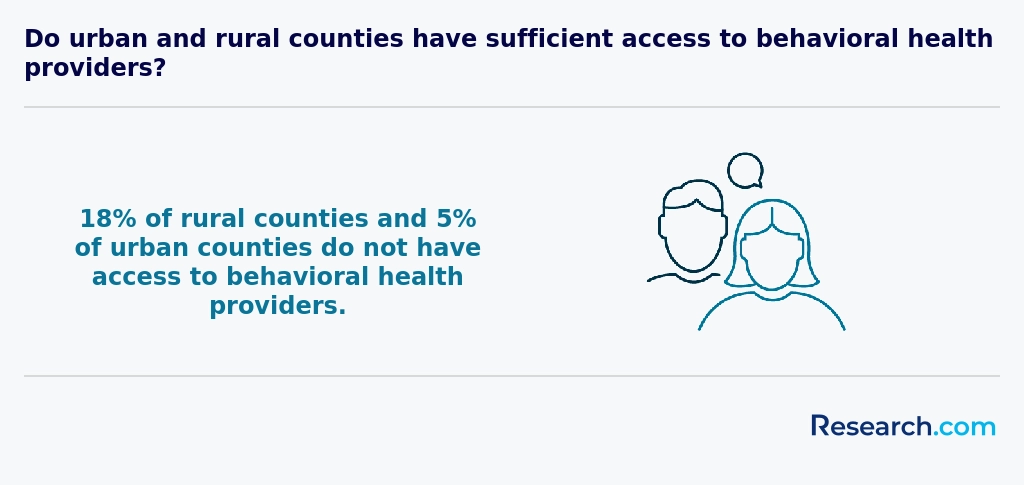
Online counseling students in the South often face unique challenges related to limited internet access. According to the Federal Communications Commission, nearly 20% of rural Southern households lack broadband, which can hinder consistent participation in virtual classes and supervision sessions. Many programs also require in-person clinical placements, creating difficulties for students who must travel long distances or relocate temporarily.
Additionally, the South has varied licensing requirements for counselors, complicating the transferability of online degrees. The National Board for Certified Counselors highlights that regional differences can delay licensure and employment after graduation. These hurdles require careful planning and support from institutions.
With an online counseling degree, students in the South can pursue various professional certifications to enhance their careers. One of the most recognized is the Licensed Professional Counselor (LPC) credential, which is essential for clinical practice in many Southern states such as Texas, Florida, and Georgia. Requirements typically include a master's degree, supervised clinical hours, and passing a state exam.
Additionally, graduates may consider certification as a National Certified Counselor (NCC), provided by the National Board for Certified Counselors. This certification supports licensure portability across states.
Other options include certifications in specialties like school counseling or addiction counseling, depending on state regulations. According to the American Counseling Association, demand for licensed counselors in the South is expected to grow 19% by 2030, reflecting expanding opportunities.
Writing a winning application for an online counseling program in the South begins with understanding regional requirements. Many Southern universities require a minimum GPA of 3.0 and related undergraduate coursework. Highlight your experience in counseling or human services, as practical exposure strengthens your profile.
Clearly articulate your career goals and how the program aligns with them. Southern institutions value candidates committed to addressing local mental health challenges, given higher areas of behavioral health shortages reported by the Health Resources and Services Administration (HRSA).
Secure strong letters of recommendation from professionals familiar with your skills and dedication. Finally, tailor your personal statement to reflect an understanding of counseling needs unique to Southern populations, emphasizing cultural sensitivity and adaptability.
The counseling profession is increasingly valued worldwide for its role in mental health and wellness. In the United States, and particularly in the South, demand for qualified counselors is growing rapidly. According to the U.S. Bureau of Labor Statistics, employment for mental health counselors is projected to increase by 23% from 2021 to 2031, much faster than the average for all occupations.
Globally, counseling is recognized as a critical support service, with many countries adopting standards similar to those in the U.S. Southern states often emphasize licensure requirements aligned with national certifications, which enhances mobility and professional recognition.
Professional organizations such as the American Counseling Association influence international perspectives by advocating evidence-based practices and ethical standards.
For students in the South, pursuing online counseling degrees offers flexibility and access to programs that prepare them for licensure and practice both regionally and in broader contexts.
Gaining practical experience is essential when pursuing an online counseling degree in the South. Most programs require supervised clinical hours, often completed through local mental health agencies or school counseling sites. Students can arrange internships or practicum placements near their residence to fulfill these requirements.
Many Southern states have partnerships with community organizations to help online students secure hands-on training. For example, the Southern Association of Colleges and Schools Commission on Colleges (SACSCOC) ensures institutions provide these opportunities. Additionally, state licensure boards in the South typically require between 2,000 and 4,000 post-degree supervised hours, so beginning practical experience early is valuable.
Using university career services and networking with licensed professionals in your area can also open doors to relevant placements.
Choosing the right concentration within an online counseling degree program in the South involves aligning your career goals with regional demand. The Southern United States has shown growing needs in mental health, particularly in clinical mental health counseling and school counseling, according to the National Board for Certified Counselors.
Consider the licensure requirements in your state. Many Southern states require specific concentrations for licensure, such as Licensed Professional Counselor (LPC) or Licensed Marriage and Family Therapist (LMFT).
Research local job markets and salary data from the U.S. Bureau of Labor Statistics, which indicate that clinical mental health counselors in the South earn an average of $48,000 to $55,000 annually.
Finally, review program accreditation, faculty expertise, and online program flexibility to ensure the concentration suits your educational needs.
Top Trending Counseling Rankings
See What Experts Have To Say About Studying Counseling
Read our interview with Counseling experts

Charles Figley
Counseling Expert
Kurzweg Distinguished Chair in Disaster Mental Health
Tulane University

References
- Talent Pool - Online Counseling Psychologist - Freelancer - f/m/d - nilo https://careers.nilohealth.com/jobs/2766201-talent-pool-online-counseling-psychologist-freelancer-f-m-d
- Professional Networking For Psychologists | Psychology.org https://www.psychology.org/resources/professional-networking/
- Building High-Quality School Counseling Programs To Ensure Student Success - EdResearch for Action https://edresearchforaction.org/research-briefs/building-high-quality-school-counseling-programs-to-ensure-student-success/
- Know more about thesis vs non- thesis: what is the difference? https://studyfans.com/en/blogs/816
- Mental Health challenges that counselors and therapists experience - RESILIENCE PSYCHOLOGY COUNSELLING http://resonsindiyo.com/mental-health-challenges-that-counselors-and-therapists-experience-due-to-the-nature-of-their-profession/
- Networking: Are You Connected? https://www.apaservices.org/practice/business/marketing/building/networking
- metrics https://ojed.org/jis/article/view/3444/1955
- Mental Health Counseling MS Salary Guide | University of Bridgeport https://www.bridgeport.edu/news/masters-in-counseling-salary-guide/
- Interdisciplinary Training: Preparing Counselors for Collaborative Practice https://nexusipe.org/informing/resource-center/interdisciplinary-training-preparing-counselors-collaborative-practice
- Interdisciplinary Training: Preparing Counselors for Collaborative Practice - The Professional Counselor https://tpcjournal.nbcc.org/interdisciplinary-training-preparing-counselors-for-collaborative-practice/