2027 Most Popular Computer Science Degree Programs Ranking in the USA

Co-Founder and Chief Data Scientist
Choosing the right computer science degree program can shape your future career and open exciting opportunities. To help you navigate your options, this article presents the 2027 Most Popular Computer Science Degree Programs Ranking in the USA, crafted by the Research.com team of data scientists.
By exploring this ranking, you'll gain valuable insights into programs that stand out for quality, popularity, and industry relevance. Whether you're starting your journey or seeking the best fit, this guide supports confident decisions toward a rewarding education and career in computer science.
Key benefits of getting computer science degree in America
- Graduates with a computer science degree can expect promising salaries, such as a Software Engineer earning an average of $138,110 annually and IT Support Specialists earning around $63,640 per year, reflecting strong financial rewards.
- Career options are diverse, including roles like Software Developer, Web Developer, and Data Analyst, offering flexibility and opportunities in various industries for a thriving professional journey.
- Online computer science degrees offer convenient learning with the same great curriculum from respected universities, allowing students to balance life and education while gaining skills valued by employers nationwide.
- 2027 Most Popular Computer Science Degree Programs Ranking in the USA
- What can I expect from computer science degree in America?
- Where can I work with computer science degree in America?
What can I expect from computer science degree in America?
The average cost of earning a computer science degree in America varies significantly depending on the institution. Public universities typically charge between $10,000 and $30,000 per year for in-state students, while out-of-state fees may rise to $25,000-$50,000 annually. Private colleges and universities, including prestigious institutions like those in the Ivy League or top public flagships such as the University of California system, can cost upwards of $50,000 per year. Graduates often recall balancing academic challenges with part-time jobs or internships to manage expenses.
Many students find value in programs offering combined bachelor's and master's tracks, reducing overall time and tuition. Hands-on projects using languages like Python or Java at renowned universities help graduates feel confident and well-prepared despite the investment. Some report financial aid, scholarships, and work-study programs as crucial resources that significantly offset high tuition costs.
Considering the rigorous curriculum and strong job placement rates, many view the financial commitment as an investment in a lucrative, in-demand career with salaries starting above $110,000 for software developer roles.
Where can I work with computer science degree in America?
Graduates from computer science programs in America, such as those at MIT, Stanford, or the University of California, Berkeley, find themselves welcomed into a vast array of career opportunities. Many secure roles at leading tech companies like Google and Microsoft, where they contribute to groundbreaking projects in software development, artificial intelligence, and cybersecurity. The excitement of working on real-world problems alongside top professionals fuels their passion and growth.
Others channel their skills into startups or fintech firms, experiencing the dynamic energy of innovation and fast-paced environments. Graduates often speak of the rewarding challenge to design complex algorithms for financial institutions like JPMorgan Chase, which cultivates a sense of accomplishment and impact.
Government positions at agencies such as NASA and the Department of Defense attract those interested in cybersecurity and advanced research, requiring a strong technical background and security clearances. Meanwhile, those drawn to healthcare apply computing expertise to improving patient diagnostics and medical record systems, reflecting the rapidly expanding tech-driven health sector.
Academic careers at respected universities and research labs allow graduates to pioneer new technologies and inspire future innovators, demonstrating the diverse and fulfilling paths available after earning a computer science degree in America.
Graduates holding a computer science degree from well-known institutions such as MIT, Stanford, or the University of California frequently enter the job market with strong salary prospects. Entry-level positions for these graduates, like software engineers or developers, offer mean annual wages around $138,110 according to the U.S. Bureau of Labor Statistics. This impressive starting figure reflects the high demand and specialized skills cultivated during their studies.
Web developers with a computer science background typically earn about $95,570 annually, while data analyst roles command mean wages near $119,040. IT support specialists often begin with lower salaries, averaging $63,640, but still benefit from stable career paths. Graduates report that internships and projects completed during their university programs significantly boost their confidence and earning potential upon graduation.
Living in tech hubs such as Seattle or Silicon Valley often enhances these salary levels, making the degree not only a gateway to meaningful work but also financially rewarding opportunities early in one's career.
- Public in-state universities charge $10,000 to $15,000 per year for computer science tuition, while private universities often exceed $40,000 annually.
- Out-of-state students at public universities typically pay upwards of $25,000 per year, excluding room and board costs.
- The demand for computer science jobs is projected to grow by about 15% through 2030, faster than the average for all jobs.
- Starting salaries for computer science graduates usually range from $70,000 to $80,000 per year.
- Mid-career professionals can earn between $100,000 and $130,000, with higher salaries in tech hubs like Silicon Valley and New York City.
- Many programs offer internships and co-op opportunities, which are important for gaining practical experience and improving job prospects.
Completing a computer science degree in America typically takes around four years for a full-time student pursuing a bachelor's degree. Graduates from universities such as MIT or Stanford often share that adhering to a structured course load enables them to finish within this timeline, accumulating approximately 120 to 130 credit hours. Many students appreciate the well-balanced curriculum that allows them to engage deeply with core computer science topics while exploring electives.
Some students at institutions like the University of California, Berkeley choose to accelerate their studies by taking summer courses or heavier semester loads, completing their degree in about three years. However, this is less common and demands rigorous commitment.
For those advancing to graduate study, completing a master's degree in computer science generally requires an additional one to two years of full-time study. Many working professionals enrolled part-time appreciate the flexibility this option provides while managing careers.
Doctoral programs at research-focused schools such as Carnegie Mellon typically extend over four to six years, emphasizing research and innovation, rewarding students with opportunities to contribute significantly to the field.
As technology advances at breakneck speed, staying ahead means mastering the latest trends-artificial intelligence, machine learning, and cloud-native architectures top the list. Graduates who develop expertise in AI frameworks like TensorFlow or PyTorch, coupled with skills in data engineering and big data tools (Hadoop, Spark), position themselves for roles in autonomous systems, predictive analytics, and real-time decision making. Cybersecurity remains critical as well; understanding zero-trust models, ethical hacking techniques, and secure DevOps practices can transform you into a sought-after security engineer. Equally important is cloud computing proficiency: architects who design scalable, resilient infrastructures on AWS, Azure, or Google Cloud command premium salaries. For professionals balancing budget and quality, exploring the Cheapest Online Master's in Computer Science Degree Programs Ranking in the Midwest offers insight into cost-effective pathways that equip you with in-demand cloud and distributed systems skills. Additionally, as edge computing and Internet of Things (IoT) devices proliferate, familiarity with microservices, container orchestration (Kubernetes, Docker), and real-time data processing can set you apart. Quantum computing is also emerging from the research phase into early industry applications-foundational knowledge of quantum algorithms and programming languages like Qiskit can give forward-thinking graduates a competitive edge. Ultimately, cultivating a blend of programming expertise (Python, Go, Rust), strong algorithmic thinking, and soft skills like cross-functional collaboration will ensure you thrive in this evolving landscape. Regularly contributing to open-source projects, participating in hackathons, and earning specialized certifications can further demonstrate your capabilities to prospective employers.
On-campus computer science degrees in America offer immersive experiences with direct access to professors, peers, and campus resources at renowned universities like the University of California, Berkeley or the University of Texas at Austin. Graduates often recall collaborating in state-of-the-art labs, attending career fairs, and spontaneously forming study groups, which foster strong networking opportunities and internship connections. The structured schedule encourages consistent engagement and hands-on learning.
Conversely, online programs provide greater flexibility for students balancing work or family, popular at institutions such as Arizona State University and the University of Florida. Students appreciate the ability to learn at their own pace from any location, often benefiting from virtual labs and discussion forums. Many online learners find satisfaction in saving time and expenses related to commuting and housing, while still earning accredited degrees.
While on-campus education nurtures a vibrant community and immediate support, online degrees emphasize adaptability and convenience without sacrificing quality, enabling students to tailor their education to personal circumstances.
- Average four-year tuition and fees for a bachelor’s in computer science: ~$45,968
- Median entry-level salaries range from $95,000 to $120,000, depending on role (software developer, data analyst, etc.)
- Typical payback period: 3–5 years before tuition costs are recouped through earnings
- Key ROI drivers:
- Reputation and accreditation of the institution
- Hands-on experience (internships, co-ops)
- Specializations in high-demand areas like AI or cybersecurity
- Explore lower-cost pathways such as an artificial intelligence degree online to accelerate value without sacrificing quality
The average cost of obtaining a computer science degree in America varies depending heavily on whether a student qualifies for in-state or out-of-state tuition. Data indicates the median total expenses for in-state students average around $16,306, while out-of-state students can expect to pay closer to $46,737 over the full duration of their studies. These figures reflect a comprehensive estimate, including tuition, fees, and typical education-related costs.
Graduates from well-known universities frequently share that managing these expenses often involves a combination of scholarships, personal savings, and financial aid, where merit-based programs tailored for computer science students help ease the financial burden. Students enrolled in popular colleges across the country report that beyond tuition, investing in personal equipment like laptops and specialized software significantly impacts overall costs, especially given the project-intensive nature of computer science courses.
For those comparing options, the average cost of computer science degree USA can be daunting; however, many students find value in identifying programs with strong financial support to offset expenses. Exploring lists of affordable computer science colleges proves invaluable in this regard, offering pathways to quality education at manageable costs.
Looking toward projected expenses, students focused on their computer science degree total expenses 2027 should prepare for financial planning that accounts for tuition, fees, and other necessary educational materials but remain encouraged by the variety of resources available to ease costs.

As the technology landscape continues to evolve at a rapid pace, staying informed about emerging trends in computer science education can give prospective students a competitive edge. Today’s programs are not only adapting to the latest technological innovations-such as artificial intelligence, machine learning, and quantum computing-but also integrating industry partnerships and real-world projects to better prepare graduates for tomorrow’s challenges. Universities are increasingly offering interdisciplinary courses that bridge technology with business, healthcare, and environmental sciences, ensuring that students graduate with a versatile skill set that meets the demands of a dynamic job market. This forward-thinking approach includes the development of micro-credential programs, coding bootcamps, and specialized certifications that complement traditional degree paths. For instance, institutions are now partnering with tech giants to offer courses on emerging topics like blockchain and augmented reality. These collaborations often provide students with hands-on learning experiences that are immediately applicable in today’s workplace. Moreover, the rise in flexible online learning options is making quality education more accessible than ever. In fact, many prospective students interested in keeping education both high-quality and economically viable can explore options such as affordable computer science colleges that meet these evolving demands. By understanding these emerging trends, students can make more informed decisions about their educational paths, align their career goals with future industry needs, and ultimately position themselves for long-term success in the tech-driven economy.
Computer science students in the United States benefit from a range of financial aid options that significantly ease the burden of tuition costs. Graduates from institutions like the University of California, Berkeley or the University of Michigan often recall how the Federal Pell Grant, providing up to $7,395 annually, made their education more accessible without the stress of repayment. By submitting the Free Application for Federal Student Aid (FAFSA), students can access both grants and low-interest federal loans such as the Direct Subsidized and Unsubsidized Loans, which offer favorable terms compared to private lenders.
Scholarships tailored for computer science majors also play a crucial role. Many recipients from top programs at MIT or Carnegie Mellon University highlight how awards like the Google Anita Borg Memorial Scholarship not only provided financial relief but also boosted their confidence and belonging in tech fields.
Work-study opportunities on campus allow students to gain practical experience, often through roles like lab assistants or peer tutors, enhancing both skillsets and incomes. Moreover, state-specific programs such as California's Cal Grant further support students attending in-state universities, making a computer science degree more attainable.
Many computer science programs now offer dedicated tracks in game design and interactive media, blending software engineering with creative storytelling. This specialization equips students to build immersive experiences across platforms.
- Core skills gained
- Programming with C++, C# and game engines (Unity, Unreal)
- 3D modeling, graphics rendering and animation
- User experience (UX) design for interactive environments
- Typical coursework
- Game Engine Architecture
- Artificial Intelligence for Games
- Computer Graphics and Shader Programming
- Level Design and Storyboarding
- Career outcomes
- Game Developer or Engine Programmer
- Interactive Media Designer
- VR/AR Application Engineer
- Quality Assurance and User Testing Lead
For students seeking an online pathway focused on gaming technologies, consider exploring our guide to the most affordable gaming degree online.
Enrolling in a computer science degree program in America requires meeting several key prerequisites that ensure readiness for the technical challenges ahead. Universities such as those in the Big Ten or the University of California system often expect applicants to have a strong background in mathematics, including algebra and calculus, as well as physics or general science. Many successful graduates recall that their high school coursework in these subjects gave them confidence when tackling early programming classes.
Applicants typically must hold a high school diploma or GED equivalent. Standardized test scores like the SAT or ACT, especially the math sections, remain important for many institutions, although some schools have recently waived these requirements. A competitive GPA around 3.0 or higher is commonly expected, reflecting consistent academic performance needed to thrive in demanding courses.
Beyond grades, letters of recommendation and personal statements can strengthen applications, providing insight into the applicant's motivation and problem-solving skills. Some programs also administer placement exams or coding assessments, helping students gauge their preparedness before starting.

In today’s fast-paced tech landscape, Computer Science degree programs are evolving to incorporate emerging fields that will define the next decade. From artificial intelligence and machine learning to quantum computing and blockchain, universities are updating curricula to prepare graduates for high-growth roles. Integrating hands-on AI projects into core courses equips students with practical skills in data analysis, neural networks, and computer vision, while quantum computing modules introduce problem-solving techniques with applications in cryptography and scientific research. Key areas reshaping Computer Science programs: • Artificial Intelligence & Machine Learning: Deep learning frameworks, ethical AI, and real-world case studies. • Quantum Computing: Qubit manipulation, quantum algorithms, and error-correction methods. • Edge & Cloud Computing: Distributed architectures, containerization, and scalable infrastructure. • Blockchain & Distributed Ledger: Smart contracts, decentralized applications, and security protocols. • Data Ethics & Privacy: GDPR compliance, responsible data management, and bias mitigation. By exploring these emerging trends, prospective students can align their studies to future jobs in coding, ensuring they remain competitive in a rapidly changing market. Programs that offer specialized tracks often feature partnerships with leading tech firms and research labs, providing internships and capstone projects that bridge theoretical knowledge with real-world innovation.
Computer science degree programs in America typically encompass a rigorous curriculum designed to build a solid foundation in both theory and practice. Graduates from universities such as MIT and Stanford often recall how courses like Introduction to Programming, taught in languages like Python or Java, helped them develop confidence in solving real-world coding challenges early in their studies.
Core classes include Data Structures and Algorithms, essential for mastering efficient data management, and Computer Architecture, which reveals the intricate workings of hardware beneath software systems. Many students appreciate the hands-on learning in Operating Systems courses, where they simulate managing resources like memory, mirroring tasks they will face in tech careers.
Further, Theory of Computation challenges students with abstract mathematical models, sharpening problem-solving skills. Software Engineering classes provide practical methodologies for building and maintaining complex applications, often highlighting teamwork, a vital skill praised by graduates from top colleges.
Other essential courses cover Databases and Networks and Security, grounding students in managing data systems and protecting information, critical in today's cybersecurity-conscious environment. Electives in AI or machine learning add in-demand specialization opportunities, making the coursework both stimulating and career-relevant.
Computer science degree specializations USA typically include focused tracks such as Artificial Intelligence (AI) and Machine Learning, Cybersecurity, Data Science and Big Data, Software Engineering, Computer Graphics and Visualization, and Networks and Distributed Systems. Graduates from top computer science programs in America often express enthusiasm about the practical skills and opportunities these specializations provide, enabling them to tackle complex problems in real-world settings.
At popular universities known for their robust technology curricula, students specializing in AI and Cybersecurity benefit from hands-on experience with cutting-edge labs and software, preparing them for rapidly expanding job markets. Others gravitate toward Data Science, appreciating how it equips them to analyze vast datasets crucial for informed decision-making across industries. Software Engineering remains a foundational path, praised by graduates for its broad applicability and alignment with numerous industries' needs.
These specialized tracks often shape students' career trajectories, making them highly competitive for jobs in coding. Thus, selecting a specialization within a computer science degree in America is a strategic move, supported by the evolving demands of technology-driven workplaces.
Choosing the best computer science degree in America requires careful evaluation of several critical factors. Graduates from leading universities often highlight the importance of ABET accreditation, which assures a program meets established standards of quality and rigor essential for technical careers. Many successful students appreciate curricula that blend theoretical foundations with practical experiences like internships or cooperative education, especially in emerging fields such as cybersecurity or data science, keeping them competitive in the evolving tech landscape. For instance, students attending well-known public universities benefit from in-state tuition rates averaging around $11,000, making education more accessible while maintaining high-quality instruction.
Beyond academics, career-oriented students frequently emphasize institutions' strong connections with local tech industries, which open doors to coveted internships and increase post-graduation job placement rates. Those balancing other commitments often seek programs with flexible study modes, including part-time or online options; many find excellent opportunities in Cheapest Online Master's in Computer Science Degree Programs Ranking in the Midwest. Affordability also plays a major role, as students increasingly explore affordable computer science degrees in America without compromising educational value.
Ultimately, successful graduates recommend comparing program rankings and financial aid packages while considering the personalized support offered by campus resources and alumni networks to maximize a rewarding educational experience.
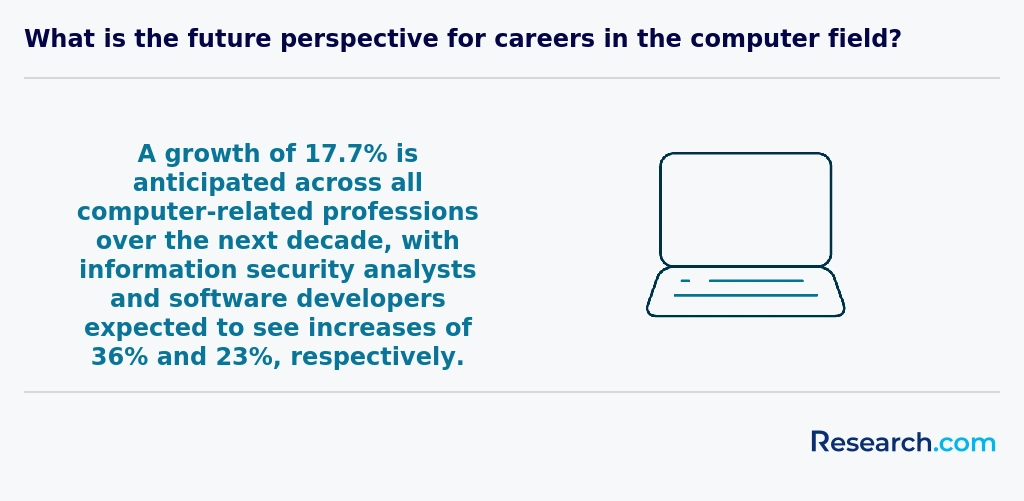
Graduates with a computer science degree in America find extensive career paths due to high demand and versatile skills. Many begin as software developers, crafting innovative applications at companies near tech hubs like Silicon Valley or Boston's academic corridors. Others transition into roles such as data scientists or analysts, turning complex datasets into actionable business insights, a path often pursued by graduates of universities known for strong STEM programs. Cybersecurity analysts protect organizational digital assets amid rising cyber threats, a vital career sector given the increasing focus on national and corporate security.
Additionally, systems architects and IT project managers oversee design and execution of complex technological infrastructures commonly found in government agencies and Fortune 500 firms, showcasing varied job prospects for computer science graduates America. The evolving fields of artificial intelligence, machine learning, and even emerging technologies like blockchain are embraced by graduates who attended prominent research universities, fostering exciting opportunities for innovation.
For those balancing work and study, institutions offering accelerated paths, including the quickest online degree for working adults, enable career advancement while maintaining professional commitments.
The computer science degree job market USA remains exceptionally strong, with a steady increase in opportunities for graduates. Graduates from popular universities often find roles as software developers, systems analysts, or cybersecurity analysts in major tech hubs such as Silicon Valley and Seattle, where demand is high and salaries are competitive. These graduates typically report positive experiences transitioning into lucrative jobs, with starting salaries often ranging from $65,000 to $90,000, depending on location and employer type.
Many graduates emphasize the value of a computer science degree for its solid foundation in programming and problem-solving, which opens doors beyond tech companies, including finance and healthcare sectors. For those exploring options, considering factors like educational costs against potential earnings is vital. The growing job outlook for computer science graduates America encourages students to explore different institutions, including best colleges offering open enrollment, which provide accessible pathways to this in-demand field.
2027 Most Popular Computer Science Degree Programs Ranking in the USA
Investing in your education is a significant decision that can shape your future, and the Research.com team understands the importance of making informed choices. To assist prospective students in selecting the ideal computer science program, we have meticulously developed the "2027 Most Popular Computer Science Degree Programs Ranking in the USA." Our commitment to quality, credibility, and accuracy is demonstrated through comprehensive research and rigorous analysis.
We utilized the following reputable data sources to ensure a thorough evaluation of computer science degree programs:
By exploring this ranking, readers will gain valuable insights into the leading computer science degree programs in the USA, empowering them to make well-informed decisions about their academic and professional futures. For more details on our methodology, please visit our Research.com methodology page.


Frequently Asked Questions About computer science
Computer science students in America can maximize their learning by engaging actively in both coursework and practical experiences. According to the Computing Research Association, hands-on projects and internships significantly improve job readiness. Participating in undergraduate research helps deepen understanding and develop problem-solving skills. Many universities encourage collaboration through coding clubs and hackathons, which foster teamwork and innovation.
Students should also leverage online resources such as coding platforms and open courseware from prestigious institutions. According to the National Center for Education Statistics, nearly 70% of computer science undergraduates reported using such supplementary materials. Seeking mentorship from professors and industry professionals further enriches learning by providing guidance tailored to current tech trends.
Emerging niches within the computer science field in America are rapidly evolving to meet industry demands and technological advancements. Areas such as artificial intelligence (AI) and machine learning are expanding, with the U.S. Bureau of Labor Statistics projecting a 15% growth in AI-related jobs by 2031. Cybersecurity remains critical as institutions face increasing threats; the demand for cybersecurity professionals is expected to grow 35% over the next decade.
Data science and big data analytics are also prominent, helping companies transform vast amounts of information into actionable insights. Additionally, niches like quantum computing and blockchain technology are gaining traction in academic programs, preparing students for cutting-edge research and innovation.
Preparing for the job market after earning a computer science degree in America involves strategic steps. According to the National Association of Colleges and Employers (NACE), over 80% of computer science graduates secure employment within six months of graduation. Gaining practical experience through internships or cooperative education programs is crucial, as employers value hands-on skills.
Building a strong portfolio of projects and contributing to open-source software can showcase technical abilities to potential employers. Networking through career fairs, university alumni groups, and professional organizations like the Association for Computing Machinery (ACM) also enhances job prospects.
Additionally, acquiring certifications in areas such as cloud computing or cybersecurity can improve marketability. Continual learning and staying updated with emerging technologies remain essential in this dynamic field.
Employers in America seek a blend of technical and soft skills when hiring computer science graduates. According to the National Association of Colleges and Employers (NACE) 2023 report, proficiency in programming languages such as Python, Java, and C++ remains crucial. Additionally, expertise in data structures and algorithms is highly valued for problem-solving roles.
Beyond coding, strong communication and teamwork skills are essential. A 2022 Stack Overflow survey highlighted that nearly 60% of employers prioritize collaboration abilities alongside technical expertise. Knowledge in cloud computing, cybersecurity, and artificial intelligence also enhances job prospects, reflecting current industry demands.
Critical thinking and adaptability are vital for keeping pace with rapidly evolving technologies in the U.S. tech sector. Graduates who combine these skills tend to attract more job offers and higher starting salaries.
Finding internships in America related to a computer science degree involves several strategic steps. First, students should utilize their university's career services, which often offer exclusive listings of internships from top tech companies. According to the National Association of Colleges and Employers (NACE), over 60% of internships are secured through campus resources and networking.
Next, building a strong online presence on platforms like LinkedIn is crucial. Companies such as Google, Microsoft, and Amazon frequently post internships targeting computer science students on their official career pages and LinkedIn.
Additionally, attending career fairs and tech conferences can connect students directly with recruiters. The Computing Research Association highlights that internships greatly increase the chance of full-time employment after graduation, with roughly 70% of interns receiving job offers.
A computer science degree significantly enhances career mobility and advancement opportunities in America. According to the U.S. Bureau of Labor Statistics, employment in computer and information technology occupations is projected to grow 15% from 2021 to 2031, much faster than the average for all professions. This growth creates numerous job openings and the flexibility to work in diverse industries like finance, healthcare, and entertainment.
Graduates with computer science degrees often start with competitive salaries-around $72,000 annually on average, as reported by the National Association of Colleges and Employers in 2023. This strong starting point accelerates advancement into higher roles such as software development managers or data scientists.
The degree also provides essential skills, including programming, data analysis, and problem-solving, which employers highly value. Many professionals leverage these to transition into specialized roles or leadership positions, supported by ongoing industry demand and evolving technologies.
Studying for a computer science degree in America equips students with skills that cross multiple disciplines. Many U.S. universities integrate computer science courses with fields like biology, engineering, and business. This interdisciplinary approach reflects labor market demands, as 64% of tech jobs require knowledge beyond pure programming, according to a 2023 report from the Bureau of Labor Statistics.
Curricula often include team projects and problem-solving that involve real-world applications, fostering collaboration across specialties. Additionally, students can access resources like research centers and internships, which further blend computing with areas such as healthcare, finance, and data science. This comprehensive training prepares graduates for diverse roles in an evolving job market.
Choosing between a thesis and a non-thesis computer science degree in the US depends largely on your career goals and interests. Thesis programs emphasize research, requiring students to complete an original project under faculty supervision. This path suits those interested in pursuing a PhD or research-focused roles.
Non-thesis programs typically involve more coursework and practical experience, ideal for students aiming to enter industry or management positions quickly. According to the Computing Research Association, about 40% of US graduate CS students opt for thesis tracks, reflecting strong research interest.
Consider also the time commitment: thesis degrees often take longer due to research demands. Tuition costs vary but can be higher for extended study periods. Ultimately, reviewing curriculum details and consulting advisors helps make the best choice.
Students in America interested in studying computer science abroad have several options facilitated by U.S. universities and external programs. Many U.S. institutions offer study abroad partnerships with top universities in Europe, Asia, and Australia, enabling students to earn credits toward their degree while experiencing different academic cultures. According to the Institute of International Education, about 15% of American computer science students participate in study abroad during their undergraduate programs.
Additionally, programs like Semester at Sea and the Benjamin A. Gilman International Scholarship specifically support STEM students, including those in computer science, to study overseas. Students must ensure foreign coursework aligns with their degree requirements at home to avoid delays in graduation.
Part-time job opportunities that complement computer science degrees in America often include roles such as software development internships, IT support, and web development. These positions provide practical experience with coding, debugging, and system maintenance, enhancing theoretical knowledge gained in class.
According to the U.S. Bureau of Labor Statistics, typical part-time roles in tech offer hourly wages between $15 and $30, depending on skills and location. Universities frequently partner with local tech companies to create internship programs, which can lead to full-time employment after graduation.
Additionally, freelance coding and tutoring fellow students in programming languages like Python or Java are popular and flexible options that build both technical and communication skills.
Computer science students in America benefit from extensive networking opportunities through university-sponsored events, professional organizations, and tech conferences. Many institutions host career fairs annually, connecting thousands of students with leading technology companies such as Google, Microsoft, and Amazon.
Student chapters of organizations like the Association for Computing Machinery (ACM) and IEEE Computer Society provide access to workshops, seminars, and mentorship programs. These groups help students build professional relationships early in their careers.
Moreover, major cities like San Francisco, Seattle, and Boston host tech meetups and hackathons, attracting nationwide participation. According to the National Center for Education Statistics, over 90% of computer science graduates find networking events helpful for securing internships or jobs.
Alumni networks play a crucial role in supporting computer science degree students in America. These networks connect current students with graduates working in diverse tech industries, helping with mentorship and career advice. According to the National Association of Colleges and Employers (NACE), over 70% of jobs are found through networking, emphasizing its importance.
Through alumni events and online platforms, students gain access to internships, job opportunities, and industry insights. Many universities, such as MIT and Stanford, have strong alumni communities that actively engage with students, enhancing professional development.
This connectivity often leads to higher employment rates and better salary outcomes after graduation.
In the United States, many universities offer flexible computer science degree programs that allow students to tailor their coursework to specific career goals. Students can choose from various specializations such as artificial intelligence, cybersecurity, data science, or software engineering. According to the Computing Research Association, over 70% of U.S. computer science programs provide elective courses in these fields.
Additionally, internships and cooperative education programs offer practical experience and networking opportunities. Many schools also support dual degrees or minors in complementary areas like business or mathematics, enhancing career prospects. Customization helps students align their education with the fast-evolving technology sector in America.
Computer science students in America often face several significant challenges throughout their education. One of the main difficulties is managing a heavy workload, as courses frequently combine complex theoretical concepts with demanding programming projects. According to a 2023 National Center for Education Statistics report, nearly 45% of computer science students struggle with time management due to the fast-paced curriculum.
Additionally, many students find the steep learning curve in mathematics and algorithm design overwhelming. The need to constantly update skills to keep up with evolving technologies also adds pressure. Another challenge is limited access to mentorship and networking opportunities, which are crucial for career growth in the tech field.
Finally, students from underrepresented groups in technology report facing additional barriers, including bias and lack of community support, impacting retention rates in computer science programs, as noted by the Computing Research Association in 2022.
A computer science degree in America opens pathways to numerous professional certifications that enhance career prospects. Popular certifications include Certified Information Systems Security Professional (CISSP) for cybersecurity, offered by (ISC)², and Cisco Certified Network Associate (CCNA) for networking specialists. Data professionals may pursue Certified Data Professional (CDP) credentials. The Project Management Professional (PMP) certification is also valuable for those managing technology projects, recognized by the Project Management Institute (PMI).
According to CompTIA, certification holders tend to earn 15% more than non-certified peers. Many U.S. employers require or prefer certifications alongside a degree, making these credentials an essential investment in a competitive job market.
Writing a winning application for a computer science program in America requires attention to detail and clear presentation of your skills and goals. Start by highlighting your academic achievements, particularly in math and science, as many top programs look for strong quantitative backgrounds. According to the National Center for Education Statistics, nearly 65,000 bachelor's degrees in computer science were awarded in the U.S. in 2021, showing high competition.
Include relevant experience like coding projects, internships, or participation in computer science clubs. Strong letters of recommendation from teachers or professionals familiar with your technical abilities are essential. Also, write a focused personal statement explaining your interest in computer science and career aspirations.
Standardized test scores, though optional in several schools, can still enhance your application. Check each program's requirements carefully, as some may require the SAT, ACT, or GRE. Finally, proofread all materials to ensure professionalism and clarity throughout your submission.
Computer science careers in America benefit from a strong global reputation, driven by innovative technology hubs like Silicon Valley. The U.S. hosts many top-ranked universities that attract international students, contributing to a diverse workforce in this field. According to the National Center for Education Statistics, over 90,000 bachelor's degrees in computer science were awarded in 2021, reflecting high domestic and international demand.
The global perspective values American computer science graduates for their practical skills and access to cutting-edge research. U.S. companies frequently lead in artificial intelligence, cybersecurity, and software development, offering graduates competitive job opportunities worldwide.
Gaining practical experience during a computer science degree in America is crucial for success in the tech industry. Many universities encourage students to participate in internships, which provide hands-on learning and professional networking. According to the National Association of Colleges and Employers, over 67% of computer science students secure at least one internship before graduation.
Additionally, cooperative education programs (co-ops) offer extended work placements integrated within the academic schedule. These programs enhance real-world skills and often lead to job offers.
Students can also join on-campus coding clubs or contribute to open-source projects, building portfolios that impress employers.
Research opportunities with faculty members allow undergraduates to engage in cutting-edge tech developments.
Choosing the right concentration within a computer science degree in America involves aligning your interests with industry demands and future job prospects. Common concentrations include artificial intelligence, cybersecurity, software development, and data science. According to the U.S. Bureau of Labor Statistics, fields like cybersecurity and data science are among the fastest-growing, with projected growth rates exceeding 30% through 2031.
Consider your strengths and career goals when selecting a focus. Many universities offer flexibility in electives, allowing students to explore multiple areas before specializing.
Research faculty expertise and available resources at prospective schools, as these impact learning quality and opportunities for hands-on experience or internships.
See What Experts Have To Say About Studying Computer Science
Read our interview with Computer Science experts

Derek Riley
Computer Science Expert
Professor, Program Director
Milwaukee School of Engineering

Elan Barenholtz
Computer Science Expert
Associate Professor
Florida Atlantic University

Kathleen M. Carley
Computer Science Expert
Professor of Computer Science
Carnegie Mellon University

Imed Bouchrika, Phd
Computer Science Expert
Professor of Computer Science
National Higher School of Artificial Intelligence

- Getting the Most Out of a Computer Science Degree https://robkokochak.com/blog/getting-the-most-out-of-a-cs-degree/
- WHAT SETS COMPUTER SCIENCE EDUCATION IN U.S. SCHOOLS APART? https://snamarianapolis.edu.vn/what-sets-computer-science-education-in-u-s-schools-apart/
- Computer Science Alumni Council https://www.myniu.com/article.html
- Computer Science - SWPS University https://english.swps.pl/academics/warsaw/ba-programs/computer-science
- Computer Science Cover Letter: How to Show You're a Top Tech Candidate https://arc.dev/talent-blog/computer-science-cover-letter/
- Study Computer Science Abroad | Go Overseas https://www.gooverseas.com/study-abroad/computer-science
- Alumni computer science dual https://www.fbi.h-da.de/en/informieren/ueber-uns/alumni/alumni-computer-science-dual
- Fields of Work in Computer Science: Top IT Careers | Walbrook https://www.walbrook.ac.uk/subjects/computer-science/computer-science-fields-of-work-career-in-it/
- The Future of Work: The Importance of Computer Science Skills | Gisma https://www.gisma.com/blog/the-future-of-work-the-importance-of-computer-science-skills
- 5 Challenges in Teaching Computer Science & Solutions https://www.computingolympiad.org/post/top-5-challenges-in-teaching-computer-science-in-schools-and-how-to-overcome-them