2027 Most Affordable Computer Science Degree Programs Ranking in San Antonio

Co-Founder and Chief Data Scientist
Choosing the right computer science degree program in San Antonio can be overwhelming, especially when considering cost and quality. This article introduces the 2027 Most Affordable Computer Science Degree Programs Ranking in San Antonio, created by the Research.com team of data scientists to help you make an informed decision.
By exploring this ranking, you'll discover affordable programs that balance value and education, guiding you toward a rewarding career in technology. Earning a computer science degree opens doors to exciting opportunities and personal growth, making your investment truly worthwhile.
Key benefits of getting computer science degree in San Antonio
- Salary for computer science degree graduates: Graduates can expect strong earning potential, such as a Software Engineer or Developer averaging $138,110 annually and Web Developers earning around $95,570 per year in San Antonio.
- Career paths: A computer science degree opens doors to diverse roles including Software Engineer, IT Support Specialist, and Data Analyst, offering flexibility and growth opportunities in San Antonio's tech industry.
- Online degree benefits: Earning a computer science degree online in San Antonio allows for flexible scheduling and often lower costs, making it easier to balance work and education while still gaining valuable skills.
- 2027 Most Affordable Computer Science Degree Programs Ranking in San Antonio
- What can I expect from computer science degree in San Antonio?
- Where can I work with computer science degree in San Antonio?
What can I expect from computer science degree in San Antonio?
Imagine stepping onto the vibrant campus of the University of Texas at San Antonio, buzzing with students who've just cracked a complex algorithm or built a sleek app during a late-night hackathon. The cost of this immersive experience? For many in-state students pursuing a computer science degree, the price tag hovers around the lower side of tuition fees thanks to UTSA's reputation for affordability-often far less daunting than private college rates. Graduates recall stretching their budgets with scholarships and work-study gigs tailored for STEM students, easing the fiscal weight without sacrificing learning intensity.
Public universities in San Antonio tend to offer much friendlier tuition rates, helping students balance passion and practicality. It's the kind of educational investment where financial aid acts like a safety net, empowering students to focus on mastering AI, cybersecurity, or data analytics without letting cost fears eclipse those late-night code breakthroughs.
Where can I work with computer science degree in San Antonio?
Picture this: after diving deep into computer science courses at UTSA or St. Mary's University, you step into San Antonio's buzzing tech atmosphere, where your skills swiftly transform into keys unlocking doors at giants like USAA or Rackspace. Graduates often find themselves shaping cloud innovations or defending cybersecurity frontiers, feeling the pulse of impactful tech work.
Some fellow alumni have landed roles inside military installations, weaving code that safeguards missions, blending tech smarts with patriotism. Others ride the wave of healthcare's digital revolution, crafting apps that turn patient care into a high-tech art form-imagine your work saving lives in real time.
Then there's the vibrant startup scene, nurtured by incubators like Geekdom, where innovation flows as freely as coffee and collaboration sparks ideas that could reshape industries. Graduates relish this agile playground, coding new futures and growing alongside bold entrepreneurs.
Job titles dance in your horizon as software engineer, systems analyst, or cybersecurity specialist, each step fueled by the growing San Antonio tech ecosystem and a thriving spirit of possibility.
Graduates from San Antonio's top computer science programs often step into the workforce with a bright financial outlook. Picture a fresh graduate from UTSA landing a role as a software developer earning close to the national average of $138,110 annually-enough to start building a tech-savvy lifestyle without waiting years. Another peer, launching as a web developer, can anticipate an average of about $95,570, enabling them to comfortably explore the city's rich culture and affordable living.
Many find IT support specialist positions starting near $63,640 mean annual wage, a solid foundation for those who love troubleshooting and helping businesses run seamlessly in booming sectors like healthcare IT or military contracting.
For graduates who dive into data analysis, San Antonio offers roles averaging $119,040 yearly, opening doors to high-impact decision-making jobs. These figures show that earning a computer science degree here is more than theory-it's a ticket to tangible monetary rewards that match the city's expanding tech heartbeat.
- Tuition for public universities in San Antonio ranges from $8,000 to $12,000 per year for in-state computer science students.
- Private institutions in San Antonio charge between $20,000 and $30,000 annually for computer science programs.
- The tech job market in San Antonio is growing, with a projected growth rate of over 15% in tech-related jobs over the next decade.
- Entry-level computer science graduates typically earn between $60,000 and $75,000 annually.
- Mid-career professionals in computer science can expect salaries from $90,000 to $110,000 in San Antonio.
- Many schools offer internships that connect students with local tech companies for practical experience and job placement.
In San Antonio, diving into a computer science degree often feels like embarking on a well-paced adventure lasting about four years for a traditional bachelor's route. Picture a full-time student at the University of Texas at San Antonio, balancing code debugging marathons with campus life, steadily ticking off around 120 to 130 credits-from foundational math to brain-bending algorithms.
But not all journeys follow the same rhythm. Some graduates opt to speed-run their degree, enrolling in accelerated programs that cram the experience into three intense years. Others, juggling part-time jobs or family, stretch their path out over five years or more, savoring each concept and deadline at their own tempo.
Community college attendees, like those at San Antonio College, often complete their associate degrees in two years-setting a launchpad for a seamless transfer into four-year universities. Meanwhile, the city's growing tech pulse fuels hybrid and online courses, allowing personalized pacing that fits real life, whether coding from a cozy café or during late-night study bursts.
Ensuring your chosen Computer Science program holds proper accreditation is crucial for quality assurance, credit transferability, and eligibility for federal financial aid. In San Antonio, TX, reputable institutions such as the University of Texas at San Antonio (UTSA) and Texas A&M University–San Antonio maintain regional accreditation from the Southern Association of Colleges and Schools Commission on Colleges (SACSCOC). Additionally, UTSA’s Bachelor of Science in Computer Science program, for example, is ABET-accredited, signaling adherence to rigorous curriculum standards that employers and graduate schools respect. Accredited programs undergo regular peer review to verify that core courses-such as data structures, algorithms, and software engineering-meet industry benchmarks. This validation not only enhances academic credibility but also ensures you can seamlessly transfer credits if you pursue a graduate degree or study abroad. Furthermore, many engineering and tech certifications require graduation from an ABET-accredited program, giving alumni a competitive edge in career paths ranging from software development to research. Beyond core Computer Science accreditation, students may wish to broaden their expertise by pursuing complementary fields. For instance, those passionate about protecting digital assets can explore a reputable cyber security degree online, which often carries its own specialized accreditation and aligns with growing industry demands. Verifying both programmatic and institutional accreditation ensures that your investment in an affordable computer science degree in San Antonio delivers maximum value and long-term recognition.
Imagine stepping onto the vibrant campus of the University of Texas at San Antonio, where the buzz of live coding marathons and face-to-face debates on algorithms create an electrifying atmosphere. On-campus students thrive in this tactile world-swapping ideas over coffee, debugging side-by-side in state-of-the-art labs, and diving into spontaneous study groups that spark creativity. Graduates recall how the immediate feedback from professors felt like a personalized roadmap through complex systems, making the abstract concrete.
Now picture a different scene-logging into an online portal from your cozy home in San Antonio, where the glow of your screen is your gateway to a fully digital classroom. Here, flexibility is king. Online learners juggle work, family, and study, tapping into UTSA's rich computer science curriculum via live streams and interactive forums. These students prize the freedom to set their pace, yet remain connected through lively virtual discussions that fuel motivation.
Both paths dance to the same academic rhythm but differ in tempo and texture. While on-campus programs envelop you in a structured, sensory-rich environment, online study demands self-discipline yet gifts unparalleled freedom-ideal for those scripting their own schedules amid San Antonio's dynamic city life.
Beyond the classroom, the vibrant campus environment in San Antonio plays a crucial role in shaping a well-rounded educational experience for Computer Science students. Many institutions offer modern facilities, dedicated tech labs, study spaces, and recreational areas that nurture both academic and personal growth. Students have access to diverse clubs, coding competitions, hackathons, and tech meetups that provide hands-on experience and encourage collaboration. For instance, numerous campuses host regular networking events with industry professionals, giving students a glimpse into real-world applications of their skills and forging connections that can lead to internships and job opportunities. Engagement in student-led projects and participation in community events further enhance not only technical proficiency but also soft skills such as teamwork, leadership, and problem-solving. Balancing rigorous coursework with extracurricular initiatives allows students to manage stress effectively while expanding their professional network. Moreover, prospective students seeking more information on budget-friendly education options can explore opportunities at affordable computer science schools in texas. This blend of academic and social experiences fosters a supportive environment that is essential for success in the dynamic field of computer science.
Imagine budgeting for a computer science degree in San Antonio and finding that the average price tag hovers around $9,654 for in-state students, a figure that sparks hope and relief. Graduates from University of Texas at San Antonio often share how this affordability allowed them to focus on mastering coding languages instead of stressing over crushing debt. For out-of-state students, the median cost climbs to approximately $36,655, reflecting tuition scales but still offering competitive options compared to private institutions.
Students enrolling in San Antonio's popular computer science programs witness firsthand how these costs translate into quality education without overwhelming financial sacrifice. Many lean into pathways through community colleges or smaller institutions, where annual expenses can dip as low as $3,500, making it easier to get started and transfer credits toward a bachelor's degree. This approach to local education creates a vibrant ecosystem of affordable computer science degree programs in San Antonio that empower diverse learners.
One compelling part of the journey is realizing that tuition is only one piece of the puzzle. Graduates recall budgeting an additional $3,000 to $5,000 yearly for essentials like textbooks, software, and daily living costs-investments that sustain their passion for technology and innovation. For those hunting down scholarships and federal aid, the picture gets even brighter. Many discover pockets of financial support across San Antonio's institutions, easing the overall financial strain.
For students prioritizing both value and academic excellence, exploring the affordable computer science schools in texas offers a proactive step. This well-informed path supports building a fulfilling career in tech without the shadow of unmanageable debt looming over their success.
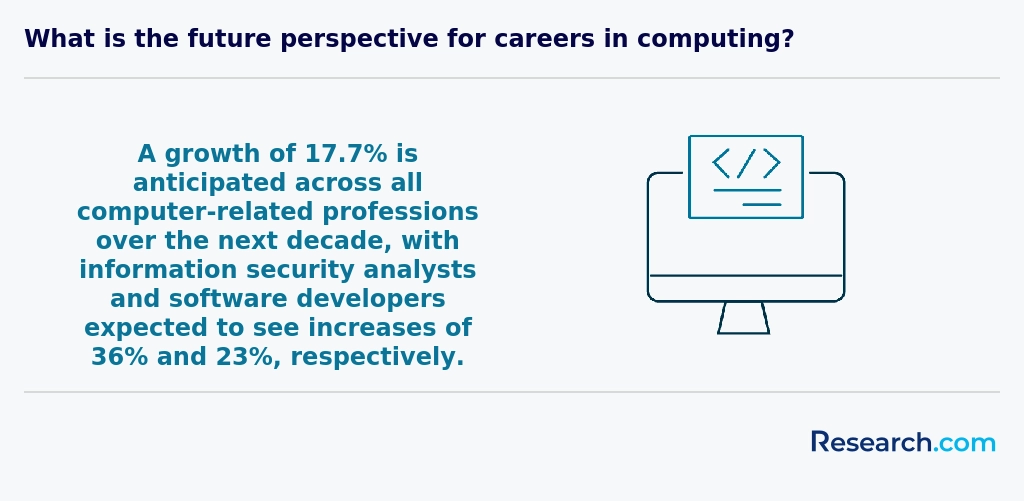
Evaluating the return on investment (ROI) for an affordable Computer Science degree in San Antonio, TX, is crucial for informed decision-making. On average, graduates complete their bachelor’s program with $22,000 in student debt and secure positions paying a median starting salary of $68,000. At this rate, most graduates recoup tuition costs within four years of full-time employment. Key factors influencing ROI include:
- Job Placement Rate: Over 85% of San Antonio graduates find relevant positions within six months of graduation, thanks to strong ties between local universities and employers.
- Average Debt-to-Income Ratio: With a typical debt-to-income ratio below 0.35, graduates can comfortably manage loan repayments while building their careers.
- Career Advancement: Alumni report a 20% salary increase within three years by specializing in high-demand fields such as cybersecurity and AI. Moreover, long-term outcomes show that a Computer Science degree from San Antonio institutions yields an average mid-career salary of $112,000, significantly outpacing the regional cost of living. For students exploring affordable options beyond Texas, consider our Low Cost Computer Science Degree Programs Ranking in Pennsylvania to compare ROI metrics and post-graduation outcomes by state. Investing in a program with transparent placement data and robust alumni networks ensures that your educational costs translate into sustainable career growth.
Imagine landing a spot at the University of Texas at San Antonio, where the cost of a computer science degree suddenly feels less like a mountain and more like a molehill. Thanks to federal student aid, many students juggle classes and coding with grants like the Pell Grant-offering up to $7,395 that doesn't have to be paid back. These grants are the financial lifeboats for those diving into complex algorithms and blockchain projects.
Then there's Texas-specific magic like the Texas Educational Opportunity Grant, perfect for those who begin at community colleges before transferring to UTSA or Trinity University to finish their computer science dreams. Graduates often recall the relief of the Top 10% Rule, which not only unlocked university doors but sometimes unlocked scholarships too, easing that financial weight as if it were a bug fixed after a long debugging session.
Local scholarships from the San Antonio Area Foundation or tech companies feel like rallying cheers from the city's tech community, funding everything from AI experiments to app development. Plus, many find gig-like work-study roles at these institutions, blending coding practice with paycheck perks-a real win-win.
To dive into a computer science degree in San Antonio, you need more than just a spark of curiosity - you must arrive armed with a high school diploma or GED and a solid GPA, usually around 2.5 to 3.0. Imagine sitting at San Antonio College or UTSA, where recent graduates recall how their calculus and algebra classes felt like unlocking secret codes, essential for tackling those challenging algorithms ahead.
Picture juggling physics concepts alongside early programming lessons back in high school, building a toolkit that San Antonio's top programs recognize and respect. Many students rave about how these foundations helped them breeze past placement tests or admission hurdles-math and science proficiency is king around here.
Official transcripts and optional but recommended SAT or ACT scores reflect your journey so far. Applying also means paying fees and jumping on FAFSA early, since tuition ranges significantly and planning finances smartly is part of the success story many local students share.
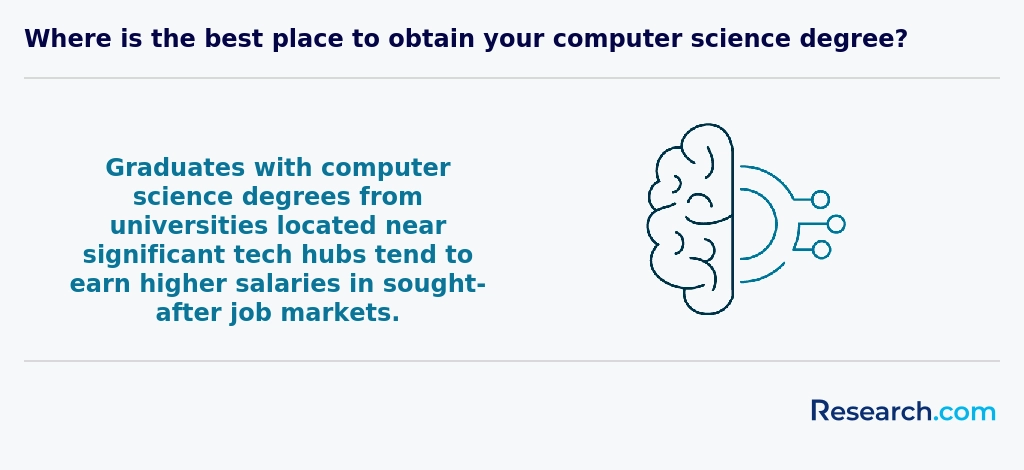
Diving into a computer science degree in San Antonio feels like unlocking a treasure chest of knowledge, starting with core courses that speak the language of Python, Java, and C++. Graduates from popular local institutions often recall their "aha" moments mastering these languages, turning lines of code into solutions that power apps and games. Imagine debugging your first algorithm in a bustling classroom at a San Antonio college, where data structures unfold like intricate puzzles that sharpen your problem-solving muscles.
Courses on computer architecture and operating systems transform abstract machine concepts into tangible realities: understanding how your laptop juggles memory while streaming music or running a game. Students recount practical labs where they simulate process scheduling, connecting theory with the hum of real-world tech.
The journey also includes databases and cybersecurity, essential in a city increasingly wired for both innovation and protection. Electives stretch into exciting frontiers like AI and mobile app development, sparking curiosity and honing skills that graduates say empower them to create future-ready technology right from their San Antonio classrooms.
Diving into the realm of computer science degree specializations San Antonio students encounter a vibrant spectrum of options that spark curiosity and ignite careers. Imagine a graduate from UTSA, buzzing with excitement after mastering Software Development, crafting apps that solve everyday problems or shaping the next viral game in Game Development, blending creativity with code. Others lean into cybersecurity, where the city's military foundations create a real-world lab, protecting critical infrastructure while feeding a passion for digital defense. For those drawn to clarity in chaos, Data Science and Analytics open eyes to stories hidden in vast datasets, unraveling mysteries that businesses crave.
San Antonio computer science concentration options also embrace cutting-edge fields like Artificial Intelligence and Machine Learning, where students dream of machines that think and learn alongside humans. Network and Systems Administration whispers of behind-the-scenes guardianship, ensuring connectivity hums without a hitch in bustling enterprises. For anyone curious about advancing their expertise, checking out a cyber security degree online can add flexibility and depth to their journey.
Imagine walking the bustling corridors of the University of Texas at San Antonio, where graduates recall that the key to choosing the best computer science degree programs San Antonio has to offer wasn't just about textbooks-but the rhythm of real-world projects, internships, and the buzz of cybersecurity hubs nearby. Pick a program that matches your curiosity-whether it's artificial intelligence or defense tech-as San Antonio thrives on those industries.
Affordability also shapes this adventure. Graduates often reflect on how cheaper tuition at public schools made their dream feel closer, especially when paired with financial aid. For those seeking affordable computer science colleges San Antonio hosts, it's worth comparing costs and scholarships to avoid surprises.
Finally, many found guidance through immersive experiences tied to San Antonio's tech scene and collaborations. To explore options blending budget with quality, check out the Low Cost Computer Science Degree Programs Ranking in Pennsylvania for insights adaptable to your journey.
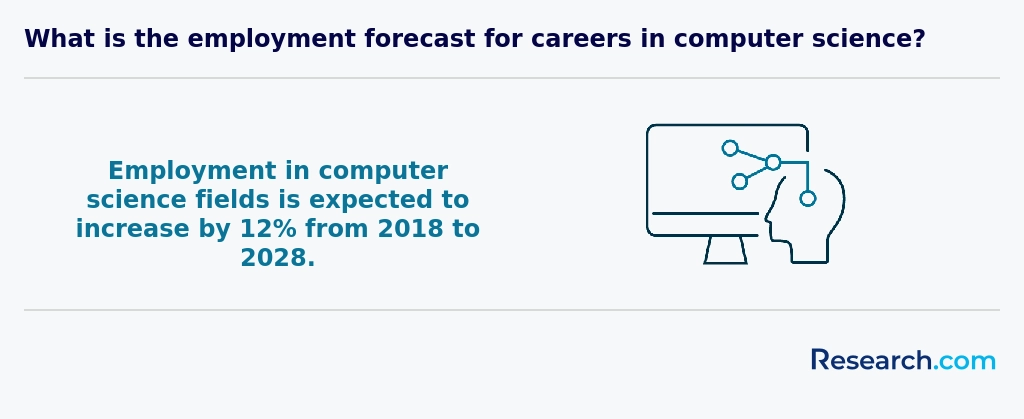
Graduates diving into computer science job opportunities in San Antonio find themselves at the crossroads of innovation and tradition, where tech startups buzz alongside military installations. Imagine a recent graduate from one of the city's top universities, energized by projects blending cybersecurity protocols with real-world defense needs-a perfect playground in this cybersecurity hotspot. Others leap into software engineering roles, designing apps that transform finance or healthcare, fueled by San Antonio's blossoming industries.
Meanwhile, data science enthusiasts decode patterns behind local businesses' decisions, thriving in environments demanding sharp analytical minds. Network administrators and systems analysts keep the digital heartbeat steady, especially in San Antonio's healthcare corridors. Thanks to affordable tuition at renowned institutions, many graduates celebrate not just career potential but financial peace of mind.
Curious minds at local colleges also explore different college majors, expanding their horizons before choosing among the vivid San Antonio tech career paths with CS degree adventurers eagerly embrace.
Graduates from computer science programs in San Antonio find themselves stepping into a job market buzzing with opportunity and growth. The city's expanding tech ecosystem, fueled by sectors like healthcare technology and military defense, creates a playground for new talent. Imagine a recent UTSA graduate landing an internship bridging software development with cybersecurity roles at a local defense contractor-this isn't just a story, but a tangible reality reflecting technology employment opportunities in San Antonio.
Starting salaries here feel like a welcome handshake, averaging around $65,000-comfortably above the national median. It empowers graduates to not only pay their bills but to also imagine thriving lives rooted in this vibrant city. Many students at San Antonio's top universities leverage cooperative education programs, gaining hands-on experience that employers crave. This practical approach turns textbooks into real-world problem-solving adventures.
For those questioning what's next, exploring what is the easiest bachelor degree options can sometimes clarify pathways amid the many opportunities. The ongoing growth and dynamic sectors ensure that the computer science job outlook San Antonio is not just promising but a call to action for ambitious graduates ready to write their own tech stories.
2027 Most Affordable Computer Science Degree Programs Ranking in San Antonio
Investing in your education is a significant decision that can shape your future, and the Research.com team understands the importance of making informed choices. To assist prospective students in San Antonio, we have meticulously crafted the "2027 Most Affordable Computer Science Degree Programs Ranking in San Antonio." Our commitment to quality, credibility, and accuracy is reflected in the extensive research and analysis conducted to compile this ranking.
We utilized the following reputable data sources to ensure a comprehensive evaluation of computer science degree programs:
By exploring this ranking, readers will gain valuable insights into the most affordable and credible computer science degree options in San Antonio, helping them make well-informed decisions about their educational investments. For more details on how this ranking was created, please visit our Research.com methodology page.



Frequently Asked Questions About computer science
Students pursuing computer science degrees in San Antonio can enhance their learning by engaging actively with local tech communities. The city hosts several meetups and coding bootcamps that provide practical experience beyond classroom theory. Collaborating on projects with peers or local startups helps bridge the gap between academic knowledge and real-world applications.
San Antonio's universities often have partnerships with companies like Rackspace and USAA, offering internship opportunities that are essential for career readiness. According to the Texas Workforce Commission, tech jobs in the region are growing at about 3.5% annually, indicating strong demand for skilled graduates.
Additionally, utilizing university resources such as research labs and career services can support deeper learning and networking.
The computer science field is rapidly evolving, with several emerging niches gaining attention in San Antonio's academic and tech communities. Areas such as artificial intelligence (AI) and machine learning are expanding due to their wide applications in cybersecurity, healthcare, and finance. According to the U.S. Bureau of Labor Statistics, AI-related jobs are expected to grow by 36% nationally through 2031, mirroring trends observed locally in San Antonio's tech sector.
Another important niche is data science and big data analytics. San Antonio universities have started incorporating specialized courses to meet local industry demand, which grew by over 20% in the past five years according to local workforce reports.
Additionally, cybersecurity remains a priority. With San Antonio housing significant military and defense installations, cybersecurity programs receive strong support, preparing students for critical roles in protecting information infrastructure.
Fields like cloud computing and Internet of Things (IoT) development are also gaining momentum as businesses adopt new technologies. Prospective students should consider these focus areas when choosing a program in San Antonio to align with current job market trends.
Preparing for the job market after completing a computer science degree in San Antonio involves several strategic steps. Graduates should focus on building hands-on experience through internships and cooperative education opportunities, as these are highly valued by local employers in tech and defense sectors. According to the San Antonio Economic Development Foundation, technology jobs are among the fastest growing in the region.
Networking within local tech meetups and career fairs hosted by universities like UTSA can help connect students with potential employers. Additionally, developing a strong portfolio showcasing coding projects and contributions to open-source software is essential for standing out.
Certifications in popular programming languages and cloud technologies can boost employability, reflecting current industry demands. Lastly, staying updated on San Antonio's evolving tech landscape is crucial for aligning skills with market needs.
Employers in San Antonio consistently seek computer science graduates with strong programming skills, especially in languages like Python, Java, and C++. According to the Greater San Antonio Technology Council, proficiency in software development and understanding of data structures ranks high among job criteria.
Additionally, practical knowledge of cybersecurity principles is increasingly important, given the city's growth in defense and tech sectors. Employers prioritize candidates who can demonstrate problem-solving abilities and experience with cloud computing platforms such as AWS or Microsoft Azure.
Communication skills are also vital, as many roles require collaboration across diverse teams. The San Antonio Workforce Commission reports that 75% of local tech employers value adaptability and continuous learning along with technical expertise.
Finding internships in San Antonio relevant to a computer science degree involves a combination of local networking, university resources, and online platforms. Many universities in San Antonio, such as The University of Texas at San Antonio, have dedicated career centers that connect students with tech companies offering internships. According to the San Antonio Economic Development Foundation, the city's tech sector is growing, with over 70,000 tech jobs forecasted by 2027.
Students should regularly check internship postings on platforms like Handshake and LinkedIn, as local startups and established firms actively recruit there. Attending local tech meetups and job fairs can also increase opportunities to connect with potential employers. Additionally, applying early and tailoring resumes to highlight relevant skills is crucial in this competitive market.
A computer science degree significantly enhances career mobility and advancement in San Antonio's growing tech sector. The region benefits from a rising demand for skilled IT professionals, partly fueled by expansions in cybersecurity, software development, and data analytics industries. According to the U.S. Bureau of Labor Statistics and the Texas Workforce Commission, computer and information technology occupations in the San Antonio area are projected to grow faster than the national average through 2030.
Graduates with a computer science degree often access higher-paying jobs and leadership roles compared to those without formal education in the field. Employers in San Antonio prioritize candidates with strong technical skills combined with formal credentials, supporting advancement in both startups and established companies.
Moreover, local universities and community colleges regularly update curricula to meet industry needs, which helps graduates stay relevant and competitive. Overall, holding a computer science degree in San Antonio increases opportunities for professional growth and geographic mobility within the tech-driven economy.
Studying for a computer science degree in San Antonio offers strong preparation for interdisciplinary roles due to the region's diverse economic landscape. Universities often integrate coursework that combines computing with fields like healthcare, business, and engineering. According to the San Antonio Economic Development Foundation, the city's tech sector grew by 8.5% in 2023, increasing demand for professionals who can collaborate across industries.
Local institutions emphasize project-based learning, encouraging students to solve real-world problems by applying computer science in various contexts. This approach enhances skills in communication and adaptability, essential for interdisciplinary work.
Furthermore, partnerships between schools and San Antonio's growing cybersecurity and biotech industries provide students valuable internship opportunities, fostering practical experience beyond pure coding.
Choosing between a thesis and a non-thesis computer science degree in San Antonio depends on your career goals and learning preferences. Thesis programs focus on research and require students to complete an original project, ideal for those considering a PhD or research careers.
Non-thesis programs emphasize coursework and practical skills, better suited for students aiming to enter the workforce quickly or pursue industry roles. San Antonio schools, such as the University of Texas at San Antonio, offer both options.
The American Association of University Professors notes that thesis programs often take longer to complete, affecting time and cost considerations. Reviewing course requirements and career outcomes from local universities helps in making an informed choice.
Students in San Antonio interested in pursuing a computer science degree abroad have several pathways through partnerships between local universities and international institutions. Universities like the University of Texas at San Antonio (UTSA) offer exchange programs allowing students to study computer science courses in countries such as Germany, Spain, and South Korea.
These programs typically last one semester to a full academic year, providing exposure to global tech markets and diverse programming approaches. Participation can often be funded through scholarships and financial aid designated for study abroad.
Additionally, some San Antonio schools facilitate virtual global classrooms, enabling students to take courses from international universities without leaving Texas.
San Antonio offers various part-time job opportunities that complement a computer science degree education. Positions such as IT support technician, web developer intern, and software testing assistant are commonly available on campus and in local tech companies. These roles provide practical experience in coding, problem-solving, and systems management.
Additionally, San Antonio's growing cybersecurity sector creates demand for interns and junior analysts, which aligns well with computer science studies. According to the San Antonio Economic Development Foundation, the tech industry has expanded by 5% annually, increasing relevant job openings.
Students can also explore freelance programming or tutoring roles, which help enhance technical and communication skills alongside academic learning.
Computer science students in San Antonio benefit from diverse networking opportunities that enhance career prospects. The city hosts several technology-focused meetups and organizations, such as San Antonio Technology Leaders and Geekdom, a prominent coworking space fostering tech innovation.
Local universities like the University of Texas at San Antonio connect students with internship programs and career fairs involving major employers such as USAA and Rackspace, which have large IT operations in the area.
Additionally, annual events like the Alamo Devs conference offer students a chance to meet industry professionals and expand their networks in a growing tech community.
Alumni networks play an important role for computer science students in San Antonio by offering career connections and mentorship opportunities. Graduates often share job leads, internships, and project collaborations, which can be vital in the competitive tech job market. According to the National Association of Colleges and Employers (NACE), students with strong alumni ties secure employment faster than those without.
In San Antonio, a growing tech hub, local alumni connections provide insight into regional companies such as Rackspace and USAA. These networks also facilitate access to exclusive events and workshops, improving students' professional skills. Engaging with alumni helps students build a supportive community beyond the classroom, enhancing both academic and career success.
Customizing a computer science degree in San Antonio allows students to align their education with specific career goals. Local universities often offer a variety of elective courses, such as cybersecurity, artificial intelligence, or data analytics, enabling students to develop expertise in high-demand areas.
Many programs provide internship opportunities with San Antonio's growing tech sector, including companies specializing in software development and cybersecurity, which is a regional strength. These hands-on experiences are essential for building practical skills and professional networks.
Students can also choose from flexible scheduling options, including evening and online classes, to balance education with work or personal commitments. According to the Texas Higher Education Coordinating Board, institutions in San Antonio have increasingly adopted these adaptable formats to serve diverse learners.
Computer science students in San Antonio often face challenges related to balancing rigorous coursework with personal and financial responsibilities. Many programs require a strong foundation in mathematics and programming, which can be demanding for students without prior experience. According to the Texas Higher Education Coordinating Board, retention rates in STEM fields, including computer science, remain below 50% after the first year, highlighting difficulty in the transition to college-level studies.
Additionally, access to internships and industry connections in San Antonio can be limited compared to larger tech hubs, affecting practical experience opportunities. Students may also encounter challenges adapting to rapidly evolving technology and the need for continuous skill development throughout their studies.
With a computer science degree, graduates in San Antonio can pursue a variety of professional certifications to enhance their career prospects. Common certifications include the Certified Information Systems Security Professional (CISSP), which is valuable for cybersecurity roles, and the Cisco Certified Network Associate (CCNA), suited for networking careers.
Many employers in the San Antonio area also recognize the Certified Software Development Professional (CSDP) and the AWS Certified Solutions Architect certification, reflecting the region's growing tech and cloud computing industries, according to the San Antonio Economic Development Foundation.
These certifications demonstrate specialized skills and often lead to higher salary potential and job opportunities in technology sectors across the city.
To write a winning application for a computer science program in San Antonio, start by highlighting your academic achievements, especially in math and science. Local universities like the University of Texas at San Antonio receive hundreds of applications yearly, so a strong GPA-typically above 3.0-is crucial.
Demonstrate your passion for computer science through relevant extracurricular activities, internships, or personal projects. The Bureau of Labor Statistics projects a 15% growth in computer occupations by 2031 in Texas, indicating a competitive and growing field. Incorporate clear career goals aligned with San Antonio's tech industry, including cybersecurity and software development opportunities.
Request strong recommendation letters from teachers or professionals familiar with your skills. Finally, craft a concise personal statement explaining why you want to study in San Antonio, emphasizing local industry ties and future contributions to the region's tech scene.
The global demand for computer science professionals continues to grow, driven by advances in technology and digital transformation worldwide. In the United States, and specifically in San Antonio, a career in computer science offers strong job prospects and competitive salaries. According to the U.S. Bureau of Labor Statistics, employment of software developers is projected to grow 22% from 2020 to 2030 nationally.
San Antonio benefits from a rising tech sector with employers seeking expertise in cybersecurity, data analytics, and software engineering. Local universities increasingly emphasize practical skills to prepare graduates for a global job market. This aligns with trends showing that computer science degrees open doors internationally as companies look for adaptable, skilled professionals.
Understanding global trends helps San Antonio students position themselves for careers that not only serve local industry but also connect with broader technological advancements and international opportunities in computer science.
Gaining practical experience while studying for a computer science degree in San Antonio is essential for career readiness. Many local universities encourage students to participate in internships with technology companies based in the city's growing tech sector. For example, San Antonio's tech industry contributes over $10 billion to the economy, providing ample internship opportunities according to the San Antonio Economic Development Foundation.
Students can also engage in cooperative education (co-op) programs and join campus coding clubs or hackathons. Additionally, volunteering on open-source projects and contributing to research at universities like UTSA offers hands-on experience with real-world challenges.
Choosing the right concentration within a computer science degree program in San Antonio depends on your career goals and local industry demand. San Antonio's tech sector emphasizes cybersecurity, data science, and software development, making these popular focus areas.
Look for concentrations aligned with job growth; for example, cybersecurity roles in San Antonio increased by over 15% between 2020 and 2023, according to labor statistics. Data science also promises strong opportunities due to the city's expanding healthcare and finance industries.
Consider the courses offered and faculty expertise at local institutions. Visiting campuses or reviewing program curricula can help identify specializations that match your interests and strengths.
Additionally, internships and partnerships with San Antonio's tech companies provide valuable experience and networking.
- 2027 Most Affordable Computer Science Degree Programs Ranking in Lafayette
- 2027 Most Affordable Computer Science Degree Programs Ranking in Baton Rouge
- 2027 Most Affordable Computer Science Degree Programs Ranking in Memphis
- 2027 Most Affordable Computer Science Degree Programs Ranking in Colorado Springs
- 2027 Most Affordable Computer Science Degree Programs Ranking in Saint Louis
- 2027 Most Affordable Computer Science Degree Programs Ranking in Denver
- 2027 Most Affordable Computer Science Degree Programs Ranking in Nashville
- 2027 Most Affordable Computer Science Degree Programs Ranking in Boulder
- 2027 Most Affordable Computer Science Degree Programs Ranking in Omaha
- 2027 Most Affordable Computer Science Degree Programs Ranking in Atlanta
See What Experts Have To Say About Studying Computer Science
Read our interview with Computer Science experts

Derek Riley
Computer Science Expert
Professor, Program Director
Milwaukee School of Engineering

Imed Bouchrika, Phd
Computer Science Expert
Professor of Computer Science
National Higher School of Artificial Intelligence

Kathleen M. Carley
Computer Science Expert
Professor of Computer Science
Carnegie Mellon University

Martin Kang
Computer Science Expert
Assistant Professor
Loyola Marymount University

- Essential Skills Every Computer Science Graduate Needs | LSBF https://lsbf.edu.my/blog/11-essential-skills-every-computer-science-graduate-needs/
- Computer Science Cover Letter: How to Show You're a Top Tech Candidate https://arc.dev/talent-blog/computer-science-cover-letter/
- Computer Science students create live network in simulated scenario https://www.stmartin.edu/news-and-stories/stories/computer-science-students-create-live-network-simulated-scenario
- Computer Science (B.S.) - St. Mary's University https://www.stmarytx.edu/academics/programs/computer-science/
- Best Computer Certifications for Tech Professionals https://www.computerscience.org/degrees/certifications/
- Computer Science - SWPS University https://english.swps.pl/academics/warsaw/ba-programs/computer-science
- How AI Is Transforming Computer Science Careers | Role of AI https://www.gisma.com/blog/how-ai-is-transforming-computer-science-careers
- Computer Science Alumni Council https://www.myniu.com/article.html
- What does a Computer Scientist do: Career paths and insights https://vinuni.edu.vn/what-does-a-computer-scientist-do/
- Why your computer science degree won't get you an IT job https://targetjobs.co.uk/careers-advice/information-technology/why-your-computer-science-degree-wont-get-you-it-job