2027 Most Affordable Computer Science Degree Programs Ranking in Nevada

Co-Founder and Chief Data Scientist
Choosing the right computer science degree program can feel overwhelming, especially when cost is a major concern. This article introduces the 2027 Most Affordable Computer Science Degree Programs Ranking in Nevada, created by the Research.com team of data scientists. It's designed to guide Nevada students toward smart, budget-friendly education choices.
By exploring this ranking, you'll discover valuable insights about affordable programs that deliver quality education. Earning a computer science degree opens doors to rewarding career opportunities, and this guide aims to help you take confident steps toward your future.
Key benefits of getting computer science degree in Nevada
- Salary: Computer science graduates in Nevada can earn an average annual wage of $138,110 as Software Engineers or Software Developers, while Web Developers and IT Support Specialists earn around $95,570 and $63,640 respectively. These competitive salaries reflect the high demand for tech skills in the state.
- Career paths: Graduates from Nevada universities often secure roles in software development, data analysis, or IT support, benefiting from a vibrant local tech scene that values diverse skills and offers room for growth. This variety lets you find a path that fits your passion and strengths.
- Online degree benefits: Earning a computer science degree online in Nevada offers flexible schedules and the chance to balance work or family life while learning. Online graduates can access high-quality programs without relocating, making education more accessible and manageable.
- 2027 Most Affordable Computer Science Degree Programs Ranking in Nevada
- What can I expect from computer science degree in Nevada?
- Where can I work with computer science degree in Nevada?
What can I expect from computer science degree in Nevada?
The average cost of earning a computer science degree in Nevada varies depending on the institution and program level. For example, students at the University of Nevada, Reno typically face tuition costs around $8,000 to $10,000 per year for in-state residents. Graduates often share that managing these expenses feels achievable when balancing part-time jobs or internships facilitated by the university's strong industry connections.
At the College of Southern Nevada, tuition is significantly lower, averaging near $4,000 per year for associate degrees, making it a practical stepping stone for those beginning their journey in computer science without incurring heavy debt.
Several students appreciate the flexibility of hybrid and online courses offered by Nevada institutions, which allow them to maintain employment while reducing additional costs like commuting and housing.
This real-world financial approach, combined with hands-on projects and internships, empowers Nevada computer science students to invest wisely in their education while preparing for promising careers in tech markets growing across the state.
Where can I work with computer science degree in Nevada?
With a computer science degree in Nevada, you can work in vibrant sectors like gaming, hospitality, tech startups, government, education, and healthcare. Graduates from institutions like the University of Nevada, Las Vegas (UNLV) and the University of Nevada, Reno (UNR) often find roles designing software for online betting platforms or developing secure customer data systems in Las Vegas's bustling gaming industry. Imagine collaborating on a game design team or creating analytics tools that improve user experiences-these are common, exciting paths here.
Beyond that, many grads join cloud computing or AI projects in regional hubs like Reno and Henderson, helping build the tech infrastructure driving Nevada's future. Others support state agencies by maintaining cybersecurity or managing digital public services, ensuring local communities stay safe online. These roles frequently pay between $70,000 and $110,000, reflecting strong demand. Thanks to partnerships between Nevada universities and employers, internships and job placements are readily available, helping students bridge academic skills with real-world applications and gain confidence entering the workforce.
Graduates with a computer science degree in Nevada can expect competitive salaries that reflect the state's growing tech environment. For example, software engineers and developers typically earn a mean annual wage of around $138,000, according to the latest U.S. Bureau of Labor Statistics data. Many Nevada graduates from institutions like the University of Nevada, Reno find themselves quickly moving into roles with salaries in this range, especially with internships and co-op experience during their studies.
Entry-level positions, such as IT support specialists, start closer to $63,000 annually, which offers a solid foundation for newcomers to the field. Web developers tend to earn around $95,500 per year, providing good opportunities for those focused on front-end or full-stack roles. Nevada's reasonable cost of living means these salaries stretch further, allowing for a comfortable lifestyle in cities like Las Vegas or Reno.
Students who engage with local tech hubs or gaming industries often enhance their earning potential by gaining skills in high-demand areas like cybersecurity, which can command salaries between $85,000 and $115,000. This makes pursuing internships or projects in these sectors highly recommended.
- In-state tuition for public universities in Nevada offering computer science ranges from $7,000 to $9,000 per year, while private schools often charge over $20,000 annually.
- Entry-level computer science graduates in Nevada earn about $70,000 per year, with experienced professionals making over $110,000 annually.
- Nevada's tech sector is growing faster than the national average, with strong job opportunities in software development, cybersecurity, gaming technology, and data analytics.
- Key schools offering computer science programs include Nevada State College, University of Nevada, Las Vegas (UNLV), and University of Nevada, Reno (UNR), with options for online and hybrid learning.
- The state has a relatively low cost of living compared to other tech hubs, which can make studying and living there more affordable.
Completing a computer science degree in Nevada typically takes about four years for full-time students at popular institutions like the University of Nevada, Reno or Nevada State College. Graduates often describe this period as a well-paced journey, balanced between core courses, electives, and practical projects.
Some students choose accelerated paths offered at select Nevada universities, finishing their degrees in three years by taking heavier course loads or attending summer sessions. This option suits highly motivated individuals eager to enter the workforce sooner.
Part-time study is common for working professionals at schools such as the College of Southern Nevada, where balancing work and classes extends completion time to five or six years but provides flexibility and steady progress.
Many graduates benefit from credit transfers from Nevada's community colleges, which can shorten the timeline by one to two years, making degree completion feel more achievable and less costly.
Master's programs usually take about two years, with options for thesis or project tracks that fit professional goals and schedules.
Graduates from the University of Nevada, Reno, often recall the value of hands-on labs and face-to-face faculty support when pursuing their on-campus computer science degrees. These in-person experiences enable working directly with specialized hardware and networking setups, which many find crucial for turning theory into practical skills.
Conversely, online students appreciate the flexibility to balance studies with family or jobs, especially when enrolled at institutions like the University of Nevada, Reno's virtual programs. The ability to learn at their own pace, without the need to commute, makes earning a degree more accessible for non-traditional students in cities such as Las Vegas and Reno.
While tuition fees in Nevada tend to be similar for both formats, on-campus students typically budget for housing and transportation. Online learners, however, invest more in technology and stable internet access.
Networking opportunities also differ. On-campus students benefit from direct connections through career fairs and faculty mentorship, enhancing their job prospects in Nevada's tech industry. Online students can access virtual resources but must actively seek local internships and events to build professional relationships.
The average total cost for a computer science degree in Nevada is approximately $43,206, regardless of residency status. In-state students at institutions like the University of Nevada, Reno, and the University of Nevada, Las Vegas often find tuition and fees around $9,578 annually, making the overall four-year investment more affordable compared to private options. Many graduates share that managing these costs effectively-through scholarships, part-time work, or financial aid-enhanced their academic journey and reduced financial stress.
For those seeking affordable computer science programs Nevada offers paths beyond four-year universities. Community colleges such as the College of Southern Nevada provide quality associate degrees or transfer programs, which serve as a cost-effective stepping stone toward a bachelor's degree. Students often praise this approach for allowing a practical start without compromising on education quality or career prospects.
Out-of-state students typically face higher tuition and fees, closer to $43,206 in total, but many find that Nevada's well-regarded public universities justify the investment given their strong computer science curricula and campus resources. Exploring financial aid opportunities remains key in navigating these expenses. Prospective students interested in flexible learning options may also consider programs like an accredited accelerated bachelor degree online, which can provide both cost and time savings while maintaining academic standards.

Students pursuing computer science degrees in Nevada have access to several practical financial aid options to ease tuition costs. Filing the FAFSA is the first essential step, unlocking federal grants like the Pell Grant, which offers up to $7,395 per year without repayment. Additionally, Direct Subsidized and Unsubsidized Loans can help cover expenses but must be repaid after graduation.
Nevada residents benefit from the Governor Guinn Millennium Scholarship, which covers up to 20 credits per semester at NSHE schools, including the University of Nevada, Reno, and the University of Nevada, Las Vegas. Graduates often share how this scholarship substantially lowered their tuition burden, enabling them to focus more on mastering computer science concepts than finances.
Merit-based scholarships are common at Nevada's universities, rewarding academic excellence and involvement. Many students have found private STEM scholarships, such as ones from the Society of Women Engineers and the National Society of Black Engineers, to be game changers for covering costs.
Work-study programs also offer a practical way to earn while gaining experience, helping students balance education expenses with career readiness.
To enroll in a computer science degree program in Nevada, you'll need a high school diploma or equivalent like a GED. Many students who've succeeded at institutions such as the University of Nevada, Reno, found that having strong math skills-particularly in algebra, geometry, and calculus-made the transition smoother. You'll also benefit from some familiarity with basic computer technology or introductory programming, even if schools don't always require it formally.
Standardized tests such as the SAT or ACT may be requested, although some Nevada colleges have adopted test-optional policies recently, easing access for many applicants. Make sure to submit your official transcripts to verify your academic history.
Community colleges often recommend or require introductory programming courses, such as Python or Java, and foundational classes in discrete math. This preparatory work helps students feel confident tackling upper-level courses later, as many graduates recall feeling empowered when they arrived well-prepared.
Remember, bachelor's degree programs at state universities usually expect a solid grasp of advanced math concepts, including multivariable calculus and linear algebra, reflecting the rigorous nature of computer science studies in Nevada.
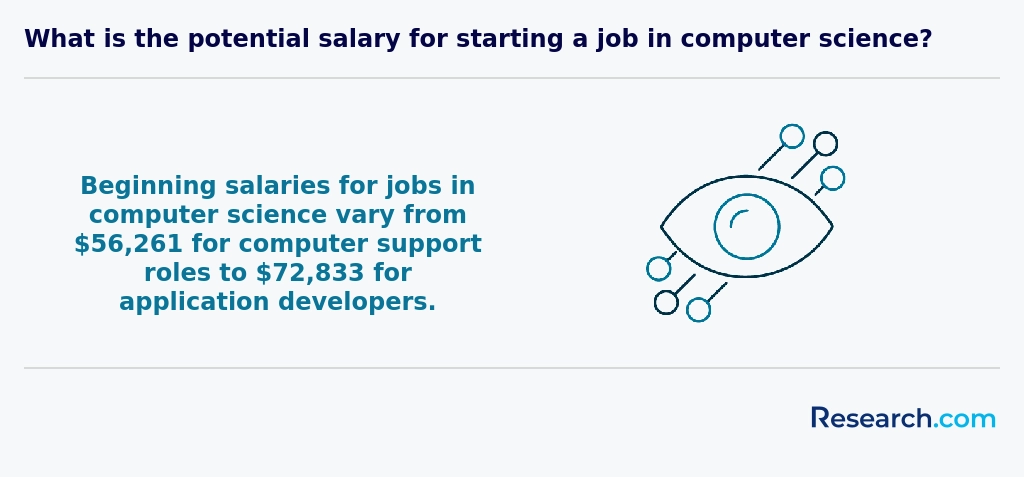
Computer science degree programs in Nevada, such as those at the University of Nevada, Reno, or Nevada State College, prioritize practical courses that prepare students for real-world tech challenges. Graduates often share how early programming classes in Python, Java, or C++ build a strong foundation in coding and problem-solving, useful for internships or personal projects.
Core subjects typically include data structures and algorithms, which students apply when developing efficient software or analyzing large datasets during capstone projects. Courses in computer architecture help learners understand the interaction between hardware and software-knowledge essential when optimizing applications or troubleshooting system issues.
Graduates highlight the benefits of software engineering classes, where they learn the development life cycle and manage group projects, mirroring professional environments. Mandatory operating systems courses clarify how computers handle tasks at the system level, a skill needed for roles in IT or network management.
Networking, security, and databases are also integral, reflecting Nevada's growing demand for professionals skilled in connectivity and data management across industries in Las Vegas and Reno.
Computer science degree specializations in Nevada are designed to equip students with practical skills that align with the state's growing tech industry. Popular options include software development, cybersecurity, data science and analytics, artificial intelligence and machine learning, networking and communications, and computer graphics. For instance, graduates from universities in Nevada often find themselves thriving in software roles where they design and test applications tailored to Nevada's gaming and technology sectors.
Many students appreciate how these programs incorporate hands-on projects and internships, which make complex concepts like AI more tangible and foster confidence for entering the workforce. Those focusing on cybersecurity gain not only theory but real-world problem-solving experience protecting networks, an area in strong demand across Nevada. To explore flexible study paths, students may also consider nearby open enrollment online colleges offering these best CS concentration options Nevada universities provide.
By choosing a specialization targeted to Nevada's market, students position themselves strongly for internships and jobs. This focus on relevant expertise is why many graduates express satisfaction with their career-ready preparation in this state's computer science programs.
Choosing the best computer science degree in Nevada starts with verifying ABET accreditation, as graduates from institutions like the University of Nevada, Reno often highlight how this recognition boosted their confidence in curriculum quality. Cost plays a huge role too; graduates from the College of Southern Nevada share how affordable computer science degrees Nevada gave them a strong foundation without overwhelming debt. Look closely at programs offering hands-on learning with internships connected to Nevada's growing tech scene-students in Las Vegas and Reno frequently praise real-world experience that made job hunting smoother.
Graduation rates and job placement are crucial indicators. Students from popular Nevada schools report feeling secure investing their time when these numbers are strong. Flexible schedules and online options, including pathways to a quickest online masters degree, can also fit into busy lives, helping graduates balance work and study successfully.
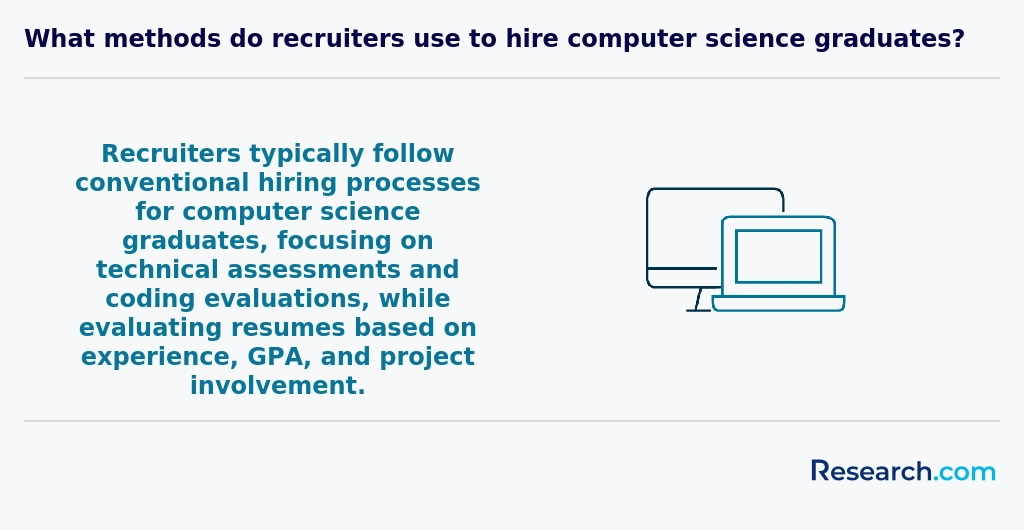
Graduates with a computer science degree in Nevada find diverse career paths tailored to the state's evolving tech scene. Many secure roles as software developers, contributing to innovations in Las Vegas and Reno's booming startup environments. These graduates report satisfaction from building real-world applications and earning a median wage of about $105,000, reflecting high demand. Others have pursued careers as systems analysts, improving corporate IT systems, or as network and computer systems administrators, managing critical infrastructure across both private companies and government agencies.
Cybersecurity analysts are increasingly sought after as Nevada businesses prioritize data protection from rising cyber threats. Graduates from institutions like the University of Nevada, Reno share that hands-on projects in cybersecurity classes prepared them well for these roles. For those interested in data, careers as data scientists or database administrators provide opportunities to analyze large datasets and guide strategic decisions, particularly in sectors such as healthcare informatics and entertainment technology.
Students looking to maximize value should explore affordable education options offered by public universities and consider the best cheap online colleges that accept fafsa to manage tuition costs while advancing toward computer science career opportunities in Nevada.
Besides traditional jobs, many graduates find fulfilling positions in education and government roles, applying their expertise to research and policy development. With technology occupations in Nevada projected to grow by 17% over the next decade, the state promises dynamic, well-paying opportunities for those with a computer science degree Nevada.
The computer science job opportunities in Nevada are strong and growing, driven by the expansion of tech hubs in cities like Las Vegas and Reno. Graduates from local universities often find roles in fast-growing sectors such as software development, cybersecurity, and financial technology, benefiting from close connections between schools and employers. Many Nevada computer science degree employment outlooks are positive because students have access to internships and cooperative education programs that ease the transition into full-time positions.
Graduates from popular institutions report that competitive starting salaries, often near $60,000, quickly rise with experience. With relatively low in-state tuition costs, pursuing a degree in Nevada offers good value, especially when combined with real-world work experience gained during studies. Students searching for affordable options can explore cheap online schools for working students which complement their studies and improve job readiness.
2027 Most Affordable Computer Science Degree Programs Ranking in Nevada
Investing in your education is a significant decision that can greatly impact your future, and the Research.com team is fully aware of the importance of making well-informed choices. To support prospective students considering computer science studies in Nevada, we have carefully developed the "2027 Most Affordable Computer Science Degree Programs Ranking in Nevada." Our dedication to quality, credibility, and accuracy is demonstrated through rigorous research and detailed analysis behind this ranking.
We utilized the following reputable data sources to ensure a thorough evaluation of computer science degree programs:
By exploring this ranking, readers will receive valuable insights into affordable, high-quality computer science programs in Nevada, enabling confident and informed educational decisions. For a detailed explanation of our research process, please visit our Research.com methodology page.


Frequently Asked Questions About computer science
Computer science degree students in Nevada can maximize their learning by actively engaging in both academic and practical experiences. Universities like the University of Nevada, Reno, and Nevada State College offer research opportunities and internships that connect students with the state's growing tech industry. According to the Nevada System of Higher Education, hands-on projects and cooperative education significantly improve job readiness.
Students should also leverage resources available through local tech meetups and organizations such as the Nevada Technology Association. Participating in coding competitions and hackathons helps strengthen problem-solving skills and builds professional networks.
Additionally, maintaining a balance between foundational computer science theory and emerging fields like artificial intelligence or cybersecurity is essential. This approach ensures students remain competitive in an evolving job market, with Nevada's tech employment growing faster than the national average, per the U.S. Bureau of Labor Statistics.
Emerging niches in computer science are shaping the future of technology careers in Nevada and beyond. Among these, artificial intelligence (AI) and machine learning are rapidly growing fields, with Nevada-based companies increasingly investing in AI-driven solutions. Cybersecurity remains critical, especially as state and local governments enhance their digital infrastructure, creating demand for experts in protecting data.
Data science and big data analytics also offer expanding opportunities, given Nevada's focus on tech industries and gaming analytics. Additionally, there is rising interest in blockchain technology, boosted by Nevada's supportive legal environment for blockchain innovation. These niches reflect evolving tech trends relevant to students pursuing computer science degrees in Nevada.
After completing a computer science degree in Nevada, graduates should focus on building practical skills to enter the job market successfully. Employers highly value hands-on experience, so seeking internships or cooperative education programs during study is essential. Nevada's tech industry is rapidly growing, especially in Reno and Las Vegas, offering numerous opportunities in software development and cybersecurity.
Networking through local meetups and professional groups such as the Nevada Technology Association can connect graduates with potential employers. Additionally, obtaining relevant certifications like CompTIA Security+ or AWS certification enhances employability. According to the U.S. Bureau of Labor Statistics, computer and IT jobs in Nevada are expected to grow by 15% through 2031, signaling strong demand for skilled professionals.
Employers in Nevada seeking computer science graduates prioritize a mix of technical and soft skills. Strong programming abilities in languages like Python, Java, and C++ are consistently in demand, reflecting statewide tech job listings analyzed by the Nevada Department of Employment, Training and Rehabilitation (DETR).
Additionally, knowledge of cybersecurity is increasingly valued due to Nevada's growth in data-sensitive industries such as gaming and finance. Skills in cloud computing platforms like AWS and Microsoft Azure also stand out, aligning with trends reported by the Nevada Governor's Office of Economic Development.
Beyond technical expertise, effective communication and teamwork remain critical. Employers often look for graduates who can translate complex problems into understandable solutions, a skill essential in collaborative work environments common in Nevada's tech sector.
To find internships in Nevada relevant to a computer science degree, students should begin by exploring opportunities offered through their college career centers. Institutions like the University of Nevada, Reno, and Nevada State College maintain partnerships with local tech companies and government agencies, providing tailored internship listings.
Additionally, students can search platforms like Handshake and Indeed, filtering for tech-oriented internships within Nevada. According to the Nevada Department of Employment, the state's technology sector grew by 3.4% in 2023, increasing demand for computer science interns.
Networking events, such as those hosted by the Nevada Technology Association, also play a crucial role in connecting students to employers.
Applying early and tailoring resumes to each position improves chances of selection in Nevada's competitive tech internship market.
In Nevada, obtaining a computer science degree significantly enhances career mobility and advancement prospects. The state's growing tech sector, particularly in cities like Las Vegas and Reno, demands skilled professionals in software development, cybersecurity, and data analysis. According to the U.S. Bureau of Labor Statistics, employment in computer and information technology occupations in Nevada is projected to grow by 15% from 2022 to 2032, which is faster than the national average.
Graduates with a computer science degree benefit from increased access to higher-paying positions and leadership roles in local tech companies and startups. The degree also supports transitions into specialized fields, such as artificial intelligence and cloud computing, which are expanding in Nevada's economy. Earning this degree offers a formal credential recognized by employers statewide, enhancing credibility and opening doors to continuous career growth.
Studying for a computer science degree in Nevada offers strong preparation for interdisciplinary roles through diverse course offerings and practical experiences. Many Nevada universities, including the University of Nevada, Reno, and Nevada State College, integrate computer science with fields like engineering, business, and health sciences.
This approach equips students with technical skills alongside knowledge in related disciplines, fostering adaptability. According to the National Center for Education Statistics, Nevada awarded over 500 computer science bachelor's degrees in 2022, reflecting growing local demand.
Internship opportunities with Nevada's expanding tech industry also provide real-world interdisciplinary exposure, enhancing collaboration and problem-solving skills.
Choosing between a thesis and a non-thesis computer science degree program in Nevada involves considering your career goals and learning preferences. Thesis programs typically focus on research, requiring students to complete an original project, which suits those aiming for PhD studies or research positions. Non-thesis options emphasize coursework and practical skills, ideal for students targeting industry jobs or technical roles.
In Nevada, universities like UNLV and UNR offer both paths, with thesis programs generally lasting longer due to research demands. According to the National Center for Education Statistics, about 40% of Nevada's graduate computer science students choose thesis tracks, reflecting regional employer demand for research skills.
Review program details closely, including faculty expertise and available resources. Cost and time commitment also vary, so weigh financial aid and your readiness for independent research. This balanced approach helps ensure alignment with your long-term plans.
Students based in Nevada who wish to study computer science abroad have several pathways through U.S. universities offering exchange and dual-degree programs. Institutions like the University of Nevada, Reno, and the University of Nevada, Las Vegas collaborate with international universities, particularly in Europe and Asia, enabling students to spend a semester or year overseas while earning credits toward their degree.
According to the Institute of International Education, participation in study abroad programs by STEM students, including computer science majors, has steadily increased, reflecting growing demand for global experience in technology fields. Students benefit from exposure to different computing systems and multicultural teamwork, valuable in the global job market.
Financial aid and scholarships for study abroad are often available through Nevada's public universities, making international study more accessible. Additionally, some programs include internships abroad, blending academic learning with professional experience in computer science.
Part-time job opportunities in Nevada that complement computer science degree education often include roles such as software developer intern, IT support technician, and web developer. These positions allow students to apply coding, debugging, and system analysis skills in real-world settings while balancing their studies. Las Vegas and Reno, being tech growth areas, offer numerous openings in startups and established tech firms. According to the Bureau of Labor Statistics (BLS), Nevada's computer and information technology occupations are projected to grow faster than the national average through 2030, enhancing job prospects for part-time roles. These experiences build practical skills essential for career advancement.
Many universities in Nevada, like the University of Nevada, Reno, provide career services that connect students with local tech companies seeking part-time interns. Students can gain exposure to software development life cycles and collaborative coding environments. Additionally, remote freelance programming jobs are increasingly accessible, enabling flexible schedules. Engaging in these roles while studying helps students develop a portfolio of completed projects, which is highly valued in the competitive tech industry. Pursuing such part-time work supports theoretical learning with practical, hands-on experience, ultimately preparing students for full-time careers in computer science.
Computer science students in Nevada benefit from several valuable networking opportunities. Major universities such as the University of Nevada, Reno, and the University of Nevada, Las Vegas often host tech meetups, career fairs, and industry panels aimed at connecting students with local employers.
Additionally, Nevada's growing tech sector, supported by organizations like the Nevada Technology Association, offers students chances to engage with professionals through workshops and internships. According to the state's Department of Employment, there has been a 6% increase in technology jobs since 2020, signaling expanding opportunities for networking.
Many colleges have active computer science clubs and chapters of national organizations such as ACM and IEEE, which facilitate mentoring and professional development. These resources help students build connections essential for launching their careers.
Alumni networks provide significant advantages to computer science degree students in Nevada. These networks offer access to experienced professionals who can offer mentorship, internships, and job opportunities. According to a 2023 report by the Nevada System of Higher Education, about 65% of Nevada tech employers prefer candidates connected to alumni associations.
Connections through alumni groups often give students insider knowledge about the local tech industry's trends, especially in hubs like Las Vegas and Reno. Alumni also help in expanding professional contacts, which is crucial in Nevada's growing tech sector, driven by companies such as Switch and Tesla. This networking contributes to higher employment rates for graduates within six months of earning their degree.
Customizing a computer science degree program in Nevada allows students to align their education with specific career goals. Many Nevada institutions, such as the University of Nevada, Reno, and Nevada State College, offer elective courses and specialization tracks like cybersecurity, data science, or software engineering. According to the National Center for Education Statistics, flexibility in course selection helps students gain skills tailored to local industry needs. Additionally, internships and cooperative education opportunities with Nevada's growing tech sector provide practical experience. Students can also choose online or hybrid formats, making it easier to balance studies with work or personal commitments.
Computer science students in Nevada often face several challenges throughout their academic journey. One major difficulty is the rapid pace of technological change, which requires constant learning and adaptation. According to the Nevada System of Higher Education, many programs struggle to update curricula quickly enough to reflect industry demands.
Another significant challenge is the competition for internships and job placements in the local tech market. Though Nevada's tech sector is growing, especially around Las Vegas and Reno, opportunities can be limited compared to larger tech hubs. Students also report balancing demanding coursework with part-time jobs or financial pressures, as the average in-state tuition at Nevada public universities is about $8,000 per year (NCES, 2023).
Graduates with a computer science degree in Nevada can enhance their career prospects by pursuing several professional certifications. Popular choices include the Certified Information Systems Security Professional (CISSP), which validates expertise in cybersecurity-a growing field in Nevada's expanding tech sector, supported by data from the Nevada Department of Employment. Additionally, the Certified Software Development Professional (CSDP) and Microsoft Certified: Azure Solutions Architect Expert are valuable for advanced software and cloud skills. CompTIA certifications like Security+ and Network+ are also widely recognized for entry-level networking and security roles.
These certifications typically require passing an exam and may need continuing education for renewal.
Writing a winning application for a computer science program in Nevada requires clear preparation and attention to detail. Start by researching programs like those at the University of Nevada, Reno, and Nevada State College, which are known for strong computer science curricula. Highlight relevant academic achievements, especially in math and science courses, as these form the foundation for computer science.
Include any programming experience or projects, even if informal, to demonstrate practical skills. Nevada's tech industry growth, particularly in Las Vegas and Reno, increases demand for graduates, making internships or extracurricular activities valuable additions to your application.
Strong recommendation letters and a well-crafted personal statement explaining your motivation for studying in Nevada can improve your chances. According to the National Center for Education Statistics, computer science enrollment in Nevada has grown steadily, showing strong local interest and opportunities.
Computer science careers are highly valued globally due to the rapid growth of technology and digital innovation. In the United States, including Nevada, demand for skilled computer scientists continues to rise. According to the U.S. Bureau of Labor Statistics, employment in computer and information technology occupations is projected to grow 15% from 2021 to 2031, much faster than the average for all occupations.
Nevada, with its expanding technology sector, offers unique opportunities for graduates. Las Vegas and Reno are developing tech hubs attracting startups and established companies. This growth means local computer science graduates can expect competitive salaries and diverse job roles.
Globally, computer science skills enable professionals to work in various industries, from finance to healthcare. For Nevada students, earning a degree locally provides access to both regional opportunities and a competitive stance in the broader U.S. job market.
Gaining practical experience while studying computer science in Nevada is essential for career readiness. Many Nevada institutions encourage participation in internships, co-op programs, and research projects to develop hands-on skills. For example, the University of Nevada, Reno offers internship opportunities with local tech companies and the growing gaming industry. These experiences help students apply theoretical knowledge in real-world settings.
Students can also engage in coding competitions and hackathons hosted by Nevada universities and tech hubs, which foster collaboration and problem-solving skills. According to the Nevada Department of Employment, internships in tech fields have increased by 15% over the past five years, reflecting growing industry demand.
Choosing the right concentration within a computer science degree program in Nevada depends on your career goals and interests. Common concentrations include software development, cybersecurity, data science, and artificial intelligence. Research Nevada's job market to see which skills are in demand; for example, the Nevada Department of Employment reports strong growth in cybersecurity roles due to expanding tech industries in Las Vegas and Reno.
Consider programs' coursework and faculty expertise at Nevada universities, such as the University of Nevada, Reno or UNLV. Look for concentrations aligned with local industry trends, internships, and access to research opportunities. Also, evaluate your personal strengths and long-term professional goals to ensure the concentration suits your aspirations.
- 2027 Most Affordable Computer Science Degree Programs Ranking in Oregon
- 2027 Most Affordable Computer Science Degree Programs Ranking in Arizona
- 2027 Most Affordable Computer Science Degree Programs Ranking in Utah
- 2027 Most Affordable Computer Science Degree Programs Ranking in Washington
- 2027 Most Affordable Computer Science Degree Programs Ranking in Colorado
- 2027 Most Affordable Computer Science Degree Programs Ranking in Texas
- 2027 Most Affordable Computer Science Degree Programs Ranking in Oklahoma
- 2027 Most Affordable Computer Science Degree Programs Ranking in Iowa
- 2027 Most Affordable Computer Science Degree Programs Ranking in Missouri
- 2027 Most Affordable Computer Science Degree Programs Ranking in Louisiana
See What Experts Have To Say About Studying Computer Science
Read our interview with Computer Science experts

Imed Bouchrika, Phd
Computer Science Expert
Professor of Computer Science
National Higher School of Artificial Intelligence

Kathleen M. Carley
Computer Science Expert
Professor of Computer Science
Carnegie Mellon University

Elan Barenholtz
Computer Science Expert
Associate Professor
Florida Atlantic University

Martin Kang
Computer Science Expert
Assistant Professor
Loyola Marymount University

- Why your computer science degree won't get you an IT job https://targetjobs.co.uk/careers-advice/information-technology/why-your-computer-science-degree-wont-get-you-it-job
- How to Find Computer Science Work Experience in Year 12 https://www.savemyexams.com/learning-hub/careers/how-to-find-computer-science-work-experience-year-12/
- A Holistic Approach to Studying Interdisciplinary Collaboration: Computer Science https://sciety.org/articles/activity/10.21203/rs.3.rs-8694985/v1
- What Can You Do With a CS Degree? 12 Paths for 2026 | Extern https://www.extern.com/post/computer-science-degree-careers-guide
- Fields of Work in Computer Science: Top IT Careers | Walbrook https://www.walbrook.ac.uk/subjects/computer-science/computer-science-fields-of-work-career-in-it/
- NRS 396.5305 – Certain high school courses in computer science to meet certain prerequisites for college https://nevada.public.law/statutes/nrs_396.5305
- Computer Science Programs: Cost, Types, What to Expect https://www.computerscience.org/degrees/
- How can I network with computer science professionals and find job opportunities? https://2sigma.school/t/a/cfaq/how-can-network-with-computer-science-professionals-and-find-job
- Best Computer Science Schools in Nevada https://www.itcareerfinder.com/computer-science-schools/by-state/nevada.html
- Challenges That Frustrate Computer Science Teachers https://codeeasy.io/blog/challenges-that-frustrate-computer-science-teachers