2027 Most Affordable Computer Science Degree Programs Ranking in New Hampshire

Co-Founder and Chief Data Scientist
Choosing the right computer science degree program can shape your future career, especially here in New Hampshire. Our article introduces the 2027 Most Affordable Computer Science Degree Programs Ranking in New Hampshire, carefully crafted by the Research.com team of data scientists.
This ranking is designed to help you navigate options and find quality programs that fit your budget. Pursuing a computer science degree opens doors to exciting opportunities in technology and innovation.
Explore the ranking to make an informed decision and take a confident step toward your educational goals.
Key benefits of getting computer science degree in New Hampshire
- Graduates with a computer science degree in New Hampshire can earn competitive salaries, such as $138,110 annually for software engineers or developers and $63,640 for IT support specialists, offering strong financial stability.
- A degree opens diverse career paths including software development, web development, and data analysis, allowing you to find a role that matches your passion and skills.
- Completing a computer science degree online provides flexibility for busy students, enabling you to balance work and study while earning the same valuable credential as a traditional program.
- 2027 Most Affordable Computer Science Degree Programs Ranking in New Hampshire
- What can I expect from computer science degree in New Hampshire?
- Where can I work with computer science degree in New Hampshire?
What can I expect from computer science degree in New Hampshire?
If you're wondering about the average cost of pursuing a computer science degree in New Hampshire, you'll find it surprisingly manageable compared to other New England states. Public universities, like the University of New Hampshire, offer in-state tuition discounts that make education more accessible and affordable. Graduates often describe their experience as a rewarding investment, especially when balancing tuition with financial aid opportunities that many students successfully secure.
Imagine diving into programming projects in a modern lab at UNH, where hands-on learning complements theoretical classes without the hefty price tag some might fear. The moderate cost encourages many students to focus on gaining real-world skills through internships forged by the university's close ties to the local tech community, rather than stressing over oppressive fees. Many grads recall feeling supported not only academically but financially, which opened doors to exploring specialties like machine learning and cybersecurity without financial worry clouding their adventure.
Where can I work with computer science degree in New Hampshire?
Graduates from the University of New Hampshire or Nashua Community College often find themselves diving into thrilling roles within the Manchester-Nashua tech hub, where companies like Dyn and smaller agile startups spark innovation daily. Imagine joining a team building cutting-edge cybersecurity defenses or optimizing IT infrastructure - the kind of hands-on work that makes your computer science degree come alive in the bustling New England tech scene.
Many graduates also discover rewarding careers in healthcare institutions such as Dartmouth-Hitchcock Medical Center, where their skills protect patient data and improve software essential for life-saving care. It's a chance to blend technology and compassion in a uniquely impactful way. Others venture into New Hampshire's growing financial sector, crafting secure banking software, or into state government roles focused on cybersecurity and data analysis, directly influencing public services.
Peers from these programs often share excitement about blending technical know-how with real-world challenges, whether supporting education through tech roles at local colleges or shaping business solutions in diverse industries. The journey is full of vibrant opportunities and meaningful experiences.
Graduates with a computer science degree from New Hampshire's renowned universities often find themselves stepping into a vibrant tech scene with promising paychecks. Imagine starting your career as a software developer earning around $138,110 annually-this is the average wage reflecting demand and skill in the state. Just like recent grads from local colleges, you could explore roles such as software engineering, where the mean salary matches software developers, or dive into data analysis, which offers about $119,040 per year.
For those curious about web development, the journey might begin with a salary near $95,570, while IT support specialists typically earn around $63,640 annually. These figures come from real New Hampshire market data and highlight strong opportunities for graduates actively engaging in specialized skills learned during their studies.
Studying in New Hampshire places you in an ideal spot-balancing competitive salaries with a lower cost of living and proximity to thriving hubs like Boston. Many graduates feel excited about the blend of career growth and lifestyle advantages that make launching a tech career here both adventurous and rewarding.
- In-state tuition for a bachelor's degree in computer science at public universities in New Hampshire ranges from $18,000 to $20,000 annually.
- Out-of-state students pay between $33,000 and $36,000 per year at public universities, while private colleges often charge over $35,000.
- Entry-level salaries for computer science graduates in New Hampshire average about $65,000 per year.
- Experienced professionals in the field can earn around $90,000 or more annually.
- The state expects nearly 15% growth in computer and information technology jobs over the next decade.
- Internships and cooperative education programs in New Hampshire enhance job prospects by connecting students with local and regional employers.
Embarking on a computer science degree adventure in New Hampshire usually takes around four years when following a traditional bachelor's path. Many full-time students at the University of New Hampshire experience eight semesters packed with programming challenges, algorithm puzzles, and hands-on projects that bring theory to life. Just imagine the excitement of mastering coding languages while surrounded by the stunning New England landscape!
For those choosing a shorter route, community colleges like Lakes Region Community College offer associate degrees that typically wrap up in about two years. Graduates often share how this path jumpstarts their tech careers or serves as a stepping stone to four-year universities. Part-time learners or working professionals, balancing classes with daily commitments, might find their journey extended, discovering the joy of flexible evening or online courses that fit into their busy lives.
Graduate students eager to deepen their expertise often complete master's programs within one to two years, diving deeper into specialized fields and pushing their skills further. Every path in New Hampshire offers unique experiences, sparking enthusiasm and growth for those ready to explore computer science's vast possibilities.
Understanding the return on investment (ROI) for a computer science degree in New Hampshire helps you weigh educational costs against future earnings.
To estimate your ROI:
- Calculate total expenses (tuition, fees, living costs) over your program’s duration
- Review average starting salaries: around $63,640 for entry-level IT roles and $138,000+ for software developers
- Divide your total cost by the annual salary gap to identify your break-even point
Strategies to maximize ROI:
- Leverage scholarships, grants and work-study programs to minimize debt
- Transfer credits from community colleges to reduce tuition
- Explore targeted certificate programs like an ai degree online to boost specialized skills and earnings potential
Mapping your costs to realistic salary projections ensures you choose an affordable program that pays dividends within 3–5 years after graduation.
Choosing between online and on-campus computer science degrees in New Hampshire is like picking your own adventure. On-campus students at the University of New Hampshire or Rivier University often describe the thrill of walking into a buzzing lab, collaborating face-to-face with professors and classmates, and joining tech clubs that fuel their passion. This hands-on atmosphere offers access to facilities and real-time feedback, sparking confidence and connection.
Meanwhile, graduates from Southern New Hampshire University's online program share stories of balancing family or work while diving into coding lessons on their own schedule, anywhere from a cozy cafe to a sunny park bench. The flexibility means they can learn deeply without sacrificing life's other demands.
Tuition is another map on this journey: on-campus programs typically range from $17,000 to $30,000 annually for in-state students, while online options offer a more budget-friendly route, often between $10,000 and $15,000. Both paths lead to the same degree but match different lifestyles and dreams in unique ways.
Earning your computer science degree affordably means combining smart program choices with funding opportunities.
- Choose in-state public institutions: Tuition at schools like the University of New Hampshire often runs lower for residents, and fees remain predictable.
- Start at a community college: Complete core prerequisites at half the cost, then transfer credits to a four-year program.
- Apply early for scholarships and grants: Target awards such as the New Hampshire Workforce Opportunity Scholarship and institutional merit scholarships to reduce out-of-pocket expenses.
- Leverage work-study and part-time tech roles: Campus jobs in labs or IT departments build skills while offsetting tuition.
- Consider accredited online courses and certifications, or explore data science masters programs online for flexible, cost-effective pathways.
When exploring the average computer science degree cost New Hampshire students face, it's helpful to consider how tuition shapes the journey at well-known institutions. For example, graduates from the University of New Hampshire often reflect on the value of their in-state tuition, which averages around $48,920 for the entire program. This makes the dream of earning a computer science degree feel more attainable, while the immersion in hands-on learning and campus life excites many who recall late-night coding sessions and collaborative projects.
Out-of-state students, on the other hand, experience different financial landscapes but find creative ways to manage costs, like applying for scholarships or opting for hybrid online courses offered by private schools such as Southern New Hampshire University. Private institutions generally come with higher tuition fees, yet students appreciate the flexible learning pace and the sense of community, which makes the investment worthwhile.
Beyond tuition, budgeting for books, supplies, and living expenses can add up, but many find that the overall educational adventure and networking opportunities justify these costs. For those seeking the top computer science schools in New Hampshire, understanding these costs early opens doors to planning smartly and embracing an affordable computer science programs New Hampshire has to offer.
While New Hampshire offers a range of cost-effective computer science options, students seeking even lower tuition rates or different campus experiences may benefit from exploring programs in neighboring regions. For example, Maryland’s urban settings provide unique internship pipelines and scholarships tailored to out-of-state enrollees. To see how Baltimore stacks up in affordability and curriculum strength, check out our Cheapest Computer Science Degree Programs Ranking in Baltimore, MD for detailed cost comparisons and school profiles. Many of the Baltimore institutions featured in this ranking boast strong industry partnerships with local tech firms, offering paid co-ops and research assistantships that can further offset living expenses. By comparing average in-state and out-of-state tuition, as well as ancillary fees like lab access and technology surcharges, prospective students can map total cost of attendance across different states and choose the best ROI for their budget. Before making a final decision, consider factors such as local job market demand, housing costs, and available financial aid packages. Cross-referencing New Hampshire’s career support services with Baltimore’s robust urban network ensures you select a program that not only fits your financial constraints but also maximizes internship opportunities and long-term salary potential.
Imagine you're diving into a computer science degree at the University of New Hampshire or Southern New Hampshire University, knowing that financial aid is there to ease your journey. Federal support, especially through FAFSA, unlocks Pell Grants offering up to $7,395 annually if your financial need is high-something many local students celebrate as a game-changer. Beyond this, the New Hampshire State Grant Program steps in, reducing costs for residents attending these in-state institutions, and there's the renewable Academic Year Grant that keeps support steady through your studies.
Graduates recall how merit-based scholarships from their universities boosted their confidence and wallet, rewarding academic and leadership achievements. Meanwhile, private scholarships from groups like the New Hampshire Tech Alliance provide tantalizing extras, sometimes exceeding $5,000 yearly.
Work-study opportunities allow students to build their tech skills on campus while offsetting expenses, creating a vibrant and practical path forward. With strong job prospects and median starting salaries near $70,000, this financial aid lays the foundation for a promising future in New Hampshire's vibrant tech scene.
Delving into the overall student experience is essential when choosing a Computer Science program, and campus life plays a pivotal role in shaping your academic journey. Beyond lectures and labs, many institutions in New Hampshire offer a vibrant campus atmosphere complete with modern facilities, active student clubs, dedicated tutoring centers, and robust career support services. Prospective students often highlight the value of on-campus networking events, mentorship programs, and access to state-of-the-art research labs that enhance their learning and professional development. Whether you’re joining a traditional campus environment or opting for hybrid learning, understanding these support systems can help you thrive both academically and personally. For detailed insights into various institutions and how they nurture talent, check out the top computer science schools in new hampshire. Make sure to explore each university’s student services-these resources can be the key to long-term success, offering guidance in academic planning, career transitions, and building lasting industry relationships.
Diving into a computer science degree in New Hampshire means gearing up with some core prerequisites that open the door to exciting academic adventures. Most students who thrive here started with a high school diploma or GED, laying the groundwork for deeper learning. At places like the University of New Hampshire, graduates recall how a firm grasp of math-algebra, geometry, and calculus-felt like unlocking secret codes that made programming languages suddenly click.
Imagine walking into your first class with a spark from prior experience: maybe you tinkered with coding in high school or joined a local tech club. These little journeys, common among students at Dartmouth College and other popular schools, boost confidence and make concepts less daunting.
Standardized tests might not always be the gatekeepers, as UNH has embraced test-optional policies, but strong scores can still shine brightly on your application, especially when programs get competitive. For transfer students, having already mastered college-level programming and discrete math feels like bringing a treasure map that guides you through new challenges smoothly.
Letters of recommendation and personal statements? They aren't just paperwork-they're your narrative, your chance to share why this path lights you up. In New Hampshire's vibrant learning community, these stories help shape an adventurous start to your computer science journey.

Understanding the true value of a Computer Science degree goes beyond tuition figures. By comparing costs to long-term earnings, you can make a more informed decision about your education. Average Investment • Tuition & Fees (4-year bachelor’s): ~$70,180 for in-state; up to $200,000 for out-of-state. • Additional Costs: Technology fees ($500–$1,000/yr), textbooks ($1,200/yr), room & board ($12,000–$15,000/yr). Projected Earnings • Entry-Level Salary: $61,580–$87,580 (IT Support to Web Development). • Mid-Career Salary: $105,000–$132,930 (Software Engineer to Data Analyst). • Break-Even Point: With an average starting salary of $75,000, most in-state graduates recoup tuition costs within 2–3 years. Key Metrics to Track 1. Net Present Value (NPV): Discount future earnings at 3–5% to assess long-term worth. 2. Payback Period: Divide total cost by expected annual salary increase. 3. Debt-to-Income Ratio: Aim for a ratio under 1.5 to maintain financial health. Maximizing ROI • Seek internships and co-ops that often lead to pre-graduation job offers. • Leverage campus career services for resume reviews and mock interviews. • Build a portfolio showcasing real-world projects, and compare projected salaries via our careers in coding salary guide. • Apply for scholarships early to reduce reliance on loans. By evaluating these factors, you’ll gain clarity on how quickly your Computer Science degree in New Hampshire can pay dividends-both financially and professionally.
Diving into a computer science degree in New Hampshire means immersing yourself in courses that spark curiosity and build practical skills simultaneously. At popular institutions like the University of New Hampshire or Dartmouth College, students eagerly tackle programming languages such as Python and Java, which feel like unlocking new tools for creative problem-solving and real-world application.
Imagine working on a project where you design an algorithm to speed up online searches-graduates often describe this as a thrilling challenge that sharpens analytical thinking. Courses in computer architecture reveal the fascinating dance between hardware and software, while operating systems classes give students hands-on experience managing complex computing environments. It's like learning the behind-the-scenes crew that keeps a tech show running smoothly.
Networking and software engineering courses bring teamwork and communication skills into play, often replicating real industry scenarios that graduates cherish. Plus, the chance to explore emerging fields like artificial intelligence or cybersecurity at these New Hampshire universities keeps students on the cutting edge, fueling excitement about future career possibilities.
Diving into computer science specializations in New Hampshire, students discover a playground of cutting-edge fields that shape their careers. Graduates from popular universities across the state often rave about their software engineering tracks, where they design real-world apps and software solutions, feeling the thrill of building something tangible. Others embrace cybersecurity, mastering network defenses and cryptography, driven by the intense satisfaction of protecting critical data in a tech-driven economy.
Exploring New Hampshire computer science degree options also means delving into data science and analytics, where students decode vast datasets to solve healthcare and business puzzles, sparking curiosity and excitement. Some even pursue artificial intelligence and machine learning, imagining futures where their code powers smart robots or automation. Beyond these, programs offer paths in human-computer interaction, networking, and embedded systems-each specializations that graduates describe as hands-on and energizing.
Students often mention how these specializations open doors to vibrant careers in coding salary and innovation, making studying here feel like an adventurous leap into the future.
Choosing the best computer science degree in New Hampshire is an exciting journey, starting with exploring programs that ignite your curiosity. Graduates from renowned colleges often share how a strong curriculum covering algorithms, programming languages, and even cutting-edge fields like AI shaped their confidence and skills. Imagine diving into projects that mirror real-world challenges, surrounded by professors who bring both research and industry insight right to your classroom.
Many students find that affordable computer science degrees in New Hampshire open doors without overwhelming debt. In-state tuition options combined with scholarships make it easier to focus on learning rather than finances. One graduate praised how accessible evening classes allowed balancing work and study seamlessly. Also, take a moment to explore how programs connect with local tech hubs-which often lead to internships and job offers in thriving sectors like biotech and clean energy.
For those seeking smart financial choices, consider checking out the Cheapest Computer Science Degree Programs Ranking in Baltimore, MD as an example of how nearby regions handle affordability and quality, sparking ideas for your path. Every aspect, from curriculum depth to practical career support, blends to create an adventure in education uniquely yours.
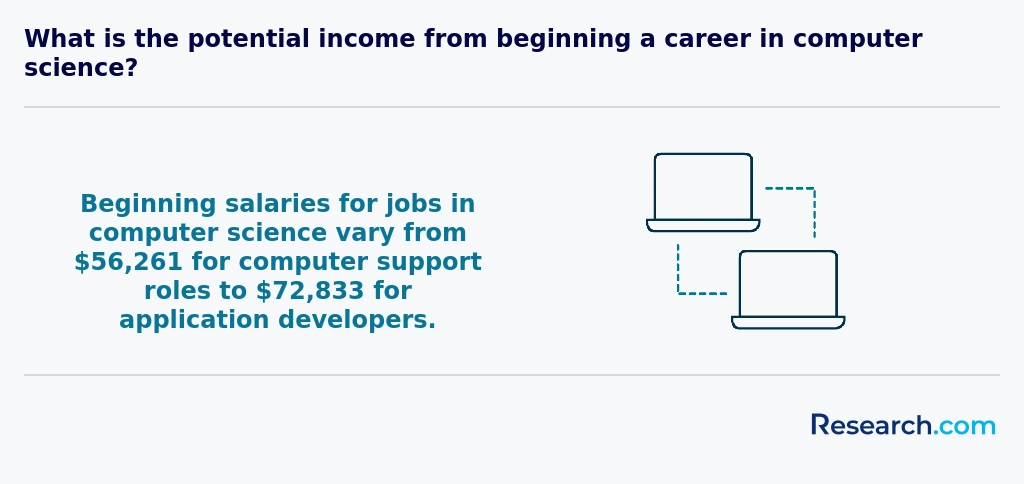
Graduates from popular New Hampshire universities often find themselves stepping into diverse computer science careers in New Hampshire, from innovative software development roles to vital cybersecurity positions. Many embark on adventures designing apps that power businesses or safeguard sensitive data for healthcare firms thriving in the region. Others dive into data science, turning complex information into clear, actionable insights that shape real-world decisions, while some focus on streamlining IT systems as systems analysts or network administrators.
Exploring job opportunities with computer science degree New Hampshire also means tapping into the state's growing defense sector and healthcare technology, where graduates experience firsthand how STEM skills transform critical services. The vibrant tech ecosystem around Boston expands these horizons further, offering thrilling cross-state opportunities that enrich professional growth.
Students eager to combine education with meaningful work often pursue 6 month certificate courses that lead to high paying careers, gaining hands-on experience that enhances their readiness for the competitive tech job market just beyond campus.
The computer science job opportunities in New Hampshire reflect a vibrant tech environment where graduates often find themselves stepping into dynamic roles across software development, cybersecurity, and IT management. Many graduates from well-known institutions like the University of New Hampshire eagerly share how internships with local startups and established firms in Manchester and Nashua fueled their confidence and expanded their networks. The growth appears real and tangible-state projections indicate a 15% increase in computer and mathematical occupations through 2032.
New Hampshire computer science degree employment outlook shines with competitive salaries, where entry-level positions offer ranges between $60,000 and $75,000, pushing graduates to invest in honing their skills. Students recognize the value of certifications and real-world experience, pursuing opportunities that make them standout candidates. For those weighing educational paths, public universities here offer compelling affordability compared to national averages, deepening the appeal of taking this exciting journey locally. Curious about related options? Check out what is the easiest degree to get online?
2027 Most Affordable Computer Science Degree Programs Ranking in New Hampshire
Investing in your education is a significant decision that can shape your future, and the Research.com team understands the importance of making informed choices. To support prospective students in New Hampshire, we have carefully developed the "2027 Most Affordable Computer Science Degree Programs Ranking in New Hampshire." Our dedication to quality, credibility, and accuracy is demonstrated through the thorough research and analysis behind this ranking.
We utilized the following reputable data sources to ensure a comprehensive evaluation of computer science programs:
By reviewing this ranking, readers will receive valuable insights into affordable and high-quality computer science programs in New Hampshire, empowering them to make well-informed educational decisions. For further information on how this ranking was created, please visit our Research.com methodology page.


Frequently Asked Questions About computer science
Computer science degree students in New Hampshire can maximize their learning by engaging in both academic and practical experiences. Taking advantage of internships is crucial; the state hosts technology companies and startups that offer valuable real-world exposure. According to the New Hampshire Department of Employment Security, the technology sector is growing steadily, providing ample opportunities for hands-on work.
Students should also participate in coding clubs, hackathons, and research projects, which many universities encourage. According to the National Center for Education Statistics, New Hampshire institutions award approximately 200 computer science degrees annually, emphasizing applied learning.
Utilizing state resources, such as the New Hampshire Tech Alliance, can help build strong professional networks and skills that complement classroom education.
The computer science field continues to evolve rapidly, especially in New Hampshire where local universities adapt their programs to emerging niches. Areas such as artificial intelligence (AI) and machine learning have seen significant growth, reflecting national trends. According to the New Hampshire Department of Labor, AI-related job postings increased by 25% over the past two years, highlighting strong industry demand.
Cybersecurity is another critical niche, fueled by increasing concerns over data protection and privacy. The state's investment in technology infrastructure drives demand for experts skilled in network security and ethical hacking. Additionally, data science has gained prominence, with many New Hampshire colleges offering specialized courses in big data analytics and cloud computing.
Students seeking computer science degrees in New Hampshire benefit from programs aligned with these high-growth sectors, preparing graduates for promising careers.
Preparing for the job market after earning a computer science degree in New Hampshire requires a proactive approach. Graduates should focus on building practical skills through internships and co-op programs, which many New Hampshire universities offer in partnership with local tech companies. According to the New Hampshire Department of Employment Security, the state's tech sector has grown steadily, with a 7% increase in software development jobs since 2020.
Additionally, developing fluency in programming languages such as Python, Java, and C++ is essential. Networking through events hosted by New Hampshire tech organizations can connect graduates with regional employers. Certification in cloud computing or cybersecurity may also enhance job prospects given current industry demands.
Employers in New Hampshire value computer science graduates who demonstrate strong programming skills, particularly in languages such as Python, Java, and C++. According to the New Hampshire Department of Labor, proficiency in software development and problem-solving ranks among the top skills sought after in the state's tech sector.
Additionally, knowledge of data structures, algorithms, and systems design is essential. Employers also prioritize experience with cloud computing platforms like AWS, as demand for cloud-based solutions continues to grow locally.
Soft skills such as teamwork, effective communication, and adaptability are equally important. The New Hampshire High Technology Council highlights these interpersonal skills as key for successful collaboration in tech roles.
Familiarity with cybersecurity and data analytics is becoming increasingly relevant, reflecting national trends and regional employer needs.
Finding internships in New Hampshire relevant to computer science degrees involves multiple strategic steps. Start by exploring career services at local institutions like the University of New Hampshire, which often connect students with tech companies in the region. Additionally, check New Hampshire's Department of Business and Economic Affairs for internship listings in growing tech sectors.
Networking is vital. Attend local tech meetups and events such as those hosted by NH Tech Alliance. Companies like Dyn, IdeaScale, and LogMeIn, headquartered in New Hampshire, regularly offer internship opportunities. Websites like Handshake also list internships for New Hampshire students.
According to the National Association of Colleges and Employers, 60% of computer science internships are secured through networking and university connections, emphasizing the importance of building relationships. Begin your search early and leverage both online and offline resources for the best results.
A computer science degree in New Hampshire significantly enhances career mobility and advancement opportunities. The state's growing tech industry, especially in cities like Manchester and Nashua, demands skilled professionals. According to the New Hampshire Department of Employment Security, computer and information technology occupations are projected to grow by 15% from 2020 to 2030, faster than the average for all occupations.
Graduates with a computer science degree often access higher-paying roles such as software developers, data analysts, and cybersecurity experts. The degree also equips students with critical problem-solving skills valued across multiple industries.
Additionally, many New Hampshire employers prioritize candidates with a formal computer science education for leadership and specialist roles, improving chances for promotions and lateral career shifts within the state's market.
Studying for a computer science degree in New Hampshire offers strong preparation for interdisciplinary roles by integrating broad technical skills with practical applications. Many programs emphasize collaboration with fields like healthcare, engineering, and business, reflecting regional industry needs. According to the New Hampshire Department of Employment Security, nearly 20% of computing jobs in the state require knowledge beyond coding, such as data analysis or project management.
Universities in New Hampshire often provide internships and research opportunities that connect students with local industries, enhancing real-world experience. Curricula commonly include courses in artificial intelligence, cybersecurity, and data science alongside communication and teamwork training.
Such interdisciplinary approaches equip graduates to work effectively in diverse teams, adapting to evolving technology landscapes.
Choosing between a thesis and a non-thesis computer science degree program in New Hampshire depends on your career goals and learning preferences. Thesis programs typically focus on original research and require writing a detailed thesis, making them ideal for students aiming for doctoral studies or research roles. Non-thesis programs emphasize coursework and practical skills, better suited for those targeting industry jobs.
According to the National Center for Education Statistics, New Hampshire's universities often offer both options. For example, the University of New Hampshire provides a thesis route that deepens research expertise, while non-thesis paths allow faster completion.
Cost and time commitments differ: thesis programs may take longer due to research demands. Consider your career plans and consult academic advisors to determine which aligns best with your ambitions.
Students in New Hampshire interested in studying computer science abroad have several opportunities through exchange programs and partnerships facilitated by local institutions. Universities like the University of New Hampshire (UNH) offer study abroad options in countries with strong technology sectors, including Germany, Ireland, and Singapore. These programs usually last a semester or a full academic year, allowing students to gain international experience alongside their degree requirements.
Additionally, New Hampshire students can access global internships and cooperative education placements supported by university career services. These experiences enhance practical skills and cultural understanding crucial in computer science fields.
The National Center for Education Statistics reports that about 5% of US undergraduate students study abroad, indicating growing interest in international education, including STEM majors.
Part-time job opportunities in New Hampshire that complement a computer science degree are plentiful due to the state's growing tech sector. Many students find positions as software development interns, gaining hands-on experience with coding and project management. According to the New Hampshire Department of Employment Security, the technology industry in the state employs over 18,000 individuals, indicating solid demand for skilled workers.
Other relevant roles include IT support technician and data analyst assistant, which help students apply theoretical knowledge in real-world environments. Local companies in Manchester and Portsmouth often seek part-time workers to support their tech infrastructure.
Additionally, university labs and research centers frequently offer on-campus roles aiding in software testing or cybersecurity projects, which build important skills for future careers.
Computer science students in New Hampshire have multiple networking opportunities to enhance their educational and professional growth. Universities like the University of New Hampshire and Dartmouth College host career fairs and tech meetups that regularly attract local and national tech companies. According to the New Hampshire Department of Employment Security, the state has a growing tech industry with over 4,000 IT-related businesses, creating ample chances for internships and mentorships.
Additionally, organizations such as New Hampshire Tech Alliance offer events and workshops where students can connect with industry leaders and alumni. These platforms help students build valuable professional connections early in their careers.
Alumni networks play a vital role for computer science degree students in New Hampshire by offering connections to industry professionals and potential employers. Schools like the University of New Hampshire have active alumni groups that support recent graduates through mentorship programs and job referrals.
Research from the Computing Research Association highlights that networking increases early-career job placements by up to 30% in STEM fields. In New Hampshire, where the tech sector is growing, these relationships give students an advantage in competitive local markets such as software development and cybersecurity.
Additionally, alumni networks often provide access to exclusive internships and continuing education opportunities, enhancing students' practical skills.
In New Hampshire, customizing a computer science degree to match your career goals begins with selecting a program that offers diverse electives and specializations. Many institutions allow students to focus on areas like cybersecurity, data science, or software engineering. This flexibility helps tailor your education to meet industry demands.
Internships and cooperative education programs are common options that provide practical experience and networking opportunities within the state's growing tech sector. According to the New Hampshire Department of Employment Security, tech-related jobs are expected to grow by 11% by 2030, emphasizing the value of relevant work experience.
Additionally, some universities in New Hampshire offer certificate programs alongside degrees, enabling students to enhance skills in specialized fields such as artificial intelligence or cloud computing without extending their time in school.
Advisors at these schools often work with students to design academic plans aligned with specific career paths, ensuring targeted learning while meeting graduation requirements.
Computer science students in New Hampshire often face several challenges that can impact their academic progress. One common difficulty is balancing demanding coursework with practical experience, as programming and algorithm classes require strong problem-solving skills and time commitment. According to the Bureau of Labor Statistics, technical proficiency must be continuously updated, making staying current a vital challenge. Additionally, students may find limited local internship opportunities compared to larger tech hubs, affecting hands-on learning and job prospects.
Financial strain is another notable challenge. Despite New Hampshire's affordable public institutions, some students still struggle with tuition and living expenses, particularly in outlying areas. Furthermore, the relative lack of diversity in STEM fields within the state can cause feelings of isolation for underrepresented groups, which a 2022 report by the National Science Foundation highlights as affecting retention rates.
With a computer science degree in New Hampshire, you can pursue several professional certifications to enhance your career prospects. Common certifications include the Certified Information Systems Security Professional (CISSP), valued in cybersecurity roles, and the Certified Software Development Professional (CSDP), offered by the IEEE Computer Society for advanced software engineers.
Other popular options are the Project Management Professional (PMP) for those moving into leadership, and vendor-specific certificates like Microsoft Certified: Azure Developer Associate. The New Hampshire Department of Labor notes that IT certification holders often see a salary increase of 10-20% compared to non-certified peers.
These certifications help graduates meet the evolving demands of the local and national tech markets.
Applying to computer science programs in New Hampshire requires a clear, focused approach. Start by highlighting strong academic records, especially in math and science courses, as GPA and relevant coursework remain crucial. Many New Hampshire schools, like the University of New Hampshire, expect competitive SAT or ACT scores, though some have adopted test-optional policies.
Include a well-crafted personal statement that explains your passion for computer science and details any relevant experience, such as internships or coding projects. Demonstrating involvement in extracurricular STEM activities can set your application apart.
Letters of recommendation should come from teachers or mentors familiar with your technical abilities and work ethic. According to the NH Department of Education, computer science job opportunities are growing by over 15% in the state, reflecting the importance of showing your career commitment.
Computer science careers are viewed globally as highly dynamic and in demand, with the U.S. playing a leading role in innovation. For students in New Hampshire, earning a computer science degree can open doors internationally due to the universal need for skilled professionals in software development, cybersecurity, and data science. According to the U.S. Bureau of Labor Statistics, employment for computer and information technology occupations is projected to grow 15% from 2021 to 2031, faster than average.
New Hampshire benefits from proximity to tech hubs like Boston, enhancing job opportunities for graduates. The state's higher education institutions emphasize both theory and practical skills, preparing students for a competitive global market. Studies from the New Hampshire Department of Employment Security highlight that computer science graduates in the region earn a median annual wage above the national average, affirming strong regional prospects.
Globally, companies seek professionals who combine technical skills with problem-solving abilities, making U.S.-trained graduates, including those from New Hampshire, valuable in international job markets. This alignment demonstrates the relevance of a computer science degree beyond borders.
Students pursuing computer science degrees in New Hampshire can gain practical experience through internships offered by local tech companies and government agencies. Internships provide real-world exposure to programming, software development, and systems analysis, complementing classroom learning.
Many New Hampshire universities, including the University of New Hampshire, maintain partnerships with regional employers, facilitating internship placements. Additionally, cooperative education (co-op) programs offer structured work experiences integrated with academic study.
Students may also participate in research projects led by faculty, which often involve collaboration with industry partners. According to the New Hampshire Department of Employment Security, the state's technology sector has grown steadily, supporting opportunities for hands-on experience.
Joining student organizations and coding competitions further develops practical skills and networking connections within the local tech community.
Choosing the right concentration within a computer science degree program in New Hampshire involves evaluating your interests and career goals. Common specializations include software development, cybersecurity, data science, and artificial intelligence. According to New Hampshire Department of Education data, cybersecurity roles are growing faster in the region, with a 15% projected increase through 2028.
Research the specific concentrations offered by local schools like the University of New Hampshire and Southern New Hampshire University, as program availability varies. Consider industry demand, internship opportunities, and faculty expertise when making your decision. Additionally, review the state's tech job market trends reported by the New Hampshire Tech Alliance to align your studies with employer needs.
- 2027 Most Affordable Computer Science Degree Programs Ranking in Vermont
- 2027 Most Affordable Computer Science Degree Programs Ranking in New York
- 2027 Most Affordable Computer Science Degree Programs Ranking in Connecticut
- 2027 Most Affordable Computer Science Degree Programs Ranking in Rhode Island
- 2027 Most Affordable Computer Science Degree Programs Ranking in Pennsylvania
- 2027 Most Affordable Computer Science Degree Programs Ranking in Maryland
- 2027 Most Affordable Computer Science Degree Programs Ranking in Virginia
- 2027 Most Affordable Computer Science Degree Programs Ranking in Ohio
- 2027 Most Affordable Computer Science Degree Programs Ranking in West Virginia
- 2027 Most Affordable Computer Science Degree Programs Ranking in South Carolina
See What Experts Have To Say About Studying Computer Science
Read our interview with Computer Science experts

Elan Barenholtz
Computer Science Expert
Associate Professor
Florida Atlantic University

Kathleen M. Carley
Computer Science Expert
Professor of Computer Science
Carnegie Mellon University

Martin Kang
Computer Science Expert
Assistant Professor
Loyola Marymount University

Imed Bouchrika, Phd
Computer Science Expert
Professor of Computer Science
National Higher School of Artificial Intelligence

- Study Computer Science Abroad | Go Overseas https://www.gooverseas.com/study-abroad/computer-science
- Computer Science Internships for Students | Code.org https://code.org/en-US/students/internships-and-apprenticeships
- 5 Challenges in Teaching Computer Science & Solutions https://www.computingolympiad.org/post/top-5-challenges-in-teaching-computer-science-in-schools-and-how-to-overcome-them
- Alumni computer science dual https://www.fbi.h-da.de/en/informieren/ueber-uns/alumni/alumni-computer-science-dual
- New and Future Computer Science and Technology Trends https://www.computerscience.org/resources/computer-science-trends/
- Best Computer Science Schools in New Hampshire | Online & Campus https://www.itcareerfinder.com/computer-science-schools/by-state/new-hampshire.html
- Computer Science - Manchester Community College NH https://mccnh.edu/academics/departments/computer-science/
- Why your computer science degree won't get you an IT job https://targetjobs.co.uk/careers-advice/information-technology/why-your-computer-science-degree-wont-get-you-it-job
- A Holistic Approach to Studying Interdisciplinary Collaboration: Computer Science https://sciety.org/articles/activity/10.21203/rs.3.rs-8694985/v1
- Letter of Motivation for applying Computer Science related fields https://essayforum.com/letters/motivation-applying-computer-science-related-11858/