2027 Most Valuable Online Communication Degree Programs Ranking in Maryland

Co-Founder and Chief Data Scientist
Choosing the right communication degree program can be a big step toward a rewarding career. For students in Maryland, the 2027 Most Valuable Online Communication Degree Programs Ranking in Maryland offers carefully analyzed insights to simplify this decision.
Created by the Research.com team of data scientists, this ranking highlights the programs that provide the best value, balancing quality and affordability. By exploring this article, you'll gain a clearer understanding of which degree options could open doors to future opportunities.
Investing in a communication degree can boost your skills, confidence, and career prospects-making it a smart and exciting choice.
Key benefits of getting online communication degree in Maryland
- While specific salary data for communication roles in Maryland is not available, U.S. communication graduates typically earn between $45,000 and $70,000 annually, providing a solid foundation for financial growth.
- Graduates from the University of Maryland often pursue careers in public relations, marketing, media, and corporate communications, highlighting diverse and exciting job opportunities.
- Completing a communication degree online, like students from Towson University, offers flexibility and convenience, allowing you to balance work and studies while gaining practical skills for today's digital world.
- Key benefits of getting online communication degree in Maryland
- What can I expect from online communication degree in Maryland?
- Where can I work with online communication degree in Maryland?
- How much can I make with online communication degree in Maryland?
- 2027 Most Valuable Online Communication Degree Programs Ranking in Maryland
- Key Findings
- How long does it take to complete online communication degree in Maryland?
- What's the difference between online and on-campus communication degree?
- What is the average cost of online communication degree in Maryland?
- What financial aid is available to online communication degree students in Maryland?
- What are the prerequisites for enrolling in online communication degree program in Maryland?
- What courses are typically in online communication degree programs in Maryland?
- What types of specializations are available in online communication degree programs in Maryland?
- How do you choose the best online communication degree in Maryland?
- What career paths are available for online communication degree students in Maryland?
- What is the job market for online communication degree in Maryland?
- Related Communication Rankings for Nearby States
- Top Trending Communication Rankings
What can I expect from online communication degree in Maryland?
The average cost of an online communication degree in Maryland varies, but many students find that tuition lands somewhere between $10,000 and $25,000 for a bachelor's program. For example, graduates from places like the University of Maryland Global Campus often mention how affordable the tuition was compared to in-person degrees, which made balancing work and study stress-free.
Because these programs are designed with busy adults in mind, a lot of students appreciate the flexible scheduling and the chance to pay per credit, meaning you're only charged for the classes you're actually taking. Plus, with some schools offering financial aid and scholarships, the overall investment feels manageable, especially when thinking about the career boost afterward.
Many grads share stories about juggling jobs or family life alongside classes, loving that the cost didn't hold them back from earning a solid degree. When you factor in Maryland's growing media job market, the price feels like a smart move toward a rewarding and well-paid career.
Where can I work with online communication degree in Maryland?
If you're thinking about where an online communication degree from Maryland can take you, the options are pretty exciting. Graduates from schools like the University of Maryland or Towson University often find themselves working in government roles-think public affairs or media relations-especially given Maryland's close ties to D.C. agencies like NASA or the Department of Defense. It's a great place to polish skills in writing and digital communication while making a real impact.
Lots of grads also land in Baltimore's buzzing advertising scene, handling social media or brand strategy for growing companies. It's perfect for those who love creativity mixed with business. Plus, Maryland's non-profits are always on the lookout for passionate communicators to lead campaigns that actually help communities, like local health organizations or cultural groups.
And for those who love education, colleges in Maryland need folks to manage content and public info-helping schools connect with students and the public in fresh, engaging ways. Overall, Maryland's diverse economy really opens doors to meaningful, rewarding communication careers.
How much can I make with online communication degree in Maryland?
If you're earning an online communication degree in Maryland, you can expect to see some pretty decent pay once you graduate. Graduates from well-known schools like Towson University or the University of Maryland, College Park often share stories of landing jobs with starting salaries around $40,000 to $50,000. That's a solid launchpad, especially when you're just starting out.
As you gain experience and sharpen your skills-maybe stepping into digital marketing or social media management roles-you could easily push that number up to $85,000 or more. For example, communication grads working near Baltimore or close to Washington, D.C., often enjoy higher wages thanks to the demand in those metro areas.
Many also find great gigs with federal agencies or contractors, which not only pay well but also come with nice perks like benefits and job stability. So, whether you're crafting campaign strategies or managing public relations, Maryland's communication job market tends to reward your effort pretty well.
2027 Most Valuable Online Communication Degree Programs Ranking in Maryland
How do we rank schools?
Investing in your education is a significant decision that can shape your future, and the Research.com team understands the importance of making informed choices. To assist prospective students in Maryland, we have meticulously crafted the "2027 Most Valuable Online Communication Degree Programs Ranking in Maryland." Our commitment to quality, credibility, and accuracy is reflected in the extensive research and analysis conducted to compile this ranking.
We utilized the following reputable data sources to ensure a comprehensive evaluation of online communication programs:
By exploring this ranking, readers will gain valuable insights into the most valuable online communication degree programs available in Maryland, empowering them to make well-informed educational decisions. For more details on our methodology, please visit our Research.com methodology page.


# 3 position
University of Maryland Global Campus
Master of Strategic Communication

Key Findings
- Tuition for online communication degrees in Maryland ranges from $8,000 to $15,000 per year at public universities and $20,000 to $30,000 per year at private schools.
- Entry-level communication graduates in Maryland earn about $45,000 to $50,000 annually, with salaries rising to $70,000 or more as experience grows.
- The job market in Maryland for communication professionals is expected to grow between 5% and 8% over the next decade.
- Online programs offer flexible options including bachelor's and master's degrees, focusing on practical skills like digital media and strategic communication.
- Financial aid and scholarships, including in-state tuition discounts and merit-based awards, are widely available to reduce education costs.
How long does it take to complete online communication degree in Maryland?
If you're wondering how long it takes to earn an online communication degree in Maryland, the typical time really depends on whether you're going full-time or part-time. Most students at schools like Towson University or University of Maryland Global Campus breeze through their bachelor's in about four years when studying full-time-just like the traditional route!
But if you're juggling work, family, or other commitments, going part-time is a popular choice. Lots of graduates share that it takes them closer to five or six years to finish because they want to keep a manageable pace without feeling overwhelmed. It's pretty great to have that flexibility, especially with programs designed to fit the busy lives of Maryland students.
For those eyeing a master's degree, expect around one to two years if you're fully committed, while part-time students sometimes stretch that to three years. A bunch of folks appreciate how Maryland's online programs let you speed up or slow down depending on your schedule, making the whole learning journey feel much more doable and rewarding.
What's the difference between online and on-campus communication degree?
When you're weighing online versus on-campus communication degrees in Maryland, it mostly boils down to how you like to learn and juggle your time. Online programs, like those at University of Maryland Global Campus, give you the freedom to watch lectures and do assignments whenever it fits your schedule. Graduates often mention how great it was to handle work, family, and school without stressing about long commutes or set class times.
On the flip side, students at places like Towson University enjoy the buzz of campus life-chatting face-to-face with professors, joining group projects, and hitting up media labs. This in-person vibe can really help if you thrive on live debates and immediate feedback. Plus, the networking events on campus feel way more natural and can open doors faster.
Both paths cost roughly the same, around $8,000 to $12,000 yearly for Maryland residents, but online learners save on housing and commuting. So, if you want flexibility and work-life balance, online can be a lifesaver. If you crave a hands-on college experience, on-campus might suit you better.
What is the average cost of online communication degree in Maryland?
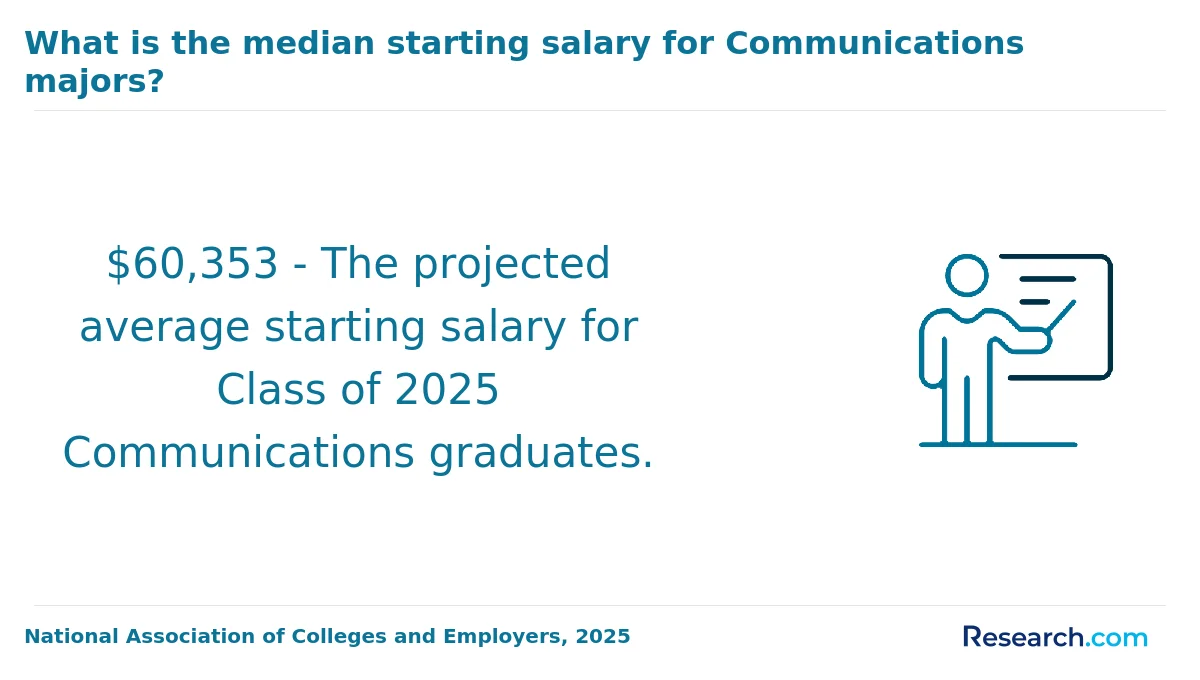
If you're thinking about getting an online communication degree in Maryland, the average cost usually sits around $23,922 total, but it can vary quite a bit depending on where you study and your residency status. For example, in-state students at popular schools like the University of Maryland or Towson University typically pay closer to $18,504 for the whole program, which many graduates find to be a great value given the quality of education and flexibility of online learning.
Out-of-state learners can expect costs near $23,724, which is still reasonable compared to private colleges in Maryland where tuition might be higher. Many students who have completed their online communication degrees share that being able to study from home helped them balance work, family, and school without extra commuting or housing costs, making the overall financial pinch easier to manage.
It's also smart to think about all the extras-not just tuition. Most programs include fees for technology or materials, but you'll save on things like campus parking or meal plans. Since Maryland public universities keep tuition competitive, many grads mention how their total fees weren't overwhelming and that financial aid options played a big role in reducing what they eventually paid.
In fact, if you want to check out some of the cheapest online master's programs communications options out there, you can explore cheapest online master's programs communications that help you budget better as you plan your education journey.
With these tuition fees and smart planning, getting your online communication degree in Maryland can be an achievable goal without breaking the bank.
What financial aid is available to online communication degree students in Maryland?
If you're digging into an online communication degree in Maryland, good news: there's a bunch of financial aid options that actually make a big difference. Let's say you're enrolled at Towson University or the University of Maryland-you can tap into federal aid by filling out the FAFSA, which opens doors to things like the Pell Grant. That grant can cover up to $7,395 a year without the stress of paying it back.
Then, since you're a Maryland resident, state-specific help kicks in. The Maryland Senatorial and Delegate Scholarships are cool examples-starting at $1,000 a year, they really help soften the tuition blow. Plenty of grads who studied communication here say those scholarships made staying local and affordable way easier.
Plus, schools themselves often offer merit or need-based scholarships aimed right at communication majors. Towson is known for hooking students up with internal scholarships that slash tuition costs.
And if you're juggling work, don't forget employer tuition assistance-lots of communication pros in Maryland shared how their companies chipped in for classes, especially in this buzzing communications industry.
Just a heads up: keeping up with application deadlines and academic progress is key to keeping these aids coming. It's totally doable and totally worth the effort!
What are the prerequisites for enrolling in online communication degree program in Maryland?
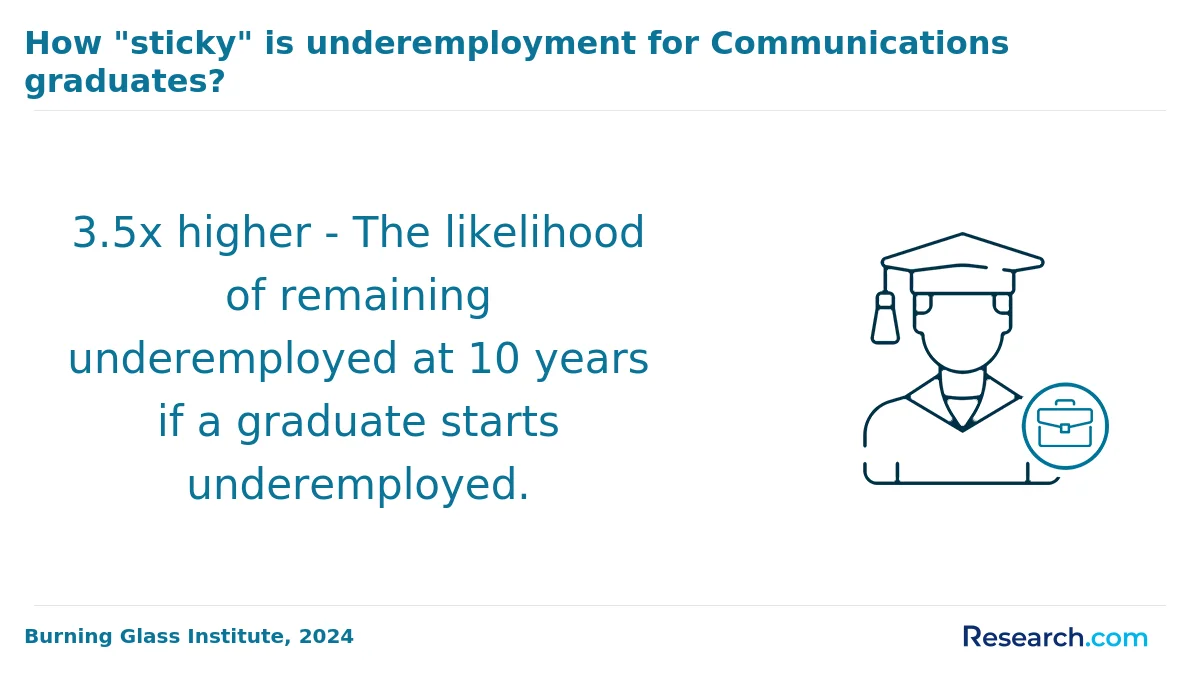
If you're thinking about jumping into an online communication degree in Maryland, you'll want to meet a few basic requirements first. Most programs, including those at well-known schools like Towson University or the University of Maryland Global Campus, expect you to have finished high school or have a GED. Graduates often mention that having a GPA around 2.5 to 3.0 helped smooth the application process, but some schools can be flexible.
Since a lot of Maryland schools have gone test-optional, don't stress too much about SAT or ACT scores-unless you've got strong ones you want to show off to stand out. One grad shared how this policy really lowered the pressure and made it easier to apply without test stress.
Also, expect to prove you're comfy with basic computer skills and have solid internet since everything's online. Some programs might have quick tech checks or orientations before you dive into classes. For master's applicants, usually, you'll need a bachelor's degree with a decent GPA and maybe some work experience or recommendations, just like grads from UMGC say helped them get in.
What courses are typically in online communication degree programs in Maryland?
If you're diving into an online communication degree in Maryland, you'll tackle courses that feel super relevant and hands-on. Graduates from popular schools like Towson University or University of Maryland, College Park often talk about how core classes such as Introduction to Communication Theory gave them a solid grasp of how messages work in real life-like decoding what's really happening in a conversation or a social media campaign.
Classes like Interpersonal and Group Communication help you get comfortable with everyday talk, whether it's a team project at work or handling tricky client chats. Media Writing and Production is another favorite, where students create content just like pros do for websites, blogs, and even local news platforms.
Some Maryland grads also mention how Public Relations and Strategic Communication classes prepped them for real PR campaigns, teaching the art of crafting messages that connect and persuade. Plus, Research Methods in Communication ties it all together by showing how to analyze media trends or public opinion based on actual data-a real game changer if you want to stand out in the job market here, especially with lots of tech and media companies around.
What types of specializations are available in online communication degree programs in Maryland?
If you're looking into an online communication degree in Maryland, you'll find a bunch of cool specializations to choose from that fit different career goals. Many students at popular schools in Maryland opt for digital communication, where they get to dive into social media strategies and digital marketing-perfect for those wanting to work in online brand management or digital advertising. Others are drawn to public relations, learning how to handle media relations and crisis communication, a great fit for agencies or nonprofits.
Graduates often highlight how organizational communication helped them develop leadership and team skills that really come in handy in corporate jobs around Maryland. There's also multimedia communication, which mixes storytelling with video and audio production-ideal if you're eyeing a career in broadcasting or video content creation in the area.
Many students appreciate that online bachelors in communication programs in Maryland let them tailor their studies with these specializations, matching what's actually in demand locally thanks to the state's strong digital economy. If you're curious about online communication degree specializations Maryland offers, these options give a great snapshot of what's out there for you.
How do you choose the best online communication degree in Maryland?
When picking the best online communication degree programs Maryland offers, think about what really fits your vibe and goals. Graduates from popular schools like the University of Maryland Global Campus often mention how important it was to choose programs with flexible schedules and classes that matched their career interests. If you're aiming for fields like public relations or digital media, look at the curriculum closely-some schools stand out by offering specialized tracks tailored to your dream job.
Cost is definitely a factor, and lots of students find affordable communication degrees Maryland online that won't break the bank but still deliver quality education. Plus, having access to strong student support and internship opportunities, especially near Washington, D.C., can make a huge difference once you're ready to jump into the workforce. For a peek into real-world roles, you might want to explore types of public relations jobs that grads often land after these programs.
What career paths are available for online communication degree students in Maryland?
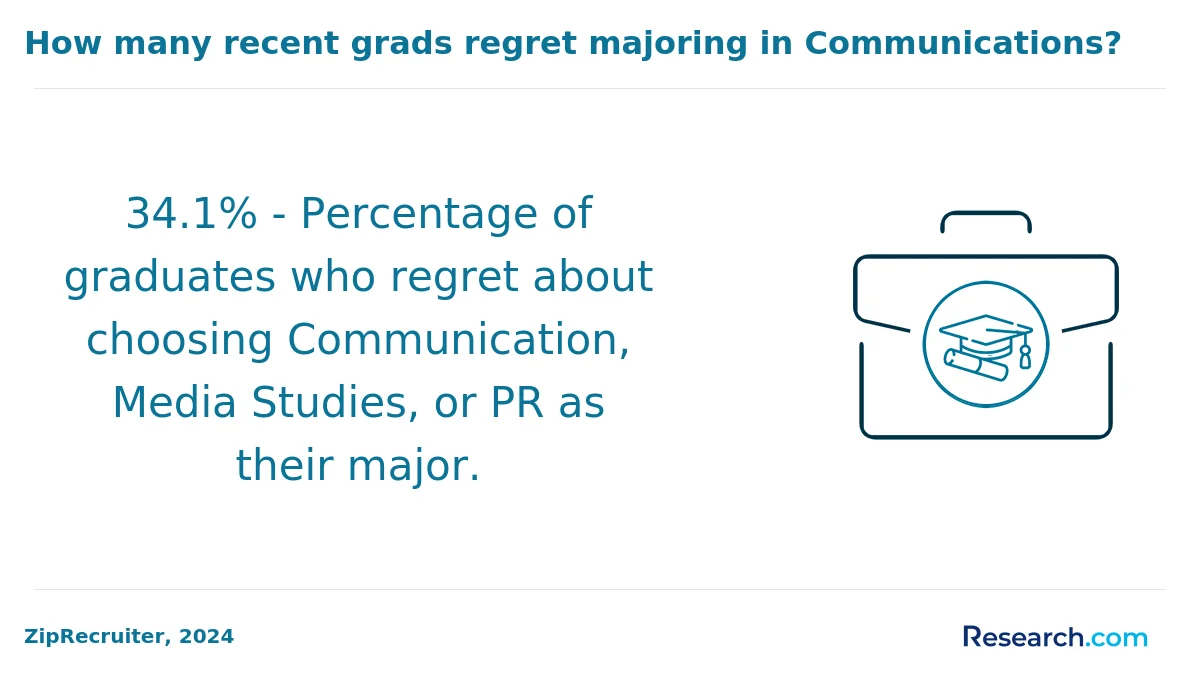
One common path is becoming a social media strategist, where you get to craft creative campaigns that really engage communities. Others enjoy working as marketing communications managers, developing ads and content that build strong brand loyalty. The job opportunities are broad, especially considering Maryland's vibrant media market and proximity to federal agencies. If you value variety, you could even be a media planner or a technical writer in the booming biotech or IT sectors.
Many recent graduates have shared how their communication degree job opportunities Maryland have opened doors to rewarding careers with solid salaries. Curious about the salary with a master's in public relations? Check out salary with a master's in public relations to get a sense of the financial perks after graduation.
What is the job market for online communication degree in Maryland?
The job outlook for online communication degrees in Maryland is pretty upbeat. Graduates from popular schools like the University of Maryland or Towson University often find themselves stepping into roles where their skills in messaging and media truly shine. Maryland's diverse economy, especially around Baltimore and the D.C. metro area, is buzzing with opportunities in public relations, social media, and corporate communication. Many grads share how their education helped them snag jobs with government agencies or healthcare companies that really value clear, strategic communication.
One great thing about earning a degree here is the connection to real job markets. Maryland online communication degree employment opportunities are expanding faster than the national pace, especially for public relations specialists whose pay scales often top the $65,000 mark. If you're thinking about boosting your credentials, many grads look into a public relations master's degree to open even more doors and sharpen their skills.
Frequently Asked Questions About communication
Online communication degree students in Maryland can maximize their learning experience by actively engaging with both academic content and local industry resources. Participating in virtual internships or networking events offered by Maryland-based media and public relations firms helps build practical skills and professional connections.
Utilizing support services like academic advising and tutoring, commonly available at Maryland institutions, also enhances retention and performance. According to the Maryland Higher Education Commission, over 60% of students in online programs benefit from these services.
Maintaining consistent communication with professors and classmates through forums or video calls increases understanding and creates a collaborative environment in virtual classrooms.
Emerging niches within the communication field reflect the evolving digital landscape and shifting audience needs. Maryland's growing tech industry and proximity to federal agencies have spurred demand for digital communication specialists, content strategists, and social media managers. These roles focus on creating targeted, data-driven content across multiple platforms.
Additionally, areas like health communication and crisis communication are expanding due to increased emphasis on public health and emergency response by Maryland's healthcare institutions and government bodies. According to the Bureau of Labor Statistics, Maryland's employment in media and communication occupations is projected to grow by 7% from 2022 to 2032, slightly above the national average.
Understanding these trends can help students tailor their studies toward high-demand skills for local employers.
Graduates with an online communication degree in Maryland should focus on building practical skills that align with job market demands. Maryland's communication sector offers opportunities in public relations, digital media, and corporate communications, with an estimated 10% growth projected by the U.S. Bureau of Labor Statistics through 2030.
Internships and networking are crucial. Maryland hosts several industry events and professional groups, such as the Public Relations Society of America's Chesapeake chapter, which can provide valuable connections and job leads.
Strong digital literacy and portfolio development also enhance employability. Creating samples of writing, social media campaigns, or multimedia projects shows potential employers your capabilities.
Finally, consider obtaining certifications like HubSpot Content Marketing or Google Analytics to demonstrate expertise and stand out in the competitive Maryland job market.
Employers in Maryland highly value communication degree graduates who demonstrate strong interpersonal and digital communication skills. According to the Maryland Department of Labor, the demand for professionals proficient in social media management and content creation has grown by over 15% in recent years. Graduates are expected to excel in public speaking, writing clearly, and tailoring messages for diverse audiences.
Additionally, skills in data analysis and strategic communication planning are increasingly important, particularly in Baltimore's growing marketing sector. Familiarity with digital tools like Adobe Creative Suite and web analytics platforms also sets candidates apart. These competencies align with Maryland's competitive job market and evolving communication industry needs.
Finding internships in Maryland relevant to a communication degree involves multiple strategies. Start by exploring university career centers, which often list local opportunities suited for communication students. Schools like the University of Maryland and Towson University have partnerships with Maryland-based media outlets, nonprofits, and government agencies.
Maryland's proximity to Washington, D.C., offers access to numerous internships in public relations, journalism, and digital media. The Maryland Department of Labor reports a steady 5% annual growth in communications-related roles, reflecting expanding internship availability.
Additionally, online platforms such as Handshake and the Maryland Workforce Exchange specialize in internships targeted to communication fields within the state.
Networking is crucial; joining professional organizations like the Maryland Chapter of the Public Relations Society of America can connect you with internships in your area.
An online communication degree in Maryland can significantly enhance career mobility and advancement opportunities. Maryland's diverse economy values strong communication skills, especially in sectors like government, healthcare, and technology. According to the Maryland Department of Labor, communication roles are expected to grow by 7% through 2030, higher than the national average.
Graduates with an online communication degree often qualify for roles in public relations, marketing, and corporate communications, which offer clear paths to managerial positions. The flexibility of online programs allows students to continue working while gaining credentials, making career transitions smoother.
Furthermore, Maryland's proximity to Washington, D.C., boosts networking and internship opportunities, improving professional growth prospects.
Studying for an online communication degree in Maryland equips students with versatile skills applicable across industries such as business, healthcare, and technology. Maryland's programs emphasize critical thinking, digital literacy, and cultural competency, preparing graduates to navigate complex interdisciplinary environments.
Students gain experience in media production, public relations, and organizational communication, which are essential for collaborative roles involving diverse teams. According to the Maryland Higher Education Commission, over 30% of communication graduates find employment in interdisciplinary fields, reflecting the degree's adaptability.
The integration of real-world projects and internships with Maryland-based companies further enhances practical skills, enriching students' resumes and expanding professional networks.
When choosing between a thesis and a non-thesis online communication degree program in Maryland, consider your career goals and learning preferences. Thesis programs emphasize research and typically require students to develop and defend a substantial paper. This path suits those aiming for doctoral studies or research-oriented careers.
Non-thesis options focus on practical skills and coursework, often appealing to professionals targeting management, media, or corporate communication roles. According to the Maryland Higher Education Commission, about 35% of communication graduates in Maryland pursue further education, highlighting the value of a thesis for academic careers.
Additionally, thesis tracks may demand more time and mentorship, while non-thesis paths can offer greater flexibility for working students. Evaluate program curricula and faculty expertise to align with your interests and schedule.
Students based in Maryland seeking to study communication abroad have several pathways through their home institutions' partnerships and study abroad programs. Many Maryland universities, including the University of Maryland and Towson University, offer structured exchange programs that allow communication majors to spend a semester or year at overseas institutions. These opportunities often include English-speaking countries such as the UK, Australia, and Canada, providing a familiar academic environment while gaining international experience.
Additionally, online communication degrees in Maryland sometimes integrate international study components or encourage participation in virtual global classrooms. According to the Maryland Higher Education Commission, about 12% of students at public universities participate in some form of study abroad, with communication students benefiting from cross-cultural communication exposure.
Costs, credit transfer policies, and language requirements vary by program, so students should consult their university's study abroad office early in their academic careers to plan accordingly.
Maryland offers several part-time job opportunities that align well with an online communication degree. Roles in public relations, social media management, and content creation are popular among students, helping them apply theoretical knowledge in real-world settings.
Maryland's growing digital marketing sector, especially around Baltimore and the D.C. metro area, employs many communication students on a part-time basis. According to the Maryland Department of Labor, social media specialists and marketing assistants earn between $15 and $25 per hour, providing valuable experience.
Internships and positions at non-profits or local media outlets also complement communication studies by enhancing skills in messaging, event coordination, and client interaction. These roles foster practical knowledge critical for future career growth.
Online communication students in Maryland benefit from various networking opportunities designed to connect them with industry professionals and alumni. Many Maryland universities with communication programs offer virtual career fairs, webinars, and workshops sponsored by local media outlets and organizations. For instance, the Maryland Communication Association hosts events that provide access to regional communication experts.
Students can join LinkedIn groups focused on Maryland's communication sector, enabling connections with over 20,000 professionals in fields like public relations, journalism, and digital media. Additionally, Maryland's proximity to Washington, D.C., allows easy participation in nationwide communication conferences and networking events.
The Maryland Department of Labor also provides resources for internships and job placements specifically catering to communication graduates, emphasizing skills demanded by local employers.
Alumni networks provide significant benefits to students pursuing online communication degrees in Maryland. These networks offer access to a broad community of graduates working across various communication fields, including public relations, digital media, and corporate communications. Such connections can lead to internship opportunities, job referrals, and mentorship, which are critical during and after graduation.
In Maryland, where media and government communication sectors are prominent, strong alumni ties can help students navigate the local job market more effectively. According to the Maryland Higher Education Commission, institutions emphasize career services connected with alumni networks to boost employment rates.
Additionally, alumni often participate in webinars and networking events that support professional growth for current students. This ongoing engagement enriches students' learning experiences and helps build lasting professional relationships.
Students pursuing online communication degrees in Maryland can tailor their programs to align with specific career objectives by selecting relevant electives and concentrations. Many Maryland institutions offer specializations such as corporate communication, digital media, public relations, and health communication. These options allow learners to focus on industries experiencing growth in the state, like cybersecurity communication or government relations, reflecting Maryland's job market trends (Maryland Department of Labor, 2023).
Additionally, some programs encourage internships or project-based courses with local businesses and agencies, providing practical experience. Choosing courses that build skills in data analysis, multimedia production, or intercultural communication can further enhance career readiness for Maryland's diverse communication sectors.
Online communication students in Maryland often face challenges related to balancing coursework with personal and professional responsibilities. Many students juggle full-time jobs while attending virtual classes, leading to time management difficulties. According to the Maryland Higher Education Commission, nearly 60% of online learners in the state are working adults. Technical issues including unreliable internet access can disrupt participation, especially in rural areas of Maryland where broadband connectivity is less consistent.
Additionally, students may struggle with limited networking opportunities compared to traditional programs. Developing practical communication skills remotely requires engaging alternatives to in-person group projects or internships. Academic support services also vary across institutions, making access to tutoring or counseling sometimes harder for online learners.
With an online communication degree in Maryland, graduates can pursue various professional certifications to enhance their career prospects. Notable certifications include the Accredited Business Communicator (ABC) from the Association for Business Communication and the Certified Professional in Learning and Performance (CPLP) from the Association for Talent Development. These credentials recognize expertise in corporate communication and training.
Maryland's growing communication sector, supported by organizations such as the Public Relations Society of America (PRSA) Maryland chapter, offers opportunities for certifications like the Accredited in Public Relations (APR). This credential demonstrates advanced skills in strategic communication.
Additionally, digital credentials in social media management and content marketing are valuable, reflecting industry trends in the state's expanding media landscape (Maryland Department of Labor, 2023).
Writing a winning application for an online communication program in Maryland requires clarity and attention to detail. Start by clearly stating your goals and how the program aligns with your career aspirations. Highlight any relevant experience in media, public relations, or digital communication to demonstrate your commitment.
Maryland is home to institutions offering accredited communication degrees, so emphasize your knowledge of the local media landscape or internship experience if possible. According to the Maryland Higher Education Commission, programs often value applicants with strong writing samples, so submit polished, well-edited work.
Be sure to meet all application deadlines and include official transcripts. Lastly, tailor your personal statement to reflect how studying communication online in Maryland fits your schedule and learning style.
Careers in communication are increasingly valued across the globe for their adaptability and relevance in a digital world. In the United States, and Maryland specifically, communication professionals play vital roles in media, marketing, public relations, and corporate sectors. According to the U.S. Bureau of Labor Statistics, employment of communication specialists is expected to grow by 10% from 2022 to 2032, reflecting strong demand.
Globally, communication skills are essential for managing multicultural teams and international projects. Maryland's diverse economy, including its proximity to federal agencies and international organizations, offers unique opportunities for communication graduates to engage in global dialogues and diplomacy. Universities offering online communication degrees in Maryland often emphasize intercultural communication and digital literacy to prepare students for this international scope.
Students pursuing an online communication degree in Maryland can gain practical experience through multiple options. Many Maryland institutions encourage internships with local media outlets, nonprofit organizations, and government agencies. Internships are essential for applying theoretical knowledge in real-world settings and often are credited as part of degree requirements.
Additionally, students should seek virtual opportunities such as remote internships or freelance communication projects. Maryland's proximity to Washington, D.C. provides access to a wide network of communication professionals and organizations offering remote roles.
Participation in online student media clubs, virtual workshops, and networking events also helps develop skills and build portfolios while studying.
Choosing the right concentration within an online communication degree program in Maryland involves understanding your career goals and the job market. Popular concentrations include public relations, digital media, and health communication. Each offers different skill sets tailored to various industries.
Maryland's job outlook for communication professionals is strong, especially in government and healthcare sectors, with the U.S. Bureau of Labor Statistics projecting a 6% growth for communication-related jobs nationally through 2031.
Consider programs that align with your interests while offering relevant internships or networking opportunities. Research schools' curriculum and faculty expertise, as well as local industry connections in Maryland's vibrant communications landscape.
Related Communication Rankings for Nearby States
- 2027 Most Valuable Online Communication Degree Programs Ranking in Virginia
- 2027 Most Valuable Online Communication Degree Programs Ranking in Pennsylvania
- 2027 Most Valuable Online Communication Degree Programs Ranking in New York
- 2027 Most Valuable Online Communication Degree Programs Ranking in Ohio
- 2027 Most Valuable Online Communication Degree Programs Ranking in North Carolina
- 2027 Most Valuable Online Communication Degree Programs Ranking in Kentucky
- 2027 Most Valuable Online Communication Degree Programs Ranking in Tennessee
- 2027 Most Valuable Online Communication Degree Programs Ranking in Massachusetts
- 2027 Most Valuable Online Communication Degree Programs Ranking in Indiana
- 2027 Most Valuable Online Communication Degree Programs Ranking in Georgia
Top Trending Communication Rankings
References
- How Long is an Online Master's in Communication Program? https://www.onlineeducation.com/communication/faqs/how-long-to-earn-a-communications-masters-degree-online
- Digital Communication (B.A.) https://www.ubalt.edu/schools-and-colleges/yale-gordon-college-of-arts-and-sciences/academics/explore-all-programs/bachelors-digital-communication/index.cfm
- How a Media and Communication Degree Can Help You ... https://www.whistlingwoods.net/how-a-media-and-communication-degree-can-help-you-reach-your-goals/
- Liberal Arts and Communications | UMGC Europe https://europe.umgc.edu/online-degrees/liberal-arts-and-communications
- Communications Degree | Communications Major https://www.collegeadvisor.com/resources/communications-degree/
- Online Bachelor's Degree: Communication Studies https://www.umgc.edu/online-degrees/bachelors/communication
- 2026 Master's in Communication Programs in Maryland https://www.mastersincommunications.com/states/maryland
- Online Communication Degree - Bachelor's (BA) https://online.maryville.edu/online-bachelors-degrees/communications/
- Best Bachelor's in Communication Degrees in Maryland 2026 https://www.mastersincommunications.org/bachelors/maryland/
- What skills will I get with a communication degree? https://www.cis-spain.com/en/blog/what-skills-will-i-get-with-a-communication-degree/