2027 Most Affordable Business Degree Programs Ranking in Indiana

Co-Founder and Chief Data Scientist
Choosing the right business degree program in Indiana can feel overwhelming. That's why this article is here to help you navigate your options with confidence.
The 2027 Most Affordable Business Degree Programs Ranking in Indiana was created by the Research.com team of data scientists to offer reliable, data-driven insights. It highlights programs that combine quality education with affordability, making your decision easier.
By exploring this ranking, you'll discover valuable opportunities to invest in your future and build a rewarding career in business. Getting a degree is a meaningful step toward your goals, and this guide is designed to support you every step of the way.
Key benefits of getting business degree in Indiana
- Business degree graduates in Indiana can expect rewarding salaries, such as $83,190 annually for Business Development Executives and $112,950 annually for Business Analysts, reflecting strong earning potential in diverse roles.
- Graduates from Indiana universities often pursue varied career paths including consulting, marketing, and finance, offering exciting opportunities to grow professionally and make an impact in local and global markets.
- Online business degrees from Indiana schools provide flexibility and convenience, allowing graduates to balance work and study while still gaining valuable skills and networking opportunities comparable to traditional programs.
- 2027 Most Affordable Business Degree Programs Ranking in Indiana
- What can I expect from business degree in Indiana?
- Where can I work with business degree in Indiana?
What can I expect from business degree in Indiana?
The average cost of pursuing a business degree in Indiana is generally very reasonable, especially when compared to the national average. Many students attending public universities like Indiana University's Kelley School of Business or Purdue's Krannert School of Management benefit from significantly lower in-state tuition rates. Graduates often express relief and gratitude for the affordability, which allows them to focus more on gaining valuable experience rather than worrying about excessive debt.
Scholarships and financial aid play a huge role in offsetting expenses, with numerous programs specifically aimed at supporting business students. For example, some graduates share how early application for these opportunities helped them secure funds that covered a substantial part of their tuition. Also, the availability of online or hybrid learning formats offers flexibility, helping students balance work and studies without additional relocation costs.
Choosing a business degree in Indiana not only offers practical skills and solid academic support but also a cost-effective path to launching your career in a thriving economic environment.
Where can I work with business degree in Indiana?
Graduates from business programs at Indiana University or Purdue often find themselves stepping confidently into diverse industries right here in Indiana. Many secure dynamic roles in manufacturing giants like Cummins or Subaru of Indiana, where they manage supply chains or develop corporate strategies that drive real impact. These are the kinds of jobs that bring the lessons from your classes to life in tangible, rewarding ways.
Others choose to dive into the finance and insurance sectors centered in Indianapolis. Imagine working at a regional bank or insurance firm, applying your skills in financial analysis or risk management to help families and businesses thrive. It's a career path where your business education empowers you to make a meaningful difference.
Healthcare administration also calls many graduates, especially at institutions like IU Health. Here, the blend of business acumen and passion for improving community well-being intersects. Whether coordinating resources or managing hospital finances, graduates feel a strong sense of purpose.
Logistics companies like FedEx and Amazon offer exciting challenges coordinating supply chains and distribution, tapping into Indiana's strategic location. And for the ambitious, Indiana's supportive entrepreneurial environment encourages graduates from schools such as Butler University to start ventures, turning their ideas into flourishing businesses.
Graduates from business programs at universities like Indiana University's Kelley School of Business or Purdue University often find promising financial opportunities waiting for them in Indiana. For instance, a business analyst can expect mean annual earnings of about $112,950, which reflects strong demand for analytical skills in the state's dynamic economy. This salary level can turn the challenges of early career years into exciting opportunities for growth and financial independence.
Meanwhile, roles such as business development executives offer a solid median wage around $83,190 annually, providing a practical stepping stone for graduates eager to leverage their degree in diverse industries across Indiana.
Imagine starting your career in Indianapolis or Fort Wayne, where business networks and corporate headquarters create fertile ground for salary growth and career advancement. Graduates who dedicate themselves to continuous learning and skill enhancement often move swiftly into higher-paying roles, transforming their passion into rewarding success stories.
The financial prospects after earning a business degree in Indiana are not only realistic but also inspiring for those ready to seize them with enthusiasm and strategic career planning.
- Annual tuition at in-state public universities averages about $10,000, while private colleges can charge over $30,000 per year.
- Community colleges offer associate business degrees typically costing less than $5,000 annually for in-district students.
- Median starting salary for business graduates in Indiana is around $50,000, with mid-career salaries averaging near $85,000.
- Business-related job growth in Indiana is projected to be near or slightly above the national average over the next decade.
- Key industries hiring business graduates include manufacturing, finance, healthcare administration, technology, logistics, and supply chain management.
- Major cities like Indianapolis, Fort Wayne, and Bloomington offer strong networking and internship opportunities linked to business programs.
Completing a business degree in Indiana typically takes around four years for a bachelor's program, like those offered by Indiana University's Kelley School of Business. Graduates often recall balancing their coursework with internships and campus activities, which enriched their learning and helped them build networks. For those pursuing an associate degree at community colleges, two years is the average, setting a solid foundation and often allowing credit transfers toward a bachelor's degree.
Many MBA students in Indiana find inspiration knowing they can finish in as little as 12 to 18 months through accelerated programs, especially at Kelley. Others choose part-time or online formats, extending their studies to three or four years while working, feeling proud of managing career and education simultaneously.
Flexibility and personal pace matter. Some students take summer classes to graduate sooner, while others embrace a lighter load to balance life's demands. This adaptability in Indiana's business programs opens doors for anyone motivated to earn their degree at a rhythm that fits their unique journey.
Pursuing an affordable online business degree can be a strategic move for those looking to balance their educational aspirations with other commitments. When considering online business schools, it's essential to weigh the benefits of flexibility and cost-effectiveness against the potential drawbacks, such as limited face-to-face interaction. However, many institutions now offer high-quality online programs that mirror their on-campus counterparts, complete with interactive learning platforms and dedicated faculty support. For individuals interested in exploring options within their state, researching the cheapest online business schools in Indiana can provide valuable insights into affordable and reputable programs. By doing so, prospective students can identify institutions that not only fit their budget but also offer a rigorous business education tailored to the demands of the modern business environment.
Choosing between online and on-campus business degrees in Indiana comes down to what fits your lifestyle and goals best. Graduates from Indiana University Bloomington often recall the vibrant campus energy-the chance to engage face-to-face with professors, participate in real-time discussions, and build networks in study groups or career events. This hands-on environment creates a strong sense of community and immediate support that many find motivating and inspiring.
On the other hand, graduates from programs like Purdue University's online business degree appreciate the flexibility that online learning provides. Balancing work, family, and study becomes manageable with asynchronous coursework, allowing students to fit classes into their unique schedules without commuting or relocating. This freedom requires strong self-discipline but empowers students to take control of their education in a way that suits them personally.
Both paths in Indiana offer accredited and respected degrees, with cost considerations differing slightly. Online students often save on housing and transport, while on-campus students benefit from access to campus-specific resources. Ultimately, your decision should reflect your preferred learning style and daily rhythm.
As technology reshapes the global economy, understanding emerging trends in business education is essential for both prospective students and industry professionals. Today’s business programs in Indiana are increasingly integrating digital transformation, data analytics, and remote collaboration into their curricula to prepare graduates for an evolving job market. By embracing innovative teaching methods-including hybrid and fully online learning formats-schools are not only reducing overhead costs but also enhancing the accessibility of high-quality education. This forward-thinking approach equips students with contemporary skills, such as proficiency in digital tools and strategic decision-making in virtual environments, which are critical for thriving in today’s dynamic business landscape. Staying informed about these trends can provide you with a competitive advantage. For instance, many institutions are collaborating with industry leaders to offer real-world project experiences that mirror current market challenges, thus ensuring that graduates are well-prepared to navigate emerging sectors such as fintech, e-commerce, and sustainable business practices. To further expand your options and gain deeper insights into such progressive programs, consider exploring our business management degree opportunities. By keeping pace with these future trends, you can confidently shape a career that not only responds to current market demands but also anticipates tomorrow’s innovations.
The average cost of a business degree in Indiana typically falls around $44,777 in total expenses, with in-state students paying closer to $31,280. For many students attending public institutions like Indiana University Bloomington or Purdue University, these figures represent a manageable investment in a future career filled with opportunity. Graduates often share how the blend of reasonable tuition paired with quality education helped them build confidence without the overwhelming burden of excessive debt.
Private universities such as the University of Notre Dame or Butler University usually have higher tuition costs, but they also offer unique experiences and networking advantages that can pay off in the long term. Still, many students find that exploring local community colleges or regional campuses first can offer more affordable pathways toward their business degree goals, keeping annual expenses well below $5,000 for in-state students.
Moreover, the average cost of a business degree in Indiana aligns well with the total expenses for business degree Indiana students nationwide face, but Indiana's moderate cost of living further eases the financial commitment. Many graduates recall how this balance allowed them to focus more on learning and career preparation rather than constant financial stress.
For those looking to maximize affordability and flexibility, exploring the cheapest online business schools in Indiana can provide useful alternatives without compromising quality, making a business degree even more accessible.
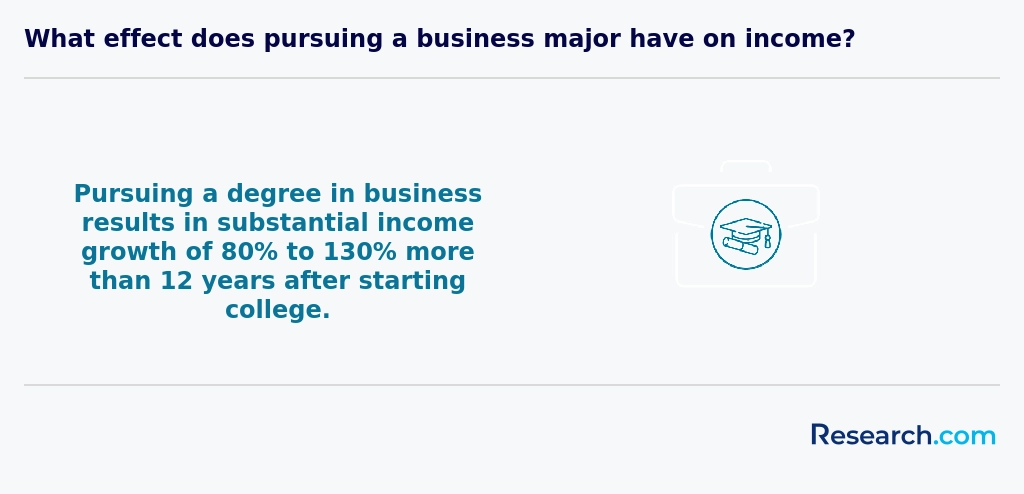
Evaluating the return on investment (ROI) of a business degree in Indiana involves comparing total educational costs-tuition, fees, and living expenses-against post‐graduation salary gains and career advancement opportunities. On average, in‐state tuition for public bachelor’s programs in Indiana hovers around $38,496 per year, while private institutions can exceed $49,000. Graduates who enter roles such as project managers ($80,220 median annual wage) or business analysts ($108,790) often recoup their undergraduate expenses within 3–5 years, based on typical debt levels and repayment plans. Key factors influencing ROI include: • Earnings Premium: Indiana business degree holders report salaries that are 20–40% higher than those without a degree in similar roles, translating to an extra $15,000–$30,000 annually. • Debt‐to‐Income Ratio: Graduates leaving school with $25,000–$35,000 in student loans can achieve a healthy debt‐to‐income ratio below 1.0, especially when leveraging in‐state tuition rates and scholarship aid. • Payback Period: With average post‐graduation salaries around $65,000, the payback period for a four‐year degree program can be as short as three years for students who earn merit scholarships or secure high‐demand positions. • Advanced Credentials: Pursuing a graduate credential, such as the best paying master's in business, can extend the ROI horizon but often yields an earnings increase of 30–50% over a bachelor’s degree, shortening long‐term payback. Ultimately, the ROI calculus hinges on selecting affordable programs with strong career services, robust alumni networks, and high job placement rates. Prospective students should model their own cost‐benefit scenarios, factoring in financial aid packages, internship opportunities, and targeted specializations to maximize long‐term financial and professional rewards.
Pursuing a business degree in Indiana opens the door to a range of financial aid options designed to ease your journey. Graduates from Indiana University's Kelley School of Business often share how federal aid like Pell Grants-offering up to $7,395 annually-provided crucial support during their studies, removing a heavy financial burden.
State programs such as the Frank O'Bannon Grant or the Twenty-First Century Scholars Program can be game-changers, covering significant tuition costs when you meet eligibility and scholarship requirements. Imagine graduating debt-free because you committed to those high school academic milestones and stayed on track with your coursework.
Scholars attending Ball State University frequently benefit from merit-based institutional scholarships. These rewards not only recognize your achievements but also lighten tuition fees, motivating you to excel in your business courses.
Plus, working part-time through Federal Work-Study allows you to gain professional experience while offsetting expenses, making your business degree journey both practical and inspiring.
Investing in a business degree in Indiana requires a clear understanding of return on investment (ROI), which balances total educational costs against post-graduate earnings. On average, in-state tuition at public universities in Indiana is approximately $38,496 per year, while private institutions can exceed $49,000 annually. Factoring in fees, textbooks, and living expenses, the total cost of a four-year bachelor’s degree can range from $155,000 to $210,000. By contrast, recent graduates report average starting salaries of $65,000 to $70,000, with roles such as Business Analyst and Project Manager offering median wages of $108,790 and $80,220 respectively. Calculating a simple payback period-total cost divided by annual income-yields an ROI horizon of roughly 7–9 years for in-state students. This period shortens for those who secure internships or assistantships that offset tuition and provide networking advantages. To improve ROI, prospective students should explore flexible and low-cost alternatives, including online degree programs. For a comparative perspective on affordability and potential ROI outside Indiana, see the Most Affordable Online Business Degree Programs Ranking in West Virginia. Analyzing online tuition rates, graduation outcomes, and career services in neighboring states can highlight strategies to reduce debt and accelerate earnings. Ultimately, maximizing ROI in Indiana involves selecting accredited programs with strong career placement metrics, leveraging scholarships and work-study opportunities, and targeting high-demand specializations. By carefully evaluating cost, average graduate salaries, and time-to-payback, students can make data-driven decisions that align financial investment with long-term career success.
To enroll in a business degree program in Indiana, you'll need to meet some key prerequisites that set you up for success. Most programs require a high school diploma or GED, with a GPA typically around 2.5 to 3.0. Imagine preparing your transcript for Indiana University or Purdue's Krannert School of Management-admissions committees there closely review your academic record to ensure you're ready for their challenging courses.
Standardized tests like the SAT or ACT might be requested, but many Indiana schools now offer test-optional pathways, making the process more accessible. Graduates recall the relief of focusing more on their personal essays or recommendation letters, which share their passion for business and career vision.
If you're eyeing an MBA from a school like the Kelley School of Business at IU, expect to show foundational coursework in economics or accounting and submit GRE or GMAT scores. Some universities even consider your work experience as a strong asset.
Finance-wise, consider that public universities in Indiana often offer lower tuition, making it feasible for many to invest confidently in their future business careers.

A business degree in Indiana typically includes a well-rounded set of courses designed to build your confidence and competence in the business world. You'll dive into subjects like Principles of Management, where you'll explore how real companies organize teams and get things done efficiently. Financial and Managerial Accounting classes will give you the tools to read and interpret financial statements-skills vital for any business role.
Marketing courses help you understand what drives consumer decisions and how to craft strategies that engage customers. At schools like Indiana University's Kelley School of Business, graduates often share how studying Business Law prepared them to navigate contracts and compliance with ease. Meanwhile, Economics and Finance classes connect you to the broader market forces and investment strategies affecting businesses locally and nationally.
Hands-on learning is key in Indiana programs; many students thrive as they apply statistical analysis and data skills to practical projects or internships in diverse industries like manufacturing or agriculture.
When pursuing a business degree in Indiana, you'll find a rich selection of specializations tailored to diverse career paths. Graduates from top Indiana universities often highlight how focusing on Accounting or Finance unlocked opportunities in the state's vibrant financial sector, especially around Indianapolis. Specializations such as Marketing and Management equip students to thrive in dynamic environments, guiding teams or crafting innovative campaigns that respond directly to local business demands.
Some students are drawn to Supply Chain Management, leveraging Indiana's strategic role as a logistics hub, where companies seek experts in distribution and procurement. Others embrace Entrepreneurship, inspired by the startup ecosystem fostered across Indiana's campuses. The blend of technology and business knowledge in Information Systems is another standout, preparing grads to manage data and IT resources crucial for modern enterprises.
Choosing the right focus is vital. Many find that exploring an business management degree helps them blend practical skills with personal passion, a powerful combination within Indiana affordable business degree programs that align with the state's growing industries.
Choosing the best business degree in Indiana means focusing on accredited programs, such as those offered by Indiana University's Kelley School of Business or Purdue University's Krannert School of Management. Graduates from these schools often share how the strong AACSB accreditation made their degrees respected by employers across the state and beyond. When considering your options, keep in mind the value of experiential learning-many students find internships with Indianapolis companies or participate in co-op programs essential for building confidence and real-world skills.
Another key factor is balancing cost with quality. For those seeking the best affordable business degrees Indiana offers, it's smart to research tuition rates and available scholarships early on, helping reduce financial stress. Also, explore specialization areas aligned with Indiana's growing industries like healthcare management or supply chain logistics. Students who tailor their studies to these fields often find rewarding job opportunities.
Lastly, as you plan your future, you might want to explore the best paying master's in business to boost your career potential after your undergraduate degree. Choosing wisely sets you on a path to both personal satisfaction and professional success.

If you pursue a business degree in Indiana, you'll find rewarding career paths in areas like financial services, manufacturing management, marketing, and human resources. Many graduates from popular schools such as Indiana University's Kelley School of Business or Purdue University have landed roles in Indianapolis's thriving banking and investment sectors, gaining practical experience in finance that sets them up for long-term success. Exploring Indiana-specific job prospects lets you tap into industries that value strong leadership and analytical skills, especially in automotive manufacturing and supply chain operations, which are vital to the state's economy.
Graduates often share how their coursework, combined with internships facilitated by local business schools, gave them the confidence to excel in dynamic marketing roles or entrepreneurial ventures. For those interested in strategic growth and organizational culture, human resources positions in Indiana's nonprofit and government sectors also offer meaningful opportunities. If budget concerns are on your mind, you might check out the Most Affordable Online Business Degree Programs Ranking in West Virginia to compare options outside Indiana that can complement your goals.
By focusing on these aligned career pathways, you're positioning yourself well in Indiana's evolving economy-opening doors to leadership and innovation throughout the region's diverse industries. This practical approach to a business degree career opportunities Indiana provides can fuel your future with both passion and purpose.
The job market for business degree holders in Indiana is vibrant and full of opportunity, reflecting the state's strong economy and diverse industries. Graduates from popular institutions like Indiana University's Kelley School of Business often find themselves stepping confidently into roles with corporations such as Cummins or Anthem, where their skills in management and finance are highly prized. With Indiana business degree employment outlook showing steady growth, many graduates land positions in fields like supply chain management, marketing, and financial services, all crucial sectors in the state's economy.
Affordability also enhances this positive outlook; business students benefit from lower tuition costs and a cost of living below the national average, allowing them to invest in their careers without excessive financial strain. Internships and cooperative programs at local universities add real-world experience, preparing graduates to thrive in competitive job environments.
For those ready to accelerate their career, exploring a 1 year masters degree can be a practical step. These programs often build on existing business knowledge, opening doors to advanced roles while fitting into students' busy lives.
Overall, business degree job opportunities in Indiana offer a promising path to rewarding careers where practical skills and ambition meet.
2027 Most Affordable Business Degree Programs Ranking in Indiana
Investing in your education is a significant decision that can shape your future, and the Research.com team understands the importance of making informed choices. To assist prospective students in Indiana, we have meticulously crafted the "2027 Most Affordable Business Degree Programs Ranking in Indiana." Our commitment to quality, credibility, and accuracy is reflected in the extensive research and analysis conducted to compile this ranking.
We utilized the following reputable data sources to ensure a comprehensive evaluation of business degree programs:
By exploring this ranking, readers will gain valuable insights into the most affordable business degree programs in Indiana, helping them make well-informed decisions about their educational investments. For more details on our methodology, please visit our Research.com methodology page.


# 6 position
Trine University-Regional/Non-Traditional Campuses
Master of Business Administration

# 7 position
Trine University-Regional/Non-Traditional Campuses
Bachelor of Science in Business Administration and Management
# 8 position
Martin University
Bachelor of Business Administration


Frequently Asked Questions About business
Business degree students in Indiana can maximize their learning by combining academic studies with practical experience. Internships and cooperative education programs, common at many Indiana universities, provide hands-on exposure to local industries such as manufacturing, finance, and healthcare. According to the Indiana Department of Workforce Development, businesses in Indianapolis alone add over 25,000 new jobs annually, offering numerous internship opportunities.
Students should also take advantage of networking events hosted by Indiana's chambers of commerce and business associations. These gatherings help build relationships with local professionals and potential employers. Additionally, engaging with faculty members who have real-world business experience enhances understanding beyond textbooks.
Leveraging resources like Indiana's public libraries and online databases can boost research skills vital for business analysis. Finally, participating in student organizations focused on entrepreneurship or marketing can strengthen leadership abilities while gaining industry insights.
Emerging niches within the business field in Indiana reflect broader national trends, while also aligning with the state's economic strengths. Areas such as supply chain management and logistics have gained importance due to Indiana's central location and robust transportation infrastructure. According to the Indiana Department of Workforce Development, demand for professionals in these areas is projected to grow faster than average through 2030.
Another growing niche is data analytics and business intelligence. As companies increasingly rely on big data to make informed decisions, Indiana's businesses seek graduates skilled in analyzing and interpreting data.
Additionally, sustainable business practices and entrepreneurship targeting green technologies are gaining popularity, supported by statewide initiatives encouraging innovation.
Preparing for the job market after completing a business degree in Indiana involves several practical steps. First, gaining relevant work experience through internships or cooperative education programs is essential. Indiana hosts many corporations, including Anthem and Cummins, offering valuable opportunities. According to the Indiana Department of Workforce Development, sectors like finance, insurance, and manufacturing continue to grow, making targeted internships crucial.
Networking plays a vital role; joining local business groups and alumni associations can create connections that lead to job offers. Additionally, enhancing skills with certifications in data analysis or project management improves employability. Career services at Indiana universities often provide resume workshops and job fairs designed specifically for business students.
Employers in Indiana value a range of skills when hiring business degree graduates. Strong communication abilities are essential, as 85% of Indiana's business managers cite this as a critical skill for workplace success, according to the Indiana Department of Workforce Development (2023).
Analytical thinking and proficiency in data interpretation are also highly sought after. The rise of data-driven decision-making in Indiana's growing industries highlights the importance of these skills.
Additionally, teamwork and leadership capabilities rank prominently. Indiana's diverse economy, including manufacturing and finance sectors, demands professionals who can collaborate effectively and lead projects.
Finally, technological literacy, especially familiarity with business software and digital tools, is increasingly important in Indiana's competitive job market.
Finding internships relevant to a business degree in Indiana involves targeted research and leveraging local resources. Students should begin by consulting their university's career services, which often provide listings tailored to business fields. Many Indiana universities, such as Indiana University and Purdue, have strong connections with regional companies.
Additionally, platforms like Handshake and the Indiana Department of Workforce Development offer internship databases. Indiana's economy, with strong sectors in manufacturing, finance, and healthcare, provides diverse opportunities for experiential learning. According to the Indiana Economic Development Corporation, internships in business-related roles at firms like Cummins, Eli Lilly, and Anthem are frequently available.
Networking through business student organizations and attending local career fairs increases chances of securing meaningful internships. Real-world experience gained through these internships can significantly enhance employment prospects after graduation.
A business degree in Indiana significantly enhances career mobility and advancement opportunities. Graduates enter a state with a diverse economy, including sectors like manufacturing, finance, and healthcare, where business skills are in high demand. According to the Indiana Department of Workforce Development, positions requiring business knowledge are projected to grow by 8% over the next decade, outpacing many other fields.
Possessing a business degree often leads to higher starting salaries and faster promotion rates compared to non-degree holders. Indiana employers particularly value skills in management, marketing, and finance, which are core components of most business programs.
Furthermore, obtaining a business degree opens doors to networking and internship opportunities within Indiana's regional business hubs, such as Indianapolis and Fort Wayne, supporting professional growth. Studies by the National Association of Colleges and Employers also indicate that business graduates have above-average employment rates locally.
Studying for a business degree in Indiana equips students with essential skills for interdisciplinary roles by combining core business knowledge with exposure to related fields. Indiana's universities often integrate courses in economics, communication, technology, and data analysis, reflecting the diverse demands of today's job market. For example, institutions like Indiana University emphasize collaboration between business and STEM departments, fostering versatile problem-solving abilities.
According to the Indiana Commission for Higher Education, 65% of business programs in the state include project-based learning that encourages teamwork across disciplines. This approach helps students understand how business decisions impact areas such as finance, marketing, information technology, and organizational behavior, preparing them for dynamic roles in various industries.
When choosing between a thesis and a non-thesis business degree program in Indiana, consider your career goals and learning preferences. Thesis programs typically emphasize research skills and are suited for students aiming for doctoral studies or research-intensive roles. Non-thesis options focus more on practical knowledge and coursework, appealing to those seeking immediate entry into the workforce or managerial positions.
Indiana's business schools often align with the state's growing economy, particularly in logistics and manufacturing sectors, which favor applied skills. According to the Indiana Commission for Higher Education, 65% of business graduates find employment within one year, highlighting the value of practical experience.
Additionally, thesis tracks may require more time and independent study, while non-thesis programs usually offer faster completion and internships. Reviewing program curricula and speaking with academic advisors can help clarify which path fits your aspirations best.
Students in Indiana interested in studying business abroad have several options through their home institutions and external programs. Many Indiana universities with business schools offer study abroad partnerships with schools in Europe, Asia, and Latin America. For example, Indiana University's Kelley School of Business provides numerous exchange programs allowing students to earn credits overseas while gaining international business experience.
Additionally, organizations like IES Abroad and CIEE partner with Indiana universities to offer summer and semester-long programs focused on global business.
According to the Indiana Commission for Higher Education, nearly 12% of business students from Indiana institutions participate in study abroad programs, reflecting growing demand for international exposure in business education.
The availability of scholarships and funding specifically for business students helps make these opportunities more accessible, ensuring more students can experience global business environments during their degree studies.
Indiana offers several part-time job opportunities that can complement business degree education, helping students gain practical experience while studying. Retail management positions are common, allowing students to develop skills in customer service, sales, and inventory control. According to the Indiana Department of Workforce Development, the retail sector employs over 300,000 people statewide, making it a strong option for experience in business operations.
Internships in local companies and startups provide valuable exposure to business analytics, marketing, and finance. The state's growing manufacturing and logistics industries also offer part-time roles in supply chain management, relevant to many business fields.
Additionally, roles such as administrative assistants or bookkeepers in small businesses help students understand organizational management and accounting principles firsthand.
Business students in Indiana benefit from numerous networking opportunities supported by the state's strong corporate presence. Indiana is home to over 30 Fortune 500 companies, including Eli Lilly and Cummins, providing students access to influential industry leaders. Universities like Indiana University and Purdue offer student organizations, business clubs, and career fairs that connect students with local professionals.
Indiana's Chamber of Commerce regularly hosts events where students can meet entrepreneurs and executives. Additionally, the state participates in the Indiana Small Business Development Center network, fostering mentorship programs that enhance real-world connections.
Such opportunities help students build professional relationships essential for internships and post-graduation employment.
Alumni networks serve as valuable resources for business degree students in Indiana by offering connections that enhance career opportunities. Graduates from Indiana universities, such as Indiana University's Kelley School of Business, benefit from access to thousands of alumni across various industries in the state's diverse economy.
These networks often provide mentorship, internships, and job placements. According to the Indiana Commission for Higher Education, nearly 70% of employed graduates find jobs through networking, highlighting the importance of alumni relations. Moreover, local business communities in Indianapolis and Fort Wayne frequently collaborate with alumni groups to support student growth.
Such connections give students insight into regional market trends and help them build professional reputations before entering the workforce.
Indiana offers flexible options to customize business degree programs to meet varied career goals. Many Indiana universities provide concentrations such as finance, marketing, management, and supply chain, allowing students to focus on specific business areas. Elective courses and minors complement core studies, enabling a tailored academic experience. Internship opportunities across Indiana's diverse economy help students gain practical skills aligned with their career ambitions.
Additionally, online and hybrid course formats provide scheduling flexibility for working professionals. Institutions like Indiana University and Purdue University emphasize experiential learning and professional networking, both crucial for career advancement. According to the Indiana Commission for Higher Education, customization enhances job readiness and salary potential in the state's competitive business market.
Business students in Indiana commonly face financial challenges, as the average annual tuition for in-state public universities hovers around $11,000, according to the National Center for Education Statistics. Managing costs while balancing part-time jobs can be demanding. Additionally, adapting to rapidly evolving business technologies requires ongoing learning beyond the core curriculum.
Many students also report difficulties in gaining practical experience. Indiana's competitive internship market means students must often seek opportunities early and network effectively to secure positions. According to the Indiana Commission for Higher Education, only about 56% of business students complete internships before graduation.
Lastly, students may struggle with the broad range of specialization areas, making it challenging to choose a focused career path without extensive academic advising.
A business degree from Indiana universities opens doors to various professional certifications that enhance your career opportunities. Popular certifications include the Certified Public Accountant (CPA), especially relevant for graduates focusing on accounting. Indiana's demand for accounting professionals is supported by data from the Indiana Department of Workforce Development, showing steady growth in financial roles.
Other certifications include the Project Management Professional (PMP) and the Certified Business Analyst Professional (CBAP). These are valued across industries in Indiana, including manufacturing and healthcare, which are top economic sectors in the state.
For marketing graduates, certifications from the American Marketing Association (AMA) can boost credentials. Additionally, many business students pursue the Six Sigma Green Belt for process improvement skills.
Writing a winning application for a business program in Indiana requires clear focus and preparation. Start by thoroughly researching the schools you are interested in, such as Indiana University's Kelley School of Business, well-known for its strong curriculum and alumni network. Highlight your academic achievements, especially in quantitative subjects like math and economics, which are critical for business success.
Include a compelling personal statement that explains why you want to study business in Indiana, referencing regional economic strengths such as manufacturing and finance. According to the Indiana Department of Workforce Development, business-related jobs are growing steadily, indicating strong career potential.
Finally, obtain strong letters of recommendation from teachers or employers who can vouch for your leadership and teamwork skills, key qualities for business students.
A business career offers diverse opportunities shaped by global market trends and international trade. In the US, including Indiana, understanding global business dynamics is essential as companies increasingly operate across borders. According to the Indiana Department of Workforce Development, sectors like manufacturing and logistics, crucial to Indiana's economy, rely heavily on international connections.
Studying business with a global perspective prepares graduates to navigate cultural differences, manage multinational teams, and adapt to evolving regulations. The U.S. Bureau of Labor Statistics projects a 5% growth in business-related jobs by 2031, driven by global economic expansion. Indiana's growing export markets emphasize the need for skills in global finance and marketing, benefiting local graduates in a globalized economy.
Gaining practical experience while studying for a business degree in Indiana is essential for career readiness. Many Indiana universities, such as Indiana University and Purdue University, offer cooperative education (co-op) programs that integrate work experience with classroom learning. These programs allow students to work in local companies for paid internships, often in Indianapolis or Fort Wayne, where business hubs are growing.
Additionally, students can participate in internships through partnerships with Indiana's robust manufacturing and finance sectors. According to the Indiana Department of Workforce Development, internships improve job placement rates by up to 30% for business graduates.
Student-run consulting projects and business competitions also provide hands-on experience in problem-solving and teamwork.
Choosing the right concentration within a business degree program in Indiana involves understanding your interests and career goals. Indiana offers diverse specializations such as finance, marketing, management, and supply chain management, reflecting the state's strong manufacturing and logistics sectors.
Consider Indiana's job market trends: According to the Indiana Department of Workforce Development, sectors like finance and logistics are growing steadily, influencing demand for related skills. Evaluating industry growth can help align your concentration with job opportunities.
Additionally, examine programs' curriculum and internship options to ensure practical experience. Accreditation and faculty expertise also matter, providing quality education aligned with Indiana's business environment.
Research alumni outcomes from specific concentrations to gauge career success locally, using resources like the National Center for Education Statistics.
- 2027 Most Affordable Online Business Degree Programs Ranking in Ohio
- 2027 Most Affordable Online Business Degree Programs Ranking in Kentucky
- 2027 Most Affordable Online Business Degree Programs Ranking in Michigan
- 2027 Most Affordable Online Business Degree Programs Ranking in Wisconsin
- 2027 Most Affordable Online Business Degree Programs Ranking in Missouri
- 2027 Most Affordable Online Business Degree Programs Ranking in Tennessee
- 2027 Most Affordable Online Business Degree Programs Ranking in West Virginia
- 2027 Most Affordable Online Business Degree Programs Ranking in Minnesota
- 2027 Most Affordable Online Business Degree Programs Ranking in Pennsylvania
- 2027 Most Affordable Online Business Degree Programs Ranking in Mississippi
See What Experts Have To Say About Studying Business
Read our interview with Business experts

Ingrid S. Greene
Business Expert
Clinical Assistant Professor of Management
Loyola Marymount University

David Souder
Business Expert
Senior Associate Dean for Faculty and Research
Michigan State University


- Networking Tips for Business Students and MBA Candidates - Cyprus West University https://www.cwu.edu.tr/networking-tips-for-business-students-and-mba-candidates/
- What is the future of bachelor’s degrees in business? https://www.amba-bga.com/insights/what-is-the-future-of-bachelors-degrees-in-business
- B.A. Business Administration | Indiana Wesleyan University https://www.indwes.edu/program/division-of-business/ba-business-administration
- Networking Tips for Business Students: Building a Foundation for Success https://londonsba.org.uk/blog/networking-tips-for-business-students-building-a-foundation-for-success/
- Skills Employers Look for in Business Graduates – EU Business School https://www.euruni.edu/blog/skills-employers-look-for-in-business-graduates/
- Business degree: What to study and how to find a job https://brive.com/blog/studies/business-degree-guide-to-study-and-find-a-job/
- Online and Traditional Business Degrees Comparison | Free Essay Example https://studycorgi.com/online-and-traditional-business-degrees-comparison/
- How to Write a Statement of Purpose for Business School https://www.statementswritingservices.com/blog/how-to-write-a-statement-of-purpose-for-business-school.html
- Indiana https://www.discoverbusiness.us/education/online-business-degrees/us/indiana/
- How a Business Degree Built for Adults Accelerates Career Momentum https://www.marian.edu/blog/2026/01/how-a-business-degree-built-for-adults-accelerates-career-momentum.php