
2027 Most Popular Business Degree Programs Ranking in Des Moines

Co-Founder and Chief Data Scientist
Choosing the right business degree program is an exciting step toward building a successful career. For students in Des Moines, having clear, reliable information about local options makes this decision easier and more rewarding.
This article introduces the 2027 Most Popular Business Degree Programs Ranking in Des Moines, carefully developed by the Research.com team of data scientists. It provides valuable insights to help you explore programs that align with your goals and interests.
By reading, you'll gain confidence in selecting a program that offers strong opportunities and prepares you for a bright future in business.
Key benefits of getting business degree in Des Moines
- Salary for business degree graduates: Graduates in Des Moines can expect strong earning potential, with roles like Business Development Executives earning a mean annual wage of $83,190 and Business Analysts making about $112,950 per year.
- Career paths: A business degree opens doors to diverse careers such as marketing, finance, and management, as seen in graduates from Drake University who successfully enter varied industries.
- Online degree benefits: Pursuing a business degree online from Drake University offers flexibility and convenience, allowing students to balance work and study while gaining the same valuable skills as traditional students.
- 2027 Most Popular Business Degree Programs Ranking in Des Moines
- What can I expect from business degree in Des Moines?
- Where can I work with business degree in Des Moines?
What can I expect from business degree in Des Moines?
On average, pursuing a business degree in Des Moines is a smart investment, with tuition rates that remain competitive compared to national standards. Many graduates from institutions like Drake University and Grand View University recall how affordable tuition paired with available local scholarships made their education feel accessible and worthwhile.
One recent graduate shared how balancing hands-on projects and internships in Des Moines' thriving financial sector was supported by a tuition structure that avoided overwhelming debt. This financial flexibility enabled focus on skill-building activities, such as case studies and group collaborations, crucial to career readiness.
The combination of reasonable costs and strong connections to local businesses creates a rewarding environment where students feel confident pursuing their ambitions without undue financial stress. By investing in a business degree here, students gain valuable expertise and a foothold in a city known for expanding employment opportunities in banking, insurance, and consulting.
Where can I work with business degree in Des Moines?
Graduates with a business degree in Des Moines step into a vibrant job market filled with exciting opportunities. Many find rewarding careers in the city's strong financial sector, joining respected institutions like Principal Financial Group or Wells Fargo, where they apply their skills to real-world challenges in finance and investment.
Others launch their careers in the thriving insurance industry, with companies such as Nationwide and EMC Insurance Group actively seeking business-savvy professionals for roles in underwriting and risk analysis. Business graduates from local universities often share how internships with these companies boosted their confidence and opened doors to full-time jobs.
Healthcare administration is another rewarding path, with employers like MercyOne and UnityPoint Health valuing graduates who combine business acumen and passion for service. Many students from Des Moines-area colleges report how hands-on projects prepared them for meaningful roles in healthcare finance and management.
Technology firms and startups also beckon, offering dynamic environments where graduates support marketing, sales, and project management. The region's growing tech scene inspires students to innovate and grow their careers close to home.
Graduates from business programs in Des Moines often find rewarding career paths with strong earning potential right after completing their degrees. For example, those stepping into roles as Business Development Executives can anticipate an average annual salary around $83,190, reflecting the city's vibrant business ecosystem and welcoming job market. Meanwhile, business analysts, a popular choice among recent graduates from local universities, enjoy even higher mean wages, averaging $112,950 annually, demonstrating the value employers place on strategic and analytical skills.
These figures highlight exciting opportunities available to Des Moines business graduates, who benefit from the city's thriving sectors like finance and insurance. Imagine a graduate from a well-regarded Des Moines college gaining hands-on experience through internships and networking events; such engagements often lead to lucrative positions matching or exceeding these salary ranges.
The vibrant local business community, combined with practical education at Des Moines-area institutions, empowers graduates to translate their degree into impressive incomes. Pursuing business studies here opens doors to dynamic, well-compensated careers, fueling both professional growth and personal fulfillment.
- Tuition for business programs in Des Moines ranges from $8,000 to $15,000 per year for in-state students, varying by public or private school status.
- Des Moines has a strong job market for business graduates, especially in insurance, financial services, and related industries.
- Entry-level salaries for business degree holders start around $50,000 to $55,000 annually, growing to $75,000 to $85,000 with experience.
- Many programs offer internships and partnerships with local businesses to improve job readiness after graduation.
- Some institutions in Des Moines hold AACSB accreditation, ensuring high academic standards and employer recognition.
Completing a business degree in Des Moines offers a clear, achievable path that fits your life and ambitions. Many students begin with an associate degree at Des Moines Area Community College, finishing in just two years while building a strong foundation. This quick step opens doors to either the workforce or transfer to a four-year university.
Graduates from Drake University often share how their four-year Bachelor of Business Administration journey was a transformative experience filled with hands-on learning and networking opportunities. Some energized learners accelerate their studies through summer courses, wrapping up earlier and stepping confidently into their careers.
For those pursuing graduate studies, an MBA in Des Moines typically spans two years, but with evening or online classes, motivated professionals craft their own pace-balancing work, family, and education successfully. This flexibility sparks enthusiasm and empowers students to reach their goals without sacrificing their daily lives.
In Des Moines, the journey to a business degree is not just about time-it's about growth, community, and exciting possibilities.
The campus experience is an integral part of earning a business degree, providing not only academic growth but also invaluable opportunities for personal development and professional networking. In Des Moines, IA, business students thrive in a vibrant campus environment that includes active student organizations, business clubs, and events that connect peers with industry professionals. These extracurricular activities foster leadership skills, encourage collaborative projects, and help students build relationships that can lead to internships and job placements. Many institutions in the area organize career fairs, industry panels, and networking mixers that bring together students, alumni, and local business leaders. This dynamic setting not only enriches classroom learning but also prepares students for real-world challenges in competitive industries. For those eager to accelerate progress without compromising on quality, exploring the fastest ways to complete a business degree can offer additional insights into balancing academic commitments with extracurricular engagement. Ultimately, the blend of robust academic programs and an engaging campus life in Des Moines equips business students with the confidence, experience, and connections necessary to succeed in today’s dynamic business landscape.
Choosing between online and on-campus business degrees in Des Moines opens exciting possibilities tailored to your lifestyle and goals. Graduates from Des Moines Area Community College often share how on-campus programs bring energy and connection-imagine lively discussions after class, collaborating face-to-face on projects, and tapping into local business internships that spark real-world growth.
Meanwhile, others appreciate the flexibility of online programs. Busy professionals balancing work and family find peace in studying when it fits their schedule, turning any quiet moment into a powerful learning opportunity. The convenience of logging in from home while staying fully engaged through interactive platforms makes education accessible without sacrificing commitment or quality.
Both formats thrive in Des Moines' vibrant economy, offering internships and job chances in finance and management. Whether surrounded by peers on campus or mastering courses online at your own pace, you can build the skills and confidence to lead with purpose in this dynamic city.
The average business degree cost in Des Moines typically centers around a median total of $56,610, offering a balanced investment in your future. In-state students can expect a more affordable path, with median costs near $43,446, making degrees at institutions like Des Moines Area Community College (DMACC) and four-year public universities accessible. Graduates from these schools often share how smaller class sizes and focused community support helped them thrive without overwhelming debt.
Private colleges such as Drake University offer a different experience with higher tuition closer to the median total, but many students find the personalized attention and networking opportunities invaluable. These aspects not only enrich the academic journey but also provide a strong springboard into Des Moines' vibrant business environment.
Understanding the total cost of business degree programs Des Moines reveals that thoughtful financial planning can open doors to rewarding careers. Graduates often highlight how their education paid off through connections in thriving sectors like financial services and insurance, unique to the city's growing economy. Practical steps like choosing the right institution and seeking scholarships transform what might seem like a daunting cost into a reachable goal.
For those exploring further, local resources showcase highly ranked options - discovering popular business schools in Des Moines can be your first step towards an inspiring academic adventure. Check out the popular business schools to find a perfect fit that matches your ambitions and budget.
Financial aid opportunities for business students in Des Moines open doors to affordable education and bright futures. Graduates from Drake University often share how applying for federal aid through FAFSA brought relief, qualifying them for Pell Grants up to $7,395 annually-funds that helped ease tuition burdens during their studies.
State assistance also plays a vital role. Many Iowa residents pursuing business degrees benefit from the Iowa Tuition Grant, which can provide between $1,000 and $6,000 per year at private colleges, empowering students to focus on their careers without financial stress.
At local institutions like Des Moines University, scholarships designed specifically for business majors recognize academic excellence and reduce costs significantly, inspiring students to reach their full potential.
Beyond school-based aid, numerous Des Moines employers offer tuition reimbursement programs, rewarding part-time learners balancing work and study with monetary support that fuels their ambitions.
Private scholarships from community organizations add another layer of encouragement, opening pathways for students to pursue their dreams in business with confidence and hope.
When considering a business degree in Des Moines, IA, one of the most crucial decisions is choosing the right business school. This decision can significantly impact one's educational experience, career prospects, and overall return on investment. To make an informed decision, prospective students should research and compare different business schools in the area, considering factors such as accreditation, curriculum, faculty expertise, and networking opportunities. For those looking to explore popular business schools, visiting popular business schools can provide valuable insights and help narrow down the options. By carefully evaluating these factors and considering what each school has to offer, students can find the business program that best aligns with their career aspirations and personal goals, setting them up for success in the competitive business landscape of Des Moines, IA.
To embark on your journey toward a business degree in Des Moines, the path begins with a solid foundation, typically a high school diploma or GED. This essential step ensures you are prepared for the challenges of college-level study and ready to embrace new opportunities. Many successful graduates from Des Moines universities recall feeling empowered after submitting their applications, where demonstrating proficiency in math and English was key. They approached placement tests with confidence, knowing these skills are foundational for mastering business concepts.
Although some schools have moved toward test-optional admissions, submitting SAT or ACT scores can still enhance your application and make you stand out in this vibrant academic community. Writing a personal statement allows you to share your passion for business, just as many alumni did, turning their personal stories into compelling reasons for admission.
For those concerned about readiness, several colleges in Des Moines offer conditional admission, providing a supportive bridge with preparatory courses. This thoughtful approach reflects the welcoming spirit of Des Moines' business programs, encouraging you to take that first step toward a successful future.

Business degrees in Des Moines offer an exciting mix of courses that truly prepare you for success in today's competitive market. Graduates from local colleges often speak about how foundational classes like Principles of Marketing and Financial Accounting gave them confidence to understand core business functions and communicate effectively in their internships.
As you advance, you'll dive into specialized courses such as corporate finance and strategic management, which challenge you to think critically and solve real business problems. Many students at Des Moines institutions find that classes in entrepreneurship and international business spark their creativity, inspiring them to launch startups or pursue careers with global companies headquartered here.
Business law, ethics, and information systems also play vital roles, helping you build a balanced understanding of legal responsibilities and emerging technologies. The vibrant, supportive learning environment in Des Moines colleges enables students to connect theory directly with real-world business settings through internships and capstone projects, making the journey both practical and inspiring.
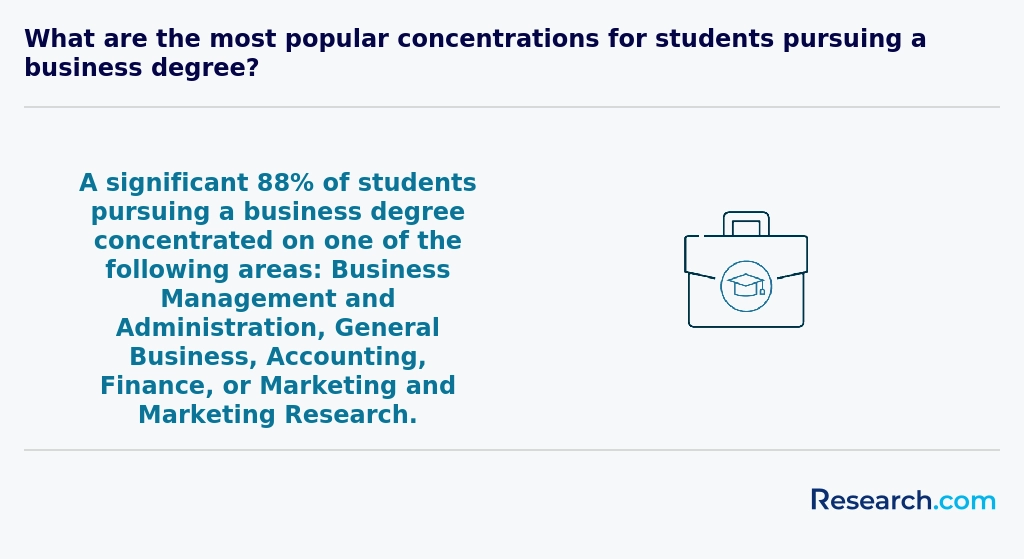
Business degree specializations in Des Moines offer exciting opportunities tailored to the city's unique economic strengths. Graduates from local universities often share how specializing in finance connects them with Des Moines' thriving insurance and financial services sectors, providing a real edge in job placement. Marketing enthusiasts find inspiration in studying digital marketing and brand management, equipping them to drive innovation within local firms.
Students passionate about leadership choose management, gaining skills in strategic planning and organizational behavior that empower them to lead with confidence. The accounting specialization is a favorite due to its practicality and the wealth of local firms eager to hire graduates with strong auditing and tax preparation expertise. Supply chain and operations management attract those energized by the logistics boom in central Iowa, opening doors to dynamic roles. Many also embrace entrepreneurship, inspired by the city's spirited startup scene and the chance to turn ideas into thriving businesses.
These top business majors Des Moines Iowa provide a vibrant learning environment where students feel supported and prepared for success. Many complete their degrees by exploring the fastest ways to complete a business degree, balancing ambition with practical timelines to launch their careers swiftly.
Choosing the best business degree programs Des Moines offers starts with finding a school that matches your ambitions and lifestyle. Graduates from Drake University often share how the AACSB accreditation boosted their confidence in the program's quality and opened doors in highly competitive job markets. Imagine yourself specializing in finance or marketing, areas thriving within Des Moines' strong financial services sector, making your degree a direct path to rewarding careers.
Affordability also plays a big role. Many students find affordable business colleges in Des Moines that balance tuition costs with scholarships and financial support, making higher education a realistic goal without overwhelming debt. For working adults, programs at various institutions offer flexibility through evening and online courses, enabling progress without sacrificing income. If you're considering an accelerated start, check out options like the 6 month associate online degree which some students credit with giving them a head start.
Keep in mind how local employer connections can multiply opportunity. Graduates frequently mention how internships and networking in Des Moines helped them land roles in insurance and financial companies. By choosing a program that aligns with your goals and schedule, you set yourself up for success and fulfillment in your business career journey.

Graduates holding a business degree in Des Moines discover exciting career opportunities across thriving sectors like finance, marketing, management, and entrepreneurship. Many find rewarding roles in the city's strong financial services industry, where companies such as Principal Financial Group inspire graduates to become financial analysts or insurance brokers, leveraging skills gained at popular institutions like Drake University. These roles not only offer competitive salaries but also a chance to contribute to Des Moines' robust economy, making the journey truly fulfilling.
Other graduates pursue top business jobs in Des Moines Iowa, engaging in dynamic marketing and sales positions that tap into the city's growing startup scene. Business students from colleges around Des Moines often share stories of how hands-on marketing projects fueled their passion and prepared them for success as brand strategists or sales managers. Management roles also attract many, with alumni thriving as project managers or human resource leaders in healthcare and government sectors.
For those inspired to launch their own ventures, entrepreneurship flourishes in Des Moines with strong community support. Numerous graduates take advantage of mentorship programs and incubators, turning ideas into thriving businesses. The city's affordable tuition and supportive environment create an ideal foundation for these ambitious paths, making it easier to pursue even easy degrees online while staying fully connected to local opportunities.
Des Moines offers an encouraging business degree job opportunities in Des Moines for graduates eager to launch their careers. Local universities, such as Drake University and Grand View University, prepare students through hands-on programs and strong internship connections with key companies like Principal Financial Group. Graduates often share stories of landing roles in finance, marketing, or management within months after finishing their degrees, energized by the supportive community and thriving job market.
The Des Moines business degree employment outlook shines with an unemployment rate near 2.5%, well below the national average, signaling steady demand for skilled talent. Entry-level salaries ranging from $50,000 to $65,000 help graduates live comfortably while starting their professional journeys. Many find themselves drawn to the city's vibrant startup ecosystem, fueling innovation and career growth.
For those curious about maximizing earning potential, exploring masters degrees that make the most money is a smart next step to enhance business skills and opportunities.
2027 Most Popular Business Degree Programs Ranking in Des Moines
Investing in your education is a significant decision that can shape your future, and the Research.com team understands the importance of making informed choices. To assist prospective students in Des Moines, we have meticulously crafted the "2027 Most Popular Business Degree Programs Ranking in Des Moines." Our commitment to quality, credibility, and accuracy is reflected in the extensive research and analysis conducted to compile this ranking.
We utilized the following reputable data sources to ensure a comprehensive evaluation of business degree programs:
By exploring this ranking, readers will gain valuable insights into the most popular business degree programs available in Des Moines, helping them make informed decisions about their educational paths. For more details on our methodology, please visit our Research.com methodology page.


Frequently Asked Questions About business
Business degree students in Des Moines can maximize their learning experience by engaging with the city's strong local economy. Des Moines is a hub for insurance, finance, and agriculture industries, offering numerous internship and networking opportunities. The Bureau of Labor Statistics reports that the financial services sector in Des Moines employs over 45,000 professionals, creating a rich environment for real-world business exposure.
Students should seek out cooperative education programs, which combine classroom study with practical work experience. Participating in local business organizations, such as the Greater Des Moines Partnership, can also provide valuable connections and insight into current market trends.
Furthermore, students are encouraged to use resources from area universities that have partnerships with regional companies. Attending workshops, guest lectures, and career fairs helps intensify their understanding of business concepts and applications while building a professional network.
Emerging niches within the business field reflect evolving market demands and technological advancements. In Des Moines, finance and insurance industries lead the local economy, creating growing opportunities in fintech and risk management. According to the U.S. Bureau of Labor Statistics, demand for financial analysts is projected to grow 12% nationally by 2030.
Another area gaining traction is data analytics, where businesses seek professionals skilled in interpreting large datasets to inform strategy. Des Moines' increasing focus on agricultural technology also opens avenues in agribusiness management, blending traditional business skills with innovation.
Entrepreneurship and sustainability management are gaining interest as local startups and corporate entities emphasize eco-friendly practices and community impact. These niches offer specialized paths for students seeking to differentiate themselves.
Preparing for the job market after earning a business degree in Des Moines involves strategic planning and local market awareness. Des Moines is a growing hub for financial services, insurance, and agriculture-related businesses, offering numerous entry-level opportunities for graduates.
Students should leverage internships with companies such as Principal Financial and Nationwide, which have a strong presence locally. According to the Greater Des Moines Partnership, these sectors collectively employ over 50,000 workers, highlighting demand for skilled business professionals.
Networking through local chambers of commerce and professional groups is essential. Additionally, polishing resumes and interview skills with university career centers can improve employability.
Familiarity with relevant software like Excel and Salesforce also enhances job prospects in this competitive market.
Employers in Des Moines highly value a combination of technical and interpersonal skills in business degree graduates. According to data from the Des Moines Area Chamber of Commerce, proficiency in data analysis and financial literacy ranks among the top requirements, reflecting the city's growing finance and insurance sectors. Communication skills are equally critical, as local businesses emphasize teamwork and effective client interaction.
Problem-solving abilities and adaptability are also key, given the fast-changing economic environment in Des Moines. Moreover, knowledge of digital marketing and project management tools has become increasingly important, with 67% of surveyed employers seeking candidates familiar with these technologies (Des Moines Workforce Report, 2023).
Finding internships in Des Moines for business degree students requires strategic use of local resources and networks. Start by exploring career centers at institutions like Drake University and Des Moines University, which offer dedicated support and local employer connections. According to the Greater Des Moines Partnership, the metro area hosts over 1,000 businesses in finance, insurance, and professional services, providing ample internship opportunities.
Online platforms such as Handshake and LinkedIn list internships in Des Moines tailored to business students. Networking events hosted by the Des Moines Area Chamber of Commerce also help connect students with local companies.
A business degree significantly impacts career mobility and advancement in Des Moines, a city known for its strong finance and insurance sectors. Graduates with business qualifications often find enhanced job prospects in major local employers such as Wells Fargo and Principal Financial Group. According to the U.S. Bureau of Labor Statistics, professionals with business degrees in the Des Moines metropolitan area see a median annual wage notably higher than the regional average, reflecting greater career potential.
Additionally, many Des Moines companies value the practical skills gained through business programs, including management, marketing, and analytics. This demand helps degree holders progress more quickly into leadership roles. Local economic reports highlight that Des Moines' diverse economy encourages business graduates to shift across industries easily, promoting upward mobility within the job market.
Studying for a business degree in Des Moines equips students with skills suited for interdisciplinary roles by combining core business knowledge with practical experience. Many programs in Des Moines integrate courses in finance, marketing, technology, and management, reflecting the city's growing economy driven by sectors like insurance, banking, and advertising.
Local universities often collaborate with businesses such as Principal Financial Group and Nationwide, providing real-world projects that develop versatile skills. According to the Des Moines Partnership, over 230,000 jobs in the area depend on business expertise across multiple industries.
This cross-disciplinary approach prepares graduates to adapt to diverse professional environments and contribute effectively beyond traditional business roles.
Choosing between a thesis and a non-thesis business degree in Des Moines depends on your career goals and learning preferences. A thesis program involves conducting original research and writing a substantial paper, ideal for students considering doctoral studies or research roles.
Non-thesis programs focus more on coursework and practical skills, preparing graduates for immediate employment in Des Moines' strong business sectors like insurance and finance. According to the Greater Des Moines Partnership, the area's finance and insurance industries contribute over $11 billion annually to the local economy, making practical skills highly valued.
Consider your time availability too-thesis programs often take longer. Many institutions in Des Moines offer both options to suit diverse student needs.
Students in Des Moines seeking to study business abroad have several pathways through U.S. universities offering international exchange programs. Drake University and Grand View University, both located in Des Moines, have partnerships with institutions worldwide, enabling students to earn credits overseas in countries like the UK, Spain, and China. According to the Institute of International Education's 2022 data, nearly 70,000 U.S. students studied business abroad, highlighting the popularity of such programs.
Students often choose semester-long exchanges or summer programs that integrate global business practices with core curriculum requirements. Financial aid and scholarships specifically for study abroad are available at many Des Moines colleges, helping reduce costs.
Beyond university programs, internship opportunities with multinational corporations headquartered in Des Moines, such as Principal Financial Group, may offer practical international experience to complement academic studies.
Part-time job opportunities in Des Moines that complement business degree education are diverse and practical. Many students find roles in local financial institutions, as Des Moines is a major insurance and finance hub, hosting companies like Principal Financial Group and Wells Fargo. Working as a bank teller or customer service representative helps develop essential skills in finance and client management.
Retail management positions in Des Moines' growing retail sector provide experience in leadership, operations, and sales strategies. Internships or part-time roles in marketing agencies or nonprofit organizations offer exposure to real-world business challenges and networking opportunities.
According to the U.S. Bureau of Labor Statistics, Des Moines' business and financial sector employment is projected to grow by 5% through 2030, indicating expanding opportunities for students to gain relevant experience.
Business students in Des Moines benefit from a vibrant network of professional opportunities due to the city's strong economy and presence of major corporations. Des Moines hosts numerous industry events, including those organized by the local chapter of the American Marketing Association and the Des Moines Business Record.
Students can also engage with internship programs offered by firms such as Principal Financial Group and Nationwide. These internships provide real-world experience and pathways to professional connections. Local universities often collaborate with chambers of commerce and business incubators, facilitating workshops and networking mixers tailored for business students.
Moreover, Des Moines earns high rankings from sources like the U.S. Chamber of Commerce for its supportive environment for startups and entrepreneurship, presenting additional networking channels for students interested in launching ventures.
Alumni networks provide significant benefits to business degree students in Des Moines by creating connections to the local business community. These networks often include graduates working in prominent companies such as Principal Financial Group and Wellmark Blue Cross Blue Shield. Access to these professionals helps students find internships, job opportunities, and mentorship that align with Des Moines' economic landscape.
Moreover, alumni events and online platforms foster ongoing relationships, supporting career growth and knowledge sharing. According to the Greater Des Moines Partnership, 85% of local employers value referral hiring, highlighting the importance of networking through alumni.
Engagement with alumni can also enhance understanding of industry trends specific to Iowa's financial services and insurance sectors.
Customizing a business degree program in Des Moines involves selecting courses and specializations that align with your career goals. Many local colleges and universities offer concentrations such as finance, marketing, supply chain management, and entrepreneurship. This flexibility allows you to build skills relevant to Des Moines' growing industries, including insurance and financial services, which employ over 50,000 people locally according to the Greater Des Moines Partnership.
Internships and cooperative education programs are valuable for applying classroom learning in real-world settings. Des Moines hosts major employers like Principal Financial Group and Nationwide, offering opportunities for experiential learning. Additionally, students can tailor electives to emerging trends such as data analytics and sustainable business practices, further enhancing their marketability.
Business students in Des Moines often face several common challenges during their studies. One key issue is balancing academics with work commitments, as many students juggle part-time jobs or internships to gain practical experience. According to the National Center for Education Statistics, about 50% of undergraduate students nationwide work while attending school, a trend reflected in Des Moines as well. Additionally, students frequently encounter difficulties in accessing networking opportunities, which are crucial for career advancement in the city's competitive financial and insurance sectors.
Time management also remains a significant hurdle, especially for those enrolled in accelerated programs. Furthermore, the rising cost of higher education presents financial strain for many, with average tuition fees in Iowa public universities reaching around $9,000 annually for in-state students. Navigating this can be challenging without adequate financial aid knowledge. Lastly, adapting to hybrid or online class formats, which have increased since 2020, requires strong self-discipline, a skill some students find difficult to master.
A business degree opens the door to various professional certifications that can enhance your career opportunities in Des Moines and beyond. Common certifications pursued by business graduates include the Certified Public Accountant (CPA), ideal for those interested in accounting and finance. The Project Management Professional (PMP) credential is popular for individuals aiming to manage complex projects, especially in Des Moines' growing technology and financial sectors.
Another valuable certification is the Certified Management Accountant (CMA), which focuses on financial management skills. For marketing professionals, the Certified Marketing Professional (CMP) helps validate expertise. Local data from the Des Moines Area Chamber of Commerce shows strong demand for project managers and accountants, reflecting broader national trends. These certifications typically require passing exams and relevant work experience, complementing your business degree well.
When applying for a business program in Des Moines, it is crucial to highlight your academic strengths and relevant experience. Most universities emphasize a strong GPA, typically above 3.0, alongside standardized test scores if required. Including internships or work experience within prominent local industries such as finance or insurance can strengthen your application.
Des Moines is known as a major financial hub, hosting companies like Principal Financial and Nationwide, which underscores the value of tailored business skills. Admissions committees often look for candidates who demonstrate leadership, analytical thinking, and community involvement.
Craft a clear personal statement that aligns your goals with the program's offerings. Finally, ensure all required documents are submitted accurately and before deadlines, as timely and complete applications increase your chances of acceptance.
The global perspective on a business career emphasizes adaptability and cross-cultural skills, which are increasingly important in today's interconnected economy. For students in Des Moines, understanding global market trends can enhance job prospects in a city known for its growing insurance and finance sectors. According to the Des Moines Partnership, businesses here actively engage with international markets, reflecting a trend seen across the U.S. where 75% of Fortune 500 companies report global operations.
Higher education institutions in the U.S. often integrate international business concepts and language skills within their curricula. This approach prepares graduates to work in diverse teams and navigate global regulations. Statistics from the National Center for Education Statistics show that business remains one of the most popular fields nationwide, with a rising number of programs incorporating global business modules.
In Des Moines, a business degree can lead to roles in multinational companies headquartered locally, making a global outlook essential for future leaders and managers seeking to grow their careers both at home and abroad.
Students pursuing a business degree in Des Moines can gain practical experience through internships, cooperative education (co-op) programs, and involvement in local business communities. Many Des Moines colleges partner with firms in finance, insurance, and agriculture sectors, providing valuable real-world opportunities. According to the Des Moines Area Community College, nearly 65% of business students participate in internships before graduation, enhancing their resumes and networking skills.
Additionally, organizations like the Greater Des Moines Partnership offer student engagement programs, helping connect learners with local startups and established companies. Participating in business competitions and consulting projects is another option to apply theoretical knowledge practically.
Choosing the right concentration within a business degree program in Des Moines starts with understanding your career goals. The city's economy is diverse, with strengths in finance, insurance, and agriculture-related industries. Areas like finance, marketing, and management are popular concentrations because they align with local job markets.
Research reports from the Des Moines Area Regional Transit Authority and local chambers show a growing demand for professionals skilled in data analytics and supply chain management. Look for programs offering hands-on experience or internships in these fields to boost employability.
Consider your interests and the industries thriving in Des Moines; this can guide you toward a concentration that offers practical opportunities and career growth.
- 2027 Most Popular Business Degree Programs Ranking in Minneapolis
- 2027 Most Popular Business Degree Programs Ranking in Madison
- 2027 Most Popular Business Degree Programs Ranking in River Forest
- 2027 Most Popular Business Degree Programs Ranking in Kenosha
- 2027 Most Popular Business Degree Programs Ranking in Milwaukee
- 2027 Most Popular Business Degree Programs Ranking in Chicago
- 2027 Most Popular Business Degree Programs Ranking in West Lafayette
- 2027 Most Popular Business Degree Programs Ranking in Indianapolis
- 2027 Most Popular Business Degree Programs Ranking in Conway
- 2027 Most Popular Business Degree Programs Ranking in Little Rock
See What Experts Have To Say About Studying Business
Read our interview with Business experts

David W. Stewart
Business Expert
Emeritus President's Professor of Marketing
Loyola Marymount University


David Souder
Business Expert
Senior Associate Dean for Faculty and Research
Michigan State University

- Finding Networking Opportunities as a Student | National Society of High School Scholars https://www.nshss.org/resources/blog/blog-posts/how-to-find-networking-opportunities-as-a-student/
- Professional Business Certifications to Boost Your Career in 2025 https://www.business.com/articles/best-business-certifications/
- Career-Connected Learning (Career Exploration & Work-Based Learning) | Department of Education https://educate.iowa.gov/higher-ed/cte/iowa-quality/career-connected-learning
- Guide to Business Internships | Higherin https://higherin.com/career-guides/business/business-internships
- Why Alumni Networks Matter in Business School: 7 Reasons https://europe.ceibs.edu/article/why-alumni-networks-matter-business-school
- 1. Online registration https://moderna.edu.pl/majors/management/bachelor-of-management/business-management/
- How to Write a Statement of Purpose for Business School https://www.statementswritingservices.com/blog/how-to-write-a-statement-of-purpose-for-business-school.html
- Online and Traditional Business Degrees Comparison | Free Essay Example https://studycorgi.com/online-and-traditional-business-degrees-comparison/
- Know more about thesis vs non- thesis: what is the difference? https://studyfans.com/en/blogs/816
- A guide to finding an internship https://www.ipag.edu/en/blog/guide-finding-internship


