2027 Most Affordable Business Degree Programs Ranking in Denver

Co-Founder and Chief Data Scientist
Choosing the right business degree program in Denver can be overwhelming, especially when affordability matters. This article presents the 2027 Most Affordable Business Degree Programs Ranking in Denver, developed by the Research.com team of data scientists. Their thorough analysis helps you identify quality programs that won't break the bank.
Exploring this ranking will empower you to make an informed decision aligned with your goals. Earning a business degree opens doors to exciting career opportunities and personal growth. Dive in to discover options that fit your budget and ambitions.
Key benefits of getting business degree in Denver
- Business degree graduates in Denver can expect rewarding salaries, such as Business Analysts earning an average of $112,950 annually and Business Development Executives making around $83,190 per year, reflecting strong financial benefits.
- Graduates from local universities often pursue diverse career paths, including project management, business analysis, and account management, offering exciting opportunities to grow and succeed in various industries.
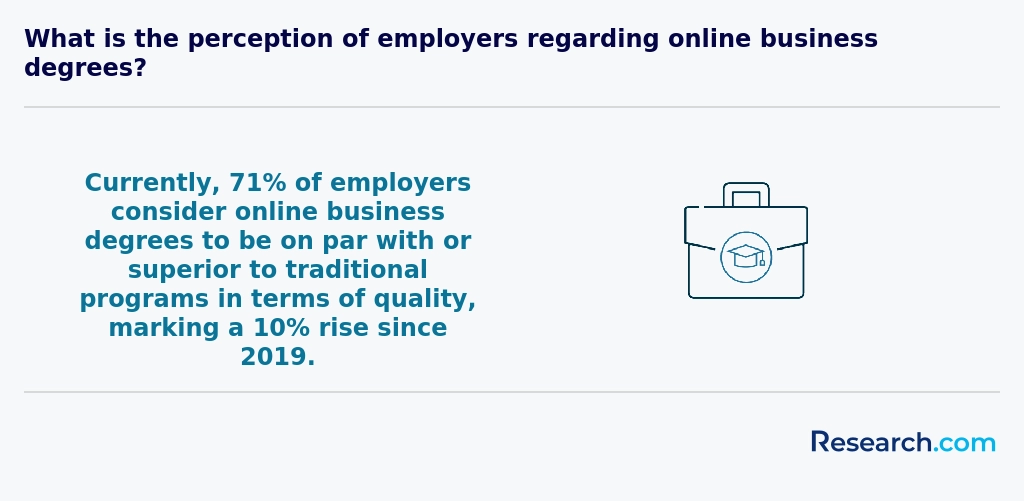
- Online business degrees from Denver-based institutions provide flexibility and convenience, allowing students to balance work and study while gaining valuable skills that enhance employability and career advancement.
- 2027 Most Affordable Business Degree Programs Ranking in Denver
- What can I expect from business degree in Denver?
- Where can I work with business degree in Denver?
What can I expect from business degree in Denver?
Imagine graduating from a business program in Denver and looking at your tuition bill. On average, a degree here can feel like a balancing act between opportunity and expense. Public institutions such as Metropolitan State University of Denver often offer more accessible tuition rates, helping graduates take the first step without buried debt. Meanwhile, private colleges like the University of Denver tend to come with higher price tags but promise smaller class sizes and tailored career services, making you feel like you belong to a tight-knit entrepreneurial squad.
One graduate recalls juggling part-time jobs, internships, and scholarships while absorbing lessons on sustainable business and data analytics. These experiences stitch together more than just knowledge - they build confidence rooted in Denver's vibrant market. The city's growing economy softens the financial weight, as local companies actively seek interns and new hires, turning education costs into an investment that quickly shows dividends.
Where can I work with business degree in Denver?
Graduates from business programs at institutions like the University of Denver or Metropolitan State University of Denver quickly find themselves woven into the vibrant fabric of Denver's job scene. Imagine stepping out of a classroom and, within months, analyzing financial trends at Charles Schwab or orchestrating project flows at Oracle. The city's financial hubs buzz with roles in accounting, financial analysis, and business management, offering graduates hands-on learning that feels like an extension of their studies.
Others with a knack for tech-savvy business approaches dive into Denver's booming startup culture, blending creativity with strategy in incubators nestled among the city's trendy neighborhoods. Picture consulting for a healthcare giant like Denver Health Medical Center, devising plans that enhance patient experiences while balancing tight budgets-a challenge many local grads embrace passionately.
Denver's entrepreneurial spirit also invites grads to launch their own ventures or pivot into marketing roles within thriving SMEs. This multidimensional playground ensures business degree holders don't just find jobs-they craft careers filled with dynamic opportunities and personal growth right where they studied.
Graduates holding a business degree in Denver often find themselves stepping into roles where the numbers are more than just figures-they're a reflection of their growing impact. Picture a recent business analyst graduate from a well-regarded Denver institution, confident as they start with an average annual salary around $112,950. That paycheck mirrors their strategic insights helping local companies thrive in Colorado's vibrant economy.
Or imagine a business development executive fresh out of school, energized by Denver's dynamic markets, earning a mean annual wage near $83,190. This is not just income; it's the seed capital for their ambitions, a tangible reward for navigating the city's competitive business landscapes.
Despite the city's somewhat steeper cost of living, these salaries from recognized business roles in Denver offer graduates a lucrative foothold. Graduates from top schools in Denver often share stories of how their starting salaries quickly grew as they mastered skills and tapped into networks amid the city's expanding business ecosystem.
- Public universities in Denver charge $10,000 to $20,000 per year for in-state business students, while private schools often exceed $30,000 annually.
- Associate degrees at community colleges typically cost under $8,000 per year, offering a more affordable option.
- Entry-level salaries for business graduates range from $50,000 to $60,000 annually, varying by discipline.
- Median salaries for experienced business professionals in Denver reach between $90,000 and $110,000 per year.
- The job market in Denver for business graduates is growing at about 5% over the next decade due to strong local industries and company relocations.
- Many programs provide internships and flexible study options like online and evening classes to support career advancement.
In Denver, chasing a business degree feels like embarking on a personalized adventure through time. Imagine a full-time bachelor's student at the University of Denver, soaking in campus energy and wrapping up 120 to 130 credits within four dynamic years. They juggle core courses and electives, building a foundation ready for the city's bustling business scene.
Picture an associate degree seeker at a local community college-two years of focused learning, diving into essentials that could later launch a bachelor's journey. It's a swift, empowering commitment that fits those eager to balance work and study without waiting too long.
Graduate students at the University of Colorado Denver experience time's elasticity: a full-time MBA can flex into 21 months of immersive study, while part-timers stretch their journey to three years, blending evening classes with their busy lives. These students often feel energized by the pace that respects their careers and ambitions, making the journey uniquely their own.
Imagine juggling your day job while catching lectures on your laptop from a cozy Denver coffee shop-this is the online business degree rhythm embraced by many at schools like Metropolitan State University of Denver. Flexibility blooms here, perfect for those steering careers in tech startups or local finance firms, where time is gold and every minute counts. No commute, no rigid schedule, just pure digital immersion.
Now picture yourself crossing the bustling Auraria Campus, engaging face-to-face with professors and classmates from University of Colorado Denver, exchanging ideas in dynamic group projects. The on-campus experience pulses with energy-networking mixers at the business school and hands-on workshops with Denver's entrepreneurial leaders. It's about soaking in city vibes and building connections that sometimes only physical presence can spark.
Cost-wise, online programs ease financial pressures, slicing tuition by up to 40%, dodging housing and transit expenses-a budget lifesaver for many. Yet, on-campus programs hold fast to tradition with richer access to internships nestled in Denver's thriving markets, blending education with real-world hustle.
Both paths weave into Denver's business tapestry uniquely, inviting learners to pick their rhythm in the city's evolving economy.
Evaluating the return on investment (ROI) for a business degree in Denver involves balancing up‐front costs-tuition, fees, and living expenses-against projected earnings and career advancement. On average, graduates entering roles such as Business Analyst ($108,790/year) or Project Manager ($80,220/year) can expect to recoup a four-year bachelor’s tuition of $40,000–$60,000 in roughly two to three years of full‐time employment. Factoring in federal loan interest, this payback period may extend by six to twelve months, emphasizing the importance of scholarship and grant opportunities. Beyond financial aid, accelerated pathways can shorten time to degree completion and increase lifetime earnings. Professionals seeking a fast track may compare accelerated MBA options, such as the best online 1 year mba programs, to determine which path maximizes post-graduate income while minimizing debt. When considering an accelerated program, calculate the difference in total tuition against the salary premium, often 15%–25% higher, that MBA holders command within the first five years. To assess net benefit, subtract cumulative education expenses from five‐year earnings. For example, a graduate paying $50,000 in tuition who secures a $90,000 starting salary can expect a net gain of $400,000 to $450,000 over five years, after living costs. Comparing ROI metrics across institutions-average graduate salaries, average debt at graduation, and regional cost of living-empowers Denver students to make informed choices that align with both career goals and financial well-being.
The average cost of a business degree in Denver settles intriguingly around $48,929 for out-of-state students, while in-state students enjoy a significantly lighter financial footprint near $11,124. Imagine a graduate from the University of Colorado Denver, breezing through the business curriculum with manageable in-state tuition, feeling the empowering satisfaction of investment well made. Meanwhile, a counterpart at Regis University experiences the vibrant energy of a private institution, where the scale-tipping tuition pushes the envelope but promises a network ripe with opportunity.
For those chasing affordable business degree programs Denver 2027, Metropolitan State University of Denver emerges as a beacon, offering some of the most accessible tuition rates. Graduates here often express delight at balancing cost savings with high-quality education, a tangible example of strategy meeting ambition. The financial waters might seem deep, yet scholarships and financial aid serve as lifelines, cushioning the leap into Denver's dynamic business scene.
Postgraduate dreams also float on these cost currents. The University of Denver's Daniels College of Business, with MBA tuition hovering between $28,000 and $35,000, asks for a premium investment. Graduates recount how this investment translates into career momentum, echoing a shared feeling of advancement and pride.
For those mapping the path, the most affordable business schools in Colorado offer concrete steps toward balancing ambition and wallet, turning the pursuit of a business degree in Denver from a financial question into a powerful, accessible journey.

For prospective students seeking to pursue a business degree in Denver, CO, without incurring significant financial burden, exploring the most affordable options is crucial. Research.com has compiled a list of the 2024 Most Affordable Business Degree Programs Ranking in Denver, CO, to help students make informed decisions. By considering factors such as tuition fees, financial aid, and cost of living, students can find a program that fits their budget and meets their educational goals. To find out more about the most affordable business schools in Colorado, students can review the rankings and discover institutions that offer quality education at an affordable price, enabling them to achieve their career aspirations without accumulating substantial debt.
Imagine juggling the cost of tuition for a business degree at the University of Colorado Denver or Metropolitan State University of Denver - it can feel daunting, but financial aid acts like a safety net woven with Denver's unique threads. Many graduates recall how the Federal Pell Grants, accessed through FAFSA, lifted the weight by covering up to $7,395, turning dreams of boardrooms and startups into tangible goals.
Then there's the Colorado Opportunity Scholarship Initiative (COSI), a hero for local undergraduates, rewarding grit and need with scholarships that feel like a personalized pat on the back from the state itself. Denver's institutions often top it off with their own merit-based scholarships, granting students who actively contribute to their community an extra boost. One graduate from MSU Denver still smiles remembering how local businesses pitched in with private scholarships, proving the city supports its future leaders.
And for those balancing work and study, employer tuition reimbursement wraps up costs like a trusted mentor, especially in Denver's buzzing tech and finance sectors. These options weave together, forming a financial safety net that lets aspiring business leaders focus on innovation and growth.
To step into Denver's dynamic business degree programs, imagine your application as a carefully crafted portfolio-starting with the basics, like that hard-earned high school diploma or GED, which unlocks the gateway. Graduates from places like Metropolitan State University of Denver often recall the relief of submitting transcripts showcasing their prowess in math, English, and social studies, the building blocks of any smart business mind.
While some campuses still ask for SAT or ACT scores, many have embraced test-optional approaches, easing pressures and opening doors wider. It's like a breath of fresh mountain air, easing your journey, especially if your personal story shines brighter in essays or letters of recommendation that reveal your true business spark.
For those eyeing an MBA from the University of Colorado Denver, the path deepens-you'll need a bachelor's degree and maybe GRE or GMAT scores. Yet the real currency here is work experience; two to five years in the field transforms classroom theories into powerful real-world impact. Many grads cherish how their job-honed insights fueled rich discussions and meaningful projects, turning diplomas into launching pads for exciting careers.
When evaluating the cost and value of a business degree, understanding how Denver’s tuition and living expenses compare with other regions can help students make informed decisions. While Denver offers competitive in-state tuition rates-often ranging from $12,000 to $25,000 per year for four-year programs-students should also consider the area’s moderate cost of living, which averages around $13,200 annually for housing and food. In contrast, Texas institutions frequently benefit from lower tuition fees and diverse online options that cater to out-of-state learners. For a detailed look at these opportunities, explore our Cheapest Online Business Degree Programs Ranking in Texas, which highlights programs with total costs as low as $8,000 per year. Beyond tuition, return on investment (ROI) is a critical factor. Denver graduates report strong starting salaries-Project Managers earn around $80,220 and Business Analysts about $108,790-reflecting the city’s robust economy. Texas graduates, particularly those from public universities, often see similar entry-level salaries but benefit from additional scholarship programs and lower living costs in some metropolitan areas. When comparing long-term ROI, it’s essential to factor in regional job growth trends: Denver’s finance sector is projected to grow by 17% by 2030, while Texas markets like Houston and Dallas expect even higher growth rates in sectors such as energy and healthcare. Ultimately, choosing between Denver and Texas programs involves balancing tuition, living expenses, and local job opportunities. Prospective students should weigh Denver’s growing tech and renewable energy sectors against Texas’s large, diverse economy and extensive online offerings. By comparing data on tuition, ROI, and market demand, applicants can align their educational investments with career goals and financial constraints in either region.
Imagine diving into accounting at the University of Denver, where graduates recall mastering financial statements through real company case studies, turning abstract numbers into a rhythmic story of profit and loss. In these programs, you'll tackle core subjects like finance and marketing, learning to decode market trends while brainstorming campaigns that resonate with the vibrant Denver consumer scene.
At Metropolitan State University of Denver, students often find themselves navigating business law and ethics-not just as dry theory but through lively debates on local startup dilemmas, sharpening their sense of right and wrong in bustling entrepreneurial hubs. Business communication courses transform nervous presenters into confident leaders, preparing you to pitch ideas that glitter in front of Denver's business incubators.
Tech-savvy students celebrate the analytics and information systems classes that reveal the magic behind data-driven decisions, vital in Colorado's growing technology sectors. Electives in entrepreneurship star in this landscape, inspiring future innovators to launch ventures aligned with Denver's energetic startup ecosystem-bridging textbooks with the pulse of the real world.
Imagine diving into a business degree specializations in Denver like a tailor crafting a masterpiece-each thread representing marketing's digital charms, finance's number-driven pulse, or the art of managing dynamic teams. Graduates from the University of Colorado Denver often describe their journey through entrepreneurship as a thrilling startup rollercoaster, fueled by the city's energetic ecosystem of incubators and venture capitalists. Others find their rhythm in supply chain and operations management, drawn by Denver's role as a bustling transportation hub, bringing logistics theories to life across real warehouses and corporate floors.
Students exploring these paths often share tales of hands-on internships with local banks or vibrant tech startups, making theories tangible and career dreams reachable. This vibrant mix of specializations reflects why so many opt for Business Degree Programs here-where affordability meets opportunity. For those seeking Denver affordable business degree options, institutions balance cost and quality, ensuring that each specialization feels not just like study but a stepping stone to real, thriving careers.
Choosing the best business degree in Denver often feels like navigating a bustling market where every stall promises the freshest knowledge. Imagine a graduate from a well-known Denver university who found clarity by focusing not just on brand names but on accredited programs boasting strong ties to the city's booming aerospace and renewable energy sectors. This connection turned classrooms into thriving incubators for real-world opportunities. Affordable business degree programs in Denver often come with hidden gems-think community colleges offering robust internships linked with local firms, allowing students to blend study with hands-on hustle.
One graduate shared how attending networking events hosted by Denver's top business colleges in Colorado opened doors to mentorships and jobs, turning aspirations into achievements. Cost is crucial, yes, but also seek programs recognized by AACSB to ensure quality. For those juggling work-life balance, check out the best online 1 year mba programs that Denver offers, which many students praise for flexibility and impact. Such options help turn dreams into actionable steps amid the city's dynamic business scene.

Graduates with a business degree in Denver find themselves at the crossroads of possibility, where the city's booming finance and tech sectors welcome fresh talent hungry for innovation. Imagine stepping out of a classroom at a prominent Denver college, business ideas buzzing, and landing a position as a financial analyst in a skyscraper overlooking the Rockies, or becoming a marketing coordinator who shapes bold campaigns for local startups. These real-life paths embody the diverse business degree career options Denver offers, blending traditional roles like operations manager with emerging ones fueled by analytic savvy and tech know-how.
Denver's unique business ecosystem encourages grads to merge core business knowledge with data and technology skills. One graduate shares how focusing on business analytics at their university unlocked doors to exciting project management gigs within Denver's vibrant startup scene. This overlap broadens Denver business degree job opportunities far beyond the predictable.
For those weighing costs and returns, exploring the Cheapest Online Business Degree Programs Ranking in Texas can inspire smart financial planning before diving into the city's competitive market, where internships through networks like the Denver Metro Chamber of Commerce transform ambition into tangible career wins.
Denver's dynamic economy offers buoyant business degree employment opportunities Denver graduates eagerly tap into. Imagine a fresh graduate from one of Denver's renowned universities stepping into a buzzing financial services firm downtown, their tailored business education turning theories into impactful decisions. The city's diverse sectors-from consulting and marketing to healthcare administration-unfold numerous paths, each reflecting the city's unique blend of innovation and tradition.
Graduates often share how internships and cooperative programs sharpen their skills, landing them roles where salary potential starts near $75,000 and climbs with expertise. The Denver job market for business graduates thrives partly due to a robust support network, including incubators and local chambers fostering entrepreneurial spirits. Envision a graduate leveraging these resources to launch a sustainable startup or excel in digital marketing, profiting from the city's push toward modern business ecosystems.
For those curious about what certificates make the most money, Denver's educational landscape provides a rich learning ground paired with a low unemployment rate, creating a fertile arena for business degree holders.
2027 Most Affordable Business Degree Programs Ranking in Denver
Investing in your education is a significant decision that can greatly impact your career and future, and the Research.com team recognizes the importance of providing reliable and accurate information to support that choice. To assist prospective students in Denver, we have carefully developed the "2027 Most Affordable Business Degree Programs Ranking in Denver." Our dedication to quality, credibility, and precision is demonstrated through thorough research and detailed analysis used to compile this ranking.
We utilized the following reputable data sources to ensure a comprehensive and trustworthy evaluation of business degree programs:
By exploring this ranking, readers will gain valuable insights into affordable, high-quality business education options in Denver, empowering them to make well-informed decisions. For more information about how the ranking was created, please visit our Research.com methodology page.
# 1 position
Colorado State University Global
Bachelor of Science in Business Administration

# 2 position
Colorado State University Global
Master of Business Administration

# 4 position
University of Colorado Denver/Anschutz Medical Campus
Bachelor of Science in Business Administration


Frequently Asked Questions About business
Business degree students in Denver can maximize their learning by engaging with local industries through internships and networking events. Denver's economy, driven by sectors like finance, technology, and energy, offers numerous opportunities for practical experience.
Students should also take advantage of partnerships between universities and Denver-based companies, which often provide real-world projects enhancing theoretical knowledge. According to the Denver Metro Chamber of Commerce, internships increase job placement rates by over 30% for business graduates.
Additionally, attending business workshops and career fairs held in the city helps students build valuable professional connections. Combining classroom study with active participation in Denver's vibrant business community strengthens skills and improves employability after graduation.
The business field is evolving, and several emerging niches are gaining attention among Denver's educational institutions. Sustainability management is growing rapidly as companies focus on eco-friendly practices. According to the Denver Metro Chamber of Commerce, local firms actively seek graduates skilled in sustainable business strategies. Another rising niche is data analytics, where professionals use data to improve decision-making. Denver's tech sector expansion supports demand for this expertise.
Entrepreneurship remains strong, with many programs encouraging innovation and startup development tailored to Denver's vibrant small business scene. Additionally, digital marketing continues to evolve, blending creativity and technology to engage consumers effectively.
After earning a business degree in Denver, preparation for the job market involves building both practical skills and professional networks. Denver hosts a growing business hub, with sectors like finance, technology, and energy expanding rapidly. According to the Denver Metro Chamber of Commerce, job opportunities in business-related fields have increased by over 8% in recent years.
Graduates should engage with local internships, which provide hands-on experience and help build valuable connections. Additionally, leveraging Denver's strong professional organizations, such as the Denver Business Journal's networking events, can enhance job prospects.
Developing proficiency in data analysis, communication, and digital tools is crucial, as employers increasingly seek candidates with these skills. Lastly, using resources like the Colorado Department of Labor and Employment's market data can help identify growing industries specific to Denver.
Employers in Denver consistently value a combination of technical and soft skills in business degree graduates. According to the Denver Metro Chamber of Commerce, proficiency in data analysis and financial literacy ranks highly as businesses increasingly rely on data-driven decision-making. Strong communication skills, both written and verbal, are essential for collaborating in the diverse Denver business environment.
Additionally, critical thinking and problem-solving abilities are in demand, helping graduates adapt to dynamic market conditions. Leadership and teamwork skills also stand out, reflecting the collaborative nature of many local industries such as technology, healthcare, and finance. Employers appreciate graduates who demonstrate adaptability and digital proficiency, particularly in tools like Excel and enterprise resource planning (ERP) software.
These skills help graduates meet the needs of Denver's growing economy, positioning them competitively for roles in management, marketing, and operations.
Finding internships in Denver relevant to a business degree involves leveraging local resources and the city's strong economic sectors. Denver hosts a diverse business environment, including finance, marketing, and technology firms. According to the Denver Metro Chamber of Commerce, over 75,000 businesses operate in the city, creating numerous internship opportunities.
Students should start by exploring university career centers, which often partner with local companies to offer internships. Networking events and job fairs in Denver are also valuable for making connections with potential employers. Websites like the Colorado Department of Labor & Employment list business-related internship openings specific to the region.
Additionally, students can target internships in prominent Denver companies such as DaVita or Western Union, known for offering roles aligned with business studies. Research shows that internships increase the chance of full-time employment significantly, highlighting the importance of early application and proactive outreach.
Obtaining a business degree in Denver can significantly enhance career mobility and advancement opportunities. According to the U.S. Bureau of Labor Statistics, Denver's metropolitan area shows steady growth in business-related sectors such as finance, marketing, and management, creating demand for qualified professionals.
Employers in Denver often prioritize candidates with formal business education, recognizing the value of skills in leadership, strategic thinking, and financial analysis. Business degree holders typically earn higher salaries; the Colorado Department of Labor reported that graduates with a bachelor's degree in business earn about 20% more than those without.
Furthermore, Denver's diverse economy, including strong tech and energy sectors, offers numerous pathways for career advancement for those with business credentials. Networking opportunities through local universities and professional organizations also support career growth for business graduates.
Studying for a business degree in Denver equips students with skills spanning multiple disciplines, essential for today's dynamic job market. Denver's universities integrate courses in economics, technology, and communications alongside core business subjects. This interdisciplinary approach reflects the city's diverse economy, which includes sectors like energy, healthcare, and finance.
According to the Denver Metro Chamber of Commerce, over 70% of local businesses value employees who can navigate cross-functional roles. Programs often include real-world projects and internships, fostering practical experience with teams from different departments.
Graduates are thus prepared to collaborate effectively across fields, making them competitive candidates for leadership roles in the region's growing economy.
When choosing between a thesis and a non-thesis business degree program in Denver, students should consider their career goals and learning preferences. A thesis program involves original research, appealing to those interested in academic or research careers, which can be valuable for roles in consulting or advanced business analysis. Non-thesis programs focus more on practical skills and coursework, suitable for professionals aiming to enter the workforce quickly or seeking leadership roles.
Several Denver universities offer both options, with tuition ranging widely; for instance, the University of Denver provides flexible formats for working adults. According to the Denver Metro Chamber of Commerce, the city's business sector emphasizes innovation, making applied knowledge from non-thesis tracks attractive to employers.
Prospective students should also consider time commitments, as thesis programs often take longer to complete. Reviewing program curricula and speaking with academic advisors can clarify which path aligns best with personal and professional objectives.
Students in Denver interested in studying business abroad have several opportunities through partnerships between local universities and international institutions. For example, the University of Denver offers exchange programs with schools in Europe and Asia, allowing students to earn credits while gaining global business perspectives.
Options also include study-abroad programs that last a semester or a summer, focusing on international business practices and cross-cultural management. According to the Institute of International Education, nearly 20% of business majors in the US participate in study abroad, reflecting strong demand.
Financial aid and scholarships are often available for these programs, making them more accessible.
Denver's growing economy offers several part-time job opportunities that align well with business degree studies. Many students find positions in retail management, customer service, or administrative roles within Denver's expanding corporate and small business sectors. According to the Denver Metro Chamber of Commerce, businesses in finance, technology, and healthcare are among the fastest-growing, providing internships and part-time roles that enhance skills like data analysis, marketing, and project management. Local job platforms also list opportunities for roles such as sales associates and social media coordinators. These jobs provide practical experience, complementing academic learning by developing communication and leadership abilities crucial for business careers.
Business students in Denver benefit from robust networking opportunities due to the city's vibrant economy and diverse business community. Denver ranks among the top 10 U.S. cities for startups, hosting over 4,500 technology companies, which translates into numerous industry connections (Source: Crunchbase, 2023).
Local universities such as the University of Denver and Metropolitan State University offer career fairs, mentorship programs, and student-run business clubs. These platforms help students connect with professionals and alumni working in finance, marketing, and entrepreneurship sectors.
Students can also engage with organizations like the Denver Metro Chamber of Commerce and Colorado Technology Association, which regularly host networking events and workshops. According to the Denver Business Journal (2023), participation in these events increases job placement rates for business graduates by approximately 20%.
Alumni networks play a crucial role in supporting business degree students in Denver by providing valuable professional connections. Graduates from Denver's universities, including those with business programs, often leverage these networks to gain access to local job markets and internships.
According to the Denver Metro Chamber of Commerce, networking is a top factor in securing employment in the city's competitive business environment. Active alumni associations host events and mentoring programs, helping students build relationships with experienced professionals.
These connections can lead to job referrals, industry insights, and collaborative opportunities that enhance career prospects. For many students, alumni networks serve as a bridge between academic study and practical business success in Denver's growing economy.
Customizing your business degree program in Denver allows you to align education with your career goals effectively. Many local universities offer flexible curricula where students choose concentrations such as finance, marketing, or entrepreneurship.
Students can also select electives tailored to Denver's strong industries like energy, healthcare, and technology. According to the Denver Metro Chamber of Commerce, these sectors account for over 60% of regional employment, making specialized skills highly valuable.
Additionally, programs often include internship opportunities with Denver-based companies, providing practical experience and networking. Online and hybrid course options further enable working professionals to balance study with career advancement.
Consulting academic advisors early helps create a personalized study plan that meets licensure or certification requirements linked to specific business roles.
Business students in Denver often face challenges related to balancing work, study, and personal commitments. Many pursue degrees part-time while maintaining full-time jobs, leading to significant time management pressure. According to the National Center for Education Statistics, nearly 40% of business students nationwide work while attending school, a trend reflected locally. Financial strain is another common issue; the average annual cost for public universities in Colorado is around $11,000, excluding housing and materials. Additionally, students must navigate a competitive local job market shaped by Denver's growing economy, which demands practical skills and internship experience. Networking opportunities, though abundant, require active engagement.
Graduates with a business degree in Denver have access to various professional certifications that can enhance their career prospects. Common certifications include the Certified Public Accountant (CPA) for those interested in accounting, and the Project Management Professional (PMP), which is widely recognized in business operations and management roles.
Additionally, certifications like the Certified Management Accountant (CMA) and Certified Financial Planner (CFP) are valuable for finance-focused professionals. According to the Denver Metro Chamber of Commerce, professionals with certifications often see salary increases of 10% to 20% compared to those without.
The Denver business environment supports these credentials, with many local companies seeking certified experts to lead teams and projects.
When applying for a business program in Denver, it is important to clearly demonstrate your understanding of the local business environment. Highlight Denver's status as a growing economic hub, with key industries like finance, energy, and technology driving demand for skilled professionals. According to the Denver Metro Chamber of Commerce, the region offers numerous internship and networking opportunities that can enhance your practical experience.
Strong applications include a well-written personal statement that explains your motivation and career goals. Emphasize any relevant work or volunteer experience, especially within Denver's diverse business sectors.
Additionally, maintain a competitive GPA-typically 3.0 or higher-and prepare for any required tests such as the GMAT if applicable. Letters of recommendation from professionals familiar with your abilities in business contexts further strengthen your application.
Global perspectives on a business career emphasize adaptability and cultural awareness, skills that are increasingly valued in the interconnected economy. For students in Denver, this means business degrees often include coursework on international markets, global supply chains, and cross-cultural communication. According to the U.S. Bureau of Labor Statistics, management jobs are projected to grow 5% from 2021 to 2031, reflecting steady demand for well-trained professionals.
Denver's growing economy, with particular strength in finance, technology, and energy sectors, offers students real-world opportunities to engage with global business practices. Local universities integrate international case studies and often encourage study-abroad or internship programs to build this perspective.
Overall, business programs in Denver prepare graduates for diverse roles that require understanding global economics, trade regulations, and multinational teamwork, critical for success in today's business environment.
Gaining practical experience while studying for a business degree in Denver is highly achievable through internships, cooperative education (co-op) programs, and campus-based projects. Many Denver colleges partner with local companies in finance, technology, and healthcare sectors to offer internships that provide hands-on experience alongside academic learning.
Students can also engage with business incubators and innovation labs in Denver, such as those connected to the Denver Metro Chamber of Commerce, which support startups and offer real-world challenges.
According to the U.S. Bureau of Labor Statistics, Denver's business sector is growing steadily, emphasizing the value of relevant experience when entering the job market.
Additionally, joining student organizations like the American Marketing Association or participating in case competitions can enhance applied skills and networking opportunities.
Choosing the right concentration within a business degree program in Denver starts with understanding your career goals and the local job market. Denver's economy is strong in industries like finance, technology, healthcare, and energy, so concentrations such as finance, management information systems, or healthcare administration may offer promising opportunities.
Research shows that Denver's business sector has grown nearly 3.5% annually over recent years (Denver Economic Development). Look for programs that provide internships or connections to Denver's diverse corporations, as practical experience is key to success.
Also, consider your strengths and interests: analytical roles often align with finance or accounting, while creative leadership fits marketing or entrepreneurship concentrations.
- 2027 Most Affordable Business Degree Programs Ranking in Salt Lake City
- 2027 Most Affordable Business Degree Programs Ranking in Wichita
- 2027 Most Affordable Business Degree Programs Ranking in Lubbock
- 2027 Most Affordable Business Degree Programs Ranking in Kansas City
- 2027 Most Affordable Business Degree Programs Ranking in El Paso
- 2027 Most Affordable Business Degree Programs Ranking in Tempe
- 2027 Most Affordable Business Degree Programs Ranking in Phoenix
- 2027 Most Affordable Business Degree Programs Ranking in Denton
- 2027 Most Affordable Business Degree Programs Ranking in Dallas
- 2027 Most Affordable Business Degree Programs Ranking in Minneapolis
See What Experts Have To Say About Studying Business
Read our interview with Business experts


David W. Stewart
Business Expert
Emeritus President's Professor of Marketing
Loyola Marymount University

Ingrid S. Greene
Business Expert
Clinical Assistant Professor of Management
Loyola Marymount University

- Top 10 Emerging Business Niches of 2026 & How to Plan for Them https://prometai.app/blog/emerging-niches-business-planning
- College of Business Career Paths - MSU Denver https://www.msudenver.edu/business/career-paths/
- Career Goals: 17 Inspirational Examples for you in 2026 https://www.imd.org/blog/learning-and-development/career-goals/
- Student Finances | University of Colorado Denver https://www.cudenver.edu/student-finances
- Business Administration Degree Salary | UE Amsterdam https://www.ue-amsterdam.com/blog/business-administration-degree-salary-how-much-can-you-earn
- Business Administration https://www.regis.edu/academics/majors-and-programs/undergraduate/business-administration-bs
- BUSINESS MANAGEMENT ENGLISH (THESIS / NON-THESIS) - Lisansüstü Eğitim Enstitüsü https://lee.nisantasi.edu.tr/en/business-management-english-thesis-non-thesis/
- The Biggest Challenges for Business School Students | EU Business School https://www.euruni.edu/blog/the-biggest-challenges-for-business-school-students/
- Customized College and Career Experience in Denver | AdvanceEDU https://myadvanceedu.org/
- Enterprise project challenge https://barclayslifeskills.com/help-others/lessons/enterprise-project-challenge/