2027 Most Affordable Business Degree Programs Ranking in Colorado

Co-Founder and Chief Data Scientist
Choosing the right business degree program can shape your future, especially when affordability matters. This article features the 2027 Most Affordable Business Degree Programs Ranking in Colorado, developed by the Research.com team of data scientists to help you make an informed decision.
By exploring this ranking, you'll discover valuable options that balance quality and cost, making your education journey smoother and more accessible. A business degree opens doors to many opportunities, and this guide is here to support your success every step of the way.
Key benefits of getting business degree in Colorado
- Business degree graduates in Colorado can expect strong earning potential, with typical roles like Business Development Executives earning a mean annual wage of $83,190 and Business Analysts earning $112,950, offering financial stability and growth.
- Graduates often pursue diverse careers such as marketing, finance, or management, illustrated by many successful alumni from the University of Colorado who leverage their degree to advance across various thriving industries.
- Online business degrees from institutions like Colorado State University provide flexible learning options, allowing students to balance work and study while gaining the same valuable knowledge and career opportunities as traditional degrees.
- 2027 Most Affordable Business Degree Programs Ranking in Colorado
- What can I expect from business degree in Colorado?
- Where can I work with business degree in Colorado?
What can I expect from business degree in Colorado?
Imagine stepping onto a campus in Denver or Boulder, excited but wondering how much your business degree will really cost. On average, students pursuing business degrees in Colorado face tuition and fees ranging from about $25,000 to $45,000 per year, depending on whether you choose a public university or a private college. Graduates often recount balancing this investment with part-time internships nestled in Colorado's buzzing startup scenes, which feel like real money-makers in terms of experience and networking, even if they don't always pad the paycheck immediately.
One graduate from a well-known Boulder university remembers juggling class projects on sustainable business practices while navigating the cost realities of living in a dynamic city. Another from a Denver public university highlighted how local scholarships and work-study options eased the financial pressure, turning investment worries into dreams of launching their venture within Colorado's vibrant entrepreneurial ecosystem.
Tuition is just one chapter, but with smart planning, the cost of business education here transforms from a challenge into a gateway for opportunity.
Where can I work with business degree in Colorado?
With a business degree from Colorado State University or the University of Denver, graduates find themselves weaving into the vibrant economic tapestry of Denver's financial district or the entrepreneurial buzz of Boulder's startup scene. Imagine stepping into a fast-paced office in Denver, analyzing market trends for a top banking firm, or launching a tech retail concept inspired by lessons learned at CU Boulder.
Many grads recall landing management roles in thriving sectors like insurance and real estate, where Colorado's expanding economy opens doors wide. Picture optimizing supply chains near bustling interstates, enhancing efficiency for logistics companies that keep Colorado's commerce humming smoothly.
Others thrive as innovators in hospitality or digital marketing, fueled by experiential learning opportunities offered by local universities. These alumni recount turning classroom theory into real-world ventures and consulting projects, embracing Colorado's growth in e-commerce and business analytics with excitement and confidence.
From corporate towers to cozy startup hubs, the state's diverse job market offers a launchpad for careers that blend ambition with Colorado's unique spirit of innovation.
Imagine walking out of a business school in Denver or Boulder, diploma in hand, knowing a Business Analyst role could greet you with an impressive $112,950 annual salary. That's the kind of payday Colorado business grads can reasonably expect, where theory meets the real world with a rewarding dollar sign.
Graduates from popular Colorado institutions often share stories of early career wins, landing roles as Business Development Executives earning around $83,190 per year. That first paycheck feels like a trophy validating years of grinding through nights at the University of Colorado or Colorado State's business programs.
The thrill of managing projects and teams is next, even if official salaries for Project Managers aren't tracked here, grads find upward mobility backed by their strong foundational paychecks. Their eyes light up talking about turning complex data into clear strategies, knowing the Colorado market values those sharp skills.
Colorado's business degree paths aren't just about numbers-they're adventures leading to leadership roles, with competitive salaries reflecting the state's vibrant economy and a community eager to reward talent. Business grads here know their efforts quickly translate into real, tangible financial success.
- In-state tuition and fees at public universities in Colorado for business degrees range from $10,000 to $15,000 per year, while private institutions often charge over $30,000 annually.
- Entry-level salaries for business graduates average around $50,000 per year, varying by field such as finance, marketing, or management.
- Mid-career business professionals in Colorado typically earn about $80,000 annually, reflecting the state's strong economy.
- The job market is robust, with key industries including technology, healthcare, finance, and tourism actively seeking business graduates.
- Major cities like Denver and Boulder have a high concentration of business job opportunities with unemployment rates below the national average.
- Many business programs offer internships and cooperative education, plus strong regional industry connections that improve employment prospects.
Imagine stepping onto the vibrant campus of the University of Colorado Boulder, where eager business students embark on a four-year journey, weaving through 120 credit hours like explorers charting new territory. For many, that's the classic tale: four full, rewarding years immersed in core business classes and general education.
Down at Front Range Community College, the narrative shifts to a brisker tempo-two years to snag an associate degree. Graduates here often smile, knowing this milestone might be just the first act, a springboard toward bachelor's ambitions.
Graduate students at Colorado State University find their tempo more fluid. The traditional MBA clutch is about two years, but with part-time or accelerated rhythms, it can stretch to three or four-perfect for balancing work, life, and aspirations without missing a beat.
Colorado business learners learn early on that pacing is personal: a full-time dive or a part-time steady swim, each path a unique adventure tailored to dreams and deadlines.
Choosing between online and on-campus business degrees in Colorado is like picking your own adventure through the Centennial State's educational landscape. Imagine a working professional juggling full-time hours and family life, tapping away on coursework while the Rockies glow outside their window. This student thrives in the online programs offered by institutions like the University of Colorado, where flexibility means logging in after dinner and mastering business strategies at their own pace.
Contrast that with a recent graduate from Colorado State University who vividly recalls the buzz of campus life-face-to-face debates, group projects on bustling quad lawns, and networking events at Denver's business hubs. The in-person experience, with its $11,362 average in-state tuition, offers rich opportunities to build connections and practice real-time problem-solving.
Online learners embrace video lectures and digital forums, sharpening self-discipline, while on-campus cohorts develop interpersonal skills through lively discussions and hands-on activities. Both paths in Colorado promise accredited degrees, but the emotional texture and daily rhythms they offer paint distinctly different portraits of success.
Accreditation is a critical factor when evaluating business degree programs in Colorado, as it ensures that institutions meet rigorous academic standards and that credits will transfer seamlessly to other schools or graduate programs. The most respected accrediting body for business schools is the Association to Advance Collegiate Schools of Business (AACSB), followed by regional accreditors like the Higher Learning Commission (HLC) and program-specific bodies such as the Accreditation Council for Business Schools and Programs (ACBSP). Graduates from AACSB-accredited programs often report stronger employer recognition, higher average starting salaries, and more robust networking opportunities. When comparing schools, verify accreditation status through the U.S. Department of Education’s Database of Accredited Postsecondary Institutions and Programs. Accreditation affects eligibility for federal financial aid, state scholarships like the Colorado Opportunity Fund, and many private grants-so it directly impacts your out-of-pocket costs. Employers also favor degrees from accredited programs, citing consistent curriculum quality and faculty expertise. For instance, alumni from AACSB-accredited Colorado State University programs frequently highlight how accreditation helped them secure interviews with top consulting firms and Fortune 500 companies. Beyond institutional accreditation, look for program quality indicators such as student-to-faculty ratios, faculty research output, and peer reviews. Smaller class sizes foster personalized feedback and mentorship, while active research faculties keep curricula aligned with industry trends. Many accredited programs also require students to complete capstone projects or internships, which bolster real-world experience and resume credentials. For students seeking accelerated credentials and proven quality, exploring options such as an mba one year online can provide both the flexibility you need and the assurance of accreditation by leading organizations. By prioritizing accredited business degree programs in Colorado, you safeguard your educational investment, maximize career mobility, and ensure that your diploma carries weight in any professional setting.
The average cost of a business degree in Colorado offers a fascinating financial landscape where the median in-state total cost hovers around $11,318. Imagine students walking the vibrant halls of the University of Colorado Boulder, balancing the thrill of attending a top public institution with mindful budget choices. Those attending Colorado State University share a similar story-public education here brings solid value without the overwhelming price tag. Graduates often recall the satisfaction of earning a respected degree while managing expenses that align with their financial goals, a soothing contrast to the anxiety many expect when diving into higher education.
But venture beyond public campuses, and the scene shifts. Private institutions like Regis University or the University of Denver introduce a different rhythm, with costs sometimes pushing $50,000 yearly. Here, graduates cherish smaller classes and personalized opportunities that make the investment feel worthwhile despite the steep price. The median total cost, reflecting both public and private experiences, centers near $46,178, painting a fuller picture of what to anticipate in Colorado. For students intrigued by the concept of affordable business degree programs Colorado 2027 holds promise, especially if you explore community college start-points.
Beyond tuition, the real-world lens captures expenses like books, housing, and technology fees-all parts of life's fabric during college years. Many Colorado students find relief through financial aid, joining over 70% who unlock scholarships to ease their way.
For those curious about a budget-friendly trajectory, community colleges offer competitive pricing and pathways to transfer. And when searching for options, it's wise to explore dedicated resources like affordable online business programs in Colorado, blending flexibility with accessibility in a way that suits diverse lifestyles.
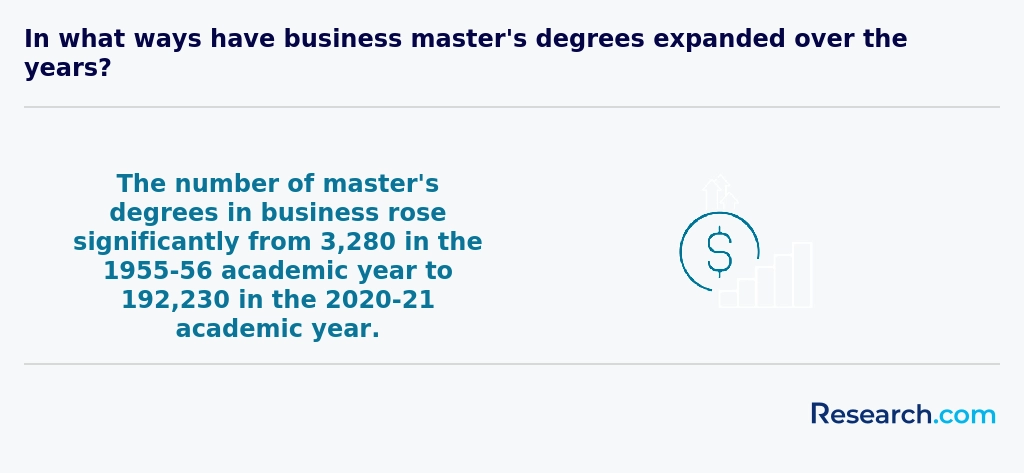
When considering a business degree in Colorado, affordability is a crucial factor, especially for those who prefer the flexibility of online learning. Pursuing an online business degree can offer the same level of academic rigor and practical experience as traditional on-campus programs, but with the added benefit of being able to learn at your own pace. For instance, students looking for affordable online business programs in Colorado can find a variety of options that cater to different career aspirations and financial situations. Many of these programs are designed to provide students with a broad foundation in business principles, including finance, marketing, and management, as well as specialized courses that focus on areas like entrepreneurship, international business, and business analytics. By exploring these affordable online options, prospective students can make informed decisions about their educational investments and set themselves up for success in the competitive business world.
Landing a business degree in Colorado often feels like unlocking a treasure chest of financial aid gems. Imagine a graduate from Metropolitan State University of Denver who, by tapping into the Free Application for Federal Student Aid (FAFSA), snagged a Pell Grant covering thousands of dollars-money that didn't have to be repaid. This safety net of federal grants and loans, with their predictable fixed interest rates, empowers students to dream big without drowning in debt.
Then there's the Colorado Opportunity Scholarship Initiative (COSI), a local lifeline that has fueled ambition for countless University of Colorado Boulder business students by easing the tuition burden. Some receive scholarships valued between $1,000 and $5,000 based on sharp academic performance or leadership, transforming their campus stories into success sagas.
Outside campus, business students working part-time can find employers eager to invest in their education, blending work and study into a rewarding symphony of growth. Plus, hunting through private scholarships from organizations like the Colorado Association of Commerce and Industry unveils hidden treasure maps for funding.
Understanding the return on investment (ROI) of a business degree is critical for Colorado students balancing tuition costs and future earnings. ROI measures the long-term value of your education by comparing program expenses-tuition, fees, and living costs-against post-graduation salary potential. In Colorado, the average total cost for a bachelor’s in business ranges from $32,000 to $60,000, while entry-level roles like Project Manager and Business Analyst offer median salaries of $80,220 and $108,790 respectively. By estimating a simple payback period-total cost divided by annual salary-you can gauge how quickly you recoup your educational investment. For example: • A $40,000 total investment versus an $80,220 salary yields a payback period of roughly 6 months. • A $60,000 investment versus a $108,790 salary reduces payback to under a year. Factors that boost ROI include specialization in high-demand fields, merit-based scholarships, and strategic use of transfer credits. For students seeking flexible, budget-friendly paths, explore our Low Cost Online Business Degree Programs Ranking in St. Louis, MO to compare comparable programs. Maximize your ROI by: 1. Securing internships or co-ops to gain paid, real-world experience. 2. Leveraging alumni networks for job referrals. 3. Applying for institutional and external scholarships to lower out-of-pocket costs. With careful planning and informed choices, a business degree in Colorado can deliver substantial financial and career returns in under two years.
To step into a business degree program in Colorado, imagine holding your high school diploma or GED as a golden ticket-a simple but essential key unlocking the doors at universities like the University of Colorado Boulder or Colorado State University. Graduates often recall the mix of excitement and nerves when they saw their GPA, typically hovering between 2.5 and 3.0, match the programs' expectations, transforming their dreams into concrete possibilities.
Scores like a 1100 SAT or a solid ACT can feel like your personal victory flag, waved high during admissions at local colleges. Picture the thrill of submitting your application, polished with heartfelt essays and thoughtful letters from mentors-these documents telling your unique story and ambition to a panel eager for fresh business minds.
For those aiming higher with graduate degrees, the adventure continues. A bachelor's degree paired with two or three years navigating real-world challenges becomes your badge of honor. GMAT or GRE scores, sometimes waived for seasoned professionals, punctuate this journey, reflecting readiness to thrive in Colorado's dynamic business education landscape.
Some recalled balancing early courses in economics or accounting at community colleges, like Arapahoe or Red Rocks, catching up or sharpening skills. Together, these steps paint a vivid pathway where hope, hard work, and Colorado's supportive academic culture meld into success.

Picture yourself diving into courses at a Colorado business program where every class feels like a new adventure blending theory with real-world buzz. From the lively halls of the University of Colorado Boulder to the innovative vibes at Colorado State University, graduates often recall wrestling through Accounting and Financial Management-balancing budgets and decoding financial mysteries that soon transform into powerful business tools.
The essence of Marketing isn't just theory; it's crafting digital campaigns that spark conversations in Denver coffee shops or analyzing consumer behavior on Boulder's bustling streets. Management and Organizational Leadership courses morph into lively group projects where future leaders learn to steer teams amidst real startup dramas or nonprofit challenges.
Courses like Business Law and Ethics anchor students in Colorado's dynamic economy, teaching them to navigate contracts and corporate values as if drafting deals under the Rocky Mountains themselves. Mix in Operations Management and Business Statistics, and you're mastering supply chains and data-driven decisions that ripple through fast-growing industries across the state.
Imagine diving into a business degree in Colorado and surfacing with a treasure chest of specializations designed to launch you into the heart of booming industries. Graduates from the University of Denver often recall immersing themselves in Finance, navigating Denver's bustling financial services scene like skilled captains steering through a sea of numbers and investments.
Marketing enthusiasts at Colorado State University paint stories of decoding consumer behaviors and crafting digital campaigns that resonate amid Colorado's expanding tech hubs. These personal journeys reflect why business degree specializations in Colorado feel vibrant and alive-rooted in real-world economic rhythms.
Management students tell of hands-on leadership experiences, managing startups with the energy of Boulder's entrepreneurial spirit. Meanwhile, the emerging Entrepreneurship paths drum to the pulse of innovation hubs and venture capital flows that don't just teach theory, but breathe life into ideas.
Other students find their groove in Supply Chain Management, mastering logistics from Colorado's strategic crossroads, or in International Business, linking local ambition with global trade.
For those pursuing accelerated growth, many explore mba one year online options, blending speed with deep specialization. Excellent choices like these mean Colorado offers not just education but an adventure.
Imagine standing at the crossroads of your future in Colorado, where choosing the best affordable business degree programs Colorado feels like plotting a unique expedition. Graduates from Colorado State University talk about the relief in finding programs accredited by AACSB-a rare badge of trust worth chasing, ensuring their investment mattered. It's not just about prestige but also about cutting tuition costs while sidestepping the $30,000 average debt many face nationwide.
Others who ventured through University of Colorado Boulder's doors highlight how picking a specialization like finance or entrepreneurship can transform a mere diploma into a launchpad, fueling starting salaries over $55,000. Their stories echo with vivid memories of internships nestled in Denver's buzzing tech corridors or Boulder's innovative business hubs, turning networking into a genuine thrill rather than a chore.
Flexibility often steals the show: many graduates thrived thanks to hybrid and online courses that balanced life and learning effortlessly. For those hunting wallet-wise options, the Low Cost Online Business Degree Programs Ranking in St. Louis, MO offers eye-opening insights beyond borders, helpful when mapping out your own path amid Colorado's finest.
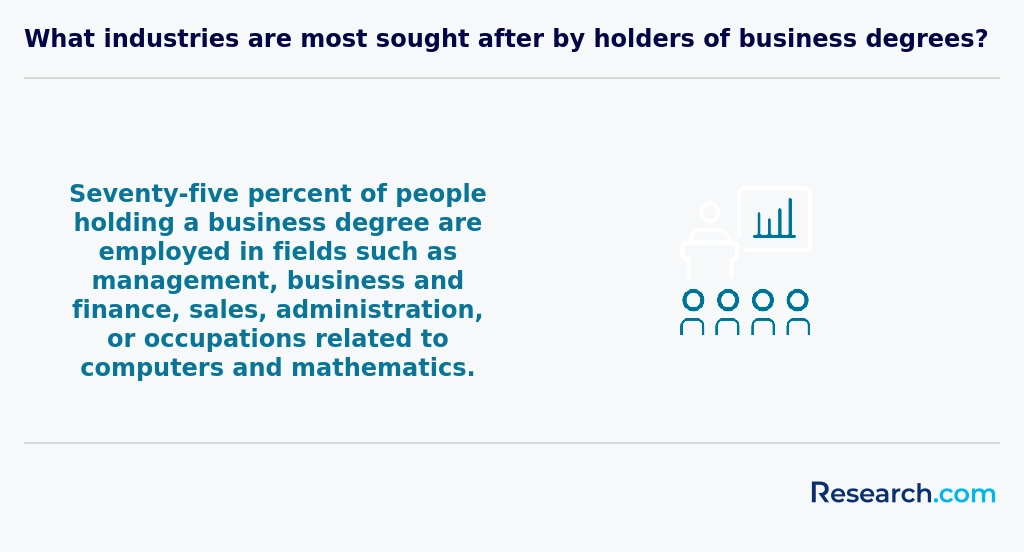
A business degree in Colorado unlocks a treasure trove of career paths, tailor-made to fit the state's vibrant economic mosaic. Graduates often step into dynamic roles like financial analysts navigating Denver's booming finance sector or marketing managers crafting campaigns that captivate Colorado's tech and retail scenes. Imagine a graduate from Colorado State University who harnesses their skills to streamline supply chains for a local healthcare startup in Fort Collins, turning challenges into seamless efficiency.
For those dreaming bigger, entrepreneurship pulses through towns like Boulder, where new ventures sprout from the fertile ground of startup culture. This is where business graduates transform ideas into thriving enterprises, fueled by a community that cheers innovation. Meanwhile, roles in human resources and operations management keep Colorado's expanding industries humming with energy and purpose.
Exploring business degree career opportunities in Colorado often means tapping into specialized niches like business analytics or corporate finance-fields where data meets decision-making. Nebraska grads also discover pathways such as 12 month certificate programs that pay well-a perfect complement or springboard in competitive markets.
Colorado's business degree job opportunities paint a vibrant picture of possibility. Graduates from institutions like the University of Colorado and Colorado State University often find themselves stepping into bustling roles in Denver's tech startups or Boulder's financial hubs, where innovative thinking and management skills are the currencies of success. The state's job market hums with energy, fueled by sectors like healthcare administration and finance that crave business acumen.
Imagine a recent graduate navigating a low unemployment rate of around 3.5%, easily landing a position as a management analyst within months. This kind of momentum is common here, setting the stage for fast career growth. With in-state tuition ranging between $11,000 and $12,000 annually, investing in a Colorado business degree strikes a gratifying balance between cost and opportunity.
For those weighing paths, studying in Colorado also means engaging with an economy where entrepreneurship thrives, opening doors beyond traditional careers. To explore options, students often seek the easiest bachelor's degree to get, blending affordability with strong prospects. The Colorado career outlook for business graduates is a dynamic, compelling story written fresh every year.
2027 Most Affordable Business Degree Programs Ranking in Colorado
Investing in your education is a significant decision that can shape your future, and the Research.com team understands the importance of making informed choices. To assist prospective students in Colorado, we have meticulously crafted the "2027 Most Affordable Business Degree Programs Ranking in Colorado." Our commitment to quality, credibility, and accuracy is reflected in the extensive research and analysis conducted to compile this ranking.
We utilized the following reputable data sources to ensure a comprehensive evaluation of business degree programs:
By exploring this ranking, readers will gain valuable insights into the most affordable business degree options in Colorado, empowering them to make well-informed decisions that align with their educational and financial goals. For more details on our methodology, please visit our Research.com methodology page.
# 1 position
Colorado State University Global
Bachelor of Science in Business Administration

# 2 position
Colorado State University Global
Master of Business Administration


# 10 position
Colorado Mountain College
Bachelor of Science in Business Administration


# 13 position
University of Colorado Denver/Anschutz Medical Campus
Master of Business Administration

# 14 position
University of Colorado Denver/Anschutz Medical Campus
Bachelor of Science in Business Administration


Frequently Asked Questions About business
Business degree students in Colorado can maximize their learning experience by engaging with the state's robust economic environment. Colorado's diverse industries, including technology, aerospace, and renewable energy, offer practical internship and networking opportunities that complement academic studies. According to the Colorado Department of Labor and Employment, business-related job openings in the state are projected to grow by 5.2% through 2028, highlighting the importance of gaining relevant experience.
Students should also leverage partnerships between universities and local businesses, which often provide mentorship and hands-on projects. Joining business clubs and attending Colorado business conferences can enhance leadership skills and industry knowledge. Lastly, taking advantage of state-funded resources, such as career services, workshops, and entrepreneurial programs, supports effective learning and career readiness.
Emerging niches within the business field in Colorado reflect broader economic shifts and technological advances. One rapidly growing area is sustainability management, driven by Colorado's commitment to environmental initiatives. According to the Colorado Office of Economic Development and International Trade, green businesses have increased by over 15% in recent years. Data analytics is another key niche, as companies seek professionals skilled in interpreting large data sets to make informed decisions. The Denver Metro area, a hub for tech startups, has seen a 20% growth in demand for data-savvy business graduates.
Additionally, specialty areas such as healthcare management are expanding, linked to Colorado's strong healthcare sector. The state's aging population drives the need for efficient healthcare administration. E-commerce and digital marketing also present opportunities, supported by Colorado's thriving retail and tech industries. These emerging niches are shaping business education, encouraging tailored programs that align with local market needs.
After earning a business degree in Colorado, preparing effectively for the job market is critical. Start by leveraging Colorado's growing economy, particularly in industries like technology, finance, and healthcare, which offer numerous opportunities for business graduates. According to the Colorado Department of Labor and Employment, business and financial occupations are projected to grow by 8.5% through 2030, indicating steady demand.
Networking is vital; consider joining local chapters of professional organizations such as the Colorado Business Roundtable or chambers of commerce. Internships and experiential learning during your studies can provide practical experience and connections. Additionally, Colorado's universities often host career fairs where students can meet employers directly.
Developing skills in data analysis, digital marketing, and project management aligns with market demands and improves employability. Utilizing Colorado's workforce development resources can also assist in refining resumes and interview techniques, ensuring graduates can confidently enter the competitive job market.
Employers in Colorado highly value business degree graduates who demonstrate strong analytical and problem-solving skills. According to the Colorado Department of Labor and Employment, 71% of businesses prioritize candidates who can interpret data to make informed decisions.
Communication skills-both written and verbal-are essential in the Colorado job market, with 64% of employers emphasizing teamwork and leadership abilities, especially in Denver's growing finance and tech sectors.
Additionally, familiarity with digital tools like Microsoft Excel, Salesforce, and data analytics software ranks among the top practical skills sought by companies statewide.
Knowledge of local market trends and economic factors specific to Colorado also gives graduates a competitive edge.
Finding internships relevant to a business degree in Colorado involves using multiple resources tailored to the state's economic landscape. Denver and Boulder are hubs for industries like finance, technology, and retail, offering numerous internship opportunities. Websites such as Handshake and LinkedIn allow students to search for local positions specifically targeting business fields.
Many Colorado universities have dedicated career centers that connect students with internships through partnerships with local companies. According to the Colorado Department of Labor and Employment, sectors like professional services and finance saw a 3.5% employment growth in 2023, indicating rising internship availability.
Additionally, attending local business networking events or joining relevant clubs at schools can help students gain access to unadvertised internships. Early application and tailoring resumes to Colorado's key industries increase success chances.
Obtaining a business degree in Colorado significantly enhances career mobility and advancement opportunities within the state's diverse economy. According to the Colorado Department of Labor and Employment, business-related occupations are projected to grow by 8% through 2030, outpacing many other fields. This growth creates demand for professionals with skills in management, marketing, finance, and entrepreneurship.
A business degree equips graduates with critical thinking, leadership, and financial expertise sought by local industries such as technology, energy, and healthcare. Graduates often see higher starting salaries and faster promotion rates compared to those without formal business education, as reported by the Colorado Workforce Development Council. Networking opportunities through Colorado's business schools also facilitate job placement and career transitions across sectors.
Studying for a business degree in Colorado equips students with skills applicable across multiple disciplines, essential for today's diverse job market. Colorado's universities emphasize combining business fundamentals with courses in technology, communication, and data analysis. This interdisciplinary approach reflects the state's growing sectors like tech startups, renewable energy, and healthcare, which demand versatile professionals.
According to the Colorado Department of Higher Education, over 30% of business graduates pursue careers that integrate skills from fields such as information systems and marketing. Programs often include project-based learning and internships, fostering collaboration across departments.
These educational strategies prepare students to adapt quickly and lead in evolving industries.
Choosing between a thesis and a non-thesis business degree program in Colorado depends on your career goals and learning preferences. Thesis programs typically emphasize research and original contributions, suitable for students aiming at academic careers or advanced roles in strategy and analysis. Non-thesis options focus more on practical skills and coursework, appealing to those seeking immediate entry into Colorado's competitive business sectors like finance or technology.
According to the Colorado Department of Higher Education, many institutions like the University of Colorado Denver offer both options, with thesis tracks requiring additional research credits. Consider your time availability, as thesis programs usually take longer due to research demands.
Also, factor in future plans: if you intend to pursue a PhD or roles involving policy or consultancy, a thesis can be advantageous. Conversely, non-thesis paths are often preferred by professionals wanting to enhance skills quickly without extensive research.
Students based in Colorado seeking to study business abroad have several pathways through partnerships offered by Colorado universities. Institutions like the University of Colorado Boulder and Colorado State University provide study abroad programs that include business courses in countries such as the United Kingdom, Spain, and China. These programs often range from a summer term to a full semester.
According to NAFSA: Association of International Educators, approximately 10% of business students at U.S. universities participate in study abroad, a percentage that is growing in Colorado as more schools emphasize global business competencies.
Credits earned abroad typically transfer back to Colorado universities, helping students stay on track for graduation. Scholarships and financial aid may also be available to support these international experiences.
Students pursuing business degrees in Colorado can benefit from part-time jobs that enhance their skills and resumes. Roles such as administrative assistants, retail supervisors, and social media coordinators offer practical experience in management, customer service, and marketing. According to the Colorado Department of Labor and Employment (CDLE), sales-related positions are expected to grow by 5% through 2030, making retail jobs valuable for business students.
Internships or roles in local startups, especially in Denver's thriving business hubs, provide hands-on learning in finance, operations, and entrepreneurship. Positions in bookkeeping or as financial clerks allow students to apply classroom knowledge to real-world scenarios, improving analytical skills.
Such part-time opportunities support not only financial stability but also build a professional network within Colorado's dynamic business environment.
Business students in Colorado benefit from numerous networking opportunities through universities, industry events, and professional organizations. Schools such as the University of Colorado and Colorado State University host career fairs and alumni mixers, connecting students with over 1,000 regional employers.
The Colorado Business Roundtable and Colorado Technology Association offer access to local entrepreneurs and executives. These groups facilitate networking events that help students build relationships in industries like aerospace, renewable energy, and finance-sectors important to Colorado's economy, which contributed $349 billion in GDP in 2023 (Source: U.S. Bureau of Economic Analysis).
Additionally, many Colorado colleges encourage internships and cooperative education programs to strengthen industry ties and job placement rates.
Alumni networks play a crucial role for business degree students in Colorado by providing access to extensive professional connections. According to the Colorado Department of Higher Education, nearly 40% of employed graduates find their first job through personal or professional contacts.
Through alumni events and mentoring programs, students can build relationships with experienced professionals across Denver, Boulder, and Colorado Springs business communities. This network facilitates internships, job placements, and industry insights relevant to Colorado's diverse economy, including sectors like tech, energy, and finance.
Moreover, alumni often offer career advice, financial guidance, and may introduce students to local companies, enhancing students' competitive edge in the state's job market.
Customizing a business degree in Colorado begins with selecting elective courses that align with your career interests. Many universities offer concentrations such as entrepreneurship, finance, marketing, or supply chain management. This allows students to build specialized knowledge tailored to local job markets.
Internship opportunities with Denver's growing tech and energy sectors provide practical experience and networking advantages. Schools often partner with Colorado-based companies, supporting career placement after graduation.
Additionally, some programs offer flexible formats, including online and evening classes, which help working professionals balance education with current careers. Research from the Colorado Department of Higher Education shows that graduates who focus on in-demand skills often experience higher employment rates within the state.
Business students in Colorado commonly face financial challenges, as tuition and living expenses can be significant. According to the College Board, average annual tuition for public universities in Colorado ranges from $11,000 to $13,000 for in-state students. Balancing work and study is also difficult, with many students taking part-time jobs to offset costs. Additionally, students report struggles adapting to fast-paced coursework, especially in quantitative subjects like accounting and finance.
Networking opportunities can be limited for some, particularly at smaller institutions. However, Colorado's growing business hubs, including Denver and Boulder, offer expanding internships and job prospects. Navigating competitive job markets post-graduation remains a concern due to regional economic shifts and automation trends highlighted by the Colorado Department of Labor and Employment.
With a business degree in Colorado, graduates have access to various professional certifications that can boost their careers. Popular certifications include the Certified Public Accountant (CPA) for those focusing on accounting, which is highly respected nationwide, including in Colorado's growing financial sectors.
Another common certification is the Project Management Professional (PMP), valued in Colorado's diverse economy, especially in technology and construction fields. Additionally, the Certified Management Accountant (CMA) offers a strong advantage in managerial finance roles.
Many business graduates also pursue the Financial Risk Manager (FRM) credential, which complements Colorado's increasing financial services industry. These certifications often require a combination of education, work experience, and passing rigorous exams, enhancing employment opportunities.
Writing a winning application for a business program in Colorado requires careful preparation. Start by clearly demonstrating your interest in business and how a Colorado-based program aligns with your goals.
Highlight relevant experiences such as internships, work, or leadership roles. Colorado's economy is diverse, with strong sectors like aerospace and tech, so connecting your background to these industries can strengthen your application.
Pay close attention to your personal statement. Showcase your motivation and understanding of business challenges unique to Colorado's market, supported by recent state economic reports from the Colorado Office of Economic Development.
Ensure your academic records are strong, especially in quantitative subjects. Many programs emphasize GPA and test scores to assess readiness.
Lastly, secure multiple recommendation letters from professionals who can attest to your skills and potential in business.
Business careers today are increasingly influenced by global trends, requiring professionals to understand diverse markets and cultures. For Colorado students pursuing business degrees, this means building skills in international finance, marketing, and supply chain management. According to the U.S. Bureau of Labor Statistics, jobs in management and business related fields are expected to grow by 8% nationally by 2030, reflecting a steady demand worldwide.
Colorado's economy, with strong sectors like technology and aerospace, benefits from international trade, reinforcing the value of global business knowledge. Universities in Colorado often integrate global case studies and internships to prepare graduates for these opportunities. Awareness of global business practices enhances employability and career growth across borders.
Gaining practical experience while studying for a business degree in Colorado is essential for enhancing career opportunities. Many universities in Colorado offer internship programs, allowing students to work with local companies in industries such as finance, marketing, and entrepreneurship. For example, the Denver metropolitan area is home to over 30,000 businesses, providing a wide variety of internship placements.
Students can also participate in cooperative education (co-op) programs, which usually alternate semesters of academic study with full-time work experience. Additionally, business schools often have partnerships with Colorado-based firms that provide consulting projects, enabling students to apply theory to real-world business challenges. According to the Colorado Department of Labor and Employment, students involved in internships in Colorado have a 20% higher job placement rate after graduation.
Choosing the right concentration within a business degree program in Colorado begins with evaluating your career goals and local market demand. For example, Denver's strong finance sector creates opportunities in financial management and accounting, while the growing tech industry supports concentrations in information systems and entrepreneurship. According to the Colorado Department of Labor and Employment, business and financial occupations are expected to grow by 7% through 2030, higher than the national average. Also, consider your personal strengths and interests, such as leadership or analytics. Research programs' faculty expertise and internship connections within Colorado's economy to ensure relevant practical experience.
- 2027 Most Affordable Online Business Degree Programs Ranking in Nebraska
- 2027 Most Affordable Online Business Degree Programs Ranking in Kansas
- 2027 Most Affordable Online Business Degree Programs Ranking in New Mexico
- 2027 Most Affordable Online Business Degree Programs Ranking in Oklahoma
- 2027 Most Affordable Online Business Degree Programs Ranking in Texas
- 2027 Most Affordable Online Business Degree Programs Ranking in South Dakota
- 2027 Most Affordable Online Business Degree Programs Ranking in Missouri
- 2027 Most Affordable Online Business Degree Programs Ranking in Minnesota
- 2027 Most Affordable Online Business Degree Programs Ranking in North Dakota
- 2027 Most Affordable Online Business Degree Programs Ranking in Mississippi
See What Experts Have To Say About Studying Business
Read our interview with Business experts

Ingrid S. Greene
Business Expert
Clinical Assistant Professor of Management
Loyola Marymount University

David W. Stewart
Business Expert
Emeritus President's Professor of Marketing
Loyola Marymount University

David Souder
Business Expert
Senior Associate Dean for Faculty and Research
Michigan State University

- Global Perspectives: International Opportunities for Business School Students - SBS Swiss Business School https://sbs-uae.org/global-perspectives-international-opportunities-for-business-school-students-3/
- Online Business Administration Degree - MSU Denver https://www.msudenver.edu/online/business-administration-bs/
- How to Find a Job with an International Business Degree - Hunter Recruiting https://www.hirecruiting.com/newsroom/how-to-find-a-job-with-an-international-business-degree/
- How to Write the Perfect Cover Letter – EU Business School https://www.euruni.edu/blog/write-perfect-cover-letter/
- The Seven Biggest Challenges Faced by Student Entrepreneurs https://venturewell.org/blog/five-biggest-challenges/
- Types of Business Degrees https://www.coloradotech.edu/degrees/studies/business-and-management/articles/types-of-business-degrees
- Networking Tips for Business Students: Building a Foundation for Success https://londonsba.org.uk/blog/networking-tips-for-business-students-building-a-foundation-for-success/
- Business Administration | Colorado Mesa University https://www.coloradomesa.edu/business/degrees/business-administration.html
- What is the future of bachelor’s degrees in business? https://www.amba-bga.com/insights/what-is-the-future-of-bachelors-degrees-in-business
- Why Alumni Networks Matter in Business School: 7 Reasons https://europe.ceibs.edu/article/why-alumni-networks-matter-business-school