2027 Best Business Degree Programs Ranking in Boulder

Co-Founder and Chief Data Scientist
Choosing the right business degree program can shape your future career. If you're considering studying in Boulder, this article is made just for you.
The 2027 Best Business Degree Programs Ranking in Boulder was created by the Research.com team of data scientists to help you find the programs that truly stand out. It's designed to give you clear insights so you can make an informed choice with confidence.
Reading this guide will help you discover quality programs and understand how a business degree can open exciting opportunities. Your journey to success starts here.
Key benefits of getting business degree in Boulder
- Business degree graduates in Boulder can expect competitive salaries, for example, Business Analysts earn a mean annual wage of $112,950, while Business Development Executives make around $83,190 per year.
- Graduates often pursue diverse and rewarding careers in finance, marketing, or consulting, reflecting the strong local economy and networking opportunities available through Boulder universities.
- Online business degrees offer flexibility and convenience, allowing students to balance work and study effectively while gaining skills that are just as valued as traditional degrees in Boulder's job market.
- 2027 Best Business Degree Programs Ranking in Boulder
- What can I expect from business degree in Boulder?
- Where can I work with business degree in Boulder?
What can I expect from business degree in Boulder?
The average cost of pursuing a business degree in Boulder, particularly at the University of Colorado Boulder's Leeds School of Business, typically includes tuition, fees, and living expenses. Tuition alone for in-state students can range around $12,000 to $15,000 per year, while out-of-state students should expect to pay significantly more, often exceeding $40,000 annually. Graduates often point out that beyond tuition, budgeting for Boulder's higher cost of living-including housing, transportation, and food-is essential, with monthly expenses approximating $1,200 to $1,500.
Graduates recall balancing the financial investment with the value gained from Boulder's strong career support and abundant internship opportunities in local tech startups and sustainable businesses. Many find that the higher starting salaries, averaging about $60,000 per year, help offset the upfront costs within a few years. Practical planning involves securing internships early, utilizing campus resources, and considering scholarships specific to Leeds School of Business students.
Ultimately, budgeting realistically for tuition plus living costs and maximizing experiential learning define a pragmatic approach to affording a quality business education in Boulder.
Where can I work with business degree in Boulder?
With a business degree from universities like the University of Colorado Boulder, graduates find diverse job opportunities right in their backyard. Many step directly into Boulder's thriving tech industry, joining companies such as Google or local startups, where roles in project management or business analysis are common starting points. This hands-on experience often leads to rewarding careers fueled by innovation and collaboration.
Others pursue positions in financial services, working for banks or investment firms that value skills in finance and accounting. Graduates often mention how the city's growing economy creates steady demand for financial management professionals, providing stable and well-paying roles.
Marketing and sales careers also attract business grads, especially within Boulder's environmentally minded companies. Alumni talk about landing roles in brand management or market research, helping local businesses build strong customer relationships.
Finally, some graduates leverage Boulder's supportive entrepreneurial environment to launch startups or join consulting firms. Engaging with local incubators or events like Boulder Startup Week helps them build networks and turn ideas into thriving ventures.
Graduates earning a business degree in Boulder typically find they can command competitive salaries, especially when leveraging connections from institutions like the University of Colorado Boulder. For example, many graduates report starting salaries in roles such as Business Development Executive, with a mean annual wage of approximately $83,190, reflecting Boulder's robust job market.
For those advancing into analytical roles, like Business Analysts, salaries can reach a mean annual wage near $112,950. This aligns well with reports from recent graduates who successfully secure positions in Boulder's vibrant tech and finance sectors, where their analytical skills are highly valued.
Graduates often emphasize how internships and networking opportunities within Boulder's business incubators boost their earning potential. Starting in entry roles, many quickly see growth in compensation tied to increased experience and specialization.
By focusing on roles with clear salary data, students can plan realistic career pathways, targeting industries and employers in Boulder that offer substantial growth potential and financial rewards over time.
- The University of Colorado Boulder is a leading institution offering business degrees in Boulder.
- In-state tuition for business programs ranges from $12,000 to $15,000 annually, while out-of-state students pay around $35,000 or more.
- Entry-level salaries for business graduates start between $50,000 and $60,000 per year, with mid-career salaries rising to $85,000-$100,000.
- Key industries hiring business graduates include technology, renewable energy, finance, consulting, and outdoor recreation.
- Boulder offers strong internship and networking opportunities, helping students gain practical experience and improve job placement.
Completing a business degree in Boulder typically takes about four years for a full-time undergraduate student enrolled in popular schools like the University of Colorado Boulder. These students usually finish around 120 to 130 credit hours, covering essential courses in finance, marketing, and management. Graduates often reflect on how maintaining a steady pace each semester helped them balance coursework with campus activities.
Many students take advantage of accelerated options offered by local universities, allowing them to finish in three years by taking summer classes or loading up on credits each term. This path works well for highly motivated students eager to enter the job market sooner but requires solid time management skills.
Graduate business students in Boulder, such as those at CU Boulder's Leeds School of Business, often complete their MBA in about two years of full-time study. Part-time or online formats stretch this to three or four years, suiting working professionals who juggle careers and studies. Graduates appreciate the flexibility, sharing that evening classes make balancing life and education manageable.
Transfer credits and internships offered by Boulder's institutions further influence completion time, providing practical experience that aligns with job market expectations.
Choosing between online and on-campus business degrees in Boulder often boils down to how you want to experience your education. Graduates from the University of Colorado Boulder, for example, emphasize the value of on-campus programs for building local networks and accessing internships directly within Boulder's vibrant business community. You'll attend face-to-face classes that foster meaningful connections with professors and peers, enhancing teamwork skills through group projects and campus events.
Conversely, online business programs-favored by busy professionals or parents-offer flexibility to study from anywhere. Graduates who took online courses appreciate the ability to balance work and class schedules without commuting, though they note that staying disciplined and managing time effectively is crucial since interaction is often asynchronous.
In Boulder, this means weighing your need for real-time collaboration against the convenience of remote study. Those pursuing entrepreneurial ventures locally might thrive on-campus, while those juggling jobs or family find online degrees a practical choice.
Prospective students often weigh the cost of a Business degree in Boulder, CO against potential earnings to determine long-term value. On average, in-state tuition at the University of Colorado Boulder is $40,926 per year, while out-of-state and private institutions can exceed $50,000 annually. Factoring in fees, books, and living expenses, the total four-year investment ranges from $180,000 to $220,000. With entry-level salaries for Business graduates starting near $60,000 and median wages for Business Analysts reaching $108,790, the estimated payback period for tuition and living costs falls between 3.5 and 5 years, depending on the chosen role and specialization. Beyond direct financial returns, intangible benefits such as robust alumni networks, industry partnerships, and career support services further enhance ROI. Programs offering experiential learning-like internships with Boulder startups and consulting projects with established firms-accelerate professional development and job placement. Students who leverage these opportunities report securing higher-than-average starting salaries and expedited career advancement, shortening the breakeven timeline. For those exploring related fields with similar ROI profiles, consider alternative pathways that balance cost and flexibility. For example, many working professionals find value in construction management programs that are easy to complete online, where streamlined curricula and lower tuition rates can lead to competitive salaries in project and operations management.
The average cost of a business degree in Boulder typically centers around a median total expense of approximately $63,902 for out-of-state students and about $15,666 for in-state students. Graduates from the Leeds School of Business at CU Boulder often recall managing tuition alongside necessary living expenses, emphasizing the importance of financial planning. When budgeting, factor in not just tuition but also housing, which can range from $1,500 to $2,200 per month for a one-bedroom apartment in Boulder, making accommodation a significant part of Boulder business degree total expenses.
Many students find it helpful to align their finances by comparing these costs with their personal resources early on, allowing them to enjoy the vibrant academic environment without undue stress. For example, some in-state students shared that keeping track of campus fees, often between $1,000 and $1,500 yearly, plus textbooks costing about $1,000 annually, helped them maintain control over their spending. Recognizing these details prepares you for the realities of pursuing a business degree in Boulder.
Additionally, prospective students should explore flexible options, including part-time MBA pathways that can ease financial burdens without sacrificing educational quality. Exploring the top MBA programs in the world offered locally can open doors to tailored experiences and funding opportunities that align with your goals and budget.
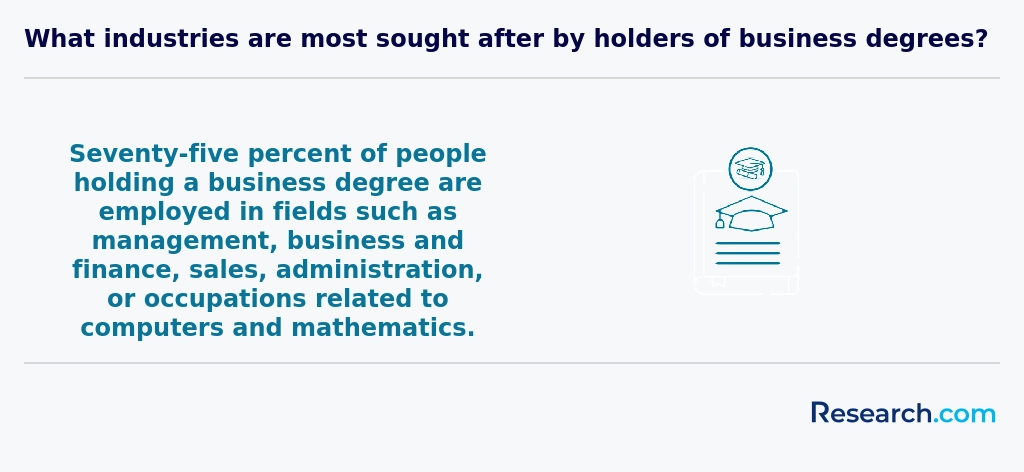
When considering a business degree program in Boulder, CO, one crucial aspect to evaluate is the affordability and the financial implications of pursuing such a degree. Understanding the costs involved and the potential return on investment can significantly influence a student's decision. For those looking to minimize expenses, exploring an affordable business school in Colorado can be a strategic move. It allows students to balance the quality of education with financial realities, ensuring that the degree program chosen aligns with both academic and career goals and financial situation. By weighing the costs against the benefits, including potential salaries and career advancement opportunities, students can make informed decisions about their educational investments. This consideration is vital for maximizing the value of a business degree in today's competitive job market.
Students pursuing a business degree in Boulder can access several practical financial aid options to ease tuition costs. Start by filling out the FAFSA to unlock federal aid like Pell Grants, which can provide up to $7,395 annually without repayment. Many business students at the University of Colorado Boulder have relied on Pell Grants to significantly reduce their out-of-pocket expenses.
Next, explore Colorado's College Opportunity Fund (COF), which offers about a $92 credit hour stipend for in-state students attending public universities like CU Boulder. This direct tuition reduction makes a real difference for residents and creates a manageable payment plan.
Local scholarships also add critical support. Graduates often speak of merit-based awards from the Leeds School of Business and community groups like the Boulder Chamber, which recognize leadership and academic achievements. These scholarships often feel like personalized encouragement that lifts both finances and confidence.
Finally, when loans become necessary, prioritize subsidized federal loans for lower interest rates and deferred payments during school. This approach helps maintain focus on studies rather than stressing over immediate repayment.
To enroll in a business degree program in Boulder, start by securing a high school diploma or GED-this is non-negotiable for undergraduate admission. Graduates from the University of Colorado Boulder often mention how submitting official transcripts with a solid GPA, ideally around 3.0 or higher, gave them a clear edge in the competitive application process.
While some Boulder schools still ask for SAT or ACT scores, many have shifted to test-optional policies, easing the path for applicants. For those eyeing graduate programs like an MBA, having a bachelor's degree from an accredited college plus strong GMAT or GRE scores is essential. This was a turning point for several successful local graduate students who balanced work with preparation.
Expect to complete prerequisite classes in math, economics, or English before starting. Also, leadership experience or relevant work can boost your profile-several current students credit this practical background for helping them stand out. Finally, don't underestimate the power of thoughtful recommendation letters and personal essays that clearly express your goals and motivation.
Boulder’s dynamic business scene is evolving rapidly, driven by emerging technologies and innovative practices. As companies increasingly leverage artificial intelligence, data analytics, and digital marketing, business graduates are well-positioned to tap into new career avenues. Staying updated with industry trends can empower students to adapt and excel in roles where strategic thinking meets technological prowess. In addition to traditional career paths, graduates are now exploring hybrid roles that blend technology with business strategy, such as digital transformation consultants and innovation managers. These evolving opportunities emphasize the importance of continuous learning and proactive professional development, including internships, networking events, and specialized certifications. For those mapping out their future, exploring what careers can i do with a business administration degree can be a great starting point to understand the shifting market demands and prepare for roles at the intersection of business and technology. This forward-thinking approach not only enhances career readiness but also ensures that graduates remain competitive in an ever-changing global business landscape.
You'll typically start your business degree in Boulder with core courses like Financial Accounting and Principles of Marketing that build a strong foundation. Graduates from the University of Colorado Boulder often recall how mastering Business Law early on helped them confidently navigate real-world contracts during internships.
Expect to dive into Organizational Behavior and Business Ethics, which teach teamwork and leadership essential for Boulder's collaborative startup culture. Many students appreciate how these courses sharpen communication skills-useful when pitching ideas or managing teams.
Microeconomics and Macroeconomics are staples too, giving you practical tools to analyze market trends and economic policies that impact Boulder's dynamic business environment. Data Analytics for Business is increasingly emphasized, reflecting the city's tech-driven economy; graduates highlight how this course prepared them for data-focused roles.
Electives like Entrepreneurship and Innovation connect you directly to Boulder's vibrant green and tech startup scenes, turning classroom projects into real ventures. Overall, these courses craft a well-rounded skill set tuned to local opportunities and national business demands.

Business degree specializations in Boulder typically include Entrepreneurship, Finance, Marketing, Management, Information Systems, and Sustainable Business. Graduates from Boulder's colleges often highlight how the Entrepreneurship track, supported by local startup hubs, gave them real-world skills to launch ventures. Those focusing on Finance benefit from proximity to Denver's financial district, gaining insights into investment analysis and corporate finance that were invaluable during internships.
Marketing students enjoy studying consumer behavior and digital strategies, prepping for careers in vibrant local industries. Management concentrations emphasize leadership and strategic planning, helping students from Boulder-based universities confidently step into roles that demand strong organizational skills. Information Systems bridges the gap between tech and business, a fitting choice given Boulder's tech growth.
Sustainable Business aligns well with Boulder's environmental ethos, appealing to students eager to integrate green strategies in corporate settings. When exploring concentration options, be sure to compare tuition costs; Colorado's in-state rates remain competitive. Also, consider supplementing your degree with resources like programs listed among the cheapest online criminal justice degrees for related support in public service career paths.
Start by verifying that the business school in Boulder, such as the University of Colorado Boulder's Leeds School of Business, holds AACSB accreditation. Graduates often praise this as a key factor giving them confidence in their degree's value. Then, focus on programs offering specializations that match your career goals, whether in entrepreneurship, finance, or sustainable business, which reflect Boulder's thriving industries.
Consider affordability since the average in-state tuition hovers around $9,350, but out-of-state students face higher costs. Many students weigh tuition alongside living expenses before committing to a program. Graduates emphasize the importance of strong local job placement and networking-Boulder's economy is rich with tech and renewable energy companies, giving real-world internship chances that boost confidence and employment odds.
Lastly, research faculty expertise. Learning from professors active in cutting-edge or sustainable business research enhances your classroom experience. Also, if you're a non-traditional applicant, check resources tailored for non-business students and MBA seekers. This pragmatic planning helps you identify the best business degree programs Boulder has to offer, balancing quality and practicality.
Graduates with a business degree in Boulder often find themselves stepping into vibrant roles that match the city's dynamic economy. For example, many from the University of Colorado Boulder move directly into positions such as financial analysts, where the thriving fintech sector offers practical and well-paying opportunities. This illustrates the strong business degree career opportunities Boulder presents.
Others land roles in marketing management, leveraging Boulder's expanding creative economy. These graduates often recount how hands-on projects during their coursework prepared them for managing digital campaigns effectively. The city also supports entrepreneurs, with startups flourishing thanks to ranking highly on entrepreneurship indexes - a great path for those eager to launch their own ventures.
Meanwhile, supply chain and human resources management positions remain steady options in Boulder. The Boulder business degree job prospects are enhanced by local internships and networking events organized by institutions like the Boulder Chamber of Commerce. For students exploring alternatives, business schools in ohio entrepreneurship programs offer additional models worth reviewing to frame their career planning.
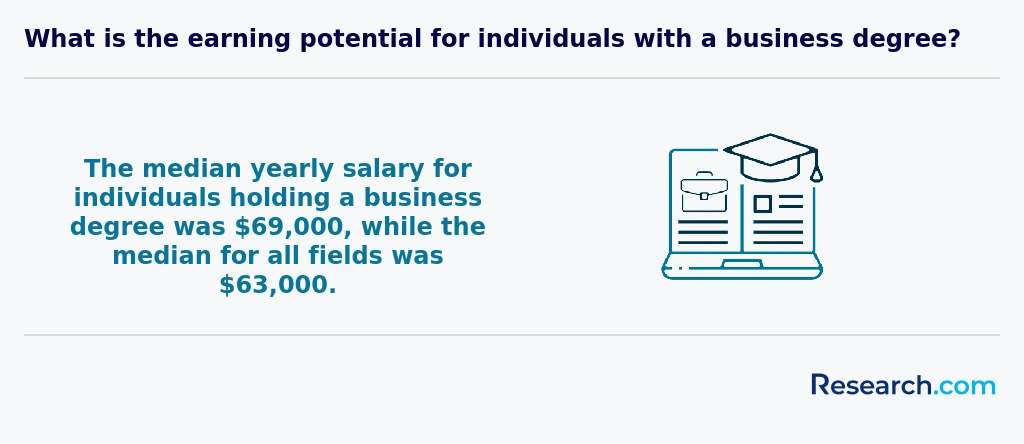
The job market for business degree graduates in Boulder is healthy and offers diverse opportunities across growing industries. Graduates from popular Boulder universities often find roles in technology startups, financial services, and clean energy firms, reflecting the city's dynamic economy. Their experience with skills like data analytics and digital marketing has been particularly valuable in securing positions. For those exploring business degree job opportunities in Boulder, it's encouraging to see local employers such as Google and IBM actively recruiting.
Starting salaries in the Denver-Boulder region typically range from $55,000 to $65,000, giving new graduates a solid foundation. Many find that gaining project management certifications or deepening expertise in finance opens doors to higher pay and leadership roles. Given Boulder's slightly higher cost of living, these salary levels help maintain a comfortable lifestyle for young professionals.
Students interested in pursuing a degree here should consider affordability options as well. Those looking for an affordable business school in Colorado can find competitive tuition rates without sacrificing quality. The Boulder business degree employment outlook aligns with steady regional growth driven by the city's entrepreneurial spirit and proximity to Denver's larger job market.
2027 Best Business Degree Programs Ranking in Boulder
Investing in your education is a significant decision that can shape your future, and the Research.com team understands the importance of making informed choices. To assist prospective students in Boulder, we have meticulously crafted the "2027 Best Business Degree Programs Ranking in Boulder." Our commitment to quality, credibility, and accuracy is reflected in the extensive research and analysis conducted to compile this ranking.
We utilized the following reputable data sources to ensure a comprehensive evaluation of business degree programs:
By exploring this ranking, readers will gain valuable insights into the best business degree programs available in Boulder, empowering them to make well-informed decisions about their educational and professional futures. For more details on how this ranking was developed, please visit our Research.com methodology page.

Frequently Asked Questions About business
Business degree students in Boulder can enhance their learning experience by engaging actively with local industries. Boulder's economy includes over 7,000 technology companies and startups, providing ample internship and networking opportunities, as reported by the Boulder Economic Council in 2023.
Students should also participate in hands-on projects and case competitions offered by universities such as the University of Colorado Boulder. These practical experiences help develop critical thinking and problem-solving skills valued by employers nationwide.
Additionally, taking advantage of guest lectures and seminars featuring Boulder's business leaders can deepen understanding of market trends and regional economic factors. Building connections through student organizations focused on entrepreneurship and sustainable business practices also strengthens skills relevant to Boulder's growing green economy.
Emerging niches within the business field reflect shifts in technology, sustainability, and data-driven decision-making. In Boulder, there is a growing demand for expertise in sustainable business practices, driven by the city's strong focus on environmental responsibility. According to the Boulder Office of Economic Development, green business sectors have expanded by over 12% annually in recent years.
Another key area is data analytics and business intelligence, where professionals leverage big data to optimize performance. Additionally, entrepreneurship and innovation hubs in Boulder emphasize tech startups, creating opportunities in venture funding and business incubation.
Finally, supply chain management is evolving due to global disruptions, increasing local interest in resilient logistics and operations.
Preparing for the job market after earning a business degree in Boulder involves combining academic knowledge with practical experience. Graduates should take advantage of internships offered by local companies; Boulder hosts numerous startups and established firms in technology, finance, and sustainability sectors. According to the Boulder Chamber of Commerce, these industries are growing steadily, increasing demand for fresh business talent.
Networking is essential. Attending events such as those organized by the Boulder Economic Council or university career fairs can connect students with potential employers. Additionally, developing strong communication and digital skills is key, as 72% of Boulder employers prioritize these in new hires, per recent regional surveys.
Finally, pursuing certifications in project management or data analytics can enhance employability, aligning with Boulder's expanding data-driven business environment.
Employers in Boulder prioritize several key skills when hiring business degree graduates. Critical thinking and problem-solving top the list, as these abilities enable graduates to navigate the dynamic and often complex local market. Communication skills, both written and verbal, are essential for effective teamwork and client relations in Boulder's diverse business environment.
Data literacy also gains importance, given Boulder's growing focus on tech startups and analytics-driven companies. According to the Boulder Economic Council, approximately 35% of businesses seek employees proficient in data analysis and digital tools. Additionally, leadership and adaptability are valued, especially since Boulder's business landscape rapidly evolves with trends in sustainability and innovation.
Finding internships in Boulder relevant to a business degree involves leveraging local resources and university connections. The Boulder Chamber of Commerce reports that the city hosts more than 60,000 jobs in sectors like technology, finance, and marketing, which offer ample internship opportunities.
Students should start by exploring campus career centers, as the University of Colorado Boulder and Naropa University maintain partnerships with local companies. These centers often provide internship listings, resume workshops, and networking events tailored for business students.
Additionally, job platforms like Handshake and LinkedIn feature Boulder-based business internships. Engaging with local networking groups, such as Boulder Startup Week or the Boulder Small Business Development Center, can also increase chances of securing practical experience.
Obtaining a business degree in Boulder significantly enhances career mobility and advancement opportunities. The city's growing economy, driven by sectors like technology, aerospace, and renewable energy, demands skilled business professionals. According to the Boulder Chamber, business-related occupations are expected to grow by over 10% between 2020 and 2030, outpacing national averages.
A business degree provides essential skills in management, finance, and marketing, which local employers highly value. Graduates often access better job prospects and higher starting salaries, with an average increase of 20% compared to non-degree holders, based on a University of Colorado Boulder study.
Furthermore, Boulder's strong network of startups and established companies creates pathways for career advancement through internships and partnerships tied to university programs, facilitating real-world experience that is critical for promotion and leadership roles.
Studying for a business degree in Boulder equips students with interdisciplinary skills essential for today's complex job market. Boulder's educational institutions emphasize collaboration between business, technology, and environmental disciplines, reflecting the city's strength in innovation and sustainability sectors. For example, the University of Colorado Boulder offers programs integrating entrepreneurship, data analytics, and social sciences, preparing graduates to address multifaceted challenges.
Local businesses in Boulder increasingly seek professionals who can navigate finance, tech, and environmental issues simultaneously. According to the Boulder Economic Council, nearly 40% of startups here focus on tech-enabled solutions requiring broad expertise. This environment enables business students to gain practical interdisciplinary experience through internships and community projects, enhancing their adaptability and problem-solving in diverse roles.
Choosing between a thesis and a non-thesis business degree program in Boulder depends on your career goals and learning preferences. Thesis programs typically require original research, which can be valuable if you plan to pursue a PhD or roles in research and development. Non-thesis programs focus more on practical skills through coursework and internships, often attracting professionals aiming to advance in management or entrepreneurship.
In Boulder, where startups and tech firms thrive, non-thesis options offer applied knowledge aligned with local industry demands. Data from the Boulder Chamber highlights a 15% job growth in business services, favoring hands-on experience.
Consider faculty expertise and available resources to support your choice, as well as whether you prefer writing a lengthy research document or engaging directly with business practice.
Students in Boulder seeking to study business abroad have multiple pathways through local universities offering exchange programs and dual-degree options. The University of Colorado Boulder's Leeds School of Business, for example, partners with institutions worldwide, enabling students to spend a semester or year abroad in countries like Spain, Australia, and China. According to CU Boulder's study abroad office, about 15% of Leeds business students participate in international programs annually.
These opportunities allow students to gain global business perspectives, which is crucial given Boulder's expanding international tech and startup scene. Additionally, local community colleges often collaborate with abroad institutions to provide affordable study abroad options for business-related courses. These programs help Boulder students combine academic learning with cultural immersion, enhancing career prospects in an increasingly globalized economy.
Students pursuing business degrees in Boulder have diverse part-time job options that enhance practical skills alongside academic knowledge. Retail management positions at local stores help develop customer service and inventory skills, essential for business operations. Boulder's growing tech startups also offer internships and part-time roles in marketing, data analysis, and project coordination, providing hands-on experience in dynamic environments.
Financial service roles at local banks or credit unions are frequently available and teach budgeting, financial planning, and client relationship management. According to the Boulder Chamber of Commerce, small businesses dominate the local economy, which creates opportunities for students to engage in entrepreneurship and business development through part-time consulting or assistant roles. These experiences enrich resumes and foster professional networking within the Boulder business community.
Boulder offers robust networking opportunities for business students, largely due to its dynamic local economy and strong university-community ties. The University of Colorado Boulder's Leeds School of Business hosts numerous networking events, connecting students with over 100 local companies and startups.
Additionally, Boulder's thriving entrepreneurial scene fosters collaboration through organizations like the Boulder Economic Council and the Boulder Chamber, providing workshops, mentorship, and industry meetups. According to the Boulder Chamber, more than 7,000 businesses operate in the city, many eager to engage with emerging talent.
Students also benefit from internship programs that link academic learning with real-world experience, boosting professional connections vital for career development in competitive markets.
Alumni networks provide significant benefits to business degree students in Boulder by offering access to professional contacts and mentorship opportunities. Graduates from Boulder's top universities, such as the University of Colorado Boulder, often remain engaged with their alma mater, creating a supportive community for current students. According to the University of Colorado Leeds School of Business, over 30,000 alumni contribute to networking events and career workshops, which enhance job placement rates.
These connections can lead to internships and job opportunities in Boulder's growing sectors like technology, consulting, and finance. Furthermore, many alumni participate in guest lectures, helping students gain insights into real-world business challenges. Access to such a network can improve students' career prospects considerably.
Customizing a business degree program in Boulder allows students to align their education with specific career goals. Many institutions offer flexible curricula, enabling learners to choose concentrations such as finance, marketing, or entrepreneurship. Elective courses tailored to emerging industries, like tech startups or sustainable business, reflect Boulder's local economy. Internships and cooperative education opportunities within Boulder companies provide practical experience and networking advantages. According to the University of Colorado Boulder, nearly 40% of business undergraduates select a specialization to enhance their job readiness. Additionally, Boulder's proximity to a thriving startup ecosystem supports projects and case studies relevant to local and national markets.
Business students in Boulder often face a range of academic and practical challenges during their studies. One common issue is the competitive nature of internships and job placements in the local market, where demand exceeds available opportunities, particularly in industries like tech and sustainability sectors. According to the Boulder Chamber of Commerce, internship availability has slightly tightened in recent years due to economic fluctuations. Additionally, balancing rigorous coursework with networking and professional development demands can be difficult for many students.
Another challenge involves managing rising tuition and living costs, which have increased faster than average inflation, adding financial pressure. Students must also adapt to evolving business technologies and digital tools critical in Boulder's innovation-driven economy.
With a business degree in Boulder, you can pursue various professional certifications that enhance your career prospects. Common certifications include the Certified Public Accountant (CPA) for those interested in accounting and finance. The CPA credential is highly regarded nationwide, including Colorado's growing financial sector. Another popular choice is the Project Management Professional (PMP), which is valuable for managing complex projects in Boulder's expanding tech and service industries.
The Certified Management Accountant (CMA) offers specialized skills in financial analysis and strategic management. Additionally, the Chartered Financial Analyst (CFA) is suited for careers in investment and portfolio management. These certifications typically require passing exams and relevant work experience.
To write a winning application for a business program in Boulder, start with a clear, well-structured personal statement. Highlight your career goals and explain why a Boulder-based program fits your ambitions. Admissions committees in Boulder, home to leading business schools like the Leeds School of Business at the University of Colorado, value evidence of leadership and community involvement.
Include specific examples demonstrating your analytical skills and teamwork experience. Academic records should showcase strong quantitative abilities, as business curricula emphasize finance, economics, and data analysis. According to NCES data, Boulder business programs often look for applicants with a GPA above 3.2.
Lastly, tailor your resume to feature internships or jobs related to business, showing practical experience that complements your academic background.
A business career today is increasingly shaped by global perspectives, reflecting the interconnected nature of the economy. Graduates with business degrees in Boulder benefit from the city's growing role as a hub for international startups and technology firms. According to the Boulder Economic Council, over 130 global companies have a presence in the area, highlighting diverse career opportunities for graduates.
The U.S. higher education system encourages students to develop skills like cross-cultural communication and international market analysis. These competencies are vital as 70% of U.S. businesses with global operations report challenges tied to cultural differences, per the U.S. Chamber of Commerce.
Understanding global business trends also helps Boulder students leverage networks beyond local markets, enhancing their competitiveness. Many Boulder business programs incorporate international case studies and exchange opportunities to prepare students for this global landscape.
Gaining practical experience while studying for a business degree in Boulder can significantly enhance your career prospects. Many Boulder institutions encourage internships with local businesses, including startups and established companies in sectors like technology, outdoor products, and finance. These internships provide hands-on learning and networking opportunities. According to the Boulder Chamber of Commerce, over 8,000 businesses operate locally, creating numerous internship possibilities for students.
Additionally, students can participate in cooperative education programs (co-ops) that integrate classroom studies with paid work experience. Many universities also offer access to business plan competitions and consulting projects with real clients, helping students apply theoretical knowledge to practical challenges.
Choosing the right concentration within a business degree program in Boulder depends on your career goals and local market trends. Boulder hosts a growing tech and entrepreneurial scene, making concentrations like entrepreneurship, management information systems, and marketing particularly relevant. According to the Boulder Chamber of Commerce, industries such as tech, aerospace, and outdoor recreation are key employers, which may guide your choice.
Consider the curriculum offered by Boulder-area schools to find concentrations that align with in-demand skills. Also, assess internship and networking opportunities available locally, as these enhance practical experience.
Finally, reflect on your strengths and interests to select a concentration that offers both personal satisfaction and strong job prospects in Boulder's dynamic economy.
- 2027 Best Business Degree Programs Ranking in Denver
- 2027 Best Business Degree Programs Ranking in Salt Lake City
- 2027 Best Business Degree Programs Ranking in Wichita
- 2027 Best Business Degree Programs Ranking in Lubbock
- 2027 Best Business Degree Programs Ranking in Kansas City
- 2027 Best Business Degree Programs Ranking in El Paso
- 2027 Best Business Degree Programs Ranking in Tempe
- 2027 Best Business Degree Programs Ranking in Phoenix
- 2027 Best Business Degree Programs Ranking in Abilene
- 2027 Best Business Degree Programs Ranking in Denton
See What Experts Have To Say About Studying Business
Read our interview with Business experts

David Souder
Business Expert
Senior Associate Dean for Faculty and Research
Michigan State University


Ingrid S. Greene
Business Expert
Clinical Assistant Professor of Management
Loyola Marymount University

- Bringing global perspectives to leadership in business https://www.eaie.org/resource/global-perspectives-leadership-business.html
- Online and Traditional Business Degrees Comparison | Free Essay Example https://studycorgi.com/online-and-traditional-business-degrees-comparison/
- How to Write a Statement of Purpose for Business School https://www.statementswritingservices.com/blog/how-to-write-a-statement-of-purpose-for-business-school.html
- Enterprise project challenge https://barclayslifeskills.com/help-others/lessons/enterprise-project-challenge/
- CU Boulder’s ESG and Sustainability MBA Pathway Prepares Future Business Leaders | Insight Into Academia https://insightintoacademia.com/cu-boulders-esg-and-sustainability-mba-pathway-prepares-future-business-leaders/
- The Seven Biggest Challenges Faced by Student Entrepreneurs https://venturewell.org/blog/five-biggest-challenges/
- Business Transfer Major, AA https://www.arapahoe.edu/academics-programs/catalog/degrees-certificates/2017-2018/business-transfer-major-aa
- Networking Tips for Business Students and MBA Candidates - Cyprus West University https://www.cwu.edu.tr/networking-tips-for-business-students-and-mba-candidates/
- University of Colorado Boulder Tuition and Financial Aid https://www.prepscholar.com/sat/s/colleges/University-of-Colorado-Boulder-tuition-financial-aid
- Top 10 Emerging Business Niches of 2026 & How to Plan for Them https://prometai.app/blog/emerging-niches-business-planning