
2027 Most Valuable Accounting Degree Programs Ranking in Lynchburg

Co-Founder and Chief Data Scientist
Choosing the right accounting degree program can shape your future career and open doors to exciting opportunities. This article presents the 2027 Most Valuable Accounting Degree Programs Ranking in Lynchburg, created by the Research.com team of data scientists. It's designed to help you make an informed decision based on data-driven insights.
By exploring this ranking, you'll discover which programs offer the best value and can set you up for success. Earning an accounting degree is a rewarding step toward professional growth and financial stability, making your journey worthwhile.
Key benefits of getting accounting degree in Lynchburg
- Salary: Graduates with an accounting degree in Lynchburg can expect rewarding salaries such as $90,780 annually for staff accountants and about $49,580 for roles like bookkeepers and tax preparers, reflecting strong earning potential in the field.
- Career Paths: With an accounting degree, graduates from Lynchburg colleges often pursue diverse roles including auditing, bookkeeping, and tax preparation, showcasing flexible and promising career opportunities.
- Online Degree Benefits: Earning an accounting degree online from Lynchburg institutions offers greater flexibility and convenience, empowering students to balance work and study effectively while accessing quality education.
- 2027 Most Valuable Accounting Degree Programs Ranking in Lynchburg
- What can I expect from accounting degree in Lynchburg?
- Where can I work with accounting degree in Lynchburg?
What can I expect from accounting degree in Lynchburg?
The average cost of earning an accounting degree in Lynchburg varies depending on the institution and enrollment status, but students typically budget between $10,000 and $25,000 per year. For example, graduates from Liberty University have found tuition rates on the higher end due to its comprehensive Bachelor of Science in Accounting program that includes the 150-credit hour requirement for CPA eligibility.
Community colleges like Central Virginia Community College offer more affordable options, especially for those starting at the associate degree or transferring later, with annual costs closer to $10,000. Many students balance these expenses with scholarships, financial aid, or part-time work, helping to manage costs while gaining solid practical experience through internships offered locally.
Graduates often recall how investing in programs that integrate technology like QuickBooks and Excel, as well as hands-on internships, gave them confidence for well-paying roles in Lynchburg's growing accounting job market. Early planning for these costs, combined with the strong local employer demand, makes pursuing an accounting degree here a smart financial and professional choice.
Where can I work with accounting degree in Lynchburg?
Graduates from accounting programs at Lynchburg College often find multiple local job opportunities across diverse sectors. Many begin their careers in public accounting firms, handling auditing and tax services for small Lynchburg businesses and nonprofits. This hands-on experience builds credentials like CPA licensure, which opens doors to higher roles in the city's finance sector.
Others secure roles within Lynchburg's robust manufacturing and distribution industries, working with companies such as Century Furniture. These positions often focus on cost management and internal auditing-key skills that graduates sharpen through internships or cooperative education programs tied to their college curriculum.
Nonprofits and educational institutions, including Centra Health and local universities, also hire accounting graduates to manage budgets and audits. Many alumni find satisfaction working here, appreciating the stable environment and meaningful community impact their work supports.
Finally, city and county government positions in financial oversight and budgeting provide practical paths with strong job security. Graduates familiar with accounting software from their studies often transition smoothly into emerging tech-related accounting roles in Lynchburg's evolving economy.
Graduates with an accounting degree in Lynchburg can expect practical earning opportunities right after completing their studies at institutions like Liberty University or Randolph College. Entry-level positions such as Staff Accountant offer a mean annual wage around $90,780, providing a strong start compared to typical local salaries.
For those considering roles like Bookkeeper, Tax Preparer, or Associate Auditor, the mean annual wage is roughly $49,580. These positions often serve as valuable stepping stones, helping recent graduates build experience while earning a reliable income.
Several graduates have reported that internships and entry roles in Lynchburg companies not only offer competitive pay but also open doors to certifications like CPA, boosting salary potential later. The city's balanced job market enables many to begin with mid-$50,000 salaries, progressing to $70,000 or more with experience.
Choosing local education means less commute stress and affordable living, making even moderate salaries afford a comfortable lifestyle in Lynchburg's community-focused environment.
- Accounting degrees in Lynchburg are available at associate's, bachelor's, and master's levels.
- The cost for a bachelor's degree ranges from $20,000 to $45,000 per year, with public schools typically cheaper for in-state students.
- Starting salaries for accounting graduates in Lynchburg are around $55,000 to $60,000 annually, increasing to $70,000-$85,000 with experience and certifications like the CPA.
- The local job market for accountants is stable, with moderate growth expected through 2030 across sectors such as manufacturing, healthcare, education, and finance.
- Internship opportunities are widely available in Lynchburg, helping students gain practical experience and improve employability after graduation.
If you're aiming for an accounting degree in Lynchburg, expect about two years for an associate degree, which is ideal if you want to jump quickly into bookkeeping or assistant roles. Graduates from local community colleges often mention how this route gave them a fast, practical start without overwhelming their schedules.
Planning for a bachelor's degree? Full-time students at Lynchburg's universities typically spend four years completing core courses in accounting principles, auditing, and taxation. Many graduates appreciate this timeframe because it balances a solid education with reasonable living costs. If you need to work or manage family commitments, going part-time can stretch this to five or six years, making it a manageable journey rather than a sprint.
Those pursuing advanced degrees, like a master's in accounting or an MBA with accounting focus, usually add one to two years. Many local graduates choose this option to meet CPA exam requirements and boost career prospects, knowing the extra time pays off professionally in Lynchburg's competitive job market.
Earning an accounting degree in Lynchburg, VA is just the first step toward a successful career; obtaining professional certifications and licensure can significantly boost your credibility and earning potential. The most sought-after credentials include the Certified Public Accountant (CPA), Certified Management Accountant (CMA), and Certified Internal Auditor (CIA). The CPA license is regulated by the Virginia Board of Accountancy and requires candidates to complete 150 semester hours of college education, including a bachelor’s degree in accounting or a related field. Applicants must pass all four sections of the Uniform CPA Examination, gain at least one year of supervised accounting experience, and adhere to Virginia’s ethical standards. Virginia-specific audit and ethics exams may also apply. Many graduates enhance their preparation by enrolling in accounting degree online fast review courses that offer flexible schedules and targeted CPA exam prep. For those interested in management accounting, the CMA credential from the Institute of Management Accountants demands a bachelor’s degree, two years of professional experience in management accounting or financial management, and successful completion of a two-part exam covering financial planning, analysis, control, decision support, and professional ethics. The CMA designation is recognized globally and positions candidates for leadership roles in corporate finance. Internal auditors can pursue the CIA designation through the Institute of Internal Auditors. Eligibility requires a related bachelor’s degree, at least 24 months of internal auditing experience (12 months for master’s degree holders), and passing a three-part examination focusing on internal audit basics, practice, and knowledge elements. Earning the CIA credential demonstrates expertise in risk management, governance, and internal control processes. Maintaining these credentials involves fulfilling continuing professional education (CPE) requirements. CPAs in Virginia must complete 16 hours of CPE annually, including at least two hours in ethics, while CMAs and CIAs must complete 30 and 40 hours of CPE each year, respectively. Leveraging on-campus workshops and online platforms ensures you stay current with evolving accounting standards, tax laws, and industry best practices.
Lynchburg students choosing an accounting degree face a practical choice between on-campus and online formats. On-campus programs, like those at Lynchburg College, offer direct interaction with professors and peers, creating a dynamic environment for tackling complex topics like auditing and taxation. Graduates often mention the value of face-to-face group projects and instant feedback during class discussions, which helps clarify challenging concepts quickly.
Conversely, online accounting degrees in Lynchburg provide flexibility that suits working adults or parents juggling busy schedules. Learners can watch recorded lectures at their own pace and complete assignments late at night if needed. Graduates appreciate this freedom, sharing how it allowed them to maintain steady jobs while earning their degree without commuting.
Financially, on-campus tuition is generally comparable to national averages-around $10,000 yearly-but online courses might be less costly overall due to savings on housing and transport. Lynchburg students should weigh the convenience of online access against the established career connections and internships offered more readily on campus, especially through local employer partnerships. Deciding hinges on individual schedules, budget, and preferred learning style.
The average cost of an accounting degree in Lynchburg typically falls between the median in-state total cost of around $22,465 and a median out-of-state total cost closer to $35,931. Many students attending local private universities, known for solid accounting programs, find that tuition and fees alone can reach near the higher end of this range. Graduates often recall balancing these costs by taking advantage of scholarships and part-time work, helping to ease the financial pressure while gaining valuable experience.
For those considering public community colleges or state universities near Lynchburg, the total tuition and fees for accounting programs Lynchburg are generally more affordable, with in-state prices significantly lower than private options. Students pursuing associate degrees or foundational courses there report feeling reassured by this manageable price point, especially as it allows them to build credits before transferring to a four-year university if desired.
Program length and delivery format also play crucial roles in managing expenses. Some graduates describe choosing accelerated or online programs that fit their schedules and reduce costs, shaving months or even years off their studies. Planning ahead for extra costs, such as CPA exam prep, is also common advice. Those interested in flexible business education pathways might explore resources like Ohio online MBA reviews to compare options beyond accounting, expanding their skill set and career potential.
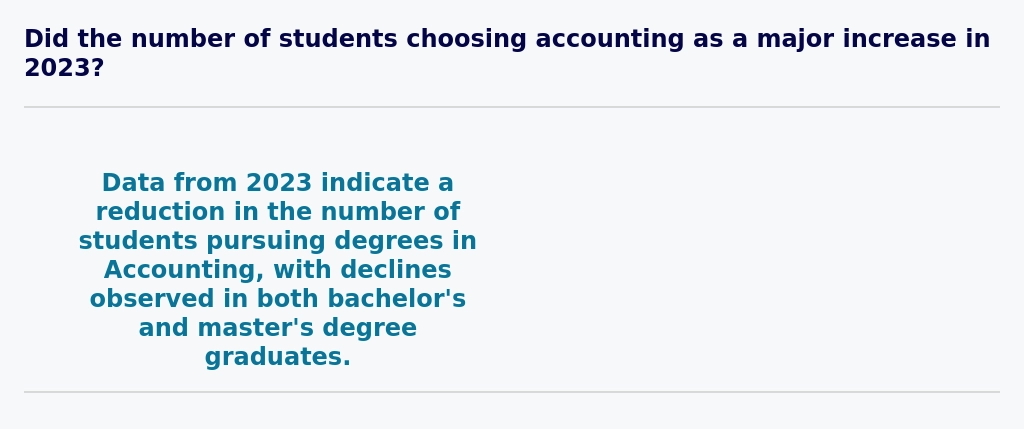
The accounting field is rapidly evolving, influenced by technological advancements, regulatory changes, and emerging specializations that open new opportunities for graduates. Today’s professionals are witnessing a shift towards integrated financial technologies such as blockchain, AI-driven analytics, and comprehensive cloud-based accounting software that streamline processes and enhance data security. These innovations not only improve operational efficiency but also redefine the skill sets required for modern accounting roles. A notable trend is the growing prominence of forensic accounting, driven by increasing financial fraud and complexities in regulatory compliance. For insights into this dynamic segment, explore is forensic accounting a growing field. This specialization is becoming indispensable as companies and government entities demand greater transparency and accountability, creating a surge in job opportunities for experts in detecting and preventing financial discrepancies. Additionally, remote work and virtual collaboration tools have transformed workplace dynamics, enabling firms to source talent beyond geographical limitations. As the industry continues to adapt, aspiring accountants need to stay updated with emerging trends through continuous learning, certifications, and professional development programs. Embracing these changes will not only enhance career readiness but also position graduates to play a pivotal role in shaping the future of accounting.
Students pursuing accounting degrees at Lynchburg College or the University of Lynchburg often rely on multiple financial aid sources to make their education affordable. First, completing the FAFSA is essential, as it unlocks access to federal aid like Pell Grants and Direct Loans. For example, a recent graduate used a Pell Grant to cover part of their tuition, easing financial stress during the final year.
State aid, such as Virginia's Tuition Assistance Grant (VTAG), is crucial for students attending private Lynchburg institutions. Local scholarships offered by community organizations provide additional support and can sometimes cover unexpected expenses.
Many accounting students have benefited from merit-based scholarships tied to academic performance or leadership. One student recalled how a Lynchburg College Accounting Scholarship helped reduce their costs by thousands annually, making it possible to focus more on studies than finances.
Employer tuition reimbursement is a smart option for those already working in the field, enabling them to gain real-world experience while earning a degree without overwhelming debt.
National professional scholarships, like those from the AICPA, also offer valuable opportunities but require early application due to competitive funding.
Obtaining industry-recognized certifications is a critical step for accounting graduates seeking to distinguish themselves in Lynchburg’s competitive job market. The Certified Public Accountant (CPA) credential remains the gold standard, requiring candidates to complete 150 semester hours of education, pass a four-part Uniform CPA Exam, and fulfill Virginia’s Board of Accountancy experience requirements. Many graduates report that enrolling in CPA review courses shortly after graduation-often offered through local providers-boosts their pass rates and accelerates career advancement. Beyond the CPA, specialized designations such as the Certified Management Accountant (CMA) and Certified Internal Auditor (CIA) offer targeted pathways for roles in corporate finance and auditing. The CMA, administered by the Institute of Management Accountants (IMA), focuses on financial planning, analysis, and control, while the CIA, overseen by The Institute of Internal Auditors (IIA), emphasizes internal audit practices and risk assessment. Both require passing rigorous exams and meeting professional experience criteria, but yield salary premiums averaging 10–15% over non-certified peers. For students concerned about program costs, it’s wise to compare tuition and certification prep expenses. Prospective candidates can review our Low Cost Accounting Degree Programs Ranking in Jackson, MS to identify affordable options and scholarship opportunities to fund exam fees. Additionally, local accounting firms often sponsor promising candidates, offering paid study leave and reimbursement upon successful certification. By strategically planning education and licensure-pairing an accredited accounting degree with targeted certifications-graduates in Lynchburg, VA, can unlock higher compensation, greater job security, and a clearer trajectory toward leadership roles in public accounting, corporate finance, and beyond.
To enroll in an accounting degree program in Lynchburg, you'll first need a high school diploma or GED with strong skills in math and English. Graduates from Lynchburg's popular colleges share how mastering algebra and statistics early on really eased their transition into accounting classes. Aim for a GPA around 2.5 to 3.0, as schools here often require this minimum to demonstrate readiness.
Most Lynchburg institutions also expect SAT or ACT scores, although some have test-optional policies now. One graduate mentioned that focusing on these exams helped sharpen their analytical thinking, which proved invaluable later in coursework.
If you're targeting a graduate accounting program in Lynchburg, be prepared with a bachelor's degree. It doesn't have to be in accounting but having prior coursework in business or economics is recommended. Several alumni found that work experience or certifications boosted their applications, especially when aiming to pass the CPA exam.
Finally, keep tuition costs in mind-public schools average about $14,000 yearly, while private colleges can exceed $30,000. Exploring financial aid options early made a big difference for many successful students here.

The decision to pursue an accounting degree in Lynchburg, VA, is a significant investment in one's future, and understanding the value of such programs is crucial for prospective students. When considering the return on investment, it's essential to look at factors such as job market demand, salary potential, and the overall quality of education provided by local institutions. For those interested in exploring the best options, researching valuable accounting programs in Virginia can offer valuable insights into which programs are highly regarded and why. By examining these factors and program rankings, students can make informed decisions about their educational paths, ensuring they choose a program that not only provides a solid foundation in accounting principles but also offers a clear pathway to a successful and fulfilling career.
Students pursuing an accounting degree in Lynchburg can expect a solid foundation in core courses like financial accounting, managerial accounting, and intermediate accounting. These classes teach essential skills such as analyzing financial statements and managing budgets-critical knowledge that graduates from local colleges often describe as directly applicable when they stepped into their first internships.
Beyond the basics, Lynchburg programs include practical courses such as taxation, which covers federal and state tax rules, and auditing, where students learn to verify financial records-skills that many graduates say gave them confidence during CPA exam preparation. Accounting information systems classes show how technology streamlines accounting tasks, while business law courses help students understand the legal contexts behind financial decisions.
Ethics in accounting is also emphasized, preparing students to make responsible choices in real-world situations, a topic frequently praised by alumni who appreciated its relevance to daily work challenges. Complementary subjects like finance, economics, and statistics are included too, ensuring graduates from institutions in Lynchburg have a comprehensive grasp of the business environment.

Accounting degree specializations in Lynchburg typically include public accounting, managerial or management accounting, tax accounting, and forensic accounting. Graduates from popular Lynchburg colleges often share how the public accounting track prepared them for CPA certification, opening doors to auditing and tax consulting roles with competitive salaries above $70,000. Managerial accounting students frequently highlight real-world projects that sharpen budgeting and cost management skills vital for corporate finance jobs, reflecting strong national growth predictions.
Those pursuing tax accounting gain deep insight into federal and Virginia tax codes, essential for careers in local government or tax firms. The accessible tuition rates between $10,000 and $20,000 annually make this specialization a practical choice. Forensic accounting students appreciate how investigative coursework equips them to identify fraud, a growing niche with median salaries around $75,000. Prospective students should compare offerings at Lynchburg institutions, review course catalogs, and seek advising to tailor their path effectively.
For a broader career outlook, students might consider whether is it worth earning an MBA as a non-business student, which can enhance leadership opportunities beyond specialized accounting roles. Choosing the right concentration within the best accounting concentrations Lynchburg programs really depends on how you want to apply your skills in the finance sector.
Start by confirming that the accounting degree programs in Lynchburg are accredited by reputable bodies like AACSB, which ensures a strong curriculum and better exam preparation. Graduates from Liberty University and Lynchburg College often praise the practical focus and access to instructors who've navigated the CPA process themselves, making your learning feel relevant and achievable. When comparing affordable accounting colleges Lynchburg VA offers, weigh tuition costs against what you get in internship opportunities or business partnerships-many students share how local firm internships led directly to job offers.
Examine the course specifics to make sure they include core subjects like auditing and taxation, plus specializations that suit your interests, such as forensic accounting. Practical experience is key; talk to alumni about how their hands-on work shaped their confidence. You might also explore programs with connections to fields like healthcare management; some students supplement their accounting studies with a healthcare strategy MBA online to broaden their career paths.

Accounting graduates in Lynchburg have distinct career paths that reflect the city's diverse economy. Many find roles as Certified Public Accountants (CPAs), serving small to medium-sized businesses or local non-profits, leveraging knowledge gained at Lynchburg's prominent institutions. Graduates often share how earning CPA licensure opens doors to auditing and tax advising that feel both challenging and rewarding.
Financial Analyst and Management Accountant positions appeal to those who prefer analyzing data or budgeting within manufacturing and service sectors common to Lynchburg's market. Local colleges prepare students for these roles by pairing theory with practical internships, enhancing their job readiness. Government Accounting is another practical path, integrating accounting skills with public service in city or state agencies, where graduates appreciate the stability and impact of their work.
For students intrigued by specialized fields, following an internal auditor career development can lead into forensic accounting, a growing role focusing on fraud investigation. These real-life career options highlight the robust opportunities available for accounting jobs in Lynchburg.
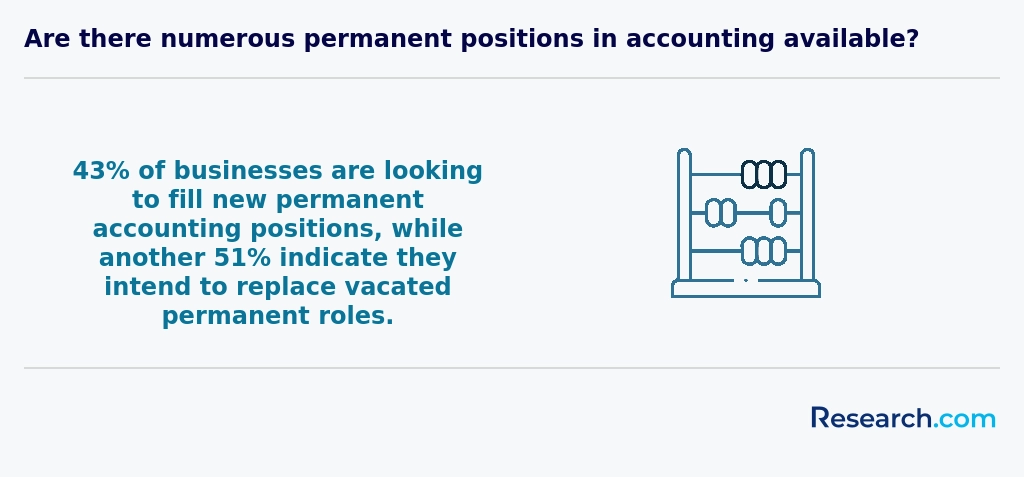
The job market for accounting degree holders in Lynchburg remains steady, with local employers actively seeking candidates who combine strong technical skills and an understanding of the area's diverse economy. Graduates from Lynchburg's popular universities often find opportunities in sectors like healthcare, manufacturing, and education, where accounting roles are vital for budgeting, auditing, and financial reporting. Many graduates appreciate how mastering software like QuickBooks and Excel enhances their attractiveness to employers.
Those pursuing accounting degree job opportunities Lynchburg benefit by gaining credentials recognized statewide, particularly the Certified Public Accountant (CPA) certification, which opens doors to higher earning potential and specialized roles. Numerous small businesses in Lynchburg rely on skilled accountants to handle compliance and strategic financial choices, offering practical work environments close to campus.
One practical tip from recent accounting graduates involves gaining familiarity with procurement contract management responsibilities to further increase versatility and employability. This approach aligns well with Lynchburg accounting job market outlook, where combining accounting knowledge with related administrative skills often leads to faster career advancement.
2027 Most Valuable Accounting Degree Programs Ranking in Lynchburg
Investing in your education is a significant decision that can shape your future, and the Research.com team understands the importance of making informed choices. To assist prospective students in Lynchburg, we have meticulously crafted the "2027 Most Valuable Accounting Degree Programs Ranking in Lynchburg." Our commitment to quality, credibility, and accuracy is reflected in the extensive research and analysis conducted to compile this ranking.
We utilized the following reputable data sources to ensure a comprehensive evaluation of accounting programs:
By exploring this ranking, readers will gain valuable insights into the most valuable accounting degree programs available in Lynchburg, empowering them to make well-informed decisions about their educational and career paths. For more details on our methodology, please visit our Research.com methodology page.


Frequently Asked Questions About accounting
Accounting degree students in Lynchburg can enhance their learning experience by actively engaging with local internship opportunities. Lynchburg's business community, including firms in finance and manufacturing sectors, offers valuable real-world experience that complements classroom knowledge. According to the Lynchburg Regional Business Alliance, internships increase graduate employability by over 40% in the region.
Students should also utilize resources at nearby colleges, such as tutoring centers and accounting clubs. Participating in networking events, like those hosted by the Lynchburg Chamber of Commerce, can connect students with professionals working in accounting and finance.
Enrolling in courses aligned with CPA exam requirements can further prepare students for certification, boosting career prospects in Lynchburg's competitive job market.
The accounting field in Lynchburg is evolving with several emerging niches gaining prominence. One notable area is forensic accounting, which involves investigating financial fraud and disputes. With increasing corporate regulations, demand for forensic accountants is growing steadily nationwide, including in Lynchburg, where local businesses seek experts to ensure transparency.
Another fast-growing niche is environmental accounting. This specialty helps organizations assess and manage costs related to sustainability and regulatory compliance, reflecting broader trends in corporate responsibility.
Additionally, technology-driven roles like data analytics and cybersecurity within accounting are becoming essential. Lynchburg's accounting graduates who develop skills in these areas can expect enhanced job prospects, as firms increasingly rely on advanced software and secure financial data handling.
Preparing for the job market after completing an accounting degree in Lynchburg requires strategic steps focused on both education and practical experience. Graduates should prioritize obtaining internships with local firms, including midsize companies found in Lynchburg's growing business sectors. According to the U.S. Bureau of Labor Statistics, accountants in Virginia earn a median annual wage of approximately $73,000, highlighting the importance of competitive experience.
Networking is essential; attending events hosted by the Lynchburg Regional Business Alliance or joining chapters of organizations like the American Institute of CPAs (AICPA) can offer valuable connections. Additionally, pursuing CPA certification enhances employability and typically leads to higher salaries. Developing strong proficiency in accounting software commonly used in the region, such as QuickBooks and Sage Intacct, is also advisable.
Employers in Lynchburg prioritize strong technical skills in accounting graduates, including proficiency in software like QuickBooks, Excel, and ERP systems. According to the Lynchburg Regional Economic Development report (2023), over 70% of accounting job listings require advanced data analysis and familiarity with accounting standards such as GAAP.
In addition to technical expertise, communication skills rank highly. Accountants must clearly explain financial information to clients and colleagues without accounting backgrounds. The Virginia Employment Commission highlights that teamwork and ethical judgment are crucial in Lynchburg's finance sector.
Problem-solving ability, attention to detail, and time management are also key competencies employers seek in recent accounting graduates, reflecting national trends outlined by the AICPA.
Finding accounting internships in Lynchburg involves several practical steps tailored to local opportunities. Start by exploring whether your college or university, such as the University of Lynchburg, offers internship placement services. Many institutions have partnerships with regional accounting firms and businesses seeking interns.
Networking locally is crucial. Attend events hosted by chapters of professional bodies like the American Institute of CPAs (AICPA) or the Lynchburg Chamber of Commerce. These organizations often share job boards and internship openings relevant to accounting students.
Additionally, utilizing online job platforms like Handshake and LinkedIn filtered by Lynchburg location can reveal internships specifically in accounting. Some CPA firms in Lynchburg report hiring up to 20% of their staff initially as interns, enhancing chances of full-time employment.
An accounting degree in Lynchburg significantly enhances career mobility and advancement opportunities. According to the U.S. Bureau of Labor Statistics, accountants in Virginia experience a steady job growth of about 8% through 2031, reflecting strong demand. Locally, Lynchburg's growing business sector, including finance, manufacturing, and nonprofit organizations, actively seeks qualified accountants, making the degree a valuable asset for job seekers.
Graduates with this degree can advance into roles such as financial analysts, auditors, or controllers with competitive salaries. Holding a degree also facilitates obtaining certifications like the CPA, which further boosts career prospects and earning potential in Lynchburg's job market.
Studying for an accounting degree in Lynchburg provides a solid foundation for interdisciplinary roles by integrating core accounting principles with courses in finance, management, and information technology. Many local programs emphasize practical skills such as data analytics and business communication, which are crucial for collaboration across departments.
According to recent curriculum outlines from Lynchburg-area institutions, students engage in projects that combine accounting knowledge with legal and economic concepts, preparing them for diverse professional environments. This approach aligns with national trends encouraging interdisciplinary expertise to address complex business challenges.
Additionally, Lynchburg's proximity to businesses in sectors like healthcare and manufacturing offers students opportunities for internships that blend accounting with industry-specific knowledge, fostering versatile career readiness.
Choosing between a thesis and a non-thesis accounting degree program in Lynchburg depends on your career goals and learning preferences. A thesis program involves conducting original research and is ideal if you aim for roles in academia or specialized consultancy where deep analytical skills are essential. In Lynchburg, where CPA licensure and professional accounting roles dominate, most students prefer non-thesis programs focusing on practical skills and internships.
Non-thesis programs often require more coursework and emphasize hands-on experience, which employers in Lynchburg's accounting sector value highly. According to data from the Virginia Society of CPAs, 68% of local firms prefer candidates with strong applied knowledge over research experience.
Consider your intended path: a thesis can enhance graduate school admission prospects, while a non-thesis path suits those targeting immediate professional certification or employment.
Students in Lynchburg interested in studying accounting abroad have several viable options through US university partnerships and exchange programs. Many Lynchburg colleges, including Liberty University, offer study-abroad opportunities that allow accounting students to gain international experience while earning credits towards their degree.
Popular destinations include business hubs in Europe and Asia, where students can explore global accounting standards such as IFRS (International Financial Reporting Standards), which differ from the US GAAP. Familiarity with IFRS is increasingly valuable in the global job market.
Additionally, Lynchburg students can participate in short-term summer programs or semester exchanges with institutions that emphasize international accounting and finance. These programs enhance cultural understanding and professional skills crucial for accountants in multinational firms.
Students pursuing accounting degrees in Lynchburg can enhance their education by seeking part-time jobs that offer practical experience. Positions such as accounting clerks, bookkeeping assistants, and tax preparers are commonly available at local businesses and accounting firms. These roles help develop skills in financial record-keeping, tax codes, and software like QuickBooks or Excel.
The Lynchburg area hosts several small to medium-sized firms, providing entry-level opportunities often compatible with academic schedules. According to the U.S. Bureau of Labor Statistics, accounting support roles in Virginia grew by approximately 5% between 2021 and 2023.
Additionally, working with non-profits or university administrative offices can expose students to budgeting and financial reporting practices relevant to accounting careers. Such experiences contribute to resumes and networking within Lynchburg's professional community.
Accounting students in Lynchburg have access to a variety of networking opportunities that enhance their professional growth. Local universities such as Randolph College and Liberty University often host accounting clubs and events, connecting students with industry professionals and alumni. These gatherings provide spaces to build relationships, discuss career paths, and learn about internships.
Additionally, Lynchburg is home to chapters of national organizations like the American Institute of CPAs (AICPA) and the Virginia Society of Certified Public Accountants (VSCPA), which offer student memberships. These groups organize seminars, workshops, and local networking events focused on accounting trends and certification guidance.
Engagement with these networks can increase job prospects in Lynchburg's growing finance sector, which employs over 5,000 professionals according to the U.S. Bureau of Labor Statistics. Networking thus plays a crucial role in career advancement for accounting students here.
Alumni networks play a significant role in supporting accounting degree students in Lynchburg. These networks offer valuable connections to professionals who have already established themselves in the local accounting field. According to the Lynchburg Regional Chamber of Commerce, about 70% of job openings in accounting are filled through referrals, highlighting the importance of networking.
Through alumni events, mentoring programs, and online platforms, students gain insights into industry trends and career paths. Lynchburg's accounting alumni often work in regional firms or corporate offices, providing practical advice and potential internship opportunities. Engaging with alumni can also help students prepare for CPA certification by sharing study strategies and exam experiences.
Students pursuing an accounting degree in Lynchburg can customize their programs by selecting electives that align with their career goals. Many local institutions offer options such as tax accounting, auditing, forensic accounting, and managerial accounting. Choosing these specializations helps tailor your skills for specific roles in public accounting, corporate finance, or government agencies.
Internships in Lynchburg's thriving business community provide practical experience and networking opportunities. Additionally, some schools allow students to integrate certifications like CPA prep into their curricula, boosting employability.
By focusing on targeted coursework and practical experiences, individuals effectively prepare for diverse accounting careers while studying locally.
Accounting students in Lynchburg commonly face challenges related to mastering complex financial regulations and tax codes, which demand strong analytical skills. Many struggle with balancing coursework and part-time jobs, as Lynchburg's cost of living often requires financial support during studies. According to the National Association of State Boards of Accountancy, students nationwide encounter difficulty passing the CPA exam, a hurdle many Lynchburg students share due to limited access to local CPA review courses.
Additionally, the transition from theoretical knowledge to practical application poses difficulties, as internships can be competitive in Lynchburg's smaller job market. Time management and adapting to updated accounting software are other frequent obstacles reported in regional surveys.
With an accounting degree from Lynchburg, graduates can pursue several respected professional certifications. The most recognized is the Certified Public Accountant (CPA) credential, which requires passing a nationwide exam and meeting Virginia's specific experience and education requirements.
Other valuable certifications include the Certified Management Accountant (CMA), focusing on financial management, and the Certified Internal Auditor (CIA), which is in demand for careers in auditing.
These certifications can significantly boost career prospects and earning potential. According to the Virginia Board of Accountancy, Lynchburg has a growing demand for CPAs, reflecting the region's expanding business sector.
When applying to an accounting program in Lynchburg, it is important to present a clear and focused application. Start by highlighting your academic achievements, especially in math and business courses, as these are key for accounting. Admissions committees value a strong GPA, ideally above 3.0, and relevant test scores such as the SAT or ACT.
Include a well-written personal statement explaining your interest in accounting and how the program fits your career goals. Mention any practical experience, such as internships or part-time jobs, to demonstrate your commitment.
Request letters of recommendation from teachers or employers familiar with your skills and work ethic. Lynchburg-area programs often appreciate applicants who show local ties or community involvement, which may enhance your application's appeal.
Accounting careers in Lynchburg, like across the United States, increasingly reflect global business trends. With Lynchburg's growing economic connections, professionals need to understand international accounting standards such as IFRS, alongside US GAAP. According to the Bureau of Labor Statistics, employment for accountants and auditors is expected to grow 6% nationally from 2021 to 2031, showing steady demand.
Companies in Lynchburg often engage with global markets, requiring accountants who can navigate complex cross-border financial regulations. Knowledge of tax laws and financial reporting in multiple jurisdictions is a valued skill. Local programs emphasize these global perspectives to prepare students for careers beyond regional boundaries.
Students aiming for certifications like CPA will benefit from understanding both local and international accounting frameworks.
Gaining practical experience while studying for an accounting degree in Lynchburg is crucial for career readiness. Many local colleges offer internship programs that connect students with accounting firms and businesses in the area. These internships provide hands-on experience in tax preparation, auditing, and financial analysis.
Lynchburg's proximity to regional companies allows students to pursue part-time roles or cooperative education opportunities. According to the National Association of Colleges and Employers, internships increase job offer rates by 60% for accounting majors.
Additionally, some institutions encourage participation in accounting clubs and case competitions, which simulate real-world challenges and enhance problem-solving skills.
Choosing the right concentration within an accounting degree program in Lynchburg depends on your career goals and local industry demands. Popular concentrations include auditing, tax accounting, forensic accounting, and management accounting. Each offers distinct skills that align with different job roles.
In Lynchburg, sectors like manufacturing, healthcare, and financial services often require specific expertise, such as tax planning or compliance. According to the U.S. Bureau of Labor Statistics, demand for accountants is expected to grow 7% nationwide through 2031, reflecting steady opportunities.
Research local employers and internship options. This helps identify which concentration can provide practical experience and improve job prospects within Lynchburg's business environment.
- 2027 Most Valuable Accounting Degree Programs Ranking in Greensboro
- 2027 Most Valuable Accounting Degree Programs Ranking in Washington
- 2027 Most Valuable Accounting Degree Programs Ranking in Baltimore
- 2027 Most Valuable Accounting Degree Programs Ranking in Pittsburgh
- 2027 Most Valuable Accounting Degree Programs Ranking in Columbus
- 2027 Most Valuable Accounting Degree Programs Ranking in Philadelphia
- 2027 Most Valuable Accounting Degree Programs Ranking in Cleveland
- 2027 Most Valuable Accounting Degree Programs Ranking in Cincinnati
- 2027 Most Valuable Accounting Degree Programs Ranking in Brooklyn
- 2027 Most Valuable Accounting Degree Programs Ranking in New York
See What Experts Have To Say About Studying Accounting
Read our interview with Accounting experts

John Wermert, Ph.D., CPA
Accounting Expert
Associate Professor of Accounting
Middle Tennessee State University


- Mastering the Art of Networking: A Guide for Accounting Students https://www.wscpa.org/blog/607cb669-8d98-427e-8c9b-06129d9297e8:mastering-the-art-of-networking-a-guide-for-accounting-students
- 6 accounting niches for your new firm https://www.becker.com/blog/career/accounting-niches-for-your-firm
- Skills You Need for a Career Path in Accounting | AIU https://www.aiuniv.edu/degrees/business/articles/top-skills-for-career-in-accounting
- Accountant Cover Letter Example https://www.careertoolbelt.com/professions/accountant/cover-letter-example/
- ACCOUNTING AND AUDITING (THESIS / NON-THESIS) - Lisansüstü Eğitim Enstitüsü https://lee.nisantasi.edu.tr/en/accounting-and-auditing/
- 8 Accounting Niches You Should Consider | Accountancy | Bingparse https://www.icslearn.co.uk/blog/accountancy/8-accounting-niches-you-should-consider/
- Accounting Certifications Guide | Accounting.com https://www.accounting.com/certifications/overview/
- Know more about thesis vs non- thesis: what is the difference? https://studyfans.com/en/blogs/816
- Expectations of accounting students in relation to their ... https://sevenpubl.com.br/anais7/article/download/4780/8840/19578
- How do they influence the accounting students' career choice? https://edulearn.intelektual.org/index.php/EduLearn/article/download/19870/10113


