2027 Most Valuable Accounting Degree Programs Ranking in Charlotte

Co-Founder and Chief Data Scientist
Choosing the right accounting degree program is an important step toward a successful future. This article introduces the 2027 Most Valuable Accounting Degree Programs Ranking in Charlotte, developed by the Research.com team of data scientists.
The ranking helps you identify which programs offer the best return on investment and career opportunities. Exploring these options makes it easier to find a degree program that matches your goals and interests.
Getting an accounting degree can open doors to rewarding jobs and professional growth. Keep reading to make a well-informed decision about your education path.
Key benefits of getting accounting degree in Charlotte
- Salary for accounting degree graduates: Staff Accountants in Charlotte earn a mean annual wage of $90,780, while roles like Bookkeepers and Tax Preparers earn around $49,580, offering solid financial stability after graduation.
- Career paths overview: Graduates from popular local schools often find rewarding opportunities as Staff Accountants, Auditors, or Accounts Payable Clerks, enjoying diverse roles in finance, tax, and auditing sectors.
- Benefits of an online degree: Earning an accounting degree online in Charlotte offers flexible scheduling and the chance to balance work and study, making it easier to advance your career without pausing your life.
- 2027 Most Valuable Accounting Degree Programs Ranking in Charlotte
- What can I expect from accounting degree in Charlotte?
- Where can I work with accounting degree in Charlotte?
What can I expect from accounting degree in Charlotte?
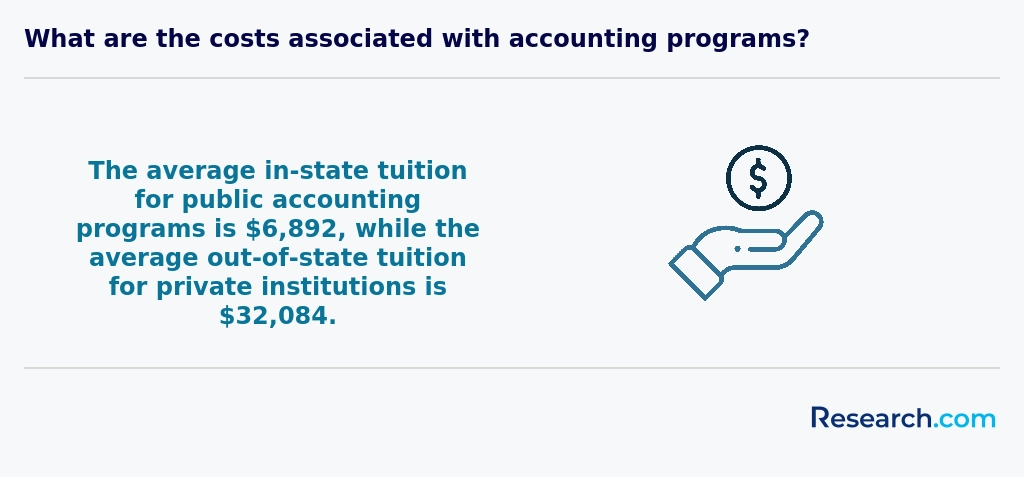
The average cost of pursuing an accounting degree in Charlotte varies depending on the institution, but students can generally expect tuition and fees to range between $5,000 to $15,000 per year at public colleges like Central Piedmont Community College. Graduates from such programs often share that the affordable pricing combined with access to quality education makes the investment worthwhile. For those attending the University of North Carolina at Charlotte, tuition is higher-closer to $9,000 to $20,000 annually for in-state students-but the additional cost corresponds with comprehensive resources, experienced faculty, and strong internship partnerships.
Many accounting students report satisfaction with the cost-to-value ratio, especially considering the practical experience gained through internships at companies like Bank of America and Wells Fargo. These experiences offer direct industry exposure that enhances employability, often leading to positions with starting salaries near $75,000, which helps offset tuition costs.
The ability to combine rigorous academic training aligned with CPA requirements while managing reasonable financial investment makes Charlotte a practical choice for accounting students focused on career success.
Where can I work with accounting degree in Charlotte?
Graduates with an accounting degree from institutions like the University of North Carolina at Charlotte frequently secure roles within the city's major financial firms. Many find themselves as financial analysts or internal auditors at prominent banks such as Bank of America or Truist Financial, benefiting from Charlotte's position as a leading U.S. financial hub. Recent data from May 2023 shows the Charlotte area employs over 13,000 accounting professionals, earning an average annual salary around $84,000, which surpasses the national average.
Other common paths include joining Big Four public accounting firms-Deloitte, PwC, EY, and KPMG-active in Charlotte's expanding audit and advisory markets. Graduates also report opportunities in corporate accounting with companies like Novant Health and Lowe's, focusing on financial reporting and compliance. Additionally, some graduates leverage Charlotte's vibrant small-business culture to start CPA firms specializing in tax and bookkeeping, creating fulfilling entrepreneurial careers within the local community.
Graduates with an accounting degree from Charlotte institutions like the University of North Carolina at Charlotte often start their careers with salaries between $50,000 and $60,000, aligning with local entry-level expectations. According to the U.S. Bureau of Labor Statistics, roles such as bookkeepers, tax preparers, accounts payable clerks, and associate auditors in the region average around $49,580 annually. These starter positions provide a solid foundation for growth within the city's thriving financial sector.
As graduates gain experience and pursue certifications like the CPA, their earning potential improves significantly. Staff accountants in Charlotte report a mean annual wage near $90,780, reflecting mid-career specialization and expertise. Many alumni express excitement about advancing into senior roles within banking or corporate finance, where salaries can surpass $110,000, supported by Charlotte's robust business environment.
This trajectory offers clear financial rewards for those completing accounting degrees locally, emphasizing the value of education combined with practical experience in Charlotte's competitive market.
- Annual tuition for accounting degrees in Charlotte ranges from $7,000 to $15,000 at public schools and can exceed $20,000 at private colleges.
- Entry-level accountants in Charlotte earn about $53,000 yearly, with salaries increasing to $75,000-$85,000 after five to ten years of experience.
- Charlotte offers strong job prospects in accounting due to its role as a financial center with many corporate headquarters and a lower-than-average unemployment rate for accountants.
- Many local universities provide CPA exam preparation, which is essential for career progression in accounting.
- Undergraduate and graduate programs in Charlotte often meet the 150-credit hour requirement needed for CPA licensure in North Carolina.
In Charlotte, completing a traditional Bachelor of Science in Accounting typically takes around four years of full-time study, aligning with standards at institutions like the University of North Carolina at Charlotte. Graduates often appreciate this clear timeline as it provides a structured path toward entry-level accounting roles and CPA certification. Some students opt for accelerated programs available locally, reducing completion time to about three years by taking heavier course loads or summer classes, which combine intensity with a sense of achievement.
For those pursuing advanced credentials, a Master's degree in Accounting or an MBA with an accounting focus usually requires an additional 1 to 2 years. These programs, offered at schools such as Central Piedmont Community College and UNC Charlotte, support meeting CPA license requirements and allow specialization in fields like auditing or taxation. Many find balancing part-time study with work rewarding, though it can extend degree completion to three to six years depending on individual schedules and course availability.
Charlotte’s accounting programs excel not only in academics but also in the robust support services and campus resources they provide, ensuring students thrive from orientation through career launch. Many universities maintain dedicated career centers offering:
- Personalized career counseling and résumé workshops tailored to accounting majors
- Internship placement assistance with local firms and “Big Four” recruiters
- CPA exam review sessions and partnerships with professional bodies for exam prep discounts Academic support extends beyond the classroom with:
- Tutoring labs staffed by upper-level accounting students and faculty mentors
- Access to state-of-the-art accounting software in on-campus computer labs
- Collaborative study groups and workshops hosted by student organizations, such as the Accounting Society Additionally, students benefit from networking and professional development opportunities:
- Guest lectures and panel events featuring industry leaders from Charlotte’s finance sector
- Alumni mentorship programs pairing current students with recent graduates for guidance
- Annual career fairs and on-campus recruiting events that connect students directly with employers For students exploring cost-effective alternatives in the region, you may also find valuable insights in the Inexpensive Accounting Degree Programs Ranking in Connecticut, which highlights programs known for affordability without compromising quality.
Online and on-campus accounting degrees in Charlotte differ primarily in delivery and student experience. On-campus programs at institutions like the University of North Carolina at Charlotte provide direct interaction with professors and peers. Graduates often recall benefiting from face-to-face group work and accessing resources such as accounting labs and career services that facilitate internships with local CPA firms and banks.
In contrast, online programs offer significant flexibility, appealing to working adults or individuals balancing family commitments. Students from popular community colleges report managing coursework on their own schedules, though they must independently seek local internship opportunities. Tuition varies as well; on-campus students typically pay $9,000-$12,000 annually for in-state tuition, while online learners might pay between $7,000 and $10,000, potentially reducing costs linked to campus facilities.
Both modes cover key accounting topics like taxation and auditing, with accreditation being crucial for CPA eligibility. Employer acceptance of online degrees from Charlotte institutions has grown, reflecting evolving education standards and student success stories.
The average accounting degree cost in Charlotte varies notably depending on residency status and institution type. Median total costs for in-state students typically hover around $24,829, reflecting a more affordable pathway through public universities like the University of North Carolina at Charlotte. Graduates from these programs often highlight how balancing tuition with part-time work and scholarships made their education feel feasible and rewarding.
Out-of-state students face a significantly higher financial commitment, with median total costs around $46,734. This figure aligns with private college tuition and fees, such as those at Johnson & Wales University, where graduates report the value of strong CPA exam preparation and internship opportunities justifies the upfront expenses. These investment factors are crucial when considering the total cost of accounting programs Charlotte students pursue.
Beyond tuition, students must also budget for additional expenses including books, technology, and living costs, which can cumulatively add several thousand dollars annually. Many accounting program graduates appreciate the availability of financial aid and scholarships, which approximately 85% of undergraduates receive, helping to reduce the overall burden. Prospective students should explore and compare these benefits carefully while reviewing accounting programs in South Carolina too for broader regional options.
Earning your CPA license is a critical step toward establishing credibility and advancing your accounting career in Charlotte. In North Carolina, candidates must complete 150 semester hours of education, pass the Uniform CPA Examination’s four sections-Auditing and Attestation (AUD), Business Environment and Concepts (BEC), Financial Accounting and Reporting (FAR), and Regulation (REG)-and fulfill an ethics requirement mandated by the North Carolina State Board of CPA Examiners. Many local institutions, including the University of North Carolina at Charlotte and Queens University of Charlotte, integrate CPA review courses into their senior-year curriculum, boosting first-time pass rates well above the national average of 50%. Students seeking to complete their degree faster might explore our fastest accounting degree programs, which often integrate CPA exam prep directly into the curriculum. These accelerated pathways not only shorten the time to degree completion but also provide targeted workshops on exam strategies, simulated practice tests, and one-on-one mentoring from licensed CPAs. For instance, recent graduates of UNC Charlotte reported a 62% first-time pass rate on FAR when utilizing on-campus review sessions, while Queens University graduates achieved a combined average pass rate of 58% across all four sections. To maintain momentum after graduation, many Charlotte programs offer post-graduate boot camps and alumni study groups that meet weekly, ensuring continued peer support and accountability. Additionally, candidates must complete one year of qualifying work experience under the supervision of a licensed CPA, which local public accounting firms and corporate finance departments readily provide. By choosing a program with strong licensure support-comprehensive exam preparation, ethics seminars, and professional placement services-students can confidently navigate the CPA licensure process and unlock higher-level roles in auditing, tax, and financial management.
Students pursuing accounting degrees in Charlotte frequently rely on multiple financial aid sources to offset tuition costs. For example, graduates from the University of North Carolina at Charlotte often utilize the FAFSA to access federal aid such as Pell Grants, which in 2023-2024 offer up to $7,395 annually for eligible low- and moderate-income applicants. This substantial grant can significantly ease the burden of the average four-year tuition, which ranges from $38,000 to $45,000 nationwide.
State aid further supplements these funds; the North Carolina Educational Lottery Scholarship awards between $750 and $4,000 annually to qualifying in-state students and benefits many studying accounting at institutions like Central Piedmont Community College.
Charlotte-area graduates frequently mention institutional scholarships focused on accounting majors, available at schools such as Queens University of Charlotte, that reward merit or financial need and sometimes cover full tuition.
Additional support comes from employer tuition reimbursement programs, popular in Charlotte's banking sector, as well as scholarships from local organizations like the North Carolina Association of Certified Public Accountants. Federal student loans remain a fallback but require careful borrowing.
To enroll in an accounting degree program in Charlotte, applicants must typically hold a high school diploma or equivalent, such as a GED. Graduates from local universities often emphasize the importance of excelling in high school math courses like algebra and basic statistics, as these build essential analytical skills. Strong English proficiency, especially in reading and writing, is also crucial because clear financial communication is a core component of accounting.
Many Charlotte-area institutions require submission of SAT or ACT scores, though some have adopted test-optional policies. Competitive applicants usually present scores to enhance their prospects. Maintaining a GPA between 2.5 and 3.0 on a 4.0 scale is a common expectation for admission into robust accounting programs offered at colleges such as the University of North Carolina at Charlotte and Queens University.
At the college level, foundational coursework in economics, business, or basic accounting is generally required. Transfer students from community colleges who have completed relevant credits find this pathway supports a smoother transition. Graduates recall that these prerequisites help them confidently handle advanced classes and meet CPA exam requirements, which demand 150 credit hours including courses in auditing and taxation.

For students interested in pursuing a career in accounting, understanding the local educational landscape is crucial. In Charlotte, NC, prospective students can explore various accounting programs, each offering unique strengths and specializations. To further enhance their educational journey, students may also consider exploring valuable accounting programs in North Carolina, which can provide a broader perspective on the state's accounting education opportunities. By doing so, they can make informed decisions about their academic path and career aspirations, ultimately leading to a successful and fulfilling career in accounting.
Accounting degree programs in Charlotte frequently include core courses such as Financial Accounting, Managerial Accounting, Taxation, Auditing, and Accounting Information Systems. Students at local institutions report gaining confidence interpreting financial statements and applying tax codes through hands-on projects, which closely mirror real-world business scenarios found in Charlotte's financial sector.
Graduates from universities known for their business programs emphasize how courses like Managerial Accounting help them make strategic decisions by analyzing costs and budgets, skills highly valued by employers in the area. The inclusion of auditing courses ensures students can scrutinize accounts diligently, aligning with regulatory standards upheld in North Carolina.
Besides technical topics, students often engage with subjects like finance, business law, and ethics, which enrich their understanding of the broader economic environment in Charlotte's diverse market. Elective options such as forensic accounting or international accounting allow learners to tailor their studies to specific career goals, reflecting the versatile demands of the city's accounting profession.
Accounting degree specializations in Charlotte typically include Financial Accounting, Managerial Accounting, Tax Accounting, Auditing, Forensic Accounting, and Accounting Information Systems. Graduates from popular universities and colleges in the area often emphasize how Financial Accounting focuses on preparing statements and regulatory compliance, crucial for Charlotte's financial institutions like Bank of America. Managerial Accounting attracts students interested in internal budgeting and decision-making processes present in Charlotte's corporate environment.
Tax Accounting is highly valued given the US tax system's complexity, preparing students for roles requiring compliance and strategic tax planning. Forensic Accounting and Auditing appeal to those who want to investigate fraud or verify financial accuracy, matching Charlotte's increasing demand for transparency and corporate governance.
Students frequently relate how hands-on internships integrated with local firms have enhanced their skills, making these specializations more practical. Many credit these opportunities for easing the transition into the workforce, especially when combined with the city's affordable tuition rates. Those exploring broader career paths often find Charlotte's accounting degree focus areas provide a solid foundation and many options for business management job search.
Choosing the best accounting degree in Charlotte involves evaluating several critical factors such as program accreditation, curriculum relevance, and cost. Graduates from institutions like the University of North Carolina at Charlotte often praise their exposure to AACSB-accredited programs that emphasize CPA exam preparation and specialized tracks like auditing or taxation, ensuring alignment with professional goals.
Affordability is fundamental; the average tuition ranges widely, with public universities offering around $9,000 annually for in-state students, while private colleges may exceed $25,000. This variance highlights the importance of reviewing affordable accounting colleges Charlotte NC, balancing cost with quality and outcomes.
Real-world experience through internships in Charlotte's vibrant financial sector significantly enhances employment prospects, a benefit frequently cited by alumni who secure strong positions post-graduation. Additionally, prospective students should consider the strength of career services and alumni networks to foster local business connections.
For those seeking flexible options while advancing their careers, exploring executive MBA online programs can provide complementary business expertise alongside accounting studies.
Graduates with an accounting degree in Charlotte find diverse career paths through abundant opportunities in both public and corporate accounting sectors. Major firms such as Deloitte, Ernst & Young, and KPMG offer roles in auditing, tax, and consulting that serve as strong entry points for recent graduates, often leading to CPA certification-a credential that significantly boosts career trajectory and earning power. For those attending universities like the University of North Carolina at Charlotte, these firms provide tangible gateways to real-world experience and professional growth.
Jobs for accounting graduates in Charlotte also encompass corporate roles within banking giants like Bank of America and Wells Fargo. These positions involve financial analysis, budgeting, and compliance-providing stable employment with upward mobility toward management. Additionally, graduates report promising openings in forensic and governmental accounting, where investigative and ethical oversight skills are increasingly valued. Many who begin with an accounting degree at local colleges choose to expand their expertise by pursuing an MBA in IT management, further broadening their career prospects in this thriving urban economy.
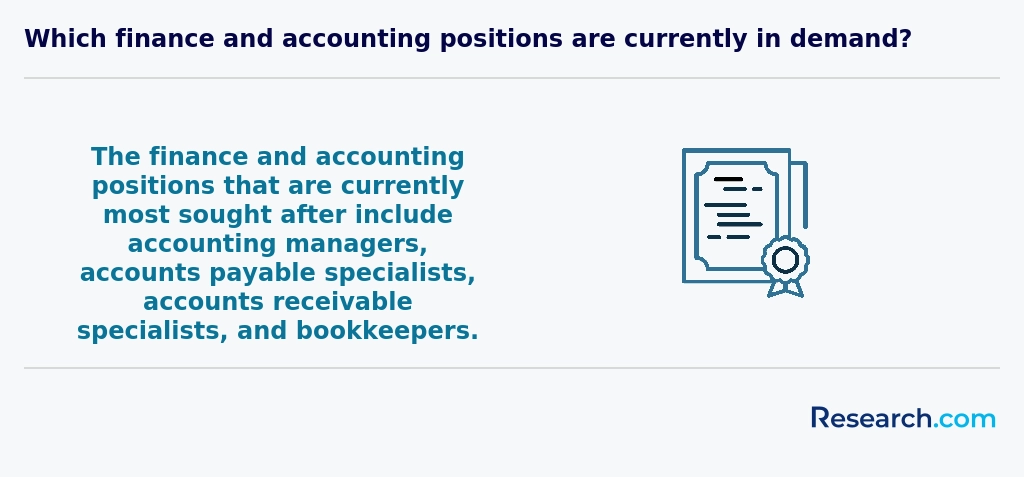
The accounting job market in Charlotte remains strong, boosted by the presence of major financial institutions such as Bank of America and Truist Financial. Graduates with accounting degrees find opportunities across diverse sectors including corporate finance, public accounting firms, and government agencies. This diversity supports a steady 7% projected growth in accounting and auditing roles through 2030, aligning well with national trends. Many graduates from popular local universities appreciate the city's combination of growing employment options and competitive salaries.
For those evaluating their investment in education, Charlotte offers relatively affordable options for accounting degrees, with in-state tuition ranging from $8,000 to $12,000 annually at public universities. Recent graduates often find salaries starting around $57,000, which is slightly above the national average. Experienced accountants with certifications like CPA can earn between $75,000 and over $100,000, reflecting Charlotte's vibrant job market for accounting degree holders.
Students pursuing a business master's degree requirements notice how well the region supports their career growth, as practical skills learned in classrooms directly apply to roles in local financial hubs. This connection between education and job market turbocharges enthusiasm among prospective accountants who see a clear path toward rewarding, stable careers.
2027 Most Valuable Accounting Degree Programs Ranking in Charlotte
Investing in your education is a significant decision that can shape your future, and the Research.com team recognizes the importance of making well-informed choices. To support prospective students in Charlotte, we have carefully developed the "2027 Most Valuable Accounting Degree Programs Ranking in Charlotte." Our dedication to quality, credibility, and accuracy is demonstrated by the thorough research and analysis behind this ranking.
We utilized the following reputable data sources to ensure a comprehensive evaluation of accounting degree programs:
By exploring this ranking, readers will gain valuable insights into the most valuable accounting degree programs in Charlotte, enabling them to make confident and informed decisions regarding their educational pursuits. For further information on our methodology, please visit the Research.com methodology page.

# 3 position
Johnson & Wales University-Charlotte
Bachelor of Science in Accounting


Frequently Asked Questions About accounting
Accounting degree students in Charlotte can maximize their learning experience by engaging in internship opportunities offered by local firms, such as those found in the city's growing financial sector. Charlotte is home to the second-largest banking center in the U.S., which provides valuable real-world exposure. Utilizing resources like the CPA exam review courses available through nearby universities also strengthens professional readiness. Students should actively participate in accounting clubs and networking events hosted by institutions like the Charlotte Chapter of the American Institute of CPAs. Accessing updated regional labor market data helps focus career goals within Charlotte's specific accounting job market.
The accounting field is evolving rapidly, especially in cities like Charlotte, where finance and technology intersect. Emerging niches include forensic accounting, which involves investigating financial fraud and often supports legal cases. This specialty is growing as regulatory scrutiny increases nationally. Another expanding area is environmental, social, and governance (ESG) accounting, reflecting businesses' rising focus on sustainable practices. Additionally, technology-driven roles, such as data analytics and blockchain accounting, are in higher demand as firms seek professionals skilled in interpreting complex financial data and implementing secure digital records. According to the Bureau of Labor Statistics, these specialized accountants can expect faster job growth compared to traditional roles.
After completing an accounting degree in Charlotte, preparing for the job market involves targeted steps to stand out in a competitive field. First, obtaining relevant certifications like the CPA (Certified Public Accountant) can significantly enhance job prospects; North Carolina requires 150 semester hours and passing the CPA exam. According to the North Carolina Department of Commerce, the Charlotte metro area employed over 7,000 accountants and auditors as of 2023, with growth projected at 5% through 2030.
Networking through local organizations such as the Charlotte chapter of the American Institute of CPAs (AICPA) provides valuable industry connections. Internships during studies build practical experience and can lead to job offers. Additionally, mastering accounting software like QuickBooks, Excel, and SAP is highly recommended to meet employer demands in Charlotte's diverse business environment.
Employers in Charlotte highly value accounting graduates who demonstrate strong analytical skills and proficiency in financial reporting. According to the North Carolina Department of Commerce, the demand for accountants with expertise in GAAP and tax regulations continues to grow locally.
Technical skills, including familiarity with accounting software like QuickBooks and SAP, are essential. Communication skills are equally important, as professionals must present complex financial information clearly to clients and colleagues.
Critical thinking and problem-solving abilities are also top priorities. Employers often look for candidates who can adapt to changing financial regulations and business environments in Charlotte's expanding economy.
Additionally, ethical judgment and attention to detail remain fundamental in maintaining compliance and accuracy in accounting practices.
Finding accounting internships in Charlotte involves a strategic approach combining local resources and industry connections. Charlotte hosts a growing financial sector, including major banks and accounting firms, making it ripe for internship opportunities.
Start by exploring career centers at institutions like the University of North Carolina at Charlotte and Central Piedmont Community College. These centers often connect students with internships specific to accounting.
Utilize online job portals such as Handshake and LinkedIn, filtering for internships based in Charlotte. Networking events hosted by the Charlotte Chapter of the North Carolina Association of CPAs are also valuable for meeting professionals offering internship roles.
According to the Charlotte Chamber of Commerce, internships in accounting fields have increased by 12% over the past three years, reflecting the city's expanding business environment.
An accounting degree significantly enhances career mobility and advancement in Charlotte's competitive job market. According to the U.S. Bureau of Labor Statistics, the Charlotte metropolitan area experienced a 7% growth in accounting and auditing jobs between 2021 and 2023, reflecting strong demand. Employers in Charlotte increasingly prefer candidates with a bachelor's or higher accounting degree for roles in financial analysis, auditing, and tax services.
Holding an accounting degree also paves the way for professional certifications like CPA, which are highly valued in Charlotte's finance sector. These credentials greatly improve promotion prospects and salary potential. Additionally, the city's diverse economy-with banking, energy, and healthcare industries-offers broad opportunities for degree holders to advance into managerial and specialized roles quickly.
Studying for an accounting degree in Charlotte equips students with versatile skills essential for interdisciplinary roles. Programs often integrate courses in finance, business law, information systems, and management, reflecting the diverse demands of modern workplaces.
Charlotte's status as a major financial hub-home to top banks like Bank of America and Truist-provides accounting students opportunities for practical learning through internships and networking. According to the U.S. Bureau of Labor Statistics, the Charlotte metropolitan area has seen a 7% employment growth in finance and accounting, emphasizing demand for adaptable professionals.
This blend of education and real-world exposure readies graduates to collaborate across departments such as marketing, technology, and operations, enhancing problem-solving and communication skills sought after in interdisciplinary roles.
Deciding between a thesis and a non-thesis accounting degree program in Charlotte depends on your career goals and learning preferences. Thesis programs emphasize research and critical analysis, preparing students for doctoral studies or academic careers. In contrast, non-thesis programs focus on practical skills, often including internships or projects that align with the needs of Charlotte's growing financial sector.
According to the National Center for Education Statistics, Charlotte hosts several universities offering both options, reflecting the city's diverse accounting job market. Students aiming for roles in corporate accounting or CPA certification may prefer non-thesis tracks for their applied focus and faster completion times.
Conversely, those interested in specialized research or advanced positions in academia might find thesis programs beneficial, though they may add a year or more to study duration. Local professionals recommend considering workload, research interest, and career trajectory when choosing between these paths.
Students in Charlotte interested in studying accounting abroad have several practical pathways through their local universities. Many institutions, such as the University of North Carolina at Charlotte, offer study abroad programs in partnership with schools in Europe, Asia, and Latin America. These programs typically last one semester to a full academic year and include courses accredited towards an accounting degree.
Additionally, some Charlotte-based students opt for exchange programs focused on business and finance, allowing them to experience international accounting practices. According to the university's 2023 study abroad report, about 12% of the business students participate in these offerings. Such programs provide valuable exposure to global accounting standards like IFRS, complementing U.S. GAAP knowledge.
Charlotte offers diverse part-time job opportunities that complement accounting degree education effectively. Many students find positions as bookkeeping clerks or accounting assistants in local small businesses, gaining practical experience while studying. According to the U.S. Bureau of Labor Statistics, Charlotte's demand for accounting support roles is expected to grow by 8% through 2030, which benefits students seeking relevant work.
Internships in firms located in Charlotte's financial district, including CPA offices and corporate accounting departments, provide exposure to real-world accounting practices. Additionally, tutoring fellow students in accounting courses or working as tax preparers during tax season are popular options, enhancing both knowledge and skills.
Accounting students in Charlotte have access to numerous networking opportunities that can enhance their academic and professional growth. The city hosts active local chapters of national organizations such as the American Institute of Certified Public Accountants (AICPA) and Beta Alpha Psi, which frequently organize events, workshops, and career fairs specifically for accounting students. These gatherings enable students to connect with experienced professionals and potential employers.
Charlotte is a major financial hub, home to several Fortune 500 companies and large accounting firms like Deloitte and EY, which often recruit locally. Universities in the area maintain strong relationships with these firms, providing internship pipelines and mentoring programs.
Additionally, students can attend events organized by the Charlotte Chamber of Commerce, offering broader business networking prospects while focusing on accounting-specific challenges. Such activities help students gain valuable industry insights and job leads within the city's competitive accounting market.
Alumni networks provide considerable benefits to accounting degree students in Charlotte by connecting them with professionals in local industries. These networks often facilitate mentorship opportunities, which help students gain practical insights and guidance in navigating their careers within the city's financial hubs.
Charlotte is a prominent financial center, ranking as the second-largest banking hub in the U.S., increasing the value of strong alumni connections. According to the Charlotte Regional Business Alliance, alumni networks can lead to internships and job placements at major firms like Bank of America and Wells Fargo, which have substantial local presence.
Engaging with alumni also aids in professional development by offering workshops, networking events, and exposure to industry trends, which can improve students' employability after graduation.
Customizing an accounting degree program in Charlotte allows students to align their education with specific career objectives. Many local institutions offer concentrations such as forensic accounting, taxation, or auditing, enabling students to specialize based on their interests. Internships with Charlotte-based firms provide practical experience, enhancing job prospects in a city where financial services contribute significantly to the economy.
Additionally, some programs permit elective courses in business analytics or information systems, reflecting the growing role of technology in accounting. According to the Charlotte Chamber, the city hosts numerous CPA firms and corporate headquarters, creating demand for diverse accounting skills. Students should consult academic advisors to tailor their coursework effectively.
Accounting students in Charlotte often face the challenge of balancing rigorous coursework with practical experience requirements. Many programs emphasize mastering complex topics such as tax law, auditing standards, and financial reporting, which demand strong analytical skills and attention to detail.
Another common hurdle is obtaining relevant internships within Charlotte's competitive financial sector. According to the Charlotte Chamber, the city's growing banking industry intensifies demand for internship placements, making it tricky for students to secure hands-on opportunities.
Additionally, staying current with evolving accounting regulations and preparing for the CPA exam adds pressure. The North Carolina State Board of CPA Examiners notes that a significant percentage of candidates in the state defer exams due to workload stress.
Lastly, managing the cost of education amid Charlotte's rising living expenses poses financial difficulties to many accounting students.
An accounting degree in Charlotte opens multiple pathways to professional certifications highly valued in the finance and business sectors. The most recognized certification is the Certified Public Accountant (CPA), essential for those seeking to perform audits or file reports with the Securities and Exchange Commission.
Other notable certifications include the Certified Management Accountant (CMA), which focuses on financial management skills, and the Certified Internal Auditor (CIA), emphasizing internal auditing.
Given Charlotte's status as a major financial hub, especially with a strong banking presence, these certifications can significantly enhance career prospects. According to the North Carolina Association of Certified Public Accountants, CPA demand in Charlotte continues to rise alongside the city's growing corporate base.
Additionally, certifications such as the Enrolled Agent (EA) and Chartered Financial Analyst (CFA) also complement an accounting background for specialization in tax or investment fields.
Applying to an accounting program in Charlotte requires a clear, well-organized application that highlights your academic strengths and career goals. Many local institutions, including the University of North Carolina at Charlotte, value a strong GPA-typically above 3.0 in relevant coursework such as math and business. Including internships or work experience in finance or accounting can also strengthen your application.
Admissions committees often seek candidates who demonstrate critical thinking and communication skills. Writing a compelling personal statement explaining your motivation to study accounting in Charlotte's growing financial market helps set you apart. According to the Charlotte Regional Business Alliance, Charlotte is one of the largest banking centers in the U.S., which increases demand for qualified accountants.
Lastly, be sure to submit all required documents on time, including transcripts, letters of recommendation, and any standardized test scores if required. Meeting deadlines and ensuring accuracy reflects your professionalism.
The accounting profession holds a respected global position, offering diverse career paths influenced by international standards such as IFRS and GAAP. For students in Charlotte, understanding these frameworks is vital since many local firms engage in multinational business. According to the U.S. Bureau of Labor Statistics, accounting jobs are expected to grow 7% nationally from 2021 to 2031, reflecting steady demand.
Charlotte's status as a financial hub, hosting major banks like Bank of America, means accounting professionals often work with global clients. This creates opportunities to learn cross-border taxation, auditing, and compliance.
Professional certifications like CPA remain essential in the U.S., while firms value knowledge of international financial regulations, broadening career prospects worldwide.
Students pursuing an accounting degree in Charlotte can gain practical experience through various avenues that complement academic learning. Many universities in the area offer internship programs with local firms, allowing students to apply classroom knowledge to real-world accounting tasks. According to the Charlotte Chamber of Commerce, the city hosts numerous accounting and financial services firms eager to engage interns.
Additionally, participation in student organizations such as the Accounting Club or Beta Alpha Psi provides networking and hands-on project opportunities. Volunteer tax assistance programs, supported by IRS initiatives, also enable students to work directly with clients while enhancing skills in tax preparation and compliance. These experiences are crucial for career readiness in Charlotte's competitive accounting market.
Choosing the right concentration within an accounting degree program in Charlotte requires evaluating personal interests and local job market demands. Common concentrations include auditing, taxation, forensic accounting, and managerial accounting. Each path offers distinct career opportunities.
Charlotte hosts a strong financial sector, including banking giants like Bank of America, which increases demand for expertise in tax and auditing services. According to the Charlotte Chamber of Commerce, accounting jobs in the region are expected to grow by 8% through 2030, particularly in corporate accounting.
Students should also consider CPA exam requirements, as some concentrations better prepare candidates for licensure. Exploring internship opportunities within Charlotte firms can provide valuable hands-on experience to guide concentration choice. Consulting with academic advisors and reviewing curriculum specifics is recommended.
- 2027 Most Valuable Accounting Degree Programs Ranking in Greensboro
- 2027 Most Valuable Accounting Degree Programs Ranking in Atlanta
- 2027 Most Valuable Accounting Degree Programs Ranking in Huntsville
- 2027 Most Valuable Accounting Degree Programs Ranking in Washington
- 2027 Most Valuable Accounting Degree Programs Ranking in Cincinnati
- 2027 Most Valuable Accounting Degree Programs Ranking in Nashville
- 2027 Most Valuable Accounting Degree Programs Ranking in Louisville
- 2027 Most Valuable Accounting Degree Programs Ranking in Columbus
- 2027 Most Valuable Accounting Degree Programs Ranking in Birmingham
- 2027 Most Valuable Accounting Degree Programs Ranking in Pittsburgh
See What Experts Have To Say About Studying Accounting
Read our interview with Accounting experts

Yaw M. Mensah
Accounting Expert
Professor and Interim Vice Dean for Strategic Partnerships
Rutgers Business School


- Accounting Career: Outlook and Overview | DeVry University https://www.devry.edu/blog/accounting-career-outlook.html
- Accountant Job Outlook & Demand Report 2026 - Intuit Blog https://www.intuit.com/blog/innovative-thinking/accountant-job-outlook-demand-report/
- Accountant Salary | State-by-State Accounting Salaries https://www.allbusinessschools.com/accounting/salary/
- Top 10 Accounting and Finance Skills Employers Want | Tamarack Recruiting | Tamarack Recruiting https://tamarackrecruiting.com/top-10-accounting-and-finance-skills-employers-want-tamarack-recruiting/
- 5 accounting certifications without a degree | Becker https://www.becker.com/blog/career/5-accounting-certifications-you-can-earn-without-a-degree
- Professional Networking in Accounting - Accounting.com https://www.accounting.com/resources/networking-tips-for-landing-a-job/
- What Jobs Can You Get with an Accounting Degree? https://www.mountunion.edu/academics/undergraduate-degrees/accounting/what-jobs-can-you-get-with-an-accounting-degree
- Account Major Program in Charlotte, NC | Wingate https://www.wingate.edu/academics/undergraduate/accounting-major
- 8 Accounting Niches You Should Consider | Accountancy | Bingparse https://www.icslearn.co.uk/blog/accountancy/8-accounting-niches-you-should-consider/
- Get Ahead in Accounting: Ways to Build Relevant Work Experience https://www.fctraining.org/gain-accounting-work-experience.php