2027 Most Valuable Accounting Degree Programs Ranking in Virginia

Co-Founder and Chief Data Scientist
Choosing the right accounting degree program in Virginia can shape your future career and open doors to exciting opportunities. This article introduces the 2027 Most Valuable Accounting Degree Programs Ranking in Virginia, created by the Research.com team of data scientists.
Designed to guide you in making informed decisions, the ranking highlights programs that offer the best value for your time and investment. Discover insights that will help you find a degree program aligned with your goals and passions.
Exploring accounting education can lead to a rewarding and stable career path-let us help you find the perfect fit.
Key benefits of getting accounting degree in Virginia
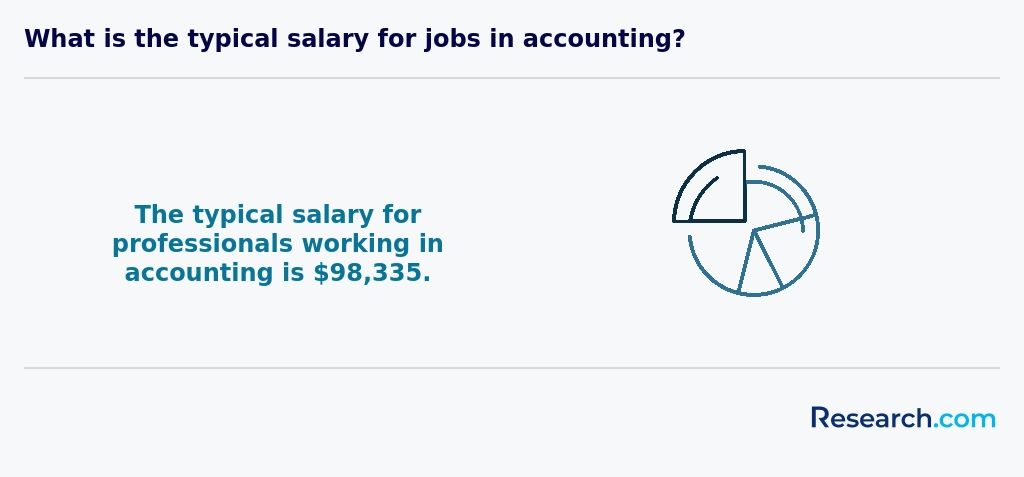
- Graduates with an accounting degree in Virginia can earn competitive salaries, such as a Staff Accountant averaging $90,780 annually or a Bookkeeper and Tax Preparer earning around $49,580 per year, offering financial stability and growth opportunities.
- Potential career paths include roles like Associate Auditor, Accounts Payable Clerk, and Tax Preparer, showcasing diverse options for accounting graduates from universities like the University of Virginia.
- Completing an accounting degree online in Virginia offers flexibility and convenience, allowing students to balance work and study effectively while gaining qualifications from respected institutions like Liberty University.
- 2027 Most Valuable Accounting Degree Programs Ranking in Virginia
- What can I expect from accounting degree in Virginia?
- Where can I work with accounting degree in Virginia?
What can I expect from accounting degree in Virginia?
The average cost of earning an accounting degree in Virginia can feel like balancing a ledger-each tuition fee matched by opportunities for investment in your future. At top schools like Virginia Tech or the University of Virginia, annual tuition for in-state students typically ranges between $15,000 and $25,000, depending on the program and additional fees. Graduates often recall the tangible value behind each dollar spent: access to cutting-edge accounting software, seasoned professors who demystify complex tax codes, and real-world internships in Richmond's bustling financial districts.
Private institutions may ask for more-closer to $35,000 a year-but many students find this investment worthwhile for the personalized mentorship and networking pipelines leading directly to Virginia's dynamic job market. Imagine sitting in a Virginia Tech classroom, where case studies of local government audits spark lively debates, or collaborating on projects that mirror actual manufacturing sector challenges in Northern Virginia's corporate hubs.
Financial aid, scholarships, and cooperative programs often soften the cost curve, transforming tuition into a gateway rather than a barrier. Graduates fondly describe the confidence earned by pairing rigorous academics with hands-on experiences, all rooted in Virginia's thriving economic landscape.
Where can I work with accounting degree in Virginia?
Graduates with an accounting degree from institutions like the University of Virginia or James Madison University often find themselves navigating a vibrant sea of opportunities in Virginia's bustling professional landscape. Imagine stepping into a Richmond office where a former student balances complex audits at Deloitte, transforming numbers into strategic insights that steer entire corporations. Or picture a graduate thriving in Arlington, juggling budgeting and policy compliance at a federal agency, energized by the mission-driven environment.
Some alumni vividly recall their internships at Navy Federal Credit Union in Vienna, where managing risk and financial reports became daily adventures, fueling their confidence. Others dive into tech companies in Fairfax or manufacturing giants around the state, crafting financial plans that power innovation and growth. These careers are not mere jobs-they are dynamic journeys, filled with problem-solving, creativity, and a sense of tangible impact.
Virginia's diverse economy ensures that accounting graduates rarely stay confined to traditional roles. Instead, they craft unique professional identities, forging paths that reflect the state's rich blend of government, corporate, and financial arenas.
With an accounting degree earned right here in Virginia-whether from the University of Richmond or James Madison University-graduates step into a world where numbers translate into solid earning power. Starting salaries often land around $49,580, matching roles like Tax Preparer, Bookkeeper, or Associate Auditor, each vital in the financial fabric of companies statewide.
Imagine a newly minted graduate stepping into a Staff Accountant role in bustling Richmond, pocketing a mean annual wage of about $90,780. That's more than just a paycheck; it's the fuel for a lifestyle upgrade, from cozy apartments near campus to exploring Virginia's vibrant dining scenes.
Hourly earnings of $43.65 translate into opportunities-like taking that weekend getaway to Virginia Beach or investing in further certifications. Virginia's varied economic landscape means accountants can find niches that pay well, especially when combining local expertise with the robust national demand forecasted by the BLS.
Every Virginia accounting grad I've met highlights how their degrees opened doors to roles where numbers aren't just calculations but keys to a flourishing future in finance. It's not only about the figures; it's about building a career that grows with you, right here at home.
- Public universities in Virginia charge about $11,000 per year for in-state undergraduate tuition.
- Private institutions in Virginia have tuition fees ranging from $25,000 to $40,000 annually.
- The total cost to complete a bachelor's degree in accounting ranges from $44,000 to $160,000 depending on the school and program length.
- CPA candidates in Virginia must complete 150 semester hours, often requiring a master's degree or extra coursework.
- The average starting salary for accounting graduates in Virginia is around $55,000 per year, rising to a median salary above $75,000 with experience.
- Employment for accounting professionals in Virginia is expected to grow by about 7% over the next decade, especially in Richmond, Virginia Beach, and Northern Virginia.
Imagine you're a student at the University of Virginia or Virginia Tech, diving into the world of debits and credits. Most graduates find themselves crossing the stage after about four years, juggling around 15 credit hours each semester. It's a familiar grind-classes, late-night study sessions, and the thrill of finally mastering that complex tax law lecture.
Yet, Virginia isn't just any state for accounting degrees. Because the CPA exam demands 150 semester hours, many students discover their journey doesn't end with a bachelor's. Some choose to extend their story, enrolling in master's programs at institutions like George Mason University, adding one or two years of specialized study to their adventure.
Picture balancing part-time classes while working a daytime job in Richmond; tuition around $12,000 a year nudges some to stretch the timeline. Still, these extra months bring pride and confidence as graduates prepare to tackle CPA licensure and launch fulfilling careers rooted in Virginia's vibrant business landscape.
Investing in an accounting degree in Virginia can yield significant financial returns, but understanding the true return on investment (ROI) requires weighing program costs against expected earnings. On average, in-state public tuition for a bachelor’s degree in accounting is around $6,892 per year, while out-of-state students may pay up to $32,084 annually. With graduates reporting mean starting salaries of approximately $60,000 to $70,000-and a Staff Accountant earning a mean annual wage of $86,740-the typical break-even point for in-state students can occur within 2–3 years post-graduation, assuming full-time employment. Beyond tuition, consider fees, room and board, and potential student loan interest. A conservative ROI calculation factors in total program cost (four years) versus five‐year cumulative earnings. For example, an in-state student investing $27,568 in tuition (plus $20,000 in living expenses) might see a net gain of over $200,000 in earnings before taxes over the first five years, resulting in an ROI exceeding 300%. Students seeking to lower upfront costs without sacrificing quality should compare Virginia programs to alternative online options, such as the Low Cost Online Accounting Degree Programs Ranking in the Midwest, which often feature even lower per-credit rates. Graduation and retention rates also factor into ROI. Programs with high on-time graduation rates (above 70%) typically reduce total cost and accelerate entry into the workforce. Prospective students should analyze published graduation statistics alongside placement rates-programs with placement rates above 90% can significantly enhance ROI by reducing job search duration. Ultimately, a data-driven approach to ROI helps students select accounting programs in Virginia that deliver both academic rigor and measurable financial value.
Choosing between online and on-campus accounting degrees in Virginia is like picking your own adventure route through the world of numbers. Picture a student at Virginia Commonwealth University juggling a part-time job and family: the online program's flexible schedule becomes their lifesaver, allowing classes at midnight or on lazy Sunday mornings without missing deadlines. Meanwhile, someone at the University of Richmond thrives amid the buzz of campus life-engaging in vibrant study groups, internships arranged through the business school, and face-to-face chats with professors that spark new ideas and job leads.
Online learners must navigate digital platforms armed with reliable internet and self-discipline, crafting routines that fit their unique pace. In contrast, on-campus students flourish in the steady rhythm of fixed class times and spontaneous campus events, building connections in Virginia's accounting circles that can translate into future careers.
Both paths lead to accredited credentials respected by Virginia employers, but the journey feels strikingly different depending on if you prefer the cozy, focused solitude of your home office or the dynamic, interactive pulse of traditional classrooms.
When evaluating the best accounting degree programs in Virginia, considering the cost of education is crucial. Prospective students often find themselves torn between the desire for a high-quality education and the need for affordability. For those seeking to balance these factors, exploring the cheapest accounting schools in Virginia can be a viable option. Many institutions in Virginia offer competitive pricing without compromising on the quality of education, making it possible for students to acquire a valuable accounting degree at a lower cost. By weighing factors such as tuition fees, financial aid options, and potential return on investment, students can make informed decisions that align with their financial situation and career aspirations. This approach enables them to navigate the landscape of accounting education in Virginia effectively, identifying programs that offer the best value for money.
Picture this: diving into your accounting studies at Virginia Tech or the University of Virginia, fully aware that the average cost of an accounting degree in Virginia for in-state students typically centers around $15,948. Graduates from these popular state schools often recall balancing their budgets carefully, knowing that private institutions like Liberty University or George Mason University can push that figure beyond $30,000 annually. This Virginia accounting degree tuition and fees distinction shapes many student experiences, making residency status a critical financial checkpoint.
Imagine the everyday reality of budgeting not just for tuition, but also for essentials-books and supplies adding an extra $1,200 to $1,500 each year, and room and board that might climb to $15,000 depending on where you live. Such details turn abstract numbers into real-life decisions, influencing the quality of college life and study focus. Graduates reflect fondly on their ability to secure scholarships and tap into financial aid to ease the load, a factor that often makes the difference between mere survival and thriving academically.
If you're scouting the cheapest accounting schools in Virginia, envision yourself stepping into classrooms where numbers are more than just figures-they're steps toward your professional future. The average cost of accounting degree in Virginia isn't just a financial statistic; it's a roadmap for students crafting their educational journeys with excitement and strategic planning.
Imagine a Virginia accounting student at George Mason University, juggling textbooks and calculators, relieved by a Pell Grant cushioning their tuition expenses. Pell Grants and Federal Supplemental Educational Opportunity Grants (FSEOG) form a safety net for many, especially when the $13,000 public tuition looms large on the horizon. These grants are real game-changers, no strings attached, allowing you to focus on mastering debit and credit instead of debt.
But it doesn't stop there. At a private school like the University of Richmond, an accounting hopeful might tap into the Virginia Tuition Assistance Grant (VTAG), easing the burden of higher private tuition through state-funded scholarships. Layered on top, institutional scholarships-sometimes fueled by partnerships with local accounting firms-spark hope for students aiming to dive into CPA preparation without financial strain.
Picture the work-study gig at Virginia Commonwealth University, where students earn while gaining hands-on experience, balancing ledgers by day and campus jobs by night. And don't forget the Virginia Society of Certified Public Accountants, whose scholarships feel like a trusted handshake, welcoming students into a supportive professional family statewide.
Earning an accounting degree in Virginia lays a strong foundation, but professional certifications can significantly enhance your credibility and career trajectory. The Certified Public Accountant (CPA) designation remains the gold standard, requiring 150 credit hours of education, passing the Uniform CPA Exam, and fulfilling state-specific experience requirements. CPA holders often supervise audits, taxation, and financial reporting, commanding higher salaries and leadership roles. For more detail on salary ranges, check out how much is a accountant salary. Beyond the CPA, specialized credentials broaden your expertise and marketability. The Certified Management Accountant (CMA) focuses on strategic management and financial analysis, ideal for corporate finance positions. The Certified Internal Auditor (CIA) validates proficiency in risk management and internal controls, a must for careers in auditing departments or government agencies. Information systems accountants may pursue the Certified Information Systems Auditor (CISA) to demonstrate skills in IT audit, control, and security. Each certification requires passing rigorous exams and meeting practical experience thresholds, so plan your study schedule and budget accordingly. Maintaining your credentials involves continuous professional education (CPE). Most states mandate 40 hours of CPE annually for CPAs, covering ethics, tax law updates, and emerging technologies like AI in accounting. Professional organizations-such as the American Institute of CPAs (AICPA) and the Institute of Management Accountants (IMA)-offer webinars, workshops, and conferences that satisfy CPE requirements while expanding your network. By combining an accredited Virginia accounting degree with targeted certifications and ongoing learning, you position yourself for leadership roles and long-term career growth.
To step into the vibrant world of accounting degrees in Virginia, imagine yourself at the gates of the University of Virginia or Virginia Tech, armed with more than just ambition. Every aspiring student must carry the essentials: a high school diploma or GED, like the sturdy foundation beneath a sprawling oak tree. Those who've walked this path recall how algebra and statistics weren't just chores-they were the secret keys, unlocking the door to understanding complex accounting puzzles.
Some graduates swear by the moment they submitted their SAT scores, a rite of passage that bridges dreams to acceptance letters. Others embraced the new-wave test-optional doors, entering with a solid GPA, often between 2.5 and 3.0, a testament to their steady climb rather than a lightning flash of genius. Transfer students know well the power of their transcripts, proof of their successful journeys through business or accounting courses in other lands.
And there's magic in mastering computer skills and spreadsheets, those digital tools that transform numbers into stories. This dance of numbers and tech sets students apart in a Virginia classroom, blending tradition with modern necessity as they prepare to revolutionize ledgers and balance sheets.
As technology and globalization reshape the financial landscape, staying ahead in the accounting field requires a keen awareness of emerging trends and continual skill development. Current innovations such as artificial intelligence, automation, and blockchain technology are revolutionizing traditional bookkeeping, auditing, and reporting functions, creating a new demand for tech-savvy accountants. In response, many Virginia accounting programs are adapting their curricula to include courses in data analytics, cybersecurity for finance, and digital transformation strategies. These programs not only equip students with a solid foundation in traditional accounting principles but also offer opportunities to develop proficiency in cutting-edge technologies that appeal to modern employers. By integrating practical training with the latest technological advancements, students are better positioned to thrive in an evolving job market where jobs in accounting increasingly require a blend of analytical insight and digital fluency. Embracing these trends early can provide a competitive edge, ensuring that graduates remain forward-thinking professionals prepared for the future of the industry.
Picture diving into your first semester at a Virginia university, like the University of Virginia or Virginia Tech, where accounting courses blend the art and science of numbers. You'll start with Introduction to Financial Accounting, learning to craft income statements as if you were narrating a company's story. Managerial Accounting then becomes your lens for strategic decisions-imagine advising a business on where every dollar counts. Intermediate Accounting I and II deepen this mastery, challenging graduates to balance complex financial puzzles.
Auditing and Assurance Services transforms you into the company's financial detective, while Federal Income Taxation courses prepare you to navigate the labyrinth of tax codes-vital for CPA hopefuls. Many students feel empowerment when mastering Accounting Information Systems, gaining fluency in software that operates behind every finance team's curtain. Business Law and Ethics courses ground these skills in integrity, a cornerstone for any Virginia graduate stepping into the profession.
Cost Accounting and Advanced Accounting round out the journey, presenting real-world scenarios like budgeting for a fast-growing business or dissecting mergers. These courses ensure you're not just learning but preparing to thrive in Virginia's dynamic job market.
Virginia's accounting degree specializations spring to life like colorful threads weaving unique career tapestries. Graduates from institutions such as the University of Virginia and Virginia Tech paint vivid scenes of mastering financial accounting, where they decode real-world business statements, a skill crucial for CPA hopefuls navigating the state's rigorous 150-credit-hour education requirement. Others at George Mason University dive deep into managerial accounting, imagining themselves in boardrooms shaping budgets and boosting company performance.
Those chasing transparency thrill in auditing specialties, feeling the pulse of Richmond's financial firms and government agencies as they ensure honesty in numbers. Meanwhile, dynamic tax landscapes inspire many at Virginia Commonwealth University to embrace tax accounting, picturing themselves strategizing for clients amid ever-shifting state and federal codes. Emerging fields like forensic accounting and information systems auditing ignite the curiosity of tech-savvy students exploring fraud and cybersecurity, blending sharp analysis with evolving digital challenges within the rich variety of Virginia accounting concentration options.
For anyone eager for versatile jobs in accounting, these specializations offer tailored pathways filled with opportunity and promise.
Imagine walking through the doors of a Virginia university known for its accounting prowess. Graduates often recount how their best accounting degree programs in Virginia were chosen not just for prestige but for accreditation-especially those boasting AACSB credentials that promise quality and respect in the business world. Picture sitting in a classroom where the curriculum feels like a tailored map guiding you smoothly toward the CPA license, covering the exact auditing, taxation, and financial rules Virginia demands for the 150-hour benchmark.
Consider the joy of scoring internships with Richmond's government agencies or Northern Virginia's buzzing financial firms-these real-world experiences transform textbook theory into confident skills. Affordable accounting degrees Virginia can unlock this pathway without drowning in debt, thanks to scholarships and in-state tuition options. One graduate discovered that balancing a hybrid format allowed working students to thrive without sacrificing family time.
Curious how much you might earn? Check out how much is a accountant salary to envision the bright future a solid degree can create.
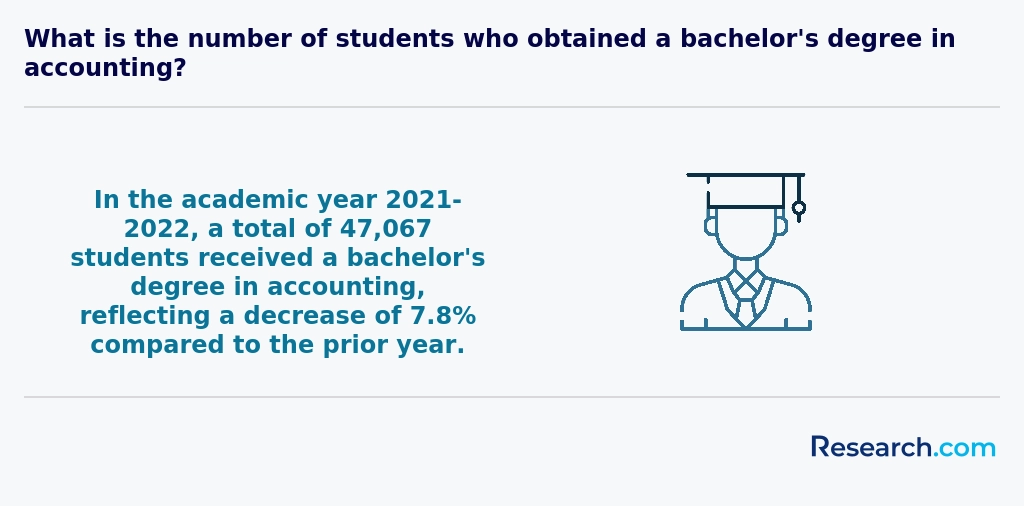
Graduates with an accounting degree in Virginia discover a vibrant tapestry of career paths that feel alive with possibility. Picture a fresh graduate from a Richmond-area university stepping into a bustling public accounting firm, navigating audits and tax codes with precision while the city skyline glows behind them. This route taps into the heart of accounting career opportunities in Virginia, blending traditional expertise with dynamic city vibes. Meanwhile, others from popular colleges in Fairfax dive into corporate accounting, balancing financial records and compliance in tech or government contracting, mastering budgets that could steer a Fortune 500 company.
Some find their calling in government accounting, working with Virginia state agencies where job security and community impact go hand in hand. Imagine a graduate from Charlottesville helping the Virginia Department of Accounts keep the wheels turning smoothly and transparently for taxpayers. The thrill of uncovering fraud or guiding strategic decisions pulls others toward forensic or management accounting, careers fueled by professional credentials like the CPA, CMA, or CIA, turning complex puzzles into rewarding solutions.
For those balancing cost and ambition, exploring Low Cost Online Accounting Degree Programs Ranking in the Midwest can spark inspiration and practical options to launch these vibrant jobs with an accounting degree in Virginia.
The job market for an accounting degree in Virginia buzzes with opportunity, especially for those graduating from well-known universities and colleges across the state. Imagine a fresh graduate stepping out of a Richmond campus, diploma in hand, greeted not by uncertainty but by a wealth of offers from public accounting firms and government agencies. This is the reality for many, as Virginia's diverse economy actively hunts for accounting graduates with sharp skills.
Graduates often find themselves navigating a landscape where certified public accountants (CPAs) are highly coveted, fueling a demand that only seems to grow stronger. Whether based in bustling Northern Virginia's tech-driven hubs or the thriving Richmond metro area, they experience firsthand why the Virginia accounting graduate employment outlook remains bright. Entry-level salaries comfortably settle between $50,000 and $60,000, rewarding fresh talent while setting the stage for growth.
For those weighing the cost of education, Virginia's in-state tuition-around $11,000-is a sensible investment, especially compared to pricier private institutions. Many graduates embrace flexible pathways like quickest degree college options for working adults to balance work and study, enriching their market-readiness. Accounting degree job opportunities Virginia truly reflect a blend of solid pay, varied roles, and vibrant local economies.
2027 Most Valuable Accounting Degree Programs Ranking in Virginia
Investing in your education is a significant decision that can shape your future, and the Research.com team understands the importance of making informed choices. To assist prospective students in Virginia, we have meticulously crafted the "2027 Most Valuable Accounting Degree Programs Ranking in Virginia." Our commitment to quality, credibility, and accuracy is reflected in the extensive research and analysis conducted to compile this ranking.
We utilized the following reputable data sources to ensure a comprehensive evaluation of accounting degree programs:
By exploring this ranking, readers will gain valuable insights into the most valuable accounting degree programs in Virginia, empowering them to make informed decisions about their educational investments. For more details on our methodology, please visit our Research.com methodology page.


# 3 position
Strayer University-Virginia
Bachelor of Science in Accounting

# 4 position
Strayer University-Virginia
Master of Science in Accounting
# 6 position
Virginia Polytechnic Institute and State University
Accounting and Business Analysis Major


# 10 position
Virginia Polytechnic Institute and State University
Master of Accounting and Information Systems

# 12 position
George Mason University
Bachelor of Science in Business with a Concentration in Accounting


Frequently Asked Questions About accounting
Accounting degree students in Virginia can maximize their learning by engaging with both academic and practical experiences. Virginia is home to several universities accredited by the AACSB, which ensures high-quality accounting education. Students should seek internships with local firms, especially in financial hubs like Richmond and Virginia Beach, to gain hands-on experience. According to the Virginia Employment Commission, demand for accountants in the state is expected to grow by 7% through 2030, emphasizing the value of real-world skills.
Participating in student chapters of professional organizations such as the Virginia Society of CPAs offers networking opportunities and access to industry events. Utilizing state resources and workshops can further enhance understanding of Virginia's specific tax codes and regulations. Finally, maintaining strong relationships with faculty advisors helps students tailor coursework toward certifications like the CPA, which is critical for career advancement in accounting.
The accounting field is evolving rapidly, creating new opportunities for professionals in Virginia. Emerging niches include forensic accounting, which focuses on investigating financial fraud and disputes. Demand for these specialists is growing as businesses aim to enhance security and compliance. Another expanding area is environmental accounting, helping companies track and report sustainability efforts, driven by stricter state and federal regulations.
Additionally, technology-related roles like data analytics and cybersecurity accounting are gaining importance. Virginia's growing tech industry increases the need for accountants skilled in analyzing big data and protecting financial information from cyber threats. According to the Virginia Society of CPAs, these niches are expected to grow significantly over the next decade, reflecting broader national trends.
After completing an accounting degree in Virginia, preparing for the job market involves strategic steps focused on skill-building and certification. Earning the Certified Public Accountant (CPA) license is crucial, as Virginia requires 150 college credit hours and passing the Uniform CPA Exam for licensure. According to the Virginia Department of Professional and Occupational Regulation, CPA holders typically have higher employment opportunities.
Internships during college provide essential real-world experience and networking opportunities. According to the Virginia Economic Development Partnership, the state's finance and accounting sectors grow steadily, with Richmond and Northern Virginia being top job hubs. Staying current with accounting software like QuickBooks and Excel also helps candidates stand out to employers.
Employers in Virginia increasingly seek accounting graduates who combine technical expertise with strong analytical skills. Proficiency in Generally Accepted Accounting Principles (GAAP) and familiarity with the latest accounting software, such as QuickBooks and Microsoft Excel, are highly valued. According to the Virginia Employment Commission, candidates with data analysis capabilities and experience in financial reporting have a competitive edge.
Communication skills also rank highly since accountants must present complex information clearly to clients and management. Problem-solving, attention to detail, and ethical judgment are essential attributes emphasized in many Virginia accounting programs.
Finally, professional certifications like CPA remain a crucial differentiator in the local job market.
Finding internships in Virginia relevant to an accounting degree involves leveraging local resources and institutions. Many universities in Virginia, such as Virginia Commonwealth University and George Mason University, have dedicated career centers that connect students to internship opportunities with accounting firms. According to the Virginia Department of Labor, the state hosts numerous accounting and auditing firms, especially in metropolitan areas like Richmond and Northern Virginia, providing a robust market for internships.
Students should also explore professional organizations like the Virginia Society of Certified Public Accountants (VASCPA). This group offers networking events, job boards, and mentorship programs highly valuable for securing internships. Additionally, many accounting internships in Virginia require familiarity with software like QuickBooks and Excel, skills commonly taught in accounting degree programs.
An accounting degree in Virginia significantly enhances career mobility and advancement opportunities. According to the Virginia Employment Commission, accounting occupations in the state are projected to grow by 9% between 2022 and 2032, faster than the average for all occupations. This growth creates more job openings and the need for qualified professionals at various career levels.
Holding a degree also meets educational requirements for certifications like the CPA, which is highly valued in Virginia's competitive market. Certified accountants often see higher salaries and faster promotions in industries such as finance, government, and consulting.
Employers typically prefer candidates with formal education in accounting because they bring essential skills in financial reporting, auditing, and tax compliance, all vital for navigating Virginia's business environment.
Studying for an accounting degree in Virginia offers students a strong foundation for interdisciplinary roles by integrating knowledge from finance, business law, and information systems. Programs often include courses on data analytics and taxation, equipping graduates with skills applicable to roles beyond traditional accounting. Virginia institutions emphasize real-world experience through internships aligned with local industries, enhancing practical understanding.
According to the Virginia Community College System, over 70% of accounting graduates find roles that blend accounting with management or technology. This trend reflects the demand in Virginia's growing sectors such as government, healthcare, and tech.
Furthermore, Virginia's accounting degrees often prepare students for certifications like CPA and CMA, valuable for interdisciplinary career paths.
Choosing between a thesis and a non-thesis accounting degree program in Virginia depends largely on your career goals and learning preferences. Thesis programs emphasize research, ideal for students aiming to pursue doctoral studies or academic careers. They typically require completion of a substantial research project, fostering critical thinking and specialized knowledge.
Non-thesis tracks focus more on practical skills and coursework, benefiting those targeting professional roles in accounting, auditing, or taxation. Many Virginia employers seek candidates with industry-ready expertise rather than research experience.
According to data from the Virginia Community College System and the National Center for Education Statistics, non-thesis programs are more common, reflecting local workforce demands.
Factors like available faculty expertise and program flexibility should also influence your choice.
Students in Virginia interested in studying accounting abroad have several options through partnerships between Virginia universities and international institutions. Many Virginia schools offer study-abroad programs or exchange agreements in countries with established accounting standards, such as the UK, Canada, and Australia. These programs often allow credits to transfer back to the student's degree in Virginia.
Additionally, some Virginia institutions provide dual-degree opportunities, enabling students to earn accounting credentials recognized both in the US and abroad. The Virginia Society of Certified Public Accountants (VSCPA) supports students pursuing global education through scholarships and resources.
Students should consult their university's study-abroad office for eligibility and financial aid details.
Students pursuing accounting degrees in Virginia can benefit from part-time jobs that provide relevant experience alongside their studies. Common opportunities include roles as bookkeeping assistants, tax preparers, and payroll clerks, often available at local accounting firms or businesses. These jobs help develop practical skills in financial recordkeeping, tax code application, and use of accounting software such as QuickBooks.
Virginia's growing economy supports internships and part-time roles in government agencies, non-profits, and corporate finance departments. According to the Virginia Employment Commission, the accounting field in the state grows steadily, with a projected 7% increase in job openings through 2030. Students can also gain experience through seasonal roles during tax season, leveraging local demand for preparers.
Accounting students in Virginia benefit from diverse networking opportunities through university clubs and professional organizations. Many schools host chapters of the American Institute of Certified Public Accountants (AICPA) and Beta Alpha Psi, providing students access to industry events and mentorship.
The Virginia Society of Certified Public Accountants (VSCPA) is a key regional network, offering student memberships, workshops, and local chapter meetings that connect learners with licensed professionals. According to VSCPA, over 2,000 accounting students statewide utilize these resources annually.
Internships facilitated by Virginia's universities often lead to networking with top firms such as Deloitte, PwC, and KPMG. These connections can significantly impact career placement in the competitive accounting market.
Alumni networks provide valuable benefits to accounting degree students in Virginia by fostering connections with professionals and former graduates working in the state's thriving business sectors. Through these networks, students gain access to mentoring, internships, and job opportunities, which are crucial in competitive fields like accounting. According to the Virginia Society of Certified Public Accountants, strong alumni links enhance career prospects by expanding professional reach and offering industry insights specific to Virginia's regulatory and economic environment.
Networking events and online platforms allow students to engage with experienced accountants, aiding in skill development and career advice. These relationships often lead to referrals and job placements in prominent firms across Virginia.
Customizing your accounting degree program in Virginia allows you to align education with specific career goals. Many Virginia universities offer concentrations such as auditing, taxation, or forensic accounting, letting you focus on areas in demand. According to the Virginia Society of Certified Public Accountants, tax expertise is highly sought after in the state.
You can also choose elective courses in business law, information systems, or finance to broaden your skillset. Some institutions provide internships or cooperative education options, which offer practical experience and networking within Virginia's robust financial sector.
Additionally, several schools support CPA exam preparation integrated into their curriculum, helping you meet licensure requirements efficiently.
Accounting students in Virginia often face challenges balancing rigorous coursework with practical experience requirements. The Virginia Board of Accountancy mandates 150 credit hours for CPA licensure, which typically extends the standard four-year degree to additional study or graduate-level courses. This can increase both time and financial commitments. According to the National Association of State Boards of Accountancy (NASBA), Virginia had a first-time CPA exam pass rate of around 52% in 2023, reflecting the exam's difficulty and the academic preparation needed.
Students also navigate evolving accounting standards and technology integration in curricula. Virginia universities are adjusting programs to meet these demands, but some students find it challenging to stay current. Access to internships and networking connections varies greatly across urban and rural areas in the state, affecting practical learning opportunities.
With an accounting degree in Virginia, graduates can pursue several respected professional certifications to advance their careers. The most recognized credential is the Certified Public Accountant (CPA) license, which allows individuals to provide auditing and attestation services. Virginia's Board of Accountancy requires 150 credit hours and passing the Uniform CPA Exam.
Other certifications include the Certified Management Accountant (CMA), focusing on financial management and strategy, and the Certified Internal Auditor (CIA), which prepares professionals for internal auditing roles. Both can enhance job prospects and earning potential.
According to the Virginia Society of CPAs, demand for credentialed accountants remains strong statewide, reflecting ongoing opportunities in various industries.
When applying to an accounting program in Virginia, start by showcasing a strong academic record, especially in math and business-related courses. Many Virginia institutions require a minimum GPA of 3.0 or higher for competitive applicants. Include a well-crafted personal statement explaining your interest in accounting, highlighting any relevant experience or internships.
Standardized test scores, like the SAT or ACT, remain important at some schools; recent data from the Virginia Department of Education shows that accounting programs favor candidates with scores above the state average. Letters of recommendation from teachers or employers can also strengthen your application.
Lastly, emphasize your knowledge of Virginia's accounting industry, referencing the demand growth projected by the U.S. Bureau of Labor Statistics, which forecasts a 7% increase in accounting jobs in Virginia through 2031.
The global perspective on an accounting career highlights strong demand and diverse opportunities. Accounting skills are essential worldwide, as businesses require accurate financial reporting and regulatory compliance. For students in Virginia, this means potential access to multinational firms and organizations that value globally aware accountants.
In the U.S., especially in Virginia, the accounting profession often demands certification such as the CPA license. According to the Virginia Board of Accountancy, the state issued over 20,000 active CPA licenses as of 2023, reflecting a robust professional community. This credential enhances global mobility as many countries recognize or have mutual agreements with U.S. CPAs.
Additionally, international standards like IFRS (International Financial Reporting Standards) are increasingly relevant. While the U.S. primarily uses GAAP, Virginia accountants benefit from familiarity with IFRS due to expanding global business ties. This knowledge equips graduates to work with global clients and adapt to multinational regulations.
Gaining practical experience while studying for an accounting degree in Virginia is crucial for career readiness. Many universities partner with local businesses and accounting firms to offer internships, which provide hands-on experience in tax preparation, auditing, and financial analysis. According to the Virginia Society of Certified Public Accountants, internships significantly boost employment prospects upon graduation.
Students can also participate in cooperative education (co-op) programs, combining semesters of study with paid work in accounting roles. Additionally, organizations like Beta Alpha Psi-an international honor society-offer networking events and volunteering opportunities that build practical skills.
Engaging in university-led consulting projects or on-campus accounting labs further enhances real-world exposure while studying in Virginia's competitive market.
Choosing the right concentration within an accounting degree program in Virginia starts with understanding your career goals. Common concentrations include auditing, taxation, forensic accounting, and management accounting. According to the Virginia Board of Accountancy, tax and audit specialties are highly sought after due to strong demand from local firms and government agencies.
Next, consider the curriculum and faculty expertise at Virginia colleges offering accounting degrees. Schools like Virginia Tech and George Mason University provide specialized tracks aligned with state market needs. Review job placement rates and certifications supported, such as CPA preparation, which is essential in Virginia's competitive job market.
Finally, explore internship opportunities in Virginia's diverse economy, from Richmond finance to Northern Virginia's federal agencies, which can influence your specialization choice and practical experience.
- 2027 Most Valuable Accounting Degree Programs Ranking in Kentucky
- 2027 Most Valuable Accounting Degree Programs Ranking in Delaware
- 2027 Most Valuable Accounting Degree Programs Ranking in Georgia
- 2027 Most Valuable Accounting Degree Programs Ranking in Indiana
- 2027 Most Valuable Accounting Degree Programs Ranking in Alabama
- 2027 Most Valuable Accounting Degree Programs Ranking in Connecticut
- 2027 Most Valuable Accounting Degree Programs Ranking in Illinois
- 2027 Most Valuable Accounting Degree Programs Ranking in Arkansas
- 2027 Most Valuable Accounting Degree Programs Ranking in Louisiana
- 2027 Most Valuable Accounting Degree Programs Ranking in Minnesota
See What Experts Have To Say About Studying Accounting
Read our interview with Accounting experts


John Wermert, Ph.D., CPA
Accounting Expert
Associate Professor of Accounting
Middle Tennessee State University

- What Can You Do with an Accounting Degree? Salary and Career Outlook - University of the Potomac https://potomac.edu/jobs-for-an-accounting-degree/
- How to Become a CPA in Virginia - Intuit Blog https://www.intuit.com/blog/life-at-intuit/intuit-experts/how-to-become-a-cpa-in-virginia/
- 6 Tips to Get a Head Start in Your Career during College : ThisWayToCPA : AICPA https://www.thiswaytocpa.com/education/articles/make-the-most-of-your-education/6-tips-get-head-start/
- Everything About Bachelor’s in Accounting https://www.allbusinessschools.com/accounting/bachelor-degree-in-accounting/
- How do they influence the accounting students' career choice? https://edulearn.intelektual.org/index.php/EduLearn/article/download/19870/10113
- Expectations of accounting students in relation to their ... https://sevenpubl.com.br/anais7/article/download/4780/8840/19578
- Accounting Career: Outlook and Overview | DeVry University https://www.devry.edu/blog/accounting-career-outlook.html
- Pathways to Become a CPA https://www.vscpa.com/pathways
- The Diverse Skills you Gain with an Accounting Degree https://www.accounting-education.org/blog/accounting-degree-diverse-skills/
- Professional Networking in Accounting - Accounting.com https://www.accounting.com/resources/networking-tips-for-landing-a-job/