
2027 Best Accounting Degree Programs Ranking in San Juan

Co-Founder and Chief Data Scientist
Choosing the right accounting degree program in San Juan can shape your future career and open exciting opportunities. This article introduces the 2027 Best Accounting Degree Programs Ranking in San Juan created by the Research.com team of data scientists to guide you toward the most valuable options.
By exploring this ranking, you'll gain clear insights that help you make an informed decision confidently. Pursuing an accounting degree offers stability, growth, and the chance to develop skills that employers truly value.
Start your journey toward success with trusted information tailored just for you.
Key benefits of getting accounting degree in San Juan
- Graduates with an accounting degree in San Juan can expect competitive salaries, such as $90,780 annually for Staff Accountants and around $49,580 for roles like Bookkeepers and Tax Preparers, reflecting strong earning potential.
- Career paths include diverse roles like auditing, tax preparation, and accounts payable, offering flexibility and chances to grow as seen in graduates from the University of Puerto Rico.
- Online accounting degrees provide convenience and allow working professionals in San Juan to balance studies with life commitments while gaining the same valued credentials as traditional programs.
- 2027 Best Accounting Degree Programs Ranking in San Juan
- What can I expect from accounting degree in San Juan?
- Where can I work with accounting degree in San Juan?
What can I expect from accounting degree in San Juan?
The average cost of pursuing an accounting degree in San Juan varies significantly depending on the institution and program level, with public universities like the University of Puerto Rico, Río Piedras Campus, generally offering more affordable tuition compared to private colleges. Graduates often recall balancing expenses by taking advantage of financial aid or part-time work, especially given the city's vibrant business community offering internship opportunities that can offset costs through stipends or practical training benefits.
Many students find value in programs focused on Puerto Rico's unique tax systems and financial regulations, which are integral to local accounting practices but might add layers of specialized coursework influencing tuition pricing. For example, graduates from public institutions note the cost-effectiveness of their degrees while appreciating the rigor aligned with AICPA standards. Such alignment can enhance job readiness without excessive financial burden.
On the other hand, some students enrolling in private colleges emphasize the potential for smaller class sizes and personalized attention, although these benefits often come with higher tuition fees. Ultimately, prospective students should weigh these considerations carefully, recognizing that costs reflect both academic quality and local regulatory relevance in San Juan's accounting education landscape.
Where can I work with accounting degree in San Juan?
Graduates holding accounting degrees from universities in San Juan, such as Universidad de Puerto Rico or Universidad del Sagrado Corazón, find themselves well-positioned for diverse career paths within the city. Many enter public accounting firms, including the local offices of global leaders like Deloitte and PwC, gaining hands-on experience with audits and tax consulting in fast-paced environments. These roles often spark enthusiasm among new graduates eager to develop their skills while working with clients spanning from small businesses to multinational corporations.
Others gravitate toward corporate accounting within San Juan's robust manufacturing and pharmaceutical sectors. For instance, graduates have reported excitement managing budgeting and compliance tasks at firms contributing significantly to Puerto Rico's economy. These positions offer a chance to see the direct impact of accounting on business growth and sustainability.
While government roles may seem stable and appealing, some graduates share that these positions also challenge them to navigate complex public finance systems, providing meaningful work beyond standard tasks. Meanwhile, employment in banks or credit unions is increasingly attractive for those interested in financial analysis roles that support the dynamic shift toward digital banking in the region.
Graduates with an accounting degree in San Juan often find diverse earning opportunities shaped by local market factors. According to recent U.S. Bureau of Labor Statistics data, staff accountants nationwide earn a mean annual wage near $90,780, yet in San Juan, median salaries hover around $55,000 due to regional economic conditions. For instance, graduates from well-known institutions like the University of Puerto Rico's accounting program share experiences of starting with salaries between $40,000 and $50,000 in entry-level roles such as bookkeeping or auditing.
Bookkeepers and tax preparers in the U.S. average around $49,580 annually, which can serve as a benchmark when considering San Juan's slightly lower but comparable wage levels. Some graduates with additional certifications like CPA or those working in multinational companies in San Juan report salary growth toward $70,000 or more. These ranges reflect how continued education and gaining specialized skills critically affect financial outcomes, illustrating how graduates can strategically increase their earnings over time.
- Tuition for accounting degrees in San Juan ranges from $5,000 to $10,000 annually at public universities and $15,000 to $25,000 at private institutions.
- Additional costs for textbooks and supplies typically add $1,000 to $2,000 per year to total expenses.
- Starting salaries for accounting graduates average between $50,000 and $55,000 annually, increasing to $70,000-$85,000 mid-career.
- Advanced certifications or managerial roles can lead to salaries above $100,000 per year.
- The job market is expected to grow about 5% over the next decade, driven by commercial and governmental demand.
- Many programs offer CPA preparation courses and internships that are important for career progress.
In San Juan, completing an accounting degree typically aligns with the expected timeframe of two years for an associate degree and about four years for a bachelor's degree at well-known institutions such as the University of Puerto Rico or Interamerican University. Graduates often reflect positively on the intensive learning experience, noting how the structured curriculum balances core accounting principles with practical applications.
It's important to recognize that these durations assume full-time study; some students share they extended their timelines due to part-time enrollment, often driven by financial constraints or work commitments. Others express appreciation for flexible scheduling options like summer courses or online classes, which have allowed them to accelerate progress.
Additionally, for those seeking CPA certification, bachelor's programs sometimes feel just like the beginning. Graduates describe pursuing master's degrees as a common next step, adding one or two more years but providing deeper knowledge and stronger career prospects.
Ultimately, students' experiences in San Juan highlight that while standard timelines exist, individual circumstances and institutional offerings create variations in how long the accounting degree journey lasts.
Online and on-campus accounting degrees in San Juan differ mainly in how students engage with their studies. Online programs, favored by many working adults, offer the freedom to balance coursework around jobs or family duties. For example, a graduate from an online program could complete an accounting assignment late at night while managing daytime work commitments, enjoying the flexibility but needing strong self-discipline and reliable internet.
Conversely, on-campus students at institutions like the University of Puerto Rico experience structured schedules and face-to-face interaction. These graduates often appreciate live discussions that deepen understanding and the chance to access campus resources such as tutoring centers and professional networking events. This environment can foster motivation and community, which some find energizing and crucial for academic success.
Cost considerations also vary. Online degrees can reduce expenses related to commuting and housing, though tuition might not differ much between formats locally. Both pathways require careful evaluation of accreditation to ensure a degree is well-regarded by employers in San Juan's accounting market.
The average cost of an accounting degree in San Juan varies significantly depending on whether a student attends a public or private institution. Data indicates that in-state tuition for public universities tends to be around $6,415 annually, which is substantially more affordable compared to private schools where total costs can approach $17,450. Graduates from popular universities in San Juan often remark on how these tuition differences influenced their choices, with many appreciating the balance public institutions offer between cost and quality of education.
Aside from core tuition and fees, students should also budget for additional expenses. Books, supplies, and student fees can push annual costs higher, sometimes adding up to $2,200 or more. Many accounting students share how careful financial planning helped them manage these extra costs without compromising their academic experience. This pragmatic approach is vital when considering the San Juan accounting degree tuition and fees, especially since living expenses, while somewhat moderate, also factor into students' overall budgets.
Some students pursuing advanced degrees, like a Master's in Accounting, report tuition escalating to between $7,000 and $15,000 annually depending on the university type. Despite these costs, numerous graduates emphasize the value of financial aid programs and scholarship opportunities. Furthermore, students looking to maximize their return on investment often explore the highest paying college majors, which can influence their financial decisions and career outlook.
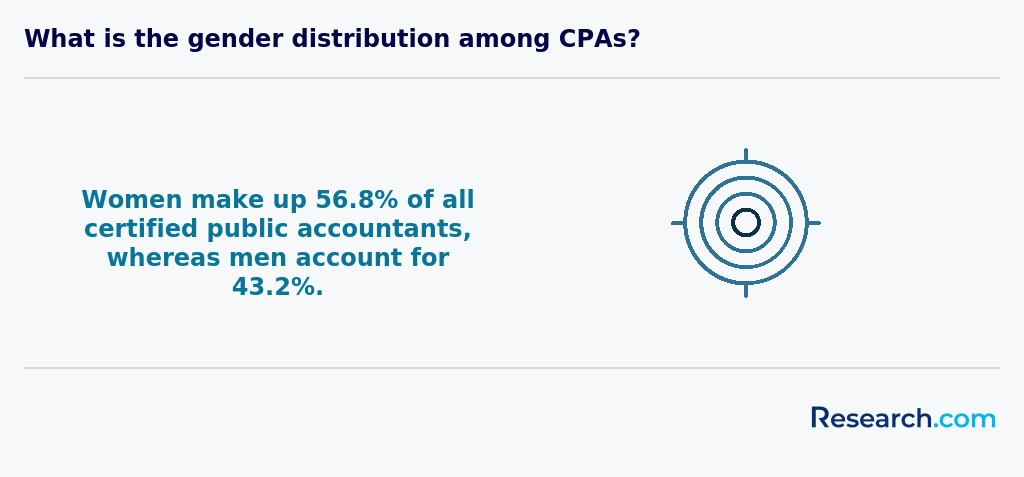
Students pursuing accounting degrees in San Juan often find financial aid crucial to managing tuition costs, which can range from $5,000 to over $15,000 annually depending on the institution. Graduates from the University of Puerto Rico, Río Piedras Campus, frequently mention how merit-based scholarships and need-based grants offered by their university eased their financial burdens, making higher education more accessible.
Applying for federal aid through FAFSA is a key step for many. The Pell Grant, for instance, provides up to $7,395 per year and can make a significant difference in covering expenses. Some students share how subsidized federal loans were instrumental, allowing them to focus on studies without immediate interest accrual.
Local scholarships from organizations like the Puerto Rico Society of CPAs also support accounting students, particularly those dedicated to the profession. Work-study programs enable students to gain relevant accounting experience earning between $10 and $15 an hour, balancing income and education efficiently. Veterans further benefit from military education benefits, adding important financial relief in this community.
To enroll in an accounting degree program in San Juan, students generally need a high school diploma or equivalent, such as a GED. Graduates from well-known local institutions often recall that a solid grounding in math and English was indispensable, reflecting the expectations at places like the University of Puerto Rico campus in San Juan. This foundation is crucial since accounting studies demand strong analytical and communication skills.
Transcripts showing consistent academic performance, usually with a GPA around 2.5 or higher, are often required. Some programs may recommend or require advanced courses in economics or business to better prepare students. For example, graduates noted that having taken business-related classes in high school made adapting to college coursework noticeably smoother.
Additionally, standardized test scores such as the SAT or ACT may be requested, especially for scholarship eligibility, though some institutions in San Juan are adopting test-optional policies. Non-native English speakers might also need to demonstrate proficiency through exams like TOEFL, an often necessary step described by former students who found the language requirement manageable with prior preparation.
Applicants should also be ready to submit letters of recommendation and a personal statement, which many alumni found helped them articulate their genuine passion for accounting. Conditional admission options available at some San Juan colleges offer a helpful alternative for students needing extra coursework before fully committing to the program.
Accounting degree programs in San Juan typically include foundational courses such as financial accounting and managerial accounting, essential for mastering the preparation of financial statements and decision-making skills. Graduates from well-known universities in San Juan often recall how these courses laid the groundwork for understanding real-world business scenarios, like managing budgets for local companies or nonprofits.
Auditing and taxation classes are also common, reflecting the importance of compliance and familiarity with Puerto Rico's unique tax regulations. Students frequently share how these courses helped them navigate both federal and local tax codes, a critical skill in the island's complex regulatory environment.
Other widely offered courses include Business Law, Cost Accounting, and Accounting Information Systems. Graduates note that studying Business Law prepared them for handling legal issues affecting Puerto Rican businesses, while Cost Accounting proved invaluable when working with manufacturing firms common in the region.
Ethics and Financial Management courses round out the program, fostering a strong sense of integrity and strategic thinking, qualities many San Juan students appreciate as they enter the workforce in a community-focused economy.
Accounting degree specializations in San Juan reflect both traditional and emerging fields tailored to diverse student interests and career goals. Graduates from top institutions often highlight strong programs in Financial Accounting, where mastering GAAP and financial reporting prepares them for robust careers in business financial analysis. Managerial Accounting offers an alternative focus, emphasizing budgeting and operational decision-making, which appeals to those eager to influence internal business strategies. Students also frequently choose Tax Accounting due to the complex federal and local tax landscape in Puerto Rico, finding this specialization both challenging and rewarding.
San Juan accounting program focus areas extend to Auditing and Assurance Services, seen as essential by many graduates aiming for CPA licensure, and newer fields like Forensic Accounting, which some find fascinating due to its investigative nature and role in fraud detection. Information Systems Accounting is gaining attention where technology and accounting intersect, valuable for students interested in automation and software systems. The specific local economic environment enhances the relevance of these options, helping students feel confident in their practical skills after graduation.
For those uncertain about specialization choices, understanding these varied pathways is crucial, and students sometimes explore multiple areas before committing. The accessibility of affordable tuition in San Juan combined with diverse options makes the programs appealing compared to mainland institutions. Interested individuals might also explore easiest doctorate programs to further advance in specialized accounting careers.
Choosing the best accounting degree in San Juan means balancing factors like accreditation, curriculum, and cost, all of which directly impact your educational experience and future career. Graduates from well-known local universities often praise AACSB-accredited programs, noting how rigorous coursework in auditing and taxation prepared them to excel in San Juan's competitive job market. However, not all top programs have this accreditation, so look closely at individual school offerings and how they align with your career goals.
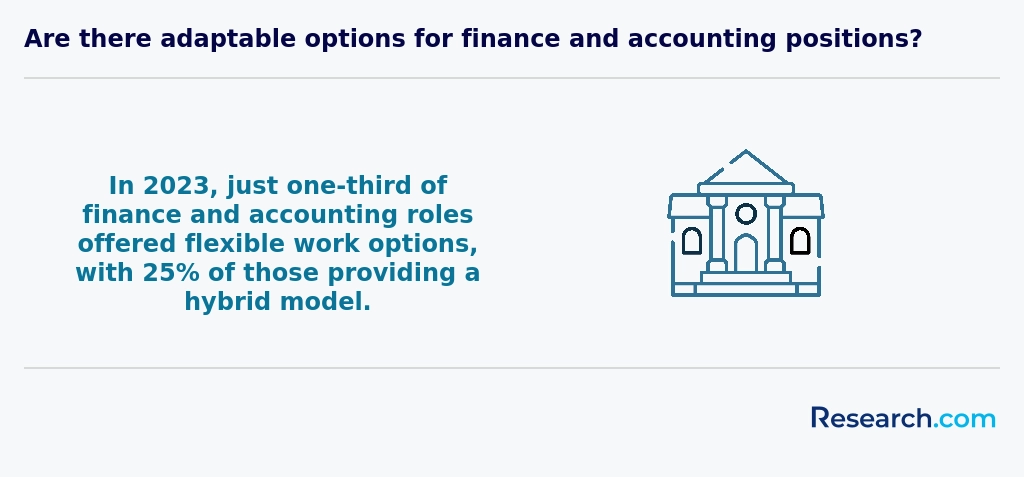
Since affordability is key, exploring affordable accounting colleges San Juan offers can be a smart move, especially because public universities typically provide lower tuition for residents without sacrificing quality. Some students share that flexible class schedules and hybrid formats allowed them to work while studying, which helped ease financial pressures. For those interested in accelerated paths, considering an accelerated associates program might be advantageous, enabling quicker entry into professional roles.
Finally, assess job placement and CPA exam pass rates published by schools. Graduates often highlight how local partnerships and internships offered by San Juan institutions gave them real-world experience and valuable networking advantages-key elements for turning a degree into a rewarding career in accounting.
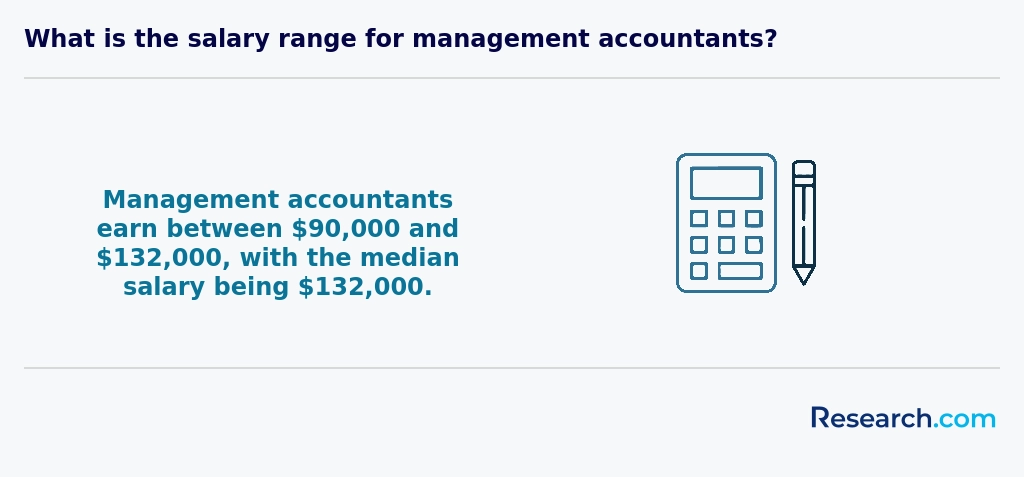
Graduates holding accounting degrees in San Juan frequently pursue careers as Certified Public Accountants (CPAs), finding roles in auditing, tax consulting, and financial reporting within local firms and government agencies. Many report satisfaction with their ability to blend analytical skills and regulatory knowledge to contribute meaningfully to San Juan's financial landscape. Others explore managerial accounting, where they support company decision-making through budgeting and cost management, particularly valuable in thriving sectors like manufacturing and tourism. These diverse jobs with accounting degree San Juan options exemplify how professionals tailor their careers to match growing industry needs.
A number of graduates also venture into corporate finance roles, such as financial analysts or internal auditors, where they assess organizational strategies and regulatory compliance. Some find fulfilling work in government accounting, ensuring transparency in municipal agencies, reflecting a meaningful public service path. Importantly, recent graduates from popular universities in San Juan highlight the appeal of forensic accounting careers, driven by rising demand for fraud investigation skills, showing how the local job market impacts choices.
While salary expectations might be modest compared to the mainland, the investment in local accounting education remains practical. Many students consider options beyond traditional campus programs, exploring the best universities online to balance cost and access, further broadening their path to success in accounting career opportunities in San Juan.
The job market for accounting degree holders in San Juan offers a mix of stability and challenges. Graduates from popular universities and colleges in San Juan find opportunities across various sectors such as government agencies, public accounting firms, and private businesses. These roles often involve financial reporting, auditing, and tax preparation. However, salary levels tend to be lower than on the U.S. mainland, which reflects local economic conditions. Many graduates share positive experiences about gaining practical skills through internships that lead to entry-level positions.
Considering the San Juan accounting career outlook 2027, professionals who pursue additional certifications, especially CPA credentials recognized locally, often secure better salaries and more advanced roles. This focus on continuous learning is crucial given the evolving demands of financial transparency and regulatory compliance in Puerto Rico's economy. For students preparing to enter this field, understanding typical tuition costs and exploring affordable programs at local institutions remains important. Many find value in programs that also guide them toward certification that pay well, maximizing their employment potential.
2027 Best Accounting Degree Programs Ranking in San Juan
Investing in your education is a significant decision that can shape your future, and the Research.com team understands the importance of making informed choices. To assist prospective students in San Juan, we have meticulously crafted the "2027 Best Accounting Degree Programs Ranking in San Juan." Our commitment to quality, credibility, and accuracy is reflected in the extensive research and analysis conducted to compile this ranking.
We utilized the following reputable data sources to ensure a comprehensive evaluation of accounting programs:
By exploring this ranking, readers will gain valuable insights into the best accounting degree programs available in San Juan, helping them make confident and well-informed decisions about their educational futures. For more details on our methodology, please visit our Research.com methodology page.


# 3 position
Universidad Ana G. Mendez-Cupey Campus
Master of Accountancy

# 5 position
Universidad Ana G. Mendez-Cupey Campus
Bachelor of Business Administration in Accounting
Frequently Asked Questions About accounting
Accounting degree students in San Juan can enhance their learning by combining classroom theory with practical experience. Internships at local firms or government agencies provide valuable hands-on skills and networking opportunities. According to the Puerto Rico Society of CPAs, involvement in professional organizations can improve career prospects and industry understanding. Students should also seek courses that offer certification preparation, such as CPA exam-focused classes, which are essential for licensure in the U.S. Staying updated with U.S. Generally Accepted Accounting Principles (GAAP) and tax regulations is critical. Lastly, using college resources like tutoring centers and study groups supports deeper comprehension and academic success.
The accounting profession is evolving, with several emerging niches gaining importance in San Juan and across the United States. One significant area is forensic accounting, which involves investigating financial fraud and helping to resolve legal disputes. This niche is expanding due to growing regulatory requirements and corporate governance demands.
Another fast-growing field is environmental accounting, which focuses on tracking and managing environmental costs and sustainability reporting. As businesses in San Juan respond to increasing environmental regulations, this specialization is becoming vital.
Technology-driven roles, such as data analytics and cybersecurity accounting, are also rising. According to the Bureau of Labor Statistics, accountants skilled in these areas may see job growth rates above the average 7% projected through 2032. Professionals who combine accounting expertise with IT knowledge are highly sought after in San Juan's competitive job market.
Graduates with accounting degrees in San Juan should focus on gaining practical experience to improve job market readiness. Internships in local accounting firms or businesses help develop relevant skills and professional networks. According to the Bureau of Labor Statistics (BLS), accounting jobs in Puerto Rico are projected to grow about 7% through 2030, reflecting steady demand.
Certification, such as becoming a Certified Public Accountant (CPA), greatly enhances employability. In Puerto Rico, CPA licensure requires passing the Uniform CPA Exam and meeting state-specific educational and experience criteria, overseen by the Puerto Rico Board of Accountancy.
Networking through professional organizations like the Puerto Rico Society of CPAs can provide valuable job leads and career guidance. Additionally, familiarity with accounting software such as QuickBooks and advanced Excel skills is highly recommended by employers.
Employers in San Juan highly value accounting graduates who demonstrate strong technical skills such as proficiency in accounting software like QuickBooks and Microsoft Excel. According to the Puerto Rico Society of Certified Public Accountants, approximately 85% of local employers prioritize candidates familiar with Generally Accepted Accounting Principles (GAAP) and tax regulations specific to Puerto Rico.
Beyond technical knowledge, communication skills are crucial, enabling graduates to present financial information clearly to clients and colleagues. Analytical thinking and attention to detail are also emphasized, as these skills help in accurately interpreting financial data and preventing errors.
Finally, ethical judgment and understanding of regulatory compliance remain fundamental expectations across all accounting roles in San Juan.
Finding internships in San Juan related to an accounting degree involves targeted research and networking. Start by exploring university career centers at institutions like the University of Puerto Rico, Río Piedras Campus, which frequently post local internship opportunities.
Many accounting firms in San Juan, including top local and regional offices, offer internships especially during tax season. Websites like the Puerto Rico Society of Certified Public Accountants provide listings and professional contacts that can be valuable.
Additionally, local government departments and corporate finance offices in San Juan periodically offer internships suited to accounting students, helping you gain practical experience.
Networking events, career fairs, and online platforms such as Handshake can also increase your chances of securing relevant positions.
In San Juan, earning an accounting degree significantly enhances career mobility and advancement opportunities. The metropolitan area hosts a diverse economy where certified accounting professionals are in strong demand across sectors such as finance, government, and tourism. According to the Puerto Rico Department of Labor, accounting jobs in San Juan are expected to grow by 7% over the next decade, reflecting stable industry growth.
A degree provides essential skills recognized by employers, enabling graduates to qualify for positions ranging from junior accountant roles to senior financial analysts. Many organizations prefer candidates with formal education due to evolving regulatory standards and technological advancements.
Further, an accounting degree facilitates pursuing professional certifications like the CPA, a credential highly valued in San Juan's job market. This often leads to higher salaries and leadership roles, accelerating career progression for graduates.
Studying for an accounting degree in San Juan equips students with skills that extend beyond traditional bookkeeping and financial reporting. Programs often include courses in business law, information systems, and economics, fostering an interdisciplinary approach. This broad knowledge base prepares graduates to work effectively in diverse roles, such as financial analysis, auditing, and consulting.
Many institutions in San Juan align their curricula with standards from the National Association of State Boards of Accountancy (NASBA), ensuring that students meet professional expectations. Additionally, proficiency in software and data analytics is emphasized, addressing the growing demand for tech-savvy accountants.
According to the U.S. Bureau of Labor Statistics, Puerto Rico's accounting sector is projected to grow by 5% through 2030, highlighting versatile career opportunities. This growth encourages programs to integrate interdisciplinary training to meet evolving industry needs.
Choosing between a thesis and a non-thesis accounting degree program in San Juan depends on your career goals and academic interests. Thesis programs typically focus on conducting original research, which is ideal if you plan to pursue a doctorate or a career in academia. Non-thesis programs often emphasize practical skills through additional coursework or internships, catering to those aiming for professional certifications like the CPA or immediate employment.
In San Juan, universities offering these options align with U.S. accreditation standards. According to the Council for Higher Education Accreditation, thesis programs can take longer to complete, averaging two years plus research time, while non-thesis tracks may be shorter.
Consult local university advisors to understand faculty expertise and available resources before deciding.
Students in San Juan seeking accounting degrees abroad have several options within the U.S. higher education system. Many universities offer online and hybrid accounting programs, allowing local students to study remotely. This flexibility is crucial for those balancing work or family commitments.
Popular destinations include mainland U.S. institutions accredited by AACSB or ACBSP, with programs focusing on CPA preparation, financial accounting, and auditing. These degrees are recognized both in Puerto Rico and across the states.
Additionally, exchange programs and scholarships facilitate in-person study at universities in states like Florida, New York, and Texas, which host renowned accounting schools.
According to the National Center for Education Statistics, over 150,000 students enroll in accounting degrees annually in the U.S., reflecting broad acceptance of diverse program formats suitable for San Juan residents.
San Juan offers several part-time job opportunities that can effectively complement an accounting degree education. Many students find positions as accounting assistants or clerks in local businesses, gaining practical experience with bookkeeping, payroll, and financial reporting. According to the U.S. Bureau of Labor Statistics, such roles often provide valuable exposure to accounting software and regulatory compliance.
Internships with regional accounting firms or government agencies are also common, offering hands-on learning while building professional networks. Additionally, jobs in retail or customer service related to finance, such as bank tellers or loan assistants, help develop critical analytical and communication skills essential for accountants.
Accounting students in San Juan benefit from various networking opportunities that can enhance their educational and professional growth. Universities such as the University of Puerto Rico at Río Piedras and Universidad del Sagrado Corazón often host accounting clubs and professional development events. These gatherings help students connect with peers and industry professionals.
Additionally, local chapters of national organizations like the American Institute of CPAs (AICPA) provide workshops, seminars, and conferences in San Juan. These events are valuable for expanding contacts within the Puerto Rican accounting field.
Internship programs with regional accounting firms also serve as practical networking platforms. According to the Puerto Rico Society of CPAs, over 60% of accounting students engage in internships, increasing their chances of employment after graduation.
Alumni networks play a significant role in supporting accounting degree students in San Juan. These networks offer valuable connections to established professionals in local accounting firms and businesses. According to the Puerto Rico Society of CPAs, students who engage with alumni often gain access to internships, job openings, and mentorship opportunities, which can improve early career prospects.
Many universities in San Juan facilitate events and workshops where alumni share current industry trends and practical advice. This real-world insight helps students understand the evolving demands of accounting roles within Puerto Rico's unique economic landscape.
Furthermore, alumni networks contribute to student confidence by providing peer support and professional guidance during and after graduation, enhancing overall career development.
In San Juan, students can tailor their accounting degree programs by choosing electives that align with specific career goals, such as forensic accounting, tax preparation, or auditing. Many universities offer concentrations or minors that complement core accounting courses, which helps focus skills on desired fields.
Internships and cooperative education programs in local firms provide practical experience tailored to particular industries like finance or government, enhancing job readiness. Additionally, some schools partner with professional organizations, allowing access to certifications like CPA exam preparation, crucial for many accounting careers in San Juan. According to the Puerto Rico Society of CPAs, over 60% of accounting graduates pursue this certification for better employment opportunities.
Accounting students in San Juan often face the challenge of balancing rigorous coursework with practical experience requirements. Many programs emphasize mastery of complex topics like tax law, auditing, and financial reporting, which can be demanding for newcomers. According to the Puerto Rico Education Council, nearly 40% of accounting students report difficulty managing their study workload alongside internships or part-time jobs.
Language barriers can also arise since some coursework requires proficiency in English, especially for federal tax regulations. Additionally, limited access to local CPA exam preparation resources may delay licensure progress compared to students in larger U.S. cities. Understanding evolving regulatory frameworks specific to Puerto Rico adds another layer of complexity for these students.
With an accounting degree in San Juan, graduates can pursue several key professional certifications to enhance their careers. The most recognized credential is the Certified Public Accountant (CPA), which requires passing the Uniform CPA Exam and meeting state licensing requirements. In Puerto Rico, as in other U.S. jurisdictions, CPAs enjoy strong job prospects and higher earning potential.
Other valuable certifications include the Certified Management Accountant (CMA), focused on management accounting, and the Certified Internal Auditor (CIA), which is ideal for those interested in audit roles. These certifications demonstrate specialized expertise and are respected nationally.
According to the Puerto Rico Society of CPAs, the demand for certified accountants continues to grow, reflecting the region's expanding financial sector.
Applying to an accounting program in San Juan requires a clear, well-prepared application to improve your chances of acceptance. Start by carefully reviewing each university's requirements, which typically include official transcripts, standardized test scores, and letters of recommendation.
Highlight your quantitative skills and relevant experience in your personal statement. Emphasize your understanding of accounting principles and any internship or work related to finance. According to the Puerto Rico State Department of Education, applicants with a GPA above 3.0 and related experience have higher acceptance rates in San Juan's competitive accounting programs.
Lastly, ensure you meet application deadlines and tailor your materials to display your commitment to a career in accounting.
The accounting profession is increasingly global, with US accounting standards influencing international business practices. For students in San Juan, understanding global perspectives means recognizing how US Generally Accepted Accounting Principles (GAAP) coexist with International Financial Reporting Standards (IFRS). Many multinational companies require accountants familiar with both.
According to the Bureau of Labor Statistics, accounting jobs in the US, including Puerto Rico, are projected to grow by 7% from 2022 to 2032. San Juan benefits from this demand due to its status as a financial hub in the Caribbean. Accountants here often work with cross-border transactions and diverse regulatory frameworks.
Additionally, global trends emphasize technology skills, ethics, and adaptability, which US accounting degree programs increasingly prioritize. Certifications like the CPA remain essential for advancing careers locally and globally.
Gaining practical experience while studying for an accounting degree in San Juan is essential for building job-ready skills. Many universities in the area offer internship programs with local accounting firms and businesses, allowing students to apply classroom knowledge in real-world settings. For example, the University of Puerto Rico often connects students with internships that provide valuable hands-on experience.
Students can also participate in cooperative education (co-op) programs, combining academic learning with paid work experience. Additionally, joining accounting clubs and organizations offers networking opportunities and exposure to professional practices. Engaging in volunteer tax assistance programs, such as those sponsored by the IRS's Volunteer Income Tax Assistance (VITA), is another way to develop skills while serving the community.
Choosing the right concentration within an accounting degree program in San Juan requires understanding your career goals and interests. Common concentrations include auditing, tax accounting, forensic accounting, and managerial accounting. Each focuses on different skills and career paths, such as preparing taxes, examining financial records for fraud, or managing company finances.
Consider the local job market in San Juan, where tax accounting and auditing are in high demand due to the presence of many small businesses and government agencies. According to the Puerto Rico Department of Labor, accounting roles related to compliance and tax preparation are expected to grow by 5% through 2027.
Also, evaluate your strengths and preferences. For instance, forensic accounting may appeal if you enjoy investigation and detail work. Research the concentrations offered by institutions in San Juan and their connections with local firms for internships and job placements to enhance your prospects.
See What Experts Have To Say About Studying Accounting
Read our interview with Accounting experts

John Wermert, Ph.D., CPA
Accounting Expert
Associate Professor of Accounting
Middle Tennessee State University


- What To Do With an Accounting Degree | University of Phoenix https://www.phoenix.edu/articles/accounting/what-can-you-do-with-an-accounting-degree.html
- Best institutions to study Accounting and Related Services in Puerto Rico https://clema.ai/puerto-rico/accounting-and-related-services
- Inside the world of accounting internships: What to expect : ThisWayToCPA : AICPA https://www.thiswaytocpa.com/work-experience/articles/internships/inside-world-accounting-internships-what-expect/
- Top Accounting Programs at Colegio Universitario https://afbf.in/best-colleges-for/accounting-colegio-universitario-de-san-juan/
- Harnessing the Power of an Alumni Network | Friend & Grant Accountants https://www.friendandgrant.co.uk/blog/how-to-harness-the-power-of-alumni-networks/
- 6 accounting niches for your new firm https://www.becker.com/blog/career/accounting-niches-for-your-firm
- Are accounting students overloaded and under-supported? https://www.studentvoice.ai/blog/accounting-students-challenges-with-workload-and-support/
- Accountant Cover Letter Example https://www.careertoolbelt.com/professions/accountant/cover-letter-example/
- Guide to Transition into an Accounting Career https://teach.com/online-ed/business-degrees/online-masters-accounting/how-to-transition-to-an-accounting-career/
- Accounting Degree: Associate or Bachelor’s | Monroe University https://www.monroeu.edu/news/accounting-degree-associate-or-bachelors


