2027 Most Valuable Online Master's in Accounting Degree Programs Ranking in Colorado

Co-Founder and Chief Data Scientist
Choosing the right online master's degree in accounting can feel overwhelming, especially when you want quality and value tailored to Colorado students. This article presents the 2027 Most Valuable Online Master's in Accounting Degree Programs Ranking in Colorado, carefully developed by the Research.com team of data scientists. It's designed to help you make informed decisions about which programs truly stand out.
By exploring this ranking, you'll discover programs that align with your goals and budget, supporting your journey toward a rewarding career in accounting.
Investing in your education today can open doors to exciting opportunities tomorrow.
Key benefits of getting online accounting degree in Colorado
- Salary benefits: Graduates with an accounting degree in Colorado can expect competitive salaries, with roles like Certified Public Accountant, Tax Manager, and Forensic Accountant earning a mean annual wage of about $90,780, reflecting strong financial rewards for their expertise.
- Career paths: An example graduate from the University of Colorado Boulder often finds diverse opportunities, including corporate accounting, auditing management, and financial analysis, showcasing the degree's versatility in various industries.
- Online degree advantages: Earning an accounting degree online, such as from Colorado State University's Global Campus, provides flexibility to balance work and studies, making it easier and more convenient to gain valuable skills without disrupting daily life.
- 2027 Most Valuable Online Master's in Accounting Degree Programs Ranking in Colorado
- What can I expect from online accounting degree in Colorado?
- Where can I work with online accounting degree in Colorado?
What can I expect from online accounting degree in Colorado?
The average cost of an online accounting degree in Colorado typically ranges between $20,000 and $45,000, depending on the institution and program length. Graduates from universities such as the University of Colorado and Colorado State University often describe the investment as worthwhile, emphasizing the flexibility of online learning combined with rigorous coursework tailored to both national standards and Colorado's unique business regulations.
Many students appreciate that tuition fees align with regional accreditation and AACSB standards, ensuring their education supports pathways to professional certifications like the CPA. One graduate shared how managing work alongside the program was feasible due to structured online classes, allowing a steady career progression without sacrificing financial stability.
In addition to tuition, some programs include access to essential resources such as career services and internship opportunities, providing practical experience that echoes real-world tasks in Colorado's aerospace and energy sectors. For future accountants, these factors make the cost not only an expense but a strategic investment in advancing within Colorado's dynamic business environment.
Where can I work with online accounting degree in Colorado?
Graduates holding an online accounting degree from institutions like the University of Colorado Boulder or Colorado State University typically find a wealth of career opportunities throughout Colorado. Many secure rewarding roles in prominent public accounting firms such as Deloitte and PwC in Denver, where they engage in auditing, tax preparation, and consulting. These roles often stimulate professional growth and offer robust entry-level pathways.
Others enter internal accounting positions within Colorado's dynamic business sectors, including finance, healthcare, and technology companies located in the Denver-Aurora area. Accounting professionals here manage critical functions like budgeting and regulatory compliance, contributing directly to organizational success.
Many graduates also pursue careers with government entities such as the Colorado Department of Revenue or local city finance departments, where job stability and pension benefits enhance long-term satisfaction. Others find meaningful work in nonprofit organizations in Denver or Colorado Springs, handling grant management and financial reporting that supports community initiatives.
Thanks to the flexibility of online programs, graduates often balance hybrid or remote work arrangements, which aligns with modern professional lifestyles. Earning an online degree in Colorado also prepares students to meet CPA exam requirements, a key credential for career advancement in the state.
Graduates holding an online accounting degree in Colorado can expect mean annual wages around $90,780 for roles such as Certified Public Accountant, Corporate Accountant, Tax Manager, Auditing Manager, and Forensic Accountant, according to recent Bureau of Labor Statistics data. This figure reflects solid earning potential that aligns well with Colorado's growing economy and competitive job market.
For example, graduates from institutions like the University of Colorado Denver or Colorado State University often secure positions in Denver's thriving financial sector, where experienced accountants command salaries near or above this average. Early-career professionals typically start with salaries between $55,000 and $65,000, gradually advancing as skills and certifications-such as CPA or CMA-are obtained.
Many graduates report a rewarding balance of challenge and financial stability, allowing them to thrive in dynamic environments like corporate headquarters or finance firms. These roles frequently offer opportunities for advancement, making an online accounting degree from a Colorado-based program a valuable investment in one's future.
- The average total cost for an online bachelor's degree in accounting in Colorado ranges from $25,000 to $40,000, with lower rates for in-state public university students.
- Graduate online accounting degrees in Colorado typically cost between $20,000 and $45,000.
- Entry-level accountants in Colorado earn about $55,000 to $60,000 annually, while mid-career professionals with certifications can make $75,000 to $90,000.
- Employment for accountants and auditors in Colorado is projected to grow by 8% over the next decade, matching the national average.
- Colorado's industries like finance, aerospace, and technology create steady demand for accounting professionals, often requiring CPA certification.
Completing an online accounting degree in Colorado typically varies based on the program level and student commitment. At universities such as the University of Colorado and Colorado State University, full-time undergraduate students usually graduate within four years. Many graduates appreciate the flexibility these programs offer, enabling them to balance jobs and family while pursuing their degree.
Part-time students often extend their studies to five or six years, a choice favored by working professionals in Denver and Boulder who rely on online formats to fit education into busy schedules. For graduate degrees like the Master of Accountancy, full-time students can finish in 12 to 24 months. Accelerated pathways, available at several Colorado institutions, allow completion in as little as one year if students enroll year-round.
Graduates frequently mention that credit transfers and self-paced courses significantly reduce their time to degree completion, making online programs at Colorado colleges appealing for efficient career advancement.
For students seeking to pursue an online master's in accounting in Colorado while being mindful of their expenses, exploring affordable options is a prudent step. Many institutions offer competitive pricing without compromising on the quality of education. When researching, it's beneficial to look into the overall cost, financial aid options, and the potential return on investment. For instance, some of the cheapest accounting schools in Colorado provide not only affordable tuition rates but also a comprehensive curriculum that prepares students for the professional world. By weighing these factors, prospective students can make an informed decision that aligns with their financial situation and career aspirations, ultimately leading to a valuable and affordable online accounting degree.
Graduates from the University of Colorado Boulder often emphasize the flexibility offered by online accounting degrees, which allow students to balance coursework with full-time jobs or family responsibilities. This flexibility proves invaluable for many studying remotely while continuing their professional careers. Conversely, graduates from Colorado State University highlight the immersive campus experience, where face-to-face interaction with faculty and peers enhances learning and networking opportunities.
Online accounting students at Metropolitan State University of Denver report that virtual classrooms and discussion boards enable meaningful collaboration, though sometimes less spontaneous than on-campus conversations. Many appreciate the reduced costs associated with online programs, noting savings on housing and transportation, which can make pursuing an accounting degree more affordable in Colorado's competitive job market.
Both formats maintain accreditation standards essential for CPA exam preparation, ensuring that whether students choose the online pathway or traditional on-campus study, they meet the rigorous requirements set forth by Colorado's accounting profession. This balance of flexibility and quality makes online accounting degrees a compelling option for many prospective students statewide.
The dynamic landscape of accounting is evolving rapidly as technological innovations reshape traditional roles and create new career pathways. With automation, data analytics, and cloud-based accounting software becoming integral components of daily operations, today's students are encouraged to build tech proficiency alongside foundational accounting skills. For instance, integrating digital tools into coursework not only enhances learning outcomes but also prepares graduates to thrive in environments where efficiency and accuracy are paramount. Furthermore, emerging trends such as sustainable accounting practices and forensic accounting are opening diverse avenues for professionals determined to drive change in their organizations. Embracing these trends can position you for long-term success, much like pursuing a financial accounting career that leverages both analytical insight and technological expertise. As industry demands shift, continuous professional development and staying updated with regulatory changes will be crucial to maintaining a competitive edge in the field.
The average cost of an online accounting degree in Colorado typically centers around $16,035 for the total program. Graduates from popular institutions like the University of Colorado system often share how this investment reflects well in their career advancement, especially when compared to higher private institution fees. Public universities in Colorado usually charge between $300 and $400 per credit hour for online courses, making it manageable for many in-state students to complete the roughly 120 credit hours needed for a bachelor's degree.
Out-of-state students should be prepared for potentially higher tuition, which can significantly increase the overall expense. However, some community colleges and online-specific providers offer more affordable rates, ranging from $150 to $250 per credit, providing a practical alternative for foundational accounting coursework or associate degrees. These options make pursuing an accounting degree in Colorado accessible to a wider student base without compromising quality.
Those considering further education benefit from understanding online master's in accounting tuition fees Colorado usually range between $20,000 and $40,000, depending on program length and prestige. Alumni from these programs often cite the value of financial aid, scholarships, and employer tuition assistance, which can help offset costs substantially. For students eager to learn about the diverse paths following graduation, exploring MBA graduate career paths offers encouraging insights.

Graduates of online master’s in accounting programs in Colorado often prioritize licensure, making CPA exam performance a critical indicator of program quality. Many accredited programs align their curriculum with the American Institute of CPAs (AICPA) requirements, ensuring students complete the 150 credit hours needed to sit for the Uniform CPA Exam. For example, the University of Colorado Denver reports a first-time pass rate of 62% on the AUD section, closely matching national averages. Colorado State University Global boasts an Overall pass rate of 58% across all four exam sections, reflecting rigorous preparation in auditing, taxation, and financial reporting. Beyond exam scores, understanding state-specific eligibility is essential. Colorado candidates must complete 24 semester hours of accounting subjects and 24 semester hours of business-related courses. Online programs in the state typically embed these credits within their master’s curriculum, simplifying the path to licensure. Prospective students should verify course coverage for ethics and business law, which are examined in the CPA Ethics exam required by the Colorado Board of Accountancy. For those seeking budget-friendly alternatives without sacrificing exam readiness, explore our Most Affordable Online Accounting Degree Programs Ranking in the South. This resource highlights programs that combine affordability with strong licensure support, enabling aspiring CPAs to balance cost and career goals effectively.
Students pursuing online accounting degrees in Colorado can access a range of financial aid options to ease their educational expenses. At institutions like the University of Colorado Boulder and Colorado State University, graduates frequently cite the Free Application for Federal Student Aid (FAFSA) as their first step toward securing funding through Pell Grants, which can provide up to $7,395 annually without repayment obligations. Many find this grant essential in managing tuition costs that can range between $12,000 and $18,000 per year.
State programs such as the Colorado Opportunity Scholarship Initiative (COSI) offer additional relief, granting up to $4,000 yearly to eligible students. This support has enabled numerous accounting students at colleges like Metropolitan State University of Denver to focus on their studies without overwhelming financial stress.
Institutional scholarships further benefit business and accounting majors, often awarded for merit or to promote diversity. Additionally, some graduates report leveraging employer tuition assistance programs, reducing their out-of-pocket costs while continuing professional work in the field.
Federal student loans remain a viable option, particularly Direct Unsubsidized Loans for graduate students, though prudent consideration of repayment terms is advised given Colorado's competitive average accountant salary near $72,000.
Earning a professional certification such as the CPA (Certified Public Accountant) or CMA (Certified Management Accountant) can significantly elevate your credentials and open doors to advanced roles in finance and audit. In Colorado, CPA licensure typically requires:
- Educational Requirements: 150 semester hours of college coursework-including a master’s in accounting-approved by the Colorado State Board of Accountancy.
- Exam Sections: Four CPA Exam components (Auditing & Attestation, Business Environment & Concepts, Financial Accounting & Reporting, Regulation).
- Ethics Exam: A separate Colorado-specific ethics exam to demonstrate understanding of state regulations and professional standards.
- Experience: At least one year (2,000 hours) of supervised accounting work under a licensed CPA, which many online master’s programs facilitate through practicum partnerships. Many online programs in Colorado bolster your exam readiness by offering targeted review courses, virtual study groups, and simulated practice exams. For those considering alternative certifications, the CMA and CIA (Certified Internal Auditor) also have clear pathways:
- CMA: Requires a bachelor’s degree, two years of professional accounting experience, and passing two exam parts (Financial Planning, Performance & Analytics; Strategic Financial Management).
- CIA: Open to accounting graduates with 24 semester hours in accounting subjects, plus completion of three exam parts (Essentials of Internal Auditing; Practice of Internal Auditing; Business Knowledge for Internal Auditing). Obtaining these credentials not only boosts your earning potential-CPAs in Colorado often command salaries 10–20% above non-certified peers-but also diversifies your career opportunities. From forensic accounting to executive leadership, certification underscores your expertise and commitment. To explore specific roles and salary trends unlocked by these credentials, check out what jobs do accounting majors get.
To enroll in an online accounting degree program in Colorado, applicants typically must hold a high school diploma or GED for bachelor's level studies. Graduates from institutions like the University of Colorado Denver emphasize how meeting this basic requirement was their first step toward a rewarding academic journey.
For master's level programs, such as those offered by Colorado State University Global, a bachelor's degree is essential. Many students have shared that having foundational coursework in financial and managerial accounting, economics, statistics, and business law greatly eased their transition into advanced studies. These prerequisites ensure readiness and confidence when engaging with complex subjects.
Admission processes often include submitting GRE or GMAT scores, letters of recommendation, and a personal statement, though several Colorado institutions are adopting test-optional policies. Alumni frequently recount how these components allowed them to showcase their dedication and career goals beyond grades, fostering a more holistic evaluation.
Applicants appreciate that some programs permit concurrent completion of required courses, making it more accessible to balance work and education. This flexibility has enhanced many students' enthusiasm and commitment to pursuing accounting degrees online in Colorado.
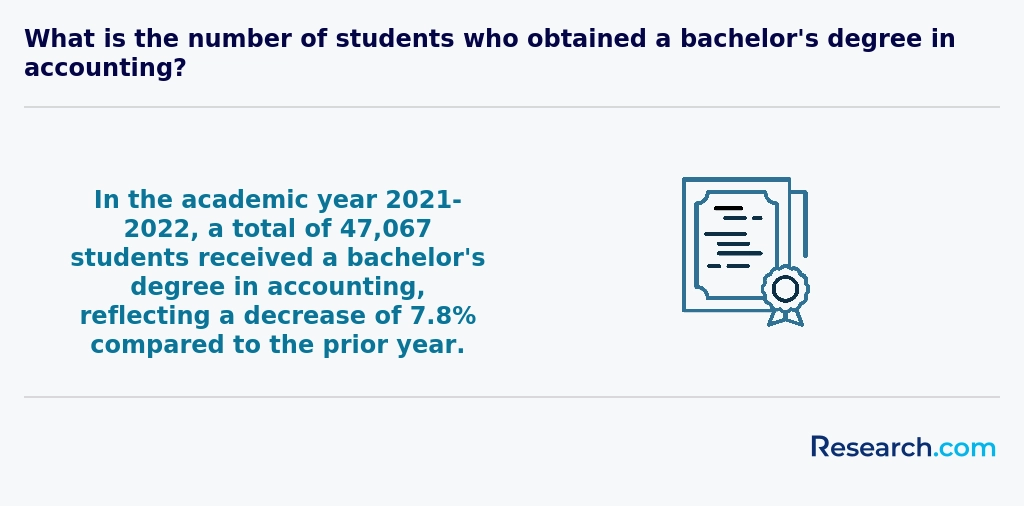
Online accounting degree programs in Colorado consistently include core courses such as Financial Accounting, Managerial Accounting, Taxation, Auditing, Accounting Information Systems, and Business Law and Ethics. Graduates from notable institutions like the University of Colorado Denver often highlight how Financial Accounting courses helped them master preparing clear, compliant financial statements vital for local businesses. Managerial Accounting equips students with the skills to make strategic internal decisions, a competency praised by alumni working in Colorado's dynamic corporate environments.
Taxation courses stand out by focusing on both federal and Colorado-specific tax laws, providing essential expertise for handling state compliance. Auditing teaches rigorous financial review procedures, ensuring graduates are prepared to maintain transparency and trust across various industries. Accounting Information Systems fosters familiarity with the technology driving today's financial management, a key asset in tech-savvy markets like Boulder. Business Law and Ethics instill a strong foundation in legal frameworks and ethical standards, crucial for responsible professional conduct assessed in many Colorado workplaces.
Students frequently express satisfaction with the practical application of these courses through virtual simulations and capstone projects, reinforcing real-world readiness and confidence as they enter Colorado's competitive accounting job market.

Students enrolled in an online accounting degree in Colorado often select from several specialized tracks designed to enhance their expertise and align with regional market demands. Common specializations include Taxation, which equips graduates to navigate Colorado's intricate state and local tax laws, and Auditing and Assurance Services, a critical path for those pursuing CPA licensure in the state's competitive landscape. Forensic Accounting is another growing concentration, appealing to professionals who wish to investigate fraud and disputes within Colorado's public and private sectors.
Graduates from well-regarded state universities highlight how Managerial and Cost Accounting helped them contribute significantly to corporations in Colorado's energy and technology industries, while Financial Accounting and Reporting remains vital for roles involving transparent stakeholder communications. Many students appreciate that these specializations, prevalent in best accounting masters concentrations Colorado offers, also prepare them to meet the CPA Board's 150-credit-hour requirement. Those exploring further options appreciate combining these areas with accounting information systems courses, reflecting Colorado's push towards digital transformation.
Prospective learners considering advanced training often review trade school online programs in Colorado to complement their specialization and certification goals.
When selecting the best online accounting degree programs in Colorado, priority should be given to accreditation from respected organizations like the Accreditation Council for Business Schools and Programs (ACBSP) or the Association to Advance Collegiate Schools of Business (AACSB). Graduates from popular universities such as the University of Colorado and Colorado State University often emphasize how accreditation ensured their degrees were valued by employers across the state. Additionally, in-state tuition rates in Colorado make public institutions an attractive choice for cost-conscious students, especially when seeking an affordable online accounting master's Colorado program.
Curriculum depth and specialization options are critical factors. Programs offering tracks in forensic accounting or CPA exam preparation mirror real-world demands and are praised by alumni for preparing them thoroughly for careers. Flexibility of delivery-whether asynchronous or blended formats-allows working professionals to balance studies with commitments, a feature valued by many Colorado students. Furthermore, leveraging strong local employer connections or internships has proven invaluable for graduates seeking to enter Colorado's growing accounting job market.
Prospective students should also explore adjacent fields for broader opportunities; for example, many have benefited by comparing related degrees, such as the best online construction management degrees, to diversify their career options.

Graduates holding an online accounting degree in Colorado have numerous career paths available that reflect the state's dynamic economic landscape. Many pursue public accounting roles, working in firms that emphasize auditing, tax preparation, and consulting services. These professionals are often well-prepared to succeed on the CPA exam, a critical credential valued within Colorado's key business hubs like Denver and Boulder. Graduates frequently describe a rewarding experience navigating this competitive but fulfilling market.
Corporate accounting also presents a vibrant career avenue. Graduates frequently secure positions as financial analysts, budgeting managers, or internal auditors in industries such as technology and energy. The skills honed at universities known for strong accounting programs in Colorado prepare students to manage complex financial strategies and compliance with confidence, fueling upward professional momentum. This broad array of opportunities illustrates the appeal of accounting jobs for graduates in Colorado.
Additional paths include government accounting roles, forensic accounting, and nonprofit financial management. Many graduates find satisfaction supporting community-oriented financial oversight or investigating financial discrepancies in legal contexts. Those interested in diverse advisory roles may explore financial consulting careers, helping clients optimize investments and tax strategies. For students balancing multiple interests, programs offering best online paralegal studies associate degrees complement accounting skills to broaden career options.
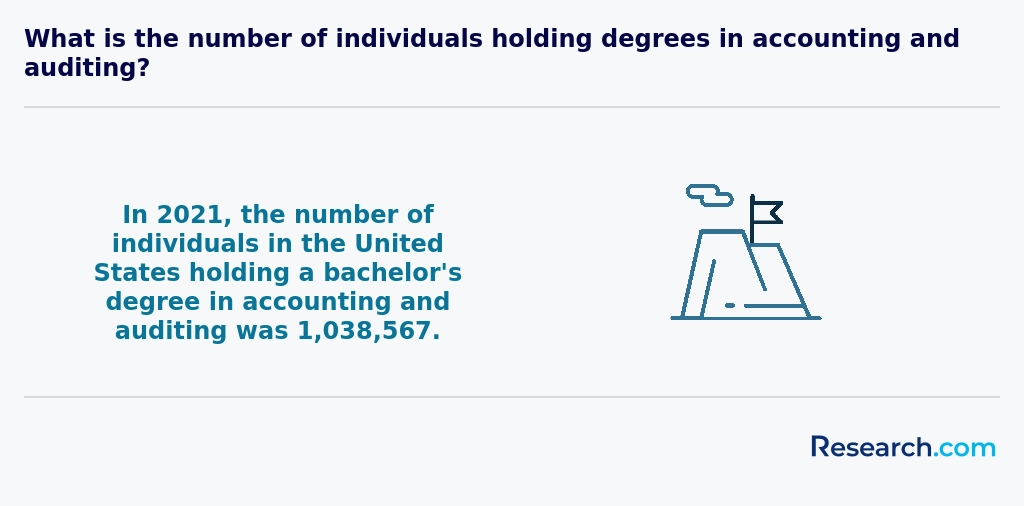
The online accounting degree job outlook Colorado shows a robust demand fueled by the state's economic growth in cities like Denver and Boulder. Graduates from regional institutions often share stories of securing roles in public accounting firms or corporate finance soon after completing their degrees, attributing success to the flexibility and comprehensive curriculum online programs offer. These programs often include preparation for certifications that enhance employability, such as the CPA. The Colorado accounting job market growth is supported by steady openings in government agencies and nonprofit sectors, reflecting a diverse range of opportunities.
Students appreciate how online courses from well-known Colorado colleges balance theoretical knowledge with practical skills, enabling them to enter competitive markets confidently. With average wages slightly above the national average-about $77,000 annually-graduates find the investment in education worthwhile. Moreover, flexible learning paths align well with professionals seeking career advancement. Those interested should also explore the benefits of an M7 MBA program benefits to complement their accounting expertise for broader opportunities.
2027 Most Valuable Online Master's in Accounting Degree Programs Ranking in Colorado
Investing in your education is a significant decision that can profoundly impact your career, and the Research.com team recognizes the importance of providing trustworthy guidance. To support prospective students exploring accounting degrees, we have carefully developed the "2027 Most Valuable Online Master's in Accounting Degree Programs Ranking in Colorado." Our dedication to quality, credibility, and accuracy is demonstrated through rigorous research and analysis of multiple authoritative data sources.
We utilized the following reputable data sources to create this ranking:
By reviewing this ranking, readers will gain critical insights into the most valuable online accounting master's programs in Colorado, empowering them to make well-informed decisions about their education and career paths. For further information on our approach, please visit our Research.com methodology page.
# 1 position
Colorado Christian University
Master of Accounting

# 2 position
Colorado Technical University-Colorado Springs
Master of Accounting

Frequently Asked Questions About accounting
Online accounting degree students in Colorado can maximize their learning by actively engaging with course materials and participating in virtual discussions. Utilizing university-provided resources such as tutoring centers and career services enhances understanding and professional growth. Given Colorado's growing demand for accountants-projected to increase 8% from 2020 to 2030 according to the U.S. Bureau of Labor Statistics-students should also seek internships or volunteer opportunities within local businesses or accounting firms. Networking virtually and joining Colorado-based accounting organizations like the Colorado Society of CPAs helps build connections and stay current with industry trends. Time management and consistent study routines remain essential for success in online programs.
Emerging niches in accounting reflect rapid changes in technology and business needs. In Colorado, areas like forensic accounting, which involves investigating financial fraud, are growing quickly due to increased regulations and corporate oversight.
Another expanding field is environmental accounting, supporting Colorado's push toward sustainability by tracking environmental costs and compliance. Additionally, data analytics in accounting is gaining traction as firms rely more on big data to guide financial decisions.
Cybersecurity accounting is also important, helping organizations manage risks related to digital transactions and data breaches. According to the Colorado Department of Labor & Employment, accounting job growth in these specialized areas is expected to outpace traditional accounting roles through 2028.
Preparing for the job market after completing an online accounting degree in Colorado requires a strategic approach. First, earning relevant certifications, such as the CPA (Certified Public Accountant), significantly enhances employment prospects. Colorado's demand for accountants is expected to grow by 7% through 2031, according to the U.S. Bureau of Labor Statistics.
Networking is essential; joining local chapters of organizations like the Colorado Society of CPAs provides valuable connections and resources. Gaining practical experience through internships or volunteer positions helps build a competitive resume.
Additionally, developing proficiency in accounting software widely used in Colorado firms, such as QuickBooks and Sage, increases job readiness. Staying informed on Colorado's tax laws and industry trends also offers an advantage during job interviews.
Employers in Colorado highly value both technical and soft skills in accounting graduates. Proficiency in accounting software such as QuickBooks and Sage remains essential for managing financial records efficiently. Knowledge of Colorado's specific tax regulations is also important given the state's unique tax policies, as noted by the Colorado Department of Revenue.
Strong analytical skills enable graduates to interpret complex financial data and support strategic decisions. Communication skills are critical as accountants must clearly explain financial information to clients and colleagues. According to the Colorado Workforce Development Council, problem-solving and attention to detail are among the top attributes sought in 2023 job listings for accountants within the state.
Finding internships in Colorado related to accounting degrees requires a strategic approach. Start by exploring internship opportunities through state-specific job platforms like Colorado's Department of Labor and Employment, which often lists accounting internships.
Many Colorado universities with accounting programs also partner with local businesses, offering online students virtual internship options. Target firms based in Denver and Boulder, the state's financial hubs, where accounting roles are most abundant.
The Colorado Society of Certified Public Accountants (COCPA) provides resources and networking events, increasing chances to connect with employers.
Additionally, using LinkedIn filters to focus on Colorado-based accounting internships can be effective. According to the Bureau of Labor Statistics, Colorado's accounting employment grew by 6% from 2020 to 2023, indicating healthy internship availability.
Obtaining an online accounting degree in Colorado can significantly enhance career mobility and advancement opportunities. The accounting profession in Colorado is growing, with the Bureau of Labor Statistics projecting a 10% employment increase for accountants and auditors in the Denver-Aurora-Lakewood area through 2030. This growth supports prospects for promotions and job shifts within the field.
Online degrees offer flexibility for working professionals to gain credentials without relocating or interrupting their careers. Many employers in Colorado recognize accredited online programs, providing graduates with access to higher-level positions, including managerial and specialized roles.
Additionally, earning a degree online allows candidates to meet requirements for CPA certification in Colorado, a key step toward advancement.
According to Colorado's Department of Labor and Employment, professionals with master's degrees in accounting often command higher salaries and more diverse job offers compared to those with only a bachelor's degree.
Studying for an online accounting degree in Colorado equips students with skills that extend beyond traditional accounting. Programs often integrate coursework in finance, data analytics, and business law, fostering a versatile skill set for interdisciplinary roles. According to the Colorado Department of Higher Education, many institutions emphasize collaboration between accounting and related fields to reflect real-world business environments.
Students gain experience using technology and software commonly applied in finance and management sectors, preparing them for diverse responsibilities. This approach aligns with Colorado's growing economy, where cross-functional knowledge is valued in industries like energy, healthcare, and technology.
Choosing between a thesis and a non-thesis online accounting degree in Colorado depends on your career goals and learning preferences. A thesis option typically suits students interested in research, academia, or advanced credentials, requiring original research and a formal write-up. It helps develop strong analytical and writing skills valued in some accounting roles.
A non-thesis program focuses more on practical knowledge and coursework, often preferred by professionals aiming for certifications like the CPA or immediate employment.
According to the Colorado Department of Higher Education, programs offering thesis tracks may take longer to complete, usually around 2 to 3 years, compared to non-thesis options which often finish in 1.5 to 2 years.
Evaluate your readiness for research, time availability, and career pathway before deciding.
Students based in Colorado who seek to study accounting abroad while earning an online degree have several pathways through U.S. institutions offering international study components. Many accredited universities in Colorado partner with foreign institutions, allowing students to combine online coursework with study-abroad opportunities in countries like the United Kingdom or Australia. This hybrid approach offers global exposure without compromising accessibility.
The Colorado Department of Higher Education notes that online programs increasingly include virtual internships and projects with international firms, enriching practical experience. Additionally, some programs are designed to meet requirements for Certified Public Accountant (CPA) licensing across multiple U.S. states, an important consideration for students planning international careers.
Overall, students should carefully review program accreditation and international partnerships to align their studies with global accounting standards and career goals.
Students pursuing online accounting degrees in Colorado can benefit from part-time jobs that build relevant skills and provide practical experience. Common roles include bookkeeping, tax preparation assistance, and accounting clerk positions. These jobs often involve managing financial records, processing invoices, or supporting payroll.
The Colorado Department of Labor reports growing demand in financial occupations, with accounting roles projected to increase by 7% from 2022 to 2032. Part-time jobs in local firms or remote freelance bookkeeping can provide valuable exposure to software like QuickBooks or Sage, widely used by professionals.
Internships or assistant roles within Colorado's booming industries such as finance, healthcare, and manufacturing also help students develop expertise while balancing studies.
Online accounting students in Colorado have growing opportunities to build professional networks despite the virtual format. Many accredited Colorado universities offering online accounting degrees encourage participation in virtual career fairs and webinars hosted by their business schools. These events often connect students with local accounting firms and alumni working within the state.
Additionally, students can join chapters of national organizations, such as the American Institute of CPAs (AICPA) and the Colorado Society of CPAs, which provide online meetings and networking events tailored to Colorado's accounting community. According to the Colorado Department of Labor, the state employs over 14,000 accountants and auditors, increasing potential local connections.
Some programs also integrate internships and mentorships in nearby firms, enhancing local professional contacts. Using LinkedIn groups focused on Colorado accounting professionals further strengthens networking outside of the classroom.
Alumni networks offer valuable support to online accounting degree students in Colorado by connecting them with experienced professionals and peers. These networks provide access to job opportunities, mentorship, and industry insights that are crucial for career advancement.
The Colorado Association of Certified Public Accountants reports that networking is a key factor in 70% of hires within the accounting field statewide. Through alumni groups, students can attend virtual events and workshops tailored to Colorado's accounting market, helping them understand local regulations and trends.
Moreover, alumni connections often help graduates secure internships and entry-level roles at prominent Colorado firms, expanding their professional reach.
Customizing an online accounting degree program in Colorado allows students to align education with their career goals. Many Colorado institutions offer elective courses in areas like forensic accounting, taxation, or auditing, enabling focused skill development. Students can also choose between accelerated tracks or part-time options, balancing study with professional commitments. Practical experience opportunities, such as virtual internships or capstone projects, strengthen job readiness. According to the Colorado Department of Labor and Employment, demand for specialized accountants in sectors like finance and government is growing. Tailoring your program enhances expertise for Colorado's competitive accounting job market and professional certifications.
Online accounting students in Colorado often face challenges related to balancing coursework with professional and personal responsibilities. Many students juggle full-time jobs while pursuing their degrees, making time management essential. Additionally, the lack of face-to-face interaction can make networking and building professional relationships more difficult compared to traditional programs.
Another common issue is access to dedicated accounting software and resources that are typically available on campus. Technical difficulties and adapting to online learning platforms can also hinder progress. According to the Colorado Department of Higher Education, retention rates for online accounting programs tend to be lower than in-person counterparts, highlighting these hurdles.
Lastly, students must ensure their programs meet accreditation standards, such as those from AACSB or ACBSP, to qualify for Colorado CPA exam eligibility. Understanding these requirements remotely can be confusing without proper advising support.
With an online accounting degree, students in Colorado can pursue several respected professional certifications to enhance their careers. The most common is the Certified Public Accountant (CPA), which requires 150 credit hours of education and passing the Uniform CPA Exam. Colorado's State Board of Accountancy sets specific licensure requirements, including work experience.
Other popular certifications include the Certified Management Accountant (CMA), focusing on financial management, and the Certified Internal Auditor (CIA), concentrating on auditing.
These certifications improve job prospects and earning potential. According to the Colorado Workforce Development Council, CPAs in Colorado earn a median annual salary of about $80,000, reflecting high demand in the state's finance sector.
Writing a winning application for an online accounting program in Colorado begins with thorough research. Focus on Colorado-based universities accredited by recognized bodies such as the ACBSP or AACSB, as these ensure quality education and are valued by employers.
Highlight your academic background, especially coursework related to accounting, finance, or business. Include clear evidence of your quantitative skills, which are essential in accounting roles. According to the Colorado Department of Labor, accounting jobs are expected to grow by 7% through 2030, making a strong foundation crucial.
Use your personal statement to demonstrate motivation specific to accounting careers within Colorado's business environment. Mention familiarity with Colorado's economy sectors like energy or tech, where accounting expertise is in high demand.
Finally, secure strong recommendation letters that reflect your work ethic and analytical abilities. Proofread your application carefully to avoid errors and present a professional image.
Accounting careers increasingly reflect a globalized economy, where U.S. standards often align with international frameworks like IFRS (International Financial Reporting Standards). For Colorado students pursuing online accounting degrees, understanding these global standards is vital. The state's growing business hubs, such as Denver and Boulder, attract multinational corporations that value accountants with cross-border expertise.
According to the U.S. Bureau of Labor Statistics, accounting jobs in Colorado are projected to grow 7% from 2022 to 2032, indicating strong regional demand linked to global commerce. Professionals skilled in both U.S. GAAP and international accounting principles are better positioned for diverse roles.
The Colorado State Board of Accountancy stresses the importance of continuous education to stay competitive globally. Thus, an online accounting degree that integrates global perspectives can significantly benefit students preparing for careers in this dynamic field.
Students pursuing an online accounting degree in Colorado can gain practical experience through several avenues. Many universities encourage internships with local firms, which provide real-world exposure to accounting tasks and regulatory environments. The Colorado Workforce Development Council highlights that internships increase job placement rates by up to 40% for accounting graduates.
Additionally, virtual accounting simulations and software training are often embedded into online programs, offering hands-on skills with industry-standard tools like QuickBooks and Sage Intacct. Professional organizations such as the Colorado Society of CPAs also offer mentorship and networking opportunities, which can be valuable for gaining insights and connections in the field.
Choosing the right concentration within an online accounting degree program in Colorado depends on your career goals and local market demands. Colorado's economy supports strong sectors like energy, finance, and healthcare, influencing specialization choices. For example, focusing on forensic accounting could benefit those interested in roles within Denver's growing financial fraud investigation field.
It is also wise to consider certifications relevant in Colorado, such as CPA licensure, which requires specific coursework. Concentrations in auditing, taxation, and managerial accounting often align with CPA exam topics. According to the Colorado Department of Labor and Employment, jobs for accountants and auditors are expected to grow 7% by 2030, with better prospects for those with specialized skills.
Research programs that offer concentrations with strong industry connections and internship opportunities to maximize your chances of employment post-graduation.
- 2027 Most Valuable Online Master's in Accounting Degree Programs Ranking in Kansas
- 2027 Most Valuable Online Master's in Accounting Degree Programs Ranking in Texas
- 2027 Most Valuable Online Master's in Accounting Degree Programs Ranking in Missouri
- 2027 Most Valuable Online Master's in Accounting Degree Programs Ranking in Illinois
- 2027 Most Valuable Online Master's in Accounting Degree Programs Ranking in Michigan
- 2027 Most Valuable Online Master's in Accounting Degree Programs Ranking in Florida
- 2027 Most Valuable Online Master's in Accounting Degree Programs Ranking in Pennsylvania
- 2027 Most Valuable Online Master's in Accounting Degree Programs Ranking in New Jersey
- 2027 Most Valuable Online Master's in Accounting Degree Programs Ranking in New York
- 2027 Most Valuable Online Master's in Accounting Degree Programs Ranking in Connecticut
See What Experts Have To Say About Studying Accounting
Read our interview with Accounting experts

Yaw M. Mensah
Accounting Expert
Professor and Interim Vice Dean for Strategic Partnerships
Rutgers Business School


- Accounting Degree Programs in Colorado | Accounting.com https://www.accounting.com/states/colorado/
- College Readiness: Connecting with the Alumni Network - Community Foundation https://southcoastcf.org/college-readiness-connecting-with-the-alumni-network/
- Guide to Transition into an Accounting Career https://teach.com/online-ed/business-degrees/online-masters-accounting/how-to-transition-to-an-accounting-career/
- Accounting https://www.regis.edu/academics/majors-and-programs/undergraduate/accounting-bs-online
- Trainee Accountant Cover Letter Example https://www.kickresume.com/en/help-center/trainee-accountant-1-cover-letter-sample/
- Online Accounting Degree | CTU https://www.coloradotech.edu/degrees/bachelors/accounting
- Most Popular Online Accounting Degrees in Colorado https://www.onlineu.com/degrees/accounting/colorado
- Online Accounting Degree | University of Phoenix https://www.phoenix.edu/online-business-degrees/accounting-bachelors-degree.html
- Accounting | Community College of Denver https://www.ccd.edu/program/accounting
- Accountant Cover Letter Example https://www.careertoolbelt.com/professions/accountant/cover-letter-example/