2027 Step-by-Step Guide to Applying to Online MBA Programs

Co-Founder and Chief Data Scientist
Applying to an online MBA program is a strategic career decision, not just an admissions task. The right program can help you build management, finance, analytics, and leadership skills while continuing to work, but the wrong choice can leave you with unnecessary debt, limited support, or a credential that does not match your goals.
This guide explains how to approach the online MBA application process from the first program search to the interview stage. You will learn how to decide whether an online MBA fits your career plans, compare programs, understand common admission requirements, plan your timeline, prepare essays and recommendations, and present your professional experience in a way that helps admissions committees see your potential.
Key Benefits of Knowing the Step-by-Step Process for Applying to Online MBA Programs
- Reduces Stress and Confusion: Understanding each step ahead of time helps you navigate deadlines, requirements, and documents without feeling overwhelmed.
- Improves Application Quality: Following a structured process ensures you submit polished essays, recommendations, and materials that highlight your strengths.
- Increases Chances of Admission: A clear roadmap helps you meet all program requirements accurately, enhancing your likelihood of acceptance.
- Saves Time and Effort: Knowing the process prevents last-minute scrambling and allows you to efficiently allocate your time to research, writing, and preparation.
How do I determine if an online MBA is the right fit for my career goals?
An online MBA is a good fit when the degree supports a clear professional goal and the format matches the way you work and learn. Before applying, define what you expect the MBA to do for you: help you move into management, qualify for broader business roles, change industries, build a company, or strengthen your strategic decision-making.
Start by comparing your career target with what an MBA actually provides. Most online MBA programs emphasize leadership, accounting, finance, marketing, operations, strategy, business analytics, and organizational decision-making. If your goal requires deep technical specialization rather than business leadership, another graduate degree or certificate may be more efficient.
- Clarify the career outcome you want: Identify the roles, industries, or responsibilities you are targeting. A goal such as “move into senior operations leadership” is easier to evaluate than “advance my career.”
- Match the program type to your experience level: If you are already a mid- to senior-level manager, executive MBA programs online may be more appropriate because they are built for experienced professionals who want advanced leadership and strategy training while remaining employed.
- Check whether the curriculum supports your goals: Review required courses, electives, concentrations, and capstone options. Look for direct alignment with your intended path, such as finance, entrepreneurship, marketing, data analytics, healthcare management, or technology management.
- Evaluate the online learning format honestly: Asynchronous courses offer more schedule flexibility, while synchronous classes provide real-time interaction. Consider your work hours, family obligations, time zone, and need for live discussion.
- Assess networking opportunities: Strong online programs create intentional ways to connect through cohort models, virtual events, alumni groups, group projects, residencies, or career communities. If networking is a major reason you want an MBA, do not treat this as a secondary factor.
- Review career support and outcomes: Look for career coaching, resume support, interview preparation, employer connections, and alumni success in your target field. Be cautious if a program is vague about student support or career resources.
- Consider return on investment: Compare tuition, fees, time commitment, employer tuition assistance, scholarship options, and the realistic career benefit you expect. An online MBA should fit your financial situation as well as your ambition.
The best fit is usually a program that aligns with your career direction, offers enough flexibility to complete the degree successfully, and provides credible academic and professional support. If you cannot explain how a specific program connects to your next career move, keep researching before you apply.
What are the typical steps to applying to an online MBA program?
Most online MBA applications follow a predictable sequence: research programs, confirm requirements, prepare materials, submit the application, complete any interview, and respond to the admission decision. The process becomes much easier when you treat it as a project with deadlines, documents, and decision points.
- Research and shortlist programs: Identify programs that match your goals, budget, preferred format, and schedule. Compare accreditation, curriculum, concentrations, faculty, student services, career support, and total cost, not just tuition per credit.
- Check admission requirements: Review each school’s requirements carefully. Common items include a bachelor’s degree, transcripts, professional experience, resume, essays, recommendations, and sometimes GMAT or GRE scores. Note whether the school offers test waivers and what evidence is required.
- Create an application tracker: List each program, deadline, application fee, required documents, essay prompts, recommender names, test policy, and interview requirement. This prevents missed items and helps you prioritize programs with earlier deadlines.
- Prepare application materials: Request transcripts, update your resume, contact recommenders, draft your statement of purpose or personal essays, and gather any test scores or waiver documentation. Tailor materials to each program instead of submitting the same generic version everywhere.
- Complete the online application: Enter information accurately, upload documents in the required format, and verify that names, dates, employment details, and academic records are consistent across all materials.
- Confirm receipt of all materials: Do not assume your application is complete because you submitted the form. Check the applicant portal or contact admissions to confirm that transcripts, recommendations, test scores, and fees have been received.
- Prepare for an interview if required: Some programs use interviews to assess communication skills, leadership maturity, motivation, and fit. Review your application and be ready to explain why the program matches your goals.
- Review the admission decision and next steps: If admitted, compare offers, enrollment deposits, financial aid, transfer credit policies, orientation requirements, and start dates before committing.
A strong application is not only complete; it is coherent. Your resume, essays, recommendations, and interview should all point to the same story: what you have accomplished, why you need the MBA, and how you will contribute to the program.
What are the typical admission requirements for online MBA programs?
Online MBA admission requirements vary by school, but most programs look for evidence that you can handle graduate-level business coursework and contribute professionally to class discussions. Admissions committees usually evaluate academic background, work experience, leadership potential, communication skills, and overall program fit.
- A bachelor’s degree from an accredited institution: Applicants generally need an undergraduate degree in any field. A business major is not always required, although applicants without prior business coursework may need foundation courses in areas such as accounting, economics, or statistics.
- Official transcripts: Schools use transcripts to verify degree completion, coursework, and GPA. Some programs may specify a minimum GPA—commonly around 3.0 on a 4.0 scale—but many also use holistic review to consider work experience, essays, recommendations, and test scores.
- Professional work experience: Most online MBA programs prefer applicants with at least two to five years of full-time work experience. Experience helps students connect business theory with real workplace challenges and strengthens peer learning.
- Standardized test scores: Some programs require the GMAT or GRE, while others are test-optional or offer waivers. Applicants should check each program’s policy rather than assuming that an online MBA automatically does not require testing.
- Resume or curriculum vitae: Your resume should show career progression, responsibilities, achievements, leadership, technical skills, and measurable impact. It should be written for an admissions audience, not just a hiring manager.
- Statement of purpose or personal essay: This essay explains why you want an MBA, why you are applying to that program, and how the degree supports your career goals. It is also a test of judgment, self-awareness, and written communication.
- Letters of recommendation: Programs typically ask for two to three professional or academic references. The strongest letters come from people who can describe your performance, leadership potential, and readiness for graduate study with specific examples.
- English language proficiency for international students: Non-native English speakers may need to submit TOEFL or IELTS scores, depending on the school’s policy and prior academic background.
If your profile has a weakness, such as a lower GPA or limited quantitative coursework, use the rest of the application to address readiness. Strong professional achievements, a clear essay, relevant certifications, recent coursework, or a solid GMAT or GRE score can help provide additional evidence of preparation.
A realistic application timeline gives you enough time to compare programs, prepare stronger materials, and avoid last-minute mistakes. Many online MBA programs offer multiple start dates or admission rounds, but you should still work backward from each deadline and build in extra time for transcripts, recommendations, test scores, and essay revision.
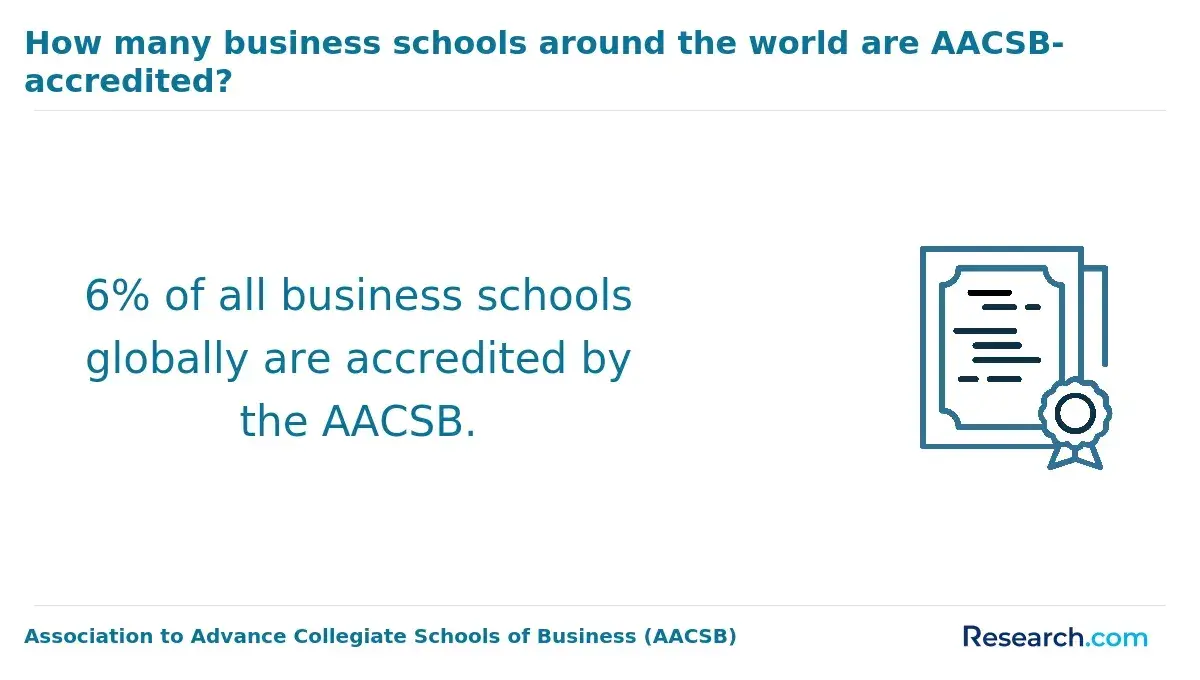
- 6–12 Months Before Deadlines: Research programs and define your selection criteria. Compare accreditation, cost, curriculum, learning format, student support, and career services. If academic quality and business school recognition are priorities, review AACSB accredited online MBA programs, which are recognized for their high academic standards.
- 4–6 Months Before Deadlines: Decide whether you need the GMAT or GRE and begin preparation if required. Request unofficial copies of transcripts so you can identify potential issues early. Update your resume and choose recommenders who can speak in detail about your work.
- 2–3 Months Before Deadlines: Draft your essays and tailor them to each program. Confirm official transcript procedures, application fees, test score reporting, and recommender submission instructions. If you are seeking a test waiver, prepare the required documentation.
- 1 Month Before Deadlines: Finalize your resume, essays, and application form. Check for consistency across job titles, dates, GPA information, and goals. Follow up politely with recommenders and verify that every required item is either submitted or scheduled for submission.
- After Submission: Monitor your applicant portal and email. Prepare for interviews, review financial aid options, compare scholarship opportunities, and consider how the program schedule will fit your work and personal responsibilities.
Do not wait until the deadline week to request transcripts or recommendations. These items depend on other people and institutional processing times. Submitting early can also give you time to correct missing documents before the application is reviewed.
The importance of the GMAT or GRE depends on the schools you choose and the rest of your application profile. Some online MBA programs still use test scores to assess quantitative, verbal, and analytical readiness. Others are test-optional or provide waivers for applicants with strong academic records, significant professional experience, advanced degrees, or relevant quantitative work.
A strong score can help if your undergraduate GPA is lower, your transcript has limited quantitative coursework, or your professional background does not clearly show analytical ability. In those cases, the test can provide an additional signal that you are prepared for graduate-level business courses.
At the same time, many applicants can be competitive without submitting scores if the program allows it and their work history, academic record, recommendations, and essays are strong. A growing number of online MBA programs no GMAT or GRE options evaluate applicants through a broader review of experience, leadership, academic preparation, and career goals.
Use this decision framework before registering for a test:
- Take the GMAT or GRE if: your target school requires it, your GPA needs support, you want to strengthen a quantitatively light application, or you believe a high score could improve your admission or scholarship prospects.
- Request a waiver if: the school offers waivers and you meet the criteria through work experience, prior graduate study, strong grades, professional certifications, or quantitative responsibilities.
- Skip testing if: your target programs are truly test-optional or test-free and your application is already strong without a score.
Always verify the policy on each program’s admissions page. “Test-optional,” “test waiver,” and “no test required” do not always mean the same thing, and some schools require extra forms or approvals before waiving the exam.
A strong online MBA essay connects your past experience, current goals, and chosen program into one clear argument for admission. It should explain not only why you want an MBA, but why this MBA, why now, and what you will contribute as a student.
Admissions committees are not looking for vague ambition. They want evidence of self-awareness, realistic career planning, leadership potential, and communication skill. Your essay should be specific enough that it could not be sent unchanged to every school on your list.
- Start with your professional direction: Explain the career problem or opportunity that led you to pursue an MBA. Show how your current experience has prepared you for the next step.
- Connect the MBA to concrete goals: Describe whether you want to advance in your current organization, move into leadership, change functions, switch industries, or build a business. Avoid generic statements such as wanting to “gain business knowledge” without explaining how you will use it.
- Use specific examples: Highlight professional achievements that show leadership, initiative, problem-solving, collaboration, or resilience. A short, concrete example is more persuasive than a long list of traits.
- Explain why the online format works for you: Show that you understand the demands of online graduate study and have a plan for balancing coursework with work and personal responsibilities.
- Align your goals with the program: Mention relevant courses, concentrations, faculty, experiential learning, cohort structure, career services, or alumni connections. If you are applying to AACSB accredited online MBA programs, connect that academic standard to your need for a rigorous business education.
- Address weaknesses directly if appropriate: If there is a gap in your record, such as a lower GPA or employment interruption, explain it briefly and focus on evidence of growth and readiness.
- Revise for clarity and professionalism: Remove clichés, unsupported claims, and repeated resume information. Proofread carefully and follow the prompt, word limit, and formatting instructions.
A useful structure is: your current professional context, your target goal, the skills or experiences you still need, why the program fits that need, and what you will bring to the cohort. The essay should sound like a thoughtful professional making a well-researched decision.
To compare online MBA programs effectively, look beyond brand recognition and tuition. The best choice is the program that combines credible accreditation, relevant curriculum, manageable cost, flexible delivery, strong student support, and career value for your specific goal.
- Start with accreditation: Confirm that the institution is accredited and review whether the business school or program has accreditation from organizations such as AACSB, AMBA, or EQUIS. Accreditation can affect perceived quality, employer confidence, transferability, and eligibility for certain forms of aid.
- Compare curriculum and concentrations: Review core courses, electives, concentrations, capstone projects, and any experiential requirements. Choose a program that develops the skills required for your target path, whether that is finance, marketing, entrepreneurship, operations, analytics, or technology management.
- Calculate the full cost: Tuition is only part of the price. Check fees, books, residency costs, technology fees, travel requirements, and the length of time you expect to be enrolled. If affordability is a priority, compare cheap MBA programs carefully to make sure lower cost does not come at the expense of accreditation or student support.
- Review financial aid and employer support: Look for scholarships, graduate assistantships, payment plans, military benefits, and employer tuition assistance. Ask whether aid applies to online students in the same way it applies to campus-based students.
- Examine delivery format: Determine whether courses are asynchronous, synchronous, hybrid, accelerated, part-time, or cohort-based. Consider time zones, required live sessions, group work, exams, and any campus residencies.
- Evaluate student services: Online students should have access to advising, library resources, technical support, tutoring, career services, networking events, and faculty office hours. Limited support can make an otherwise flexible program harder to complete.
- Check faculty and industry relevance: Review faculty qualifications, professional backgrounds, research interests, and connections to industry. Strong programs often combine academic rigor with practical business application.
- Look for credible outcome information: Review alumni profiles, career services data, employer partnerships, student reviews, and graduation information when available. Treat vague claims about career advancement with caution if they are not supported by evidence.
Create a side-by-side comparison of your top programs using the same criteria for each one. This prevents you from being swayed by a single attractive feature and helps you choose the program that best fits your goals, finances, and schedule.
Recommendation letters help admissions committees understand how you perform in professional settings. They can confirm your leadership potential, work ethic, communication skills, judgment, teamwork, and readiness for graduate business study. A detailed letter from someone who knows your work well is usually more valuable than a generic letter from someone with an impressive title.
- Choose recommenders who know your performance: Current or former supervisors, managers, project leaders, senior colleagues, or clients are often strong choices. Select people who can describe your responsibilities, achievements, and growth with specific examples.
- Avoid purely symbolic recommenders: A high-ranking executive who barely knows you may write a vague letter. Admissions committees usually value substance over status.
- Ask early and respectfully: Contact recommenders at least a month before the deadline. Explain the program, the deadline, how the letter will be submitted, and why you are asking them specifically.
- Provide useful background: Share your resume, career goals, essay draft or summary, program information, and a short list of accomplishments they may want to reference. This helps them write a focused letter without guessing what matters.
- Guide, but do not script: You can remind recommenders of projects, leadership examples, or skills relevant to the MBA, but the letter should remain authentic and in their voice.
- Match the letter to MBA expectations: Strong letters often address leadership, analytical thinking, collaboration, initiative, ethical judgment, communication, and ability to handle demanding work.
- Follow up professionally: Send a polite reminder before the deadline if needed, and thank your recommenders after submission. Keep them updated on the outcome when decisions arrive.
If possible, choose recommenders who can speak to different dimensions of your candidacy. For example, one might discuss your leadership and business impact, while another might emphasize your analytical ability, teamwork, or client-facing strengths.
Your professional experience is one of the strongest ways to show readiness for an online MBA. Admissions committees want to see what you have done, how your responsibilities have grown, how you solve problems, and how your experience will add value to class discussions.
- Show career progression: Highlight promotions, expanded responsibilities, cross-functional assignments, leadership roles, or increasing project complexity. Growth over time can demonstrate initiative and potential.
- Quantify impact where possible: Use numbers, percentages, budget sizes, team sizes, timelines, or efficiency gains when they are accurate. For example, if you led a team that increased sales by 20% or managed a project under budget, include that result clearly.
- Emphasize leadership beyond job title: You do not need to be a formal manager to show leadership. Include examples of leading projects, mentoring colleagues, improving processes, coordinating teams, resolving conflicts, or influencing decisions.
- Connect experience to your MBA goals: Explain how your work has shaped your career direction and what skills you need next. The application should make it clear why an MBA is the logical next step.
- Highlight transferable skills: Skills such as data analysis, budgeting, client communication, operations improvement, strategic planning, and team management can be relevant across industries.
- Use your resume strategically: Focus on achievements rather than task lists. Begin bullets with strong action verbs and prioritize outcomes, scope, and business relevance.
- Show what you will contribute to peers: Online MBA classrooms often rely on discussion and applied projects. Make clear how your professional background will enrich group learning.
- Keep the story consistent: Your resume, essay, recommendations, and interview should reinforce the same professional narrative. Inconsistent goals or unexplained shifts can weaken the application.
If you are earlier in your career, focus on initiative, learning agility, teamwork, and measurable contributions. If you are more experienced, emphasize strategic impact, leadership scope, decision-making responsibility, and the business problems you are prepared to tackle after the MBA.
What tips can help me prepare for online MBA interviews?
An online MBA interview gives the admissions team a chance to evaluate your communication style, motivation, maturity, and fit with the program. It is also your opportunity to add context to your application and show that you understand what the program requires.
- Know the program thoroughly: Review the curriculum, format, concentrations, faculty, career services, student support, and any residency or live-session requirements. Be ready to explain why this program fits your goals better than a generic MBA option.
- Review your application materials: Interviewers may ask about your resume, essay, career transitions, academic record, leadership examples, or stated goals. Make sure your answers match what you submitted.
- Practice common questions: Prepare for prompts such as “Why do you want an MBA?”, “Why this school?”, “What are your career goals?”, “Tell me about a leadership challenge,” and “How will you manage online coursework while working?”
- Use the STAR method: Structure examples with Situation, Task, Action, and Result. This keeps answers focused and helps you demonstrate judgment, action, and impact.
- Prepare leadership and teamwork examples: Choose stories that show initiative, collaboration, problem-solving, adaptability, and accountability. Avoid examples that blame others or lack a clear result.
- Be ready to discuss weaknesses: If you have a lower GPA, career gap, limited quantitative background, or job change, address it calmly and explain what you learned or how you have prepared.
- Ask thoughtful questions: Ask about cohort interaction, faculty access, career support for online students, alumni engagement, workload expectations, or how group projects are managed virtually.
- Test your technology: Check your camera, microphone, internet connection, lighting, and interview platform in advance. Choose a quiet, professional setting with minimal distractions.
- Communicate clearly and naturally: Speak with confidence, but avoid rehearsed answers. Admissions teams are looking for professionalism, self-awareness, and genuine fit.
After the interview, send a brief thank-you message if appropriate. Reaffirm your interest, mention one specific point from the conversation, and keep the tone professional. A good interview will not replace weak application materials, but it can strengthen a well-prepared candidacy.
Other Things You Should Know About Applying to Online MBA Programs
To maximize networking in 2027 while pursuing an online MBA, attend virtual events, join alumni networks, and participate in discussion forums. Building relationships with professors and peers via social media and professional platforms like LinkedIn can also enhance your network effectively.
The 2027 guide should emphasize that online MBA programs are generally respected if accredited by recognized agencies. Prospective students should research programs to ensure they meet industry standards and consult with alumni about their professional experiences post-graduation.
Most online MBA applications require a completed form, official transcripts, a résumé, one or two recommendation letters, a personal statement, and GMAT or GRE scores if the program asks for them. Some schools also require a $50 to $150 application fee and proof of English proficiency for international applicants.
- Accreditation Council for Business Schools and Programs. (n.d.). ACBSP accreditation Overview - Accreditation Council for Business Schools and programs. acbsp.org.
- Association to Advance Collegiate Schools of Business. (n.d.). Accreditation. aacsb.edu.
- Gary W. Rollins College of Business. . (2024, January 12). Top Questions to Ask About Online MBA Programs - Gary W. Rollins College of Business. blog.utc.edu.
- GMAC. (2025). Demand for Graduate Business Degrees. gmac.com.
- Herschman, A. (2025, September 19). Top questions asked about Online MBA Programs—Answered. Rowan Blog - Everyday Voices. Extraordinary Futures. rowanblog.com.
- Indiana University Kelley School of Business. (n.d.). Kelley Direct Online MBA - Admissions. Kelley School of Business.
- University of Michigan Stephen M. Ross School of Business. (n.d.). Online MBA Application Requirements. Michigan Ross.