2027 Pros and Cons of Cohort-Based Online MBA Programs

Co-Founder and Chief Data Scientist
Choosing to pursue a cohort-based online MBA program presents a unique challenge for working professionals seeking career change without sacrificing flexibility. These programs promise structured networking and collaborative learning, yet they demand synchronized schedules and consistent peer engagement, which can conflict with personal and professional obligations.
Additionally, potential students must weigh the value of cohort interaction against the convenience of asynchronous courses. This article evaluates the advantages and drawbacks of cohort-based online MBA formats, offering guidance to help prospective students determine if this approach aligns with their goals and lifestyle constraints.
Key Things You Should Know
- Cohort-based online MBA programs enhance peer learning and networking by progressing groups through courses together, which 68% of students say improves engagement and retention compared to self-paced formats.
- These programs often demand a fixed schedule, limiting flexibility but boosting discipline; 54% of participants report better time management and motivation as a result.
- Graduates of cohort-based MBA programs report stronger employer connections and collaboration skills, with 72% securing roles within six months post-graduation, according to 2025 employment surveys.
What are cohort-based online MBA programs?
Cohort-based online MBA programs organize students into fixed groups that progress through the curriculum together, emphasizing structured peer interaction, collaboration, and shared deadlines. Unlike traditional self-paced options, these programs foster strong networks through teamwork on case studies, group projects, and discussion forums, simulating classroom dynamics in a virtual setting. This structure supports professionals seeking guided learning paths and reliable industry connections, highlighting clear cohort-based online MBA program benefits.
Different cohort models vary in size, length, and specialization. Smaller cohorts, often fewer than 30 students, enable close peer relationships. Larger programs, such as Indiana University's Kelley online MBA-ranked #1 in 2026 with 1,652 students enrolled-offer broad networking opportunities while using scalable interaction methods like online synchronous sessions. How cohort-based MBA programs work in these contexts highlights the balance between community engagement and flexible learning.
Key features of these programs include:
- Structured course progression ensuring consistent pacing.
- Required participation in group activities that develop teamwork skills.
- Fixed start and end dates that maintain motivation and accountability.
While cohort programs may offer less scheduling flexibility, they provide valuable peer support and mentorship. Working professionals weighing options should also consider looking into the online MBA cheapest programs available as an affordable way to access these benefits.
What are the main pros of cohort-based online MBAs?
Cohort-based online mba programs offer structured group learning that enhances interaction and accountability. By organizing students into fixed peer groups, these programs promote deeper connections and sustained networking opportunities. For instance, Columbia Business School segments its 982 Class of 2027 students into cohorts, sections, and learning teams, fostering consistent collaboration and peer learning that replicate in-person experiences. This approach addresses one of the main benefits of cohort-based online MBA programs: building a sense of community within large, virtual programs.
These cohorts encourage accountability as students progress together, resulting in higher engagement and reduced drop-out rates. Sharing the academic journey builds trust, allowing participants to openly discuss challenges and exchange resources. Additionally, peer feedback within the group accelerates skill development, enhancing practical learning experiences.
The networking advantages in online cohort MBA classes extend beyond coursework. Students access motivated peer groups that open doors to career opportunities through shared industry connections and group projects. These relationships often continue well after program completion.
Many cohort-based programs feature synchronized schedules and milestones, helping working professionals maintain steady progress without the isolation common in self-paced formats. For those interested in cost-efficient options, exploring an affordable online MBA no GMAT AACSB program can complement the benefits of cohort learning.
What are the main cons of cohort-based online MBAs?
Cohort-based online MBA programs often challenge student flexibility because participants must follow a fixed schedule, which can clash with work or personal commitments. This scheduling rigidity is one of the primary cons of cohort-based online MBA programs, especially for working professionals facing unpredictable workloads. Additionally, these programs usually limit course selection and specialization options since students adhere to a preset curriculum aligned with their cohort, reducing personalized learning tied to career goals.
Social dynamics within cohorts can also be a drawback. Not every student adapts well to fixed peer groups, and conflicts or mismatched learning styles may impede collaboration. Cohorts restrict exposure to diverse professional networks compared to open-enrollment courses that allow interaction across industries and backgrounds. Such limitations may narrow the range of perspectives and networking opportunities available.
Group dependency is another concern among the drawbacks of cohort-based mba courses. When some students rely heavily on collective accountability, individual motivation can suffer, and disengagement by key members may negatively impact group projects and learning outcomes. For instance, Duke Fuqua's full-time MBA organizes 426 students into cohorts to boost networking, but it also means social cohesion challenges can influence large groups simultaneously.
Lastly, cohort-based programs can be less suitable for students who want to expedite their studies because fixed pacing prevents acceleration. Prospective students weighing these drawbacks may also explore options such as a more flexible executive MBA online to find a program better aligned with their scheduling needs.
Cohort-based online MBA program benefits include structured group progression and fixed timelines, which foster consistent peer interaction and collaborative work. Students advance through the curriculum with the same group, promoting accountability and motivation. In contrast, self-paced MBA formats allow learners full control of their schedules but lack mandatory peer engagement, often resulting in lower completion rates and reduced networking opportunities.
Between 2018 and 2023, average enrollment in online mba programs dropped despite growth, showing that cohort-based models better maintain engagement through shared deadlines and group cohesion, addressing retention challenges. The differences between cohort and self paced mba programs can be highlighted in several key areas:
- Accountability: Cohorts enforce deadlines; self-paced students rely on self-discipline.
- Networking: Cohorts build stronger peer connections compared to self-paced learners.
- Learning experience: Cohorts emphasize interactive collaboration; self-paced focus on individual study.
- Scheduling: Cohorts follow fixed calendars; self-paced students set their own timelines.
Prospective students should consider their need for external motivation and networking against flexibility preferences. Cohort-based programs favor those seeking community and structure, while self-paced programs suit learners desiring maximum autonomy but who must prepare for engagement challenges. For those looking for economical options, exploring online MBA programs no GMAT low cost may provide additional pathways to achieving their goals.
Cohort-based online MBA programs gain significant value from accreditation by recognized organizations such as AACSB, ACBSP, or IACBE. Among these, AACSB is widely regarded as the gold standard, reflecting rigorous academic standards and ongoing program improvement. This accreditation enhances employer recognition and networking opportunities for graduates.
The collaborative nature of cohort-based learning demands quality curriculum design that encourages teamwork and peer interaction. Acceptance rates for leading online mba programs have risen, reaching averages around 77%, which suggests more accessible admission. However, accreditation remains essential to ensure that program rigor and educational quality are maintained despite broader acceptance.
Choosing a program lacking prestigious accreditation can pose challenges, including difficulties with credit transfers, limited eligibility for federal financial aid, and weaker resume credibility. Institutional regional accreditation is also vital, especially in the U.S., to validate the degree's legitimacy. For example, a cohort-based online MBA from a regionally accredited institution without AACSB accreditation may have less recognition among top employers or doctoral programs.
Students should focus on mba programs accredited by AACSB or equivalent bodies to ensure academic quality and to support the collaborative cohort model. This accreditation safeguards both professional reputation and academic recognition throughout a student's career.
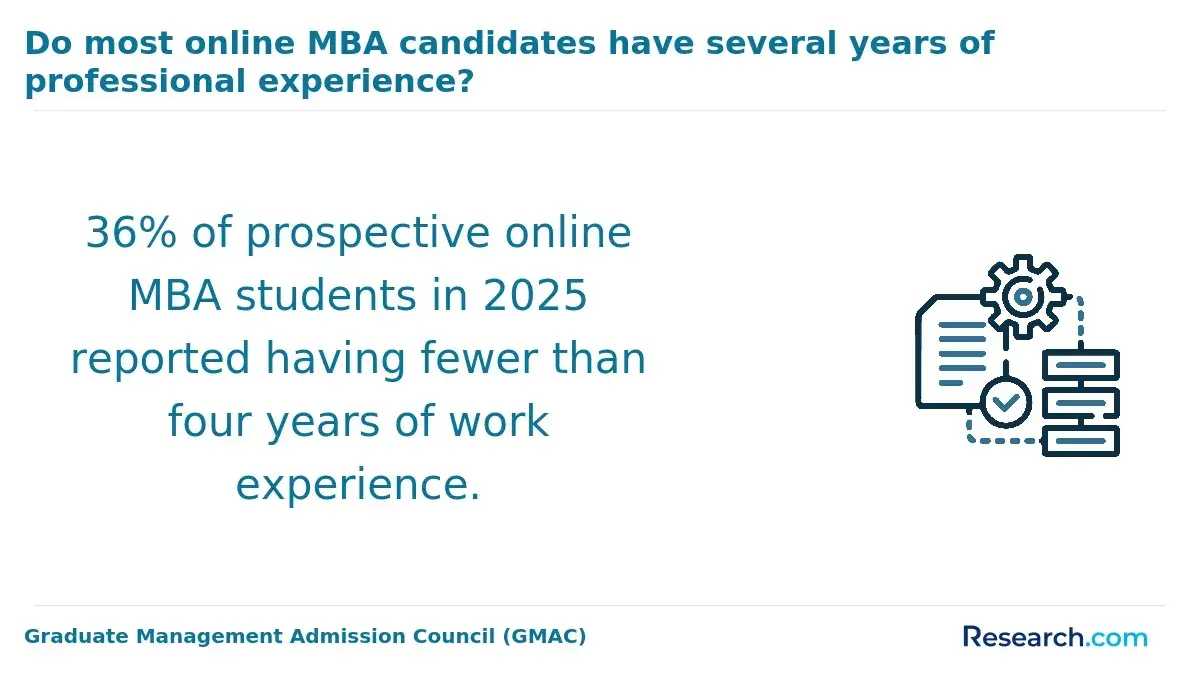
Cohort-based online MBA programs generally require a bachelor's degree from an accredited institution alongside two to three years of professional experience. Applicants submit official transcripts, a resume or CV, letters of recommendation, and a personal statement outlining their goals and fit with the cohort structure. Many programs also require competitive GMAT or GRE scores, though waivers are sometimes available depending on work history or academic performance.
Leadership potential and teamwork skills are emphasized through interview rounds, which assess communication and dedication to the fixed, synchronized schedule of cohort learning. This schedule demands time management skills, making flexibility essential for professionals juggling work and personal responsibilities.
Acceptance rates have become more selective; for instance, Kelley Direct Online mba acceptance fell from 65.90% to 23%, reflecting greater rigor and demand. Applicants should expect to demonstrate availability for live sessions and may need to provide detailed plans on managing cohort obligations. International candidates often must submit TOEFL or IELTS scores to verify English proficiency.
Cohort-based online mba programs generally require 18 to 24 months to complete, reflecting a structured learning format where students advance collectively through fixed course sequences. Some accelerated options reduce this to about 12 months, though these are less common due to their intensive pace and the need for coordinated group work. Unlike self-paced programs, the cohort model demands synchronous participation, offering a more predictable schedule.
This fixed timeline fosters peer interaction and networking but can challenge students managing work, family, or other obligations. Pausing or extending studies isn't always feasible because cohorts progress in cycles that include all participants. Geographic and time zone differences also play a critical role in program duration and student experience. For example, Texas leads the nation with 38 AACSB-accredited online MBA programs, highlighting coordination challenges for students spread across multiple time zones who might face inconvenient meeting times and slower group responses.
Prospective students should consider these factors carefully:
- The program's defined start and end dates, usually 1.5 to 2 years
- Whether the cohort schedule suits their personal and professional time zones
- Availability of support for pausing or extending studies if needed
Evaluating these elements sets realistic expectations about the length and demands of cohort-based online mba programs in the U.S.
Cohort-based online mba programs integrate core business disciplines that foster leadership, strategic thinking, and analytical skills. Students study subjects including finance, marketing, operations management, organizational behavior, and business ethics. These programs emphasize teamwork and real-world application through project-based learning, encouraging collaboration within the cohort to address complex business challenges.
Specializations commonly offered include data analytics, entrepreneurship, supply chain management, and digital transformation. This variety enables students to tailor their learning to specific career goals. Cohorts move together in synchronous sessions, promoting a steady learning pace, enhanced peer interaction, networking, and accountability.
Programs often incorporate practical case studies and leadership labs that simulate executive decision-making scenarios. Access to expert faculty and industry speakers enriches the learning experience. The University of Southern California Marshall online mba charges $2,307 per credit, reflecting significant investment aligned with curriculum rigor and cohort prestige (US News 2026 Best Online MBA Programs). Prospective students should carefully consider whether this depth matches their professional ambitions.
Graduates typically develop skills in financial modeling, strategic communication, and project management. Additionally, many programs focus on digital tools essential in today's business environment. Soft skills such as negotiation and emotional intelligence also receive attention, preparing graduates for well-rounded leadership roles.
Cohort-based online MBA programs often prepare graduates for careers in management consulting, finance, marketing, operations, and product management. Salaries typically range from $90,000 to $140,000 within three to five years after graduation, varying by industry and location. For instance, consulting roles usually start around $110,000, with mid-career salaries exceeding $150,000. Finance positions, particularly in investment banking or corporate finance, commonly offer between $95,000 and $130,000.
These programs emphasize teamwork, leadership, and networking within small, fixed-size cohorts, fostering close-knit learning environments that employers favor for leadership roles requiring interpersonal skills. Unlike self-paced mba options, cohort-based programs limit enrollment - peaking at 315 students per program in 2020 before declining.
Graduates pursuing entrepreneurship or emerging tech roles may experience more varied salaries but benefit from enhanced peer support and collaboration. Professionals aiming for promotions in established corporations often achieve salary increases between 15% and 25% compared to their pre-MBA earnings.
Challenges include balancing demanding cohort schedules with full-time work, potentially impacting immediate income. However, structured cohorts provide strong alumni networks, aiding job searches post-graduation. Evaluating programs based on alumni salary data and career services tailored to target industries is essential to maximize return on investment.
How to choose the best cohort-based online MBA program?
Choosing a cohort-based online mba program involves assessing several key factors aligned with your career goals and learning style. Start by evaluating the curriculum to ensure it includes relevant specializations and practical opportunities tailored to your industry. Pay attention to cohort size and diversity; smaller, varied groups foster stronger peer interaction and teamwork, which are vital in cohort learning models.
Accessibility and flexibility are important. For example, Carnegie Mellon Tepper's online mba acceptance rate rose 13% over six years to 69% in 2024-2025, reflecting increasing program accessibility (Poets&Quants 2026 OMBA Ranking: Acceptance Rates). Consider how synchronous sessions fit your schedule and time zone for live participation.
Evaluate alumni outcomes and career services. Choose programs with strong placement records in your field and robust career coaching tailored to cohort students. Regular interaction with faculty and industry mentors through live consultations or project feedback enhances learning.
Cost and return on investment matter. Compare tuition against potential career advancement benefits. Some cohort programs offer scholarships or employer sponsorships. Lastly, verify the technology platform since smooth virtual collaboration and communication are essential for cohort-based education.
Focusing on curriculum relevance, cohort dynamics, access trends, career support, cost, and technology helps select a cohort-based online mba aligned with your professional and personal needs.
Other Things You Should Know About MBA
Many cohort-based online MBA programs have specific policies regarding transfer credits, but they typically accept only graduate-level courses closely related to business subjects. The number of transferable credits is often limited, and students should consult the admissions or registrar's office beforehand to understand eligibility and documentation requirements.
Yes, cohort-based online MBA degrees from accredited institutions are generally recognized by employers, especially when the program is well-regarded or affiliated with a reputable university. Employers increasingly value the collaborative and interactive format of cohort programs for developing teamwork and leadership skills.
Most cohort-based online MBA programs offer career services comparable to those available on campus, including resume reviews, interview coaching, and job placement assistance. These services are often tailored to the working professional and accessible remotely, supporting students in leveraging their network within the cohort.
- Top Online MBAs for Accreditations | FIND MBA Online https://findmbaonline.com/lists/top-10-online-mbas-with-the-best-accreditations
- Pros and cons of online MBA degrees - MBA Crystal Ball https://www.mbacrystalball.com/blog/2019/12/23/online-mba-pros-cons/
- How do I know if I meet the entry requirements of a course? https://augstudy.com/guide/course-guide/do-you-meet-entry-requirements/
- What Is a Cohort Based Course? A Complete Guide for 2026 https://buddyboss.com/blog/what-is-a-cohort-based-course/
- Career Options After Online MBA â Entry Roles and Growth https://onlinematsuniversity.com/blog/career-options-after-online-mba-entry-roles-and-growth.html
- What Accreditations Should One Look for Before Enrolling in an Online MBA Program? - Finance, Tech & Analytics Career Resources | Imarticus Blog https://imarticus.org/blog/what-accreditations-should-one-look-for-before-enrolling-in-an-online-mba-program/
- How Does Cohort Based Learning Work? Define With Examples [2026] https://creatorlms.net/cohort-based-learning/
- Pros And Cons Of Distance MBA 2026 | Fees, Validity & Career Impact https://onlinechitkarau.com/our-blogs/pros-and-cons-of-distance-mba/
- How to Choose the Best Online MBA Program for Your Career https://www.dypatilonline.com/blogs/how-to-choose-online-mba-program-for-career-growth
- 5 Proven Benefits of Online MBA Programs That Busy Professionals Need in 2026 https://www.aimbusinessschool.edu.au/why-abs/blog/5-proven-benefits-of-online-mba-programs