2027 Online Game Programming and Development Degrees for Students Who Want Game-and-Software Hybrid Careers

Co-Founder and Chief Data Scientist
Choosing a game programming degree is really a career-positioning decision: do you want to build games only, or use game technology across software, simulation, AI, education, and interactive media? The U. S. Bureau of Labor Statistics projects software developer employment to grow 17% from 2023 to 2033, much faster than average, which makes programming-heavy game degrees relevant beyond entertainment studios.
This guide explains online program formats, costs, admissions, accreditation, skills, salaries, and career paths so you can judge whether this degree fits your goals, budget, and technical background.
Key Things You Should Know
- Online game programming and development degrees are strongest for students who want software-development flexibility, not only studio-specific game design roles; the best programs emphasize C++, C#, engines, data structures, math, testing, and portfolio projects.
- Cost varies widely by institution, but College Board's 2024 data shows published tuition and fees averaged $11,610 at in-state public four-year colleges and $43,350 at private nonprofit four-year colleges, so transfer credits and total program length can change ROI significantly.
- The most relevant labor-market benchmark is often software development: BLS reports a May 2024 median annual wage of $133,080 for software developers, but game, QA, simulation, and interactive media salaries vary by role, region, portfolio quality, and employer type.
What is an online game programming and development degree, and who is it best suited for?
An online game programming and development degree is a college program that teaches students how to build interactive software using programming languages, game engines, math, systems design, and production workflows. It differs from a pure game design degree because the center of gravity is code: gameplay systems, tools, graphics, physics, networking, artificial intelligence, debugging, and performance optimization.
This path is best suited for students who enjoy solving technical problems and want a portfolio that can support both game industry and broader software roles. A student comparing a game development degree should look closely at whether the curriculum is programming-heavy, art-heavy, or design-heavy, because those tracks can lead to different entry-level jobs.
The degree tends to fit these learners especially well:
- Students who want to become gameplay programmers, tools programmers, technical designers, software developers, QA automation testers, simulation developers, or interactive media engineers.
- Career changers who already have some coding exposure and want a structured portfolio tied to Unity, Unreal Engine, C#, C++, Python, or web-based interactive systems.
- Students who like games but also want employment options in defense simulation, health technology, education technology, sports technology, training software, extended reality, and general software development.
It may be a weaker fit if you primarily want concept art, character modeling, animation, narrative design, esports management, or business roles. Those goals may call for digital art, animation, media production, computer science, or business programs instead. The key question is not "Do I like games?" but "Do I want to spend hundreds of hours writing, testing, and improving interactive software?"
| Program focus | Best fit | Common outcome | Watch-out |
| Game programming and development | Students who want to code game systems and interactive software | Gameplay programmer, software developer, tools developer, QA automation role | Requires sustained math, debugging, and software engineering practice |
| Game design | Students focused on mechanics, levels, player experience, and documentation | Game designer, level designer, technical designer | May not provide enough coding depth for software developer roles |
| Computer science | Students who want broad software, algorithms, systems, or graduate school options | Software developer, systems engineer, data or AI-adjacent roles | May require independent game portfolio work outside class |
| Digital art or animation | Students focused on visual assets, modeling, rigging, and production art | 3D artist, animator, technical artist with added scripting | Usually not designed for programming-heavy jobs |
How do online game programming and development degrees prepare you for hybrid game-and-software careers?
Hybrid game-and-software careers use game development tools and programming methods outside, alongside, or beyond entertainment games. These roles may involve real-time 3D training, data visualization, interactive learning products, augmented and virtual reality, digital twins, serious games, simulation, or internal software tools.
A strong online program prepares students by combining creative production with computer science fundamentals. Game engines can be excellent learning environments because they force students to connect algorithms, interfaces, physics, graphics, asset pipelines, networking, user experience, and performance constraints in one working product.
Look for programs that help you build transferable evidence of ability in these areas:
- Software engineering habits: version control, modular code, testing, documentation, debugging, code review, and issue tracking.
- Engine-based development: Unity, Unreal Engine, custom tools, scripting, asset integration, scene management, and performance profiling.
- Computer science foundations: data structures, algorithms, operating systems concepts, databases, networking, and object-oriented programming.
- Production collaboration: agile workflows, sprint planning, technical documentation, cross-functional communication, and milestone delivery.
- Portfolio translation: project write-ups that explain the technical problem, your role, the tools used, performance decisions, and what you would improve.
The hybrid value comes from being able to explain your work in employer language. A physics-based vehicle prototype can become evidence for simulation roles. A procedural level generator can show algorithmic thinking. A multiplayer prototype can support applications for networked software or backend-adjacent roles. A game analytics dashboard can point toward product, data, or user-experience work.
AI is also changing expectations. Employers may not expect entry-level developers to be machine learning experts, but they increasingly value candidates who can use AI-assisted coding responsibly, understand non-player character behavior, work with procedural content systems, and verify generated code rather than trusting it blindly. Students who want deeper preparation in machine learning can compare an online AI degree with a game programming degree to decide whether their priority is interactive software or AI systems.
What are the main differences between online and campus game programming and development programs?
Online and campus programs can lead to similar academic outcomes, but the learning experience is different. The right choice depends on your schedule, learning style, access to equipment, need for in-person collaboration, and ability to stay motivated without a physical studio environment.
The table below compares the practical differences students usually feel most during enrollment. Use it to identify which format better matches how you learn and how you plan to build a portfolio.
| Factor | Online program | Campus program | Decision point |
| Schedule | Often asynchronous or low-residency, with more flexibility for work or family duties | Usually fixed class times, lab sessions, and in-person production meetings | Online is stronger if you need flexibility; campus may be better if structure keeps you accountable |
| Collaboration | Uses Discord, learning platforms, Git repositories, video calls, and remote project tools | Offers face-to-face team projects, labs, clubs, and game jams | Choose the format that helps you actually finish team-based projects |
| Equipment | Student may need a capable computer, stable internet, headset, and software access | School labs may provide high-end computers, VR equipment, motion capture, or testing rooms | Online can be cost-effective only if technology costs are realistic |
| Networking | Depends heavily on virtual events, alumni groups, faculty access, and portfolio reviews | May offer easier access to local studios, showcases, and peer communities | Ask how the school connects online students with employers |
| Learning style | Rewards self-direction, written communication, and independent troubleshooting | Rewards in-person participation and immediate lab support | Be honest about how you handle technical frustration when studying alone |
Online programs are not automatically easier. In programming-heavy courses, online students still need to debug code, manage repositories, participate in group projects, and meet production milestones. The best online programs reduce friction with responsive faculty, structured milestones, cloud-based tools, clear grading rubrics, and frequent portfolio feedback.
Before choosing online over campus, ask admissions or program staff the following questions:
- Are game engine licenses, development tools, cloud services, or asset libraries included in tuition and fees?
- How are team projects assigned and managed for remote students in different time zones?
- What are the minimum and recommended computer specifications for upper-level courses?
- Do online students receive the same career services, portfolio reviews, internship support, and employer events as campus students?
- Can students transfer credits from community college, military training, prior college coursework, or industry certifications?
What courses and specializations are typically included in game programming and development curricula?
Game programming curricula usually blend computer science, interactive media, math, and production courses. The strongest programs make students build increasingly complex projects rather than only studying theory or completing isolated coding exercises.
Most bachelor's-level programs include a sequence like this:
- Programming fundamentals: C++, C#, Python, object-oriented programming, scripting, debugging, and version control.
- Game engine development: Unity, Unreal Engine, gameplay systems, input handling, animation controllers, UI systems, and asset pipelines.
- Computer science core: data structures, algorithms, databases, operating systems concepts, software engineering, and computer architecture basics.
- Math and technical foundations: discrete math, linear algebra, trigonometry, physics, statistics, and graphics math.
- Interactive systems: artificial intelligence for games, procedural generation, networking, multiplayer systems, physics simulation, and real-time rendering.
- Production and capstone work: team-based projects, project management, QA testing, playtesting, technical documentation, and final portfolio presentation.
Specializations vary by school, but they matter because they shape your portfolio. A student interested in backend software should look for networking, databases, and tools programming. A student interested in simulation should prioritize physics, real-time 3D, optimization, and VR or AR. A student interested in learning games or training systems might also compare curriculum ideas from the best online instructional design master's programs, especially if the long-term goal is educational technology rather than commercial games.
The table below shows how different specialization choices can point toward different job markets. This is not a rigid rule, but it can help you choose electives and projects more strategically.
| Specialization | Typical coursework | Portfolio evidence to build | Career direction |
| Gameplay programming | Game mechanics, AI behavior, engine scripting, input systems | Playable prototypes with clean code and documented systems | Gameplay programmer, technical designer, junior game developer |
| Tools and engine programming | C++, software architecture, editor tools, optimization, graphics basics | Custom tools, plugins, workflow automation, engine extensions | Tools programmer, software developer, technical artist support roles |
| Simulation and XR | Physics, real-time 3D, VR or AR development, human-computer interaction | Training simulations, VR interactions, performance-optimized demos | Simulation developer, XR developer, defense or health technology roles |
| Online and multiplayer systems | Networking, backend basics, databases, synchronization, security concepts | Networked prototypes, matchmaking demos, server-client architecture notes | Network gameplay programmer, backend-adjacent software roles |
| Interactive AI | Game AI, procedural content, behavior trees, pathfinding, applied machine learning basics | NPC systems, generation tools, adaptive difficulty projects | AI gameplay programmer, technical designer, interactive systems developer |
What education, skills, and technology background do you need to get into these programs?
Admission requirements depend on degree level. Associate and bachelor's programs usually require a high school diploma or equivalent, transcripts, and sometimes placement testing. Completion programs may require prior college credits. Master's programs, if available in game development or interactive technology, usually expect a bachelor's degree and may require a portfolio, programming prerequisites, or professional experience.
You do not need to be an expert programmer before applying to an undergraduate program, but you should be ready for technical coursework. Students who enter with no coding background can still succeed, but they may need extra practice before and during the first year.
Important preparation areas include:
- Math readiness: algebra, functions, geometry, trigonometry, and willingness to learn linear algebra and physics concepts.
- Programming exposure: basic variables, loops, functions, objects, debugging, and comfort reading error messages.
- Computer setup: a development-ready laptop or desktop, reliable broadband, webcam or headset, storage space, and the ability to run modern game engines.
- Creative persistence: ability to revise projects repeatedly, accept feedback, and fix problems that do not have obvious answers.
- Communication skills: documentation, team updates, peer reviews, and explaining technical decisions to nontechnical teammates.
If you are starting from zero, the smartest approach is to test your interest before committing to a full degree. Complete a small project in Unity, Unreal Engine, Godot, or a browser-based framework. If you enjoy the process of debugging, researching, and improving the project, that is a stronger signal than simply enjoying games as a player.
Avoid a common mistake: enrolling because the program sounds creative while overlooking the amount of programming required. Another mistake is buying expensive hardware before checking school specifications. Ask for the recommended hardware list for upper-level courses, not just the minimum for first-year classes.
How long do online game programming and development degrees take, and what do they cost?
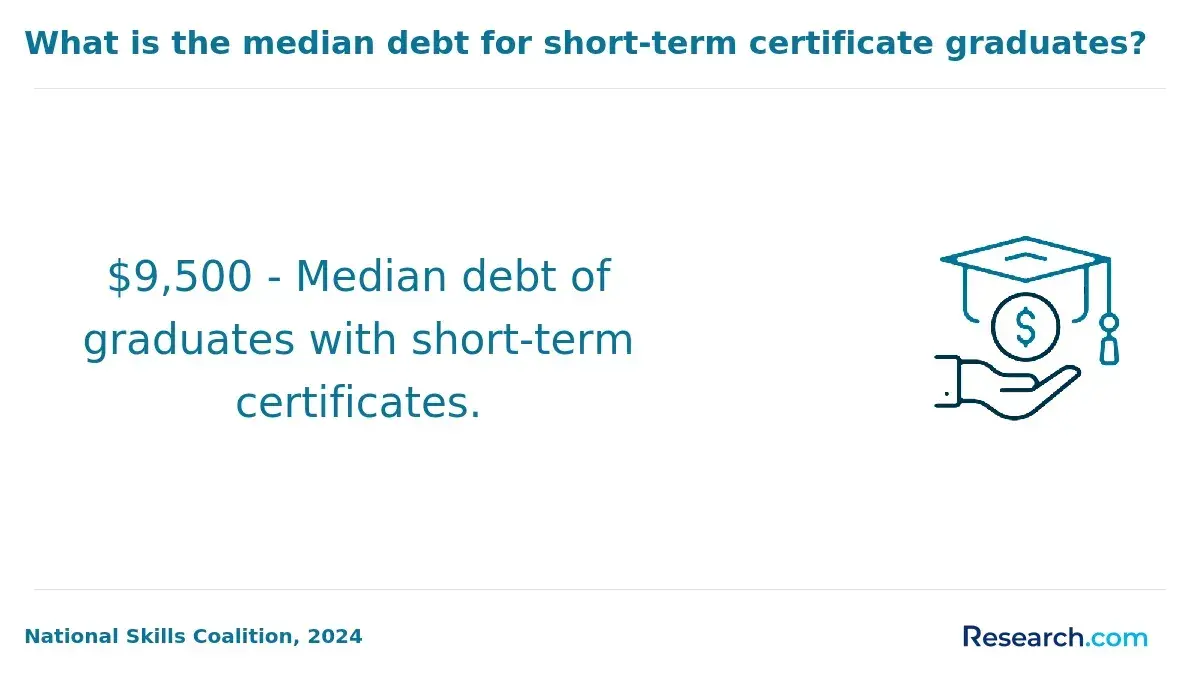
Most online associate degrees take about two years of full-time study, while bachelor's degrees usually take about four years for first-time students. Completion programs can be shorter if you transfer credits. Part-time study can make the degree more manageable for working adults, but it can also delay graduation and extend technology, fee, and opportunity costs.
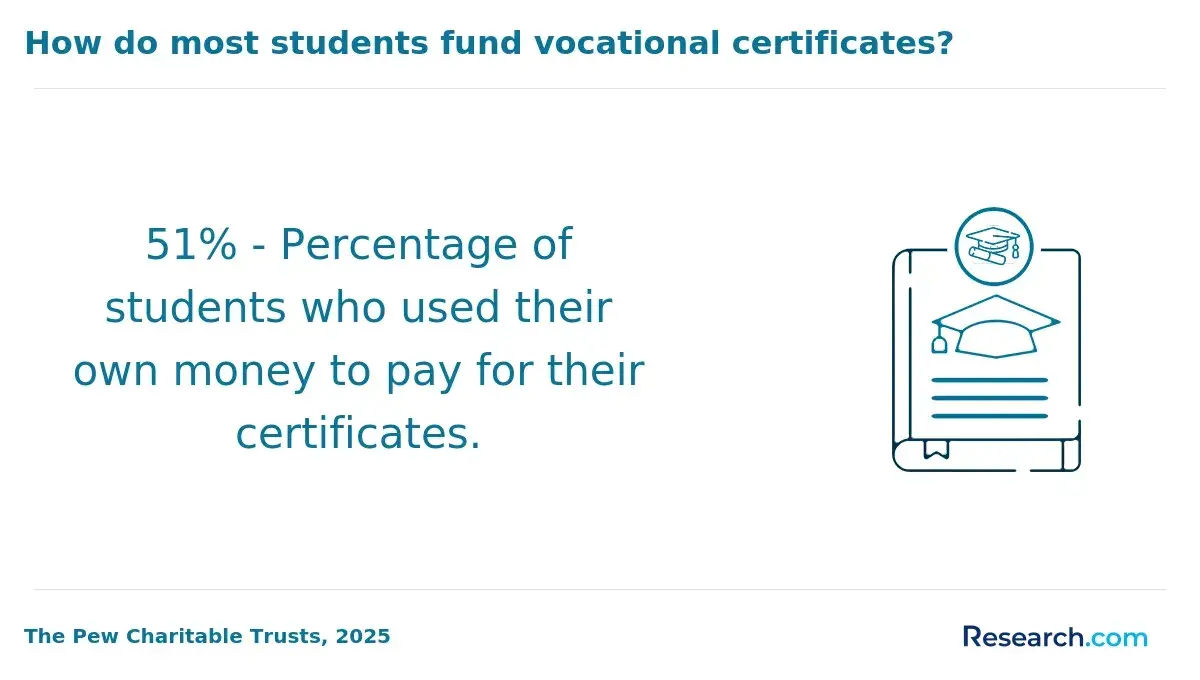
Cost depends on tuition, fees, transfer credits, residency status, course load, software, hardware, and whether the school is public, private nonprofit, or for-profit. College Board's 2024 Trends in College Pricing data reports average published tuition and fees of $11,610 for in-state students at public four-year institutions and $43,350 at private nonprofit four-year institutions for 2024-25. Those figures are not game-program-specific, but they show why students should compare total program cost rather than relying on a per-credit price alone.
The table below summarizes common degree timelines and cost considerations. Use it to compare the trade-off between speed, flexibility, and total investment.
| Credential | Typical full-time length | Best for | Main cost variables | Trade-off |
| Certificate or bootcamp-style option | Several months to one year | Students testing the field or adding a focused skill | Program fee, software, hardware, limited aid eligibility | Faster and narrower; may not satisfy degree-preferring employers |
| Associate degree | About two years | Students seeking a lower-cost start or transfer pathway | Community college tuition, transferability, general education credits | Affordable entry point; may need bachelor's completion for some roles |
| Bachelor's degree | About four years | Students seeking broad software, game, and technical career options | Tuition, fees, residency, transfer credits, equipment, time to completion | Stronger credential depth; larger time and financial commitment |
| Master's degree or graduate certificate | One to three years | Developers specializing in interactive tech, simulation, graphics, or research-adjacent roles | Graduate tuition, employer assistance, prerequisite coursework | Useful for specialization; not always necessary for entry-level development |
To estimate affordability, calculate the full cost before you apply. Include tuition, mandatory fees, textbooks, software subscriptions, hardware upgrades, exam or certification fees, portfolio hosting, travel for optional residencies, and interest if you borrow. Then compare that cost with your likely starting role, not only with senior-level salaries posted online.
Practical ways to reduce cost include:
- Start with transferable general education or programming courses at an accredited community college.
- Ask for a written transfer-credit evaluation before enrolling, especially if you already have college credits.
- Compare tuition by total degree cost, not only by cost per credit.
- Check whether the program charges online learning, technology, lab, proctoring, graduation, or portfolio review fees.
- Look for employer tuition assistance, military education benefits, scholarships, and paid internships that align with development work.
How can you tell if an online game programming and development program is properly accredited and reputable?
Accreditation is one of the most important quality checks because it affects credit transfer, financial aid eligibility, graduate school options, and employer perception. In the United States, students should first verify institutional accreditation from an agency recognized by the U.S. Department of Education or the Council for Higher Education Accreditation. Programmatic accreditation is less common for game development specifically, so institutional accreditation is usually the baseline requirement.
Reputation should be judged by evidence, not marketing language. A reputable online program should be able to explain who teaches courses, what students build, how online teams work, how career support is delivered, and how graduates use the degree.
Use this checklist before submitting an application or deposit:
- Verify institutional accreditation through official accreditation databases, not only the school's website.
- Ask whether credits are transferable to other accredited institutions and whether the school has articulation agreements.
- Review faculty backgrounds for software development, game production, simulation, graphics, UX, or technical leadership experience.
- Request examples of student capstones, project rubrics, portfolio expectations, and career outcomes.
- Check whether online students receive equal access to tutoring, career advising, technical support, library services, and disability accommodations.
- Read the withdrawal, refund, satisfactory academic progress, and transfer-credit policies before enrolling.
Several red flags deserve caution. Be wary of schools that promise a game job, refuse to provide total cost estimates, pressure you to enroll immediately, lack clear accreditation information, list outdated tools without explaining fundamentals, or treat a degree as a substitute for a portfolio. A strong degree can help you compete, but employers still need proof that you can build and maintain working software.
| Red flag | Why it matters | Better alternative |
| Vague accreditation claims | May affect aid, transfer, and employer recognition | Confirm recognized institutional accreditation before applying |
| No visible student work | Makes it hard to judge portfolio quality | Ask for capstone examples, showcases, or project descriptions |
| Tool-only curriculum | Engines change, but programming fundamentals transfer | Prioritize programs with computer science and software engineering depth |
| Unclear career support for online students | Remote learners may receive weaker networking support | Ask how internships, reviews, and employer events work online |
| Guaranteed job or salary claims | Outcomes vary by skill, portfolio, region, and market conditions | Look for transparent, qualified career information instead |
What careers can you pursue with a game programming and development degree beyond traditional game studios?
A game programming degree can support traditional game studio roles, but its broader value comes from interactive software skills. Employers outside entertainment increasingly use real-time engines, simulation, visualization, gamified learning, virtual training, and user-centered tools. That means graduates can look beyond console, mobile, and PC game studios.
Common career directions include:
- Gameplay programmer: builds player controls, mechanics, combat systems, progression systems, camera behavior, and interactive features.
- Software developer: applies programming, testing, and design skills to business applications, tools, web systems, or internal platforms.
- Simulation developer: creates real-time training or modeling systems for aviation, defense, emergency response, manufacturing, health care, or transportation.
- XR developer: builds augmented reality, virtual reality, or mixed reality experiences for training, visualization, product demos, or therapy support tools.
- QA automation tester: writes test scripts, identifies defects, verifies builds, and improves release quality for games or software products.
- Technical artist or tools developer: bridges art and engineering by creating pipelines, shaders, scripts, plugins, or asset workflow tools.
- Educational technology developer: builds interactive learning applications, serious games, assessments, or training simulations.
- Sports technology developer: creates performance visualization, fan engagement, training simulation, or interactive analytics tools; students drawn to this niche may also compare a sports science degree online if they want the human performance side more than the software side.
The best target role depends on your portfolio. Employers rarely hire from the degree title alone. A candidate with polished multiplayer projects may be more competitive for networked software work, while a candidate with VR training demos may fit simulation or health technology. A candidate with editor tools and automation scripts may be attractive to companies that need internal developer tools.
Students should also think about industry volatility. Game studios can be highly competitive and project-based, while software, simulation, and enterprise technology employers may offer different hiring cycles and advancement paths. A hybrid strategy gives you more ways to use the same technical foundation.
What salary ranges and job outlook can graduates expect in game and software development roles?
Salary expectations should be grounded in role, location, experience, employer type, and portfolio strength. The most reliable national benchmark for programming-heavy pathways is software development. BLS reports a May 2024 median annual wage of $133,080 for software developers, which reflects the broader U.S. software market rather than game studios alone. Entry-level pay may be lower, and specialized or senior roles may differ significantly.
The employment outlook is also strongest when students position themselves for broad software roles. BLS projects 17% employment growth for software developers, quality assurance analysts, and testers from 2023 to 2033. For readers, the practical takeaway is that a game programming degree is usually a better risk-balanced investment when the curriculum supports software development roles beyond games.
The table below connects common roles to the type of evidence employers typically evaluate. Use it to avoid relying on salary averages without considering the work you are actually prepared to do.
| Role | Typical work | Relevant degree preparation | Hiring evidence employers may value |
| Junior game developer | Implements gameplay features, fixes bugs, integrates assets, supports production milestones | Engine programming, C# or C++, gameplay systems, debugging | Playable projects, code samples, team capstone, Git history |
| Software developer | Builds, tests, and maintains applications or systems | Data structures, algorithms, databases, software engineering, testing | Clean code, technical interviews, projects that solve practical problems |
| QA automation analyst | Creates automated tests, documents defects, validates releases | Testing, scripting, debugging, version control, issue tracking | Test scripts, defect reports, automation examples |
| Simulation or XR developer | Builds real-time training, visualization, or immersive systems | Physics, 3D math, engines, optimization, human-computer interaction | VR or simulation demos, performance notes, interaction design examples |
| Tools programmer | Creates internal software that improves production workflows | C++, scripting, editor tools, pipeline development, software architecture | Plugins, automation tools, documentation, before-and-after workflow examples |
Be careful with online salary claims that quote "game developer salary" without explaining the job family. Designers, artists, programmers, QA testers, producers, and software engineers can have very different pay structures. Some game jobs also involve contract work, bonuses, royalties, or regional pay differences. Use national data as a benchmark, then compare local job postings and internship postings for the roles you actually want.
Are there certifications, portfolios, or internships that strengthen job prospects after graduation?
Yes. For game programming and hybrid software careers, the degree is only one part of the hiring package. Employers typically want evidence that you can build, explain, test, and improve working software. A focused portfolio, internship, game jam experience, open-source contribution, or relevant certification can make your application more credible.
The most important asset is a technical portfolio. It should not be a random gallery of screenshots. It should show what you built, what problem you solved, what code or systems you owned, and what trade-offs you made.
A strong early-career portfolio usually includes:
- Two to four polished projects instead of many unfinished prototypes.
- At least one team project that shows collaboration, version control, and production discipline.
- Short technical write-ups explaining architecture, algorithms, bugs solved, performance constraints, and lessons learned.
- Public or shareable code samples when allowed, with readable documentation and setup instructions.
- A demo reel or gameplay video for visual context, paired with technical notes for hiring managers and engineers.
Certifications can help when they reinforce a specific skill, but they rarely replace a degree or portfolio. Consider credentials tied to cloud platforms, programming, cybersecurity basics, project management, Unity, Unreal Engine training, or software testing if they match your target role. For example, a student aiming at multiplayer or backend-adjacent roles might benefit more from cloud or database experience than from a general game design certificate.
Internships and applied experiences are especially valuable because they prove you can work under constraints. Look for internships in game studios, software companies, simulation firms, educational technology, XR startups, health technology, defense contractors, or university research labs. If paid internships are scarce, carefully chosen capstones, freelance projects, open-source work, or hackathons can still provide evidence, but avoid unpaid arrangements that are vague, exploitative, or unrelated to your target skills.
Use these steps during your degree to improve job readiness:
- Choose a target role by the end of your first year or early in your second year so electives and projects align.
- Build one small finished project before attempting a large capstone.
- Learn Git and project documentation early, not during your final portfolio push.
- Ask faculty and peers for code reviews before showing work to employers.
- Apply for internships before you feel fully ready, because postings often expect students to keep learning on the job.
- Rewrite each portfolio project description for the role you are applying to, emphasizing software, simulation, QA, or game-specific evidence as appropriate.
Other Things You Should Know About Game Programming & Development
It can be worth it if the program is accredited, programming-heavy, portfolio-driven, and aligned with software roles beyond games. It is less likely to be worth it if the curriculum is mostly tool tutorials, lacks career support, or costs more than your likely career path can reasonably support.
The biggest mistake students make when choosing a game programming and development degree program is not researching the curriculum thoroughly. Ensuring courses cover both game and software development essentials will better prepare students for hybrid careers in 2027. Prioritize programs offering up-to-date technology and real-world project experience.
Choose computer science if you want the broadest software foundation and are willing to build game projects independently. Choose game programming if you want a structured interactive-development curriculum and are confident the program still teaches strong computer science fundamentals.
Most programs require college-prep algebra, pre-calculus, and prior programming experience in Python, Java, or C++. For admission, many schools ask for a 2.5 to 3.0 GPA, official transcripts, and sometimes a portfolio or placement test before students can enroll in upper-division game and software courses.
References
- Information Technology School Requirements You Need to Know https://iticollege.edu/blog/information-technology-school-requirements-you-need-to-know/
- Career Path and Salary for Video Game Designers | ComputerScience.org https://www.computerscience.org/careers/video-game-designer/career-outlook-and-salary/
- Alternate jobs for aspiring game developers https://handmade.network/forums/career-advice/t/3630-alternate_jobs_for_aspiring_game_developers
- Which Tech Education Path Is Right for You? https://www.collegexpress.com/interests/science-and-engineering/articles/studying-sciences/which-tech-skills-education-path-is-right-for-you/
- Game Design vs. Game Development: Comparing the Fields https://www.albany.edu/cehc/communications/game-design-vs-game-development
- Online Game Development Courses | Learn from Top Game Devs https://www.cgspectrum.com/courses/game-development
- Online Game Development Courses: The Path to Mastering Virtual Worlds and Career Success https://macrobiangames.com/blog/online-game-development-courses/
- Is Game Programming a Good Career Path? Opportunities, Salary, Outlook - Champlain College https://www.champlain.edu/blog/stories/game-programming-career-path/
- The Benefits of an Internship After Graduation https://www.seerinteractive.com/insights/benefits-of-an-internship-after-graduation
- Game Developer Careers | DeVry University https://www.devry.edu/online-programs/career-fields/technology/web-game-programming-careers.html