2027 Game Programming Specializations With the Strongest Salary Growth

Co-Founder and Chief Data Scientist
Choosing a game programming specialization now means weighing passion against a changing labor market. The Entertainment Software Association reported that 190.6 million people in the U. S. play video games, while employers increasingly want programmers who can build scalable, AI-aware, real-time systems.
This guide is for students, career changers, and working developers comparing game programming paths. You will learn which specializations have stronger salary momentum, what education options fit different goals, and how to evaluate programs without overpaying for a degree that does not match your target role.
Key Things You Should Know
- AI/gameplay systems, multiplayer backend engineering, graphics/engine programming, security/anti-cheat, and technical tools roles show the strongest salary-growth potential because they overlap with high-demand U.S. software, data, and cybersecurity markets.
- The U.S. Bureau of Labor Statistics lists the 2024 median pay for software developers at $133,080 and projects 15% employment growth for software developers from 2024 to 2034, making software-heavy game specializations more resilient than narrow programming-only roles.
- A game programming degree can be useful, but the best ROI usually comes from programs with regional accreditation, strong computer science fundamentals, portfolio-based projects, internship access, and transferable skills beyond entertainment games.
What game programming specializations pay the fastest-growing salaries?
The fastest-growing salaries in game programming tend to appear where game development overlaps with broader technology hiring. A "specialization" is a focused technical lane within game programming, such as engine systems, AI behavior, networking, graphics, tools, or anti-cheat engineering. The stronger the overlap with software infrastructure, data systems, security, or advanced computing, the more options a programmer usually has outside traditional studios.
Because public salary datasets rarely isolate "game programmer" by sub-specialization, the most reliable approach is to compare each game specialization with the closest U.S. labor-market category. The table below shows which areas currently have the strongest salary-growth signals and why those skills can travel across industries.
| Specialization | Why salary pressure is stronger | Closest public labor-market benchmark | Best fit for |
| AI and gameplay systems | Studios need programmers who can build NPC behavior, procedural content systems, player modeling, and safe AI-assisted production workflows. | Data scientists had a 2024 median wage of $112,590, and BLS projects 34% employment growth from 2024 to 2034. | Programmers who enjoy algorithms, probability, simulation, and rapid prototyping. |
| Multiplayer, network, and backend engineering | Live-service games rely on matchmaking, cloud infrastructure, low-latency networking, account systems, telemetry, and uptime. | Software developers had a 2024 median wage of $133,080, with projected 15% growth from 2024 to 2034. | Developers who want game-adjacent options in cloud, SaaS, fintech, or platform engineering. |
| Graphics, rendering, and engine programming | Real-time rendering, optimization, VR/AR, simulation, and custom engine work require scarce low-level expertise. | Computer and information research scientists had a 2024 median wage of $140,910, making advanced computing skills a strong wage signal. | Students comfortable with math, C++, GPUs, memory systems, and performance debugging. |
| Security, anti-cheat, and trust systems | Competitive and live-service games need fraud detection, exploit mitigation, account protection, and secure infrastructure. | Information security analysts had a 2024 median wage of $124,910, and BLS projects 29% growth from 2024 to 2034. | Programmers interested in reverse engineering, systems security, telemetry, and adversarial thinking. |
| Tools, build systems, and technical pipeline engineering | Studios value engineers who make artists, designers, and gameplay teams faster through editors, automation, build pipelines, and asset workflows. | Software developer compensation is the closest benchmark because these roles are core productivity software roles inside studios. | Developers who like practical problem-solving, cross-team communication, and workflow automation. |
| General gameplay programming | Demand remains real, but competition is often higher because many applicants target gameplay first. | Computer programmers had a 2024 median wage of $98,670, but BLS projects a decline for that occupational category from 2024 to 2034. | Students who love player-facing systems and are willing to build a standout portfolio. |
The practical takeaway is not that one specialization automatically pays more at every studio. It is that AI systems, backend infrastructure, engine programming, security, and tools engineering give you more bargaining power because the same skills are useful in non-game employers. That matters if you want salary growth without being locked into one industry's hiring cycle.
A common mistake is choosing a specialization only because it sounds exciting. A better approach is to compare three factors before committing: the technical depth required, the number of industries that hire for the same skill set, and the kind of portfolio evidence employers expect.
Which game programming careers have the strongest job outlook?
The strongest job outlook belongs to game programming careers that are not limited to one title or one studio type. Employers may use different names for similar work, so students should look at the responsibilities behind the title: building real-time systems, integrating cloud services, optimizing performance, protecting live products, or creating tools that help teams ship faster.
The table below compares common game programming career paths by outlook strength, day-to-day work, and transferability. Transferability matters because the game industry can be cyclical, and a programmer with portable skills has more career options during hiring slowdowns.
| Career path | Typical responsibilities | Outlook signal | Transferability outside games |
| Game AI programmer | Builds enemy behavior, procedural systems, navigation, utility AI, player modeling, and AI-assisted workflows. | Strong when paired with data science, simulation, or machine learning skills. | High; relevant to robotics, simulation, analytics, and intelligent software systems. |
| Network or backend game engineer | Creates matchmaking, leaderboards, account systems, multiplayer synchronization, telemetry, and cloud services. | Strong because live-service products depend on reliable online infrastructure. | Very high; similar skills are used in cloud, SaaS, ecommerce, and financial technology. |
| Engine programmer | Works on rendering, memory management, physics, asset loading, platform integration, and performance optimization. | Strong for experienced programmers; entry-level openings can be more competitive. | High; useful in simulation, AR/VR, autonomous systems, and visualization. |
| Graphics programmer | Builds shaders, lighting, rendering pipelines, GPU optimizations, and visual performance systems. | Strong for technically advanced candidates with math-heavy portfolios. | High; relevant to film, design software, medical visualization, defense, and XR. |
| Tools programmer | Develops editors, automation, debugging tools, asset pipeline systems, and designer-facing workflows. | Steady because studios need productivity improvements as projects grow more complex. | High; similar to internal developer tools, DevOps, and platform engineering. |
| Technical gameplay programmer | Implements mechanics, player controls, combat systems, cameras, and designer-facing gameplay features. | Moderate to strong, but applicant competition is often intense. | Moderate; transferability improves with strong C++, scripting, and systems design skills. |
Students should also consider game-adjacent sectors. Simulation, defense training, architecture, virtual production, education technology, sports technology, and scientific visualization all use real-time programming skills. If your interest is more in environmental modeling or climate visualization than entertainment games, it may be worth comparing game development with broader science pathways such as what can you do with an environmental science major.
The strongest outlook usually belongs to people who can show working systems, not just completed courses. A portfolio should prove that you can solve technical problems under constraints, because studios care about shipped features, performance, maintainability, and collaboration.
What salary ranges do game programmers earn by specialization?
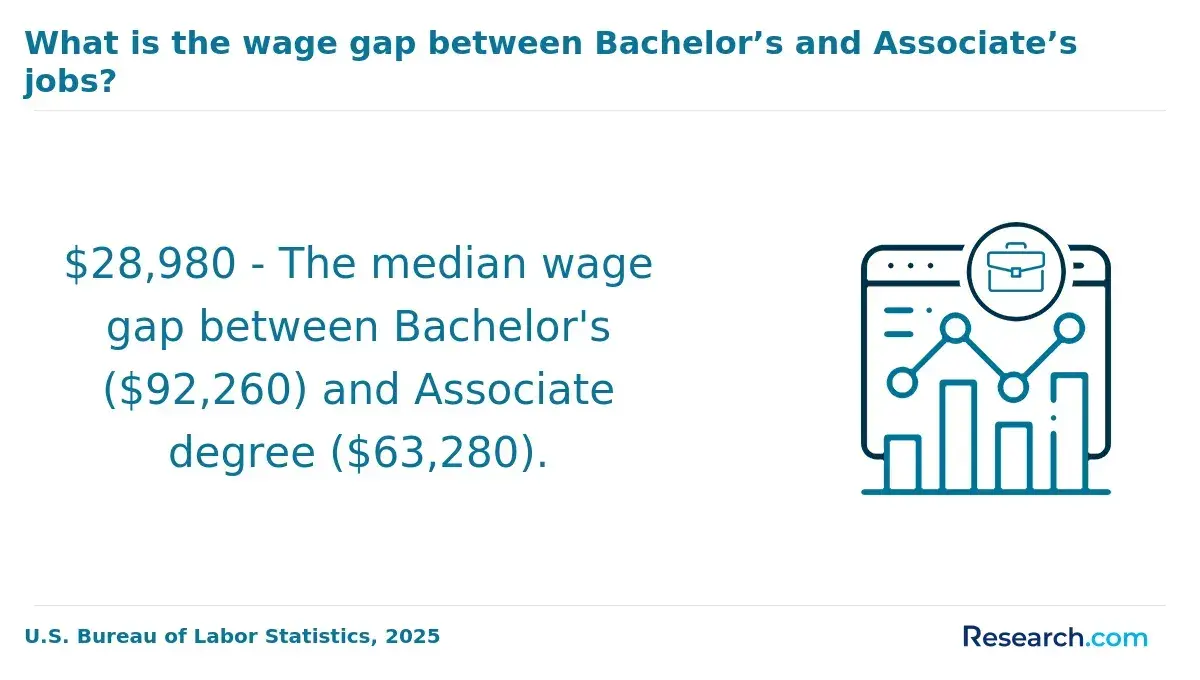
Game programmer salaries vary widely by studio size, region, platform, union or nonunion environment, remote policy, revenue model, and seniority. Public federal data does not break out salaries by "AI game programmer" or "engine programmer," so the best salary-planning method is to use U.S. occupational wage benchmarks that match the underlying work.
The table below gives a practical salary reference by specialization. Use these figures as national benchmarks, not promises for a specific job offer. Entry-level game roles may fall below national software medians, while senior specialists at profitable studios or technology companies may exceed them.
| Game programming specialization | Closest U.S. benchmark | 2024 national median pay | How to interpret the number |
| Backend, tools, platform, and general software-heavy game engineering | Software developers | $133,080 | This is the strongest general benchmark for programmers building production software systems, including game services and tools. |
| AI gameplay, analytics, player modeling, and data-informed systems | Data scientists | $112,590 | This benchmark is most useful when the role includes modeling, experimentation, telemetry, or machine learning rather than only scripted behavior. |
| Anti-cheat, account protection, and secure live operations | Information security analysts | $124,910 | Security-oriented game roles can draw from cybersecurity pay markets when they require exploit analysis, detection, and risk mitigation. |
| Advanced engine, rendering research, simulation, and graphics systems | Computer and information research scientists | $140,910 | This benchmark is most relevant for advanced roles requiring research-level computing, graphics, or algorithmic depth. |
| Animation tools, technical art programming, and visual effects systems | Special effects artists and animators | $99,800 | This can help benchmark hybrid technical-art roles, though programming-heavy positions may align more closely with software developer pay. |
| Traditional programming roles with limited software architecture responsibility | Computer programmers | $98,670 | This benchmark is useful for narrower coding roles, but long-term outlook is weaker than broader software development roles. |
For decision-making, the most important question is whether a specialization builds salary leverage. Salary leverage comes from scarce skills, measurable impact, and transferable expertise. A programmer who can reduce server costs, improve frame rate, prevent cheating, or accelerate the content pipeline can point to business value more clearly than someone who only lists tools used.
Before accepting a program, internship, or first job, compare the offer against the responsibilities rather than the title alone. The same "game programmer" title may mean very different work at a small indie studio, a mobile studio, a AAA publisher, or a simulation company.
What degree paths prepare students for game programming roles?
The best degree path depends on whether you want the broadest software career options or a curriculum built around games from the start. Game programming is not the same as game design: programmers build the systems that make games run, while designers focus more on mechanics, player experience, levels, narrative, and balance.
Students who want maximum flexibility often start with computer science and add game projects, because core CS skills transfer well across industries. If affordability and flexibility matter, comparing a computer science bachelor degree online can be a practical starting point before narrowing into game engines, AI, graphics, or networking.
The table below compares common academic paths and when each one makes sense. The strongest choice is usually the one that combines fundamentals, portfolio work, and access to internships or collaborative projects.
| Degree path | Best for | Strengths | Trade-offs |
| Associate degree in computer science or game programming | Students seeking a lower-cost entry point or transfer pathway. | Can cover programming basics, math, databases, and introductory game development. | May not be enough for competitive engine, AI, or backend roles unless followed by a bachelor's degree or strong portfolio. |
| Bachelor's in computer science | Students who want the broadest software career options. | Strong foundation in algorithms, data structures, operating systems, software engineering, and math. | May require self-directed game projects if the program has few game-focused electives. |
| Bachelor's in game programming or game development | Students who want a game-focused curriculum and project teams. | Often includes engines, gameplay scripting, graphics, physics, production pipelines, and portfolio courses. | Quality varies widely; weak programs may underteach CS fundamentals. |
| Bachelor's in software engineering | Students interested in tools, backend, live services, and production engineering. | Emphasizes maintainable systems, testing, architecture, teamwork, and project management. | May include less low-level graphics or engine content than a CS or game programming degree. |
| Master's in computer science, data science, or interactive media | Students targeting advanced AI, graphics, simulation, or research-heavy roles. | Can deepen specialization and help career changers build technical credibility. | Usually not necessary for entry-level gameplay roles and can be expensive if the career target is unclear. |
| Bootcamp or certificate | Students who already have programming basics and need targeted portfolio development. | Shorter and often project-focused. | Rarely substitutes for a strong CS foundation in competitive programming roles. |
A bachelor's degree is still the most common route for competitive game programming jobs, but it is not the only route. Some candidates enter through modding, indie projects, QA automation, technical art, web backend work, or general software engineering. The key is proving that you can write reliable code, collaborate with non-programmers, and solve performance or production problems.
Avoid choosing a degree based only on the word "game" in the title. Review the actual course list and look for evidence that the program teaches durable technical foundations.
- For AI or gameplay systems, prioritize algorithms, linear algebra, probability, simulation, data structures, and scripting.
- For engine or graphics programming, prioritize C++, computer architecture, operating systems, calculus, linear algebra, graphics, and optimization.
- For multiplayer/backend, prioritize databases, distributed systems, networking, cloud computing, security, and software engineering.
- For tools programming, prioritize UI development, Python or C#, build systems, asset pipelines, testing, and user-centered design.
How do online and campus game programming programs compare?
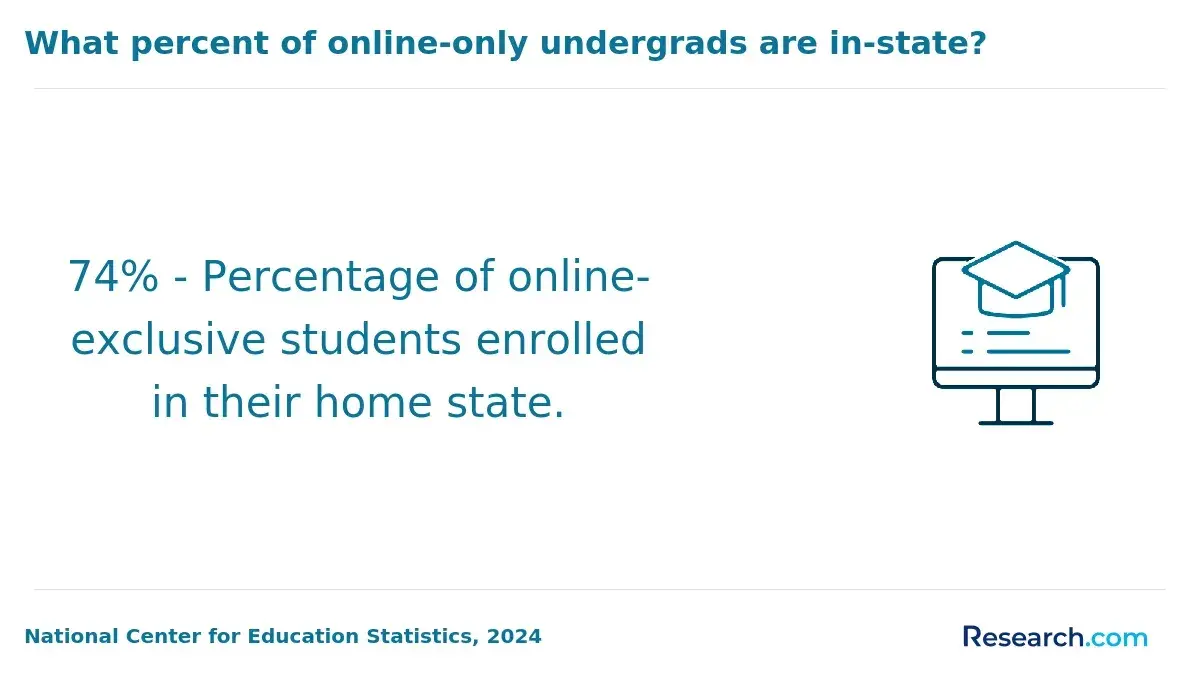
Online and campus programs can both prepare students for game programming careers, but they serve different needs. Online programs work best for self-directed students who need flexibility, while campus programs can be stronger for students who want in-person labs, studio-style collaboration, game clubs, and local employer connections.
Students interested in AI, telemetry, or player analytics may also consider graduate-level data training later. For example, an online MS data science can make sense for programmers moving from gameplay or tools into machine learning, analytics, recommendation systems, or simulation-heavy roles.
The table below compares formats by the factors that matter most for game programming outcomes. The right choice depends less on the delivery mode and more on whether the program produces strong projects, feedback, and employer-ready skills.
| Factor | Online program | Campus program | Decision tip |
| Schedule flexibility | Usually stronger for working adults, parents, and students outside major game hubs. | Less flexible, especially for studio labs or cohort-based courses. | Choose online if keeping your job lowers borrowing and financial risk. |
| Collaboration | Can be strong if courses use team projects, version control, and regular critique. | Often easier through labs, game clubs, and in-person production teams. | Ask to see examples of student team projects before enrolling. |
| Portfolio development | Depends heavily on project structure and instructor feedback. | May offer more structured showcases, capstones, and playtesting events. | Choose the program that produces better public portfolio artifacts. |
| Technical equipment | Students may need their own high-performance computer, software, and reliable internet. | Labs may provide workstations, VR equipment, motion capture, or testing spaces. | Include hardware and software costs when comparing total price. |
| Internship access | Can be strong if the school has remote internship support and active employer relationships. | May be stronger near game, simulation, or technology hubs. | Ask where recent students interned, not just whether internships are "available." |
| Self-discipline required | High; students must manage projects, debugging, and collaboration remotely. | Still important, but campus structure can help maintain momentum. | Online works best if you can build consistently without daily in-person accountability. |
Online programs are not automatically easier, and campus programs are not automatically better. A weak campus program with outdated engines and little code review may be less valuable than a rigorous online CS program with strong projects and internship support.
Before choosing a format, use a short evaluation process. This helps you compare outcomes rather than marketing claims.
- Ask for sample syllabi from programming, graphics, networking, and capstone courses.
- Review recent student portfolios and check whether projects include playable builds, source control, and technical documentation.
- Confirm how team projects are managed, especially in online programs.
- Ask whether instructors have current software, game, simulation, or interactive media experience.
- Compare total cost, including fees, hardware, software, commuting, housing, and lost work hours.
What accreditation matters for game programming schools?
Accreditation matters because it affects credit transfer, graduate school eligibility, employer confidence, and access to federal financial aid. For U.S. students, the most important baseline is institutional accreditation from an accreditor recognized by the U.S. Department of Education or the Council for Higher Education Accreditation.
Game programming does not have a single required professional license like nursing or accounting, so programmatic accreditation is less standardized. However, some computing programs may hold ABET accreditation, which can be a positive signal for technical rigor, especially in computer science, software engineering, and engineering-adjacent programs.
The table below explains the accreditation signals students are most likely to encounter. Use it to separate meaningful quality checks from marketing language.
| Accreditation or approval type | Why it matters | What to verify |
| Regional or national institutional accreditation | Supports federal aid eligibility, credit transfer, and general academic legitimacy. | Confirm the institution appears in recognized accreditation databases and that accreditation is current. |
| ABET accreditation | Can signal strong computing, engineering, and outcomes-based assessment. | Check whether the specific program is accredited, not just the school. |
| State authorization for online education | Online schools must be authorized to enroll students in many states. | Confirm the school can legally enroll students in your state. |
| Industry partnerships | May support internships, curriculum feedback, guest lectures, or portfolio review. | Ask for evidence of actual student outcomes, not just logos on a website. |
| Vendor certifications or training badges | Can supplement a degree but usually do not replace accreditation. | Check whether the credential is current and valued for your target specialization. |
A major red flag is a school that emphasizes job placement promises while being vague about accreditation, transfer credits, or graduate outcomes. Another warning sign is a program that lists game engines and software tools but does not require algorithms, data structures, math, or software engineering.
Students should verify accreditation before submitting deposits or financial aid forms. This is especially important for online programs, for-profit institutions, and schools with aggressive admissions timelines.
What coursework is typical in game programming programs?
Strong game programming programs combine computer science fundamentals with applied real-time development. A good curriculum should teach students how to build maintainable software, not just how to use one engine interface.
Coursework should also match the specialization you want. Students interested in motion systems, biomechanics, rehabilitation games, or sports technology may combine programming with human movement topics; those leaning in that direction may also compare options to study exercise science online while building technical projects in simulation or interactive media.
The table below shows typical coursework and why each area matters for salary-growth-oriented specializations. Programs do not need every course title listed here, but they should cover the underlying competencies.
| Course area | What students learn | Specializations supported |
| Programming fundamentals | Variables, control flow, functions, object-oriented programming, debugging, and code organization. | All game programming paths. |
| Data structures and algorithms | Efficient storage, search, sorting, graph traversal, complexity, and problem-solving patterns. | AI, engine, gameplay, backend, and tools. |
| Computer systems | Memory, processors, operating systems, concurrency, and performance constraints. | Engine, graphics, networking, and optimization-heavy roles. |
| Linear algebra and calculus | Vectors, matrices, transformations, motion, lighting, and simulation math. | Graphics, physics, engine, AI, and VR/AR. |
| Game engines | Unity, Unreal Engine, custom engines, scripting, scene management, and component systems. | Gameplay, tools, technical design, and prototyping. |
| Computer graphics | Rendering pipelines, shaders, lighting, materials, cameras, and GPU concepts. | Graphics and engine programming. |
| Networking and distributed systems | Client-server architecture, latency, synchronization, databases, cloud services, and reliability. | Multiplayer, backend, live services, and platform engineering. |
| Artificial intelligence for games | Pathfinding, behavior trees, decision systems, procedural generation, and player modeling. | AI gameplay, simulation, and systems design. |
| Software engineering | Testing, version control, architecture, documentation, agile workflows, and team collaboration. | All professional programming roles. |
| Capstone or studio project | Team-based production, playtesting, iteration, technical documentation, and portfolio building. | All paths, especially entry-level job preparation. |
The best coursework produces visible evidence of skill. A transcript tells employers what you studied, but a portfolio shows what you can build. For game programming, that portfolio should include both playable work and technical explanations.
To avoid graduating with a weak portfolio, plan projects around your target specialization rather than making several small, unrelated games.
- AI candidates should show navigation, decision-making, procedural generation, or telemetry-driven tuning.
- Graphics candidates should show shaders, lighting models, rendering experiments, and performance measurements.
- Backend candidates should show multiplayer synchronization, databases, cloud deployment, and reliability testing.
- Tools candidates should show editor extensions, automation scripts, content pipeline improvements, or debugging utilities.
- Gameplay candidates should show polished mechanics, responsive controls, and designer-friendly implementation.
What admissions requirements do game programming programs usually ask for?
Admissions requirements vary by school, degree level, and selectivity. Most undergraduate game programming programs look for evidence that a student can handle math, programming logic, and sustained project work. More selective programs may also review portfolios, essays, or prior coding experience.
The table below summarizes common requirements by program level. Always confirm requirements directly with the school because admissions standards, test policies, and transfer rules can change.
| Program level | Common admissions requirements | What matters most for applicants |
| Certificate or nondegree program | Application form, basic computer skills, sometimes prior programming experience. | Confirm whether the curriculum assumes beginner, intermediate, or advanced coding ability. |
| Associate degree | High school diploma or equivalent, placement testing, transcripts, and sometimes math readiness requirements. | Use the program as a transfer pathway if a bachelor's degree is your long-term goal. |
| Bachelor's degree | High school transcripts, GPA review, math preparation, application essay, and sometimes SAT or ACT scores depending on school policy. | Strong math and computing preparation can reduce remediation and shorten time to graduation. |
| Transfer bachelor's program | College transcripts, minimum transferable credits, prerequisite courses, and GPA requirements. | Confirm how programming, math, and general education credits will apply before enrolling. |
| Master's degree | Bachelor's degree, transcripts, letters of recommendation, statement of purpose, resume, and prerequisite CS coursework. | Applicants without a CS background may need bridge courses before advanced AI, graphics, or systems classes. |
Portfolio requirements are especially important for game-focused programs. A beginner portfolio does not need to look like a commercial game, but it should show curiosity, persistence, and the ability to finish small projects. Admissions teams may value documented process as much as visual polish.
If you are preparing to apply, focus on readiness rather than trying to impress with an oversized project. A small, complete, well-explained project is usually stronger than an ambitious unfinished prototype.
How long do game programming programs take and what do they cost?
Program length depends on degree level, enrollment status, transfer credits, prerequisites, and whether the program uses accelerated terms. Cost depends on tuition, fees, residency status, hardware, software, housing, transportation, and lost work time.
For a current U.S. cost benchmark, the College Board reported average published tuition and fees of $11,610 for in-state students at public four-year institutions and $43,350 at private nonprofit four-year institutions for the 2024-25 academic year. That gap matters because a game programming degree's ROI depends not only on future earnings but also on how much debt you take on to reach the job market.
The table below compares typical timelines and cost considerations. These are planning categories rather than guaranteed prices because each school sets its own tuition and fee structure.
| Program type | Typical full-time length | Cost factors to compare | Best value scenario |
| Certificate | A few months to one year | Tuition, software, portfolio support, and whether credits transfer. | Best for students who already know programming and need a focused skill upgrade. |
| Associate degree | About two years | Community college tuition, transfer agreements, fees, and math placement. | Best when it transfers cleanly into a bachelor's program. |
| Bachelor's degree | About four years | Tuition, fees, housing, hardware, internship access, and graduation requirements. | Best for students seeking entry-level software or game programming roles with broad career flexibility. |
| Master's degree | One to three years | Graduate tuition, prerequisites, assistantships, employer tuition support, and opportunity cost. | Best for advanced AI, graphics, simulation, research, or career-changing professionals with a clear goal. |
| Bootcamp or intensive program | Several weeks to several months | Upfront tuition, financing terms, refund policy, career support, and portfolio quality. | Best as a supplement, not a replacement for fundamentals, unless you already have strong coding experience. |
Students can reduce costs without weakening career preparation if they plan carefully. The biggest savings often come from transfer credits, public institutions, employer tuition assistance, and avoiding programs that do not match the target specialization.
Use this cost-control checklist before enrolling. It is designed to help you compare total value, not just advertised tuition.
- Calculate total cost of attendance, including fees, books, hardware, software, commuting, housing, and interest on loans.
- Ask whether community college credits, AP credit, CLEP exams, military training, or prior college credits can reduce your timeline.
- Check whether scholarships are renewable and what GPA is required to keep them.
- Compare internship access and graduate outcomes, because a cheaper program with weak career support may still be a poor investment.
- Avoid private loans until you understand federal aid options, repayment terms, and realistic entry-level salary expectations.
What certifications help game programmers stand out to employers?
Certifications can help, but they rarely replace a degree, portfolio, or professional code samples. They are most useful when they validate a tool or platform that appears in your target job descriptions, such as cloud services, security, game engines, or project management.
Certifications can also support career pivots. A programmer moving into analytics-heavy game systems might pair game projects with data coursework, while someone moving into backend infrastructure might add cloud credentials. The best credential is the one that fills a specific gap in your resume.
The table below compares certifications and credential areas that may help game programmers. Employer preferences vary, so always check job postings for your target specialization before paying for an exam.
| Credential area | Examples of useful focus | Most relevant specialization | Limitations |
| Game engine certification | Unity or Unreal Engine training, engine-specific coursework, verified projects. | Gameplay, tools, technical design, and prototyping. | Engine familiarity is helpful, but employers still want strong programming fundamentals. |
| Cloud certification | AWS, Microsoft Azure, or Google Cloud fundamentals and developer-level credentials. | Multiplayer backend, live services, telemetry, and platform engineering. | Cloud credentials are stronger when paired with deployed projects. |
| Cybersecurity certification | Security fundamentals, network security, secure coding, threat detection, and incident response. | Anti-cheat, account security, trust and safety, and live operations. | Entry-level certifications do not prove reverse engineering or exploit-analysis skill by themselves. |
| Data or AI certification | Python, SQL, machine learning, data visualization, experimentation, and model evaluation. | AI gameplay, player analytics, personalization, and procedural systems. | Certificates should be backed by projects using real datasets or working simulations. |
| Agile or project management credential | Scrum, agile collaboration, production workflows, and team communication. | Tools, lead programming, production engineering, and technical coordination. | Usually more valuable after some team experience. |
The mistake to avoid is collecting certifications without building evidence. A hiring manager will usually care more about a working multiplayer demo, optimized renderer, or editor tool than a long list of unrelated badges.
Use certifications strategically. They should support a clear story about the type of programmer you are becoming.
Other Things You Should Know About Game Programming & Development
It can be, especially if you specialize in transferable areas such as backend engineering, AI systems, graphics, engine programming, tools, or security. Salary growth is less predictable for narrow gameplay-only roles because competition is often higher and pay varies widely by studio.
Not always. Many employers care about programming skill, portfolio quality, teamwork, and problem-solving. However, a computer science, software engineering, or game programming degree can make you more competitive, especially for roles requiring algorithms, systems, math, and large-scale software development.
C# is useful for Unity, C++ is important for Unreal Engine and performance-heavy roles, and Python is valuable for tools, automation, AI, and data work. Beginners can start with C# or Python, but engine and graphics candidates should eventually become comfortable with C++.
Most commercial game programming jobs need no security clearance, but defense and simulation studios often require a U.S. Secret or Top Secret clearance for roles handling restricted software or data. Employers usually sponsor the clearance after hiring, and candidates must pass a background investigation and meet citizenship rules.
References
- Game Design Requirements: Skills, Portfolio & Entry Guide | BSBI https://www.berlinsbi.com/blog/game-design-requirements-what-you-need-to-know-before-you-apply
- Game Development Career Pathways | CG Spectrum https://www.cgspectrum.com/career-pathways/game-development
- African Leadership University (ALU) https://www.alueducation.com/best-certifications-for-software-developers/
- Salary progression in Game Developer https://www.whitecarrot.ai/resources/templates/progression-salary/game-developer
- Is Game Programming a Good Career Path? Opportunities, Salary, Outlook - Champlain College https://www.champlain.edu/blog/stories/game-programming-career-path/
- Top 50 Game Design Schools and Colleges in the U.S. - 2025 Rankings | Animation Career Review https://www.animationcareerreview.com/articles/top-50-game-design-schools-and-colleges-us-2025-rankings
- Video Game Developer Salary: Averages by State https://gamedesignskills.com/game-development/developer-salary/
- How Long Does It Take to Make a Video Game? https://kevurugames.com/blog/how-long-does-it-take-to-make-a-game/
- Game Engineer Certifications: Best Credentials to Advance Your Career | Teal https://www.tealhq.com/career-paths/game-engineer-certifications
- Game Developer Salaries by Country 2025-2026 https://optiveum.com/articles/game-developer-salaries-by-country/