2027 Game Development Career Outlook by Specialization

Co-Founder and Chief Data Scientist
Choosing a game development path is harder now because "game developer" can mean programmer, designer, artist, producer, QA tester, technical artist, or live-ops specialist. The upside is real: BLS 2024 data lists software developers at a median annual wage of $133,080, while special effects artists and animators sit at $99,060. This guide is for students, career changers, and early-career creatives who want to compare specializations, education paths, costs, salaries, and portfolio expectations before investing time or tuition.
Key Things You Should Know
- Programming-heavy tracks have the strongest broad labor-market signal: BLS projects software developers, quality assurance analysts, and testers to grow 15% from 2024 to 2034, much faster than the average for all occupations.
- Creative game roles can pay well but are more portfolio-driven and competitive; BLS May 2024 median pay was $99,060 for special effects artists and animators and $61,300 for graphic designers.
- The smartest program choice depends on specialization: programmers usually benefit most from computer science depth, designers need playable prototypes, artists need polished reels, and producers need shipped-project experience.
What is the overall job outlook for game development careers in the United States?
The overall U.S. outlook for game development careers is mixed but still attractive for students who build transferable skills. Games remain a major part of the entertainment and software economy, but hiring is uneven because studios respond quickly to funding cycles, platform changes, project cancellations, and live-service performance. That means the safest career plan is not simply "work in games," but "build a game-relevant skill that also transfers to software, media, simulation, education technology, defense, health, or interactive training."
BLS projects computer and information technology occupations to add about 317,700 openings per year, on average, from 2024 to 2034. For game developers, this matters because many of the most resilient game jobs are software-adjacent: gameplay engineering, tools development, build engineering, backend services, QA automation, data engineering, and AI-assisted pipeline work.
Game development careers can be grouped into three broad labor-market categories. Technical roles tend to have the best salary leverage and the most non-game backup options. Creative roles depend more heavily on portfolio quality, specialization, and studio fit. Production, QA, and community-facing roles can be strong entry points, but advancement usually requires proof that you can ship work, communicate under pressure, and solve problems across teams.
| Career category | Typical game specializations | Outlook signal | Best fit for |
| Technical development | Gameplay programmer, engine programmer, tools developer, network engineer, AI programmer | Strongest broad U.S. labor-market support because skills overlap with software development | Students who like coding, systems, math, debugging, and performance constraints |
| Creative production | Game designer, level designer, UI/UX designer, 2D artist, 3D artist, animator, narrative designer | Good opportunities for strong portfolios, but competition is higher and roles are more specialized | Students who can show finished work, iterate quickly, and accept critique |
| Operations and support | QA tester, producer, associate producer, live-ops coordinator, community manager | Useful entry path, especially for people who understand both players and production workflows | Students who are organized, communicative, analytical, and interested in shipping games |
The main risk is assuming the game industry works like a single stable employer market. It does not. A student should prepare for studio hiring, contract work, remote collaboration, portfolio screening, and possible transitions into adjacent industries that use game engines and interactive media.
Which game development specializations are in highest demand across the industry?
The highest-demand game development specializations are usually the ones that help studios ship faster, maintain live products, reduce technical debt, or create distinctive player experiences. Demand is strongest when a role combines game literacy with a hard-to-replace technical skill.
The following table compares major specializations by demand strength and what employers usually want to see. It is not a ranking of "best" careers; it is a decision tool for matching your strengths to market needs.
| Specialization | Demand level | Why studios hire for it | What proves readiness |
| Gameplay programming | High | Studios need developers who can turn mechanics into responsive, testable player experiences | Playable prototypes, C++ or C# projects, engine experience, debugging samples |
| Engine and systems programming | High | Performance, rendering, tools, physics, memory, and platform optimization affect production quality | Low-level programming samples, profiling work, math foundations, C++ depth |
| Backend, network, and live-ops engineering | High | Multiplayer, accounts, telemetry, matchmaking, updates, and online economies require reliable services | API projects, cloud deployment, database work, scalable systems examples |
| Technical art | High | Technical artists connect art goals with engine constraints, pipelines, shaders, rigs, and automation | Shader demos, rigging tools, procedural workflows, artist-friendly scripts |
| Game design and level design | Moderate to high | Studios need designers who can create mechanics, levels, progression, and feedback loops that retain players | Playable levels, design documents, iteration notes, user-test results |
| UI/UX design for games | Moderate to high | Menus, onboarding, accessibility, monetization flows, and player communication affect retention | Interface prototypes, usability testing, accessibility thinking, engine implementation examples |
| Game art and animation | Moderate | Visual quality still matters, but employers screen heavily by style fit, speed, and production readiness | Focused portfolio, clean topology, animation reels, engine-ready assets |
| QA and QA automation | Moderate | Complex games require test plans, bug isolation, regression testing, and build verification | Bug reports, test cases, scripting, automation tools, platform familiarity |
AI is changing demand, but it is not eliminating the need for game developers. The strongest candidates are learning how to use AI-assisted tools for ideation, scripting support, asset exploration, localization, QA triage, and production planning while still proving they understand gameplay, ethics, copyright risk, optimization, and human review.
How do salaries compare across major game development roles and specializations?
Salaries vary widely because game roles map imperfectly onto federal occupation categories. A gameplay programmer at a large studio, a mobile QA tester, a contract 3D artist, and an indie designer may all work in "games" but fall into different pay bands. Use salary data as a benchmark, not a promise.
The table below uses BLS May 2024 median annual wage data for U.S. occupations that commonly overlap with game development. It helps compare the earning context of major tracks, though actual pay can vary by studio size, location, union status, seniority, platform, and contract type.
| Game development track | Closest BLS occupation benchmark | May 2024 median annual wage | How to interpret it |
| Gameplay, engine, tools, AI, backend programming | Software developers | $133,080 | Strong benchmark for programmers, especially those with transferable software skills |
| QA automation and technical testing | Software quality assurance analysts and testers | $101,800 | Most relevant to test automation and technical QA, not all entry-level game testing roles |
| Game animation, VFX, cinematic work | Special effects artists and animators | $99,060 | Useful for animation and effects roles, but portfolio and project type strongly affect offers |
| Tools scripting and legacy systems | Computer programmers | $98,670 | Relevant for coding roles that emphasize implementation and maintenance |
| UI/UX and digital interface design | Web developers and digital designers | $95,380 | Useful benchmark for interface-heavy work, especially if skills transfer outside games |
| Narrative design and game writing | Writers and authors | $72,270 | Best used as a broad writing-market benchmark; game narrative roles are often competitive |
| Concept art, 2D design, marketing assets | Graphic designers | $61,300 | Relevant to visual design roles, but specialized game artists may fall above or below this benchmark |
The salary pattern is clear: technical depth usually increases options. However, a student should not choose programming only for pay if they dislike coding. Game development rewards sustained practice, and portfolio quality often reflects genuine interest.
What degree and training pathways lead into different game development specializations?
Different game specializations call for different education pathways. A bachelor's degree is common for programming, art, design, and production roles, but it is not the only path. Employers often screen for a combination of fundamentals, portfolio evidence, collaboration experience, and shipped or playable work.
Students comparing a game design and development degree should look beyond the title of the major. The best fit depends on whether the curriculum emphasizes programming, design systems, art production, interactive storytelling, or production management.
| Goal | Common pathway | What the program should include | When it makes sense |
| Game programmer | Bachelor's in computer science, software engineering, game programming, or applied computing | Data structures, algorithms, C++, C#, math, game engines, software architecture | Best for students who want the strongest technical and non-game career flexibility |
| Game designer or level designer | Bachelor's in game design, interactive media, digital media, or computer science with design electives | Systems design, level design, prototyping, playtesting, player psychology, scripting | Best for students who want to make playable mechanics and document design decisions |
| Game artist or animator | BFA, BA, or certificate in animation, 3D art, digital art, illustration, or game art | Drawing, 3D modeling, rigging, lighting, animation, portfolio studio, engine-ready asset workflows | Best for students whose admission and hiring prospects depend heavily on visual portfolios |
| Technical artist | Hybrid path in art plus scripting, game development, computer graphics, or technical animation | Python, shaders, rigging, procedural tools, Unreal or Unity pipelines, optimization | Best for students who enjoy solving production problems between artists and engineers |
| Producer or project coordinator | Bachelor's in game development, business, communications, project management, or media production | Agile workflows, scheduling, risk tracking, budgeting, team communication, game production labs | Best for students who want to coordinate teams rather than create assets or code full time |
| QA tester or QA analyst | Associate degree, certificate, bachelor's, bootcamp, or self-directed route with strong testing evidence | Test planning, bug tracking, scripting, version control, platform requirements, automation basics | Best as an entry path when paired with careful documentation and technical growth |
A degree is most valuable when it gives you structured practice, feedback, team projects, internship access, and a portfolio pipeline. A shorter certificate or bootcamp may make sense if you already have a degree, strong art skills, or coding foundations and need targeted game-engine practice.
How do online game development programs compare to campus-based options for career outcomes?
Online and campus-based game development programs can both lead to strong outcomes, but they serve different learners. The right choice depends on your schedule, need for studio equipment, learning style, networking goals, and ability to build portfolio projects without constant in-person structure.
Online options are especially useful for working adults, military learners, parents, and students who need geographic flexibility. For students interested in educational games, simulations, or corporate learning products, a master's in training and development online can also connect game-based learning with instructional design, learning technology, and workforce training roles.
| Factor | Online game development program | Campus-based game development program | Decision guidance |
| Schedule flexibility | Usually stronger, especially for asynchronous courses | More fixed schedules and in-person attendance | Choose online if you need to work while studying; choose campus if you need structure |
| Studio equipment | Depends on student hardware and remote lab access | May offer labs, motion capture, sound rooms, VR equipment, and critique spaces | Campus can be better for art, animation, audio, and hardware-heavy work |
| Team collaboration | Can be strong if the program uses version control, remote production tools, and team milestones | Often easier for spontaneous collaboration and studio culture | Ask how many team-based games students complete before graduation |
| Networking | Depends on virtual events, alumni access, Discord or Slack communities, and career services | May offer more local studio events, showcases, clubs, and faculty introductions | Compare actual employer connections, not just format |
| Career outcomes | Can be competitive if portfolios are strong and the school has credible support | Can be competitive if students use campus resources effectively | Format matters less than portfolio quality, internships, faculty expertise, and graduate work samples |
The biggest mistake is assuming online means easier or campus means better. A weak online program may leave you isolated, but a weak campus program may be expensive without improving your portfolio. Ask to see student games, capstone requirements, employer partnerships, internship support, and graduate placement information before enrolling.
What core skills and technologies are required for each game development specialization?
Game development requires specialization, but most successful candidates also understand how their work fits into the whole production pipeline. A designer who understands scripting, an artist who understands optimization, or a programmer who understands player feedback is easier to place on a team.
AI literacy is becoming part of that shared toolkit. Students who want deeper preparation in machine learning, data systems, or AI-assisted software development may compare an AI online degree with a game programming path if their goal is AI engineering, procedural content, simulation, or intelligent interactive systems.
| Specialization | Core skills | Common technologies | Portfolio evidence |
| Gameplay programmer | Object-oriented programming, math, debugging, systems thinking, input handling, physics integration | Unity, Unreal Engine, C#, C++, Git, Visual Studio, Rider | Playable mechanics, source code samples, performance fixes, prototype videos |
| Engine programmer | Computer graphics, memory management, optimization, platform constraints, architecture | C++, DirectX, Vulkan, Unreal Engine, profiling tools, build systems | Rendering demos, engine modules, profiling reports, technical writeups |
| Technical artist | Pipeline automation, shaders, rigging, optimization, communication between art and engineering | Python, Houdini, Maya, Blender, Unreal, Unity, shader graphs | Tools, rigs, shaders, before-and-after workflow improvements |
| Game designer | Mechanics, systems balance, progression, playtesting, documentation, player motivation | Unity, Unreal, spreadsheets, scripting tools, Miro, Jira, Figma | Playable prototypes, design docs, test findings, iteration history |
| Level designer | Spatial design, pacing, encounter design, navigation, environmental storytelling | Unreal Editor, Unity, proprietary editors, blockout tools, version control | Walkthrough videos, annotated maps, graybox-to-final examples |
| Game artist | Composition, anatomy, color, modeling, texturing, lighting, style matching | Blender, Maya, ZBrush, Substance 3D, Photoshop, Unreal, Unity | Focused portfolio, engine-ready assets, breakdowns, style-consistent work |
| Animator | Timing, weight, acting, locomotion, rigging basics, gameplay readability | Maya, Blender, MotionBuilder, Unreal, Unity, animation blueprints | Animation reel, in-engine clips, cycles, combat or character movement samples |
| QA analyst | Bug isolation, test design, documentation, reproduction steps, regression testing | Jira, TestRail, Git, crash logs, scripting tools, platform test kits | Sample bug reports, test plans, automation scripts, issue triage examples |
A practical way to choose a specialization is to build one small finished game, then identify which part of the work you wanted to keep doing after the novelty wore off. That signal is often more reliable than choosing based only on salary tables or job titles.
How long do game development programs take, and what tuition and total costs should students expect?
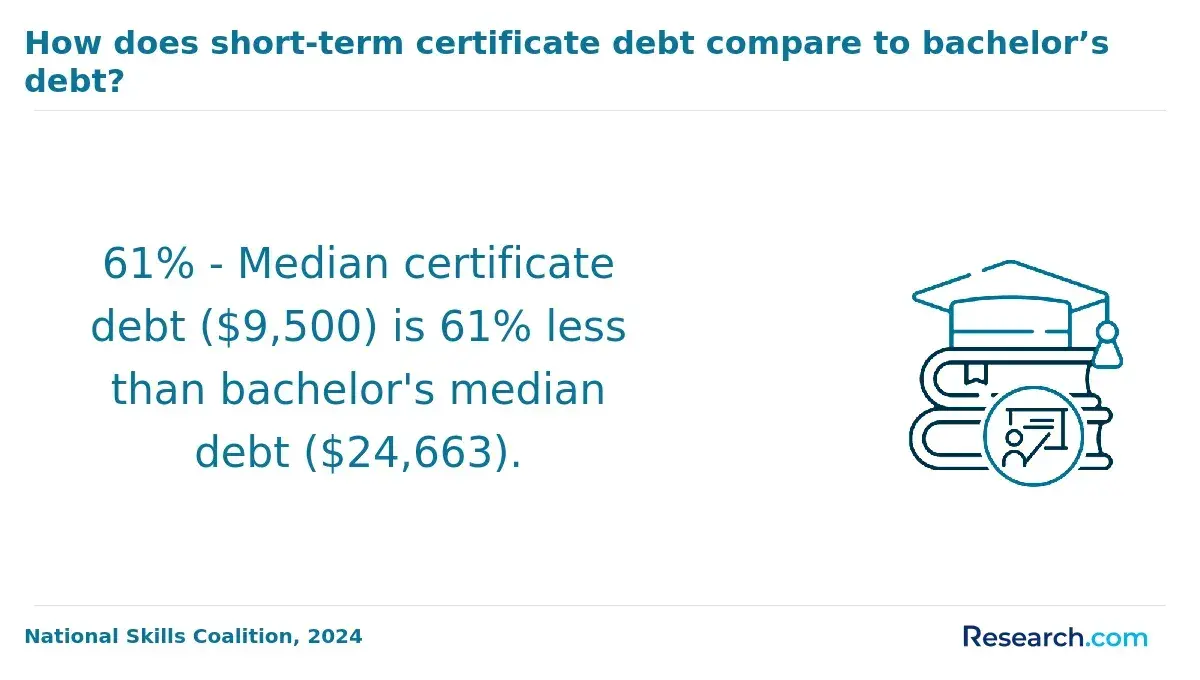
Game development program length and cost vary by credential. A certificate may take months, an associate degree typically takes about two years, a bachelor's degree commonly takes four years of full-time study, and a master's degree often takes one to two years. Part-time study can extend the timeline, while transfer credits, summer terms, and competency-based formats may shorten it.
Cost should be evaluated as total cost, not just tuition. The College Board's 2024 pricing data listed average published tuition and fees for public four-year in-state students at $11,610 for the 2024-25 academic year. That figure is useful as a baseline, but game development students may also need hardware, software, portfolio materials, transportation, or relocation funds.
| Credential | Typical full-time length | Common cost drivers | Best fit |
| Certificate or short program | Several months to one year | Course fees, software, hardware, limited financial aid availability | Students adding a targeted skill such as Unity, Unreal, QA, 3D modeling, or technical art |
| Associate degree | About two years | Community college tuition, transfer planning, equipment, portfolio courses | Students seeking lower-cost entry, transfer preparation, or local employment options |
| Bachelor's degree | About four years | Tuition, fees, housing, equipment, studio courses, general education requirements | Students seeking the strongest traditional route into programming, design, art, or production roles |
| Master's degree | One to two years | Graduate tuition, project labs, opportunity cost, assistantship availability | Students targeting advanced technical work, research, teaching, leadership, or career specialization |
Students often look for accelerated formats to reduce time away from the workforce. Comparing timelines in other fields, such as an accelerated exercise science degree online, can show how compressed calendars work, but game development students should be cautious: rushing may reduce the time needed to build a competitive portfolio.
A lower-cost program is not automatically better if it lacks faculty feedback, team projects, and portfolio support. An expensive program is not automatically worth it if graduates leave with generic assignments rather than finished, playable, employer-ready work.
How do accreditation and program quality affect game development career opportunities?
Accreditation and program quality affect game development opportunities because they influence credit transfer, federal financial aid eligibility, graduate school admission, and employer confidence. In the U.S., the most important baseline is institutional accreditation from an accreditor recognized by the U.S. Department of Education or the Council for Higher Education Accreditation.
Programmatic accreditation is more field-specific. ABET accreditation can matter for computer science, software engineering, or engineering-heavy programs, especially if you want maximum technical credibility. NASAD accreditation may be relevant for art and design schools. Many legitimate game programs do not have game-specific accreditation, so students should evaluate curriculum quality, faculty experience, student work, and outcomes rather than relying on a single label.
Use the following red flags to avoid weak programs. These issues do not always mean a school is bad, but they should trigger deeper questions before you commit.
- The school cannot clearly explain its institutional accreditation status or whether credits transfer to other colleges
- The curriculum uses outdated engines, tools, or workflows without explaining how students learn current production practices
- Admissions materials focus on dream jobs but provide little evidence of student games, portfolios, internships, or employer connections
- The program promises job placement, salary outcomes, or studio hiring in absolute terms
- Faculty profiles do not show relevant academic, technical, creative, or industry experience
- Capstone projects are individual assignments only, with little team-based production or version-control practice
Quality matters most when it changes what you can show. A strong program should help you graduate with finished work, documented process, critique experience, team credits, and enough technical vocabulary to collaborate across disciplines.
What entry-level roles, internships, and portfolios help break into specific game development tracks?
Breaking into game development usually requires proof before permission. Entry-level candidates are often screened by portfolios, GitHub repositories, itch.io projects, animation reels, level walkthroughs, bug reports, internships, game jams, and references from team projects. A degree can help, but it rarely replaces evidence of skill.
Common entry-level roles differ by specialization. The table below shows realistic first steps and what each can lead to over time.
| Target track | Common entry-level roles | Portfolio or proof to prepare | Possible advancement path |
| Programming | Junior gameplay programmer, tools programmer, QA automation tester, build engineer assistant | Playable prototypes, code samples, bug fixes, engine demos, Git history | Gameplay engineer, engine programmer, technical lead, software architect |
| Design | Associate game designer, junior level designer, content designer, systems design intern | Playable levels, design documents, balance spreadsheets, playtest notes | Game designer, senior designer, lead designer, creative director |
| Art and animation | Junior 3D artist, production artist, animator, concept art intern, environment art intern | Focused reel or portfolio, asset breakdowns, in-engine scenes, style-matched work | Specialist artist, senior artist, art lead, art director |
| Technical art | Technical art intern, rigging assistant, pipeline tools assistant, shader artist | Shaders, scripts, rigs, pipeline tools, optimization examples | Technical artist, senior technical artist, pipeline lead, technical art director |
| Production | Production assistant, associate producer, scrum coordinator, localization coordinator | Shipped team projects, schedules, risk logs, sprint boards, communication samples | Producer, senior producer, executive producer, studio operations leader |
| QA | Game tester, QA analyst, localization tester, compliance tester | Bug reports, test plans, reproduction videos, automation scripts | QA lead, QA automation engineer, producer, designer, release manager |
To improve your odds, build a focused portfolio instead of a broad but shallow one. A student targeting level design should not lead with character art; a gameplay programmer should not rely only on concept documents; an artist should not hide the final work behind long explanations.
A practical entry plan looks like this:
- Choose one primary specialization and one supporting skill, such as gameplay programming plus UI, 3D art plus shaders, or design plus scripting
- Complete small projects that can be played, reviewed, or inspected rather than unfinished "big game" ideas
- Join game jams, class teams, modding communities, or open-source projects to show collaboration
- Document your process with short explanations of constraints, decisions, testing, and revisions
- Apply broadly to internships, apprenticeships, QA roles, junior roles, contract work, and adjacent interactive media employers
- Revise your portfolio for each job family instead of sending the same materials to every studio
The most common mistake is waiting until senior year to build a portfolio. Start early, replace weak work often, and make every project demonstrate a specific hiring signal.
How can students choose the best game development program for their specialization and career goals?
The best game development program is the one that matches your specialization, budget, learning style, and career risk tolerance. A famous school may not be the best choice if it leaves you with high debt and a generic portfolio. A low-cost school may be excellent if it provides strong fundamentals, transfer options, faculty feedback, and student project support.
Use a specialization-first approach. Programmers should prioritize computer science depth and engine practice. Designers should prioritize prototyping, playtesting, and systems thinking. Artists should prioritize portfolio studios and production-ready pipelines. Producers should prioritize team projects, scheduling, communication, and shipped work.
Ask schools specific questions before applying or enrolling. These questions help separate marketing claims from career-relevant evidence:
- What student games, reels, code repositories, or portfolios can I review before applying?
- How many team-based projects will I complete, and what roles do students take on those teams?
- Which engines, programming languages, art tools, production tools, and version-control systems are required?
- Who teaches the specialization courses, and what recent professional or research experience do they have?
- Does the program require internships, capstones, public showcases, portfolio reviews, or employer critiques?
- What career services exist specifically for game, software, animation, simulation, or interactive media roles?
- How does the school report outcomes, and does it separate game-specific outcomes from broader employment data?
- What is the full cost after transfer credits, fees, equipment, housing, scholarships, grants, and expected borrowing?
Students should also be honest about fit. If you want stable software options, choose a programming-heavy route. If you want visual storytelling, choose an art program with serious critique and reel development. If you want to direct game ideas, first learn to prototype, test, revise, and communicate because "idea person" is rarely an entry-level job.
A good final decision balances three things: employable skill depth, portfolio evidence, and financial risk. If a program strengthens all three, it is more likely to support your goals. If it only offers a game-themed label, keep comparing.
Other Things You Should Know About Game Programming & Development
Employers usually want strong C++ or C# skills, proficiency with Unreal Engine or Unity, version control with Git, and basic math or physics. For AAA studios, a bachelor’s degree in computer science, game programming, or software engineering is commonly preferred, along with a shipped project or internship experience.
The 2027 job market for game developers remains competitive as the industry continues to grow. Specialized skills in game design, programming, or virtual reality can enhance employability. Staying updated with emerging technologies and trends is crucial for those entering the field. Networking and a strong portfolio are also vital to stand out to potential employers.
Programming-heavy roles usually have the strongest salary benchmarks because they overlap with broader software careers. Engine, backend, tools, AI, and gameplay programming often offer more pay flexibility than purely creative entry-level roles, though actual compensation varies by employer, location, seniority, and project type.
A portfolio should match the role you want. Programmers need playable builds and code samples, designers need prototypes and playtest evidence, artists need focused reels or asset breakdowns, and QA candidates need bug reports, test plans, and documentation examples.
References
- Career Path and Salary for Video Game Designers | ComputerScience.org https://www.computerscience.org/careers/video-game-designer/career-outlook-and-salary/
- Game Developer Salaries by Country 2025-2026 https://optiveum.com/articles/game-developer-salaries-by-country/
- All about FCGQ - GameQuality.org https://gamequality.org/academy/all-about-fcgq/
- Blog https://kevurugames.com/blog/
- Is Game Programming a Good Career Path? Opportunities, Salary, Outlook - Champlain College https://www.champlain.edu/blog/stories/game-programming-career-path/
- The Video Game Designer Job Outlook | NEIT https://www.neit.edu/blog/video-game-designer-job-outlook
- Essential skills needed for success in game design: from coding to art direction | Vancouver Film School https://vfs.edu/news/2025/06/25/essential-skills-for-success-in-game-design
- How to Get a Game Developer Job in 2025 – Skills & Tips https://www.wholetomato.com/blog/how-to-get-a-job-as-a-game-developer-in-2025-part-1-skills-tools-job-tips/
- How important is colledge degree in game development? https://discussions.unity.com/t/how-important-is-colledge-degree-in-game-development/484055
- Circuit Stream · Your Guide to the Different Career Pathways You Can Take in the Game Development Industry https://www.circuitstream.com/blog/your-guide-to-the-different-career-pathways-you-can-take-in-the-game-development-industry