2027 Best Online Game Programming and Development Degrees for Technical Game Design Careers

Co-Founder and Chief Data Scientist
Choosing an online game programming degree is really a career-fit decision: you need enough coding depth to build playable systems, not just enthusiasm for games. The Entertainment Software Association reported in 2024 that more than 190 million Americans play video games, which helps explain why studios, software firms, and interactive media teams need technical talent. This guide is for students comparing online game development programs for technical game design careers. You will learn how degrees differ, what they cost, what skills matter, and how to choose a credible program.
Key Things You Should Know
- A bachelor's degree with strong programming, math, game engine, and portfolio requirements is usually the best starting point for technical game design; certificates and associate degrees can help with entry-level or career-switching goals but may be less competitive for studio roles.
- College Board's 2024 tuition data lists average published tuition and fees at $11,610 for in-state public four-year colleges and $43,350 for private nonprofit four-year colleges, so transfer credits, public tuition rates, and online fees can significantly change total cost.
- BLS data shows strong adjacent demand: the median annual wage for software developers was $133,080 in May 2024, and the occupation is projected to grow 15% from 2024 to 2034, but game-specific pay and openings vary by studio, region, portfolio strength, and specialization.
What is an online game programming and development degree and who is it best for?
An online game programming and development degree is a college program that teaches students how to create game software, interactive systems, simulations, tools, and gameplay features. Unlike a general game design program, which may emphasize storytelling, level design, art direction, or player psychology, a programming-focused degree centers on code, algorithms, engines, physics, artificial intelligence, networking, and production workflows.
This path is best for students who enjoy solving technical problems and want to work close to implementation. A technical game designer, gameplay programmer, tools developer, or systems designer often needs to translate design ideas into working mechanics. That means understanding both the creative intent of a feature and the engineering constraints behind it.
The degree is a strong fit if you want a structured path into roles that require both coding and game knowledge. It may not be the best first choice if your main goal is concept art, 3D modeling, esports management, screenwriting, or production-only work. Those careers can still intersect with games, but they usually require different portfolios and different coursework.
The table below summarizes common student profiles and whether an online game programming degree is likely to match their goals. Use it to separate "I like games" from "I want to build interactive software for games."
| Student goal | How well the degree fits | Why it matters |
| Become a gameplay programmer | Strong fit | Programs usually teach C++, C#, engines, debugging, gameplay systems, and portfolio development. |
| Become a technical game designer | Strong fit | The degree can help you prototype mechanics, tune systems, and communicate with engineers. |
| Become a level designer | Moderate fit | Programming helps, but you should confirm the curriculum includes level design, player experience, and engine-based projects. |
| Become a 3D artist or animator | Limited fit | Art-heavy programs usually provide better training in modeling, rigging, animation, and visual portfolios. |
| Work in general software development | Good fit if the program is rigorous | Strong computer science fundamentals can transfer, but a broader CS degree may give more flexibility outside games. |
A good online game programming program should produce more than completed courses. By graduation, you should have playable projects, documented code, experience with team workflows, and evidence that you can build, test, and improve interactive systems.
How do online game programming degrees compare to campus-based programs for technical game design?
Online and campus-based game programming programs can lead to similar outcomes when the online program is rigorous, accredited, project-based, and supported by faculty feedback. The main difference is not whether the lectures happen online; it is whether students get enough hands-on practice, collaboration, critique, and access to current tools.
Online learning can work especially well for programming because much of the work happens in development environments, engines, repositories, and remote collaboration tools that mirror modern software workflows. However, students must be disciplined about scheduling, troubleshooting, and building peer connections. By contrast, campus programs may offer easier access to labs, local game jams, clubs, and in-person team projects.
The comparison below shows where online and campus formats typically differ for technical game design students. These factors matter because game hiring is often portfolio-driven, not simply degree-driven.
| Factor | Online game programming degree | Campus-based game programming degree |
| Scheduling | Often better for working adults, military students, parents, and students outside major tech hubs. | More structured weekly schedule, which can help students who need in-person accountability. |
| Collaboration | Usually handled through version control, video meetings, discussion boards, and remote production tools. | Often includes studio labs, in-person critique, clubs, and easier spontaneous teamwork. |
| Equipment access | Students may need a capable computer, reliable internet, and paid or institution-provided software. | Campus labs may provide workstations, motion capture spaces, VR equipment, or testing rooms. |
| Portfolio development | Can be strong if the program requires shipped projects, GitHub-style code evidence, and team builds. | Can be strong if students use campus resources, showcases, and faculty-led production courses. |
| Networking | Requires intentional participation in online communities, game jams, alumni groups, and remote events. | May offer more local studio visits, student clubs, and in-person recruiting events. |
Do not assume every online degree has the same delivery model. A highly technical game program is different from a lab-heavy science program, and students comparing formats across fields can see how requirements differ by reviewing examples such as an online bachelors in animal science, where hands-on experiences may raise different questions than software-based programs.
Choose online if you need flexibility and can build a disciplined project routine. Choose campus if you learn best through in-person labs, want local game-development community access, or need more structured peer interaction. Either way, prioritize programs that require substantial projects rather than lecture-only coursework.
Which types of game programming and development degrees are best for starting a design career?
The best degree type depends on your current education level, budget, time horizon, and target role. For technical game design, the strongest programs usually combine software engineering fundamentals with game-specific implementation work.
The table below compares common degree options. It focuses on how each credential supports entry into technical game design, gameplay programming, or related software roles.
| Credential | Typical best use | Strengths | Limitations |
| Certificate in game programming | Skill-building, career exploration, or portfolio support | Shorter, focused, and useful for learning a specific engine or programming stack. | Usually not enough by itself for competitive programming roles without a strong portfolio or prior degree. |
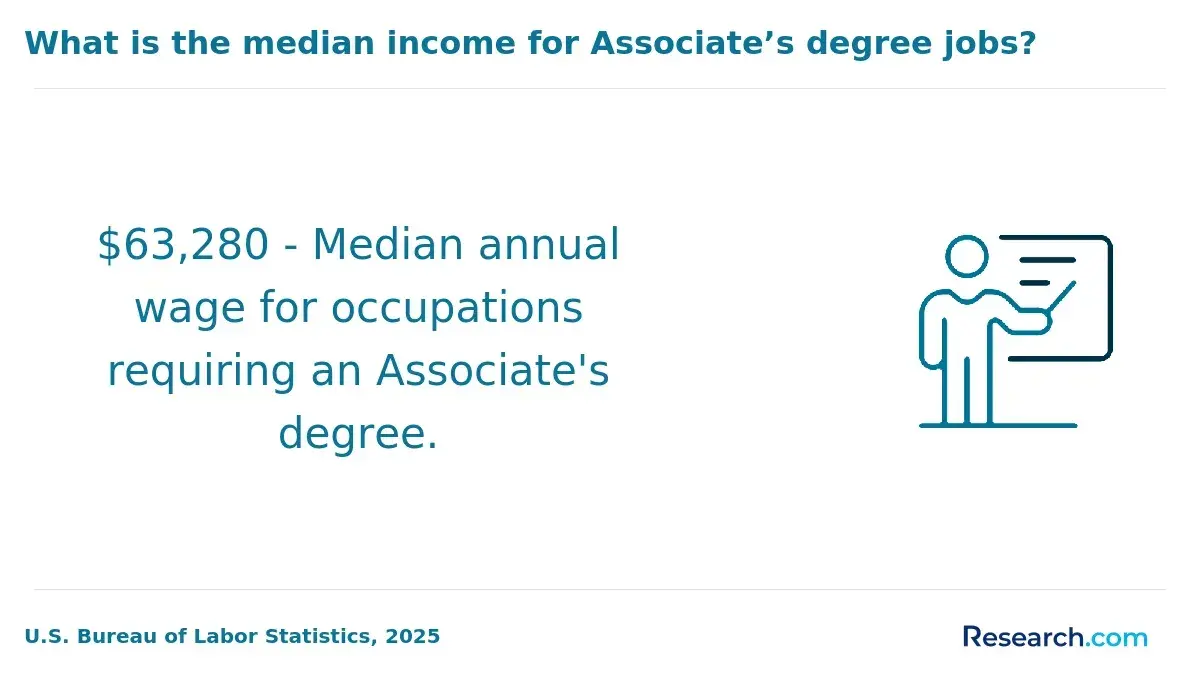
| Associate degree in game development | Lower-cost start or transfer pathway | Can cover foundations in programming, math, and game tools while reducing first-year costs. | May limit access to roles that prefer a bachelor's degree unless followed by transfer or strong project work. |
| Bachelor's in game programming or game development | Primary entry path for technical design and gameplay programming | Offers the most complete mix of programming, engines, production, general education, and portfolio work. | Can be expensive and should be evaluated carefully for accreditation, outcomes, and technical depth. |
| Bachelor's in computer science with game electives | Students who want maximum career flexibility | Strong preparation for software engineering, graphics, AI, tools, and non-game tech roles. | May require self-directed game portfolio projects if the school has few game-specific courses. |
| Master's in game development or interactive technology | Specialization, career pivoting, or advanced technical work | Can support deeper work in graphics, AI, simulation, XR, or research-oriented development. | Usually not necessary for many entry-level studio roles unless it adds a stronger portfolio or specialized skill. |
For many students, the most flexible option is a technically rigorous bachelor's program, either in game programming or computer science. If you are unsure whether you want to work only in games, an online computer science degree can provide broader software preparation while still allowing you to build a game-focused portfolio through electives, personal projects, and game jams.
A certificate may make sense if you already have a computer science or software background and need to learn Unity, Unreal Engine, gameplay scripting, or graphics programming. An associate degree may make sense if cost is your top concern and the credits transfer cleanly into a bachelor's program. A specialized game bachelor's may make sense if you are confident about the industry and the curriculum is technically strong.
What core courses and technical skills do game programming and development programs teach?
Game programming programs should teach both the theory behind interactive systems and the practical workflow of building playable software. A good curriculum helps students move from small exercises to larger team projects where code quality, version control, testing, and iteration matter.
Most credible programs include a blend of computer science foundations, game-specific implementation, and production courses. The following areas are especially important for technical game design careers because they show whether you can build mechanics that are fun, stable, and maintainable.
- Programming fundamentals: variables, data structures, object-oriented programming, memory management, debugging, and software design patterns.
- Game engines: Unity, Unreal Engine, or comparable engines used to build scenes, components, systems, user interfaces, and gameplay prototypes.
- Mathematics for games: algebra, trigonometry, linear algebra, vectors, matrices, probability, and applied physics.
- Gameplay systems: player controls, combat systems, inventory, progression, cameras, interaction models, and rules-driven mechanics.
- Artificial intelligence: pathfinding, behavior trees, finite-state machines, decision systems, and procedural behavior.
- Computer graphics: rendering concepts, shaders, lighting, pipelines, optimization, and performance constraints.
- Networking and multiplayer: client-server architecture, latency, synchronization, matchmaking concepts, and security basics.
- Tools and pipelines: level editors, scripting tools, asset pipelines, automation, build systems, and version control.
- Game production: agile workflows, sprint planning, playtesting, documentation, bug tracking, and interdisciplinary communication.
- Portfolio development: playable projects, source-code samples, design documentation, postmortems, and team-based deliverables.
Technical game design sits between design and engineering, so students should not focus only on code syntax. Employers often want to see whether a candidate can explain trade-offs, tune a feature based on playtest feedback, and write maintainable code that other developers can use.
Current trends also affect what students should prioritize. AI-assisted coding tools can speed up prototyping, but they do not replace understanding architecture, debugging, engine constraints, or player experience. Similarly, live-service games, user-generated content, cloud development, and cross-platform releases make collaboration and maintainable systems more important than isolated class assignments.
What admission requirements and prerequisites do online game programming degrees typically have?
Admission requirements vary by school and degree level, but online game programming programs usually look for evidence that students can handle math, programming, and self-directed technical work. Selective programs may also review portfolios, prior college credits, or software experience.
Applicants should prepare the following materials and prerequisites before applying. Requirements differ, so verify each school's admissions page before assuming you qualify.
- High school diploma, GED, or equivalent for undergraduate admission.
- Official transcripts from high school and any prior colleges attended.
- Minimum GPA requirement, often with conditional admission options at some institutions.
- College readiness in algebra, pre-calculus, or calculus, depending on the program's math sequence.
- Introductory programming experience, especially for accelerated, transfer, or upper-division programs.
- Personal statement or short essay explaining career goals, technical interests, and readiness for online study.
- Portfolio, code sample, or prior project evidence for some specialized or competitive programs.
- English language proficiency documentation for applicants whose prior education was not in English.
Transfer applicants should pay close attention to credit evaluation. A school may accept general education credits but reject older programming, math, or engine-specific courses if the content no longer matches the curriculum. This can affect both time to graduation and total cost.
Students without coding experience can still start, but they should be realistic. Before enrolling, complete a short beginner programming course, build a small text-based or 2D project, and test whether you enjoy debugging. Game programming can be rewarding, but much of the work involves solving frustrating technical problems before a feature feels fun.

How long do online game programming degrees take, and what do they cost?
Online game programming degrees can take a few months to four years or more, depending on the credential and enrollment pace. Cost depends on tuition, technology fees, transfer credits, software and hardware needs, books, and whether the school charges in-state, out-of-state, or flat online rates.
College Board's 2024 data provides useful context for tuition comparisons: average published tuition and fees were $11,610 for in-state students at public four-year institutions and $43,350 at private nonprofit four-year institutions for the 2024-25 academic year. These figures are not game-program-specific, but they help students judge whether a quoted online tuition rate is unusually low, typical, or high.
The table below summarizes typical time and cost considerations by credential type. Use it as a planning tool, not a guarantee, because program length depends heavily on transfer credits and course availability.
| Program type | Common completion time | Cost factors to compare | Best value scenario |
| Certificate | Several months to about one year | Per-course tuition, software access, engine training, and whether credits apply to a later degree. | Best when it teaches a specific skill you can use immediately in a portfolio. |
| Associate degree | About two years full time | Community college tuition, transfer agreements, general education requirements, and technology fees. | Best when credits transfer cleanly into a bachelor's program. |
| Bachelor's degree | About four years full time | Total credits, tuition rate, institutional fees, hardware, course sequencing, and transfer policy. | Best when the curriculum is rigorous and produces strong projects for entry-level roles. |
| Master's degree | One to three years | Graduate tuition, assistantships, specialization value, and whether the degree improves career mobility. | Best when it adds advanced technical depth not available through self-study or undergraduate work. |
When comparing costs, look beyond the advertised tuition rate. A lower per-credit price can be less valuable if the program accepts few transfer credits, requires extra prerequisites, or delays graduation through limited course scheduling.
Students should calculate total cost using these items before committing to a program. This is especially important for online learners because expenses may be spread across tuition bills, software subscriptions, hardware upgrades, and graduation fees.
- Tuition per credit and total credits required for the degree.
- Mandatory online learning, technology, portfolio, graduation, or course-specific fees.
- Transfer credits accepted toward major requirements, not only electives.
- Computer hardware requirements for engines, graphics, rendering, and testing.
- Software costs if licenses are not included through the institution.
- Financial aid eligibility, employer tuition assistance, military benefits, scholarships, and payment plan options.
- Expected time away from work if you plan to study full time.
The cheapest program is not always the best value, and the most expensive program is not automatically stronger. The better question is whether the program helps you graduate with demonstrable technical ability, manageable debt, and a portfolio aligned with your target role.
How does accreditation work for online game programming programs and why does it matter?
Accreditation is one of the first things to verify before applying to an online game programming program. In the United States, institutional accreditation means a recognized accreditor has reviewed the college or university for academic quality, governance, student support, and financial stability. It can affect federal financial aid, transfer credit, graduate school eligibility, and employer perception.
Game programming programs do not usually have a required professional license the way nursing, teaching, or accounting programs might. That makes institutional accreditation especially important because there may not be a separate licensing board checking program quality for your target career.
Students may also encounter program-level accreditation or recognition in computing-related fields. ABET accreditation can matter for some computer science, computing, software engineering, or engineering programs, though many game-specific degrees are not ABET-accredited. Lack of ABET accreditation is not automatically a red flag for a game program, but students should then look more closely at curriculum depth, faculty credentials, projects, graduate outcomes, and employer connections.
Use the following checks before you apply. They can help you avoid diploma mills, weak programs, and schools that are difficult to transfer from.
- Confirm the institution is accredited by an accreditor recognized by the U.S. Department of Education or the Council for Higher Education Accreditation.
- Check whether the exact online program is offered by the accredited institution, not a third-party training vendor using similar branding.
- Ask whether credits transfer to public universities or graduate programs if you may continue your education later.
- Review the curriculum for advanced programming, math, algorithms, engines, team projects, and portfolio requirements.
- Ask for transparent information about graduation rates, student support, career services, and job placement methodology.
Be cautious with programs that advertise unrealistic job outcomes, avoid naming their accreditor, pressure you to enroll immediately, or focus more on "becoming a game developer fast" than on building technical competence. A reputable program should be willing to answer detailed questions before you sign an enrollment agreement.
What game industry careers can graduates pursue with a programming and development degree?
Graduates with game programming and development degrees can pursue roles in game studios, simulation companies, interactive media firms, education technology, defense contracting, VR and AR, software companies, and user-experience teams. The most direct path is game development, but the underlying skills can also transfer to broader software roles if the program has enough computer science depth.
The table below outlines common roles connected to game programming and technical game design. Actual titles vary widely by studio size, platform, and production model.
| Role | Typical responsibilities | Helpful preparation |
| Gameplay programmer | Builds player controls, combat mechanics, cameras, interactions, progression systems, and moment-to-moment gameplay features. | C++, C#, engine scripting, debugging, gameplay prototypes, and strong code samples. |
| Technical game designer | Implements and tunes mechanics, prototypes design ideas, builds scripts, and bridges design and engineering teams. | Game systems design, scripting, engine tools, playtesting, documentation, and communication skills. |
| Tools programmer | Creates editors, automation, asset pipeline tools, and workflows that help designers and artists work faster. | Software engineering, user-focused tool design, scripting, version control, and pipeline knowledge. |
| AI programmer | Develops enemy behavior, navigation, procedural decision systems, and non-player character logic. | Algorithms, pathfinding, behavior trees, state machines, and performance optimization. |
| Graphics or rendering programmer | Works on visual performance, shaders, rendering pipelines, lighting, and platform optimization. | Linear algebra, graphics APIs, shader programming, math, and low-level performance skills. |
| QA automation or technical QA specialist | Builds test tools, reproduces bugs, automates checks, and supports release quality. | Testing methods, scripting, debugging, documentation, and engine familiarity. |
| Simulation developer | Creates interactive training, visualization, or simulation systems for industries outside entertainment games. | Physics, real-time systems, 3D engines, user interaction, and domain-specific collaboration. |
Students interested in AI, personalization, player analytics, or machine learning may eventually need stronger data and statistics preparation than a traditional game programming curriculum provides. If that becomes your direction, comparing graduate options such as the cheapest data science masters in USA can help you understand how data-focused pathways differ from game-development degrees.
For entry-level roles, a portfolio often matters as much as the degree title. A competitive portfolio should show finished or near-finished projects, readable code, version history, technical documentation, and clear explanations of what you personally built. Team projects are valuable, but employers need to understand your exact contribution.
What salary ranges and job outlook can game programmers and technical designers expect?
Game industry compensation varies because job titles are not standardized and many roles are concentrated in competitive markets. A gameplay programmer at a large studio, a junior technical designer at an indie studio, and a simulation developer for a defense contractor may all use similar skills but receive different pay based on employer, location, experience, and platform specialization.
BLS data can still help students benchmark the broader labor market. The table below uses May 2024 median annual wage data and federal occupational categories that overlap with game programming, technical design, tools work, and adjacent software careers.
| Related occupation | May 2024 median annual wage | How to interpret it for game careers |
| Software developers | $133,080 | Useful benchmark for gameplay, tools, engine, and simulation programming roles, especially outside entertainment-only studios. |
| Software quality assurance analysts and testers | $102,610 | Relevant for technical QA, automation, release testing, and test engineering paths in games or software. |
| Computer programmers | $98,670 | Useful for coding-heavy roles, though the category does not fully capture modern game development job titles. |
| Special effects artists and animators | $99,060 | Relevant for some technical art and real-time visual roles, but art-heavy salaries may not reflect programming roles. |
The job outlook is strongest when students prepare for software roles beyond a single narrow title. BLS projects employment for software developers to grow 15% from 2024 to 2034, which is much faster than the average for all occupations. For game students, this means broad software competence can reduce risk if the entertainment game market is competitive or cyclical.
At the same time, students should not treat software developer wage data as a guaranteed game salary. Entry-level game roles may pay less than broader software engineering roles in some regions, and competition can be high because many people want to work in games. Your portfolio, internship experience, specialization, and willingness to consider simulation, XR, edtech, tools, or general software roles can affect your options.
AI is also changing expectations. Studios and software teams may use AI tools for code assistance, asset workflows, testing, localization, analytics, and procedural content support. The safer career strategy is not to avoid AI but to learn how to verify AI-generated code, debug systems, protect intellectual property, and make design decisions that automated tools cannot make reliably.
How can students evaluate and choose a reputable online game programming program?
Choosing a reputable online game programming program requires more than scanning rankings or promotional videos. The right program should match your target role, budget, learning style, and need for flexibility while giving you enough technical depth to compete for internships or junior roles.
Use this sequence when comparing schools. It is designed to help you move from broad interest to a decision you can defend financially and professionally.
- Define your target role first, such as technical game designer, gameplay programmer, tools developer, AI programmer, or simulation developer.
- Check institutional accreditation and confirm the online program is part of the accredited college or university.
- Map the curriculum against required skills, including programming, math, engines, algorithms, version control, team projects, and portfolio courses.
- Review student projects, capstones, showcases, or public portfolios to see whether graduates build work similar to what you want to produce.
- Ask how online students collaborate, receive critique, access faculty, join teams, and participate in game jams or showcases.
- Calculate total cost after transfer credits, fees, hardware, software, financial aid, and expected time to completion.
- Compare career support, internship guidance, alumni networks, employer connections, and transparency around outcomes.
- Speak with admissions, faculty, and current students if possible before committing.
Common mistakes can be expensive in this field because a weak program may leave you with debt but no strong portfolio. Watch for the following red flags and choose the stronger alternative instead.
| Common mistake | Why it hurts | Better approach |
| Choosing based only on the word "game" in the degree title | Some programs are light on programming and heavy on general media topics. | Review the actual courses, projects, tools, and math requirements. |
| Ignoring accreditation | It can affect financial aid, transfer credit, and graduate school options. | Verify institutional accreditation before applying. |
| Assuming online means easier | Programming-heavy online courses require discipline, troubleshooting, and time management. | Plan weekly coding blocks and build projects outside class. |
| Overlooking hardware requirements | Game engines and rendering tools may require a stronger computer than general online courses. | Ask for minimum and recommended specifications before enrollment. |
| Relying on class assignments alone | Employers often want polished, documented, playable work. | Create portfolio projects with clear write-ups and code samples. |
| Assuming game jobs are the only acceptable outcome | The game market can be competitive and project-based. | Build transferable software skills for simulation, XR, tools, QA automation, and general development roles. |
If, during your comparison, you realize you are more interested in health technology, human movement, or performance applications than in game systems, an exercise science online degree may be a better academic direction than a game programming program. The best degree is the one that supports the work you actually want to do, not just the medium you enjoy as a consumer.
Before enrolling, ask each school direct questions about outcomes and support. Good programs should answer clearly rather than relying on vague promises about "breaking into the industry."
- What programming languages and engines will I use in required courses?
- How many portfolio-ready projects will I complete before graduation?
- Are team projects required, and how are online teams managed?
- Do faculty members have current game, software, simulation, or interactive media experience?
- Can transfer credits reduce my time and cost, and which credits apply to major requirements?
- What career support is available specifically for online students?
- What hardware and software will I need, and what is included in tuition or fees?
- How does the program measure graduate outcomes, and when was that information last updated?
Other Things You Should Know About Game Programming & Development
It can be worth it if the program is accredited, technically rigorous, reasonably priced, and produces a strong portfolio. It is less likely to be worth it if it is expensive, light on programming, or does not provide meaningful projects, faculty feedback, or career support.
Not always. Some technical designers enter through computer science, software engineering, game design, modding, QA, or self-directed portfolios. However, a structured degree can help you build programming depth, understand production workflows, and qualify for roles that prefer a bachelor's degree.
In 2027, top online degrees in game programming and development for technical game design careers include programs from schools like Full Sail University and DigiPen Institute. These programs often blend technical skills in game development with creative design, ensuring students are equipped for modern industry demands.
Yes, most accredited online game programming and development degrees require a capstone in the final term. Students usually complete a playable game, software prototype, or team project, often worth 3 to 6 credits. Programs may also require source-code review, documentation, and faculty evaluation before graduation.
References
- Game Development Career Pathways | CG Spectrum https://www.cgspectrum.com/career-pathways/game-development
- Video Game Jobs | Job Outlook for Game Developers in 2026 and Beyond https://videogamejobs.co/blog/job-outlook-for-game-developers
- Game Programming Bachelor’s Degree at University of Advancing Technology https://www.uat.edu/game-programming-degree
- Essential Game Programming Skills Every Developer Needs - Champlain College https://www.champlain.edu/blog/stories/game-programming-skills-tools/
- Career Path and Salary for Video Game Designers | ComputerScience.org https://www.computerscience.org/careers/video-game-designer/career-outlook-and-salary/
- How to Start Your Game Development Career | OEd https://oed.com.ph/courses-to-work-in-game-development/
- What Is Digital Accreditation? A Complete 2025–2026 Guide https://iacde.org/uncategorized/what-is-digital-accreditation-a-complete-2025-2026-guide/
- Salaries in game development industry | InGame Job https://ingamejob.com/en/salaries