2027 Best Private University AI Bachelor's Degrees

Co-Founder and Chief Data Scientist
Many professionals with degrees in unrelated fields face the challenge of breaking into the fast-evolving field of artificial intelligence without lengthy interruptions to their careers. Finding a private university offering a flexible AI bachelor's degree that balances rigorous academics with accessibility becomes critical. The pressing need is for accredited programs that provide up-to-date skills in machine learning, data analysis, and ethical AI use, all while accommodating working students' schedules. This article highlights the best private universities in 2027 offering AI bachelor's degrees designed to help career changers effectively transition and thrive in the artificial intelligence industry.
Key Things You Should Know
- Leading private universities offer AI bachelor's degrees combining computer science, ethics, and data science, preparing 75% of graduates for roles in machine learning and automation by 2027.
- Curricula increasingly emphasize hands-on experience with neural networks, natural language processing, and AI ethics, aligning with industry demand for responsible AI development.
- Average starting salaries for AI bachelor's graduates from private institutions exceed $90,000, reflecting strong labor market growth and demand within the tech sector nationwide.
Which private universities offer the best-accredited AI bachelor's degree programs in the United States?
ABET accreditation highlights about 50 computer science and engineering programs nationwide specialized in AI-focused curricula, with private institutions representing roughly 60% of these. This means around 30 private universities offer top accredited AI bachelor degrees at private universities in the US, providing rigorously evaluated options for students. Among the best private universities with accredited AI bachelor's programs in the United States are Carnegie Mellon University, known for integrating robotics, machine learning, and data science; Stanford University, which emphasizes AI applications in healthcare and autonomous systems; and Northeastern University, offering interdisciplinary programs combining computer science, cognitive science, and ethics.
These accredited programs cover essential AI topics such as natural language processing, computer vision, and neural networks, supplemented by hands-on experiences like AI labs and capstone projects. Accreditation ensures programs meet high educational standards, making graduates competitive in roles including software development, machine learning engineering, and data analysis. Private universities also tend to offer smaller class sizes, closer faculty interaction, and access to AI research labs or industry partnerships, enhancing opportunities in emerging areas like ethical AI and AI-driven cybersecurity.
Prospective students should verify ABET accreditation status carefully, since non-accredited degrees often lack recognition from employers and graduate programs. Exploring accredited degrees can help shape a rewarding AI career path.
What are the typical admission requirements and prerequisites for private university AI bachelor's degrees?
Admission for private university artificial intelligence bachelor's degrees in the US typically demands strong academic performance in math and science. Competitive high school transcripts with coursework in calculus, algebra, statistics, and often physics or computer science are essential. The College Board reports an average SAT score of 1510 and a GPA of 3.95 among admitted students, marking a 12% rise in test scores since 2022. This reflects the growing selectivity of these programs.
Standardized tests, especially in math and evidence-based reading, remain important, though some schools waive them. Strong quantitative reasoning skills are widely emphasized. Letters of recommendation from STEM teachers or mentors familiar with applicants' technical abilities also carry significant weight.
Applicants must demonstrate programming experience in languages like Python, Java, or C++. Many programs require a portfolio or project work showcasing coding and problem-solving skills. Completing introductory computer science courses before enrolment is often expected.
Personal statements should express interest in interdisciplinary AI topics such as machine learning, robotics, or data analytics, along with career goals. Interviews or essays on ethical AI may be required. These prerequisites shape the common prerequisites for enrolling in private university AI bachelor programs.
Prospective students might also explore alternatives, including an online mechanical engineering degree, which shares foundational STEM skills useful in AI-related fields.
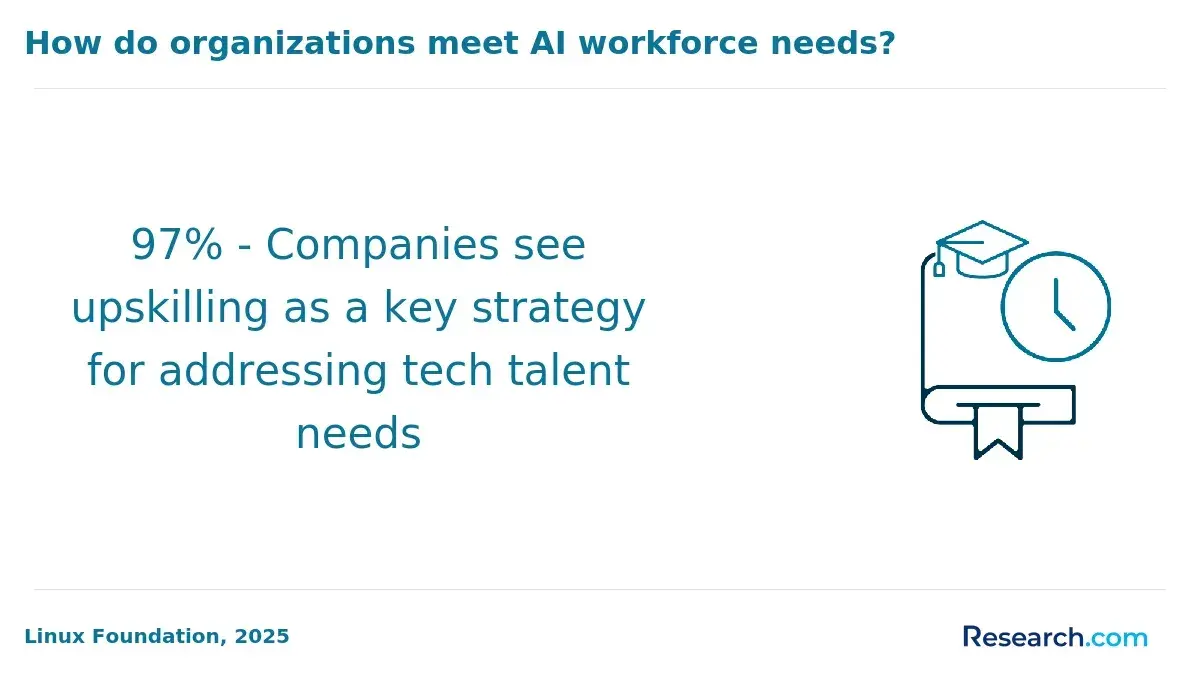
What core coursework and technical skills do AI bachelor's degree programs cover?
Core coursework in private university AI bachelor's degree programs covers programming languages like Python and Java, essential for algorithm development and data management. Mathematics plays a major role, with studies in linear algebra, calculus, statistics, and probability providing a strong foundation for understanding AI algorithms. These programs emphasize technical skills taught in US private university AI bachelor's degrees such as machine learning and neural networks. A Computing Research Association survey highlights that 94% of AI bachelor's programs now include these subjects, showing their importance in modern curricula.
Students gain expertise in supervised, unsupervised, and reinforcement learning, as well as deep learning architectures including convolutional and recurrent neural networks. Data science fundamentals like data wrangling, visualization, and database management prepare students to handle complex datasets effectively. Courses in natural language processing and computer vision introduce applications of AI in language and image analysis. Ethical considerations and social implications are integrated to foster responsible AI development.
Practical skills with AI frameworks such as TensorFlow and PyTorch, along with cloud computing exposure, enable effective deployment of AI solutions. Specializations may include robotics, autonomous systems, or AI in healthcare. Many programs feature capstone projects or internships, critical for building portfolios and professional readiness. Technical problem-solving, software engineering practices, and algorithm optimization complete the comprehensive training designed to equip graduates for diverse roles.
Students interested in pursuing an AI degree online can find valuable information on program affordability and options at AI degree online.
How long does it take to complete a private university AI bachelor's degree, and what are the typical costs?
Completing a private university AI bachelor's degree generally requires four years of full-time study. This timeline matches most undergraduate programs in the U.S., blending core computer science courses with specialized subjects like machine learning, natural language processing, and robotics. Some universities offer accelerated options to finish in three years, but these demand a heavier course load or credit transfers. Part-time students-often working professionals-should anticipate a longer duration, potentially extending beyond five years, reflecting the typical duration of private university AI bachelor's degrees.
The average cost of private university AI bachelor's programs is substantial, with annual tuition and fees at private institutions averaging $60,664, accumulating to roughly $242,656 over four years before financial aid. This represents a 5.3% increase from previous years. Additional expenses include textbooks, technology fees, and living costs, which significantly add to the total financial burden. Students are encouraged to look for merit-based scholarships available for STEM or AI students, and working professionals may find tuition assistance through their employers.
Planning finances carefully is essential. Exploring scholarships, grants, and need-based aid helps reduce costs. For those considering related fields, researching cybersecurity degrees may provide alternative affordable options within technology education.
Are AI bachelor's degrees available in online or hybrid formats at private universities?
Only 18% of private universities offer fully online or hybrid artificial intelligence bachelor's programs, based on data from the National Center for Education Statistics (NCES) 2024 report. This is significantly lower compared to 52% of public universities, revealing a notable accessibility gap for students seeking remote or blended learning options at private institutions.
Private universities mainly focus on traditional, on-campus AI degree delivery. Hybrid models, where foundational courses are online but hands-on labs and projects require campus attendance, are more common than fully online formats but remain rare overall. Fully online AI bachelor's degrees tend to be available mainly at public or for-profit schools.
Students aiming for maximum flexibility, such as working professionals or distance learners, may find limited options among private universities. Those prioritizing a remote schedule should consider public universities or accredited online providers with broader online offerings. Prospective students should carefully verify program modality early in the application process to balance university reputation against delivery format and accessibility.
Awareness of this disparity helps students plan realistically around scheduling, campus access, and financial costs associated with on-site learning. For more details on program availability and formats, trusted resources like the NCES provide essential insights.
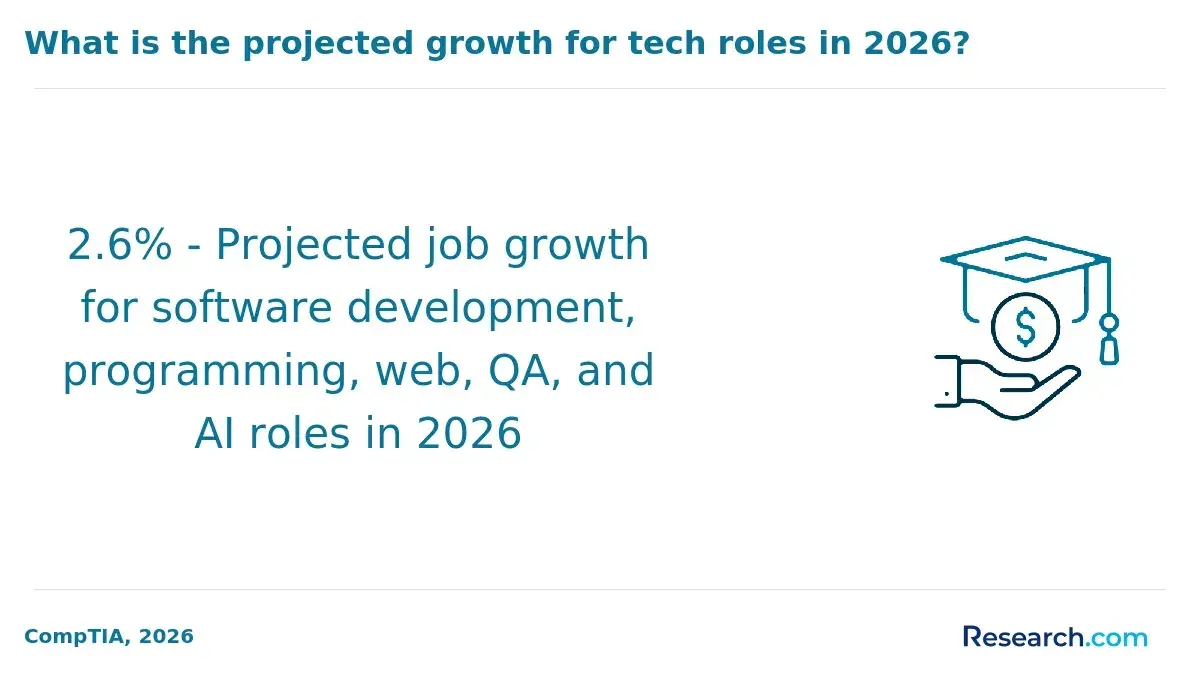
What professional certifications or industry credentials complement an AI bachelor's degree?
Professional certifications greatly boost the value of an AI bachelor's degree by validating specialized skills and improving job market competitiveness. Cloud platform certifications from leading providers such as AWS, Google Cloud, and Microsoft Azure are highly impactful. LinkedIn's 2024 Workplace Learning Report reveals that professionals with both an AI degree and cloud certifications earn 34% higher salary offers than those with only a degree.
Cloud computing certifications are vital since AI solutions often depend on scalable cloud infrastructure. The AWS Certified Machine Learning - Specialty credential, for example, enables graduates to design and deploy intelligent applications on Amazon's cloud platform, meeting industry demands in data processing and model training.
Other key certifications include the Certified Analytics Professional (CAP), emphasizing data analytics critical for AI model assessment, and the TensorFlow Developer Certificate, which shows hands-on expertise in popular AI development frameworks.
For those focused on AI cybersecurity, credentials such as Certified Information Systems Security Professional (CISSP) or CompTIA Security+ offer essential skills to protect AI systems in practical settings.
Combining AI core knowledge with targeted certifications meets employer expectations for professionals with both theoretical understanding and practical experience using up-to-date tools, platforms, and security protocols. Pursuing multiple credentials tailored to fields like healthcare AI or autonomous systems enhances workforce readiness and fosters long-term career growth.
What career paths and job titles are available to graduates with an AI bachelor's degree?
Graduates holding a bachelor's degree in Artificial Intelligence can pursue a range of careers centered on creating, improving, and responsibly managing intelligent systems. Among the most promising roles, machine learning engineers are expected to see the fastest job growth, with a projected 36% increase through 2032 according to the U.S. Bureau of Labor Statistics (BLS) 2024 Occupational Outlook Handbook. These professionals design algorithms that enable computers to learn from data independently and are employed in sectors like technology, finance, healthcare, and autonomous vehicles.
AI research scientists contribute to advancing both theoretical and applied AI, often working in academic or corporate labs. Their expertise lies in developing AI models, natural language processing, and computer vision, requiring strong programming, data analysis, and mathematical skills. Meanwhile, AI ethics specialists play a vital role in ensuring AI systems remain fair, transparent, and compliant with regulations, helping organizations reduce bias and protect user privacy.
Other career options include data scientist, AI software developer, robotics engineer, and business intelligence analyst. Gaining practical experience through internships or research projects greatly enhances job prospects. Specializing in domain-specific applications, such as healthcare diagnostics or finance algorithmic trading, further expands opportunities in the AI field.
What is the job outlook and salary potential for AI bachelor's degree holders?
The job outlook for bachelor's degree holders in artificial intelligence is strong, with rapid growth across technology, healthcare, finance, and automotive industries. Entry-level AI professionals earn an average salary of $98,500, surpassing many general software engineering roles. Mid-career AI experts can expect salaries over $165,000, a 28% premium compared to software engineers, according to Glassdoor's 2024 Salary Report.
Key skills employers seek include machine learning, natural language processing, and data analysis. Common roles include AI research assistants, data scientists, and machine learning engineers. Location matters, with tech hubs like San Francisco, Seattle, and New York offering higher pay, while other regions provide growing opportunities.
Continuous skill development is essential due to fast AI advancements. Certifications and hands-on experience with AI platforms enhance employability and earning potential. Knowledge of ethical AI design and policy is increasingly important as organizations adopt responsible AI systems.
Demand also spans fields where AI intersects with robotics, cybersecurity, and healthcare informatics. Graduates focusing on niches like autonomous vehicles or AI-driven diagnostics may access specialized, higher-paying jobs. Choosing programs that combine technical training with practical AI applications, along with internships, is vital for a competitive edge.
How should prospective students evaluate and compare private university AI programs?
Evaluate private university AI programs by focusing on curriculum quality, faculty expertise, and industry connections. Look for courses covering machine learning, natural language processing, robotics, and data science, paired with practical labs or capstone projects. Faculty members with strong research credentials and regular publications in leading AI journals indicate a high-quality program. Notably, private U.S. universities rank prominently in global AI education due to their research excellence and partnerships with industry leaders.
Industry ties play a crucial role in securing internships, projects, and job placements. Inquiry about collaborations with tech companies, startups, or research labs to gain hands-on experience is essential. Programs affiliated with established AI hubs often offer access to advanced tools and professional networks. Alumni outcomes serve as a good indicator, with top programs reporting strong employment in AI roles at major firms or innovative startups.
Consider program flexibility, such as opportunities for specialization or interdisciplinary studies that combine AI with fields like business, healthcare, or ethics. Verify available resources, including AI labs, computing facilities, and support for competitions that enhance applied skills. While cost and scholarships matter, emphasize programs that demonstrate academic rigor and clear career pathways.
Use trusted rankings, research metrics, and employer feedback to evaluate value. Prioritize programs offering transparency about outcomes and aligning with your professional goals.
What are the differences between AI bachelor's degrees and related programs like computer science or data science?
AI bachelor's degrees allocate about 45% of their coursework to artificial intelligence and machine learning topics, significantly more than computer science programs, which dedicate 18%, and data science programs, at 35%. This distinct curriculum focus means AI degrees concentrate heavily on neural networks, natural language processing, robotics, and computer vision.
Computer science offers a broader education that includes algorithms, software engineering, systems, and hardware, with less depth in AI-specific topics. Data science emphasizes statistics, data analysis, and predictive modeling but usually does not explore AI engineering as deeply as AI bachelor's programs.
Students aiming for careers designing AI systems or advancing AI technologies gain more hands-on experience and theoretical depth from AI degrees. Graduates in computer science can enter AI fields but often need additional specialized training or graduate studies to reach comparable expertise.
Those interested in managing large datasets or applying AI methods in business analytics may find data science to provide a balanced skill set, though it usually covers less algorithmic development or machine learning theory than AI degrees.
The choice depends largely on career goals: AI bachelor's programs suit those focused on AI research, development, and engineering, while computer science and data science offer broader foundations with varying AI exposure.
Other Things You Should Know About Artificial Intelligence
The most important programming languages for AI students typically include Python, Java, and C++. Python is especially popular due to its extensive libraries and frameworks that simplify AI development. Mastering these languages helps students build machine learning models, work with data, and implement algorithms effectively.
Internships and practical projects are integral to AI bachelor's programs, providing hands-on experience and enhancing theoretical knowledge. They offer students opportunities to work on real-world challenges, collaborate with industry professionals, and make valuable connections, significantly boosting their employability and practical skills.
Mathematics is foundational in AI education, especially subjects such as linear algebra, calculus, probability, and statistics. These areas are critical for understanding machine learning algorithms, data analysis, and model optimization. AI programs integrate math courses early and throughout the curriculum to equip students with necessary quantitative skills.
Yes, many AI bachelor's programs incorporate internships and hands-on projects to provide real-world experience. These practical opportunities help students apply theoretical knowledge, collaborate in teams, and gain exposure to industry tools and workflows. Such experiences enhance employability and technical proficiency upon graduation.
Graduates often find roles in machine learning research, data analysis, and AI development across sectors like healthcare, finance, and tech. For those interested in finance-specific applications, advanced programs such as an AI finance master’s can deepen expertise.
References
- Best Online AI Degrees: 2025 Rankings & Program Directory - MastersInAI.org https://www.mastersinai.org/degrees/online-artificial-intelligence-degrees/
- Best AI Bachelor's Degrees - AIDegreeProgams.org https://aidegreeprograms.org/rankings/best-ai-bachelor-degrees/
- How Long Does It Take to Earn a Bachelor's Degree? https://www.aiuniv.edu/degrees/business/articles/how-long-does-it-take-to-get-your-bachelors-degree
- The Rise of AI Majors at Top Colleges - Top Tier Admissions https://toptieradmissions.com/the-rise-of-ai-majors-at-top-colleges/
- Best Artificial Intelligence Bachelor's Degree Programs 2026 https://hakia.com/degrees/artificial-intelligence/best-bachelors-programs/
- Top College Degrees That Will Land You the Highest-Paying AI Jobs in 2026 https://www.investopedia.com/top-college-degrees-that-will-land-you-the-highest-paying-ai-careers-in-2026-11923863
- Top 10 AI certifications and courses for 2025 https://www.techtarget.com/whatis/feature/10-top-artificial-intelligence-certifications-and-courses
- How Long Do AI Courses Take? https://www.nobledesktop.com/learn/ai/how-long-do-ai-courses-take
- These 14 colleges offer bachelor's degrees in AI—including one Ivy League school https://www.cnbc.com/2025/01/22/colleges-that-offer-bachelors-degrees-in-ai.html
- Key Skills Gained from a Bachelor of Science in Artificial Intelligence https://tetr.com/blog/key-skills-gained-from-a-bachelor-of-science-in-artificial-intelligence