2027 Part-Time vs. Full-Time Humanities Degree Programs
Audited and Verified:
Our Editorial and Data Verification Process
Research.com uses government datasets, official education statistics and primary institutional information to support its career and degree guides. Our review process checks factual accuracy, occupational definitions, source dates and the requirements associated with the credentials discussed.
How This Article Was Fact-Checked
Our editorial team verifies salary estimates, employment projections, education requirements and program information against original data providers and official organizations. Salary figures are checked against the relevant occupational definitions and reporting periods. Information about licensure, accreditation and required in-person training is reviewed separately.
Fact-checked and verified on:

Co-Founder and Chief Data Scientist
Choosing between part-time and full-time humanities degree programs can significantly affect a student's academic experience, schedule, and career plans. While full-time enrollment allows students to complete their studies sooner, part-time enrollment offers greater flexibility for those balancing education with work or personal responsibilities.
The latest education data from the National Student Clearinghouse Research Center reveals that 5.7 million undergraduate students were enrolled in college part-time in fall 2025. In this guide, we will explore the key differences between these study options, including their benefits, challenges, costs, and suitability for different types of learners.
Key Benefits of Part-Time vs. Full-Time Humanities Degree Programs
- Part-time study offers greater financial flexibility by lowering immediate tuition costs while allowing students to maintain a steady income.
- Around 4.1 million U.S. workers have degrees in selected humanities fields, highlighting their representation across diverse industries.
- Median annual salaries for humanities graduates range from $50,000 to $68,000, depending on their chosen field of study.
What Is the Difference Between Part-Time and Full-Time Humanities Degree Programs?
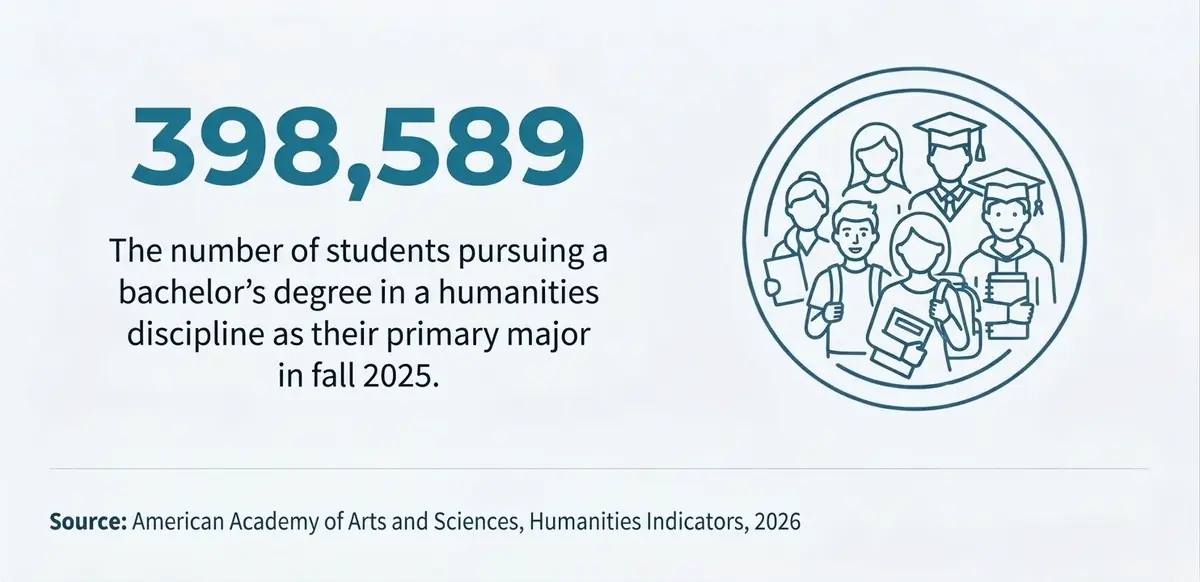
According to the American Academy of Arts and Sciences, approximately 398,589 U.S. students were pursuing humanities bachelor's degrees in fall 2025, highlighting the continued enrollment in these academic disciplines despite declining numbers.
Part-time and full-time humanities degree programs differ mainly in course load, scheduling, and the time required to complete a degree. Both options cover similar academic subjects, including history, literature, philosophy, and cultural studies, but they offer different learning arrangements depending on students' availability and educational goals.
Full-Time Humanities Degree Programs
Full-time programs are designed for students who can dedicate most of their time to academic responsibilities and want to complete their degrees within the standard timeframe.
- Heavier Course Load: Full-time students typically enroll in more courses each semester, allowing them to progress through their degree requirements more quickly.
- Structured Schedules: Classes, lectures, seminars, and academic activities generally follow a regular weekly schedule that requires consistent attendance.
- Faster Degree Completion: Most full-time undergraduate students complete their humanities degrees in approximately four years, depending on their program and academic progress.
- Greater Campus Involvement: Students often have more opportunities to participate in academic organizations, research activities, campus events, and extracurricular programs.
Part-Time Humanities Degree Program
Part-time programs allow students to complete their academic requirements at a slower pace, making them suitable for individuals balancing education with employment or personal responsibilities.
- Reduced Course Load: Part-time students generally take fewer courses per semester, allowing them to manage their academic responsibilities alongside other commitments.
- Flexible Scheduling: Some institutions offer evening, weekend, online, or hybrid classes to accommodate students with work and family obligations.
- Longer Completion Time: Because students complete fewer courses each term, earning a humanities degree may take longer than the standard four-year full-time schedule.
- Work and Study Balance: Part-time enrollment allows students to maintain employment, earn an income, and gain professional experience while pursuing their education.
Students comparing part-time and full-time humanities programs should consider which study format best accommodates their career goals and financial capabilities. Those interested in faster educational alternatives may also explore 6 month programs that pay well to identify shorter training options.
How Long Does It Take to Complete a Part-Time vs. Full-Time Humanities Degree?
The time required to complete a humanities degree depends largely on whether a student enrolls part-time or full-time. Full-time students typically complete a bachelor's degree in about four years, following a regular course schedule and taking the recommended number of credits each semester.
In contrast, part-time students generally take fewer courses per term, allowing them to balance their education with employment, family responsibilities, or other commitments. Depending on their course load and academic progress, part-time students may need five years or longer to graduate.
Recent data from the National Student Clearinghouse Research Center show that bachelor's degree earners who enrolled exclusively full-time completed their degrees in a median of 3.7 years, while those enrolled exclusively part-time took approximately 5 years. Students who attended part-time took longer, with a median completion time of 11.9 years. These figures demonstrate how enrollment status can influence graduation timelines, although actual completion times vary depending on credit requirements.
What Are the Advantages of Enrolling in a Part-Time Humanities Program?
Enrolling in a part-time humanities program offers several benefits for students who want to pursue higher education while managing work, family, or personal responsibilities. This arrangement provides greater scheduling flexibility and allows students to progress toward their academic goals at a pace that fits their circumstances.
Some of its main advantages include:
- Flexible Study Schedule: Part-time programs allow students to take fewer courses each semester, making it easier to organize their academic responsibilities around work and personal commitments.
- Opportunity to Maintain Employment: Students can continue working while earning their degree, allowing them to maintain a steady income and gain professional experience throughout their studies.
- Reduced Immediate Tuition Expenses: Taking fewer courses per semester can lower the amount students need to pay upfront, making educational expenses easier to manage over time. According to data from the NCES, part-time students and students who had mixed-enrollment schedules accumulated a median estimated $20,000 to $24,000 in student debt. Meanwhile, exclusively full-time students graduated with a median cumulative debt of $27,000 to $29,500.
- Better Work-Life Balance: A lighter academic workload gives students more time to fulfill family obligations, manage personal responsibilities, and maintain their well-being.
- Practical Application of Knowledge: Working students can apply concepts from humanities subjects, such as communication, cultural awareness, and critical thinking, to their existing professional roles.
- Opportunities for Career Advancement: Earning a degree while employed allows students to develop additional qualifications that may support future promotions, career transitions, or professional growth.
- Less Pressure From Academic Workloads: Enrolling in fewer subjects can make it easier to manage demanding assignments, prepare for examinations, and maintain consistent academic performance.
- Greater Accessibility for Nontraditional Students: Part-time enrollment provides an alternative for adult learners, returning students, and individuals who cannot commit to a traditional full-time college schedule.
For those who are balancing work and part-time humanities studies may also consider exploring the easiest masters degrees to identify flexible graduate education options that can further support their professional development and career advancement.
Full-time college enrollment remains a popular choice among students in the United States, with approximately 10.1 million undergraduates attending college full-time in fall 2025. This enrollment option is particularly suitable for individuals who can dedicate most of their time to studying and want to take full advantage of campus resources, academic activities, and professional development opportunities. Some of its key benefits include:
- Faster Degree Completion: Full-time students typically take more courses each semester, allowing them to complete their humanities degree within the standard four-year timeframe.
- Greater Academic Immersion: Enrolling full-time gives students more opportunities to engage with complex subjects, participate in discussions, and explore different perspectives through regular coursework.
- More Campus Involvement: Students can participate in academic organizations, cultural events, research activities, and extracurricular programs that enrich their college experience.
- Stronger Connections With Professors: Regular classroom attendance provides more opportunities to interact with instructors, seek academic guidance, and receive feedback on assignments and research projects.
- Increased Networking Opportunities: Full-time enrollment allows students to build relationships with classmates, faculty members, and academic professionals who may become valuable career connections.
- More Internship Opportunities: Students may have greater flexibility to participate in internships, research placements, and volunteer activities that provide practical experience related to their humanities specialization.
- Access to Academic Resources: Full-time students can make greater use of university libraries, writing centers, research facilities, tutoring services, and other campus support programs.
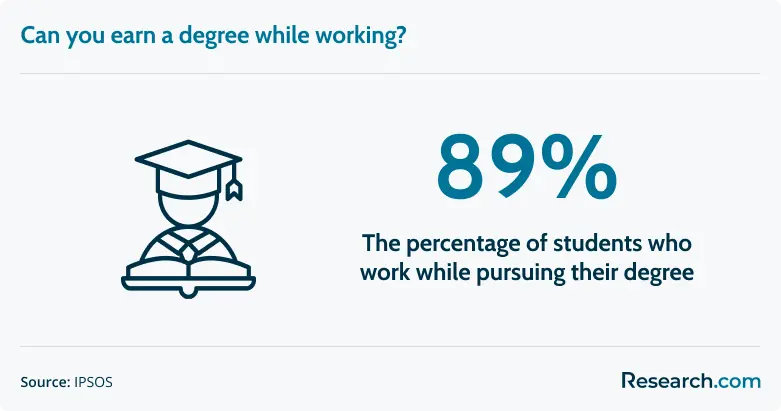
Yes, students can work while completing a humanities degree, particularly because many programs offer flexible course schedules and rely heavily on reading, writing, research, and independent study. According to the 2025 Student Financial Wellness Survey, approximately two-thirds of surveyed college students worked while enrolled. Among employed students enrolled part-time, 81% worked at least 20 hours per week, while 44% worked 40 hours or more.
Part-time enrollment can be especially helpful for working students because they can take fewer courses each semester while maintaining employment. However, full-time students can also work through flexible arrangements such as freelance writing, tutoring, campus jobs, or weekend shifts, provided they manage their academic workload effectively.
For those planning to continue their education while managing work commitments may also explore cheap master degrees online to find affordable graduate programs that accommodate their professional and academic goals.
Part-time humanities programs generally offer greater flexibility for working professionals because they allow students to take fewer courses and arrange their studies around employment and personal responsibilities.
However, full-time programs may also accommodate working students through evening classes, online learning, or flexible work arrangements. The better option depends on an individual's work schedule, financial situation, and ability to manage academic responsibilities.
Here are some things you should consider when deciding:
- Work Commitments: Consider how many hours you work each week and whether your job schedule allows you to attend regular classes, complete assignments, and participate in academic activities.
- Financial Situation: Evaluate your available budget, tuition expenses, living costs, and financial aid options to determine whether full-time or part-time enrollment is more affordable.
- Time Availability: Assess how much time you can dedicate to reading, writing, research, examinations, and other academic requirements without neglecting personal responsibilities.
- Career Goals: Determine whether you want to complete your degree quickly to enter the workforce or pursue a slower academic path while gaining professional experience.
- Learning Preferences: Consider whether you perform better with a structured full-time schedule or prefer the flexibility of taking fewer courses each semester.
- Program Availability: Check whether your preferred university offers part-time enrollment, evening classes, online learning, or hybrid arrangements that accommodate your schedule.
According to the 2025 Student Financial Wellness Survey by Trellis Strategies, 21% of employed undergraduate students missed at least one class because of work schedule conflicts, while 49% of students who experienced financial difficulties reported that money-related stress made it harder to concentrate on their coursework.
Part-time and full-time humanities students face different academic and personal challenges depending on their enrollment status, schedules, and responsibilities. While both groups must manage extensive reading, writing, research, and coursework, their difficulties often vary in terms of time management, financial commitments, and access to academic opportunities.
Challenges Faced by Part-Time Humanities Students
Part-time students often balance their education with employment, family responsibilities, and other personal commitments, which can make completing a degree more demanding.
- Limited Study Time: Working students may struggle to find enough time for reading assignments, research papers, and examinations while managing their professional responsibilities.
- Longer Degree Completion: Taking fewer courses each semester can extend the time needed to graduate, potentially delaying career advancement or further education.
- Scheduling Conflicts: Work shifts and personal obligations may overlap with class schedules, making it difficult to attend lectures, participate in discussions, or complete group projects.
- Reduced Campus Involvement: Students with limited availability may find it harder to participate in extracurricular activities, academic organizations, and networking events.
- Maintaining Motivation: Studying over an extended period while handling other responsibilities can make it challenging to stay motivated and consistently meet academic goals.
- Financial Pressure: Although part-time enrollment can reduce immediate tuition expenses, students may still face ongoing educational costs over a longer period.
Challenges Faced by Full-Time Humanities Students
Full-time students generally have more time dedicated to their education, but their heavier academic workload and financial responsibilities can create other difficulties.
- Heavy Academic Workload: Taking several courses simultaneously requires students to manage multiple reading assignments, essays, research projects, and examinations.
- Financial Constraints: Students who prioritize full-time education may have limited opportunities to work regular hours, making it difficult to cover tuition, housing, and other expenses.
- Academic Stress: Managing consecutive deadlines, class discussions, and demanding research projects can contribute to stress and academic burnout.
- Limited Employment Flexibility: A structured class schedule may make it harder to accept jobs with fixed working hours or participate in professional opportunities.
- Time Management Difficulties: Students may struggle to balance coursework with extracurricular activities, personal relationships, and other responsibilities.
- Pressure to Graduate on Time: Following a standard academic schedule can create pressure to complete required courses and maintain satisfactory grades within the expected timeframe.
Students comparing part-time and full-time humanities programs may also explore online schools that accept financial aid to find affordable learning options that accommodate their schedules, financial needs, and academic commitments.
How Can Students Decide Whether Part-Time or Full-Time Study Is Right for Them?
When choosing between part-time and full-time humanities studies, students should consider how each option supports their long-term career goals, including opportunities to develop relevant skills and explore alternative career paths such as trade jobs that pay well.
The right option depends on how much time they can dedicate to their education and how quickly they want to complete their degree. Here are several factors to consider when making this decision:
- Evaluate Your Work Schedule: Students with full-time jobs or demanding professional responsibilities may benefit from part-time enrollment, while those with more flexible schedules may find full-time study more manageable.
- Assess Your Financial Situation: Consider your available budget, tuition expenses, living costs, and financial aid eligibility to determine which enrollment option best fits your financial circumstances.
- Determine Your Graduation Timeline: If you want to earn your degree sooner and enter the workforce or pursue graduate studies, full-time enrollment may be more suitable. Part-time study is generally better for those comfortable with a longer completion period.
- Consider Your Learning Preferences: Students who prefer a structured academic routine and regular classroom participation may thrive in full-time programs, while independent learners may appreciate the flexibility of part-time study.
- Account for Family and Personal Responsibilities: Individuals managing childcare, household duties, or other personal commitments should consider whether a reduced course load would make their education more manageable.
- Review Program Flexibility: Check whether your preferred university offers evening classes, online courses, weekend schedules, or hybrid learning arrangements that accommodate your availability.
Other Things You Should Know About Humanities Degrees
Yes, many colleges allow students to change their enrollment status depending on their academic progress and personal circumstances. However, students should consult their academic advisors to understand how the change may affect tuition costs, financial aid, course availability, and graduation timelines.
Yes, students generally earn the same degree as long as they complete the required courses, credits, and academic requirements. The primary difference is the pace of study rather than the qualification awarded.
No, a part-time humanities degree generally carries the same academic value as a full-time degree when both are earned from an appropriately accredited institution. Employers typically consider factors such as educational qualifications, relevant experience, and transferable skills rather than enrollment status alone.
- Angeles, D. (2025, September). Field of degree: Humanities employment and wages. U.S. Bureau of Labor Statistics. https://www.bls.gov/careeroutlook/2025/data-on-display/field-of-degree-humanities-employment-and-wages.htm
- Fletcher, C., Cornett, A., Plumb, M. H., Schuette, A., Mentzer, L., & Ashton, B. (2026). Student financial wellness survey: Fall 2025 results. Trellis Strategies. https://www.trellisstrategies.org/wp-content/uploads/2026/04/SFWS-Aggregate-Report_FALL2025_FINAL.pdf
- National Center for Education Statistics. (2026). Report on the condition of education 2026. U.S. Department of Education. https://files.eric.ed.gov/fulltext/ED680904.pdf
- National Student Clearinghouse Research Center. (2026). Time to degree: Measuring student pathway impacts on degree attainment. https://nscresearchcenter.org/time-to-degree/
- National Survey of Student Engagement. (n.d.). Time spent on selected activities by related-major category. Indiana University. https://nsse.indiana.edu/nsse/working-with-nsse-data/data-use-examples/time-spent-by-major.html
- Rich-Abad, A., & Wood, J. (2026). Barriers inhibiting the availability and accessibility of digital reading in higher education. Discover Education, 5, Article 1196. https://doi.org/10.1007/s44217-026-02102-8
- U.S. Bureau of Labor Statistics. (2026). Occupational projections and worker characteristics. https://www.bls.gov/emp/tables/occupational-projections-and-characteristics.htm