2027 Regulatory Science & Affairs Degree Growth by State: Where Interest Is Rising the Fastest

Co-Founder and Chief Data Scientist
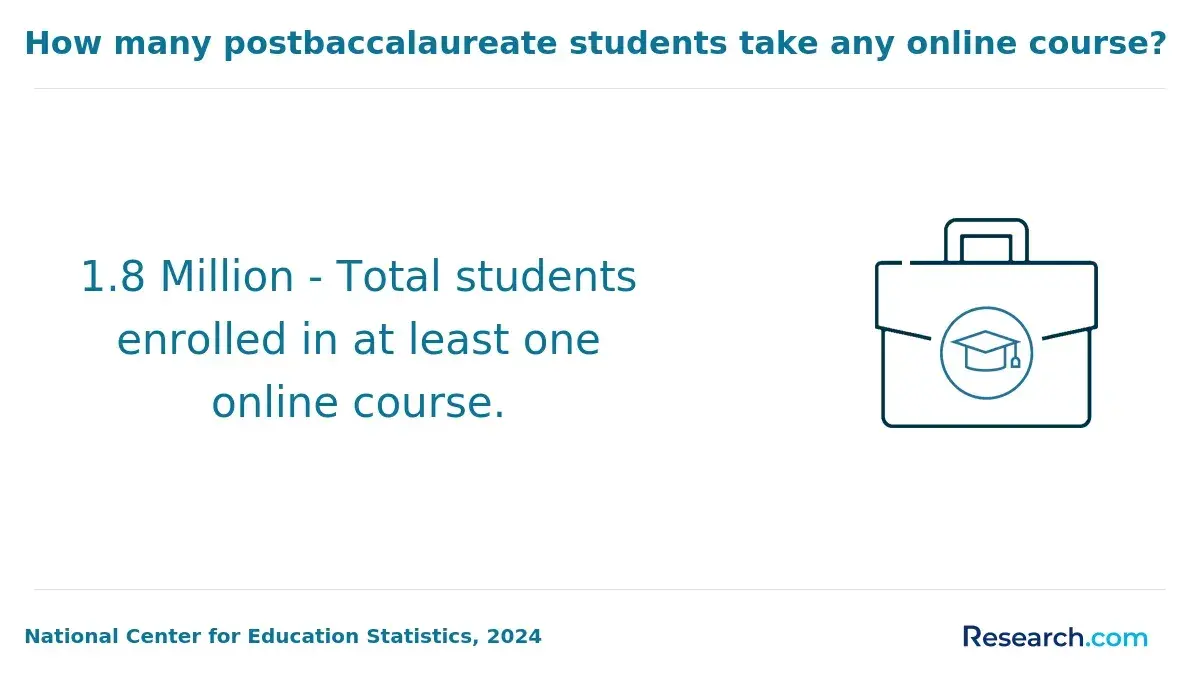
States experiencing rapid growth in regulatory science & affairs degree enrollment reveal distinct economic and regulatory environments shaping educational demand. For example, states with expanding biotech hubs and evolving healthcare policies often see spikes in enrollment driven by local industry needs and workforce transformation. The National Center for Education Statistics reports a 15% increase in online graduate program participation in 2024, highlighting how flexible learning options enable professionals in these states to upskill without geographic constraints.
Understanding these state-specific dynamics helps prospective students evaluate where their educational investment aligns with robust career opportunities and evolving regional market demands.
Key Things to Know About the State Where Regulatory Science & Affairs Degree Interest Is Rising the Fastest
- Understanding state-specific demand helps you align your education with high-growth roles in drug safety, clinical trial management, and medical device compliance. This ensures you target high-demand positions like Regulatory Affairs Specialist or Compliance Director where regional hiring is actively surging.
- Local market insights provide a clear picture of compensation benchmarks, where professionals in this field routinely earn median salaries ranging from $95,000 to over $130,000 depending on the area's bio-pharma footprint. Knowing these regional figures empowers you to evaluate your potential return on investment and negotiate competitive pay.
- Pursuing an online program allows you to earn a specialized degree from top institutions without relocating, letting you balance your current job while positioning yourself for new opportunities. This enables you to enter a fast-growing local job market with strong credentials and minimal career interruption.
- Which States Are Seeing the Fastest Growth in Regulatory Science & Affairs Degree Enrollment? States Seeing the Fastest Growth in Enrollment
- What Does Enrollment Growth in Regulatory Science & Affairs Programs Actually Tell Prospective Students? Interpreting Enrollment Growth
- How Do Regional Job Market Conditions Drive Regulatory Science & Affairs Degree Demand by State? Role of Regional Job Market Conditions
- Which States Have Added the Most New Regulatory Science & Affairs Degree Programs in the Last Five Years? States That Have Added the Most Programs
- How Has the Rise of Online Education Changed Which States Lead in Regulatory Science & Affairs Program Interest? Role of Online Education in Increased Program Interest
- What Demographic Trends Are Fueling Regulatory Science & Affairs Degree Growth in Specific States? Demographic Trends Fueling Growth
- How Do State Funding Levels for Regulatory Science & Affairs Services Influence Degree Program Growth? Role of State Funding Levels
- Which States Are Emerging as Unexpected Leaders in Regulatory Science & Affairs Degree Interest? States Emerging as Unexpected Leaders in Growth
- How Does State Population Size Affect the Interpretation of Regulatory Science & Affairs Degree Growth Data? Role of State Population Size
- What Role Do State Licensing Requirements Play in Driving or Suppressing Regulatory Science & Affairs Enrollment? Role of State Licensing Requirements
Which States Are Seeing the Fastest Growth in Regulatory Science & Affairs Degree Enrollment?
Regulatory Science & Affairs degree enrollment growth reflects more than academic interest; it signals evolving workforce demands shaped by regional industry dynamics and regulatory complexity. Nationally, both undergraduate and graduate regulatory science & affairs programs are expanding, yet the sharpest increases cluster in states where life sciences, biotech, and federal regulatory activities converge, creating tangible career pathways.
Prospective students weighing geographic flexibility should consider how growth concentrations align with actual hiring patterns and institutional resources, as surging enrollment often correlates with stronger employer networks and curricular alignment driven by local market needs.
- California: Statewide growth is propelled by leading biotech hubs and digital health innovations, where regulatory education supports workforce pipelines addressing accelerated product approvals and evolving FDA frameworks, especially in personalized medicine sectors.
- Massachusetts: With a dense aggregation of research institutions and regulatory agencies, the state's enrollment boost reflects a demand for graduates versed in compliance and clinical trial regulation fueled by its life sciences cluster.
- North Carolina: The Research Triangle Park area expands program offerings responding directly to pharmaceutical manufacturing growth and federal regulatory contracts, underscoring a pragmatic connection between academic capacity and industry specialization.
- Texas: Diverse healthcare markets combined with broad regulatory oversight create an environment where enrollment increases mirror employer need for compliance experts across multiple subfields, from medical devices to public health policy.
- Maryland: Proximity to federal regulators and a growing biotech ecosystem translate into educational momentum that supports graduates seeking roles in federal agencies and regulatory consulting firms.
This regional concentration illustrates how economic drivers and institutional ecosystems are critical to program viability and graduate prospects. The following sections delve into the economic contexts, workforce requirements, curricular configurations, and regulatory landscapes that explain why these jurisdictions outperform others in regulatory science & affairs degree enrollment growth. Considering this momentum is crucial for students evaluating program options, as it reflects not just rising interest but nuanced interplay between education supply and employer demand in an increasingly specialized field.
For those navigating funding constraints or seeking flexible pathways, programs advertised as the cheapest online PhD alternatives warrant scrutiny beyond sticker price-alignment with regional labor markets and regulatory specializations often proves more decisive for career advancement in Regulatory Science & Affairs.
What Does Enrollment Growth in Regulatory Science & Affairs Programs Actually Tell Prospective Students?
Rising enrollment in Regulatory Science & Affairs programs often reflects broader labor market dynamics rather than clear academic quality or career outcomes. Prospective students should approach growth figures skeptically, recognizing that increasing numbers alone may mask critical differences in program effectiveness and graduate success.
Raw enrollment data can indicate interest or demand in regulatory career paths but fail to reveal whether programs deliver meaningful value. To gauge the true implication of enrollment growth, students need to consider complementary metrics that reflect how well a program supports student progression and professional readiness.
- Retention Rates: High enrollment is less meaningful if many students fail to continue or complete the program, signaling potential issues with curriculum relevance or support.
- Graduation Outcomes: On-time graduation rates shed light on instructional rigor and the program's capacity to prepare students for workforce entry.
- Job Placement Success: Alignment with employer needs manifests in strong placement within regulatory roles, indicating network strength and practical training.
- Licensure Pass Rates: Where certification is required, pass rates critically assess how well the program equips students for licensure exams.
- Growth Drivers: Genuine growth correlates with industry demand and academic excellence, while growth driven by relaxed admissions or aggressive recruiting may reduce quality.
- Critical Evaluation: Enrollment growth should be weighted alongside qualitative feedback from current students and alumni to form a holistic understanding of program culture and outcomes.
- Geographic and Economic Context: Regional regulatory environments and local job markets greatly influence enrollment patterns and graduate opportunities, making location a pivotal factor in decision-making.
How Do Regional Job Market Conditions Drive Regulatory Science & Affairs Degree Demand by State?
Regional labor market dynamics critically influence demand for regulatory science & affairs degree programs, with states experiencing sectoral growth often reflecting surges in enrollment. A practical consequence of this pattern is seen when graduates weigh geographic flexibility against job market strength; locating in states with expanding healthcare regulation can substantially improve their access to internships and post-graduate positions.
For example, states investing heavily in public health infrastructure frequently drive employer demand for credentialed professionals, creating tangible advantages during salary negotiations and career positioning.
- California: Its expansive healthcare system and biotech innovation hubs foster significant openings in regulatory roles, supported by public sector reforms and private incentives that encourage hiring qualified graduates.
- Texas: Growth in healthcare delivery and pharmaceutical manufacturing translates into a strong market for regulatory science & affairs expertise, frequently pushing programs to emphasize hands-on regulatory competencies.
- Florida: Demographic pressures from an aging population fuel demand within both public health agencies and private healthcare entities, increasing the need for regulatory affairs professionals.
- Massachusetts: Sustained investment in biomedical research and compliance creates steady openings in regulatory science & affairs, reflecting the state's focus on life sciences innovation.
- North Carolina: Expansion in pharmaceuticals and medical devices combined with public health initiatives signal a state-level workforce demand growth that drives enrollment in related graduate programs.
Recognizing state-specific economic and regulatory environments can help prospective students better align their educational choices with workforce realities. Robust regional job markets not only elevate practicum and internship availability but also enhance negotiating leverage for graduate salaries. Prospective students with geographic mobility should factor in these trends and consider market data from sources such as Bureau of Labor Statistics projections and state workforce reports when evaluating programs.
Those considering a return to school should weigh how such labor market conditions intersect with the practical expectations of employers and licensing frameworks, ensuring their credentials align with local demand. Additionally, exploring allied fields like psychology through an online degree psychology can complement regulatory science expertise depending on local sector trends.
Which States Have Added the Most New Regulatory Science & Affairs Degree Programs in the Last Five Years?
Recent shifts in regulatory science & affairs degree program growth reveal distinct regional dynamics tied closely to local industry demands, institutional incentives, and workforce strategies. Students weighing where to enroll should consider not only the availability of new programs but also how state-level economic drivers shape the relevance and outcomes of those degrees.
The decision to study in a state with expanding offerings can influence access to specialized curricula, competitive funding, and ultimately, employment opportunities tied to regional clusters.
- California: The state's dominant biotech and pharmaceutical sectors, especially in the Bay Area and Southern California, have spurred universities to either launch new regulatory science & affairs programs or add flexible online tracks. State-funded grants and research collaborations act as key motivators for these expansions, reflecting industry's strong demand for graduates versed in regulatory affairs.
- Massachusetts: As a major center of biopharma innovation, Massachusetts has seen multiple program launches and expanded enrollment caps. These transformations respond to workforce shortages and intense competition among universities to meet employer needs in rapidly evolving life sciences fields.
- North Carolina: Both public and private institutions leverage regional life science clusters and accreditation incentives to broaden offerings, targeting mid-career professionals seeking upskilling or transition into regulatory roles. Program variety here caters to diverse student profiles and market demands.
- Texas: Reflecting its sprawling healthcare and pharmaceutical industries, Texas presents a combination of new degrees and online specialization options from established schools. Regional workforce grants incentivize growth, though program quality and focus can vary widely across urban centers.
- Maryland: The proximity to federal regulatory agencies enhances Maryland universities' capacity to provide practical, flexible program formats for working students, aligning education closely with regulatory workforce requirements in biomedical and health sectors.
- Institutional Market Pressures: Factors such as accreditation benefits, state scholarships, and intra-state competition compel universities to grow and differentiate their program offerings in these states.
- Student Decisions: Increased program diversity within a state expands curriculum choices and financial aid possibilities, but students must carefully evaluate comparative strengths and tuition structures before committing to one school.
- Workforce Alignment: Although growth offers more specialization tracks and funding competition, prospective students must balance these advantages against program reputation, enrollment intensification, and localized industry demand to assess true employability prospects.
A graduate recalled that during their application cycle, many programs in these growth states operated on rolling admissions but staggered deadlines and notification dates created considerable uncertainty. Applying early was recommended, yet waiting too long increased the risk of missing optimal funding opportunities.
This interplay between timing and program availability forced them to monitor multiple schools simultaneously while navigating stress over delayed acceptances. Their experience underscored how, despite expanding options, strategic preparation and proactive communication remain critical for managing the logistical challenges posed by rapid program growth.
How Has the Rise of Online Education Changed Which States Lead in Regulatory Science & Affairs Program Interest?
The surge of fully online graduate programs in regulatory science & affairs has fundamentally altered state-level patterns of student enrollment by breaking down traditional geographic constraints. Previously, most students enrolled only in in-state or nearby institutions due to commuting or relocation barriers. Now, states offering well-regarded online programs attract sizable numbers of nonresident learners, creating new hubs that serve as national education providers for this field.
This shift grants students remote access to programs that were formerly unavailable, enabling more strategic choices based on program quality, affordability, and accreditation rather than proximity alone. However, prospective enrollees must carefully navigate state licensing rules, as professional requirements for regulatory or clinical work often differ across jurisdictions, impacting program eligibility and eventual workforce integration.
- Geographic Decoupling: Distance is no longer the primary limiter, allowing students from regions with few local educational options to pursue recognized programs without relocation.
- Program Reputation: States with established online programs draw nationally dispersed students focused on program prestige and employment outcomes rather than local industry ties.
- Cost Considerations: Competitive tuition and financial aid often outweigh location in enrollment decisions, influencing where students commit online.
- State Licensing Nuances: Licensing and regulatory mandates vary, requiring thorough verification to ensure that the chosen program's credentials enable practice in the student's target jurisdiction.
- Workforce Implications: States hosting prominent online programs function as key national educators, influencing regional labor markets and potentially supplying graduates who return to work in diverse home states.
- Student Flexibility: This modality particularly benefits career changers, remote professionals, and geographically mobile learners seeking adaptable pathways into regulatory science & affairs careers.
What Demographic Trends Are Fueling Regulatory Science & Affairs Degree Growth in Specific States?
Enrollment growth in regulatory science & affairs degree programs closely mirrors specific demographic shifts that create persistent demands for regulatory expertise within state healthcare and biotech markets. Unlike uniform national trends, these demographic factors generate highly localized training and career hotspots, making it crucial for students to analyze the unique population and health dynamics of their target regions to anticipate stable employment rather than short-term labor fluctuations.
- Population Aging: States like Florida and Arizona are prime examples where older demographics intensify regulatory needs in clinical trials, age-related medical product approvals, and healthcare compliance, directly correlating to expanded educational programs designed to prepare specialists for these challenges.
- Immigration Patterns: High immigration states such as Texas and California stimulate demand for regulatory professionals skilled in multicultural compliance and bilingual regulatory environments, as shifting population compositions require adaptable oversight of health products and services relevant to diverse communities.
- Urbanization: Rapid urban growth in Washington and Colorado fuels expansion of healthcare infrastructure and biotech industries that depend on regulatory science & affairs experts to manage complex approval pipelines and safety regulations within evolving markets.
- K-12 Enrollment Growth: In states including Utah and North Carolina, rising school-age populations drive public health initiatives that indirectly increase demand for regulatory oversight in pediatric clinical research, reflecting investments in education and youth health policy that expand program interest.
- Mental Health Diagnosis Rates: States like Massachusetts and Oregon showing increased mental health diagnoses create specialized regulatory pathways in behavioral health product development and pharmaceutical oversight, attracting students focused on emerging treatment regulations.
These demographic trends highlight that regulatory science & affairs degree enrollment and associated workforce demand are tightly linked to evolving state-level health policy and population characteristics, rather than broad economic cycles. Prospective students should weigh these factors alongside state labor market data to identify locales offering sustainable regulatory career trajectories.
For those seeking flexible credentials aligned with these evolving market needs, exploring 6 week certification programs online can complement longer degree pathways and provide timely entry points into specialized regulatory roles. Understanding these population growth impact on regulatory science & affairs program interest by state is essential for making informed educational choices with real-world employability implications.
Employer Confidence in Online vs. In-Person Degree Skills, Global 2024

How Do State Funding Levels for Regulatory Science & Affairs Services Influence Degree Program Growth?
State funding shapes the landscape of regulatory science & affairs degree programs more decisively than is often realized. States that allocate steady resources through Medicaid reimbursements, block grants, and targeted mental health or community health center funding create reliable employment ecosystems that encourage universities to expand relevant curricula. This financial commitment signals to program developers and students alike that the field offers sustainable career pathways locally.
In contrast, when funding is inconsistent or minimal, programs struggle to gain traction, leading to fewer academic options and prompting graduates to move elsewhere for jobs. Such disparities mean prospective students must weigh their target state's legislative funding trends as a practical predictor of program growth and workforce demand.
- Funding Impact: States with consistent and significant public investment tend to nurture regulatory science & affairs programs that serve clear labor market needs, fostering expansion and innovation.
- Graduate Retention: Reliable funding strengthens local job markets, which helps keep alumni employed in-state, reinforcing a cycle of institutional support and workforce replenishment.
- Program Viability: Chronic underfunding deters institutions from scaling or even maintaining programs, narrowing educational offerings and long-term opportunities within those regions.
- Labor Market Signals: Observing state legislative actions related to public funding offers insight into the stability of employment prospects graduates might expect upon completion.
- Postgraduate Outcomes: Asking programs for data on the percentage of graduates working in-state after five years provides a grounded measure of regional job retention and program effectiveness.
- Mobility Considerations: Students able to relocate can leverage funding and employment data to target programs in states where their credentials will translate into enduring professional opportunities.
One graduate described waiting anxiously during the rolling admissions period for a program in a neighboring state, noting that delays in state budget approvals had slowed official funding announcements. The uncertainty complicated their decision timeline and required balancing offers from less competitive programs in well-funded states against the potential payoff of entering a less densely resourced but geographically preferable program.
This experience underscored how state funding fluctuations affect not only program availability but also candidate strategies during admissions, especially for those juggling professional responsibilities and geographic preferences.
Which States Are Emerging as Unexpected Leaders in Regulatory Science & Affairs Degree Interest?
States without traditional hubs in regulatory science & affairs degree programs are becoming unexpected leaders due to targeted policy shifts and strategic program development, offering tangible benefits but also notable risks. For prospective students and career changers, these emerging markets can mean less competitive admissions and potentially lower tuition, yet they require careful scrutiny of program longevity and labor market absorption to avoid pitfalls in career planning.
- Indiana: The life sciences corridor in Indianapolis has catalyzed a rise in regulatory science & affairs enrollment. State workforce grants combined with new accredited graduate programs at public universities have positioned Indiana as a viable alternative to coastal strongholds. Industry partnerships supporting these programs suggest growth will likely sustain past temporary pandemic-related spikes.
- Nebraska: Nebraska's recent enrollment gains stem from a multi-institutional collaboration offering FDA-aligned curricula and participation in interstate licensure compacts. These factors attract students seeking lower tuition and streamlined out-of-state admissions. However, sustaining growth may depend heavily on federal funding cycles, which introduces uncertainty for students weighing long-term program viability.
- South Carolina: Investments in biotechnology clusters around Charleston and Columbia have influenced regulatory science & affairs degree interest. Legislative incentives for graduate education and employer collaboration have sparked enrollments, but graduates should assess local job market capacity as workforce expansion may outpace absorption, impacting employment outcomes.
- Oregon: Known primarily for environmental science, Oregon's niche focus on digital health regulation meets regional tech sector needs. This specialization attracts unique candidates, though ongoing relevance hinges on maintaining industry-academic alignment to prevent program stagnation and ensure graduate employability.
Choosing a degree from these fastest growing regulatory science & affairs programs in the US involves balancing access and affordability against program maturity and hiring climate uncertainties. Data from accredited programs indicate many employers target graduates within traditional states first, making geographic flexibility and an understanding of evolving market dynamics crucial. Individuals considering such programs might also explore options like DBA programs for complementary credentials that enhance leadership prospects in regulatory environments.
How Does State Population Size Affect the Interpretation of Regulatory Science & Affairs Degree Growth Data?
Interpreting the growth of regulatory science & affairs degree programs across states requires situating raw enrollment figures within the broader context of state population and workforce saturation. A large state adding 2,000 new regulatory science & affairs graduates annually may initially appear to signal strong market demand. Yet, when considered against a population of tens of millions, this represents relatively modest per-capita growth and may not translate into abundant new job opportunities. Conversely, a smaller state adding 300 graduates annually could reflect a more rapid expansion relative to its population size, suggesting a less saturated market and stronger early-career prospects.
This distinction between absolute growth and per-capita growth is critical for career changers and recent graduates evaluating regional demographic trends in regulatory science & affairs enrollment. States with lower professional-to-population ratios typically exhibit less competition, enhancing employability despite smaller raw numbers. Conversely, areas with large professional workforces may slow hiring despite increased program interest. Prospective students should weigh these dynamics carefully, targeting locations where professional density remains below the national norm to optimize job placement chances.
- Population Effect: Larger states generate higher enrollment totals but require analysis relative to population to gauge genuine demand.
- Market Saturation: Established, populous professional bases might limit rapid workforce growth despite enrollment rises.
- Per-Capita Metrics: More accurately reflect market expansion and hiring potential than raw enrollment increases.
- Underserved Markets: States with lower licensed professional density offer better opportunities for new entrants.
- Regulatory Complexity: States with restrictive credentialing or licensure slow workforce growth despite rising program interest.
What Role Do State Licensing Requirements Play in Driving or Suppressing Regulatory Science & Affairs Enrollment?
State licensing requirements exert a decisive influence on enrollment trends in Regulatory Science & Affairs graduate programs by shaping the practical feasibility and long-term career value of the degree within a given jurisdiction. When licensing pathways are transparent and well-structured, prospective students are better equipped to anticipate the downstream steps necessary for professional qualification. This reduces uncertainty and encourages enrollment by linking academic completion directly to credible workforce eligibility.
Conversely, states with opaque or frequently changing licensure standards impose hidden costs-administrative, financial, and temporal-that can discourage potential candidates. For example, a working professional weighing a return to graduate education may defer or forgo enrollment if post-degree credentialing involves unpredictable delays or costly repetitive assessments spanning several years. This creates a competitive disadvantage compared to states with efficient, stable licensure systems where time-to-practice is clearly defined.
Licensing boards play a pivotal indirect role by influencing employer demand: in regions with solid licensure frameworks, employers often set licensing as a prerequisite or strong preference, thereby driving enrollment into compliant programs. As a result, states with rigorous yet accessible standards can concurrently foster program growth while elevating candidate marketability, whereas burdensome or ambiguous licensing environments may suppress both supply and demand.
Engagement in this regulatory ecosystem generates a feedback loop: robust licensing infrastructure stimulates advocacy for transparent improvements, which in turn enhances state appeal for future students and professionals. Graduates entering markets with clear, consistent licensure pathways tend to experience smoother transitions into roles offering salaries that reflect their credentials, often exceeding median figures for related fields due to employer confidence in licensure as a proxy for competency.
Prospective students should conduct thorough due diligence beyond admission criteria. Evaluating the entire licensing process-including application, examination, and renewal protocols-and comparing its complexity with alternatives across states is critical for making informed enrollment decisions aligned with both personal circumstances and regional workforce dynamics.
- Clarity: Transparent licensing pathways reduce ambiguity, supporting confident career planning from matriculation through credentialing.
- Stringency: Rigorous standards protect professional quality but can discourage candidates when excessively burdensome or inflexible.
- Accessibility: Efficient application processing and reasonable fees lower barriers, attracting more enrollees by minimizing administrative friction.
- Employer Expectations: Licensing boards indirectly shape enrollment via employer demand for licensed professionals, reinforcing program relevance.
- Feedback Loop: Strong licensure systems promote advocacy that improves regulations and sustains program growth.
- Due Diligence: Candidates must assess post-degree licensure complexity relative to geographic options to avoid surprises affecting employability and timeline.
References
- Mount Marty University Establishes First Graduate Regulatory Science Program in the Region https://www.mountmarty.edu/about-us/news/mount-marty-university-establishes-first-graduate-regulatory-science-program-in-the-region/
- Two Decades of Change in Federal and State Higher Education Funding https://www.pew.org/en/research-and-analysis/issue-briefs/2019/10/two-decades-of-change-in-federal-and-state-higher-education-funding
- How to get a job in regulatory affairs | Proclinical Recruitment Blogs https://www.proclinical.com/blogs/2021-2/how-to-get-a-job-in-regulatory-affairs
- Regulatory affairs https://www.abpi.org.uk/careers/working-in-the-industry/research-and-development/regulatory-affairs/
- Stabilizing and Strengthening State Funding for Public Higher Education After the Big Beautiful Bill - Center for American Progress https://www.americanprogress.org/article/stabilizing-and-strengthening-state-funding-for-public-higher-education-after-the-big-beautiful-bill/
- The Ins And Outs Of Pharmaceutical Licensing - GTC Consulting https://gtcconsults.com/stories/the-ins-and-outs-of-pharmaceutical-licensing/
- Centre for Innovation in Regulatory Science | CIRS https://cirsci.org/
- Introduction to the Online Learning Regulatory Landscape - UPCEA https://upcea.edu/news/government-affairs/introduction-to-the-online-learning-regulatory-landscape/
- Regulatory Science Program https://c-path.org/program/regulatory-science-program/
- Colleges with an Exceptional Regulatory Affairs Faculty https://www.mhaonline.com/blog/regulatory-affairs-professors-to-know
Other Things You Should Know About Regulatory Science & Affairs
Employers in states experiencing rapid growth in regulatory science & affairs interest increasingly expect graduates to have specialized knowledge in emerging regulatory fields like digital health and biotechnology. This demand pushes programs to integrate practical experience and up-to-date regulatory frameworks, meaning graduates from these states often face higher expectations for both technical expertise and adaptability. Prospective students should weigh whether programs offer curriculum and partnerships aligned with local industry trends, as this alignment significantly impacts job placement quality and initial career trajectory.
States with lower tuition rates combined with affordable living costs tend to see faster enrollment growth in regulatory science & affairs programs, as financial barriers are reduced for diverse student populations. However, cheaper programs in high-demand states may still demand substantial time commitments and offer less networking opportunity if they lack strong industry ties. Students must balance cost savings with program quality and employer connections, prioritizing programs that facilitate practical internship placements and maintain employer outreach despite lower costs.
Rising enrollment in a state can indicate growing employer demand but also means increased competition among graduates for available positions. Students should interpret growth trends as a double-edged sword-strong state-level interest might signal robust regional job markets, yet it requires assessing whether the local industry can absorb more graduates or if the supply-demand balance is tipping. Prioritizing states where growth is coupled with sustained or rising job openings and where programs offer experiential learning is key to strengthening employment prospects.
Rural and underserved states are increasingly expanding regulatory science & affairs programs to counteract workforce deficits, often leveraging online and hybrid formats to reach wider student populations. While these expansions improve accessibility, graduates may face limitations due to fewer local employers and less established industry ecosystems. Students targeting such states should critically evaluate whether program growth translates into meaningful job pathways or if relocation might still be necessary to maximize career opportunities post-graduation.