2027 Regulatory Science & Affairs Degree Outlook Through 2030: Enrollment, Salary, and Hiring Projections

Co-Founder and Chief Data Scientist
Facing the choice to pursue or continue a Regulatory science & affairs degree requires careful scrutiny beyond headline job growth rates. Although employment in this field is projected to grow around 8% by 2030, regional demand varies sharply, with concentrations in biotechnology hubs and regulatory agencies. Meanwhile, enrollment rose by 12% nationally in 2023, suggesting mounting graduate competition in certain markets. Salary increases have not consistently aligned with inflation, reflecting a complex balance between credential inflation and technological advances automating routine compliance tasks.
This uneven landscape challenges reliance on any one metric for career planning. This article examines Regulatory science & affairs enrollment, salary patterns, hiring projections, industry demand, geographic opportunity, and emerging workforce changes through 2030 to help readers make better-informed education and career decisions.
Key Things to Know About the Regulatory Science & Affairs Degree Outlook Through 2030
- Enrollment in regulatory science & affairs programs rose by 12% since 2024, yet limited faculty expertise curtails quality access, indicating prospective students should weigh timing and availability against program demand.
- Employers increasingly prioritize specialization in digital regulatory tools, impacting hiring by favoring graduates with AI proficiency, which signals current students to integrate tech skills for competitive advantage.
- Projected workforce growth varies by region, with coastal biotech hubs expanding faster; this geographic unevenness means graduates may face relocation or face constrained local job markets.
- Key Things to Know About the Regulatory Science & Affairs Degree Outlook Through 2030 Key Things to Know About the Regulatory Science & Affairs Degree Outlook Through 2030
- How is Regulatory Science & Affairs Degree Enrollment Expected to Change Through 2030? Enrollment Trends Through 2030
- How Many Regulatory Science & Affairs Graduates Will Enter the Workforce by 2030? Graduate Workforce Entry Projections
- What Are the Hiring Projections for Regulatory Science & Affairs Graduates Through 2030? Hiring Projections Through 2030
- Which Regulatory Science & Affairs Careers Will Experience the Most Job Growth? Fastest-Growing Career Paths
- What Is the Salary Outlook for Regulatory Science & Affairs Graduates Through 2030? Salary Outlook Through 2030
- Which Industries Will Hire the Most Regulatory Science & Affairs Graduates by 2030? Top Hiring Industries
- Where Will Demand for Regulatory Science & Affairs Graduates Be Strongest? Strongest Geographic Demand
- Which Regulatory Science & Affairs Specializations Will Be Most in Demand by 2030? Which Regulatory Science & Affairs Specializations Will Be Most in Demand by 2030?
- How Will AI and Technology Affect Regulatory Science & Affairs Careers Through 2030? How Will AI and Technology Affect Regulatory Science & Affairs Careers Through 2030?
- Is a Regulatory Science & Affairs Degree Worth Pursuing Based on 2030 Projections? Degree Value Through 2030
How is Regulatory Science & Affairs Degree Enrollment Expected to Change Through 2030?
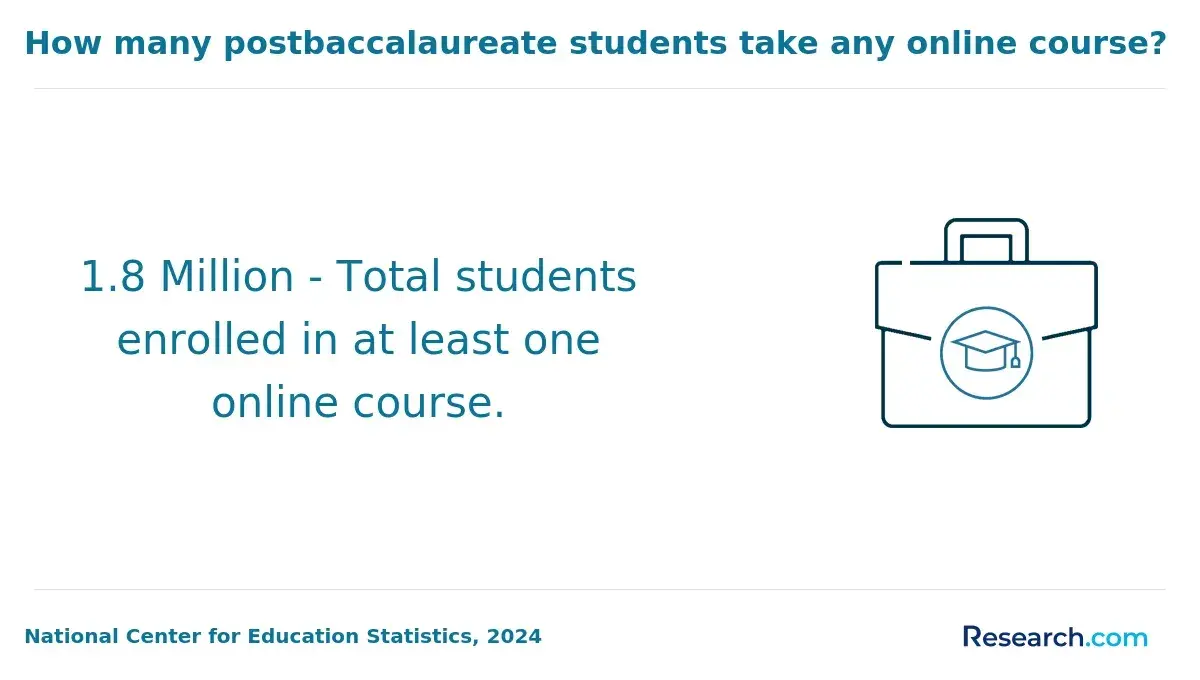
Enrollment trends for regulatory science & affairs degree programs through 2030 will be heavily influenced by labor-market dynamics and program delivery models rather than broad-based demand alone. While steady growth averaging 3% to 5% annually is projected based on data from the National Center for Education Statistics, this increase masks divergent outcomes across regions and institutions.
Programs that integrate specialized, research-aligned curricula and maintain strong industry partnerships are more likely to expand, offering students deeper skills in areas such as drug approval processes or compliance frameworks. By contrast, more generalized curricula risk stagnant enrollment, potentially reducing the availability of such programs or driving sharper admission competition in higher-quality offerings.
These enrollment dynamics also carry consequences for graduate supply; an oversupply in less specialized fields could heighten job search challenges, while shortages might persist in niche regulatory roles that require technical expertise and real-world experience.
Demographic shifts and the expansion of hybrid and online degree options are reshaping the enrollment landscape, particularly in terms of international applicants and working professionals seeking skill upgrades. The growing diversity and geographic reach enabled by online formats contribute to increasing demand across healthcare systems, but also introduce tuition sensitivities that program administrators must manage carefully to avoid pricing out key segments.
The resulting enrollment growth pattern is uneven by region and institution scale, reflecting the need for programs to align with evolving employer expectations for interdisciplinary and applied knowledge.
Prospective students should weigh these variables thoughtfully, considering that rising enrollment may intensify class sizes and dilute specialization unless programs invest in scalable quality improvements. For those looking to enter this field, exploring pathways such as an online pharmacist degree could represent a strategic option, blending relevant regulatory knowledge with practical licensure benefits that employers value.
How Many Regulatory Science & Affairs Graduates Will Enter the Workforce by 2030?
Graduate volume in regulatory science & affairs does not directly translate to workforce absorption, as multiple factors shape employability beyond degree conferrals. Although national data from the National Center for Education Statistics points to a roughly 4% annual increase in relevant health and life sciences degrees, the pipeline's impact is tempered by graduates pursuing additional education, nontraditional careers, or roles outside strict regulatory functions.
Furthermore, geographic disparities and employer preferences for multidisciplinary experience influence hiring dynamics, meaning that the influx of approximately 3,000 annual completions does not uniformly expand available regulatory positions. This creates a competitive labor market where graduates must balance skill diversification with targeted regulatory expertise to secure placements amid evolving industry demands.
The Bureau of Labor Statistics forecasts a 7% growth in related occupations such as compliance and safety officers, suggesting moderate expansion but also significant overlap with other fields drawing from similar talent pools. Practical outcomes hinge on graduates' ability to demonstrate applied competencies and adaptability within biopharmaceutical, medical device, and healthcare employers concentrated in select regions.
As regulatory frameworks increase in complexity, demand intensifies for professionals who can integrate regulatory knowledge with clinical, quality assurance, or policy skill sets, offsetting sheer graduate numbers with qualitative differentiation.
A recent regulatory science & affairs graduate described entering the job market in 2024 amid growing cohorts from expanded online and hybrid programs. Despite holding a relevant master's degree, the individual noted hesitation among recruiters who questioned whether the expanding graduate population might saturate entry-level positions.
Navigating this landscape required strategic targeting of employers in biotech hubs and highlighting internships that combined regulatory training with clinical research exposure. The graduate's experience underscores the need for newcomers to anticipate heightened competition and proactively cultivate practical skills beyond academic credentials as workforce entry nears 2030.
What Are the Hiring Projections for Regulatory Science & Affairs Graduates Through 2030?
Employer demand for Regulatory Science & Affairs graduates through 2030 is moderately positive but varies significantly by specialization, geography, and sector. While the field benefits from regulatory expansions in pharmaceuticals, biotechnology, and digital health, job growth averaging 6% to 8% nationally-as reported by the Bureau of Labor Statistics and Lightcast 2024-does not guarantee uniform hiring opportunities.
For example, entry-level candidates in less populous regions may face fewer openings despite overall growth, and competition intensifies for roles requiring hybrid expertise in data analytics or digital submissions. Workforce turnover, including retirements, contributes notably to annual openings, suggesting that replacement demand is a substantial component of projected hiring rather than solely new position creation.
The evolving compliance landscape requires candidates who combine strong scientific foundations with agility in emerging digital standards and communication skills, raising the bar beyond traditional regulatory knowledge. Employers prioritize adaptability due to the rapid pace of regulatory updates, which often vary by jurisdiction and product type.
Graduates and workforce planners should recognize that steady job growth is accompanied by incremental specialization pressures and potential regional disparities that moderate accessibility to roles. Although several thousand new positions may open yearly in the U.S., aspirants must weigh this against local market saturation and the necessity of continuous professional development to maintain competitiveness in this moderately expanding but complex field.
Which Regulatory Science & Affairs Careers Will Experience the Most Job Growth?
Job growth in regulatory science & affairs is heavily influenced by the pharmaceutical and biotechnology sectors, where regulatory affairs specialists face rising demand due to accelerated drug development and more stringent compliance requirements. Employment projections from the U.S. Bureau of Labor Statistics indicate that roles such as regulatory compliance analysts will expand notably, driven by regulatory complexities around medical devices and emerging digital health technologies.
While growth rates for roles like submissions managers and quality assurance specialists can be high, these occupations vary significantly in total employment volume and task specialization, which affects the number of annual openings and the alignment with regulatory science & affairs education.
Prospective students evaluating regulatory science & affairs degree pathways must consider the interdisciplinary expertise required, merging scientific knowledge with regulatory frameworks and evolving technical skills like data analysis. For instance, a student focused on roles involving clinical trial coordination should anticipate rigorous compliance and ethical oversight responsibilities amid growing clinical research activity.
Regional differences in employer expectations and salary trajectories also underscore the need for strategic decision-making, as rapid automation in some areas may compress entry-level opportunities despite overall job growth. Those seeking accelerated entry into healthcare-related regulatory roles might explore alternatives such as fast track LPN programs online to balance faster workforce entry against specialized regulatory career development.
What Is the Salary Outlook for Regulatory Science & Affairs Graduates Through 2030?
Salary projections for regulatory science & affairs graduates through 2030 must be understood in context: inflation rates, shifts in labor demand, evolving credential requirements, and structural changes in regulated industries all complicate straightforward forecasts. Wage increases in nominal terms may not fully translate to real income gains once cost-of-living adjustments and education upkeep are considered.
Similarly, rising expectations for advanced degrees or certifications could delay or alter earning trajectories. This landscape demands nuanced interpretation of how compensation evolves alongside professional competencies and sector-specific developments.
Key factors influencing salary outcomes include the following.
- Industry Sector:The pharmaceuticals, biotech, and medical device industries generally offer higher salaries than environmental or food regulatory roles, reflecting their larger budgets and greater technical complexity. Professionals targeting innovative biotech firms may see faster wage growth tied to product pipelines and regulatory demands.
- Geographic Location:Regulatory hubs like Washington, D.C., California, and Massachusetts command salary premiums due to concentration of agencies, headquarters, and specialized firms. Graduates willing to relocate to these areas often benefit from stronger compensation and job availability.
- Experience Level:Entry-level salaries commonly range from $60,000 to $75,000, but mid-career professionals can command $90,000 to $120,000 or more depending on demonstrated regulatory expertise and leadership skills.
- Advanced Credentials:Holding certifications or graduate degrees in regulatory affairs or related disciplines can accelerate progression and salary increases, signaling specialized knowledge valued by employers navigating complex compliance landscapes.
- Regulatory Complexity:Fields experiencing rapid regulatory change, such as gene therapies or digital health, often offer enhanced compensation to professionals with the agility and technical acumen to manage evolving frameworks.
- Employer Expectations:Beyond formal qualifications, employers prioritize applicants' capacity to efficiently interpret and apply regulatory requirements. Candidates who develop strong cross-functional communication and risk management skills tend to realize greater salary advancement.
- Continuous Education Demands:Ongoing professional development to remain current with changing regulations can temporarily disrupt earning stability but is essential for maintaining marketability and wage growth potential over time.
A recent graduate accepting an entry-level regulatory affairs position in a mid-sized biotech company experienced a starting offer near the lower end of the $60,000 to $75,000 range, reflecting regional salary norms and company size.
Though initially apprehensive about declining a slightly higher offer from another company located in a less-regulated sector, the graduate pragmatically prioritized exposure to complex drug approval processes and plans to pursue a certification within two years, viewing this as a strategic trade-off to enhance future earning potential despite short-term financial constraints.
Which Industries Will Hire the Most Regulatory Science & Affairs Graduates by 2030?
Projected hiring for regulatory science & affairs graduates by 2030 will be shaped by the interplay of industry-specific growth dynamics, workforce replacement needs, technological innovation, and evolving regulatory landscapes. High-demand sectors will require professionals who not only understand regulatory frameworks but also bring practical experience in risk management, data analytics, and quality assurance to navigate increasingly complex compliance environments.
Prospective students and current degree holders should consider how specialization and continuous professional development factor prominently into employability in this competitive field.
The following outlines key industries expected to generate strong opportunities:
- Pharmaceutical and Biotechnology: Continued expansion in drug development pipelines and increased global regulatory scrutiny drive robust hiring in entry-level and advanced regulatory roles. Expertise in clinical trial data submissions and post-market surveillance enhances access to positions addressing complex drug approval processes.
- Medical Devices: Growth in next-generation diagnostics and wearable technologies underpins demand for specialists skilled in U.S. FDA compliance and international standards. Candidates combining regulatory knowledge with technical understanding of device innovation are favored for advancing regulatory affairs careers.
- Food and Agriculture: Rising consumer expectations for transparency and safety, plus evolving regulations around GMOs and sustainability, create a need for professionals adept in regulatory compliance and traceability systems within this sector.
- Environmental and Chemical Manufacturing: Strengthening environmental safety laws globally elevate the importance of regulatory experts familiar with eco-regulatory frameworks. Roles include interpreting new standards and implementing compliance practices in chemical production settings.
- Technology Integration in Compliance: As regulatory environments grow more data-intensive, proficiency in data analytics and regulatory informatics increasingly differentiates candidates, especially in sectors managing large-scale safety data and risk assessments.
In practice, a regulatory science & affairs graduate targeting the medical device sector might need to supplement their degree with hands-on experience in quality assurance or technology-specific certifications to meet employer expectations for innovation-driven compliance. This reflects broader demand in the United States for regulatory science & affairs career opportunities in key industries by 2030, where combining foundational education with sector-specific skills is critical for career entry and progression.
For professionals exploring flexible educational paths that support such specialization, programs like the fastest PMHNP program offer models of accelerated skill acquisition, which may inspire similar approaches in regulatory disciplines.
Where Will Demand for Regulatory Science & Affairs Graduates Be Strongest?
The strongest demand for Regulatory Science & Affairs graduates will likely concentrate in biotech and pharmaceutical clusters with high employer density, such as the Boston-Cambridge region, San Francisco Bay Area, and North Carolina's Research Triangle Park. These hubs benefit from deep ecosystems that sustain advanced therapeutic development and regulatory filings, but they also come with heightened competition and elevated living costs that can offset salary advantages.
Graduates considering these markets should weigh the benefits of proximity to innovation and employer networks against the higher barriers of entry, including intensified credential expectations and limited remote work options in tightly regulated roles.
In contrast, emerging sectors like digital health and personalized medicine offer expanding roles outside traditional hubs, yet often require specialized expertise in software regulation or gene therapy compliance. Regional disparities in demand reflect not only company presence but also public investment trends and workforce shortages impacting operational scale.
For example, European centers such as Basel or the London-Oxford-Cambridge corridor show notable opportunity but present different regulatory landscapes and credential requirements that may affect employability compared to U.S. locales.
Relying on national salary averages obscures the nuanced reality that compensation and job volume vary significantly by geography and sector within regulatory science & affairs. High-demand areas may promise faster entry and advancement but at the cost of market saturation and costly living environments.
Conversely, smaller markets might offer steadier but fewer openings and often reward cross-disciplinary skills blending scientific and policy knowledge, underscoring the importance of continuous professional development tailored to regional employer expectations through 2030.
Which Regulatory Science & Affairs Specializations Will Be Most in Demand by 2030?
Employer demand within regulatory science & affairs is forecasted to concentrate on niche specializations driven by rapid advances in healthcare technologies and complex global regulations. Labor market reports from the U.S. Bureau of Labor Statistics and Lightcast highlight that roles focusing on pharmaceutical products, medical devices, and digital health compliance are among the fastest growing through 2030.
However, prospective students must weigh these growth areas against the specialized skills and evolving regulatory knowledge required, as well as regional industry hubs that influence hiring dynamics. For example, a choice between pharmaceutical regulatory affairs and digital health compliance involves balancing broader drug development knowledge versus a rapidly shifting technology landscape with cybersecurity and data privacy considerations.
Below are key specializations expected to dominate employment demand.
- Pharmaceutical Regulatory Affairs: Driven by increased drug innovation and accelerated approval pathways, specialists will be sought for expertise in multi-jurisdictional submissions, real-world evidence integration, and post-market surveillance management within biopharma and clinical research sectors.
- Medical Device Regulation: Growth fueled by connected and implantable devices requires regulators skilled in traditional compliance and emerging cybersecurity standards, often necessitating technical acumen and familiarity with FDA and EMA guidance.
- Digital Health Compliance: With software as a medical device (SaMD) and AI diagnostics expanding, demand rises for professionals adept at navigating regulatory uncertainty, ethical considerations, and data protection alongside efficacy assessments.
- Clinical Trial Regulatory Design: Although growth is steadier and entry barriers higher, expertise in trial protocol strategy and regulatory policy interpretation remains vital for organizations developing novel therapies.
- Regulatory Policy Analysis: Specialized interdisciplinary skills prepare candidates for roles influencing regulatory framework development, primarily in government agencies and policy groups, requiring strong analytical and communication capabilities.
How Will AI and Technology Affect Regulatory Science & Affairs Careers Through 2030?
Technology trends shaping regulatory science and affairs jobs in the US through 2030 suggest that artificial intelligence and automation will primarily augment rather than fully automate most regulatory responsibilities. Entry-level tasks such as routine data management, compliance checks, and document processing are most susceptible to automation, reallocating human effort toward roles demanding critical judgment, ethical oversight, and strategic interpretation of AI outputs.
This shift underscores the practical necessity for professionals to develop hybrid competencies combining regulatory expertise with technology literacy, particularly skills in AI governance, data analytics, and digital submission platforms.
The evolving hiring landscape will favor candidates who proactively integrate AI-related coursework, applied projects, and certifications into their portfolios to maintain employability. For example, a regulatory affairs specialist adept in software tools that generate real-world evidence can better navigate increasingly complex submission requirements and lifecycle management processes.
Ignoring these trends risks stagnation in career progression, as employers prioritize adaptability and cross-functional collaboration with data scientists and technologists. Prospective students and practitioners interested in data-driven career paths might also consider related compensation insights from parallel healthcare roles, such as analyzing the functional medicine nurse salary as a comparative benchmark.
Regulatory science and affairs career impact of AI and automation will vary across sectors, with growth concentrated in regulatory technology integration and AI oversight positions. Professionals must balance developing technical fluency with maintaining domain expertise in evolving regulatory frameworks to capitalize on expanding opportunities.
Those who fail to upskill risk obsolescence in entry-level jobs, while strategic learners can gain a competitive advantage by specializing in informatics or computer science applications within regulatory environments.
Is a Regulatory Science & Affairs Degree Worth Pursuing Based on 2030 Projections?
Choosing to pursue a regulatory science & affairs degree through 2030 involves navigating a labor market where projected 7% growth in related fields like compliance and quality assurance is moderate but uneven across sectors and regions. Early-career salaries range broadly from $60,000 to $75,000 depending on geographic location and industry specialization, with potential for six-figure earnings as professionals gain expertise or move into leadership.
However, competition intensifies as more graduates enter this niche, requiring continuous skill updates and geographic flexibility, especially near biotech hubs or government agencies, to maximize employment prospects.
Anyone weighing this path should consider that while enrollment in regulatory science & affairs programs is rising modestly, the degree's return hinges on alignment with industry demands and credential expectations. Students must balance tuition, time-to-completion, and the strength of available entry-level opportunities against the degree's practical utility in navigating complex regulatory environments.
The United States regulatory science & affairs salary projections emphasize the variability by specialization and employer type, underscoring that strategic career planning remains critical. For those seeking alternatives or complementary qualifications, exploring options such as an addiction counseling online degree may diversify career pathways within the broader healthcare and regulatory ecosystem.
References:
- In-Demand Pharma Roles: AI, Manufacturing & Clinical Jobs | IntuitionLabs https://intuitionlabs.ai/articles/in-demand-pharma-roles
- Regulatory affairs https://www.abpi.org.uk/careers/working-in-the-industry/research-and-development/regulatory-affairs/
- The Impact of AI and Machine Learning on Regulatory Affairs https://lsacademy.com/en/how-ai-is-transforming-regulatory-affairs/
- Career Paths in Regulatory Affairs Explained: Ultimate Guide to Growth, Roles, and Global Opportunities https://www.pharmaregulatory.in/career-paths-in-regulatory-affairs-explained-ultimate-guide-to-growth-roles-and-global-opportunities/
- The evolving role of the regulatory professional in the age of Artificial Intelligence https://www.regulatoryrapporteur.org/artificial-intelligence/the-evolving-role-of-the-regulatory-professional-in-the-age-of-artificial-intelligence/1039.article
- Cliniminds Blogs https://cliniminds.com/blogs/projected-job-growth-in-drug-regulatory-affairs-in-india-a-five-year-outlook-37
- AI and the evolving career path of regulatory professionals - Med-Tech Insights https://med-techinsights.com/2023/04/27/ai-and-the-evolving-career-path-of-regulatory-professionals/
- Pharmaceutical Regulatory Affairs Research Report 2025-2030: Entry of Companies into the Global Market Fueling Growth https://www.globenewswire.com/news-release/2025/01/23/3014189/28124/en/pharmaceutical-regulatory-affairs-research-report-2025-2030-entry-of-companies-into-the-global-market-fueling-growth.html
- Rising Demand for Regulatory Talent | EPM Scientific https://www.epmscientific.com/en-us/industry-insights/hiring-advice/the-demand-for-regulatory-affairs-candidates
- Pharmaceutical Regulatory Affairs Market Forecast 2025–2030 | Trends & Growth Analysis https://www.vistaar.ai/blog/pharmaceutical-regulatory-affairs-market-trends-and-forecast-2025-2030/
Other Things You Should Know About Regulatory Science & Affairs
Shorter programs often attract students eager to enter the workforce quickly but may sacrifice the breadth and rigor necessary to handle complex regulatory environments. In contrast, longer programs or those offering extensive practical components, such as internships or case studies, tend to better prepare graduates for multifaceted roles but require a greater time and financial investment. Students should prioritize programs that balance comprehensive regulatory knowledge with applicable skills rather than simply opting for the shortest path to credentialing.
Specializing too early can limit flexibility as regulatory frameworks and industry demands evolve, which is significant given the sector's frequent shifts due to policy changes. Conversely, a broad education improves adaptability but may leave graduates less competitive for niche roles requiring deep expertise. Hence, a hybrid approach-gaining foundational knowledge with targeted specialization-is often the most practical route, aligning with employer preference for versatile yet knowledgeable candidates.
Employer expectations increasingly prioritize demonstrable skills and practical experience over institution prestige, reflecting the applied nature of regulatory work. While brand-name schools may open initial doors, graduates from lesser-known programs who complete internships, certifications, or project work addressing real-world regulatory challenges can compete effectively. Prospective students should focus on programs offering strong experiential learning components and networking opportunities rather than relying solely on school reputation.
The regulatory field often involves high-responsibility tasks with consistent deadlines, especially in industries like pharmaceuticals or medical devices, translating into intensive workloads during product approvals or audits. Students and future professionals must assess whether their chosen programs emphasize time management and stress resilience training since these skills are crucial for sustainable career progression. Prioritizing programs with mentorship and support services can better prepare candidates for these demanding realities.