2027 Regulatory Science & Affairs Salary Trends Report: Are Wages Keeping Up With Tuition and Inflation?

Co-Founder and Chief Data Scientist
Consider a prospective regulatory science & affairs student weighing the decision to pursue this specialized degree amid rising tuition and a fluctuating economy. The core question centers on whether the anticipated salary growth offsets these escalating costs and the broader impact of inflation.
With education expenses climbing faster than many wage increases, it becomes crucial to analyze how financial returns compare over time rather than relying solely on starting salaries. This approach helps clarify the real value of the degree beyond immediate figures.
Salary growth, tuition hikes, and inflation rarely move in sync, creating complex tradeoffs for students and graduates alike. Assessing the long-term purchasing power of regulatory science & affairs salaries requires examining these factors collectively to understand true affordability and return on investment.
This article explores recent salary trends in relation to tuition costs and inflation, providing insight into the financial prospects and challenges facing those pursuing a regulatory science & affairs degree.
Key Things to Know About Regulatory Science & Affairs Salary Trends
- Despite inflation and rising tuition, median graduate salaries in regulatory science & affairs increased only 3% from 2022 to 2024, lagging behind the 6% national inflation rate, reducing real income growth.
- Specialization in medical device regulation correlates with 15% higher wages, underscoring the need to focus studies on niche sectors to enhance long-term earning potential versus broader regulatory fields.
- Experience-driven wage growth plateaus after 7 years, indicating that early-career salary gains are critical for recouping educational investments amid stagnant mid-career increments.
- What Is the Current Salary Outlook for Regulatory Science & Affairs Graduates? Salary Outlook
- Are Regulatory Science & Affairs Salaries Keeping Up With Inflation? Inflation Impact
- How Do Tuition Costs Compare With Regulatory Science & Affairs Salary Growth? Tuition vs Salary
- Does a Regulatory Science & Affairs Degree Deliver a Positive Return on Investment? Degree ROI
- Which Industries Offer the Highest Salaries for Regulatory Science & Affairs Graduates? Which Industries Offer the Highest Salaries for Regulatory Science & Affairs Graduates?
- Which States and Cities Offer the Highest Pay for Regulatory Science & Affairs Professionals? Which States and Cities Offer the Highest Pay for Regulatory Science & Affairs Professionals?
- How Do Regulatory Science & Affairs Salaries Grow Throughout a Career? Career Growth
- How Do Regulatory Science & Affairs Salaries Compare With Similar Degrees? Salary Comparison
- How Is Employer Demand Affecting Regulatory Science & Affairs Salary Trends? Employer Demand
- How Can Students Maximize Their Lifetime Earnings With a Regulatory Science & Affairs Degree? Maximizing Earnings
What Is the Current Salary Outlook for Regulatory Science & Affairs Graduates?
Current salary data for regulatory science and affairs professionals indicate median wages ranging between $75,000 and $95,000 annually, with variations tied closely to experience, geographic region, and industry specialization. Entry-level salaries often start near $60,000, whereas experts in pharmaceutical or biotech sectors may surpass $110,000.
However, two graduates holding the same degree might see notably different outcomes. For example, one who pursues regulatory roles in emerging medical device companies may earn less initially but benefit from rapid industry growth and advancement opportunities, while another in a more established pharmaceutical firm could start higher but face slower wage increases.
Evaluating these salary trends requires emphasizing career trajectory and sector-specific demand rather than focusing solely on starting pay.
When analyzing regulatory science and affairs graduate salary trends, it is crucial to consider how modest salary increases-approximately 3% to 5% yearly according to recent industry surveys-compare against a backdrop of rising tuition costs and inflation.
The steady expansion in regulatory compliance complexity across healthcare, environmental, and life science fields supports strong job prospects, but real income growth has been limited, often trailing behind educational expenses which rise closer to 6% per year.
Prospective students should weigh this imbalance thoughtfully, especially those considering longer degree pathways, such as 2-year EdD programs online, which may offer different financial and career benefits. Ultimately, the salary outlook for regulatory science and affairs professionals involves a nuanced assessment of both immediate earnings and long-term potential within evolving industries.
Are Regulatory Science & Affairs Salaries Keeping Up With Inflation?
Nominal wage increases in regulatory science & affairs roles often obscure the reality that real income growth fails to keep pace with inflation. Recent data shows wage growth for jobs related to regulatory science & affairs, such as compliance officers and regulatory affairs specialists, averaging around 2.0% to 2.5% annually, while inflation as measured by the Consumer Price Index has hovered near 3.4%.
This gap means that despite higher paycheck figures year-over-year, professionals may experience diminished purchasing power, especially when facing rising living costs. For example, a recent graduate accepting an entry-level regulatory affairs position with a 2.5% salary increase will effectively lose ground against inflation-driven expenses, impacting the ability to save or repay educational investments.
When evaluating the financial outlook for regulatory science & affairs graduates in the US, it is important to consider these nuanced tradeoffs. While immediate salary gains may not fully compensate for inflation or increasing tuition costs, which rise at about 4% annually, the field typically rewards accumulated expertise, certifications, and industry specialization with stronger long-term earnings prospects.
Prospective students weighing this career path should also explore cost-effective educational options when available, such as programs highlighted in the best online criminal justice degree programs, to mitigate upfront expenses while pursuing credentials linked to stable employment.
How Do Tuition Costs Compare With Regulatory Science & Affairs Salary Growth?
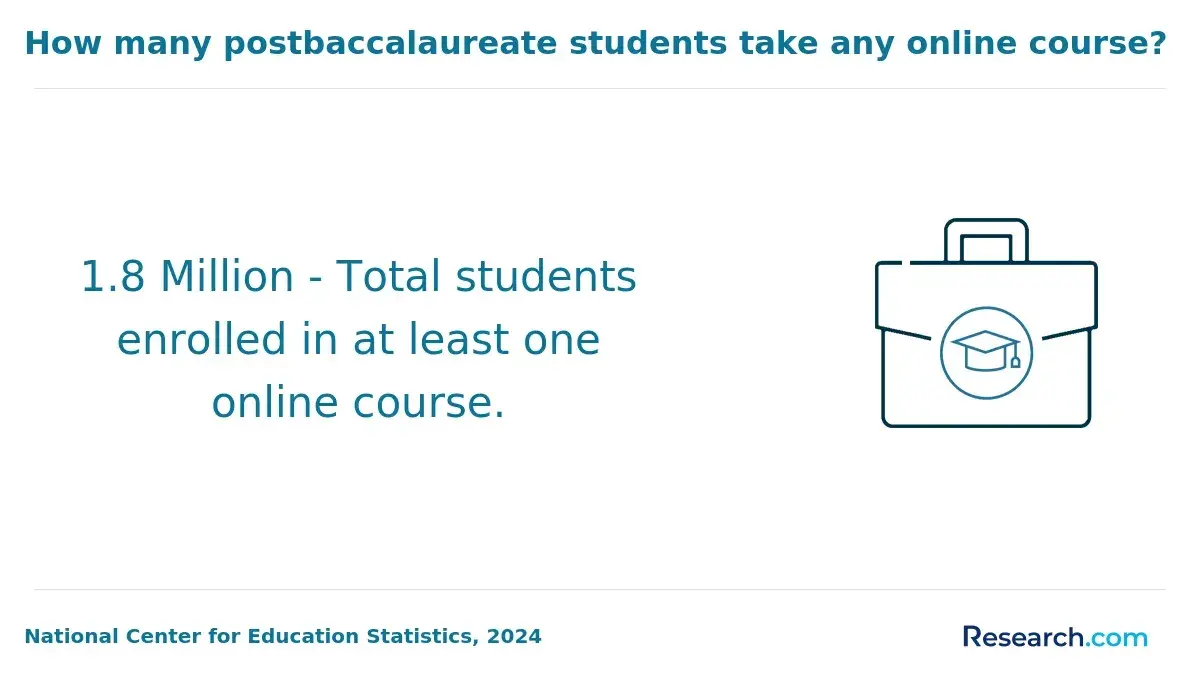
Examining tuition costs alongside salary growth offers a more nuanced understanding of the economic value of a Regulatory Science & Affairs degree than assessing each figure alone. In 2024, average tuition for related master's programs has risen about 4.5% annually according to the National Center for Education Statistics, outstripping typical annual salary increases of roughly 3% reported by the U.S. Bureau of Labor Statistics for early- to mid-career professionals.
This widening gap means that graduates often begin their careers with debt burdens that grow faster than their incomes, compressing real wage gains over time. These figures highlight the importance of considering local tuition rates, availability of scholarships, and variations in employer compensation to accurately gauge financial feasibility for individual students.
Take, for example, a student facing a 4-year tuition increase averaging 4.5% per year while anticipating only 3% annual salary growth after graduation. This divergence can extend the time needed to repay loans and limit disposable income during critical early career years.
Conversely, a graduate employed in a high-demand city with employer tuition reimbursement and incremental pay bumps may experience a notably better financial outlook. Thus, while Regulatory Science & Affairs offers specialized expertise, affordability and return on investment are heavily dependent on personal funding strategies and regional market conditions, making broad averages less predictive at the individual level.
One graduate shared how hesitation over escalating tuition costs prompted a last-minute search for scholarships and part-time work, adding months to their degree timeline but ultimately reducing reliance on loans. They described feeling a persistent tension balancing the urgency to enter the workforce and the stress of mounting education expenses, which tempered enthusiasm despite clear career advantages.
This experience underscores that beyond statistics, managing the financial challenges posed by uneven tuition and salary growth requires ongoing adaptability and careful planning at every step.
Does a Regulatory Science & Affairs Degree Deliver a Positive Return on Investment?
Evaluating the return on investment (ROI) of a Regulatory Science & Affairs degree requires weighing the total cost of education against the career trajectory and earning potential it enables over time. ROI is not simply about entry-level salaries, which typically range from $65,000 to $85,000, but rather how graduates' earnings grow relative to their initial debt and ongoing economic factors like inflation.
For example, a student who invests $60,000 in tuition and secures internships during their program might begin with a salary near $70,000 but see steady growth that exceeds 3-4% inflation annually, reaching six figures within a decade. This wage increase supports recouping the education investment while expanding professional opportunities in high-demand sectors such as pharmaceuticals and biotechnology.
Several variables shape whether a Regulatory Science & Affairs degree proves financially rewarding.
Tuition inflation, which has increased approximately 5% annually over the past decade, can burden students with higher upfront costs than wage growth alone might cover. Nonetheless, data from authoritative sources like the Georgetown University Center on Education and the Workforce indicate that regulatory graduates often enjoy a wage premium compared to peers in related STEM fields, offsetting tuition expenses within 7 to 10 years when practical experience is emphasized.
The evolving complexity of regulatory environments means demand for qualified professionals remains robust, but the degree's ROI varies depending on personal factors such as internship participation, chosen industry, and regional job markets.
Ultimately, the financial payoff of earning a Regulatory Science & Affairs degree is context-dependent and requires prospective students to plan strategically. Those who align program costs with career goals and gain relevant experience can mitigate risks posed by rising education expenses, ensuring salary improvements keep pace with inflation and market shifts.
Conversely, individuals without access to internships or who enter saturated job markets may face longer timelines to recover their investment, underscoring the need to view ROI as a dynamic, multifaceted calculation rather than a fixed figure determined solely by starting salary.
Which Industries Offer the Highest Salaries for Regulatory Science & Affairs Graduates?
Salary prospects for regulatory science & affairs graduates vary significantly across industries, driven by market demand, regulatory complexity, and geographic factors. Detailed data from the U.S. Bureau of Labor Statistics and industry analyses, including insights from the Regulatory Affairs Professionals Society (RAPS), reveal that certain sectors consistently offer higher compensation due to the specialized expertise required to navigate complex regulatory environments.
Understanding these patterns helps graduates and career changers identify where their skills are valued most and where long-term financial growth is plausible. The following highlights key sectors known for top industries for regulatory science & affairs salaries.
- Pharmaceutical Industry: This sector offers the highest salaries largely because it involves developing and marketing high-value drugs that require extensive regulatory submissions through agencies like the FDA and EMA. Roles here demand precise knowledge of global compliance standards and the ability to manage detailed documentation and approval strategies.
- Biotechnology Firms: Biotech companies present strong compensation packages driven by rapid innovation and investment cycles. Graduates in this field typically work on accelerating product development and regulatory approvals, which rewards detailed understanding of emerging therapies and adaptive regulatory pathways.
- Medical Device Companies: Salaries in medical device firms are competitive, especially within areas focusing on cutting-edge technology or surgical tools. Regulatory professionals in this space must manage complex compliance issues related to safety and risk, which increases the demand for experienced graduates.
- Contract Research Organizations (CROs): CROs can offer attractive pay based on project scope and client portfolios. These organizations often require flexibility and broad regulatory knowledge to support a variety of pharmaceutical, biotech, or medical device clients.
- Regulatory Consulting Firms: Consulting entities provide specialized regulatory guidance across industries. Compensation varies widely but tends to be higher for consultants with proven expertise in multiple regulatory jurisdictions and strategic compliance planning.
- Cosmetics and Food & Beverage: These sectors generally offer moderate salaries; however, tightening global regulatory frameworks are increasing the need for regulatory science & affairs professionals, creating new opportunities for growth.
The highest-paying industries for regulatory science & affairs-related roles often align with the complexity and risk profiles of their products and markets. For example, a graduate working at a multinational pharmaceutical company in a major hub like Boston or San Francisco might receive a substantially higher salary than peers in smaller firms or less regulated sectors.
It remains critical for graduates to balance salary potential with other factors such as job stability, growth prospects, and regional cost of living. Prospective students interested in navigating these dynamics might also consider exploring related fields, such as pursuing a social media marketing degree, to complement their regulatory expertise in evolving digital landscapes.
Which States and Cities Offer the Highest Pay for Regulatory Science & Affairs Professionals?
Geographic location significantly shapes earning potential for regulatory science & affairs professionals, with clear disparities tied to regional industry strength and the presence of regulatory agencies. Data from the U.S. Bureau of Labor Statistics and recent industry surveys highlight that states with concentrated pharmaceutical, biotech, and medical device sectors coupled with proximity to federal regulators consistently report the highest wages.
Still, these earnings must be weighed against local living costs, making some top-paying areas a double-edged sword in terms of net financial benefit. Below are some key locations where compensation tends to be at the upper end, with considerations for cost and career prospects.
- California: Home to major hubs like San Francisco and San Diego, California offers median salaries surpassing $120,000 annually for regulatory science & affairs roles. This premium reflects the dense life sciences ecosystem and startup competition for talent. However, steep housing and living expenses mean that the take-home advantage may be less than nominal wages suggest.
- Maryland: Maryland benefits from its proximity to the FDA headquarters and a dense network of federal agencies supporting drug development and regulation. Salaries here are competitive, and while living costs are rising near urban centers like Bethesda and Rockville, they remain lower than comparable California metros.
- Massachusetts: Boston's thriving biotech and medical device industries drive strong demand and correspondingly high wages for regulatory specialists. The city's substantial research institutions attract regulatory professionals but also command a high cost of living that can offset salary gains.
- District of Columbia: The D.C. metro area commands premium wages as regulatory expertise aligns closely with federal policymaking and agency operations. While salaries are elevated, costs for housing and essentials are also significant, requiring careful budgeting.
- Texas: Emerging life sciences hubs in Texas offer more moderate compensation but offset this with a substantially lower cost of living. Cities like Austin and Houston are attractive for those valuing real income growth and expanding industry presence without the extreme expenses seen elsewhere.
- North Carolina: The Research Triangle Park region combines growing biotech investment with moderate living costs. Salaries are rising steadily, presenting a viable option for regulatory science & affairs professionals prioritizing long-term affordability alongside professional development.
How Do Regulatory Science & Affairs Salaries Grow Throughout a Career?
Salary growth in regulatory science & affairs typically reflects a gradual climb aligned with accumulating experience and credentials. Entry-level roles, which often require a bachelor's degree, generally start with median annual earnings between $60,000 and $75,000.
Over five years, salary increases average about 3% to 5% annually, as professionals gain certifications like the RAC and deepen their regulatory knowledge.
Mid-career professionals, with 5 to 15 years of experience, tend to see salaries rise to roughly $90,000 to $120,000, often moving into specialized or managerial positions within sectors such as pharmaceuticals or medical devices. Data from the Regulatory Affairs Professionals Society 2024 report highlights how those pursuing advanced degrees or certification slightly outpace inflation in wage gains, even as educational costs continue to rise sharply.
At senior levels, typically beyond 15 years, salaries can reach $130,000 to $180,000 or more, especially for directors involved in strategic and international regulatory affairs. Yet, rising living expenses and increased tuition fees for ongoing education mean that real earnings growth may lag behind inflation.
Consider two graduates from the same regulatory science & affairs program: one invests in specialized certifications and pursues leadership roles, steadily increasing compensation and job security; the other opts for lateral moves without additional credentials, experiencing slower salary progression. This contrast underscores how continuous professional development and role specialization contrast with static career paths in shaping long-term earnings in this field.
One graduate recalled feeling uncertain after finishing their degree, hesitating to pursue additional regulatory certifications amid high tuition and busy work life. However, after deciding to earn an RAC credential and focusing on medical device regulation, they noticed their salary growth accelerate significantly after five years.
This decision, made during moments of financial stress and conflicting priorities, proved pivotal in achieving promotions and larger salary increases. Their experience demonstrates how targeted investment in advanced training often distinguishes those who succeed financially in regulatory science & affairs from peers with comparable academic backgrounds but less strategic career focus.
How Do Regulatory Science & Affairs Salaries Compare With Similar Degrees?
Regulatory science & affairs salaries generally show a competitive edge when compared to related health science and administrative degrees, though nuances arise based on specialization and industry. Median annual pay for regulatory affairs specialists typically ranges from $85,000 to $95,000, placing it above some similar fields.
However, rising tuition and inflation have recently outpaced starting salary growth, suggesting students should carefully weigh short-term financial returns against long-term career prospects. The following points compare regulatory science & affairs earnings with several related degree programs to give prospective students a clearer picture of competitive outcomes.
- Clinical Research Coordination: Median salaries in clinical research coordination fall between $75,000 and $85,000. Professions here focus on managing clinical trials and data collection for pharmaceutical or academic research, with earning potential tempered by the sector's project-based funding and less regulatory complexity compared to regulation-centered roles.
- Health Sciences Administration: Salary ranges for health sciences administrators usually hover from $70,000 to $80,000. Roles emphasize healthcare operations and policy rather than regulatory compliance, leading to somewhat lower compensation, although managerial responsibilities can drive upward mobility within organizations.
- Public Health Degrees: Graduates in public health often report median salaries between $65,000 and $80,000. Public health positions span community health improvement and policy advocacy, generally offering lower salaries than regulatory professionals due to broader, less specialized job functions and funding structures.
- Pharmaceutical and Medical Device Regulatory Affairs: Within regulatory science & affairs, professionals working in pharmaceutical and medical device industries earn at the higher end of the pay scale, often exceeding $90,000. This reflects the industries' stringent regulatory environments and ongoing demand for compliance expertise, which directly influences salary levels.
For those comparing career paths, regulatory science & affairs offers moderate to strong earning potential supported by steady salary growth documented in a 2024 study by the National Association of Regulatory Professionals. Practical decisions should factor in not only immediate salary but also longer-term benefits and the expertise required.
Additionally, students seeking healthcare-related careers might explore ASHA-accredited SLP programs as an example of specialized education in a related field with its own earning patterns.
How Is Employer Demand Affecting Regulatory Science & Affairs Salary Trends?
Employer demand significantly influences salary trends within Regulatory Science & Affairs. For example, a pharmaceutical company expanding into emerging markets with complex regulatory hurdles may aggressively recruit professionals specializing in regulatory policy strategy, resulting in above-average salary offers to attract such expertise.
This dynamic hiring activity pushes compensation upward, especially for those with niche skills and experience in high-demand subfields. However, overall wage growth is moderated by organizational budgets and broader economic conditions.
Several factors drive employer demand, including geographic market strength, evolving regulatory frameworks, and the increasing complexity of product approval processes. The 2024 analysis by the Regulatory Affairs Professionals Society underscores that roles in regulatory science saw an average salary growth of 4.5% last year, a rate that reflects steady demand but also highlights pressures from escalating tuition and living costs.
Prospective students should consider that while strong employer demand supports faster wage growth, actual salaries vary widely depending on specialization, experience, and regional job markets, making strategic career decisions essential.
Given the rising costs of education, it is crucial for students to evaluate how the demand for regulatory science & affairs skills translates into sustainable earning potential. Those preparing for such careers might also explore related fields with stable or growing opportunities, such as cyber security, which offers alternatives through military-friendly online cybersecurity degree programs.
Balancing tuition expenses against realistic salary expectations shaped by employer demand impact on Regulatory Science salaries will better inform educational investments and long-term financial outcomes.
How Can Students Maximize Their Lifetime Earnings With a Regulatory Science & Affairs Degree?
Maximizing lifetime earnings with a Regulatory science & affairs degree requires targeted strategies beyond merely completing coursework. Graduates who differentiate themselves with specialized skills, industry experience, and credentials tend to realize significantly higher salaries over their careers.
Data from the U.S. Bureau of Labor Statistics (2024) and the Regulatory Affairs Professionals Society reveal that specialization in high-demand sectors and advanced certifications correlate strongly with salary growth. Below are key strategies students should prioritize to enhance their earning potential:
1. Specialize in high-demand sectors: Focus on areas with growing demand, such as pharmaceuticals, biotechnology, and medical devices. 2. Gain industry experience: Internships, co-ops, and part-time jobs can provide valuable experience and connections. 3. Pursue advanced certifications: Organizations like the Regulatory Affairs Professionals Society offer certifications that can boost earning potential.
- Sector Specialization: Focus on industries like pharmaceuticals, biotechnology, or medical devices where regulatory complexity drives premium compensation. Early internships or projects in these fields position graduates for rapid salary advancement.
- Advanced Certifications: Obtaining credentials such as the Regulatory Affairs Certification (RAC) signals expertise and opens doors to senior roles that command higher pay. Plan certification alongside graduate studies when possible.
- Leadership Skills: Developing project management and leadership abilities distinguishes candidates for managerial positions. Engaging in team-based initiatives during study builds these capabilities.
- Geographic Positioning: Working in major biotech hubs-Boston, San Francisco, or Washington, D.C.-yields greater wage opportunities. Graduates should consider relocation strategies for career growth.
- Global Regulatory Expertise: Gaining experience in international compliance expands marketability as companies increasingly operate worldwide, enhancing job versatility and compensation prospects.
- Networking and Internships: Early industry connections through internships and events facilitate job placement and salary negotiation power. Continuous engagement with professionals improves access to evolving opportunities.
- Continuous Learning: Staying current on regulatory changes and technology developments ensures long-term career resilience, aiding sustained salary growth over time.
References
- Career Path in Regulatory Affairs: A Step-by-Step Learning Map - Pharmuni https://pharmuni.com/2025/08/19/career-path-in-regulatory-affairs-step-by-step-learning-map/
- Regulatory Affairs Career Path in Life Sciences https://pathologylabtraining.co.uk/biomedical-sciences/regulatory-affairs
- Skills That Matter for Regulatory Affairs Specialist — Evidence-Backed Profile | JobCannon https://jobcannon.io/skills-for/regulatory-affairs-specialist
- Regulatory Science Program https://c-path.org/program/regulatory-science-program/
- Medical Affairs vs Regulatory Affairs: which is the smartest pharma career path? | headcount https://headcount.ch/blog/medical-affairs-vs-regulatory-affairs-which-is-the-smartest-pharma-career-path/
- Top 10 Highest Paying Countries for Regulatory Affairs Specialists https://academically.com/blogs/highest-paying-countries-for-regulatory-affairs-specialists/
- Introduction to Regulatory Affairs Course Fees | Entry to Regulatory https://www.entrytoregulatory.com/introduction-to-regulatory-course-fees
- Does College Pay Off? A Comprehensive Return On Investment Analysis - FREOPP https://freopp.org/whitepapers/does-college-pay-off-a-comprehensive-return-on-investment-analysis/
Other Things You Should Know About Regulatory Science & Affairs
Choosing between full-time, part-time, or online regulatory science & affairs programs involves significant tradeoffs tied to salary progression.
Full-time study often accelerates entry into the workforce, allowing earlier salary growth, but it may require foregoing income during the study period.
Part-time or online routes enable continued employment but can slow wage advancement since employers might perceive these options as less intensive or limiting networking opportunities. Prospective students should prioritize program formats that align with their financial resilience and ability to maintain relevant industry connections, as these factors directly influence early-career compensation and long-term earning trajectories.
Additional certifications beyond the base degree can positively affect salary but are not guaranteed shortcuts to higher pay. Many employers value specialized credentials that demonstrate expertise in niche regulatory areas or updated compliance standards, which may lead to incremental raises or promotions.
However, the time and cost investment must be weighed against the marginal salary benefits, especially under inflationary pressures. Individuals should focus on certifications directly linked to employer demand and their current or target roles to ensure practical return on these investments.
Compensation is often misaligned with the rising workload and responsibility levels in regulatory science & affairs roles, leading to diminishing job satisfaction despite nominal salary increases. The growing complexity of regulatory environments means longer hours and higher accountability, which are not always reflected in pay scales. This disparity can affect retention and career planning.
Candidates should assess employer workload norms and workplace culture carefully, prioritizing roles where salary structures meaningfully compensate for intensity and stress, rather than assuming pay will keep pace with increasing demands.
Employer size and organizational maturity substantially influence salary trajectories, often more than raw market trends indicate. Large corporations may offer higher starting salaries but slower incremental raises due to rigid salary bands, while smaller firms can provide quicker raises and bonus opportunities tied to performance.
However, smaller organizations might have less formal career development, which can stall long-term earnings. For candidates, prioritizing employer environments that balance structured growth with merit-based rewards typically yields better salary progression and aligns pay increases more closely with evolving tuition and inflation pressures.