2027 Regulatory Science & Affairs Degree Completion Time Report: How Long Students Actually Take to Graduate

Co-Founder and Chief Data Scientist
Degree completion timelines in regulatory science & affairs vary widely due to complex, real-world factors that extend beyond prescribed curriculum lengths. Students often balance rigorous coursework with employment, internships, and regulatory agency requirements, which can slow academic progress. Transfer credits and part-time enrollment also reshape pacing, while retention challenges linked to evolving regulatory frameworks contribute to delays. According to the National Center for Education Statistics in 2024, less than 60% of students in STEM-related fields graduate within six years, reflecting broader persistence challenges influenced by workforce demands and changing industry standards. This article examines how long students actually take to graduate, the key influences on timing, and critical patterns for prospective students to consider.
Key Things To Know About Regulatory Science & Affairs Degree Completion Time
- Accurate timeline expectations allow you to map out your transition into highly technical careers like regulatory affairs specialist, clinical compliance manager, or quality assurance auditor. Knowing exactly when you will graduate enables you to align your targeted job applications with hiring surges in major pharmaceutical and medical device corporations.
- Understanding the completion window helps you calculate your return on investment against the field's strong median salary, which typically sits around $78,000 for specialists and surpasses $104,000 for regulatory managers. This clarity allows you to establish a precise financial budget and project exactly when your post-graduation earnings will offset your educational costs.
- Factoring in completion times highlights the efficiency of online regulatory programs, which frequently offer accelerated formats or asynchronous scheduling. Choosing a digital pathway allows you to finish your coursework much faster while maintaining a flexible schedule to gain hands-on clinical compliance experience in real time.
- What Is the Average Graduation Time for Regulatory Science & Affairs Students? Average Graduation Timeline
- What Factors Have the Biggest Impact on Graduation Speed? Graduation Timeline Factors
- How Does Full-Time Versus Part-Time Enrollment Affect Graduation Timelines? Full-Time vs. Part-Time Graduation Timeline
- Do Online Regulatory Science & Affairs Students Graduate Faster Than Campus-Based Students? Online Regulatory Science & Affairs Students vs Campus-Based Students
- How Many Months or Years Can Transfer Credits Save? Transfer Credits
- Do Accelerated Regulatory Science & Affairs Programs Significantly Reduce Completion Time? Accelerated Program Timeline
- Which Regulatory Science & Affairs Program Requirements Most Often Extend Graduation Timelines? Factors Extending Graduation Timeline
- Does Taking Longer to Graduate Increase the Cost of a Regulatory Science & Affairs Degree? Impact on Program Cost
- Does Graduating Faster Improve Career Prospects? Impact on Career Prospects
- Which Scheduling Mistakes Commonly Delay Graduation? Mistakes to Avoid
What Is the Average Graduation Time for Regulatory Science & Affairs Students?
The average regulatory science & affairs degree completion time varies notably depending on whether students enroll full time or part time, as well as the degree level pursued. Bachelor's programs typically take four to six years due to part-time attendance and work commitments that extend beyond the usual four-year timeline. Graduate programs, such as master's degrees, commonly require two to three years for full-time students but often stretch to four or five years for part-time learners balancing employment. These variations reflect the reality that program completion deadlines are influenced by more than just credit requirements, integrating factors like work-study balance and academic pacing choices.
Key determinants influencing the typical graduation timeline for regulatory science & affairs students include course load flexibility, internship or practicum mandates, and the acceptance of transfer credits. Many programs incorporate practical components essential for industry readiness, which can unpredictably extend duration depending on availability and scheduling. Transfer credits may shorten time to degree where accepted, but policies vary widely between institutions, occasionally causing delays. Additional complexity arises from the growth of online and hybrid course offerings designed to accommodate working professionals, which increase accessibility but often lead to longer overall enrollment periods. According to recent education data analyses, these structural and enrollment patterns mean that time-to-degree is seldom a fixed metric, but a dynamic one shaped by student circumstances and institutional design.
Such variability in graduation timelines has significant implications for academic planning, financial investment, and workforce entry. Accelerated programs aimed at quick labor market integration can risk inadequately preparing students for the regulatory demands encountered in industry and government roles, where thorough knowledge and practical skills are critical. Conversely, longer pathways facilitate deeper competency development but require extended commitment of time and resources. Prospective students and education planners should thus evaluate program structures critically, considering how the typical graduation timeline aligns with their career goals and life situations. For those exploring flexible educational routes, identifying easy online college courses in this field might offer a practical option to balance these factors effectively.
What Factors Have the Biggest Impact on Graduation Speed?
Graduation speed in Regulatory Science & Affairs programs results from a complex interplay of academic planning, program format, and individual circumstances. No single factor alone determines how quickly students complete their degrees; instead, the interaction between course load decisions, enrollment status, institutional policies, and external obligations shapes diverse completion timelines. Deepening understanding of these influences enables students to better gauge tradeoffs when choosing how to pace their studies and structure their academic paths.
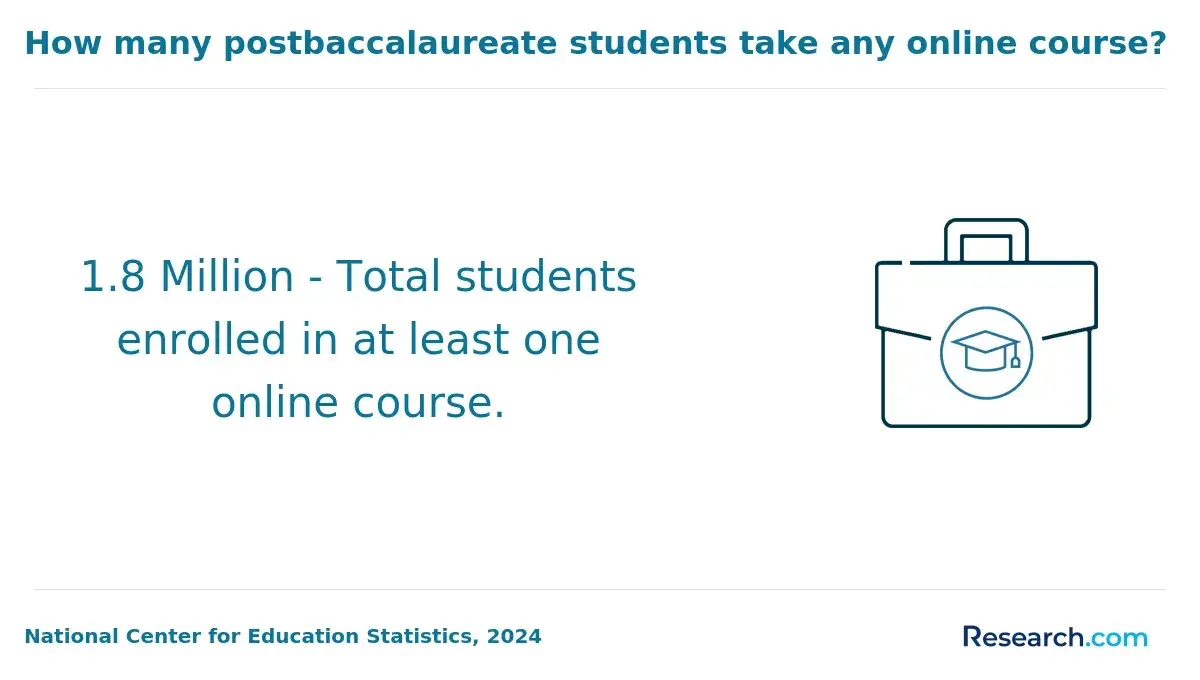
- Enrollment Status and Credit Load: Full-time enrollment accelerates progression through quicker credit accumulation, often shortening degree completion to roughly 4.5 years for bachelor's students at comparable levels, compared to 6.8 years for part-time students, according to the National Student Clearinghouse Research Center. Part-time students frequently balance work or personal commitments that limit course load, elongating timelines especially within structured professional fields like Regulatory Science & Affairs where core courses build sequentially.
- Program Format Flexibility: Online or hybrid programs provide scheduling adaptability that supports working adults or transfer students managing multiple responsibilities. However, this flexibility enables variable pacing, which many students leverage by taking lighter terms to accommodate job demands or personal life, thereby delaying graduation. Institutional course sequencing and availability also influence whether this flexibility translates to acceleration or extended completion.
- Transfer Credits and Prior Education: Students entering with substantial transferable credits from accredited institutions often accelerate their degree progress by fulfilling prerequisites early and focusing on advanced courses. Conversely, those with fewer transfer credits face mandatory foundational coursework that extends program length. Effective articulation agreements and institutional policies around credit transfer can markedly affect these timelines.
- Employment Commitments: Many Regulatory Science & Affairs students are full-time employees, and industry expectations significantly constrain the hours available for study. Data from the Council of Graduate Schools highlights that 62% of master's students in professional programs work full-time, correlating strongly with longer time to degree. Balancing career responsibilities with coursework often requires reducing term loads, pushing out graduation dates.
- Institutional Support and Advising: Degree completion is expedited in programs offering clear, structured academic pathways, robust advising, and flexible course sequences designed to minimize bottlenecks. Absence of timely guidance or limited course offerings in critical terms can stall progress, forcing students to pause or repeat coursework, thereby extending time to degree. Institutional responsiveness to working students' needs directly impacts graduation speed.
The variation in graduation timelines also intertwines with life circumstances, motivation, and financial resources, which collectively inform how students allocate their workload and engage with academic requirements. Those planning regulatory science & affairs master's degree completion must weigh these realities carefully to set pragmatic expectations that align with employer demands and program structures. For individuals considering a criminology degree online, similar influences on pacing and program flexibility come into play, highlighting the broader impact of enrollment strategies and institutional frameworks on graduation speed.
How Does Full-Time Versus Part-Time Enrollment Affect Graduation Timelines?
Full-time students in Regulatory Science & Affairs programs typically complete their degrees significantly faster than part-time students, a trend confirmed by recent data from the National Center for Education Statistics and 2024 educational analyses. Full-time enrollment, which usually involves taking 12 to 18 credit hours per semester, enables students to accumulate required credits within two to three years for master's degrees or four to five years for bachelor's degrees. In contrast, part-time students often require one and a half to two times longer due to reduced course loads, with many taking five or more years to graduate. This disparity underscores how enrollment intensity directly shapes academic pacing and time-to-degree completion in this specialized field.
The variation in graduation timelines also reflects several interrelated structural and personal factors. Full-time students benefit from more cohesive course sequencing and greater access to prerequisite classes, often resulting in uninterrupted progress. Part-time learners, balancing work, family, or other responsibilities, must navigate limited course offerings and potential curriculum changes, which can delay progression. Additionally, program delivery formats-whether in-person, hybrid, or online-interact with a student's availability, complicating scheduling. These institutional and life circumstances collectively influence credit accumulation velocity and extend part-time students' enrollment periods beyond the conventional timeframe.
The decision between full-time and part-time enrollment also carries important implications for financial planning and workforce entry speed. While spreading tuition payments over several years might ease immediate financial burden for part-time students, extended completion time can increase cumulative indirect costs such as foregone salary increases or professional advancement. Conversely, full-time students face greater short-term academic intensity but benefit from quicker degree attainment, enabling earlier eligibility for regulatory roles in healthcare or pharmaceutical industries. Employers often factor in enrollment status and degree timeline when evaluating candidates, linking pacing choices directly to long-term career trajectories in Regulatory Science & Affairs.
Do Online Regulatory Science & Affairs Students Graduate Faster Than Campus-Based Students?
Students enrolled in online regulatory science & affairs programs often face the expectation of graduating more quickly than their campus-based peers, yet this outcome varies significantly by individual and program structure. Data from the National Center for Education Statistics in 2024 shows online learners complete their degree in an average of 3.2 years compared to 3.7 years for those studying on campus, reflecting a modest but meaningful difference. This trend, however, is influenced by multiple factors beyond delivery mode alone, including the learner's ability to manage self-directed study and the institution's curriculum pacing. The perceived speed advantage of online education should be weighed against personal circumstances and academic discipline, as not all students harness the flexibility to accelerate their timelines effectively.
Core drivers behind graduation speed discrepancies include the greater scheduling latitude and self-paced progression that online programs typically offer. Many online regulatory science & affairs courses use condensed modules and support year-round enrollment, reducing the usual downtime between terms. By contrast, campus-based students often experience fixed class schedules and integrate in-person internships or extracurricular activities, which can extend degree completion but provide valuable hands-on experience. Part-time enrollment, often more manageable online, also factors heavily into pacing, as does the student's balancing act between coursework, employment, and other responsibilities. These dynamics create nuanced decision points where individual motivation and available institutional resources strongly shape the end timeline.
The choice between online and campus formats further influences how students cultivate academic discipline and manage time demands critical to program completion. While online learners might enter the workforce sooner due to faster program completion, the absence of structured, face-to-face interaction can challenge sustained engagement for some. Conversely, the campus route's longer timeline might afford deeper networking and experiential learning opportunities that facilitate career entry with broader practical knowledge. Understanding these tradeoffs helps students align their education path with not only graduation speed but also the quality and applicability of their regulatory science & affairs training.
One graduate recounted their admissions experience marked by uncertainty amid rolling application deadlines. Initially hesitant to apply early due to incomplete prerequisite documentation, they weighed the risk of delaying enrollment against the challenge of accelerating course completion later. The flexibility of the online program ultimately allowed them to submit materials later in the cycle, capitalizing on off-term start dates and self-paced modules. This personal decision-making process underscored how strategic timing and institutional flexibility directly impact the speed and smoothness of progressing through a regulatory science & affairs degree.
How Many Months or Years Can Transfer Credits Save?
The amount of time saved through transfer credits in completing a Regulatory Science & Affairs degree can vary significantly based on how well previous coursework aligns with the new program's requirements. Studies show that students entering with 30 to 60 transferable semester credits-approximately one to two years of prior study-often reduce their degree completion time by roughly 25% to 50%. However, this range translates into saving anywhere from several months to over a year, and in some cases less, because of the complexities inherent in regulatory science programs that combine core science classes with specialized regulatory training. Transfer credit impact on regulatory science & affairs degree completion time thus depends heavily on both credit volume and the specificity of course equivalencies accepted by the institution.
Key factors influencing these time savings include accreditation compatibility between institutions, strict program residency requirements, and institutional policies governing the maximum allowable transfer credits. Many regulatory science & affairs programs require that core courses be completed within the awarding institution, limiting credit substitution. Additionally, course equivalency evaluations often exclude transfer credits that don't match exact curricular outcomes, reducing their practical value toward degree progression. The average months saved with transfer credits in regulatory science & affairs programs can therefore fall short of expectations, especially if policies cap transferable credits or demand in-person, sequential coursework that restricts accelerated pathways.
For students balancing professional and personal commitments, transfer credits often serve more to ease academic workload intensity than to drastically shorten calendar timeframes. This can influence degree affordability by allowing a more manageable semester load while maintaining steady progress. Transfer credits also affect academic planning by requiring careful sequencing to meet regulatory affairs credentialing standards and employer expectations that prioritize not just credential completion but relevant experience. These real-world considerations align with broader trends in healthcare and regulatory fields, similar to those observed in areas like operations management MBA programs, where flexible credit application plays a critical role in student advancement.
Do Accelerated Regulatory Science & Affairs Programs Significantly Reduce Completion Time?
Accelerated regulatory science & affairs programs aim to condense the traditional graduate timeline by intensifying course delivery and shortening semester durations. These programs restructure curriculum pacing to accommodate a heavier credit load within less time, theoretically cutting total completion time by up to 30%. However, the underlying design often maintains core curricular elements and experiential requirements, such as internships and capstone projects, which may not adjust in length or scheduling. The intent is to offer a pathway that prioritizes efficiency but still meets academic standards and competency benchmarks expected by the field.
The true time savings in accelerated formats depend heavily on factors like course sequencing flexibility, student capacity to handle an increased credit load per term, and how prerequisites and foundational requirements are managed. Programs that compress class schedules without altering inflexible elements can reduce calendar time nominally but often require rigorous workload management and greater time commitment from students. Internships or practical components frequently operate on fixed timelines, limiting acceleration potential. Additionally, transfer students with prior credits may experience diminished time reductions if they have already bypassed early coursework. Institutional policy, student external obligations, and program structure collectively influence whether the accelerated label translates into meaningful timeline compression.
These compressed programs introduce trade-offs in workload intensity and scheduling flexibility that can impact both student well-being and academic depth. While full-time learners with fewer external commitments might complete degrees more predictably within accelerated periods, working professionals juggling jobs, family, and study often face heightened stress and risk of extended duration due to the program's demands. Employer perceptions also play a role, as some view accelerated completion with skepticism regarding mastery and preparedness, which can affect post-graduate opportunities. Prospective students must therefore weigh how intensity and structural limits shape their individual experiences rather than assuming a straightforward shortcut to graduation.
One graduate recalled applying during rolling admissions and initially hesitating to commit because the expedited schedule felt daunting without full clarity on start dates and course load expectations. The uncertainty around pacing led them to delay enrollment by a semester, which ironically extended their overall timeline. Only after directly consulting advisors about credit transfer and internship timing did they feel comfortable proceeding, recognizing that accelerated completion required not just faster coursework but also strategic planning to navigate institutional and practical constraints.
Which Regulatory Science & Affairs Program Requirements Most Often Extend Graduation Timelines?
Graduation timelines in Regulatory Science & Affairs degree programs often exceed nominal credit requirements due to embedded curricular components designed to ensure applied expertise and professional readiness. These requirements, while essential for developing regulatory competence, create structurally fixed pacing that limits acceleration. The interaction of experiential elements, comprehensive assessments, and specialized coursework with institutional scheduling policies frequently leads to extended enrollment periods beyond traditional program duration.
- Capstone Projects: These comprehensive, research-intensive projects require significant time for data gathering, analysis, and often industry interaction. Programs purposefully structure capstones as culminating experiences, meaning students cannot complete them in parallel with other requirements, effectively elongating total completion time.
- Internships or Practicum Requirements: Hands-on placements are critical for meeting employer preferences in real-world regulatory settings, yet their variable length and availability can disrupt standard academic terms. Scheduling challenges and limited site options commonly postpone internship start dates, causing delays in subsequent academic milestones.
- Comprehensive Exams or Qualifying Assessments: High-stakes exams, scheduled at fixed points in academic calendars, create bottlenecks. Students who must retake these assessments face unavoidable setbacks, delaying progression to thesis work or final project phases, a notable cause of extended degree timelines.
- Specialized Regulatory Writing or Technical Courses: Advanced coursework targeting regulatory documentation and statistical methods demands mastery and often includes sequential prerequisites. For working students or transfer students subject to credit evaluation, these courses can extend timelines due to limited offerings and rigid scheduling.
- Sequential Course Dependencies: Many Regulatory Science & Affairs curricula enforce prerequisite chains that restrict the ability to take multiple advanced courses simultaneously. This structural sequencing enforces a minimum pace that may not align with student availability or prior preparation, extending the overall program length.
Data from the U.S. Bureau of Labor Statistics and recognized industry workforce studies in 2024 indicate roughly one in four students experience graduation delays mainly tied to internship logistics and exam retakes. Recognizing these structural factors enables prospective students and planners to better anticipate and manage the tradeoffs between depth of training and program duration in regulatory science education.
Does Taking Longer to Graduate Increase the Cost of a Regulatory Science & Affairs Degree?
Extending the time to complete a Regulatory Science & Affairs degree often leads to increased total tuition and associated expenses, especially when programs charge fees per semester or term. Students who take longer may exhaust initial financial aid packages tied to standard program durations, requiring additional out-of-pocket payments for extra credits or repeated courses. Beyond tuition, ongoing access fees for technology, labs, or specialized materials contribute to rising costs over extended periods. This interplay between credit requirements, enrollment status, and institutional pricing can complicate budgeting, amplifying the financial consequences of delayed graduation in Regulatory Science & Affairs programs. Additionally, salary differentials reported by the U.S. Bureau of Labor Statistics indicate that postponing entry into regulatory or compliance roles reduces potential cumulative earnings during these extended academic periods.
However, higher costs are not an automatic outcome in every case. Programs with flat-rate tuition models or those permitting part-time enrollment often allow students more flexibility without proportional tuition increases, mitigating the impact of extended timelines. Employer tuition assistance and policies accommodating nontraditional pacing can further soften financial burdens if carefully leveraged. Enrollment decisions-such as adjusting course loads or sequencing specialized coursework-also shape total expenditures indirectly, as slower progress may delay completion but avoid expensive full-time fees. For students weighing long-term commitments in Regulatory Science & Affairs, understanding these complex cost structures and institutional policies is essential. Those exploring options might consult resources like the cheapest online master's mechanical engineering guides for insights into cost-effective pathways in comparable technical fields while considering the cost impact of extended Regulatory Science & Affairs degree completion.
Does Graduating Faster Improve Career Prospects?
Graduating faster from a Regulatory Science & Affairs degree program can enable earlier entry into the workforce, potentially shortening the initial job search period and signaling strong motivation and time management skills. However, employers generally do not evaluate accelerated graduation timelines in isolation. Instead, they focus on demonstrated competency, relevant experience, and professional certifications when assessing candidates, which means the impact of quicker degree completion on hiring competitiveness is often limited without these additional factors. For students considering the impact of faster graduation on regulatory science & affairs careers, timing alone rarely outweighs substantive qualifications.
Whether faster degree completion translates into improved career benefits depends heavily on factors such as internship involvement, the strength of one's portfolio, mastery of regulatory skills, and professional networking opportunities. Employers in Regulatory Science & Affairs prioritize candidates with practical exposure and a well-rounded skill set, as a 2024 survey by the Regulatory Affairs Professionals Society found that industry experience carries more weight than the duration taken to finish a degree. Accelerated programs may reduce the time available for these valuable experiences, which can be a disadvantage in meeting employer expectations and aligning with industry demand.
Trade-offs between speed and experiential depth should be carefully considered in regulatory science & affairs careers. Graduating "on time" with robust practical experience and credentials may offer better long-term employability than prioritizing early completion alone. For working adults and transfer students weighing their options, balancing thorough skill development against expedited graduation timelines is critical. Prospective students might also explore pathways like online EdD programs without dissertation for flexibility without compromising experiential learning quality.
Which Scheduling Mistakes Commonly Delay Graduation?
Graduation delays in regulatory science & affairs degree programs are frequently caused not by academic rigor but by avoidable scheduling and planning errors during enrollment and course selection. These issues affect students across all program levels and learning formats, disrupting the logical progression of their studies. By recognizing how institutional credit requirements, sequencing policies, and course availability interact with individual scheduling choices, students can better maintain consistent academic progress and minimize extended time to degree completion.
- Inconsistent Prerequisite Sequencing: Taking advanced courses before completing required foundational classes often triggers enrollment blocks. This misalignment interrupts semester progress and forces students to delay key coursework, especially problematic given the tiered structure of regulatory science & affairs curricula.
- Miscalculated Credit Loads: Both underloading and overloading credits per term contribute to delays. Underloading extends program duration unnecessarily, while overloading increases burnout risk and failure rates, sometimes causing course repeats that add semesters.
- Poor Transfer Credit Alignment: Transfer students often face non-equivalent credits that fail to satisfy degree requirements. Without precise advising, these gaps lead to redundant classes and prolonged enrollment periods.
- Ignoring Course Availability Cycles: Specialty electives and capstone projects frequently rotate every other term or year. Failing to anticipate this scheduling can postpone essential experiences, creating bottlenecks late in the program.
- Delayed Capstone Enrollment: Postponing experiential learning or final projects until late semesters compresses timelines and can cause overload or missed graduation deadlines when combined with other delays.
According to a 2024 national study by the National Center for Education Statistics, nearly 35% of part-time students in professional science fields experience graduation delays of more than two years compared to full-time peers, underscoring how external time management decisions interact with academic policies to affect completion timelines.
Other Things You Should Know About Regulatory Science & Affairs
The 2027 report highlights that employer expectations can pressure students to complete degrees faster. However, some students take longer to enhance skills and meet rigorous job market demands, making the actual completion time vary significantly.
Balancing course rigor with personal and professional obligations is critical; programs with flexible scheduling but heavy, accelerated coursework often lead to burnout or extended timelines due to failed or retaken courses. Prioritizing a program with moderate, steady pacing can improve completion certainty despite a longer nominal timeline. Students should assess their ability to manage workload intensity rather than just calendar duration to avoid delays caused by academic overload.
Extending study time can allow students to deepen specialization, engage in additional certifications, or gain work experience relevant to regulatory science & affairs, potentially enhancing career prospects. However, delaying graduation risks content becoming outdated in a rapidly evolving regulatory landscape and may increase financial pressures. A measured extension is advisable only when it contributes directly to enhanced expertise or marketability, rather than simply due to scheduling convenience.
Transfer students face uncertainty due to uneven credit acceptance and alignment with regulatory science & affairs core competencies. They should prioritize early academic advising focused on equivalency evaluation to minimize unexpected coursework. Overestimating transfer credit applicability can significantly extend completion time, so realistic planning with contingency for extra required courses is essential to avoid prolonged enrollment and increased costs.