2027 Regulatory Science & Affairs Career Outcomes by Degree Level Report: Pay, Employment, and Advancement Patterns

Co-Founder and Chief Data Scientist
Choosing the right degree level in regulatory science & affairs can mean the difference between stagnating in entry-level roles and accessing strategic positions that shape industry compliance and innovation. Recent 2024 data reveals a 15% higher promotion rate for professionals holding advanced degrees compared to those with only a bachelor's, highlighting distinct mobility advantages tied directly to educational attainment.
This pattern signals crucial tradeoffs for working adults balancing time and financial investment against career impact. Understanding how pay, employment, and advancement vary by degree level is critical for making an informed decision that aligns with career goals. This article analyzes these outcomes, guiding learners in evaluating degree-level returns in regulatory science & affairs.
Key Things to Know About Regulatory Science & Affairs Career Outcomes by Degree Level
- Associate degree holders face limited advancement in regulatory science & affairs, as 2024 labor data shows employers prefer at least a bachelor's for mid-level roles, highlighting a credential-access tradeoff.
- Master's degree graduates demonstrate faster entry into supervisory positions, reflecting employer emphasis on specialized expertise but with mixed returns when balanced against extended time and cost investments.
- Certificate programs improve immediate job-market access for working adults but often lack upward mobility, indicating that short-term credential gains may not offset the long-term value of advanced degrees.
- Key Things to Know About Regulatory Science & Affairs Career Outcomes by Degree Level Key Things to Know About Regulatory Science & Affairs Career Outcomes by Degree Level
- What Career Outcomes Can Students Expect From Each Regulatory Science & Affairs Degree Level? Career Outcomes by Degree
- How Much Do Regulatory Science & Affairs Graduates Earn by Degree Level? Salary by Degree Level
- Which Regulatory Science & Affairs Degree Level Offers the Strongest Employment Prospects? Best Degrees for Employment
- What Entry-Level Jobs Can You Get With a Regulatory Science & Affairs Degree? Entry-Level Career Opportunities
- How Do Regulatory Science & Affairs Degree Levels Affect Career Advancement and Promotion Opportunities? Career Growth by Degree
- Is a Regulatory Science & Affairs Degree Worth It Based on Salary, Employment, and ROI? Salary, ROI, and Value
- How Do Associate, Bachelor's, Master's, and Doctoral Regulatory Science & Affairs Degrees Compare? Comparing Degree Levels
- Which Industries and Employers Hire Regulatory Science & Affairs Graduates by Degree Level? Which Industries and Employers Hire Regulatory Science & Affairs Graduates by Degree Level?
- What Skills, Credentials, and Experience Improve Regulatory Science & Affairs Career Outcomes? What Skills, Credentials, and Experience Improve Regulatory Science & Affairs Career Outcomes?
- Which Regulatory Science & Affairs Degree Level Is Best for Your Career Goals? Choosing the Right Degree
What Career Outcomes Can Students Expect From Each Regulatory Science & Affairs Degree Level?
Career trajectories in regulatory science & affairs differ markedly by credential level, requiring deliberate choices about education investment and employment expectations. Associate degrees and certificates typically secure access to foundational, entry-level roles such as regulatory assistants or compliance specialists, but these credentials often face a ceiling in technical complexity and supervisory potential. For working adults or military-affiliated students balancing employment, these credentials provide quicker entry points, though many employers prefer bachelor's degrees for broader mid-level responsibilities and advancement, making transfer options and prior credit use critical for those seeking upward mobility within regulatory science & affairs.
Bachelor's degree holders often find opportunities involving regulatory documentation, data analysis, and stakeholder coordination across pharmaceutical and biotech sectors, representing a common threshold for sustained employment. According to 2024 data from the National Center for Education Statistics, about 60% of regulatory science & affairs bachelor's graduates gain employment within one year, underscoring competitive but solid access. Meanwhile, master's degrees align with roles demanding strategic knowledge and leadership readiness, such as regulatory project management or policy advising, offering advantages for those targeting specialized or supervisory positions. This tier often suits professionals aiming to leverage prior experience with flexible completion paths, as they can build on undergraduate foundations and certifications to navigate increasingly complex regulatory environments and career demands.
Doctoral credentials in regulatory science & affairs are less about traditional progression and more focused on specialized research, policy leadership, and innovation influence, with hiring dynamics favoring demonstrated expertise and scholarly contributions. These advanced qualifications best serve professionals targeting niche strategy roles or academic careers, where broader employment access is secondary to subject-matter authority. Prospective students balancing career aspirations with time investment must weigh these differences carefully; options like the most affordable online MBA and transfer opportunities can mediate costs and time risks while aligning with employer credential expectations. Such strategic planning is essential for navigating employment and advancement trends for regulatory science & affairs graduates across all levels.
How Much Do Regulatory Science & Affairs Graduates Earn by Degree Level?
Pay for regulatory science & affairs graduates varies considerably with degree level, but the decision to pursue advanced credentials involves more than higher median salaries. Entry-level roles accessible with certificates or associate degrees typically offer salaries between $45,000 and $60,000 and focus on technical or specialist tasks; however, these positions often have limited growth potential without additional qualifications. Bachelor's degrees unlock analyst roles with $65,000 to $75,000 starting pay, reflecting broader responsibilities like compliance management and cross-team collaboration, yet regional demand and industry sector-pharmaceuticals versus medical devices, for example-strongly influence compensation. While master's graduates generally command $85,000 to $100,000 incomes and access leadership or expert-level positions, the longer time and cost to complete these degrees create a tradeoff especially relevant for working adults balancing immediate earnings versus future advancement.
Doctoral and professional degrees, with salaries frequently above $110,000, remain niche and often tied to specialized consulting, research, or policy roles, where market saturation and employer preferences may constrain job options despite the credential's prestige. Employment stability also improves with higher degrees, as advanced knowledge correlates with resilience during regulatory shifts and sector volatility. A 2024 U.S. Bureau of Labor Statistics report highlights that graduate-level credential holders in this field experience fewer unemployment spells, underlining education's role beyond raw pay. Prospective students should consider how transfer credits, certification pathways, and realistic completion timelines affect total investment in their education compared to achievable salary increases in their location and chosen subfield. Master's credentials, for instance, frequently accelerate access to senior roles, but some bachelor's degree holders with substantial regulatory experience and certifications may obtain similar pay gains, emphasizing flexible career planning rather than a fixed degree ladder.
One regulatory science & affairs graduate described hesitation after comparing local job listings with published salary data. Initially inclined toward a master's program, this individual noted many employers prioritized hands-on experience and professional certifications alongside a bachelor's degree for mid-level analyst roles. The extra two years and costs of graduate study seemed harder to justify when advancement criteria varied by employer, especially in their region with fewer top-tier regulatory firms. This realization shifted their focus to gaining targeted certifications and relevant work experience before investing in further degrees, reflecting a careful weighting of pay prospects, job market realities, and personal financial constraints rather than a straightforward race for higher credentials.
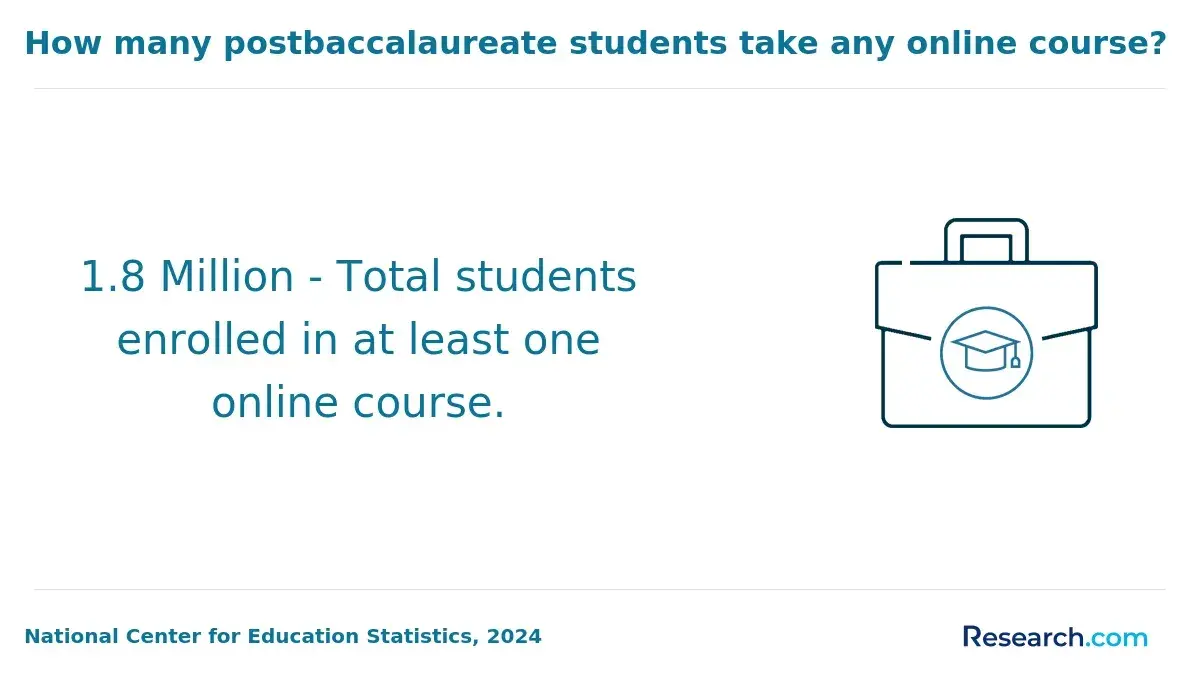
Which Regulatory Science & Affairs Degree Level Offers the Strongest Employment Prospects?
Holding at least a bachelor's degree in regulatory science & affairs significantly improves employment access, as most regulatory roles demand a four-year credential due to the field's technical and compliance complexities. For example, about 78% of job postings in 2024 specify a bachelor's or higher requirement, reflecting a credential inflation trend that limits entry for associate or certificate holders. While associate degrees and certificates may allow faster entry into support-level positions, these credentials often confine individuals to narrower roles with limited upward mobility, especially in industries like pharmaceuticals and medical devices where regulatory oversight is rigorous.
Master's degree holders typically experience greater job security and higher starting salaries - often 15%-25% above bachelor's degree counterparts - driven by their ability to specialize in areas such as clinical trials or regulatory policy. This advanced expertise aligns with leadership tracks and nuanced regulatory functions that demand a deeper understanding of policy interpretation and compliance strategy. Conversely, doctoral or professional degrees, such as PharmD or JD with regulatory focus, unlock senior consultative and strategic opportunities but require considerable time and financial investment, making them more suitable for mid-career advancement rather than initial employment.
Practical decision-making for prospective students or working professionals involves weighing the tradeoff between quicker workforce entry via lower credentials and investing in higher degrees to access specialized or leadership roles. Employer expectations and industry regulations often mean that individuals without at least a bachelor's degree face barriers to full participation in core regulatory activities. Moreover, gaining internships or fieldwork experience during graduate studies enhances employability more than standalone credentials. This context underscores the importance of aligning educational choices with long-term career goals rather than immediate employment alone.
What Entry-Level Jobs Can You Get With a Regulatory Science & Affairs Degree?
Entry-level positions accessible with a regulatory science and affairs bachelor's degree generally reflect employer expectations for solid regulatory knowledge and practical skills from the outset. Many early roles, such as regulatory affairs associate or compliance specialist, balance foundational technical understanding with duties like documentation coordination and submission preparation. Graduates without relevant internships or certifications may face limited opportunities or positions focused narrowly on compliance rather than strategy. According to the U.S. Bureau of Labor Statistics (2024), most entry-level regulatory roles require at least a bachelor's degree due to the complexity of tasks and regulatory frameworks-associates often find themselves restricted to basic compliance functions with less upward mobility, highlighting a critical tradeoff for students weighing degree investment against occupational stability.
Master's degree holders can often leverage deeper analytical and strategic responsibilities early in their careers through positions such as regulatory affairs specialist or clinical trial coordinator, which typically involve greater interaction with regulatory bodies and independent decision-making. Prior internship experience and certifications like the Regulatory Affairs Certification (RAC) significantly enhance employability and long-term growth prospects across all degree levels. The field also favors transferable skills, including project management and technical writing, which can differentiate candidates amid increasing demand across healthcare systems.
For current or prospective students evaluating options, recognizing entry-level job distinctions in relation to employment stability and skill development is crucial, especially when considering graduate studies or remote work trends. For those exploring flexible learning paths, reviewing programs such as accounting online may offer insights on balancing education with professional goals.
How Do Regulatory Science & Affairs Degree Levels Affect Career Advancement and Promotion Opportunities?
Holding a graduate degree in regulatory science & affairs substantially alters the trajectory and timing of career advancement compared to relying solely on a bachelor's credential. Employers increasingly prioritize master's or doctoral qualifications for leadership and supervisory positions, reflecting a demand for deeper regulatory expertise and strategic decision-making skills. According to a 2024 report from the National Center for Education Statistics, professionals with advanced degrees tend to assume management roles sooner, while bachelor's degree holders may face slower progression and restricted access to high-level responsibilities without further education or certifications. This distinction often represents a critical tradeoff for working adults or transfer students weighing the time and financial investments of graduate study against the practical benefits of accelerated promotion and expanded role eligibility within regulatory environments.
The emphasis on advanced credentials also aligns with prevailing employer screening practices and internal promotion criteria, where mid- to senior-level openings frequently specify master's degrees or recognized professional certifications as prerequisites. For those with prior work experience, integrated graduate programs offering credit transfer and applied learning can shorten the transition to leadership readiness, enhancing both employability and competitive positioning. Yet, for adult learners balancing career and study, this pathway involves careful consideration of opportunity costs, since not all regulatory roles-especially entry-level or technical positions-mandate post-bachelor qualifications. The evolving regulatory landscape makes continuous education and credential maintenance a strategic necessity rather than a mere formality.
One recent graduate shared how she deliberated whether pursuing a master's after accumulating significant work experience in regulatory affairs would truly open doors to project leadership and increase job security. Initially hesitant due to workload and family commitments, she found that the master's credential made internal promotion discussions more substantive and provided the confidence needed to champion complex compliance initiatives. This experience underscored how degree level influences not just eligibility but also perceived professional credibility in nuanced ways that extend beyond formal job titles.
Is a Regulatory Science & Affairs Degree Worth It Based on Salary, Employment, and ROI?
The decision to pursue a regulatory science & affairs degree hinges tightly on the interplay between degree level, local job market dynamics, and personal career trajectory. Bachelor's degree holders face slower wage growth and may need supplemental certifications or relevant work experience to remain competitive, especially in regions where regulatory roles are limited. Conversely, those with a master's degree typically command higher starting salaries and faster promotion opportunities, but the increased educational cost and debt require careful consideration of time-to-completion and potential salary gains. This is particularly relevant for working adults or transfer students balancing employment with education, where flexible program formats may reduce opportunity costs but slow salary advancement.
Employment projections for regulatory science & affairs roles remain favorable in life sciences hubs, reflecting a 7% job growth expectation, slightly above average for most occupations. However, ROI varies significantly by geographic region and credential attainment, including the value of professional certifications like Regulatory Affairs Certification (RAC). Students weighing these programs should factor in the total cost of attendance and the likelihood of employer recognition of transfer credits and certifications. Workforce entrants targeting leadership roles or specialized functions usually benefit most from advanced degrees, while entry-level workers may find adequate value in a bachelor's paired with certification, a dynamic mirrored in the broader landscape of regulatory science & affairs salary by degree level.
For those considering an alternative path, linkages to other fields can also influence cost-benefit analysis, as seen in comparisons with other professional programs-prospective students sometimes explore options such as an online PsyD program to diversify or complement their expertise. Ultimately, regulatory science & affairs career outcomes depend on aligning education with realistic employment access, credential expectations, and manageable debt, emphasizing a tailored approach to degree investment rather than a singular assumption of inherent worth.
How Do Associate, Bachelor's, Master's, and Doctoral Regulatory Science & Affairs Degrees Compare?
Choosing a degree level in regulatory science & affairs has meaningful implications for employment access, role scope, and career trajectory. An associate degree often leads to technician or support positions with reasonable job stability but limited upward mobility and leadership potential, partly due to constrained credit transfer options for further education. By contrast, a bachelor's degree broadens occupational eligibility, frequently serving as the minimum credential for regulatory specialist roles and offering a practical balance of scientific grounding and regulatory knowledge. Data from the National Center for Education Statistics (2024) shows bachelor's graduates in related fields experience about 15% higher employment rates than those holding associate degrees, reflecting both employer preferences and stronger pathways to certification or mid-level positions.
Master's degrees increasingly align with leadership roles and specialized niches, such as biotechnology regulation or policy development, where graduate credentials are often required or strongly preferred. However, the extended time commitment and higher debt must be weighed against the incremental career benefits, as many industry roles plateau professionally at or before the master's level.
Meanwhile, doctoral programs suit those targeting research, regulatory innovation, or senior academic and agency leadership, though these credentials involve greater opportunity costs and limited job openings, with employment typically reliant on demonstrated expertise beyond the degree itself. Throughout these levels, relevant certifications like RAC consistently signal professional competence and can influence hiring alongside formal education, underscoring the importance of aligning academic choices with specific career goals and market demands rather than credential accumulation alone.
Which Industries and Employers Hire Regulatory Science & Affairs Graduates by Degree Level?
Employers hiring regulatory science & affairs graduates distinctly segment opportunities by degree level, reflecting calibrated expectations of technical skill and leadership capacity. Associate degree and certificate holders typically gain footholds in operational roles like compliance coordination within CROs and smaller biotech firms where hands-on process management and document control dominate. For example, a graduate with an associate degree might enter a contract research organization focused on quality assurance but face advancement ceilings without further specialization or experience, as these roles prioritize procedural reliability over strategic input.
Bachelor's degree holders access broader hiring pools spanning mid-to-large pharmaceutical companies, public health agencies, and medical device firms, where responsibilities extend to regulatory submissions and lifecycle management. However, these positions often serve as entry points to more senior roles requiring nuanced regulatory strategy or cross-functional leadership, which frequently demand graduate training. Master's graduates find themselves positioned for these advanced responsibilities, commonly recruited by major pharma corporations, federal agencies like the FDA, and global regulatory bodies, where expertise in clinical trial regulations and policy interpretation is essential. According to recent data from the U.S. Bureau of Labor Statistics, employers increasingly prefer master's-level credentials for mid- to senior-level regulatory roles due to the analytical rigor and leadership development such programs support.
Doctoral candidates predominantly engage in research, advanced policy development, or academic leadership, with hiring concentrated in government research entities, regulatory think tanks, or universities. This trajectory reflects a tradeoff between pursuing specialized, innovation-driven work and foregoing more immediate operational roles. Consequently, prospective students should weigh the value of advanced credentials against their career goals, recognizing that tenure in regulatory science & affairs demands both credentialing and practical project experience, particularly given the sector's sensitivity to evolving compliance standards and global regulatory environments.
What Skills, Credentials, and Experience Improve Regulatory Science & Affairs Career Outcomes?
Employers in Regulatory Science & Affairs increasingly expect a blend of domain-specific technical skills and applied experience, with certifications playing a pivotal role in distinguishing candidates. For example, a professional holding the Regulatory Affairs Professionals Society (RAPS) Certified Regulatory Affairs Professional (RAC) credential often gains faster access to mid-level positions than peers relying solely on advanced degrees. This dynamic reflects hiring managers' preference for competency demonstrated through both targeted credentialing and tangible work experience such as internships, which also develop essential communication and project management abilities. Decision-makers weigh these elements heavily, meaning that early leadership opportunities and relevant industry exposure can accelerate promotion readiness more effectively than additional academic qualifications alone.
Regulatory science & affairs professional certification requirements increasingly guide career mobility, especially in a landscape where full licensure paths are rare. Candidates with applied portfolios showing compliance projects or regulatory submissions frequently achieve better transferability, especially when aligning prior experience in pharmaceuticals or healthcare regulation with certifications. For working adults and military-affiliated students balancing credentials with practical demands, stacking certifications alongside experiential learning often yields greater employment prospects than pursuing graduate degrees in isolation. This tradeoff highlights why some professionals prioritize recognized certifications over academic credentials; meanwhile, those pursuing a doctorate without dissertation must carefully evaluate the real-world advantages relative to certification-driven advancement.
Advanced degree skills for Regulatory Science & Affairs careers provide depth but do not guarantee faster advancement without complementary skills and experiential evidence. The contemporary employer values strong analytical abilities fused with soft skills such as cross-functional collaboration, developed through internships or real-world leadership roles. For transfer students and degree completers, integrating these elements while leveraging prior credits and relevant credentials tends to offer the clearest pathway to sustained career flexibility and growth in this specialized sector.
Which Regulatory Science & Affairs Degree Level Is Best for Your Career Goals?
Choosing the appropriate degree level for regulatory science & affairs should hinge on your targeted roles and practical workforce realities rather than defaulting to the highest credential available. Bachelor's degrees typically provide the essential foundation for entry-level roles encompassing regulatory compliance and documentation, with employment rates around 78% within one year according to the U.S. Department of Education's College Scorecard (2024). However, for those eyeing specialized regulatory strategy or management positions, a master's degree often becomes necessary, reflecting employer demand for deeper expertise and the ability to handle complex, interdisciplinary projects. This level also better aligns with professional certification requirements, which can be critical for upward mobility and niche specialization within the field.
Doctoral degrees, while valuable for high-level consultancy, academia, or research-intensive pathways, involve longer completion times and typically slower initial employment returns, as indicated by labor statistics. Professionals balancing work and education should weigh transfer credit policies and program flexibility carefully, as many master's paths offer accelerated or part-time options tailored for adult learners. For those contemplating post-bachelor credentials, understanding how degree level influences licensure acceptability and role eligibility is essential to avoid unnecessary opportunity costs, particularly since some employers may favor practical experience combined with targeted certificates. Exploring complementary qualifications such as recognized online cyber security courses can also enhance regulatory science & affairs career advancement prospects by diversifying skill sets relevant to evolving regulatory environments.
References
- How to Become a Regulatory Affairs Specialist - Education & Certification https://www.mhaonline.com/faq/how-do-i-become-a-regulatory-affairs-specialist
- Regulatory Affairs Jobs at Parexel https://jobs.parexel.com/en/Regulatory-Affairs
- Upcoming events https://www.topra.org/TOPRA/TOPRA_Member/Careers/Info_Pack/4Job_Hunting_Regulatory_Affairs.aspx
- Entry level regulatory affairs work experience and course https://www.entrytoregulatory.com/how-to-get-a-job-in-regulatory-affairs
- How to get a job in regulatory affairs | Proclinical Recruitment Blogs https://www.proclinical.com/blogs/2021-2/how-to-get-a-job-in-regulatory-affairs
- Regulatory Affairs Career Path in Life Sciences https://pathologylabtraining.co.uk/biomedical-sciences/regulatory-affairs
- Guide: How to progress your Regulatory Affairs career - Carrot Recruitment https://www.carrotrecruitment.com/guide/how-to-progress-your-regulatory-affairs-career/
- Regulatory affairs https://www.abpi.org.uk/careers/working-in-the-industry/research-and-development/regulatory-affairs/
Other Things You Should Know About Regulatory Science & Affairs
Longer degree programs, especially at the doctoral level, often demand a deep specialization that may limit flexibility when shifting across different regulatory domains or industries. In contrast, shorter or more broadly focused master's programs typically offer a more adaptable skill set, allowing graduates to pivot between pharmaceutical, biotechnology, and medical device sectors more easily. Prospective students should weigh whether deep expertise or cross-sector adaptability aligns better with their long-term career plans, since program length and focus can directly affect their ability to transition roles later.
Degree programs differ significantly in how they integrate hands-on experience versus theoretical study. Bachelor's and some master's degrees tend to emphasize internship opportunities and real-world regulatory practice, which employers highly value for entry-level work readiness. Doctoral programs, while academically rigorous, often prioritize research and may offer limited direct regulatory practice exposure, potentially delaying workforce integration. Prioritizing programs with embedded experiential learning can accelerate employability, while academic depth may be more appropriate for those targeting policy or advanced research roles.
Advanced degrees in regulatory science & affairs commonly require significant time investment, which can conflict with full-time employment or personal obligations. Programs that offer part-time or flexible scheduling allow working professionals to upskill without jeopardizing current job stability, but may extend total completion time and delay career advancement. Candidates must realistically assess their capacity to balance coursework intensity with professional responsibilities, as overcommitting can affect academic performance and overall ROI.
Employers often expect bachelor's degree holders to possess foundational regulatory knowledge applicable in support roles, while master's graduates are presumed capable of independent project management and regulatory strategy input. Doctoral degree holders are usually anticipated to contribute thought leadership or engage in complex problem-solving and regulatory innovation. Understanding these differentiated expectations helps candidates target the right program level to avoid overqualification or underpreparedness, thus aligning education with actual job market demands.