2027 Healthcare Compliance & Regulations Transfer Credit Trends: How Schools Are Adapting for Adult Learners

Co-Founder and Chief Data Scientist
Understanding these trends reveals how schools balance academic standards with adult learners' needs. This article examines current transfer credit patterns, policy adaptations, and credit mobility practices, helping prospective students make informed decisions for efficient degree completion in healthcare compliance & regulations.
Key Things to Know About Healthcare Compliance & Regulations Transfer Credit Trends for Adult Learners
- Expanded transfer credit acceptance now includes workforce training and military experience, but inconsistent evaluation standards create potential mismatches in credit applicability, requiring students to verify alignment with program competencies before committing.
- Institutions increasingly use technology-enabled transcript reviews to streamline credit mobility; however, automated processes may overlook nuanced course relevance, impacting long-term employability when critical regulatory topics are underrepresented.
- Credit for prior learning policies reduce time and cost barriers, yet tradeoffs arise as some employers prefer traditional degrees, signaling that adult learners must balance accelerated completion with credential recognition in compliance roles.
- Key Things to Know About Healthcare Compliance & Regulations Transfer Credit Trends for Adult Learners Key Things to Know About Healthcare Compliance & Regulations Transfer Credit Trends for Adult Learners
- How Are Healthcare Compliance & Regulations Programs Changing Transfer Credit Policies for Adult Learners? Evolving Adult Transfer Policies
- Why Are More Healthcare Compliance & Regulations Schools Accepting Credit for Prior Learning and Work Experience? Prior Learning Credit Benefits
- How Do Healthcare Compliance & Regulations Colleges Evaluate and Award Transfer Credits Today? Transfer Credit Evaluation Process
- Which Alternative Credits Are Most Commonly Accepted by Healthcare Compliance & Regulations Programs? Accepted Alternative Credits
- How Are Healthcare Compliance & Regulations Schools Improving Transfer Pathways for Community College Students? Improved Community College Pathways
- How Can Transfer Credits Help Healthcare Compliance & Regulations Students Graduate Faster? Accelerating Degree Completion
- How Much Money Can Students Save Through Healthcare Compliance & Regulations Transfer Credit Opportunities? Cost Saving Through Transfers
- How Are Healthcare Compliance & Regulations Programs Supporting Military Students and Workforce Learners Through Transfer Credits? How Are Healthcare Compliance & Regulations Programs Supporting Military Students and Workforce Learners Through Transfer Credits?
- What Transfer Credit Innovations Are Shaping the Future of Healthcare Compliance & Regulations Education? What Transfer Credit Innovations Are Shaping the Future of Healthcare Compliance & Regulations Education?
- How Can Adult Learners Maximize Transfer Credits in a Healthcare Compliance & Regulations Program? Maximizing Your Transfer Credits
How Are Healthcare Compliance & Regulations Programs Changing Transfer Credit Policies for Adult Learners?
Evidence from recent research shows that nearly 68% of adult learners receive some credit for prior or non-traditional coursework in healthcare compliance & regulations, underscoring a growing trend toward flexible credit mobility. Community college articulation agreements play a vital role in this, as they help prevent credit loss and support smoother transfers, but such agreements vary widely by state and institution. Military-affiliated students benefit from expanded recognition of Joint Services Transcripts and occupational specialties, enhancing access but still encountering variability in assessment standards.
For those comparing programs, understanding these transfer credit policy innovations is crucial for making informed academic and financial decisions, particularly when weighing program costs against potential credit recognition and progression acceleration, such as those outlined in analyses of the average cost of DNP program.
Why Are More Healthcare Compliance & Regulations Schools Accepting Credit for Prior Learning and Work Experience?
Increasing acceptance of credit for prior learning and work experience in healthcare compliance & regulations programs signals a strategic shift tied to evolving workforce demands and adult education realities, rather than merely more lenient transfer policies. Institutions recognize the value of integrating military training, industry certifications, and employer-verified competencies to shorten time-to-degree and improve retention among returning professionals who already possess relevant skills. This approach addresses practical tradeoffs, such as balancing academic rigor with flexibility, since programs must ensure that experiential credits align precisely with learning outcomes to preserve program integrity while accommodating nontraditional pathways. For instance, a working professional with extensive regulatory experience can reduce redundant coursework, enabling a more efficient degree-completion strategy that also supports sustained employment.
Data from the Council for Adult and Experiential Learning in 2024 shows students receiving credit for prior learning are over twice as likely to graduate within six years, underscoring how these policies contribute to persistence and degree attainment without sacrificing standards. Still, acceptance varies widely across schools, requiring students to navigate inconsistent evaluation processes and credit limits when planning their educational pathways. By leveraging validated prior learning assessments and transparent articulation agreements, programs aim to enhance enrollment accessibility and better meet the complex scheduling and financial constraints faced by adult learners in healthcare compliance & regulations, though prospective students must remain vigilant about credit applicability and institutional accreditation nuances.
An adult learner transitioning from military healthcare operations recently encountered both promise and complexity in seeking credit recognition within a healthcare compliance & regulations program. Although their command certifications and training records reflected substantial practical knowledge, initial institutional responses were cautious, with extensive documentation requests and a prolonged review period. This learner found the process affirming yet bureaucratically challenging, noting that while acceptance of their experiential credits ultimately reduced degree requirements significantly, the administrative ambiguity delayed enrollment decisions. Their experience illustrates the growing-but still uneven-effort by schools to incorporate prior learning, highlighting the importance of proactive communication and thorough preparation for those balancing work, study, and personal obligations.
How Do Healthcare Compliance & Regulations Colleges Evaluate and Award Transfer Credits Today?
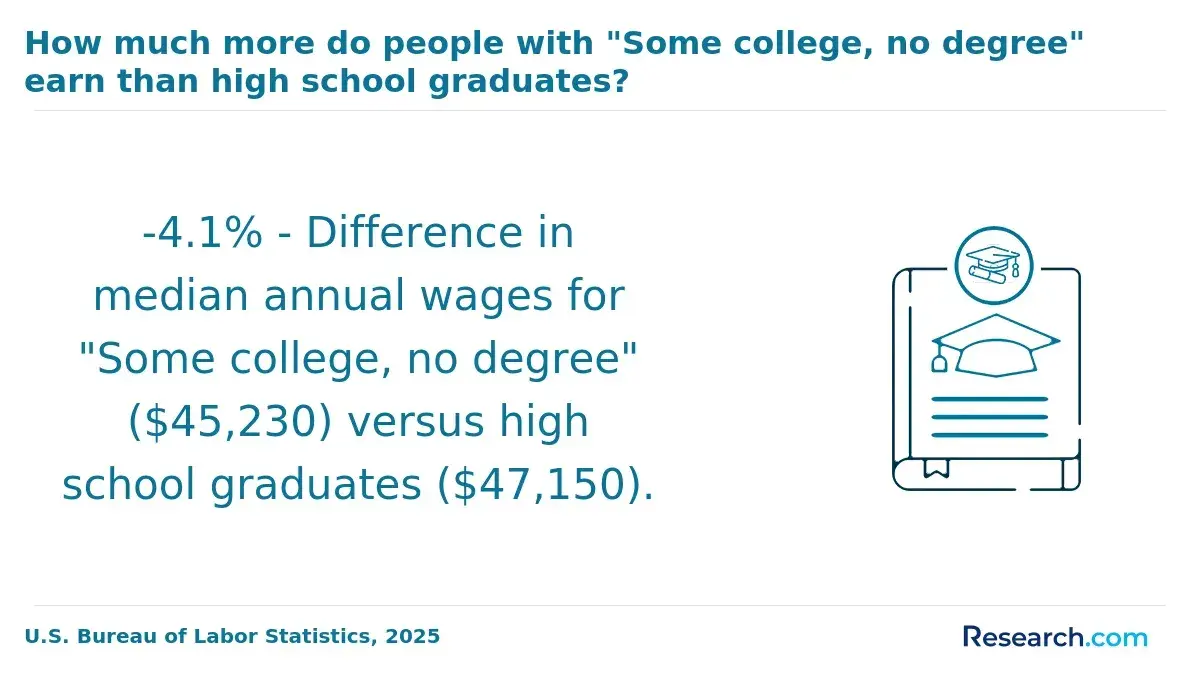
Evaluating transfer credits in healthcare compliance & regulations programs has shifted from routine paperwork to a strategic function integral to enrollment management and student success. Colleges now emphasize alignment with regional accreditation and detailed equivalency assessments, considering course rigor, outcomes, and grades to maintain program integrity. For instance, a student transferring from a community college must navigate varied institutional policies that may treat the same credits as electives rather than core requirements, impacting their time to degree and potentially increasing cost and course load. Institutions also weigh residency standards and limits on upper-division or prior learning credits, forcing adult learners to plan carefully when combining prior college courses, military training, or professional certifications into their academic trajectory.
The growing acceptance of alternative credit forms-such as prior learning assessments and military experience-reflects efforts to reduce redundancy and expedite degree completion, especially for working professionals and veterans. According to a 2024 National Center for Education Statistics report, about 65% of postsecondary institutions formally recognize some prior learning credits, yet the degree to which these credits fulfill specialized healthcare compliance & regulations competencies varies widely. Automated transcript reviews accelerate evaluations but cannot fully replace nuanced judgments needed for nontraditional credits, exposing a tradeoff between efficiency and accuracy. Ultimately, understanding each program's articulation agreements and transfer credit caps is essential for students aiming to leverage prior coursework while avoiding pitfalls like credit loss or extended enrollment that can delay entry into healthcare compliance roles.
Which Alternative Credits Are Most Commonly Accepted by Healthcare Compliance & Regulations Programs?
Acceptance of alternative credits has evolved into a strategic approach by healthcare compliance & regulations programs to enhance degree accessibility and completion rates for adult learners. Programs often evaluate credit for prior learning (CPL), military training recognized via the American Council on Education recommendations, workforce certifications, and CLEP exams, balancing these with institutional accreditation standards and residency requirements. However, decisions on transferability involve tradeoffs, as limits on upper-division credit hours and rigorous course equivalency reviews can restrict the total credits accepted, affecting cohort progression and time to degree completion.
A growing share of healthcare compliance & regulations programs accept the most accepted alternative credits in healthcare compliance programs such as competency-based assessments and select employer-sponsored learning, though these often require detailed evaluation to meet program competencies. Data from the Council for Adult and Experiential Learning's 2024 report indicates over 68% of such programs recognize CPL and military credits, underscoring the importance of experiential learning pathways for transfer students and veterans. Careful planning to navigate these transferable alternative credits for healthcare regulations degrees can yield significant savings in cost and duration but demands understanding institutional policies and flexible transfer strategies.
Adult learners should consider programs that accommodate diverse credits when aiming to reduce barriers and expedite credentialing. For practical guidance on designing flexible degree journeys, consulting resources such as the best online self paced colleges can help identify options that align with nontraditional credit acceptance and workforce demands while managing affordability and academic rigor.
How Are Healthcare Compliance & Regulations Schools Improving Transfer Pathways for Community College Students?
Improving transfer pathways has become critical for healthcare compliance & regulations programs because timely degree completion directly affects employability in a tightly regulated, fast-evolving field. Institutions increasingly use formal articulation agreements and well-defined credit equivalencies that reduce ambiguity over course acceptance and minimize credit loss, addressing a key barrier for students transitioning from community colleges. A 2024 report by the National Student Clearinghouse Research Center found that states with structured articulation frameworks achieve up to 40% higher transfer graduation rates, highlighting how clearer curricular alignment and advising boost academic momentum. However, not all credits apply uniformly-adult learners must navigate varied acceptance policies and scrutinize tradeoffs between accelerated transfer options and the need for comprehensive foundational knowledge employers expect.
Schools are also expanding the use of prior learning assessments to acknowledge relevant experience and certifications, helping non-traditional students and veterans convert real-world skills into credits. Advising tailored specifically for transfer students has become integral, guiding course selection and credit evaluation within healthcare compliance & regulations specialties. Flexible degree formats like part-time or hybrid models further aid working professionals balancing education with career and family demands, though students should remain aware that some specialized compliance courses may still face transfer restrictions. Ultimately, these adaptations enhance educational accessibility and degree completion rates but require careful student planning to maximize credit applicability and maintain alignment with regulatory workforce expectations.
One community college transfer pursuing a healthcare compliance & regulations degree described initial uncertainty about whether core compliance coursework would transfer fully due to conflicting information from different advisors. After submitting official transcripts, the student cautiously awaited the evaluation results, relieved to find that a clear articulation agreement existed between institutions, ensuring most credits were accepted.
The personalized transfer advising helped map out remaining degree requirements, enabling more confident planning and less redundant study, though the student remained mindful of the need to complete certain specialized courses at the four-year program to meet accreditation standards.
How Can Transfer Credits Help Healthcare Compliance & Regulations Students Graduate Faster?
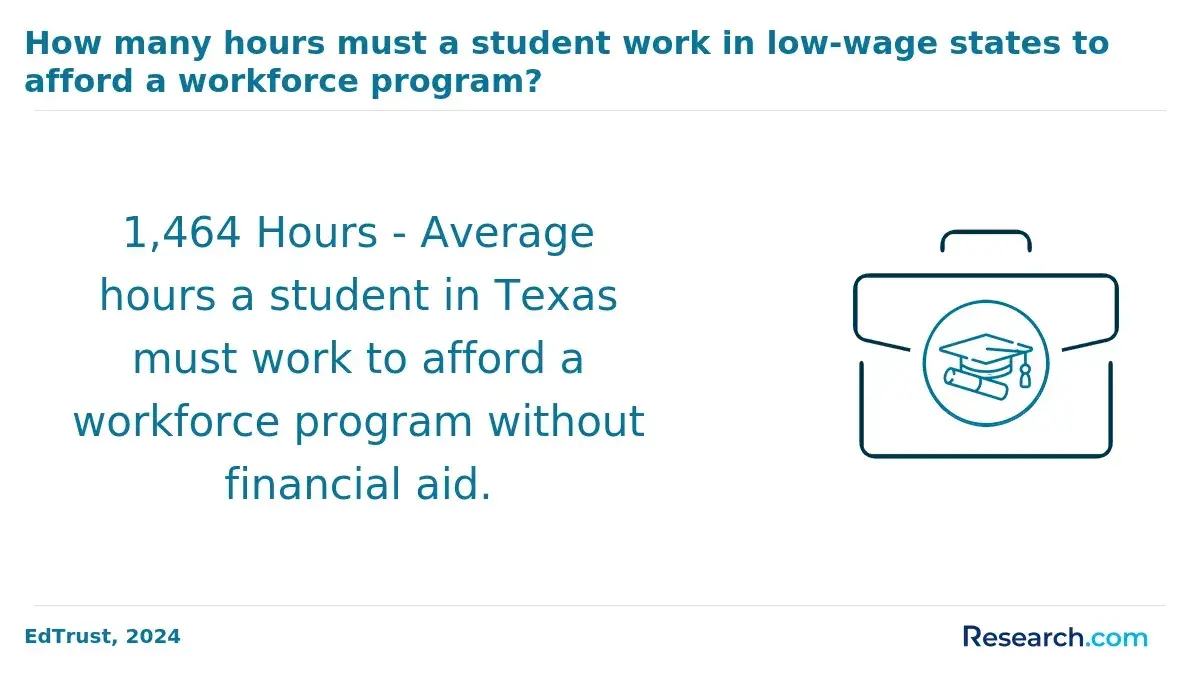
Credit transfer intricacies in healthcare compliance & regulations programs often determine whether students can meaningfully accelerate time to degree completion. Transfer credit benefits for healthcare compliance students depend heavily on how well prior coursework aligns with specific program requirements, especially given the regulatory and compliance-focused nature of these curricula. Institutions vary widely in accepted credits, and adult learners must consider residency rules and upper-division coursework expectations, which limit the extent to which transferred credits shorten their path. For example, a working professional with extensive community college credits might still need to complete a significant portion of sequential compliance courses at their receiving university, delaying graduation despite a strong credit portfolio.
Accelerating graduation with transfer credits in healthcare compliance programs requires proactive academic planning amid evolving transfer policies. Articulation agreements and prior learning assessments are increasingly common strategies that help convert military training or workforce certifications into academic credit, thus improving affordability and timeline predictability for military-affiliated students and other transfer learners. However, a 2024 survey found only about 65% of submitted transfer credits are accepted on average, which means students must critically evaluate credit applicability and negotiate with advisors to avoid unexpected delays.
Strategic enrollment decisions can mitigate these risks, as demonstrated by pathways such as the medical assistant to LPN bridge program, which exemplifies how focused credit transfer facilitates streamlined degree progression.
How Much Money Can Students Save Through Healthcare Compliance & Regulations Transfer Credit Opportunities?
Transfer credit acceptance in healthcare compliance & regulations programs can substantially reduce the financial burden of degree completion, but the degree of savings hinges on several institutional and program-specific factors. For instance, while many students might transfer 15 to 30 credits-translating to thousands saved in tuition based on average per-credit costs-restrictions such as credit caps and mandatory residency requirements often limit these benefits. Programs frequently mandate that at least 30% of credits be earned directly on campus, constraining the extent to which prior coursework or professional learning can accelerate graduation timelines. Consequently, students weighing transfer opportunities must evaluate not only the quantity of credits accepted but also course equivalency statuses and the nature of prior learning documentation.
Military-affiliated learners and working professionals tend to benefit more from flexible credit recognition policies, including prior learning assessments tied to occupational training, which can offset redundant coursework and associated expenses. However, navigating variable institutional policies and articulation agreements remains critical, as mismanagement can inadvertently extend time to degree-sometimes by up to a full academic year according to the National Center for Educational Statistics.
For adult learners and transfer students in particular, strategic credit evaluation is essential to avoid pitfalls that could increase total educational investment instead of reducing it. Ultimately, understanding the interplay between transfer policies, credit acceptance, and degree completion requirements is crucial for making informed decisions that align financial considerations with program rigor and workforce expectations.
How Are Healthcare Compliance & Regulations Programs Supporting Military Students and Workforce Learners Through Transfer Credits?
Healthcare Compliance & Regulations programs have increasingly integrated tailored transfer credit policies that assess military training, workforce credentials, and professional certifications to streamline degree completion for nontraditional learners. These policies often rely on prior learning assessments (PLA) and benchmark guidelines like those from the American Council on Education (ACE), which report that over 60% of institutions now grant credit for military-related coursework and service credentials. However, the practical impact varies widely as inconsistent credit evaluations-reported by the National Center for Education Statistics (NCES) to affect about 35% of military-affiliated students-can introduce delays and complicate academic planning.
For working professionals and military students, this inconsistency means prior experience may not always translate into substantive reductions in required coursework, affecting time-to-degree and cost-efficiency. Articulation agreements that incorporate credentials such as Certified in Healthcare Compliance (CHC) or military occupational specialties represent a growing strategy to formalize transfer pathways, yet institutional constraints and regional accreditation standards persist as barriers to seamless credit acceptance. These factors compel students to carefully evaluate how their unique prior learning aligns with program requirements, recognizing that flexible degree formats emphasizing competency over seat time may better accommodate workforce demands but do not guarantee full credit portability.
Ultimately, the expanding recognition of experiential learning in healthcare compliance roles reflects a field-level shift toward practical readiness, but variability across institutions necessitates strategic decision-making. Adult learners must weigh whether accelerated pathways and nontraditional credit evaluations will meaningfully reduce their educational burden while maintaining program rigor and employer credibility. Understanding these nuances is critical for maximizing the value of previously earned credits and ensuring educational accessibility without unintended prolongation of degree timelines.
What Transfer Credit Innovations Are Shaping the Future of Healthcare Compliance & Regulations Education?
Transfer credit innovations in healthcare compliance education have notably increased access and mobility for adult learners, military-affiliated students, and transfer candidates, yet these advances require careful navigation to avoid unintended delays in degree completion. AI-assisted transcript evaluation, for example, has reduced credit processing times by approximately 20%, enabling institutions to more quickly assess and accept prior learning.
However, this efficiency gain is counterbalanced by variability in credit acceptance standards between institutions, which continues to complicate credit portability and can result in unexpected course repetitions or extended timelines for completion. Institutional decisions to integrate digital credentialing and blockchain verifications enhance transparency and employer trust but also introduce costs and require ongoing alignment with workforce credential expectations.
Flexible transfer credit policies for adult healthcare learners now increasingly incorporate competency-based education and expanded credit-for-prior-learning frameworks, reflecting the diverse professional and military experiences many students bring. A 2024 survey indicated that 68% of colleges offering healthcare compliance & regulations programs have strengthened their CPL policies to meet workforce demands, yet students must be cautious in assessing how these credits articulate toward their specific degrees. Transfer pathway agreements between community colleges and four-year programs can streamline transitions but demand proactive advising to manage policy shifts and ensure alignment with career goals.
For many adult learners balancing work and education, evaluating options like 1 year nurse practitioner programs online alongside these transfer credit innovations can be critical in planning an efficient, practical route to degree completion.
How Can Adult Learners Maximize Transfer Credits in a Healthcare Compliance & Regulations Program?
Strategically maximizing transfer credits in healthcare compliance & regulations programs requires navigating institutional policies that frequently limit credit applicability, especially for courses not tightly aligned with current regulatory standards. An adult learner transferring from a community college or professional certification must prioritize official transcript evaluations early and engage with advisors skilled in transfer credit policies for adult learners in healthcare compliance & regulations, ensuring that military training or prior workforce experience is thoroughly assessed under updated Credit for Prior Learning (CPL) guidelines. A practical tradeoff exists between accepting maximum credits and preserving academic currency; overly specialized or outdated credits may be denied, affecting residency requirements and delaying time to degree completion.
Institutions with formal articulation agreements or consortium memberships often provide clearer pathways for credit acceptance, reducing the risk of unexpected credit loss-which, according to the 2024 National Student Clearinghouse Research Center report, affects nearly 60% of transfer students. Effective use of degree-mapping tools facilitates planning to focus remaining coursework on core compliance competencies, optimizing educational cost and sequencing.
Given the increasing integration of compliance training within broader healthcare systems, adult learners benefit by simultaneously monitoring evolving transfer credit policies and exploring flexible degree-completion pathways, such as those highlighted in an online environmental health and safety degree, which shares overlapping regulatory content and transfer credit considerations.
References
- Updated Credit Mobility Policies to Strengthen Transfer Student Outcomes - WSCUC https://www.wscuc.org/post/updated-credit-mobility-policies-to-strengthen-transfer-student-outcomes/
- Elements of an Effective Healthcare Compliance Program https://www.atlassystems.com/blog/healthcare-compliance-program
- Hard up for students, more colleges are offering college credit for life experience, or ‘prior learning’ https://hechingerreport.org/to-fill-seats-more-colleges-offer-credit-for-life-experience/
- CAEL | Why Credit for Prior Learning (CPL) or Prior Learning Assessment (PLA) Matters https://www.cael.org/lp/cpl-pla
- Improving the Share of Adult Learners at Four-Year Institutions - Ithaka S+R https://sr.ithaka.org/blog/improving-the-share-of-adult-learners-at-four-year-institutions/
- How to Transfer Credits and Maximize What You’ve Already Done - ReUp Education https://reupeducation.com/blog/how-to-transfer-credits-and-maximize-what-youve-already-done/
- Compliance Challenges in Healthcare: Balancing Innovation and Regulation - Compliance and Employee Relations Software | Safe Workplace https://safework.place/news/compliance-challenges-in-healthcare
- Understanding Regulatory Compliance in Healthcare: A Complete Guide https://www.xantrion.com/article/healthcare-regulatory-compliance
- Prior Learning-Military Credits - Spoon River College https://www.src.edu/admissions/credit-for-prior-learning/prior-learning-military-credits
- ECFMG https://www.ecfmg.org/2026ib/transfer-credits.html
Other Things You Should Know About Healthcare Compliance & Regulations
Transfer credits often come from more general or related fields, which can create gaps in the specialized regulatory knowledge critical to healthcare compliance roles. Accepting too many transfer credits without targeted coursework may reduce exposure to key compliance topics and practical challenges, potentially weakening job readiness. Prospective students should prioritize programs that require core compliance courses on top of transfer credits to maintain a robust, specialized learning experience.
Accelerated degree completion by maximizing transfer credits can shorten the learning timeline but might sacrifice hands-on training or updated content essential in a fast-evolving compliance landscape. Employers increasingly look for candidates who demonstrate current knowledge of regulatory changes and application skills rather than just academic credentials. It's advisable to choose a program balancing transfer credit use with updated, competency-based training to meet employer demands and ensure long-term career viability.
While transfer credits can reduce the total number of courses required, they may also result in a curriculum that concentrates remaining specialized or capstone courses into a shorter time frame. This compression can intensify workload during the final terms, which may be challenging for working adults balancing education with other responsibilities. Students should evaluate whether the program's pacing post-transfer credit award allows reasonable time for mastery without undue pressure or burnout.
Transfer credits from less recognized or regionally accredited institutions can raise questions among employers about the rigor of your academic preparation, especially in a field as regulated as healthcare compliance. While credits may transfer, the perceived quality matters because compliance roles involve high accountability and risk management. It's recommended to verify that your prior credits come from accredited programs aligned with industry standards to avoid potential limitations in professional growth.