2027 Healthcare Compliance & Regulations Job Market Report: Open Roles, Salary Bands, and Hiring Momentum

Co-Founder and Chief Data Scientist
Shifts in healthcare regulations and the integration of advanced compliance technologies are reshaping workforce requirements in the healthcare compliance & regulations sector. Open roles and salary bands reflect not only demand but also adaptation to evolving credential standards and regulatory frameworks that vary regionally. Recent labor market data from the U.S. Bureau of Labor Statistics highlights that compliance roles are increasingly specialized, with hiring momentum influenced by investment cycles and organizational restructuring rather than uniform growth.
These patterns reveal critical talent gaps in niche compliance areas and underscore how workforce demographics and technological adoption are redirecting employer priorities and compensation models.
Key Things to Know About Healthcare Compliance & Regulations Job Market
- Open roles in healthcare compliance & regulations have grown steadily post-2023, reflecting regulatory complexity; however, this growth favors candidates with proven experience over entry-level qualifications, shaping hiring strategies.
- Recent 2024 salary analyses reveal a compressed wage spread, signaling employers' emphasis on specialized skills and certifications, which tempers salary growth despite high demand, affecting long-term earning potential.
- The increasing credential requirements extend time and cost to entry, creating access barriers for some candidates and underscoring the importance of strategic educational choices aligned with employer priorities.
- Key Things to Know About Healthcare Compliance & Regulations Job Market Key Things to Know About Healthcare Compliance & Regulations Job Market
- How Strong Is Demand for Healthcare Compliance & Regulations Graduates in Today's Job Market? Demand for Graduates
- Which Healthcare Compliance & Regulations Careers Have the Most Open Job Opportunities? In-Demand Careers
- What Salary Bands Are Employers Offering Across Healthcare Compliance & Regulations Careers? Offered Salary Bands
- Which Industries Are Hiring the Most Healthcare Compliance & Regulations Graduates? Top-Hiring Industries
- How Does Hiring Demand Vary by State, Region, and City? Hiring Demand by Location
- What Skills Are Employers Prioritizing in Healthcare Compliance & Regulations Job Postings? In-Demand Skills
- Which Certifications Increase Employability and Salary Potential? High-Value Certifications
- How Do Remote and Hybrid Opportunities Affect the Healthcare Compliance & Regulations Job Market? How Do Remote and Hybrid Opportunities Affect the Healthcare Compliance & Regulations Job Market?
- Which Healthcare Compliance & Regulations Careers Show the Strongest Long-Term Hiring Momentum? Strongest Careers
- How Can Students Use Job Market Data to Make Better Career Decisions? How Can Students Use Job Market Data to Make Better Career Decisions?
How Strong Is Demand for Healthcare Compliance & Regulations Graduates in Today's Job Market?
Recent labor market data underscores a robust demand for healthcare compliance & regulations graduates in the United States, driven by regulatory complexity and heightened oversight. The U.S. Bureau of Labor Statistics projects growth in compliance-related healthcare roles surpassing the average for all occupations, a trend supported by LinkedIn Workforce Reports from early 2024 that highlight increased employer recruitment activity in this specialty. This demand reflects a need for professionals versed in frameworks like HIPAA and the Affordable Care Act, areas that employers emphasize alongside competencies in risk mitigation and regulatory consulting. However, candidate competition is intensifying, particularly for entry-level openings, with employers favoring applicants who supplement academic credentials with practical experience and certifications to navigate the evolving regulatory environment effectively.
Key drivers fueling this demand include ongoing technological advancements, expanding healthcare delivery models, and stricter federal and state regulations targeting patient privacy and data security. The growth of health-related technology solutions and insurance sectors further amplifies the need for specialized compliance roles to address multifaceted legal and operational challenges. Regional disparities exist, with metropolitan areas and states possessing dense healthcare infrastructures offering the most substantial hiring momentum. Despite automation's impact on some administrative functions, the nuanced and continually shifting nature of regulatory compliance preserves the need for skilled professionals who can interpret complex frameworks and implement tailored compliance strategies.
From a long-term perspective, healthcare compliance & regulations remains a sustainable career path due to the perpetual evolution of healthcare laws and technologies. Prospective students should carefully assess demand signals alongside the field's requirement for continuous skill development and real-world application. Practical experience with compliance software and familiarity with healthcare operations often distinguish successful candidates. Those interested in this field may also explore related avenues like nurse practitioner programs to broaden their understanding of healthcare ecosystems and improve employability in a dynamic job market.
Which Healthcare Compliance & Regulations Careers Have the Most Open Job Opportunities?
Job opportunity distribution within Healthcare Compliance & Regulations careers reflects broader labor market shifts driven by healthcare expansion, emerging regulatory frameworks, and persistent skills shortages. Rather than isolated listings, open roles signal how evolving employer requirements and organizational complexities create demand for specialized expertise. Understanding which positions feature the highest volumes of openings provides insight into where healthcare organizations focus resources to navigate compliance and oversight challenges. This context is essential for aligning career choices with sectors experiencing dynamic hiring patterns.
- Compliance Officers: Compliance officers remain the most sought-after professionals due to the increasing regulatory complexity across hospitals, insurance companies, and healthcare providers. Their primary function-ensuring adherence to federal and state regulations-requires up-to-date knowledge of healthcare laws, audits, and risk management practices. Employers value certifications like Certified in Healthcare Compliance (CHC) that demonstrate proficiency in this evolving landscape.
- Privacy Officers: Privacy officers focusing on HIPAA compliance and patient data protection are growing in demand alongside expanding digital health records and cybersecurity concerns. Healthcare entities prioritize these roles to manage vulnerabilities related to patient information, a trend amplified by regulatory enforcement bodies and growing pressure to safeguard sensitive data.
- Regulatory Affairs Specialists: The flux in healthcare legislation-including updates to the Affordable Care Act and Medicaid-fuels demand for regulatory affairs specialists skilled at navigating approval processes, documentation, and compliance audits. This role is critical in both public and private sector healthcare institutions seeking to adapt operational policies promptly.
- Compliance Analysts: Entry-level compliance analysts supporting data collection, reporting, and risk evaluation are increasingly employed due to workforce gaps and growing organizational scale. These roles often serve as a gateway into the field but demand foundational understanding of compliance standards and healthcare policies to be effective.
- Auditors in Healthcare Settings: Auditors specializing in healthcare compliance perform essential functions in validating adherence to regulatory mandates and detecting procedural weaknesses. Rising complexity in reimbursement models and insurance contracts heighten the need for skilled auditors able to collaborate across financial and clinical departments.
- Risk Management Coordinators: As healthcare systems prioritize proactive risk mitigation, risk management coordinators capable of identifying and addressing compliance vulnerabilities gain traction. Their strategic role involves synthesizing legal, operational, and clinical perspectives to reduce exposure and maintain standards.
- Health Information Managers: With the surge in electronic health records and data-centric care models, health information managers oversee data integrity and confidentiality protocols. Their expertise in information governance aligns with institutional efforts to comply with privacy laws while optimizing workflow efficiency.
According to the U.S. Bureau of Labor Statistics' 2024 Occupational Outlook, compliance officers across healthcare and related sectors show a steady 8% growth rate, outperforming many other occupations. This rate reflects systemic shifts in healthcare compliance demands rather than transient surges. Job seekers aiming to enter these roles should weigh the practical requirement for certifications, specialized knowledge, and the ability to interpret complex regulations across diverse healthcare settings.
Those evaluating pathways into healthcare compliance & regulations will find that top healthcare compliance & regulations roles with the greatest hiring demand align closely with sectors prioritizing regulatory resilience and patient privacy protections. For individuals interested in roles bridging legal, clinical, and administrative functions, these emerging job opportunities warrant serious consideration.
For prospective students or career changers, focusing on educational programs that incorporate current regulatory frameworks while offering practical exposure to compliance environments-such as those found in no entrance exam nursing schools expanding their multidisciplinary offerings-can provide a competitive edge in this labor market.
What Salary Bands Are Employers Offering Across Healthcare Compliance & Regulations Careers?
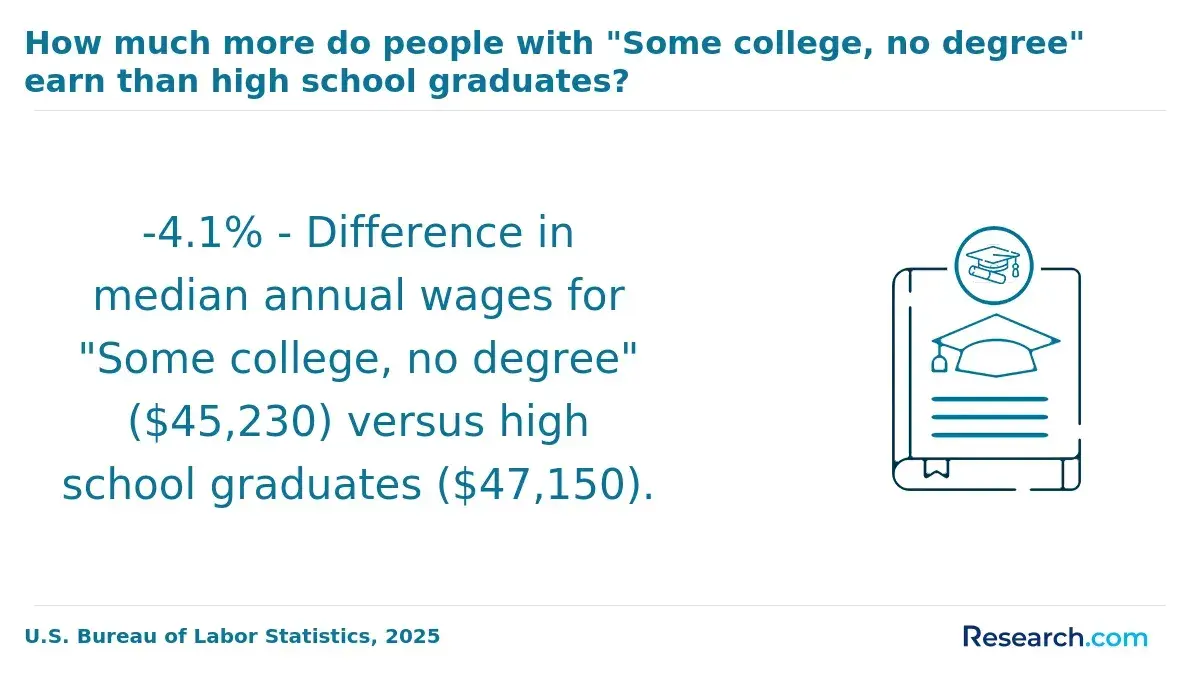
Salary bands in healthcare compliance & regulations careers reflect a structured progression aligned with experience levels and the increasing complexity of responsibilities. Entry-level roles, such as compliance coordinators or junior analysts, typically start between $55,000 and $70,000 annually, according to 2024 data from the U.S. Bureau of Labor Statistics and LinkedIn Salary Insights. Professionals with three to seven years of experience, often managing audits or policy development, see salaries ranging from $75,000 to $100,000, signaling higher expectations for specialized skills and regulatory liaison duties. Senior positions, including compliance directors and chief compliance officers, command $110,000 to $160,000 or more, driven by strategic oversight tasks and leadership demands reflective of the regulatory environment's complexity and evolving challenges.
Variations in compensation are closely tied to specialization depth, geographic market forces, and organizational scale. Employers place a premium on candidates who can navigate multifaceted healthcare regulations, especially where certifications like Certified in Healthcare Compliance enhance perceived value. Markets with higher living costs or competitive healthcare systems push salaries upward, while smaller organizations may offer lower ranges reflecting limited budgets or less complex compliance frameworks. Additionally, the scarcity of professionals adept in emerging compliance technologies and electronic health record integration fosters wage differentiation, rewarding adaptability alongside traditional regulatory expertise.
One graduate who pursued a healthcare compliance & regulations degree recalled how the program's rolling admissions created unforeseen challenges. They hesitated to finalize enrollment, weighing the time needed to prepare financially and professionally against uncertain application timelines. As decisions trickled in, this candidate experienced a mix of relief and anxiety, ultimately realizing that early preparation before applying could have mitigated the stress of waiting. Their experience highlights how strategic timing and readiness are critical factors not only in career development but also when navigating academic pathways in this competitive field.
Which Industries Are Hiring the Most Healthcare Compliance & Regulations Graduates?
Demand for healthcare compliance & regulations graduates is predominantly concentrated in industries confronting rapid regulatory shifts, increased digital integration, and ongoing workforce expansion. These industries face mounting pressure to manage complex compliance frameworks amid evolving privacy laws, quality standards, and reimbursement policies. The resulting talent needs reflect a strategic prioritization of professionals adept at navigating regulatory environments, ensuring operational adherence, and supporting organizational risk mitigation efforts.
- Healthcare Services: Hospitals, health systems, and outpatient care centers lead hiring, driven largely by growing regulatory complexity and stringent patient privacy mandates. Nearly half of all relevant openings emerge here, as organizations seek graduates skilled in interpreting healthcare laws, managing audits, and implementing compliance programs that align with both federal guidelines and evolving data security standards.
- Pharmaceutical Companies: Accounting for about one-fifth of openings, pharmaceutical firms are responding to intensified FDA scrutiny and global supply chain challenges. Demand favors those with expertise in regulatory submissions, quality management systems, and cross-border compliance, reflecting the sector's need to maintain product safety and regulatory alignment amid complex manufacturing and distribution networks.
- Health Insurance and Managed Care: Representing approximately 15% of the job market, this sector's growth is fueled by federal and state mandates enhancing claims transparency and operational accuracy. Employers prioritize graduates who can navigate insurance regulations, oversee compliance monitoring, and optimize reporting processes within dynamic payer environments.
- Medical Device and Biotechnology Firms: These industries are expanding compliance hiring due to increasingly rigorous international quality controls and regulatory certifications. Graduates with skills in quality assurance, post-market surveillance, and regulatory strategy are essential for ensuring product compliance across diverse markets and emergent technologies.
Overall, the industries with the greatest hiring demand for healthcare compliance & regulations graduates are also those undergoing significant operational and technological transformations. Practical competencies valued by these employers include regulatory knowledge tailored to specific industry standards, analytical capabilities for risk assessment, and adaptability to rapidly changing compliance landscapes. These factors collectively define where the strongest job growth and workforce integration opportunities reside for new graduates.
How Does Hiring Demand Vary by State, Region, and City?
Hiring demand for healthcare compliance & regulations roles varies considerably across states and broader regions, shaped by the concentration of healthcare infrastructure, prevailing regulatory environments, and local economic conditions. States like California, Texas, and New York demonstrate consistently higher demand due to their dense networks of hospitals, health systems, and regulatory organizations, which in turn influence competitive salary structures aligned with higher living costs.
According to workforce analytics, this demand landscape reflects deep industry clustering, where larger healthcare sectors generate proportionally more openings, reinforcing the importance of regional workforce ecosystems in shaping labor availability. These patterns underscore the varying employment potential across regions, directly affecting job seekers who must navigate state-level differences when considering healthcare compliance & regulations hiring trends by state and city.
At the city level, metropolitan hubs such as Chicago, Houston, and Los Angeles drive pronounced hiring intensity for healthcare compliance & regulations professionals, given their role as centers of hospitals, academic medical centers, and major payer organizations. These urban ecosystems benefit from established infrastructure and robust talent pipelines, yet carry a tradeoff of intensified competition and wide-ranging salary scales influenced by organizational size and specialization.
Conversely, smaller cities and rural areas present fewer openings but may offer opportunities for broader responsibilities and leadership growth, despite often lower salaries and resource constraints. Understanding these city-specific dynamics-where employer density, local healthcare clusters, and cost-of-living factors intersect-is key to making informed career decisions. For prospective students exploring educational pathways, including those considering a specialized ultrasound tech school, geographic awareness remains a strategic advantage when aligning training with evolving labor market realities.
What Skills Are Employers Prioritizing in Healthcare Compliance & Regulations Job Postings?
Hiring priorities in healthcare compliance & regulations roles continue to evolve amid accelerating technological shifts, heightened regulatory complexity, and the increasing integration of data-driven decision-making. Employers now seek candidates who combine deep regulatory expertise with strong analytical and interpersonal skills to navigate multifaceted compliance landscapes. This dynamic skill demand reflects broader industry trends toward automation, risk mitigation, and cross-functional collaboration, reshaping what competency profiles lead to sustainable employability and advancement.
- Regulatory Knowledge and Legal Acumen: A robust understanding of federal and state healthcare laws-including HIPAA, HITECH, and the Affordable Care Act-is foundational. Employers prioritize this skill because regulatory frameworks remain the backbone of compliance, and being conversant with evolving legislation directly affects an organization's risk exposure and operational integrity.
- Data Analytics and Compliance Technology: Proficiency in managing and interpreting compliance data through audit software or analytics platforms is increasingly vital. This reflects a trend where automated risk detection and data-driven reporting boost efficiency, making candidates with these abilities more competitive in a market where nearly half of job postings highlight this requirement.
- Communication and Policy Translation: The ability to distill complex regulatory mandates into accessible policies and training programs is critical. Given the interdisciplinary nature of healthcare compliance, effective communication facilitates alignment between clinical, legal, and operational teams, ensuring coherent implementation of compliance standards.
- Critical Thinking and Problem-Solving: Navigating ambiguous legal scenarios and ambiguous regulatory conditions demands nuanced judgment. Employers look for professionals who can interpret shifting rules and apply ethical reasoning, which is indispensable for minimizing compliance risks and fostering organizational trust.
- Project Management: Overseeing compliance audits and initiatives requires organizational skills and the ability to coordinate across departments. This capability supports timely risk assessments and ensures that compliance actions are executed with accountability and strategic oversight.
- Ethical Judgment and Integrity: Trustworthiness remains non-negotiable in healthcare compliance roles, given the stakes of legal adherence and patient privacy. This skill underpins a professional's credibility and the organization's public standing, thereby influencing hiring decisions.
- Adaptability and Lifelong Learning: With regulatory environments in flux, employers favor candidates committed to continual upskilling. This adaptability signals readiness to address new compliance challenges and maintain workforce relevance over time.
Which Certifications Increase Employability and Salary Potential?
Certifications in healthcare compliance & regulations serve as critical indicators of technical competence, specialized knowledge, and readiness to manage evolving regulatory environments. Rather than merely supplementing formal education, these credentials function as strategic career tools that help applicants stand out in competitive labor markets. Employers increasingly view certifications as reliable validation of skills needed to address complex compliance requirements, which can directly impact hiring decisions and salary negotiations.
- Certified in Healthcare Compliance (CHC): This credential remains a gold standard because it demonstrates a thorough understanding of regulatory frameworks, risk mitigation, and ethical standards essential for compliance roles. Its widespread recognition aligns with employers' demand for professionals capable of navigating intricate healthcare laws, often tipping the balance in candidate selection and justifying higher compensation.
- Certified Healthcare Privacy and Security Practitioner (CHPS): Focused on privacy and cybersecurity, this certification matches the rising importance of data protection in healthcare settings. As breaches and regulatory scrutiny grow, employers prize this expertise for safeguarding patient information, thereby enhancing employability and positioning candidates for roles with elevated responsibilities and pay scales.
- Certified Professional Compliance Officer (CPCO): This credential emphasizes operational compliance and program management, addressing skill gaps around system-wide adherence to policies. Organizations favor CPCO holders for their ability to implement and audit compliance programs, which often leads to managerial opportunities and associated salary benefits.
According to the 2024 Healthcare Compliance Salary Survey, individuals with multiple relevant certifications have a 30% greater chance of securing managerial-level positions, reflecting employer preference for multifaceted expertise. However, prospective candidates must weigh this potential against the costs and time commitments involved in obtaining these certifications, especially early in their careers or when transitioning from related sectors. Certification value can also differ by employer type; for instance, federal agencies and major healthcare systems prioritize credentials validated by the Compliance Certification Board, while smaller employers might lean toward broader qualifications.
One healthcare compliance graduate shared how the timing of certification pursuits influenced their job prospects. Initially uncertain about which credentials to prioritize, they delayed exam preparation while applying to programs with rolling admissions. This indecision caused anxiety as offers trickled in, but ultimately, obtaining a CHC credential early helped reinforce their candidacy during interviews and led to a more competitive salary offer. Their experience underscores the tangible impact timing and strategic certificate selection have in leveraging employability and negotiating compensation.
How Do Remote and Hybrid Opportunities Affect the Healthcare Compliance & Regulations Job Market?
Hiring trends in healthcare compliance & regulations increasingly reflect the integration of remote and hybrid work arrangements, reshaping employer talent acquisition strategies in 2024. According to recent workforce analytics, a significant portion of compliance roles, traditionally office-bound due to regulatory demands, are now offered with flexible structures that expand candidate pools beyond metropolitan hubs. This shift enables broader access to remote healthcare compliance and regulations job opportunities, allowing employers to source specialized skills nationally rather than locally. However, this flexibility comes with heightened expectations for candidates' proficiency in digital collaboration tools and cybersecurity awareness, essential for managing sensitive information in decentralized environments.
The broader implications of remote and hybrid work models are altering geographic hiring patterns and salary frameworks within healthcare compliance & regulations careers. Employers often adjust compensation based on regional cost-of-living but maintain competitive pay to attract top-tier talent, which drives a gradual normalization of salaries across diverse markets. This geographic mobility intensifies competition, as professionals from traditionally lower-density areas enter previously inaccessible labor pools.
Additionally, hybrid arrangements emphasize the need for professionals to balance virtual efficiency with in-person teamwork during compliance audits and cross-department projects. These evolving employer expectations suggest that adaptability and continuous digital skill development will be critical for sustaining long-term employability. Early-career individuals exploring this field might also consider focused education pathways, including practical options like 1 year NP programs, which can complement compliance expertise in an integrated healthcare environment.
Which Healthcare Compliance & Regulations Careers Show the Strongest Long-Term Hiring Momentum?
Long-term hiring momentum in healthcare compliance & regulations careers reflects structural shifts across the healthcare and regulatory landscapes rather than transient job market fluctuations. This momentum signals how enduring economic, technological, and regulatory trends shape workforce demand, requiring deeper expertise in legal, data, and operational domains to manage increasing complexities. Hiring growth in this sector is less about volume spikes and more about sustained, expanding responsibilities tied to evolving compliance requirements and digital transformation in healthcare delivery.
- Healthcare Compliance Officer: These professionals maintain strong hiring momentum as organizations grapple with stricter auditing, enforcement of HIPAA, and complex federal and state regulations. The role's demand continues to grow because healthcare providers prioritize minimizing legal risks and avoiding costly penalties amid increasingly sophisticated compliance frameworks.
- Risk Management Analyst: As telehealth and digital health platforms expand, this role gains momentum by focusing on early identification and mitigation of emerging regulatory challenges. The need for proactive risk assessments aligned with fast-changing healthcare technology highlights the strategic value embedded in these positions.
- Clinical Compliance Coordinator: Coordinators who bridge clinical operations and regulatory adherence are vital to ensuring institutional policies remain effective and updated. Their role is expanding alongside greater healthcare system integration and standardized care protocols, reflecting ongoing complexity in healthcare delivery.
- Healthcare Data Security Specialist: Growing overlap between compliance and cybersecurity fosters demand for specialists versed in protecting patient data within healthcare environments. Digital health innovations and heightened privacy concerns reinforce steady job growth here.
The U.S. Bureau of Labor Statistics projects a 9% growth rate for healthcare compliance roles from 2022 to 2032, emphasizing their robust outlook relative to average occupations. This sustained increase is closely tied to the healthcare compliance and regulations career growth in the United States driven by ongoing legislative, technological, and operational evolution.
Employers increasingly value interdisciplinary skills-blending healthcare, legal, and data analytics-plus certifications such as Certified in Healthcare Compliance (CHC). For those exploring advancement options, programs supporting continuous education, including some offering a PhD in counseling online, reflect the rising importance of advanced credentials in related health sectors. Navigating this landscape demands adaptability and longitudinal upskilling rather than short-term credential accumulation.
How Can Students Use Job Market Data to Make Better Career Decisions?
Students pursuing careers in Healthcare Compliance & Regulations can leverage recent labor market data from 2024 sources such as government labor reports, industry hiring platforms, and salary databases to identify roles with sustained demand and upward salary trajectories. These sources reveal which compliance subfields, credentials, and skill sets employers prioritize, helping students focus their education on market-relevant competencies. Regional differences and employer size impact compensation and hiring volume, allowing students to assess realistic earnings and relocation possibilities. Evaluating growth potential in auditing, regulatory affairs, or privacy compliance through current hiring momentum clarifies which paths offer better returns on education investment compared to alternatives.
Interpreting this data requires balancing immediate hiring trends with long-term career stability and alignment with personal interests. Overemphasizing short-term demand spikes may lead to training in overly narrow or transient niches, while ignoring geographic mobility can limit job opportunities. Students should blend market insights with their aptitude and preferences, aiming for practical experience linked to emerging regulatory frameworks and technologies. This strategic use of job market data mitigates risks and better positions students for enduring roles, avoiding costly detours into areas with limited employer uptake or uncertain advancement.
References
- Healthcare Compliance Certification - Compliance Officer - CPCO https://www.aapc.com/certifications/cpco
- CAREER CENTER https://aihc-assn.org/career-center/
- 2026 Compliance Salary Guide | Barclay Simpson https://www.barclaysimpson.com/salary-guides/2026-compliance-salary-guide/
- Compliance Jobs: Key Skills Employers Look For https://www.conselium.com/compliance-jobs/
- Hidden Compliance Risks in Hybrid Work Models https://www.techclass.com/resources/learning-and-development-articles/hidden-compliance-risks-in-hybrid-work-models
- Top 5 Careers with an MLS Degree in Healthcare Compliance https://www.wsulaw.edu/news/top-5-healthcare-compliance-careers-you-can-pursue-with-an-mls-degree/
- Why Consider A Healthcare Compliance Certificate? https://medtrainer.com/blog/certification-in-healthcare-compliance/
- Healthcare Compliance Manager Job Description Template https://credenzahealth.com/facilities/resources/healthcare-compliance-officer-job-description-template
- Careers | Momentum https://www.themomentum.ai/careers
- CHC | HCCA Official Site https://www.hcca-info.org/certification/become-certified/chc
Other Things You Should Know About Healthcare Compliance & Regulations
Choosing between a broad compliance foundation and early specialization significantly shapes career trajectory and salary progression. Generalist roles offer versatility and more entry-level openings but typically come with slower salary growth and less influence on complex regulatory strategies. Conversely, specialization in areas like data privacy or healthcare audits can command higher salaries earlier and position candidates as indispensable experts, though opportunities may be fewer and more competitive. For early-career professionals, prioritizing broad experience first often provides a more stable platform for long-term advancement, while mid-career switches to specialization can amplify compensation and leadership prospects.
Healthcare compliance roles demand continuous learning and swift policy implementation due to frequent regulatory changes. This creates pressure to balance immediate operational compliance with developing long-term process improvements. Professionals must excel not only at understanding new laws but also at translating them into actionable procedures across departments, often with limited resources. Candidates should prioritize employers that support ongoing training and provide clear frameworks for change management, as inadequate adaptation capabilities often result in burnout and job turnover.
Lower starting salaries may sometimes reflect opportunities for rapid skill acquisition, higher job security, or pathways to strategic roles. Job seekers need to analyze total compensation, including benefits, potential for bonuses, and professional development support. Roles offering mentorship, exposure to diverse compliance issues, or direct involvement in shaping compliance programs may compensate for initial pay discrepancies. Prioritizing these qualitative factors over starting salary alone can enhance long-term career growth despite a modest entry-level wage.
In markets where hiring momentum fluctuates, employer reputation provides critical insight beyond raw job counts or posted salaries. A well-regarded compliance team typically ensures structured workflows, clearer career paths, and more sustainable workloads, which influence job satisfaction and retention. Candidates should weigh reputational indicators like regulatory audit performance, turnover rates, and investment in compliance infrastructure heavily against the volume of open roles. Opting for employers with proven compliance discipline can mitigate risks associated with market unpredictability.