2027 Healthcare Compliance & Regulations Degree Oversupply or Undersupply? Student Volume vs Employer Demand

Co-Founder and Chief Data Scientist
A recent 2024 report shows that Healthcare Compliance & Regulations programs graduated approximately 4,200 students nationwide, while job listings for compliance specialists increased by only 2,800 during the same period. This disparity suggests localized oversupply, especially in metropolitan areas where enrollments cluster, heightening competition and risking underemployment for graduates lacking specialized skills. Conversely, some regions experience shortages due to healthcare system expansions and regulatory changes.
For students and educators, understanding these geographic and skills-based imbalances is crucial for aligning training with employer expectations. This article analyzes student volumes versus employer demand, job growth, industry needs, regional conditions, and skill gaps to assess career sustainability and competition in the field.
Key Things to Know About Healthcare Compliance & Regulations Graduate Supply and Employer Demand
- Graduate output in healthcare compliance & regulations has increased 12% since 2022, contributing to higher entry-level competition and requiring students to differentiate through specialization or relevant internships to remain employable.
- Employer surveys show a regional labor mismatch: demand concentrates in urban healthcare hubs, limiting opportunities in rural areas and suggesting geographic flexibility is crucial for graduates seeking alignment with job markets.
- Skill gaps persist as employers prioritize candidates versed in data analytics and regulatory technology, meaning graduates without these competencies face longer job searches and potential underemployment despite growing job listings.
- Key Things to Know About Healthcare Compliance & Regulations Graduate Supply and Employer Demand Key Things to Know About Healthcare Compliance & Regulations Graduate Supply and Employer Demand
- Is There an Oversupply or Undersupply of Healthcare Compliance & Regulations Graduates? Graduate Oversupply or Shortage
- How is Healthcare Compliance & Regulations Degree Enrollment Changing? Degree Enrollment Trends
- How Many Healthcare Compliance & Regulations Graduates Enter the Workforce Each Year? Annual Graduate Workforce Entry
- Does Job Growth Support the Rising Supply of Healthcare Compliance & Regulations Graduates? Job Growth Versus Supply
- How Competitive is the Entry-Level Market for Healthcare Compliance & Regulations Graduates? Entry-Level Market Competition
- Which Industries Have the Greatest Demand for Healthcare Compliance & Regulations Graduates? Top Hiring Industries
- Where are Healthcare Compliance & Regulations Graduates Most in Demand? Top Geographic Demand
- Which Healthcare Compliance & Regulations Specializations and Degree Levels Face the Strongest Demand? Which Healthcare Compliance & Regulations Specializations and Degree Levels Face the Strongest Demand?
- Are Employer Skill Gaps Affecting Demand for Healthcare Compliance & Regulations Graduates? Are Employer Skill Gaps Affecting Demand for Healthcare Compliance & Regulations Graduates?
- What is the Future Supply-and-Demand Outlook for Healthcare Compliance & Regulations Graduates? Future Supply-Demand Outlook
Is There an Oversupply or Undersupply of Healthcare Compliance & Regulations Graduates?
The supply of healthcare compliance & regulations graduates generally aligns with employer demand on a national scale, but this balance masks important geographic and specialization-driven disparities. While overall graduate numbers have risen in response to expanding program offerings, especially at the bachelor's level, many urban markets report moderate entry-level competition due to clustering of graduates and saturated local programs. Conversely, rural and underserved regions experience ongoing shortages of qualified compliance professionals, highlighting how a national equivalence between graduate output and job openings can obscure localized undersupply. Employers in hospitals and large healthcare networks increasingly prefer candidates with specialized credentials and hands-on experience, making simple graduate-to-job vacancy comparisons insufficient for evaluating true market fit.
Projected industry hiring growth of approximately 6-8% annually through 2028 reinforces the need for steady graduate throughput, yet workforce demand is nuanced by sector and role. Entry-level hiring trends for healthcare compliance and regulations graduates indicate stronger opportunities for master's-level candidates focusing on fields like data privacy and risk management, where technical expertise outpaces supply. This dynamic creates a scenario in which credential mismatches and experience expectations complicate the graduate employment landscape, particularly for those holding only a bachelor's degree without certifications. Prospective students and current degree holders must weigh these tradeoffs carefully, as enrollment growth and shifting occupational demand may distort the perceived adequacy of graduate volume in this increasingly specialized field. Those considering related pathways might also explore options such as online DNP FNP programs for diversification.
How is Healthcare Compliance & Regulations Degree Enrollment Changing?
Recent trends in healthcare compliance & regulations degree enrollment reflect a cautious expansion rather than unchecked growth, with the increasing availability of online and hybrid programs playing a pivotal role in attracting a broader and more diverse student body. While certificates and associate degrees show sharper enrollment rises-offering quicker workforce entry aligned with employer demand for practical skills-bachelor's and graduate programs grow more modestly, underscoring a sustained but specialized need for advanced compliance leadership. Employer demand continues to emphasize hands-on experience and relevant certifications alongside academic credentials, meaning that rising graduate numbers do not straightforwardly translate to improved job prospects, particularly in regions where oversaturation risks intensify competition for limited positions.
National data from the National Center for Education Statistics through early 2024 indicates steady but moderate enrollment growth, yet this national overview masks significant variability across states and specialties within healthcare compliance & regulations. Students and institutions must scrutinize local labor market dynamics rather than relying solely on aggregate figures, as some metropolitan areas face credential glut while others encounter gaps in skilled compliance professionals. Furthermore, the shift toward online formats improves access but can complicate employer perceptions of candidate preparedness, affecting employability especially for entry-level roles where practical training remains critical.
A current healthcare compliance & regulations master's student observed that their cohort nearly doubled in size over two years, coinciding with expanded online options and growing interest from mid-career professionals seeking flexibility. However, they noted palpable uncertainty among peers about whether this influx signaled stronger job market opportunities or foreshadowed fiercer competition after graduation. This student emphasized the need for programs to better integrate experiential learning and employer engagement to ensure that increased enrollment aligns with viable career pathways rather than simply swelling graduate ranks.
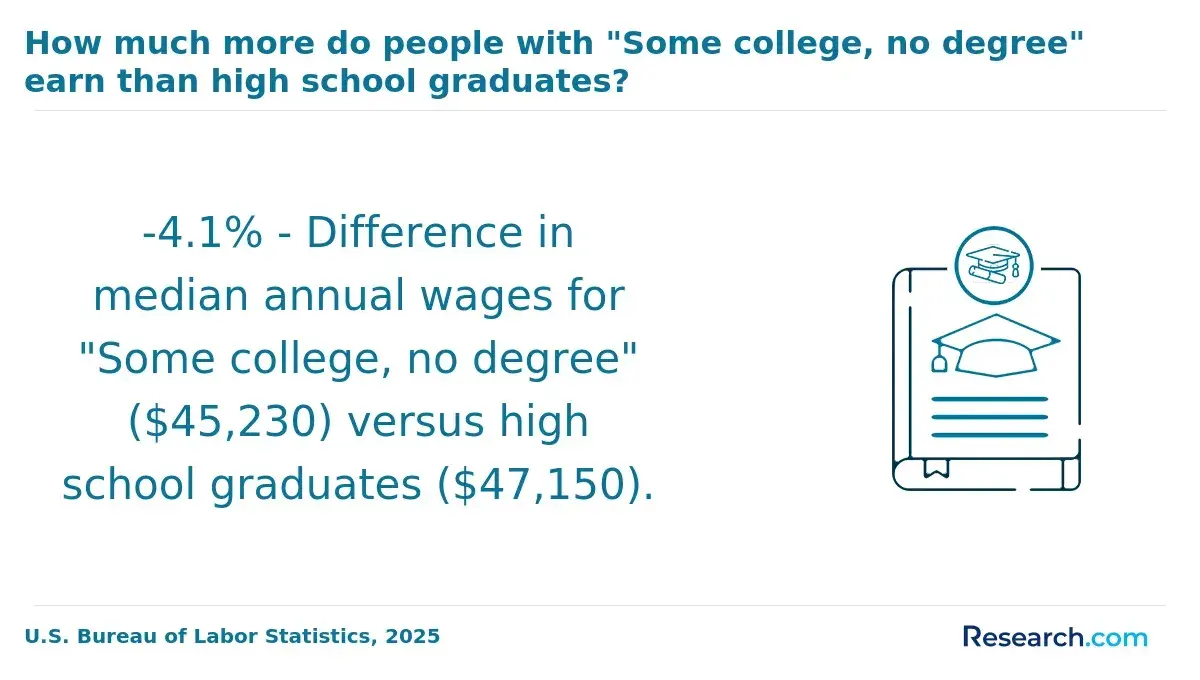
How Many Healthcare Compliance & Regulations Graduates Enter the Workforce Each Year?
Evaluating whether the annual number of healthcare compliance & regulations graduates meets employer demand requires more than raw completion figures. Data from the National Center for Education Statistics and IPEDS indicate roughly 2,500 to 3,000 graduates across associate, bachelor's, and certificate programs emerge yearly with this focus, but these totals don't capture the nuances of labor market entry. Many graduates pursue roles in adjacent healthcare or administrative fields, while employer demand is shaped by regional concentration of specialized positions and the value placed on complementary experience or certifications beyond formal education.
For example, even with steady graduate supply, only about 60% to 70% secure direct roles in healthcare compliance within 12 to 18 months, reflecting competition and mismatches between curricula and job requirements. Employers increasingly seek candidates with practical exposure and critical policy understanding, so the pipeline of new graduates does not translate linearly into job fills. Additionally, replacement hiring and emerging regulatory complexity create uneven local demand, meaning some regions may experience shortages despite apparent national supply sufficiency, while others face oversaturation.
Workforce planners and prospective students should therefore integrate graduate volume data from state higher education agencies and labor market analyses with hiring patterns and skill requirements to gauge realistic employment prospects. Recognizing that not all graduates compete simultaneously or for identical roles is crucial to avoiding oversimplified conclusions about oversupply or undersupply. Informed decisions depend on this layered context rather than relying solely on headline graduation numbers-especially given the evolving specialization and certification landscapes influencing employability in this sector.
Does Job Growth Support the Rising Supply of Healthcare Compliance & Regulations Graduates?
Despite projected employment growth near 7% over the next decade for health and medical compliance officers, this expansion does not uniformly keep pace with the rapid increase in healthcare compliance and regulations graduate numbers. Many regions have seen degree completions double or triple in recent years, yet new job openings-including replacements-grow more modestly, creating localized oversupply, particularly in urban areas with multiple training providers. For instance, a recent graduate entering the field without specialized certifications or relevant healthcare IT skills may face stiff competition for entry-level roles, where practical experience and targeted knowledge are often prerequisites.
Employers increasingly prioritize candidates with data privacy compliance expertise and hands-on familiarity with evolving regulatory frameworks, reflecting the sector's shifting demands. While moderate job growth supports workforce expansion overall, not all graduates secure roles aligned with their qualifications, resulting in underemployment or career detours for those lacking specialized skills or geographic mobility. Prospective students should assess how their chosen program's focus aligns with these employer expectations and market realities, comparing offerings including options like self paced degrees that may facilitate gaining relevant experience alongside education.
How Competitive is the Entry-Level Market for Healthcare Compliance & Regulations Graduates?
The entry-level job market for healthcare compliance & regulations graduates in 2024 reflects a complex balance between graduate supply and employer demand. While regulatory pressures in healthcare are driving modest increases in compliance roles, the number of new graduates often surpasses available entry-level openings, intensifying competition. Employers frequently seek candidates with 1-3 years of relevant experience or internships, which limits true entry-level opportunities. This creates a challenging scenario where recent graduates compete not only among themselves but also against professionals transitioning from adjacent fields. Key factors shape this competitive landscape as follows:
- Graduate Volume: The steady output of bachelor's and master's graduates creates a sizable applicant pool. Candidates must assess regional and institutional graduation numbers to gauge oversupply risks against localized job availability.
- Experience Expectations: Most entry-level postings prefer internships or hands-on exposure. Graduates lacking demonstrable compliance experience face hurdles, signaling the value of early practical engagement during studies.
- Employer Demand Growth: Moderate growth in compliance roles reflects rising regulatory complexity but does not translate uniformly into entry-level positions, favoring seasoned hires in many cases.
- Geographic Concentration: Job opportunities cluster in certain healthcare hubs and urban centers. Graduates in less dense regions may confront weaker demand and higher relative competition.
- Specialization Advantage: Candidates with skills in compliance software or niche regulatory areas gain a competitive edge, underscoring the importance of targeted skill development.
- Remote and Cross-Industry Competition: Remote compliance roles expand candidate pools nationally, increasing competition beyond local graduate supply.
- Underemployment Trend: Some graduates accept positions outside strict compliance functions, reflecting mismatches between training and employer readiness, and revealing alternatives when stand-alone roles are scarce.
One recent graduate described navigating highly competitive entry-level openings where nearly all employers requested prior compliance experience, despite advertised junior roles. After multiple interview rejections, the graduate opted to widen the search to include smaller healthcare providers and adjacent regulatory roles in regional markets. This strategic pivot led to an assistant compliance position, illustrating how flexibility in specialization and geography can counterbalance oversupply and stringent experience expectations in this evolving sector.
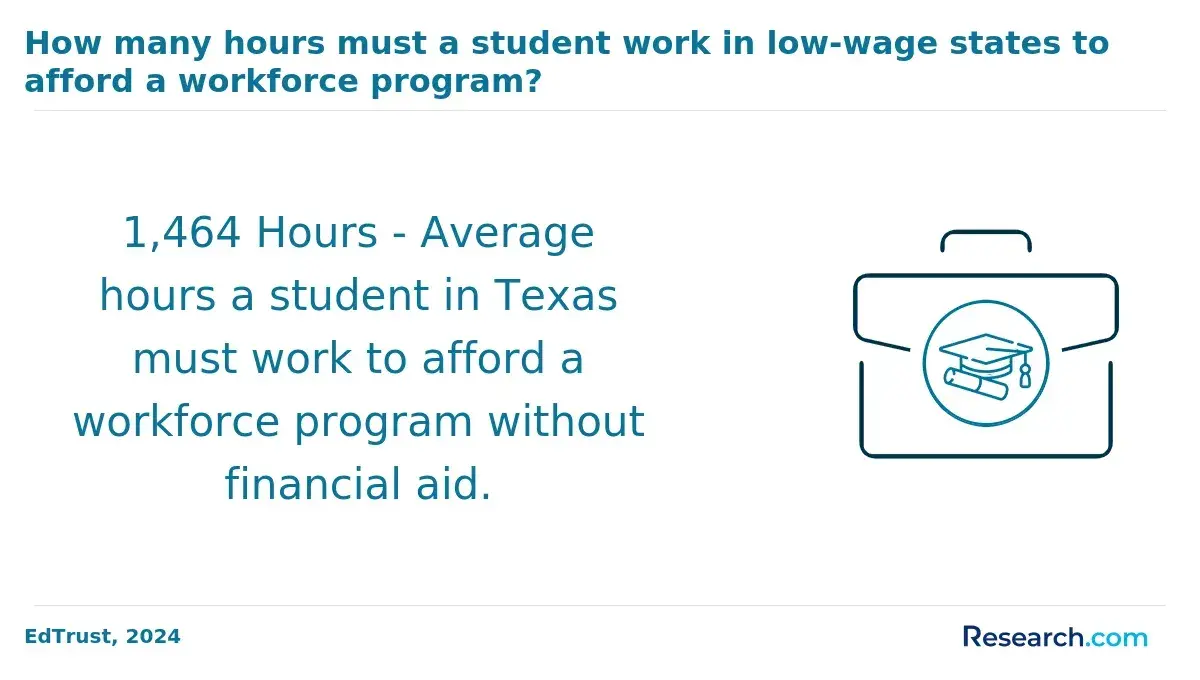
Which Industries Have the Greatest Demand for Healthcare Compliance & Regulations Graduates?
Demand for healthcare compliance & regulations graduates is heavily concentrated in sectors where regulatory complexity is highest and compliance risks carry substantial financial or legal penalties. Not all industries with openings offer equal prospects; volume, skill expectations, and advancement paths vary widely. Graduates assessing job opportunities should weigh how sector-specific regulations, regional employer density, and specialization requirements influence hiring odds. For example, while hospitals provide numerous entry-level positions, competition is intense and upward mobility may require advanced certifications or experience. Conversely, industries like biotech offer fewer roles but often reward niche expertise and regulatory acumen with stronger career growth potential. Below are the top industries hiring healthcare compliance graduates based on structural demand and labor market dynamics.
- Healthcare Delivery System: Hospitals, outpatient centers, and long-term care facilities lead demand, driven by intensifying Medicare and Medicaid compliance pressures. Entry-level roles often focus on patient privacy and billing accuracy, while senior positions demand oversight of multi-state regulatory adherence and audit management. Employers in this sector prioritize certifications such as CHC (Certified in Healthcare Compliance) and practical familiarity with HIPAA regulations.
- Pharmaceutical and Biotechnology: Compliance officers here manage FDA rules and clinical trial protocols amid stringent drug approval processes. Although job volume is lower, specialized skills in regulatory affairs and data integrity command premium hiring conditions. Advanced degrees and experience in clinical research compliance significantly enhance employability.
- Health Insurance and Managed Care: Firms navigating ACA, HIPAA, and state-specific mandates require professionals adept at operationalizing complex regulatory frameworks tied to reimbursement and risk adjustment. Roles range from compliance analysts to strategic policy advisors. Employers value strong legal knowledge combined with data analytics capabilities.
- Health IT and Telehealth Firms: Emerging roles focus on software certification, data security, and cross-border healthcare laws reflecting rapid technology adoption. These positions attract candidates capable of interfacing between clinical and technical teams. Compensation tends to be competitive, though total openings remain constrained compared to legacy healthcare sectors.
- Government Agencies: Federal and state bodies enforce public health statutes and conduct compliance audits. While hiring growth is slower, positions provide stability and emphasize comprehensive regulatory expertise. Public sector graduates often benefit from clear promotion tracks tied to specialized agency knowledge.
Graduates exploring healthcare compliance & regulations jobs must balance sector size with hiring nuances and realize that firms frequently demand practical experience or credentials beyond academic degrees. This complexity can challenge newcomers outside the core healthcare delivery system where competition intensifies. For those considering related fields, combining healthcare compliance training with complementary qualifications, such as health informatics or legal analytics, may enhance prospects. Prospective students should also evaluate options like a nutritionist degree online in broader health domains to diversify career paths.
Where are Healthcare Compliance & Regulations Graduates Most in Demand?
National demand statistics for healthcare compliance & regulations graduates often mask sharp regional disparities shaped by local healthcare infrastructures and employer concentrations. States with extensive hospital systems and insurance sectors-such as California, Texas, Florida, and New York-show notably higher job volumes, driven by dense metropolitan hubs with numerous regulatory oversight roles. However, graduates entering these saturated urban markets face intense competition amplified by multiple universities funneling new candidates into a limited pool of openings, often requiring applicants to possess hands-on experience or specialized certifications to stand out.
Conversely, regions like Arizona and Georgia, despite smaller absolute job numbers, reveal workforce shortages as expanding healthcare systems outpace the output of qualified graduates. For a graduate weighing relocation, this signals a tradeoff between larger markets with higher living costs and competition versus smaller, growing markets with more accessible but fewer positions. Additionally, employers in these less saturated areas may prioritize niche expertise in regulations such as HIPAA enforcement or Medicare compliance, offering targeted pathways absent in more crowded job markets.
Ultimately, evaluating opportunities in healthcare compliance & regulations demands an understanding that job volume alone is insufficient; factors like applicant competition, regional credential expectations, cost of living, and remote work potential significantly affect employability and career trajectory. Graduates anchored solely in academic credentials without practical risk management exposure may find advantages skewed toward regions valuing applied skills more heavily. Data reported in 2024 by the U.S. Bureau of Labor Statistics underscores these nuances, emphasizing the importance of aligning geographic and specialization choices with realistic market conditions rather than broad headline figures.
Which Healthcare Compliance & Regulations Specializations and Degree Levels Face the Strongest Demand?
Demand for healthcare compliance & regulations professionals is notably uneven, with employer requirements concentrated in specific skill sets and credential levels rather than dispersed uniformly. Candidates possessing expertise in niche regulatory areas or advanced degrees often experience distinct hiring conditions compared to those with more generalized backgrounds. For example, a graduate holding a bachelor's degree focused on healthcare privacy may find more entry-level opportunities but face stiffer competition for managerial roles than a master's degree holder specializing in healthcare law. This pattern reflects employer priorities on compliance areas directly tied to pressing federal mandates, evolving privacy concerns, and operational risk management within healthcare organizations. Data from the U.S. Bureau of Labor Statistics and Lightcast shows a growing demand for roles linked to protecting patient data and ensuring quality assurance, underscoring sectors facing workforce shortages versus those saturated with candidates. The following points summarize the strongest demand areas identified through an analysis of current hiring trends and credential requirements.
- Privacy Law Compliance: Employers prioritize expertise in HIPAA and related healthcare privacy regulations due to expanding enforcement and data protection laws. Roles are prevalent in hospitals and insurance companies requiring deep knowledge of federal mandates and compliance auditing skills.
- Healthcare IT Security: Cybersecurity compliance specialists are in demand as organizations focus on safeguarding electronic health records. Candidates with a background in health information technology compliance and risk assessment are favored in both public and private sectors.
- Bachelor's Degree Analysts: Many entry-level compliance analyst positions require a bachelor's, often in health administration or public health, paired with foundational compliance knowledge. These roles typically serve as stepping stones to advanced positions but entail strong competition.
- Master's Degree Leadership: Master's degrees in healthcare compliance or healthcare law open pathways to management and policy-making roles. Hospitals and government agencies value these credentials for candidates expected to navigate complex regulatory environments and lead compliance programs.
- Certification-Enhanced Candidates: Certifications such as Certified in Healthcare Compliance (CHC) supplement but do not replace degree requirements. They signal specialized knowledge and may tip hiring decisions in favor of applicants with comparable academic backgrounds.
- Clinical Trial Compliance Specialists: This niche faces a workforce shortage and strong employer demand linked to regulatory oversight of research protocols. Expertise in reimbursement regulations and clinical trial management is especially prized in pharmaceutical and research institutions.
Are Employer Skill Gaps Affecting Demand for Healthcare Compliance & Regulations Graduates?
Demand for healthcare compliance & regulations graduates often reflects not a true shortage of candidates but a deficit in the specific technical and industry competencies employers require. Hiring managers routinely encounter applicants who hold the right degree yet lack applied experience with healthcare-specific compliance systems, proficiency in emerging digital tools, or certifications aligned with specialized compliance functions. For example, a regional healthcare provider may leave multiple compliance roles unfilled despite a steady graduate pipeline because candidates fail to demonstrate hands-on familiarity with both regulatory audits and data privacy protocols, distorting perceptions of oversupply in relation to actual employer demand. This mismatch results in more intense competition for entry-level openings in regions where demand should be robust but is hampered by varying employer expectations across healthcare sectors and geographic locations.
These employer skill gaps in healthcare compliance & regulations job market create an environment where practical experience and targeted training weigh heavily in hiring decisions. Graduates supplementing core curricula with internships, cross-disciplinary projects that integrate IT security or healthcare administration, or certifications pertinent to technology-driven compliance platforms markedly improve their employability. Without such complementary experience, new graduates often struggle to compete against candidates with proven critical thinking and communication skills required to interpret shifting healthcare laws effectively. Prospective students and professionals should consider regional demand for healthcare compliance & regulations graduate skills carefully and pursue programs that emphasize relevant applied learning to mitigate the risk of credential mismatch. Similar to other fields where credentials must align with real-world requirements-such as those documented in comparative labor analyses like drug rep salary studies-selection of educational pathways heavily influences long-term career viability.
What is the Future Supply-and-Demand Outlook for Healthcare Compliance & Regulations Graduates?
Graduates in healthcare compliance and regulations typically achieve better job search outcomes by focusing on targeted strategies rather than broad, high-volume applications. Identifying specific entry-level job titles such as compliance analyst or regulatory assistant, and prioritizing healthcare sectors and regions with demonstrated shortages, aligns efforts with actual employer demand. Tailoring resumes to mirror employer language and substantiating relevant skills through internships or compliance projects enhances the quality of applications, increasing the likelihood of progressing to interviews. Dispersion of effort across ill-fitting roles or oversaturated markets can dilute impact and waste valuable time during this competitive job phase.
Awareness of regional demand trends for healthcare compliance and regulations degrees is crucial, as certain metropolitan areas face oversupply due to program clustering, while others report clear shortages, especially in states expanding Medicaid and public health services. Graduates need to invest in labor market research, timing applications appropriately, and validating job readiness with tangible experience to improve interview conversion rates, a tactic supported by analyses such as those from the U.S. Bureau of Labor Statistics. For students evaluating credential options, understanding how these dynamics influence employability may also inform considerations around program selectivity and alternatives, including options described in resources like the easiest SLP masters to get into.
Overall, a nuanced and informed approach to job searches, emphasizing alignment with employer needs and geographic specificity, optimizes long-term employment prospects for healthcare compliance and regulations graduates. Strategic differentiation through interdisciplinary skills and real-world application further offsets the challenges posed by rising graduate numbers. This approach counters oversupply scenarios in popular hubs, balancing graduate volume with evolving employer expectations.
References
- 8 Essential Healthcare Regulations Organisations Must Comply With | Metomic https://www.metomic.io/resource-centre/8-essential-healthcare-regulations-organisations-must-comply-with
- Top 5 Reasons to Choose a Career in Health Care Compliance https://mitchellhamline.edu/students/2022/03/07/top-5-reasons-to-choose-a-career-in-health-care-compliance/
- AAPC - AAPC https://www.aapc.com/resources/what-is-healthcare-compliance
- How to Find Work in Compliance: A Practical Guide to Starting a Career in Compliance https://amlincubator.com/blog/how-to-find-work-in-compliance-a-practical-guide-to-starting-a-career-in-compliance
- Is the Skills Gap Real? Changes in Employer Skill Requirements During the Great Recession https://econofact.org/is-the-skills-gap-real-changes-in-employer-skill-requirements-during-the-great-recession
- Healthcare Compliance: Here's What You Need to Know https://www.michiganstateuniversityonline.com/resources/healthcare-management/a-guide-to-healthcare-compliance-regulations/
- Healthcare Compliance Software Market Growth Report, 2035 https://www.marketresearchfuture.com/reports/healthcare-compliance-software-market-29649
- What is Healthcare Compliance? | University of Phoenix https://www.phoenix.edu/articles/healthcare/what-is-healthcare-compliance.html
- Healthcare Compliance Training: Key Topics, Roles, and Timelines | Medbridge https://www.medbridge.com/blog/healthcare-compliance-training-what-you-need-to-know
- Healthcare Compliance Officer - Education, Certification & Jobs https://www.healthcaredegree.com/administration/healthcare-compliance-officer
Other Things You Should Know About Healthcare Compliance & Regulations
Employers in healthcare compliance increasingly favor candidates who can demonstrate hands-on experience with regulatory audits, policy implementation, and risk management tools. While theoretical knowledge frames your understanding, programs that emphasize real-world applications, case studies, and internships better prepare students for immediate job demands. Prioritizing programs with clear practical components can reduce onboarding time and improve your competitiveness in a crowded applicant pool.
Healthcare compliance work often involves strict deadlines, high stakes related to legal risks, and rapid changes in regulation. This dynamic tends to mean that even entry-level positions require strong organizational and analytical resilience beyond what the degree alone provides. Prospective students should consider programs that include training on time management and crisis response, as well as realistic workload expectations, to better align education with workplace realities.
Not all sectors place the same value on advanced degrees; for instance, pharmaceuticals and large health systems may demand master's level credentials or certifications, whereas smaller practices might prioritize experience. An advanced degree can open doors but may also narrow your focus to specialized compliance areas. Carefully evaluating your target industry's expectations will help decide if investing time and resources into graduate education aligns with your career versatility goals.
Given the mix of emerging standards and established regulatory frameworks, many employers fill compliance roles through professional referrals or university partnerships. Degrees offering strong employer engagement, mentorships, and alumni networks provide a tangible edge in job placement. Students should weigh program pathways that facilitate industry connections alongside curriculum quality to enhance their practical job market readiness and reduce hiring uncertainty.