2027 Healthcare Compliance & Regulations Student Debt Report: Borrowing, Monthly Payments, and Repayment Risk

Co-Founder and Chief Data Scientist
The length and licensing demands of healthcare compliance & regulations programs shape distinct borrowing and repayment patterns. Many students face extended coursework paired with mandatory internships, increasing both time and financial investment. Program accreditation and evolving regulatory standards often lead to added training expenses, influencing the total debt load. Entry-level salary variability within the field further complicates repayment risk, as some graduates encounter wage stagnation despite credential attainment.
According to a 2024 report from the National Student Clearinghouse, healthcare-related programs show a higher proportion of mid-career enrollees, reflecting workforce shifts and reskilling needs. These dynamics underscore complex financial decisions that characterize healthcare compliance & regulations education, with age distributions hinting at evolving professional trajectories and educational access challenges within the field.
Key Things to Know About Healthcare Compliance & Regulations Student Debt
- Healthcare compliance & regulations programs often require significant borrowing, with recent data showing 42% of graduates carry debt exceeding national averages, underscoring long-term financial commitment tradeoffs.
- Monthly repayment amounts frequently strain early-career professionals, often delaying specialization or certification upgrades, which employers increasingly value for compliance-related roles.
- Extended repayment timelines elevate cumulative interest costs and reflect workforce entry delays, pressing students to balance program length against increasing debt exposure and market readiness.
- Key Things to Know About Healthcare Compliance & Regulations Student Debt Key Things to Know About Healthcare Compliance & Regulations Student Debt
- How Much Student Loan Debt Do Healthcare Compliance & Regulations Graduates Typically Have at Graduation? Average Studen Loan Debt
- What Factors Have the Biggest Impact on Healthcare Compliance & Regulations Student Loan Debt? Student Debt Key Factors
- What Is the Average Monthly Student Loan Payment for Healthcare Compliance & Regulations Graduates? Average Monthly Payment
- How Do Repayment Rates Compare Between Public and Private Institutions? Public vs. Private Institution Repayment Rates
- Do Online Healthcare Compliance & Regulations Graduates Have Different Repayment Outcomes Than Campus-Based Students? Online vs. On-Campus Student Loan Repayment
- Which Industries Provide the Best Financial Return Relative to Borrowing Costs? Which Industries Provide the Best Financial Return Relative to Borrowing Costs?
- Does Student Debt Affect Which Jobs Healthcare Compliance & Regulations Graduates Accept? Does Student Debt Affect Which Jobs Healthcare Compliance & Regulations Graduates Accept?
- What Factors Increase Student Loan Repayment Risk for Healthcare Compliance & Regulations Graduates? Loan Repayment Risk Factors
- How Can Healthcare Compliance & Regulations Students Reduce Student Loan Debt While Earning Their Degree? Tips to Reduce Student Debt
- How Should Prospective Students Evaluate Borrowing Risk Before Enrolling? Evaluating Student Debt Risk
How Much Student Loan Debt Do Healthcare Compliance & Regulations Graduates Typically Have at Graduation?
Graduates of Healthcare Compliance & Regulations programs typically carry student loan debt ranging from $25,000 to $45,000 upon completing their studies, reflecting patterns seen in comparable professional fields. This average student loan debt for Healthcare Compliance & Regulations graduates captures differences tied to program duration, institutional type, and degree level, with data from the National Center for Education Statistics (NCES) showing median debt figures near $30,000 for related bachelor's degree holders.
Borrowing behaviors also track with the sector's blend of public health, legal, and administrative coursework, as students often spend two to four years enrolled. These borrowing levels become particularly relevant given the expected starting salaries in the $50,000 range for many entry-level compliance roles, highlighting the need for careful debt management. Variations in debt among Healthcare Compliance & Regulations students stem largely from institutional and financial factors.
Public institutions generally offer lower tuition costs, especially for in-state students, reducing overall borrowing compared to private colleges or out-of-state enrollments. The availability of scholarships, grants, and employer tuition assistance also plays a crucial role in lowering debt burdens, as does enrollment status; part-time students may finance education differently than full-time counterparts due to extended timelines and income during study.
Prospective students should also consider program length, since longer pathways or additional certifications increase total costs. For a wider perspective on cost-conscious educational options within healthcare fields, researching the cheapest online DNP programs can offer valuable comparative insights. These debt distributions carry important consequences for repayment stress and financial planning after graduation.
Borrowers with debt levels near or above $40,000 may face challenges with repayment relative to moderate initial salaries common in healthcare compliance roles. Income-driven repayment plans and loan forgiveness programs become critical tools for managing these obligations while preserving long-term financial stability. Understanding the interplay between borrowing patterns and career income prospects is essential for healthcare compliance graduates as they navigate post-degree financial decisions and workplace choices.
What Factors Have the Biggest Impact on Healthcare Compliance & Regulations Student Loan Debt?
Student loan debt levels in healthcare compliance & regulations programs arise from a complex mix of institutional pricing mechanisms and individual financial realities rather than any single factor. The borrowing amounts reflect how education costs, aid availability, program structure, and personal economic circumstances converge to shape student debt outcomes.
Understanding these underlying forces offers clearer insight into why some students accumulate substantially more debt than others in this field.
- Institution Type and Tuition Pricing: Public universities typically charge lower tuition rates than private institutions, which directly affects borrowing needs. However, private schools often offer specialized healthcare compliance & regulations student loan debt by institution type programs that can carry premium prices, driving higher loan balances. This pricing disparity is amplified when private institutions have fewer grant opportunities, leaving students more reliant on loans.
- Program Format and Delivery Mode: Enrollment in online versus on-campus programs influences total borrowing levels. Online programs may have higher per-credit tuition but offer flexibility that reduces living expenses or opportunity costs. These trade-offs impact borrowing since some students incur less debt due to ability to work or save on housing, while others face inflated costs tied to program delivery.
- Program Length and Credential Level: Advanced degrees such as master's or doctoral programs usually extend study duration and increase total tuition, causing students to borrow more. Graduate-level healthcare compliance & regulations students have been found to borrow roughly 40% more than undergraduates in related fields, significantly raising average debt burdens and prolonged repayment periods.
- Financial Aid and External Funding Access: Availability of scholarships, grants, and employer tuition assistance plays a critical role in mitigating loan reliance. Unfortunately, healthcare compliance & regulations tend to have fewer dedicated scholarships compared to other health disciplines, pushing many students toward higher borrowing. Students' ability to secure any aid directly influences the scale of debt accumulated.
- Student Economic Circumstances and Borrowing Behavior: Personal financial conditions and repayment capacity shape how much debt students are willing or forced to take on. Given relatively moderate entry-level wages in healthcare compliance & regulations, many students must balance necessary borrowing with future earning potential, further complicating debt levels. For those exploring related careers, understanding whether is medical coding a good career can also guide financial decisions in adjacent healthcare sectors.
What Is the Average Monthly Student Loan Payment for Healthcare Compliance & Regulations Graduates?
Recent data from the U.S. Department of Education and the Federal Reserve indicates that healthcare compliance & regulations graduates typically face monthly student loan payments ranging between $300 and $450. This range reflects the average debt burden accumulated during undergraduate or graduate studies in this field, usually between $20,000 and $50,000, under standard 10-year repayment plans.
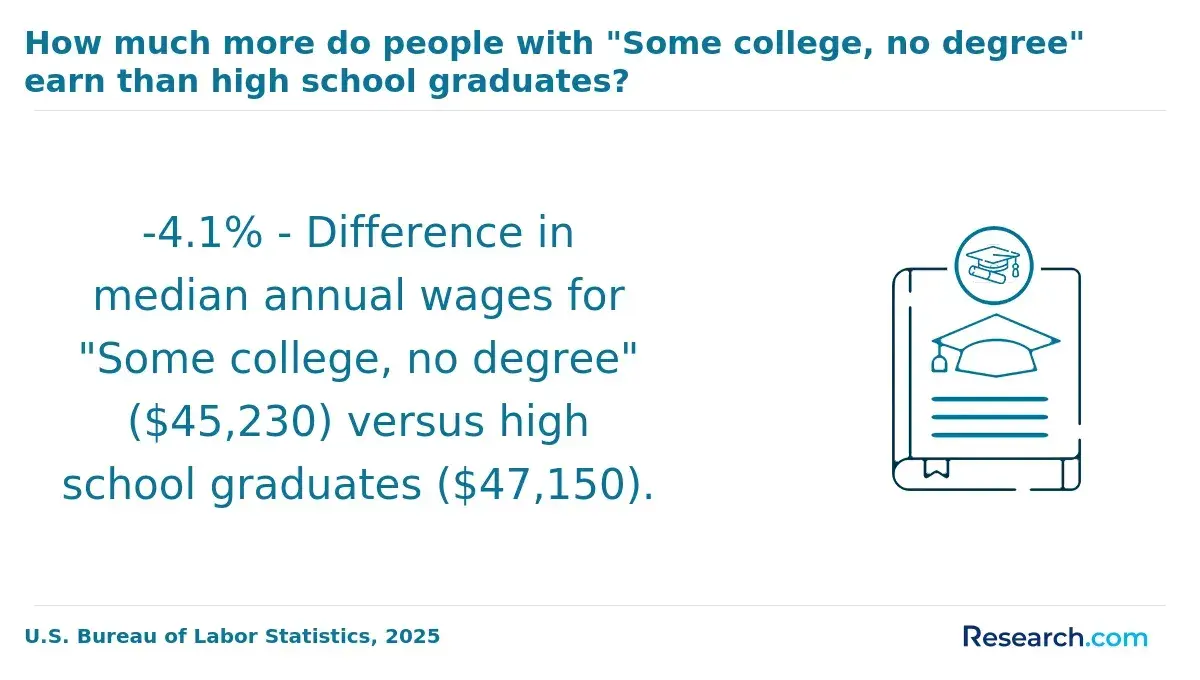
These figures correspond with entry-level salaries in healthcare compliance, which often fall between $55,000 and $70,000 annually, making monthly payments roughly 6% to 10% of gross income. While this ratio suggests a moderate repayment load compared to other regulatory or healthcare roles, variations in payment can considerably impact financial stability, especially if borrowers carry additional debt or experience interest capitalization during deferment periods.
Variability in monthly payments among graduates is largely driven by differences in total loan amounts, repayment plan selection, and salary progression within the sector. Borrowers with larger loan balances, including those who pursued advanced certifications, often see payments toward the upper part of this range or higher. Income-driven repayment plans can lower immediate payments but may extend overall repayment periods and increase total interest paid.
Additionally, starting salaries and career growth trajectories in healthcare compliance affect the proportionality of debt service costs; slower wage growth or underemployment can intensify repayment strain, highlighting the importance of factoring realistic income scenarios into borrowing decisions. One healthcare compliance graduate recalled hesitating during the rolling admissions process while weighing program offers and loan options. She waited several weeks after initial acceptance to confirm financial aid and income-driven repayment eligibility, unsure if deferring enrollment might improve her financial outlook.
The delay caused some anxiety as tuition deadlines approached, but securing clarity on repayment terms ultimately made her feel more confident about the monthly payments she would face post-graduation. This experience underscored how timing and financial planning intersect critically for loan repayment management in healthcare compliance education pathways.
How Do Repayment Rates Compare Between Public and Private Institutions?
Recent data from the U.S. Department of Education's College Scorecard reveals distinct disparities in loan repayment rates between graduates of public and private institutions offering healthcare compliance & regulations programs. Approximately 45-50% of students from public universities manage to repay their federal student loans within three years of entering repayment, whereas repayment rates for graduates of private nonprofit schools tend to lag behind at roughly 38-43%.
This gap reflects varying financial burdens and employment outcomes, rather than inherent differences in program quality, signaling nuanced institutional and economic patterns influencing borrower behavior. The differential in repayment performance largely stems from the interplay of tuition costs, average debt levels, and earning potential post-graduation. Public institutions typically charge lower tuition, leading to smaller loan balances and more manageable monthly payments for their graduates, who often benefit from more robust local hiring networks.
Conversely, private university students typically incur higher debt loads that extend repayment timelines despite sometimes accessing stronger institutional financial aid. Employment outcomes further shape repayment dynamics, as variable program lengths and curricular demands impact early-career salaries, influencing graduates' capacity to meet loan obligations promptly.
These repayment trends carry broader implications beyond immediate financial metrics, affecting long-term economic mobility and perceptions of institutional value within the healthcare compliance & regulations field. Lower repayment rates can signal increased borrower stress and raise questions about the return on educational investment from some private programs. Institutions demonstrating stronger repayment outcomes may face heightened accountability pressures.
Do Online Healthcare Compliance & Regulations Graduates Have Different Repayment Outcomes Than Campus-Based Students?
Recent data from the U.S. Department of Education's 2024 cohort repayment reports reveal a consistent disparity in repayment rates between graduates of public and private institutions within Healthcare Compliance & Regulations programs. Public university graduates have a median three-year repayment rate nearing 45%, outperforming their private institution peers who average around 35%.
This difference persists across both campus-based and online delivery modes, reflecting broader financial and demographic patterns rather than merely institutional prestige. Such distinctions become especially relevant when considering online healthcare compliance and regulations and graduate loan repayment comparison, as repayment outcomes often compound preexisting financial burdens tied to institutional type.
The drivers behind these repayment disparities hinge largely on variations in tuition costs, average borrowing amounts, and post-graduation earnings. Public institutions usually offer more moderate tuition rates and access to substantial federal and state financial aid, limiting cumulative student debt and thus reducing monthly repayment strain. Meanwhile, private institutions often have higher sticker prices, leading to greater loan amounts with potentially weaker income-to-debt balances after graduation.
Employment prospects and salary progression also differ, as many employers in healthcare compliance and regulations weigh practical experience highly-an element more commonly fostered by campus settings-impacting graduates' ability to manage debt efficiently. Recognizing these structural and economic factors offers a clearer understanding of how repayment performance reflects not only institutional value but also financial aid distributions and student demographics shaping long-term debt sustainability.
For students navigating campus versus online healthcare compliance and regulations student debt outcomes, these repayment trends carry significant weight in assessing the financial risks and potential mobility post-degree. Graduates facing higher debt loads may experience prolonged repayment stress, hindering broader financial goals and affecting perceptions of program value.
Awareness of these nuanced repayment dynamics should guide prospective enrollees in evaluating borrowing levels, career viability, and institutional accountability to avoid situational financial strain. Those exploring flexible pathways might consider how programs such as this online ASN compare in cost and aid accessibility, balancing flexibility with realistic repayment expectations.
Which Industries Provide the Best Financial Return Relative to Borrowing Costs?
Financial returns for graduates with healthcare compliance & regulations qualifications vary widely by industry, influenced by the interplay between earning potential and typical debt incurred during study. Rather than focusing solely on salary, a meaningful assessment of return on investment (ROI) considers how quickly income growth can offset borrowing levels, the stability of demand within the sector, and how career progression trends affect repayment capacity.
Recent labor statistics reveal that balancing initial debt-often between $30,000 and $50,000-with median salaries and hiring patterns is crucial for managing long-term financial risk.
- Insurance Carriers: This sector generally offers some of the highest median annual salaries for compliance roles, frequently surpassing $75,000. Strong demand combined with relatively rapid advancement opportunities helps graduates reduce repayment timelines, making it a top choice for maximizing ROI. The higher starting pay relative to average debt supports lower default rates and more predictable financial outcomes.
- Healthcare Facilities: Hospitals and outpatient care centers provide stable employment with median salaries near $65,000. While initial wages are slightly lower than insurance, consistent hiring demand and steady progression paths enhance graduates' ability to manage loan repayments over time. The reliability of employment in these settings often translates to reduced financial stress despite moderate borrowing.
- Professional, Scientific, and Technical Services: Organizations in this category frequently require specialized knowledge and certifications, escalating compensation levels. Slower but steady salary growth paired with ongoing credential investments means debt repayment can align reasonably with income, especially where employers support professional development.
- Government Agencies: Entry-level salaries tend to range from $45,000 to $55,000, which strains repayment relative to borrowing levels. However, benefits like loan forgiveness programs and job security can mitigate this burden, although slower progression and capped salary increases often limit ROI compared to the private sector.
- Academic Institutions: Positions here usually start with lower wages and limited advancement speed, elevating the relative student debt burden. While less dynamic in financial return, these roles may appeal to those prioritizing stability over rapid income growth, but with higher repayment risk in typical loan scenarios.
Does Student Debt Affect Which Jobs Healthcare Compliance & Regulations Graduates Accept?
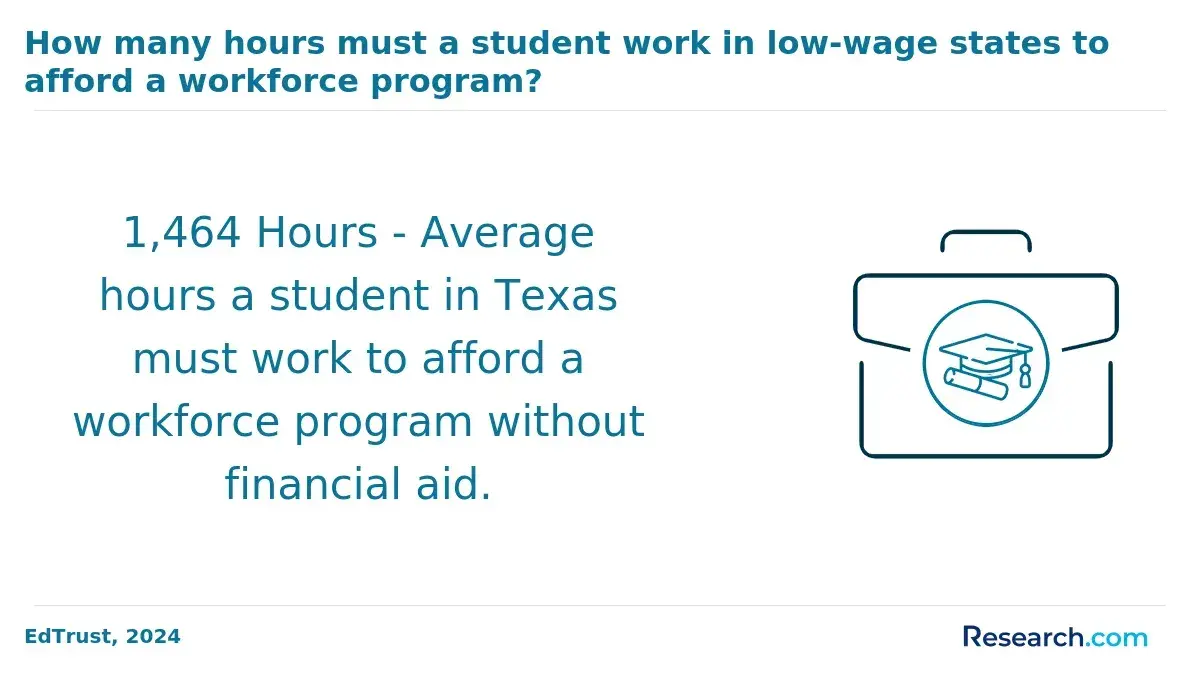
Graduates with degrees in Healthcare Compliance & Regulations often find that their student debt levels shape their initial job acceptance choices, with repayment demands driving a preference for positions offering higher starting salaries. Monthly loan obligations, which commonly reflect borrowing between $30,000 and $50,000, create a baseline financial pressure that impacts which employers and roles are viable.
According to a 2024 National Center for Education Statistics survey, 62% of healthcare-related graduates indicated that student loans influenced their job decisions, frequently steering them toward larger healthcare organizations or consulting firms capable of providing more competitive pay. This repayment-driven salary focus can lead to prioritizing immediate financial needs over alignment with long-term professional interests or regulatory sector specialization at the outset of their careers.
Beyond salary, other factors influenced by student debt include geographic mobility and industry sector selection, as graduates with heavier debt burdens may limit their willingness to relocate or pursue lower-paying but potentially more fulfilling roles in government or nonprofits. Those with lower debt tend to exhibit greater flexibility in accepting jobs that offer stability or alignment with regulatory compliance nuances, whereas high-debt individuals often prioritize short-term financial stability to manage debt-to-income ratios effectively.
Structurally, debt compels many toward private sector employment, which can constrain career trajectory options by emphasizing cash flow over experiential diversity or sector expertise, affecting long-term advancement within healthcare compliance. Understanding these behavioral patterns highlights how debt-related financial constraints subtly shape employment landscapes and early career strategies in this field.
One healthcare compliance graduate shared how the rolling admissions timeline affected their ability to apply and plan financially. Facing uncertainty about when offers might arrive, they hesitated to commit to programs that could extend start dates and disrupt job-seeking windows. Balancing application deadlines while awaiting scholarship decisions led to strategic delays, as missing a program start could also delay earning potential needed to cover existing debt.
What Factors Increase Student Loan Repayment Risk for Healthcare Compliance & Regulations Graduates?
Student loan repayment risk for healthcare compliance & regulations graduates is shaped by multiple financial, academic, and labor market factors that interact to influence an individual's ability to meet obligations. It arises not merely from the amount borrowed but from the relationship between debt levels and post-graduation earning stability.
Variability in job placement, income growth, and program costs further complicate repayment capacity, making some graduates more vulnerable to financial strain than others.
- High Debt-to-Income Ratios: Graduates often carry borrowing levels similar to those in higher-paying healthcare sectors but face comparatively moderate starting salaries. This imbalance results in a higher percentage of income allocated to monthly loan payments, exerting financial pressure that can lead to missed or delayed repayments, especially when salary growth is slow or inconsistent.
- Job Market and Geographic Variability: Employment opportunities in healthcare compliance & regulations vary significantly by region and sector demand. Graduates working in areas with limited role availability may accept positions with lower pay or inconsistent hours, which undermine steady repayment capacity and increase vulnerability to default or delinquency.
- Limited Access to Employer Assistance and Repayment Programs: Many graduates do not benefit from employer-sponsored loan repayment support, while awareness and use of federal income-driven repayment (IDR) plans remain low. This gap reduces options for aligning monthly payments with actual earnings, increasing exposure to repayment hardship during periods of unstable income.
- Extended Program Length and Multiple Credentials: Students pursuing longer or multiple healthcare compliance & regulations programs often accumulate higher total debt. Without a proportional increase in income, this leads to compounded repayment risk, especially when subsequent credentials do not significantly improve marketability or salary prospects.
According to the 2024 National Student Loan Risk Report, around 28% of compliance-related graduates with loans exceeding $30,000 struggled to meet repayment obligations within two years post-graduation. Prospective students should carefully evaluate these dynamics alongside the impact of program format on healthcare compliance student debt repayment to make informed financial decisions.
For those considering alternative healthcare career paths with more predictable income trajectories, exploring credentials such as a functional medicine nurse may offer distinct repayment and employment advantages.
How Can Healthcare Compliance & Regulations Students Reduce Student Loan Debt While Earning Their Degree?
Reducing student loan debt while earning a Healthcare Compliance & Regulations degree demands proactive planning, strategic academic choices, and optimizing available financial resources throughout the program. Borrowing less is less about simple budgeting and more about aligning course selection, work commitments, and aid options to minimize cumulative expenses and loan balances.
Given the rising costs and variable program lengths, students benefit from coordinating these factors early and revisiting their approach regularly.
- Enroll in Accredited Flexible Programs: Opting for part-time or online coursework in accredited schools enables students to maintain steady employment. Sustained income reduces reliance on loans and leverages employer-sponsored benefits, cutting overall borrowing. This strategy is particularly effective, as students working 20+ hours weekly borrow roughly 15% less, according to a 2024 National Center for Education Statistics report.
- Select Programs with High Completion Rates and Lower Costs: Choosing institutions or programs with proven high retention and completion rates shortens time-to-degree and lowers tuition paid overall. Programs offering competency-based modules allow faster progression, thus curbing the accumulation of interest on borrowed funds.
- Maximize Federal Financial Aid Opportunities: Prioritizing federal grants and loans over private options provides access to better repayment terms and potential forgiveness programs. Early FAFSA filing and informed use of institutional aid reduce the need for high-interest loans.
- Apply for Field-Specific Scholarships and Grants: Targeted scholarships and grants for healthcare compliance & regulations students diminish loan dependence by supplementing tuition. These merit- or need-based awards often go underutilized but yield tangible debt reduction.
- Integrate Paid Internships or Fellowships: Engaging in paid work aligned with healthcare regulations not only bolsters resumes but also injects earned income into education costs. Such opportunities lower borrowing requirements while enhancing practical skill sets valued by employers.
- Limit Enrollment in Non-Essential Electives: Careful course planning to avoid costly electives outside core program requirements streamlines expenses. This reduces credit hours needed and controls ballooning tuition bills, directly limiting the loan amount.
- Leverage Institutional Resources for Financial Counseling: Utilizing academic advisors and financial aid counselors to craft efficient academic paths and loan management strategies improves borrowing decisions. These resources help students avoid unnecessary debt without sacrificing educational quality.
Healthcare compliance & regulations student loan repayment strategies must consider these nuanced realities: balancing workload, academic pacing, and financial aid optimizes affordability without compromising employability. For students exploring flexible options, understanding how can you get a speech pathology degree online programs manage similar challenges offers valuable perspective on distance learning's impact on debt management.
Reducing student debt during healthcare compliance & regulations degree programs involves informed decisions about program selection, workload, and funding sources, with practical tradeoffs between income and educational intensity shaping overall financial risk.
How Should Prospective Students Evaluate Borrowing Risk Before Enrolling?
Evaluating borrowing risk before enrolling in a Healthcare Compliance & Regulations degree program is critical to understanding the long-term financial impact of student debt. This evaluation centers on balancing the total expected educational debt against realistic post-graduation earnings, which guides sustainable borrowing decisions.
Prospective students must go beyond surface-level budgeting and apply rigorous financial and career outcome analysis to assess whether the program's cost structure aligns with their repayment capacity and professional prospects.
- Projected Earnings Compared to Debt Load: Analyze median starting salaries in healthcare compliance, typically between $55,000 and $70,000 annually, relative to the total anticipated loan amount. This comparison is essential to determine if expected income can support manageable debt repayment without excessive financial strain.
- Institutional Cost and Program Length: Longer programs or those with higher tuition fees usually increase total borrowing. Understanding the specific cost components helps estimate the total debt exposure accurately, framing repayment expectations.
- Monthly Payment Affordability: Use conservative loan calculators to estimate monthly payments and ensure they do not exceed 10-15% of after-tax income. Keeping payments within this range supports financial stability and reduces default risk.
- Employment Outcomes and Job Market Stability: Evaluate data on job placement rates and demand for healthcare compliance professionals. Stable demand reduces the risk of underemployment that can undermine repayment capacity.
- Repayment and Default Rates: Historical data shows that about 20% of compliance graduates struggle with repayment within three years. This metric offers insight into systemic financial challenges related to the credential and underscores the need for cautious borrowing.
- Availability of Employer Support: Consider if employer tuition assistance or loan forgiveness options exist, as these can significantly reduce effective borrowing costs and improve repayment conditions.
By systematically weighing these factors, prospective students can make a more informed commitment, increasing the likelihood that their healthcare compliance education remains a financially sound investment rather than an unmanageable burden.
References
- Student Loan Repayment Benefits Explained | KBI Benefits https://www.kbibenefits.com/student-loan-repayment-benefits-explained
- Regulatory Healthcare Compliance | MLS at Western State https://www.wsulaw.edu/news/why-regulatory-compliance-in-healthcare-is-more-important-than-ever/
- Medical School Debt | SCAI https://www.scai.org/government-relations/current-campaigns/medical-school-debt
- Student Loan Changes for Healthcare Degrees https://www.mhaonline.com/blog/healthcare-student-loan-changes
- What is the typical debt load for graduates of four-year public universities - APLU https://www.aplu.org/our-work/4-policy-and-advocacy/publicuvalues/student-debt/
- Does Debt Affect Career Choice? | HESA https://higheredstrategy.com/does-debt-affect-career-choice/
- Top Healthcare Regulatory Compliance Challenges | HCI https://hci.care/top-healthcare-regulatory-compliance-challenges/
- Top Tips for Managing Medical School Debt | ELFI https://www.elfi.com/best-tips-for-paying-off-medical-school-debt/
- Reimagining and Improving Student Education https://www.federalregister.gov/documents/2026/01/30/2026-01912/reimagining-and-improving-student-education
Other Things You Should Know About Healthcare Compliance & Regulations
The decision to pursue a certificate versus a degree influences both borrowing levels and repayment timelines significantly. Certificate programs are often shorter and less costly, resulting in lower overall debt but may limit earning potential and employer demand compared to full degrees. Graduates with certificates might face tighter salary ceilings that make monthly payments more burdensome relative to income, increasing repayment risk if they overborrow. Prioritizing a degree when aiming for advanced roles or leadership positions often justifies higher debt by improving long-term income prospects and reducing relative repayment stress.
Employers in healthcare compliance & regulations generally expect candidates to demonstrate not only relevant knowledge but also practical experience and certifications alongside education. A heavier debt load can influence job choices, pushing graduates to accept roles with quicker income but potentially lower career growth or satisfaction. Balancing monthly loan payments with opportunities to build credentials or take entry-level roles might mean choosing manageable debt levels. Students should weigh whether borrowing more to extend program length or enhance credentials aligns with employer trends toward specialized compliance skills and certifications.
Programs with flexible part-time options or employer tuition assistance significantly reduce immediate repayment strain and long-term debt risk. Those enrolled full-time without income streams face higher borrowing and less opportunity to repay during study, resulting in larger post-graduation payments. Healthcare compliance & regulations students benefit from programs embedding internships or co-ops that build income or reduce borrowing. Understanding whether the program supports work-study balance and includes pathways for early wage earning can guide decisions to minimize repayment burden.
While lower tuition reduces upfront borrowing and monthly payment size, the tradeoff often lies in post-graduation outcomes such as employer network strength and job placement rates. Since healthcare compliance & regulations roles value recognized credentials and practical experience, selecting a program with proven job placement success may be more cost-effective overall despite higher tuition. Prioritizing stronger placement improves income prospects, which can ease repayment risk and justify initial borrowing. Students must weigh immediate cost savings against realistic employment gains in this specialized field.