2027 Healthcare Compliance & Regulations Salary Trends Report: Are Wages Keeping Up With Tuition and Inflation?

Co-Founder and Chief Data Scientist
Consider a prospective healthcare compliance & regulations student weighing the rising costs of tuition against expected salary outcomes. With education expenses climbing and inflation affecting daily living costs, it's critical to assess whether the financial return on this degree will keep pace.
Simply looking at starting salaries may mask the true picture, as education costs, wage growth, and inflation rarely increase uniformly. This disconnect makes it vital to analyze long-term earning potential to determine if the investment justifies the expense.
Salary trends often fluctuate independently of tuition hikes and inflation rates, complicating decisions about affordability and return on investment. For students and recent graduates, understanding the interplay between these factors can influence career planning and financial stability.
This article examines healthcare compliance & regulations salary trends alongside tuition costs and inflation, exploring the factors shaping the degree's long-term financial value. It offers an informed perspective on whether wages are keeping up with the broader economic challenges faced by learners in this field.
Key Things to Know About Healthcare Compliance & Regulations Salary Trends
- Median entry-level wages for healthcare compliance & regulations graduates rose 3.2% in 2024, lagging behind a 6% increase in average tuition and inflation, signaling tight initial ROI margins.
- Advanced certifications and experience correlate with a 15-25% wage premium over five years, highlighting that early salary stagnation may improve but requires strategic career planning.
- Regulatory changes expand demand, yet geographic and institutional factors create uneven salary growth, necessitating targeted job market analysis for optimizing long-term earnings.
- Key Things to Know About Healthcare Compliance & Regulations Salary Trends Key Things to Know About Healthcare Compliance & Regulations Salary Trends
- What Is the Current Salary Outlook for Healthcare Compliance & Regulations Graduates? Salary Outlook
- Are Healthcare Compliance & Regulations Salaries Keeping Up With Inflation? Inflation Impact
- How Do Tuition Costs Compare With Healthcare Compliance & Regulations Salary Growth? Tuition vs Salary
- Does a Healthcare Compliance & Regulations Degree Deliver a Positive Return on Investment? Degree ROI
- Which Industries Offer the Highest Salaries for Healthcare Compliance & Regulations Graduates? Which Industries Offer the Highest Salaries for Healthcare Compliance & Regulations Graduates?
- Which States and Cities Offer the Highest Pay for Healthcare Compliance & Regulations Professionals? Which States and Cities Offer the Highest Pay for Healthcare Compliance & Regulations Professionals?
- How Do Healthcare Compliance & Regulations Salaries Grow Throughout a Career? Career Growth
- How Do Healthcare Compliance & Regulations Salaries Compare With Similar Degrees? Salary Comparison
- How Is Employer Demand Affecting Healthcare Compliance & Regulations Salary Trends? Employer Demand
- How Can Students Maximize Their Lifetime Earnings With a Healthcare Compliance & Regulations Degree? Maximizing Earnings
What Is the Current Salary Outlook for Healthcare Compliance & Regulations Graduates?
Salary prospects for Healthcare Compliance & Regulations graduates in 2024 indicate moderate growth influenced by factors such as geographic location, employer size, and specialization. Median annual wages for healthcare compliance officers hover around $75,000, based on the latest U.S. Bureau of Labor Statistics data.
While entry-level salaries may start near $55,000, gaining certifications or moving into complex regulatory areas can push pay well past $95,000. Still, salary outcomes vary widely; for example, a graduate working in a large urban healthcare system with a focus on data privacy may receive a significantly higher salary than another with the same degree employed in a smaller rural facility without advanced credentials.
Evaluating the salary outlook for healthcare compliance professionals requires looking beyond initial wages to long-term career growth and job market trends. Despite tuition rising 4-6% annually-outpacing the modest 3-4% increase in salary growth-ongoing demand driven by expanding patient privacy regulations and public health requirements supports career stability and incremental earnings improvements.
Hospitals and organizations often provide incentives like certification funding and performance bonuses, which can enhance total compensation. Prospective students should weigh these factors carefully, considering that graduates might find different trajectories depending on their area of specialization and the institution where they begin their careers, making it worthwhile to research nursing programs with high acceptance rates or similar allied health fields as points of comparison within healthcare education.
The current healthcare compliance & regulations graduate salary trends emphasize that earnings are neither uniform nor guaranteed but are shaped by measurable industry demands and professional development.
Career changers and new entrants should interpret median pay figures as benchmarks rather than absolutes, factoring in that salary growth often correlates with expertise in niche regulatory areas and leadership roles. Balancing the cost of education against employment outcomes, especially amid inflation, is crucial for realistic assessments of return on investment in this specialized yet evolving field.
Are Healthcare Compliance & Regulations Salaries Keeping Up With Inflation?
Nominal salary increases in healthcare compliance & regulations typically range from 2.5% to 3.0% annually, which falls short of the roughly 4.2% average inflation rate reported by the U.S. Bureau of Labor Statistics for recent years. This discrepancy means that even as wages rise, the actual purchasing power of these salaries often declines.
For example, a recent graduate earning a median entry-level wage may receive a small raise each year, but if inflation outpaces that raise, essentials like housing, transportation, and groceries become relatively more expensive, effectively shrinking their real income despite nominal growth. This situation illustrates why prospective students need to consider inflation's impact on long-term earnings, not just starting salaries or periodic salary bumps.
Several factors contribute to why healthcare compliance salary trends vs inflation 2024 remain misaligned. Market saturation in entry- to mid-level roles can suppress wage growth since demand for these positions might not match the supply of qualified candidates.
Additionally, delayed wage adjustments within healthcare organizations, which often face budget constraints, further compound the challenge of wage stagnation relative to consumer costs.
Tuition cost increases, which for many healthcare compliance & regulations programs exceed inflation by 3% to 5%, add another layer of financial pressure on graduates, especially those who enter the job market with debt.
Therefore, evaluating the economic tradeoffs of program costs, through resources such as the best medical coding programs, is essential for a realistic view of future financial stability.
How Do Tuition Costs Compare With Healthcare Compliance & Regulations Salary Growth?
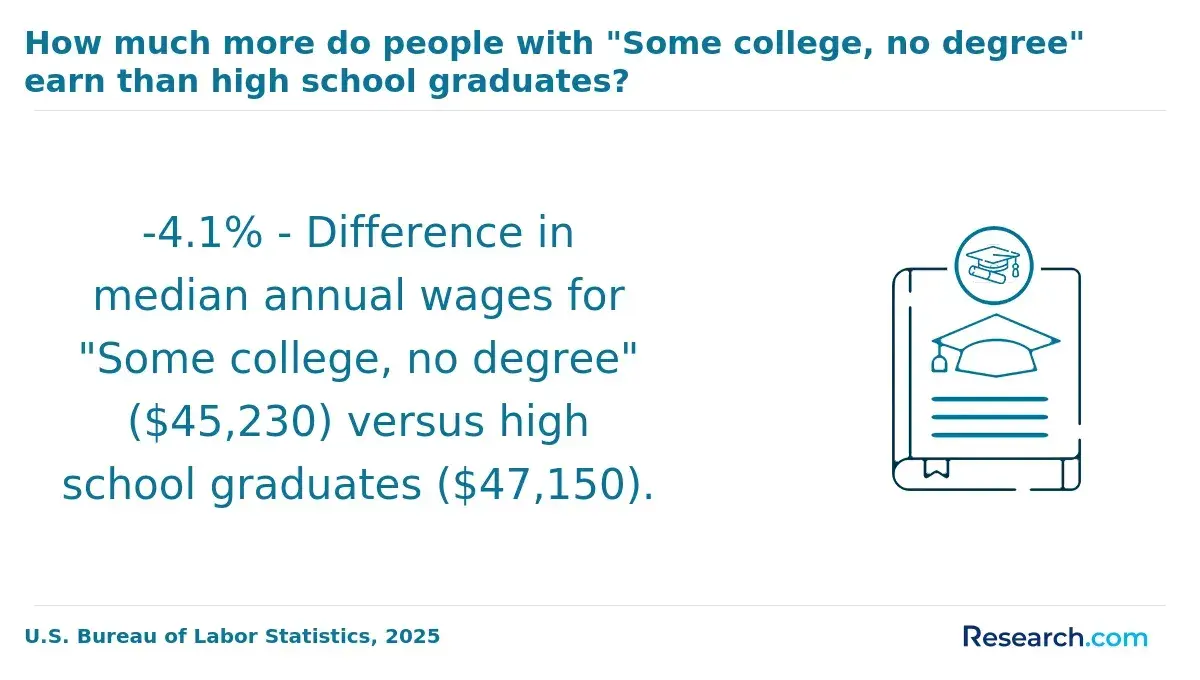
Evaluating the financial return on a healthcare compliance & regulations degree requires looking beyond isolated figures for tuition and salary. While average annual tuition fees for related bachelor's programs have climbed over 4.5% yearly, outpacing general inflation and reaching upwards of $40,000 at many institutions, starting salaries for graduates typically range from $55,000 to $65,000, increasing to about $80,000 to $95,000 mid-career, based on 2024 Occupational Outlook data.
This gap reveals that although salaries grow steadily, they often do not accelerate fast enough to fully offset the swift rise in educational costs within the first ten years post-graduation. Comparing these trends side-by-side highlights the financial tightrope students face when balancing upfront debt with projected income, offering a more nuanced picture than viewing either cost or earnings alone.
For instance, consider a student paying full tuition at a private university who plans to enter a regional job market with starting salaries near the lower end of the spectrum. Despite a decent salary trajectory, the rapid tuition inflation means this graduate may carry substantial loan repayments well into their mid-career years, potentially limiting financial flexibility.
Meanwhile, another graduate from a public institution, benefiting from lower tuition and securing a position in a higher-paying urban market, might see a more favorable cost-to-earnings ratio. Factors such as geographic location, school choice, and career advancement opportunities critically shape how tuition compares with salary growth, underscoring the importance of individualized financial strategies and realistic outcome assessments.
One graduate reflected on their decision, recalling the moment they hesitated before committing to a costly private program. They weighed the hefty tuition against projected salaries and acknowledged the risk of slower salary increases in their area, ultimately choosing to pursue additional certifications to boost their market value.
"I knew that just a degree wouldn't be enough," they said, "so planning for extra qualifications felt necessary to justify taking on that much debt." This experience underscores how personal context and proactive planning intersect with broader economic trends to shape the true value of the degree in healthcare compliance & regulations.
Does a Healthcare Compliance & Regulations Degree Deliver a Positive Return on Investment?
Return on investment (ROI) in higher education involves weighing the total cost of obtaining a healthcare compliance & regulations degree against the long-term career prospects and salary growth it enables, rather than focusing solely on entry-level pay.
For example, a graduate facing average tuition costs adjusted for inflation might start with an annual salary near $60,000, in line with data from the National Center for Education Statistics and the Bureau of Labor Statistics in 2024. Over time, as the regulatory landscape in healthcare grows increasingly complex, professionals with this specialized degree may see their earnings rise to $85,000 or more mid-career, reflecting robust demand that can offset initial expenses through sustained wage growth.
This ROI is heavily influenced by factors such as the rising tuition burden, the stability of job markets in sectors like hospitals, insurance, and government, and the individual's ability to supplement academic credentials with certifications and experience.
Studies from entities like the Healthcare Compliance Association show that wage increases in this field have consistently outpaced inflation over recent years, suggesting that although upfront costs are high, the financial benefits can accumulate over 10 to 15 years. However, ROI will vary depending on each person's career path, geographic location, and employment opportunities within a healthcare system's evolving regulatory environment.
Ultimately, earning a healthcare compliance & regulations degree can represent a financially sound decision when evaluated through a realistic lens of career longevity and incremental salary progression, rather than immediate earnings alone.
Graduates who leverage their degree across multiple industries and continuously update their skills tend to achieve the greatest returns, while those entering saturated markets or neglecting ongoing professional growth may experience more modest financial gains. This nuanced perspective underscores that the degree's ROI is context-dependent, shaped by economic conditions and individual career strategies as much as by starting salaries or tuition costs.
Which Industries Offer the Highest Salaries for Healthcare Compliance & Regulations Graduates?
Salary potential for healthcare compliance & regulations graduates varies significantly by industry, reflecting the complexity and financial stakes tied to regulatory oversight. According to U.S. Bureau of Labor Statistics data from 2024, industries with stringent regulatory demands and high risks offer the most lucrative opportunities.
For example, compliance professionals working in sectors where rapid innovation meets heavy regulation often command salaries well beyond those in traditional healthcare settings. This is especially true when specialized skills in navigating FDA regulations or managing federal policy compliance come into play.
Below is a considered overview of the highest paying industries for healthcare compliance and regulations careers, highlighting the critical factors behind their compensation levels:
- Pharmaceutical and Biotechnology: These industries lead with top-tier salaries due to the rigorous regulatory frameworks governing drug development, clinical trials, and marketing approvals. Compliance roles often require advanced understanding of FDA and international regulations, making specialized expertise highly valuable for managing risk and ensuring product safety.
- Medical Device Manufacturing: Precision and innovation here drive the need for compliance officers who can navigate complex device approval processes and post-market surveillance. The sector's high revenue and product liability risks boost compensation for professionals adept at cross-functional regulatory strategy.
- Health Insurance and Managed Care: Compliance in this sector centers on policy adherence, fraud prevention, and navigating complex reimbursement models. Professionals with skills in federal rules like HIPAA and the Affordable Care Act find strong demand and competitive pay, reflecting the critical role of ensuring organizational and regulatory alignment.
- Hospitals and Healthcare Systems: While these remain major employers of healthcare compliance & regulations graduates, wage growth tends to be more moderate. Roles often focus on internal policy, quality assurance, and risk mitigation, with steady but less elevated compensation compared to private industry.
- Government Agencies: Federal and state agencies enforcing healthcare regulations offer stable employment with comprehensive benefits and job security. Salaries are generally lower than private sector counterparts but can be supplemented by long-term incentives and pension systems, appealing for those prioritizing stability over income maximization.
- Consulting Firms Specializing in Healthcare Compliance: Consultants advising multiple clients on regulatory compliance can command higher earnings through project-based contracts and specialized knowledge. Roles demand advanced legal and regulatory expertise, plus strong communication skills to interpret changes in policy for diverse stakeholders.
- Pharmaceutical Research Organizations: These subcontractors often require compliance professionals to manage clinical trial protocols and regulatory submissions. Competitive pay arises from the critical nature of timely approvals and the technical complexity involved in coordinating multi-site studies.
For prospective and current healthcare compliance & regulations students, understanding where these industries stand in terms of salary can inform decisions about specialization and career trajectory.
For instance, a regulatory specialist joining a pharmaceutical company may earn substantially more relative to peers in hospital settings but must also navigate a much faster regulatory environment.
Additionally, those weighing the costs of advanced degrees might consult resources on related fields such as nurse practitioner salary comparisons to understand broader health sector compensation trends.
Which States and Cities Offer the Highest Pay for Healthcare Compliance & Regulations Professionals?
Geographic location plays a critical role in determining the earning potential for healthcare compliance & regulations professionals, reflecting the intersection of local industry presence, regulatory complexity, and living expenses.
While some states offer top-tier salaries driven by dense healthcare ecosystems, the higher pay often correlates with elevated costs for education, housing, and daily expenses. For new graduates and career changers, understanding these tradeoffs is essential for making financially prudent decisions after earning a healthcare compliance & regulations degree.
The following highlights key states and metropolitan areas where compensation ranks among the highest in 2024:
- California: Leading with average annual wages over $110,000, California's high pay stems from large healthcare conglomerates and a booming tech-health startup scene, especially in Silicon Valley and Los Angeles. Candidates must weigh substantial tuition costs and a steep cost of living against these lucrative salary prospects.
- New York Metro: The New York-Newark-Jersey City area offers robust salaries supported by expansive healthcare networks and pharmaceutical firms. Graduates benefit from abundant career opportunities but should consider that high living expenses and regulatory pressures shape the financial landscape.
- Massachusetts: Centers like Boston-Cambridge-Newton excel with premium pay fueled by academic medical centers and biotech industries. The region's high costs and competitive job market demand careful evaluation of return on investment for education and early-career choices.
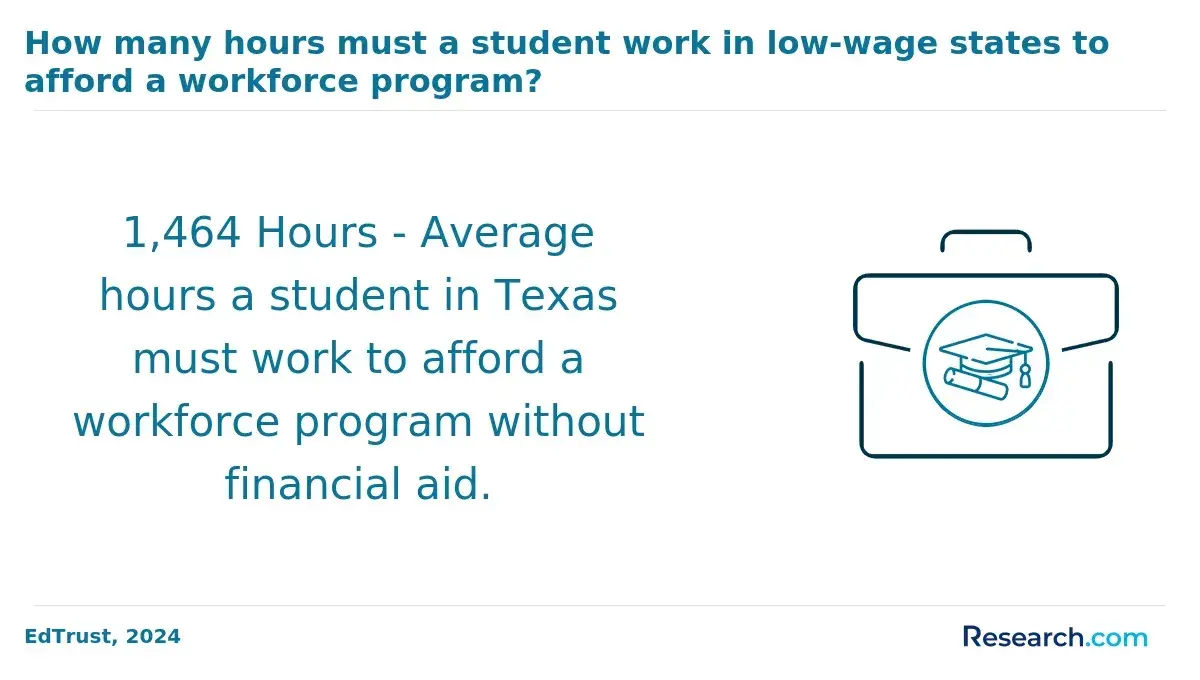
- Texas Metro Areas: Houston and Dallas provide somewhat lower median salaries compared to coastal hubs but offer expanding healthcare sectors with lower living costs. This balance can benefit students seeking affordability while maintaining access to meaningful employment.
- San Francisco Bay Area: Known for salaries approximately 25% above the national average, San Francisco's earnings reflect intense regulatory environments and concentrated institutional healthcare players. However, inflated housing and tuition expenses require strategic financial planning.
How Do Healthcare Compliance & Regulations Salaries Grow Throughout a Career?
Starting salaries for healthcare compliance & regulations professionals typically range from $50,000 to $65,000, reflecting the initial phase where foundational knowledge is still developing. As individuals gain experience, certifications, and responsibility, salaries tend to increase by about 3% to 5% annually, reaching between $75,000 and $95,000 in mid-career according to the Health Care Compliance Association's 2024 data.
Progression beyond this point is often tied not just to years worked but to factors such as leadership roles, managing regulatory complexity, and earning advanced credentials like Certified in Healthcare Compliance (CHC). At senior levels, particularly within larger organizations or high-cost metro areas, salary bands frequently extend to $100,000-$135,000 or more, underscoring how experience and scope of influence shape compensation.
Consider two graduates entering the field with identical healthcare compliance & regulations degrees: one who pursues additional certifications and steadily climbs into management, and another who remains in entry-level positions without professional development. The former might exceed $120,000 within a decade, while the latter may plateau near $65,000 to $70,000.
This disparity demonstrates that salary growth is less about time served and more dependent on proactive career decisions like pursuing specialized training, leadership opportunities, and tackling higher-risk regulatory challenges. Data from the U.S. Bureau of Labor Statistics in 2024 corroborates that the most significant salary gains align with these factors rather than mere tenure, highlighting the importance of strategic advancement in this field.
One healthcare compliance & regulations graduate recalled feeling uncertain about pursuing additional certifications early in their career due to the financial and time commitments involved. Over several years, they observed colleagues who embraced these certifications moving steadily into compliance officer and then director roles, earning significantly more.
Eventually choosing to invest in the Certified Compliance and Ethics Professional (CCEP) credential themselves, they noticed their salary growth accelerate notably, coupled with expanded responsibilities. This experience reflected a broader realization that, while steady wage increases occur naturally, intentional professional development critically influences earning potential and career trajectory within healthcare compliance.
How Do Healthcare Compliance & Regulations Salaries Compare With Similar Degrees?
Salaries for healthcare compliance & regulations graduates generally track closely with those from related disciplines like health administration, public health, and risk management.
Median earnings in healthcare compliance & regulations hover around $68,000 annually, slightly below the $70,000 median reported for health administration but above the $65,000 median for public health entrants, according to 2024 data from the U.S. Bureau of Labor Statistics. Understanding these nuances helps students and career changers weigh the long-term financial tradeoffs amid rising tuition and inflation pressures.
Here is a comparative assessment of how healthcare compliance & regulations salaries measure against related degrees:
- Health Administration: Graduates often start with marginally higher salaries, around $70,000, due to broader administrative roles in healthcare systems that may involve managing teams and operations. The slightly higher earning potential stems from greater demand for organizational leadership skills in health administration compared to the more specialized compliance focus.
- Public Health: Typical starting salaries near $65,000 reflect roles focused on community health and policy rather than direct regulatory oversight. While public health careers may offer diverse paths, their salary growth is generally slower, partly because of public sector employment prevalence.
- Risk Management: Salaries align closely with healthcare compliance, with both fields emphasizing regulatory frameworks and risk mitigation. Career paths here include insurance and compliance auditing, with potential for advancement into senior roles exceeding $100,000, which depends heavily on specialization and industry sector.
- Healthcare Quality: This degree targets quality assurance in clinical settings and earns salaries comparable to healthcare compliance but may experience more consistent growth due to increasing regulatory scrutiny and quality improvement demands.
For prospective students evaluating these options, understanding the trajectory shown by salary projections is crucial. While healthcare compliance & regulations salaries have modestly increased by approximately 3% year-over-year, this growth slightly lags behind inflation rates near 4%, signaling cautious optimism but also highlighting the importance of advancing into higher-level positions.
Those considering further specialization could explore fields reflected in benchmarks like the doctor of nursing practice salary, which exemplifies how advanced credentials can shift earning potential significantly in healthcare fields.
How Is Employer Demand Affecting Healthcare Compliance & Regulations Salary Trends?
The impact of healthcare compliance employer demand on salary trends is significant but nuanced. As regulatory environments grow more complex, organizations face intensified competition for skilled compliance professionals, pushing employers to increase hiring activity and adjust compensation strategies accordingly.
For example, a healthcare provider in a large urban market might offer salaries 10-15% above national averages to attract candidates amid fierce competition, illustrating how localized demand spikes affect wage structures. According to the U.S. Bureau of Labor Statistics 2024 data, compliance officer positions have seen steady salary increases averaging 3-5% annually, a trend closely tied to demand yet tempered by broader economic factors.
Demand is shaped by several factors including evolving government policies, heightened scrutiny on patient data protection, and the growing complexity of billing regulations, all of which drive employer needs for specialized knowledge. However, strong employer demand does not guarantee uniform wage growth as salaries also depend on candidate experience, niche expertise, and the financial constraints of the hiring institution.
Prospective and current students aiming to enter healthcare compliance & regulations must consider whether this demand translates into sufficient long-term earning potential to justify educational costs, especially as tuition and inflation rise faster than median wage growth. For those uncertain about program competitiveness or career pathway challenges, reviewing guidance on is it hard to get into SLP grad school can offer valuable insight into selecting related advanced education.
Overall, employer demand positively influences salary trends in healthcare compliance & regulations while creating stable job prospects, but salary progression remains uneven across regions and institutions.
This relationship underscores the importance of strategic career planning for graduates, who must weigh local labor market conditions and sector-specific regulations alongside raw salary data. Factoring in these elements helps clarify how employer demand impacts salary trends in healthcare compliance and regulations over both the short and long term.
How Can Students Maximize Their Lifetime Earnings With a Healthcare Compliance & Regulations Degree?
Maximizing lifetime earnings with a healthcare compliance & regulations degree requires more than completing the coursework; it demands targeted strategies attuned to evolving industry demands and economic conditions. Data from the U.S. Bureau of Labor Statistics and the Healthcare Compliance Association in 2024 highlight how specialization, certifications, and location impact salary trajectories.
For example, a graduate focusing on pharmaceutical compliance in a major metropolitan area can leverage advanced certifications to outpace peers financially within five years. The following strategies outline realistic approaches aligned with research-driven outcomes:
- Specialized Certification: Obtaining credentials like Certified in Healthcare Compliance (CHC) or Certified Risk Adjustment Coder (CRAC) signals expertise to employers, often translating into immediate salary premiums and accelerated promotions.
- Advanced Education: Completing a master's degree in healthcare administration or health law can increase lifetime earnings by up to 30%, according to NACE studies, by qualifying graduates for senior roles requiring deeper regulatory knowledge.
- Geographic Targeting: Prioritizing employment in urban hubs with large healthcare systems and regulatory agencies provides access to higher-paying positions and advanced networking opportunities unavailable in rural areas.
- Practical Experience: Gaining in-demand skills like compliance audits and regulatory risk management through internships or entry-level roles enhances professional value and job mobility.
- Continuous Learning: Staying updated on healthcare laws and technology innovations via ongoing education protects against wage stagnation amid industry changes.
- Professional Networking: Active engagement with professional organizations connects students to exclusive job openings and industry insights, facilitating faster career growth.
- Strategic Career Planning: Combining multiple strategies-education, certification, experience, and location-within a coherent career plan yields the most sustainable financial outcomes over decades.
References
- How a Healthcare Management Degree Can Boost Your Career https://www.straighterline.com/blog/how-a-healthcare-management-degree-can-boost-your-career-prospects
- Finding the ROI in healthcare compliance - Cliniconex https://cliniconex.com/resources/articles/roi-of-compliance/
- The ROI of Healthcare Compliance: A symplr Value Proposition https://www.symplr.com/blog/roi-healthcare-compliance-symplr-value
- Compliance Program ROI: How to Calculate and Present the Business Case for Ethics & Compliance Investment https://www.ethico.com/insights/compliance-program-roi-how-to-calculate-and-present-the-business-case-for-ethics-compliance-investment-2
- Health Care Compliance Certificate for Working Professionals https://catalog.mitchellhamline.edu/certificate/health-care-compliance-certificate-for-working-professionals
- 10 Career Pathways in Healthcare Compliance Management https://hospitalcareers.com/blog/career-pathways-for-healthcare-compliance/
- Healthcare Compliance Officer - Education, Certification & Jobs https://www.healthcaredegree.com/administration/healthcare-compliance-officer
- Highest Paid Public Health Careers https://www.publichealthdegrees.org/careers/highest-paid-public-health-jobs/
- Compliance Officer Salary 2026: Pay, Skills & Growth https://shoolini.online/blog/compliance-officer-salary-2026-skills-career/
Other Things You Should Know About Healthcare Compliance & Regulations
Salary outcomes often hinge on how employers define the role of compliance professionals. Some organizations expect deep legal expertise, while others prioritize operational knowledge or technical skills. This variability means candidates should target programs or training that develop the specific competencies most valued by their preferred employers, as general qualifications may not translate into higher wages without relevant specialization.
A broader educational background may open doors across diverse healthcare settings but can dilute the depth of skills that command premium pay. Conversely, specializing in areas such as data privacy or clinical compliance often aligns with faster salary increases due to growing demand for niche expertise. Prospective students should weigh whether initial versatility or long-term salary acceleration is more critical given their career goals.
Higher workloads linked to regulatory complexity do not always correspond to proportional salary gains. Many compliance roles involve significant stress and extended hours without guaranteed pay increases, especially in smaller organizations. Evaluating potential employers' approaches to workload management is essential, as accepting excessive demands without adequate compensation may undermine overall career satisfaction despite moderate salary growth.
Programs that facilitate employer networking and practical experience often yield better job placement and salary negotiation leverage, which can offset higher tuition over time. Prioritizing these programs makes strategic sense when seeking to enter competitive markets where credentials alone do not ensure impactful salaries. Investing more upfront in such programs can be justified if they demonstrably improve early-career earnings and advancement opportunities.